How to Specify Specs and Acceptance Criteria for Kids’ Optical Frames Orders?
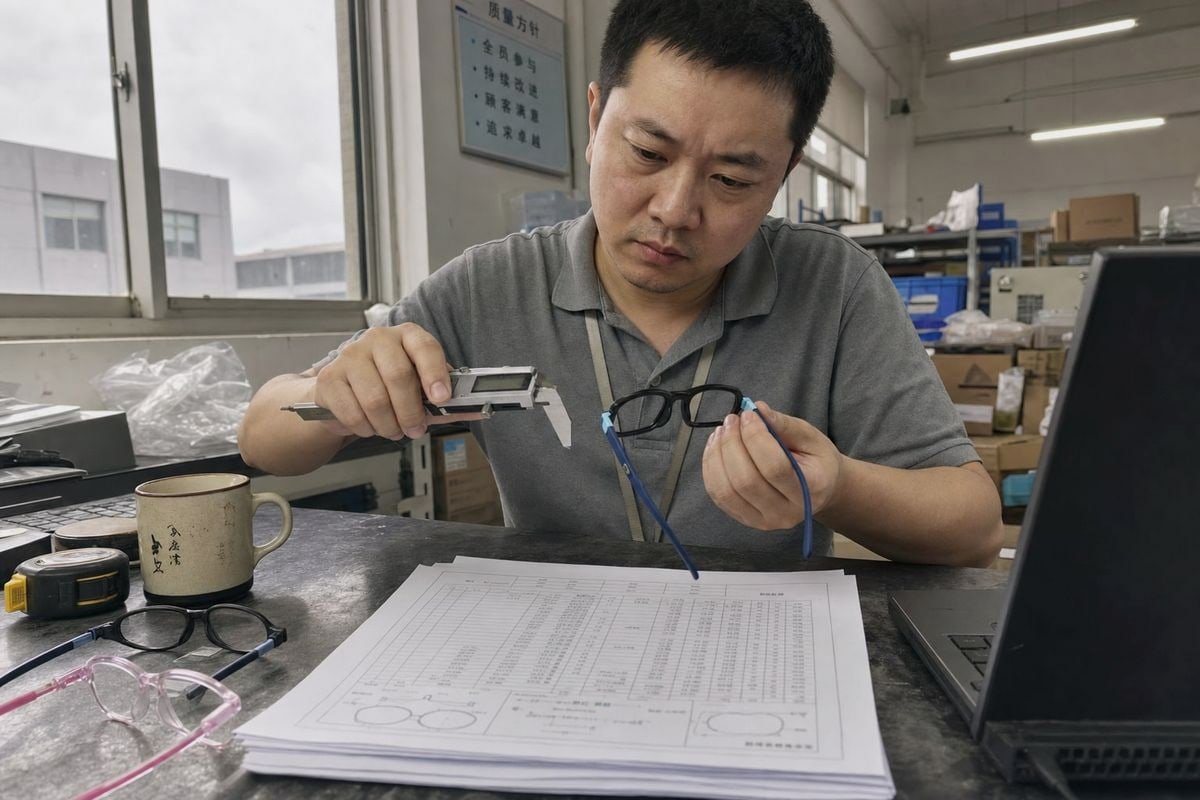
Vague purchase orders for kids’ optical frames cause most disputes I see on our production line. Buyers assume “small adult frames” will work. They will not, and remakes get expensive fast.
Specify kids’ optical frames orders with a technical spec sheet covering exact frame dimensions, pediatric bridge geometry, TR90 or TPEE materials, hinge type, and finish. Then define measurable acceptance criteria: dimensional tolerance limits, impact resistance testing, CPSIA compliance, AQL inspection levels, and pass/fail checks at pre-shipment.
Below, I break this into four parts: what goes in the spec sheet, how to write acceptance criteria, which safety standards to demand, and how to verify quality before shipment.
What specs should I include in my technical spec sheet for kids' optical frames?
Last year, a European buyer sent us a one-line order: "kids frames, blue, 5,000 pcs." We sent back a four-page spec template instead. That template saved both of us from a costly misunderstanding.
A complete spec sheet for kids' optical frames should list eye size, bridge width, temple length, lens depth, frontal width, frame weight, material grades, hinge type, bridge design, colors, surface finish, logo placement, and packaging — each with a target value and a dimensional tolerance.
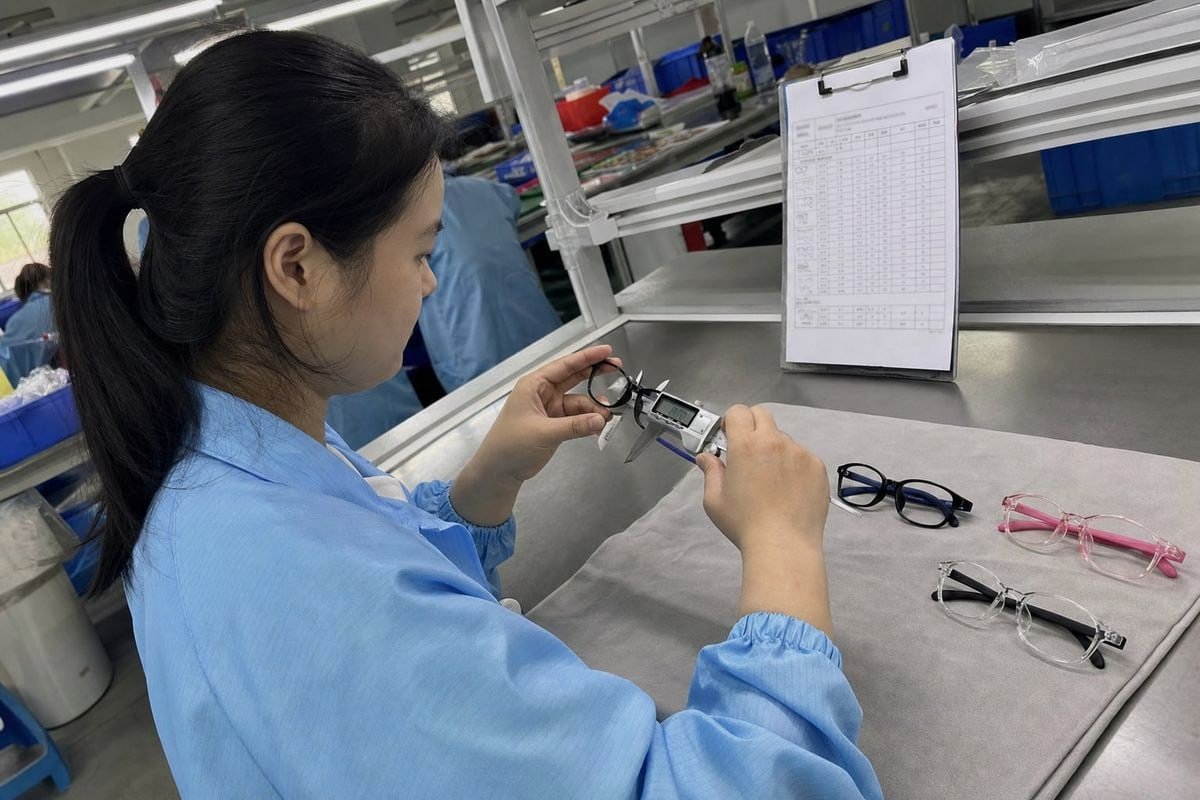
Children's frames are not scaled-down adult eyewear. Pediatric faces need a smaller frontal width, a shorter bridge projection, a larger frontal angle and splay, a smaller boxed lens size, and a shorter length to bend. When we develop a new kids' style at our Taizhou factory, we start from these pediatric proportions, not from an adult last. Your spec sheet should force the same discipline.
Core dimensional specs
Write every dimension as a number with a tolerance, not as a description. Here is the structure we recommend to our OEM buyers:
| Spec item | Typical pediatric range | Suggested tolerance |
|---|---|---|
| Eye size (boxed lens width) | 40–48 mm | ±0.5 mm |
| Bridge width (DBL) | 14–18 mm | ±0.5 mm |
| Temple length | 115–130 mm | ±1.0 mm |
| Lens depth (B measurement) | 26–34 mm | ±0.5 mm |
| Total frontal width | 110–125 mm | ±1.0 mm |
| Frame weight (front + temples) | 8–15 g | ±1.0 g |
One optical detail matters more than most buyers realize: the boxed center distance should be practically equal to the child's PD range for your target age group. If it is not, the lab must decenter lenses during glazing, which adds thickness and shifts optical centers. State your target boxed center distance on the spec sheet.
Material and construction specs
Name the exact materials. "Plastic" is not a spec. We build most kids' frames in TR90 memory plastic fronts with TPEE flexible temples, because that combination bends under abuse and returns to shape. Your sheet should also specify hinge type (barrel, spring, or hinge-free flex), temple tip design (straight, curved, or ear-hook), and any silicone grip components. If you want an anatomical bridge design — a saddle bridge or molded nose pads for flatter pediatric nasal bridges — say so explicitly, because that choice is set at the mold stage and cannot be adjusted later.
Finally, specify adjustability. Temples that can be shortened or heat-adjusted extend the frame's useful life as the child grows, which matters when parents replace frames every 12 to 18 months.
How do I set acceptance criteria that protect against defective or unsafe frames?
A procurement manager from Australia once asked me a sharp question: "Your samples were perfect — how do I guarantee carton number 400 is too?" The honest answer is acceptance criteria, written before production starts.
Turn every spec into a testable pass/fail criterion: dimensions within stated tolerances, no sharp edges or exposed metal, hinges surviving defined open-close cycles, secure small components, stable bridge fit, and defect limits set by AQL inspection levels agreed in the purchase order.
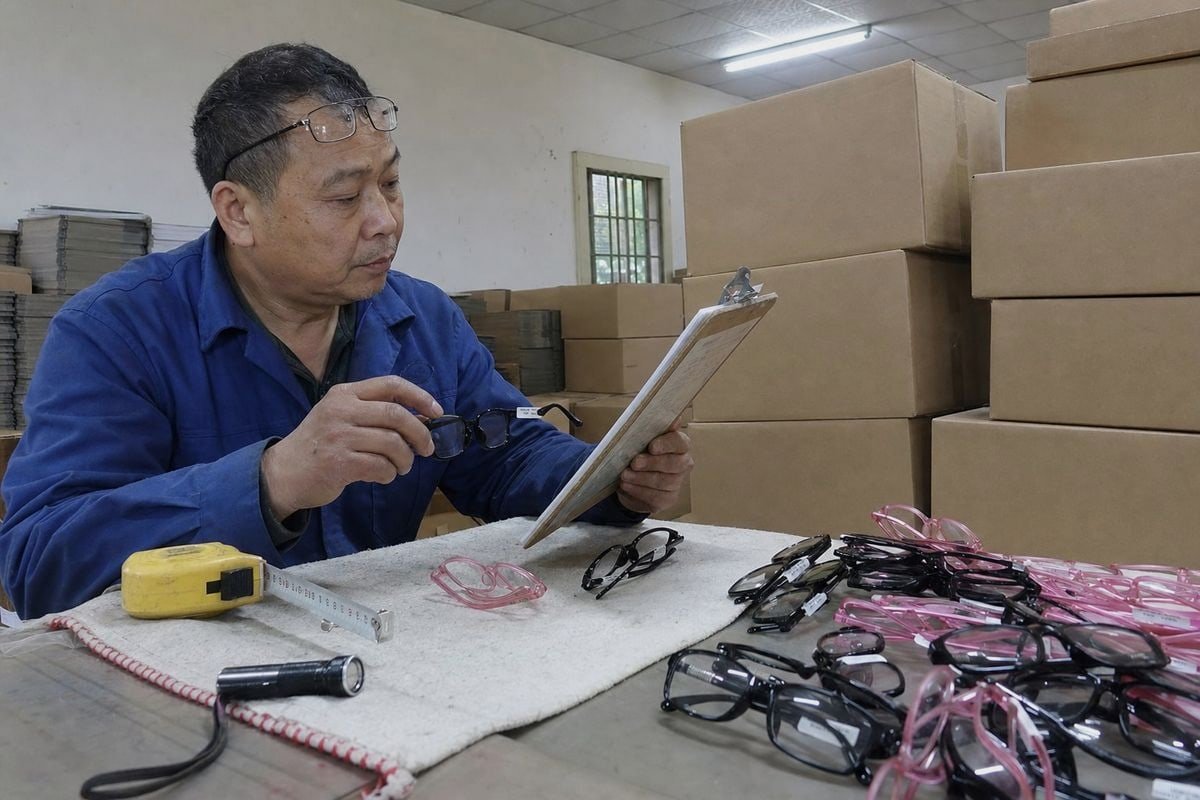
Acceptance criteria only work if a third party could apply them without calling you for clarification. "Good quality" is an opinion. "Temple opens and closes 500 cycles with no hinge loosening beyond 0.3 mm play" is a criterion. In our experience exporting to 20+ countries, the buyers with the fewest disputes are the ones whose purchase orders read like test procedures.
Structure criteria in three layers
First, critical defects — anything that could injure a child. Sharp edges, burrs at lens grooves, exposed metal cores at temple tips, or loose decorative parts that create choking hazards. The acceptance number here should be zero. Small components like screws and charms must be recessed or permanently bonded; write that as a hard requirement.
Second, major defects — anything that stops the frame from functioning. Bridge deformation resistance failures, cracked hinges, warped fronts that will not sit flat, or dimensions outside tolerance. These fall under your AQL sampling plan 1, typically AQL 1.5 for major defects on children's products.
Third, minor defects — cosmetic flaws like light scratches, small paint inconsistencies, or minor packaging issues. AQL 4.0 is a common commercial standard here.
| Defect class | Examples | Typical AQL |
|---|---|---|
| Critical | Sharp edges, choking hazards, exposed metal | 0 (zero tolerance) |
| Major | Hinge failure, out-of-tolerance dimensions, cracks | 1.5 |
| Minor | Light scratches, slight color variation, packaging marks | 4.0 |
Functional acceptance checks
Beyond defects, define wear-performance criteria. The frame should support the classic three-point fitting triangle 2: the nose and the top of each ear, with no contact elsewhere. Roughly 90% of spectacle weight rests on the bridge, so bridge fit failures show up fast as red marks on a child's nose. For glazed jobs, add optical criteria: centration within 2 mm of the visual axis, power error within 0.25 D, and axis error within 5 degrees. If you supply myopia management lenses 3 such as DIMS designs, tighten vertex distance and pantoscopic tilt tolerances to about ±1.0 mm, because those lens designs lose clinical efficacy when misaligned. For kids specifically, pantoscopic angle should be zero or as flat as practical.
What safety and material standards should I require from my optical frame manufacturer?
The trade-off we weigh most often in material sourcing is cost versus certifiable safety. A cheaper resin can shave cents per frame, but if it cannot pass CPSIA testing, it has no place in a children's product — and we tell buyers that plainly.
Require CPSIA safety standards compliance for lead and phthalates, ISO 12870 compliance for frame durability, FDA drop ball testing for glazed lenses, nickel release testing on any metal parts, and documented hypoallergenic frame materials such as TR90 or TPEE with phthalate-free certification.
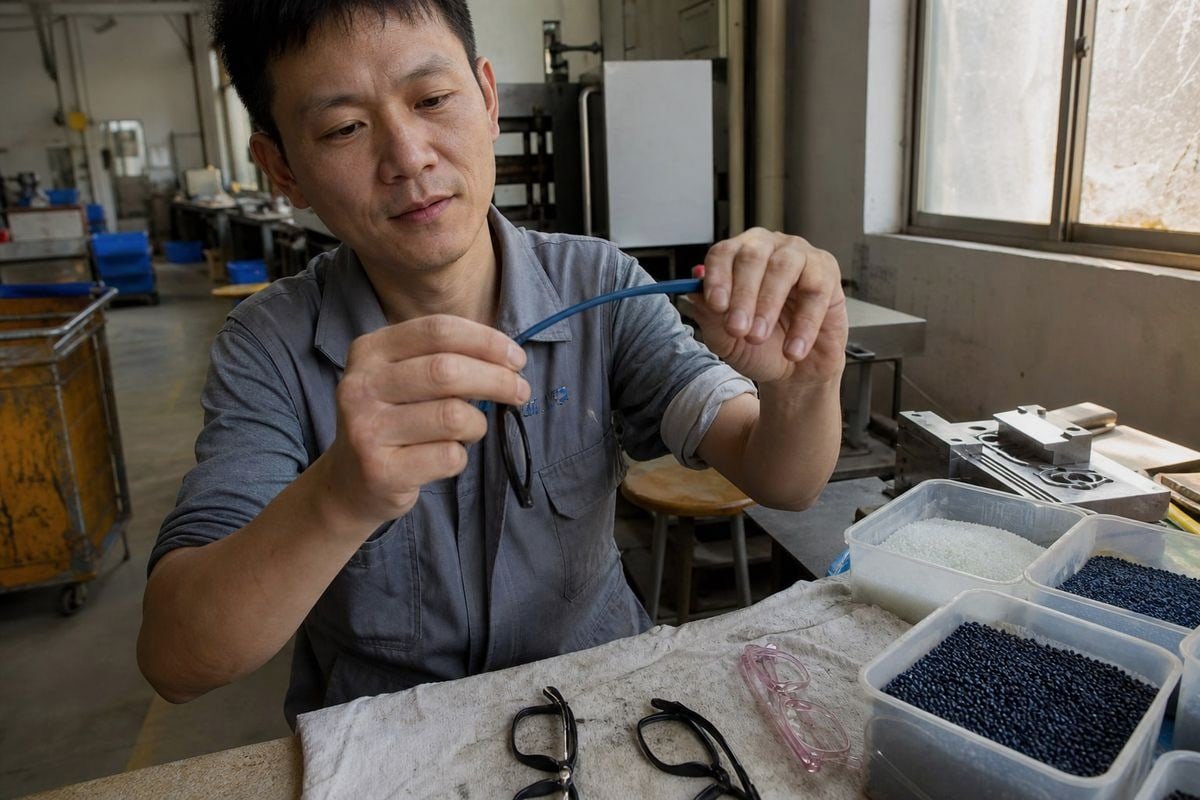
Safety is a compliance issue, not a convenience feature. Children chew temple tips, sleep in their glasses, and take impacts during play. Your standards clause should reflect all three realities: chemical safety, mechanical durability, and impact behavior.
Chemical and material requirements
For the US market, CPSIA sets hard limits on lead and phthalates 4 in children's products. Demand phthalate-free certification and third-party lab reports, not just a supplier declaration. For Europe, require EN 71-3 migration testing 5 logic where applicable, plus REACH conformity. Any metal component — screws, hinge cores, decorative rivets — should pass nickel release testing 6, because nickel allergy is common and children's skin contact is constant. Materials should be BPA-free and non-toxic; TR90 memory plastic and TPEE both meet these expectations and are why we standardized on them across our roughly 800 existing styles. Some buyers now also ask us about bio-circular options like castor-oil-derived polyamides and silver-ion anti-microbial additives; both are worth specifying if your brand positions on sustainability or hygiene, but treat them as differentiators layered on top of the baseline, not replacements for it.
Mechanical and impact requirements
| Standard / test | What it covers | When to require it |
|---|---|---|
| ISO 12870 | General frame robustness, bridge deformation, temple endurance | Every optical frame order |
| FDA 21 CFR 801.410 (drop ball) | Lens impact resistance | Any glazed lenses for the US |
| ASTM F803 | High-velocity impact for sports eyewear | Sports or activity-positioned frames |
| Nickel release (EN 1811 logic) | Skin-contact metal safety | Any metal components |
| UV400 verification 7 | Lens UV protection | Sun lenses and photochromics |
One buyer objection I hear: "Shouldn't I just mandate polycarbonate or Trivex lenses for all children?" Consumer articles often say so. Clinical guidance is broader — it prioritizes safe, durable, properly fitted frames with correct lens positioning. Impact-resistant lenses are a sensible default for active kids, but write your spec around verified test results rather than a single material name, so your lab retains sourcing flexibility.
Also require a technical file with every order: declarations of conformity (CE/UKCA where relevant), material safety data sheets, and third-party UV400 verification for sun lenses.
How can I verify quality through inspection and testing before shipment?
Fifteen years of running a 5S-managed workshop taught us one lesson above all: quality is verified in process, not discovered at the port. The buyers who inspect early almost never reject late.
Verify quality through a three-stage process: approve golden samples before mass production, conduct in-process checks during molding and assembly, then run a pre-shipment inspection using AQL sampling to test dimensions, hinge cycles, flex recovery, surface finish, markings, and packaging against your signed spec sheet.
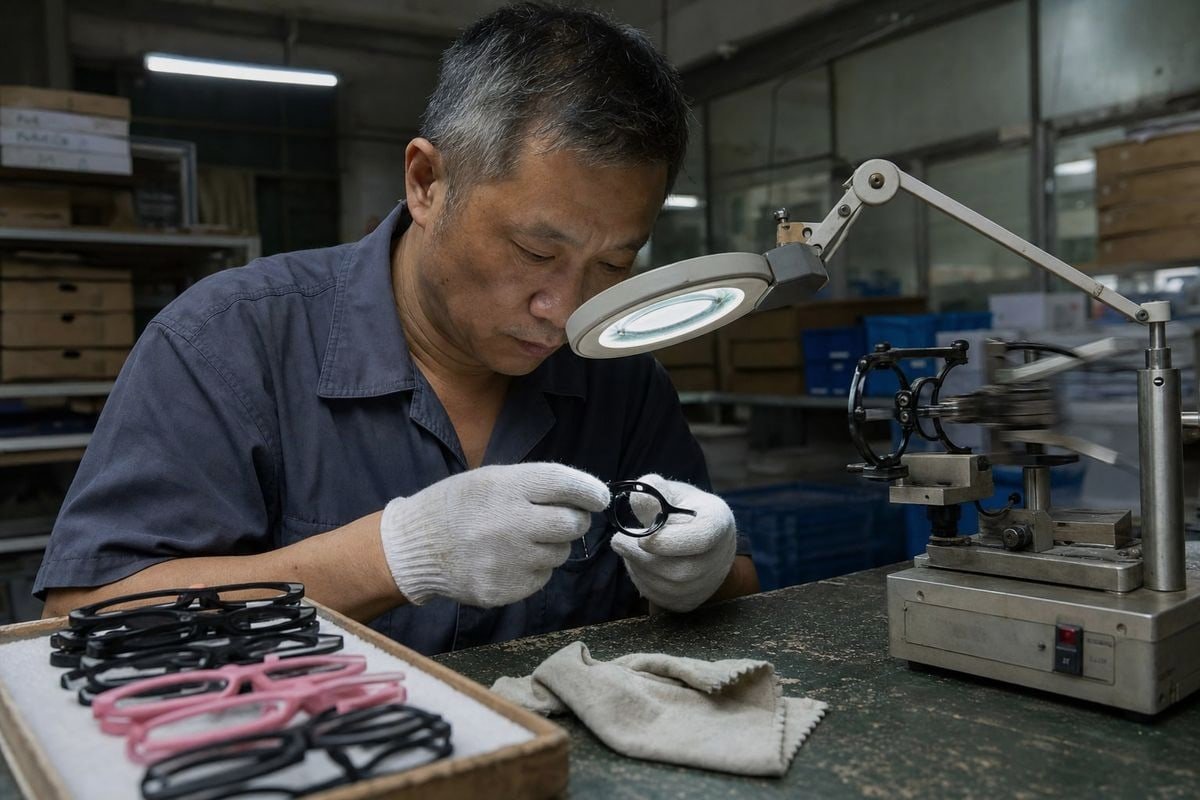
Inspection only means something when it references the documents you created earlier. The spec sheet defines the target. The acceptance criteria define pass/fail. The inspection is simply the moment you apply both.
A practical five-step verification sequence
- Golden sample approval. Before production, sign off physical samples in each color. Seal one set at the factory and keep one set yourself. Every later dispute gets resolved against these, not against memory.
- In-process quality control. Ask your supplier how they check parts during molding and assembly. On our line, operators check gate marks, flow lines, and hinge seating at the station, because a warped TR90 front caught at molding costs cents; caught at final inspection, it costs a batch.
- Pre-shipment inspection at agreed AQL inspection levels. Sample per ANSI/ASQ Z1.4 8 general level II. Measure dimensions with calipers against your tolerance table. Check color against approved swatches under consistent lighting.
- Functional testing on sampled units. Cycle spring hinges to confirm spring hinge durability. Flex temples and fronts to confirm the memory material returns to shape. Twist the front gently to check bridge deformation resistance. Tug small parts to confirm bonding.
- Documentation review. Confirm test reports, certificates, carton markings, and retail-ready packaging all match the purchase order before releasing shipment.
Who should inspect?
For first orders, a third-party inspection adds an independent layer and costs little relative to the shipment value. For repeat orders with a stable supplier, factory self-inspection with photographic reports often suffices. We support both; buyers who visit our workshop usually shift to the second model after a few cycles, because trust built on documented evidence is faster and cheaper for everyone. Whatever model you choose, never skip the golden sample step — it is the anchor for everything else.
Conclusion
Vague orders create defective frames, disputes, and remakes. The fix is discipline: write pediatric-specific specs, define testable acceptance criteria, mandate safety standards, and verify with staged inspections. Do that, and kids' optical frames orders
More Articles You Might Like

Looking for a Reliable Kids Eyewear Partner?
Explore 800+ ready styles and full OEM/ODM support tailored to your brand.
Get in Touch English
  Español de México
  Deutsch
  Français
  日本語
日本語  العربية
  Português do Brasil