How to Negotiate Mold Fees, Lead Time, and Ownership for Kids’ Sunglasses?
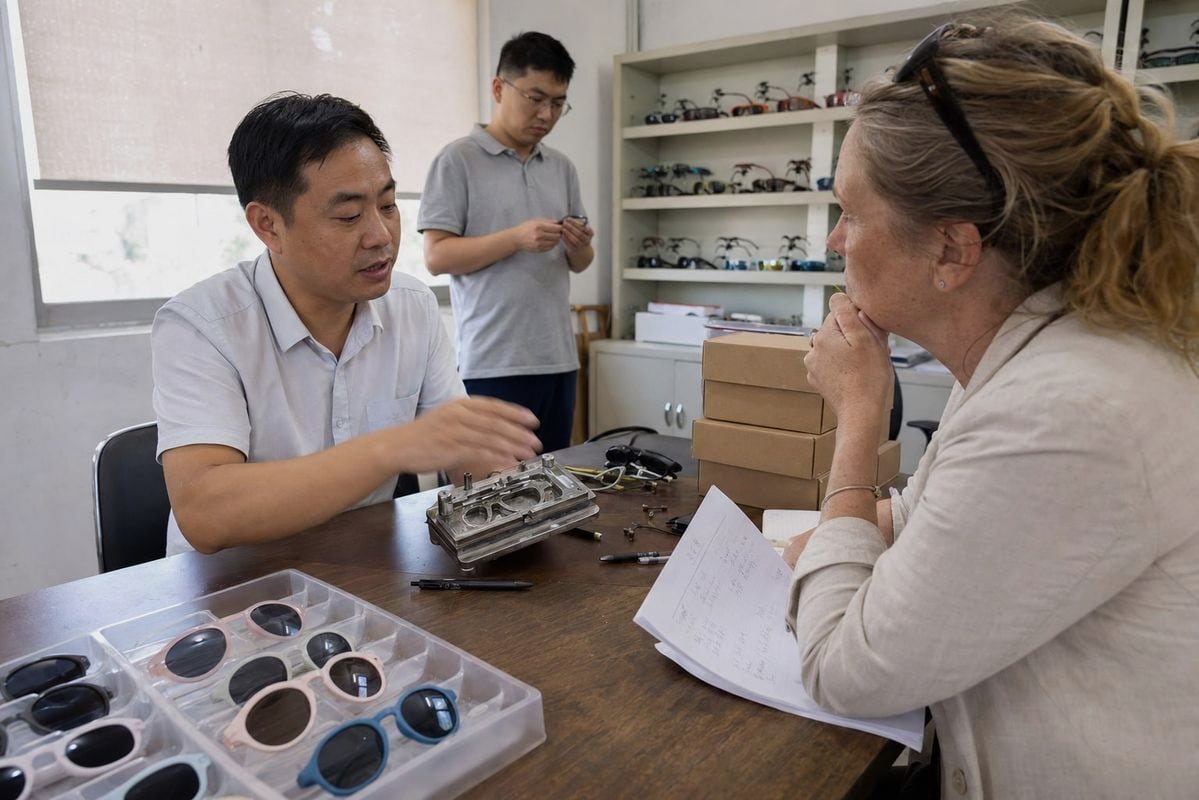
Negotiating mold fees, lead time, and ownership for kids’ sunglasses can make or break a launch. On our production line in Taizhou, I see buyers overpay for avoidable tooling every month.
To negotiate mold fees, lead time, and ownership for kids’ sunglasses, use existing open molds to avoid tooling costs, request fee credits after volume thresholds, agree on milestone-based timelines of 45–90 days, and put mold ownership in writing before paying any deposit.
Below, I break down each lever one by one. You will learn what to ask, what is negotiable, and what must be in your contract.
How can I avoid paying mold fees when launching my kids' sunglasses brand?
A buyer from Australia once asked me to quote a fully custom frame. When she saw the tooling costs, she went quiet. Then I showed her our existing style library, and her whole plan changed.
You can avoid mold fees by choosing a manufacturer's existing open molds, then customizing colors, logos, lenses, and packaging. This ODM approach eliminates tooling costs entirely, cuts lead time to under 30 days, and lets you test the market before investing in custom injection molding.
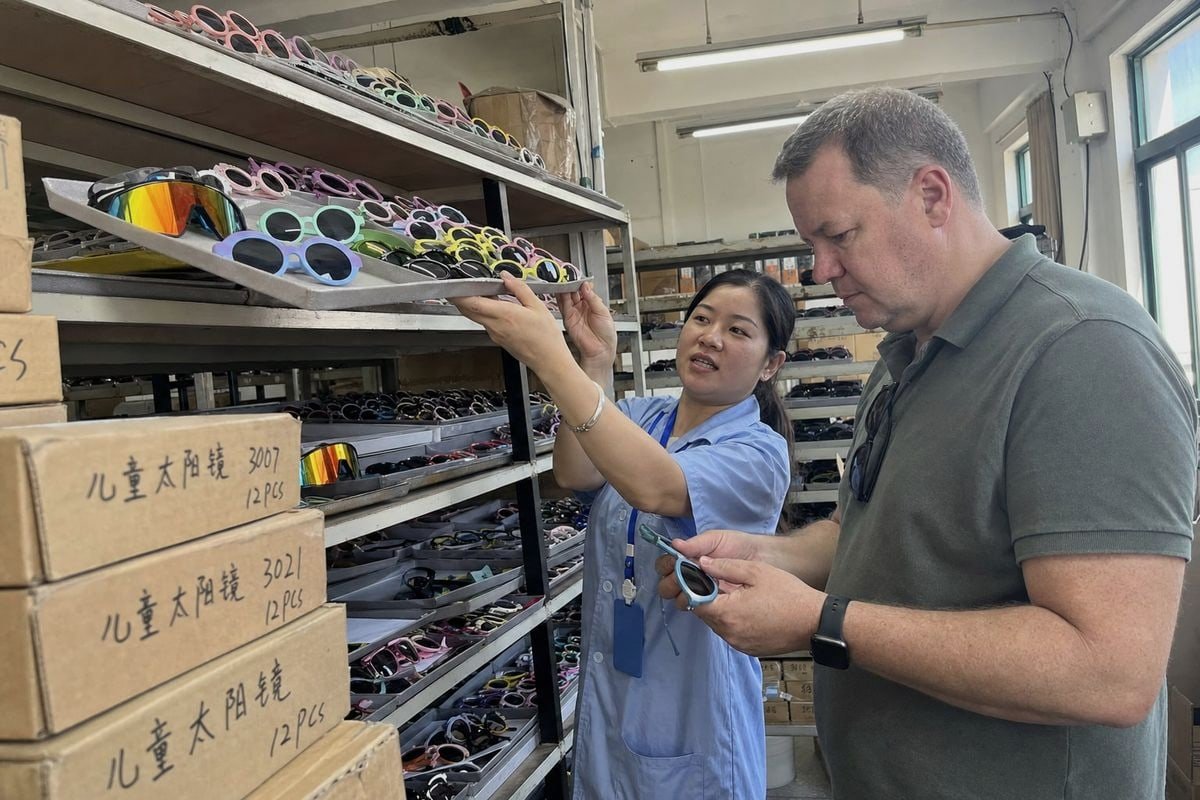
Mold fees exist because injection molding 1 tooling is a real capital expense. A new steel mold for a TR90 2 or TPEE frame must be designed, cut, tested, and polished. Someone has to pay for that. If you are a new brand with unproven demand, that someone should probably not be you — at least not yet.
At our factory, we keep around 800 existing kids' styles on the shelf. Buyers pick a shape, and we handle custom colors, logo printing, UV400 or polarized lenses 3, and retail-ready packaging. No mold fee. This is the classic ODM path, and it is how most successful children's eyewear brands actually start.
Your three main options compared
| Approach | Mold Fee | Differentiation | Best For |
|---|---|---|---|
| ODM / open mold | $0 | Colors, logo, lens, packaging | New brands, market testing |
| Shared or modified mold | Partial fee | Adjusted shape or size | Growing brands |
| Full OEM custom mold | $1,200–$10,000+ | Fully proprietary silhouette | Established brands with volume |
Other ways to reduce or defer the fee
- Ask for amortization. Many suppliers, including us, will credit or refund the mold fee once your cumulative orders pass a threshold, often 5,000–10,000 units.
- Order mixed models. Combining several stock styles in one order improves line efficiency and gives you leverage on pricing.
- Negotiate modular mold inserts. One base mold with interchangeable bridge and temple inserts can cover toddlers and pre-teens, so you pay for one tool instead of two.
- Commit to a longer partnership. Suppliers will often absorb part of the tooling cost for a buyer who signs a multi-order plan.
The point is simple. Custom OEM manufacturing gives you a shape nobody else can sell, but it only makes sense once demand is proven. Until then, open molds are your friend.
What lead time should I realistically expect when developing a custom mold with a manufacturer?
One lesson I learned the hard way: a European buyer once planned a summer launch around a 30-day promise from another factory. The mold alone took 40 days. The season was gone before the goods arrived.
Expect 45–90 days for a new custom mold, covering CAD finalization, steel cutting, T1 sampling, and revisions, plus 35–50 days for mass production and 7–25 days for shipping. Negotiate a milestone-based timeline with spec freeze dates, not a single delivery date.
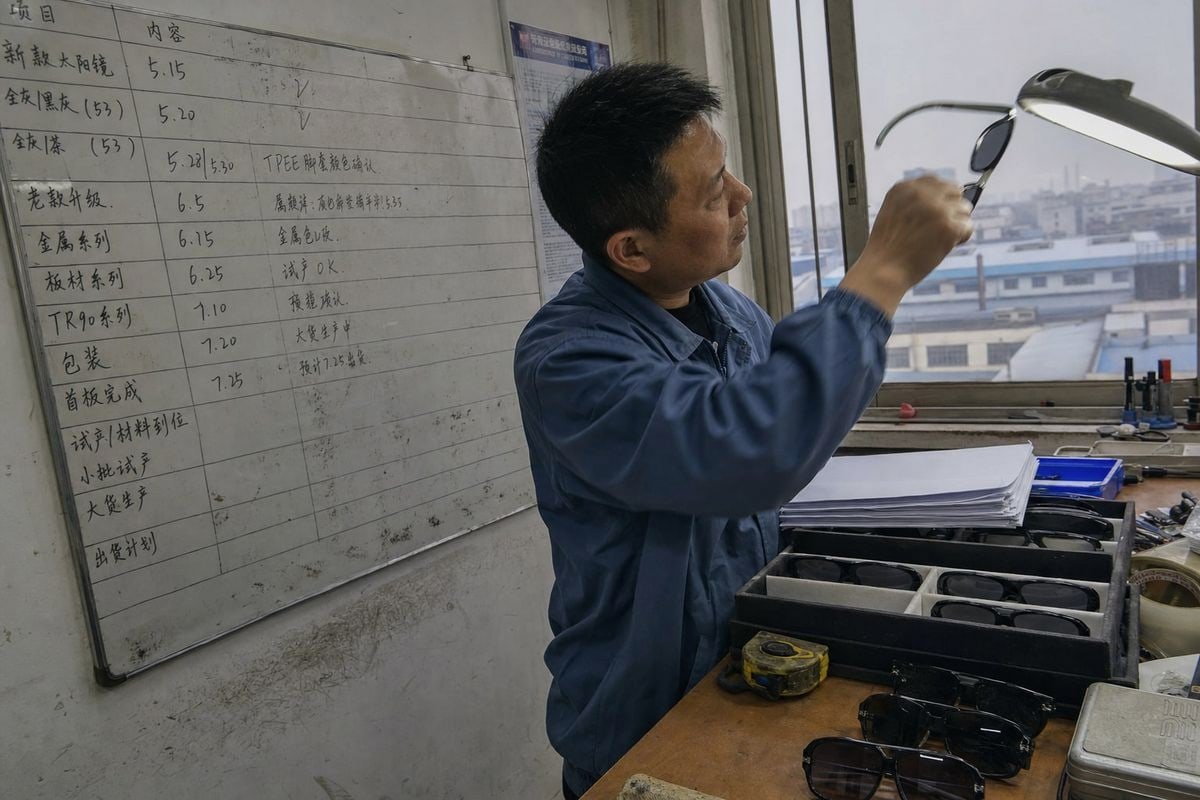
Lead time is not one number. It is a chain of stages, and each stage can slip. When suppliers quote "30 days," always ask which stages that number includes. Some count only mass production. Others include sampling. Almost none include shipping.
A realistic milestone timeline
| Stage | Typical Duration | What Happens |
|---|---|---|
| CAD and design confirmation | 5–10 days | 3D files finalized, spec freeze |
| Mold steel cutting | 20–35 days | Tool is machined and assembled |
| T0 sample (fit and shape) | 5–10 days | First trial shots, ergonomic check |
| T1 sample (final materials, coatings) | 14–21 days | Correct TPEE material, colors, labels |
| Sample approval and revisions | 7–14 days | Buyer sign-off, small adjustments |
| Mass production | 35–50 days | Molding, assembly, quality control 4 |
| Shipping | 7–25 days | Sea or air, depending on destination |
How to keep the production cycle on track
First, agree on a spec freeze date. Late changes to lens tint, hinge type, or packaging are the number one cause of delay in our experience. Second, tie deposit payments to milestones, not to the calendar. This makes slippage visible early. Third, add buffer for peak season. From March to June, kids' sunglasses factories run at full capacity, and mold shops queue jobs.
One more tactic worth negotiating: a digital-first approval workflow. We often validate fit using 3D files and children's head measurement data before any steel is cut. That can eliminate a full round of physical sampling and save two to three weeks.
Who owns the mold after I've paid for it, and how do I protect that ownership?
In our sample room, several molds carry small metal tags with client names. Those tags exist because those buyers negotiated well. Ownership is never automatic — it is documented.
Paying for a mold does not legally guarantee ownership. Your manufacturing agreement must state that you own the tooling upon payment, prohibit the factory from using it for other clients, and grant you rights to inspect, reclaim, and receive the mold and design files within a fixed period.
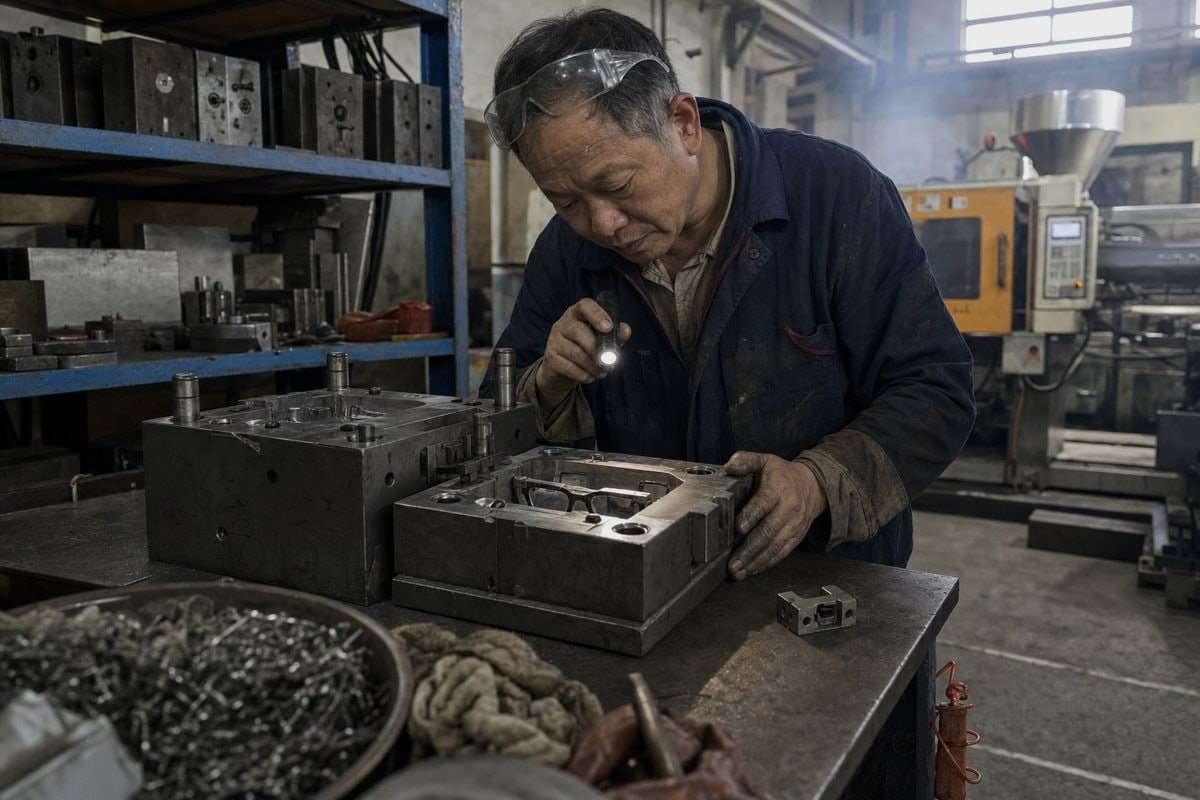
This is the part most first-time buyers skip, and it is the part that hurts most later. If ownership is vague, you face vendor lock-in. Want to move production? You may have to pay for a brand-new mold supply chain management 5, because the old one legally sits in a factory that will not release it.
The clauses your contract needs
- Ownership transfer on payment. State clearly that the mold, inserts, and all related CAD and design files become your property once the tooling invoice is paid.
- Exclusivity. The factory may not run your mold for any other customer. This protects your intellectual property rights 6 and your proprietary silhouette.
- Storage and maintenance terms. The factory typically stores and maintains the mold for you. Define who pays for maintenance and how the tool is protected.
- Inspection and reclaim rights. You should be able to inspect the mold on request and reclaim it — physically — within a defined window, such as 30 days of written notice.
- Physical labeling. Require the mold to be engraved or tagged with your company name. It sounds small. It matters in a dispute.
- Shot-count log access. Secure contractual rights to the mold maintenance and shot-count log. Every injection cycle wears the tool. That log tells you the mold's remaining lifespan and its real value if you ever move production.
At our factory, when a client pays for a custom mold, ownership is theirs, and we say so in writing. We store the tool for production security, but the buyer can always audit it. Any supplier who resists putting this on paper is telling you something important.
How do I know if a supplier's mold fee quote is fair for my order volume?
When I review competitor quotes that buyers forward to us, the biggest problem is rarely the price itself. It is that the quote hides what the fee actually covers.
A fair mold fee for kids' sunglasses runs roughly $1,200–$2,500 for a single TR90 or PC frame mold, and $3,000–$10,000+ for complex new development. Judge fairness by what the fee includes, whether it is credited against volume, and how it aligns with your minimum order quantity.

Mold fees are not standardized. They vary by material, cavity count, complexity, and the supplier's business model. So do not compare two quotes by the headline number alone. Compare what sits behind the number.
Typical eyewear tooling cost benchmarks
| Item | Typical Range | Notes |
|---|---|---|
| Simple component tooling | $300–$800 | Temple tips, small parts |
| PC frame mold | $1,200–$2,000 | Common for budget kids' frames |
| TR90 frame mold | $1,500–$2,500 | Flexible, safe, standard for quality kids' eyewear |
| Full new mold development | $3,000–$10,000+ | Novel shapes, multi-cavity, wraparound shields |
| Custom sample | $50–$150 | Often credited on order |
Questions that expose an unfair quote
Ask these before you sign anything:
- Is the fee refundable or creditable after a volume threshold? A supplier confident in your partnership will often refund tooling after 5,000 units.
- What is the linked minimum order quantity? A low mold fee with a huge MOQ is not a discount. It is a trap for a small brand.
- Does the fee include T0 and T1 sampling, or are trial shots billed separately?
- Is CPSIA compliance 7 testing bundled, or will you face surprise per-batch lab fees? For children's products sold in the US, this matters enormously, and it should be negotiated into the tooling package upfront.
- Is the mold engineered for multiple materials? A tool built to run high-viscosity bio-resins as well as standard TPEE material future-proofs your production as environmental regulations tighten.
- What quality control standards apply to first articles off the new tool?
Finally, remember the trade-off logic. Everything is connected. You can trade a higher MOQ for lower tooling, a relaxed timeline for lower cost, or upfront mold payment for full ownership and long-term sourcing power. A fair quote is one where those trade-offs are visible, not buried.
More Articles You Might Like

Looking for a Reliable Kids Eyewear Partner?
Explore 800+ ready styles and full OEM/ODM support tailored to your brand.
Get in Touch English
  Español de México
  Deutsch
  Français
  日本語
日本語  العربية
  Português do Brasil