How Long Should a Quotation Validity Period Be for Kids Sunglasses Orders?

Every week, buyers ask our sales team why a quotation validity period for kids sunglasses orders expires so fast exigences CPSIA 1. Miss that window, and your landed cost can quietly climb.
The quotation validity period for kids sunglasses orders is typically 14–30 days. Use 30 days for standard stocked styles, 14 days during peak season or currency swings, and 7–14 days for custom molds, printed logos, or prescription-ready frames where material costs shift quickly.
That is the short answer. But the right validity window depends on your order type, the season, and the raw materials involved EN71 2. Let me walk you through each factor so you can plan your purchasing calendar with confidence.
How long should I expect a supplier to hold a firm price on my kids sunglasses quotation?
A buyer from Australia once asked me why our quote said "valid 30 days" while another factory offered 60 crude oil 3. In our Taizhou workshop, we price against real material contracts, so our windows reflect real risk.
Most suppliers hold a firm price on a kids sunglasses quotation for 30 days as the standard default. Reliable factories may extend to 45–60 days for repeat buyers with confirmed forecasts, but shorten to 7–14 days for custom or seasonal orders.
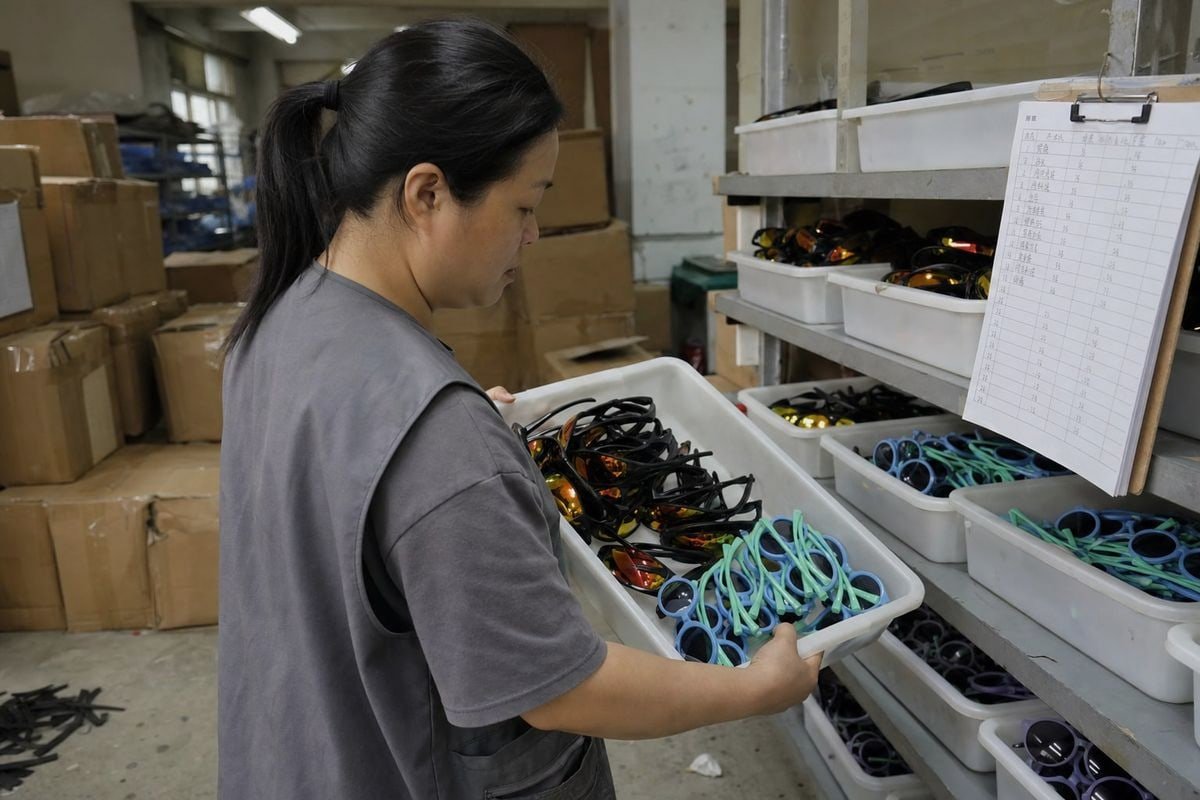
The honest answer is that validity periods are a promise backed by the supplier's own cost exposure. When we quote a wraparound sports style from our 800-style catalog, we already own the tooling and often hold frame material in stock. That stability lets us commit to 30 days comfortably. When a buyer wants a new two-tone pastel frame with a fresh color masterbatch, our own suppliers only hold their prices for a week or two. We cannot promise longer than what we are promised.
Typical validity windows by order type
| Order Type | Typical Validity | Pourquoi |
|---|---|---|
| Stocked catalog styles, standard colors | 30 days | Tooling paid off, materials on hand |
| Wholesale reorders from repeat buyers | 30–60 days | Forecasts let the factory hedge materials |
| Custom colors or logo printing | 14 jours | Masterbatch and print costs shift fast |
| New mold / private label development | 7–14 jours | Tooling and development costs are volatile |
| Peak season (spring/summer) spot orders | 7–14 jours | Capacity is constrained, demand surges |
Be careful about quotes that promise unusually long validity, such as 90 days, with no conditions attached. In my experience, one of two things is happening. Either the price has a hidden buffer built in, which means you are overpaying from day one, or the supplier plans to renegotiate later using "material surcharges." A shorter, honest window from a factory that explains its reasoning is usually the safer commercial signal.
Also, ask for an exact expiry date on the quotation, not just "valid for 30 days." A dated quote removes arguments about when the clock started, especially when emails cross time zones between China and Europe or Australia.
What factors cause quotation validity periods to change for children's eyewear orders?
Last spring, we shortened several quotes to 10 days almost overnight. Our injection lines were fully booked with summer sunglasses orders, and holding prices for a month would have been irresponsible to both sides.
Quotation validity periods for children's eyewear change based on five factors: raw material price volatility, seasonal demand and factory capacity, currency exchange rates, the level of customization requested, and compliance testing timelines such as CPSIA, EN71, or ASTM requirements.
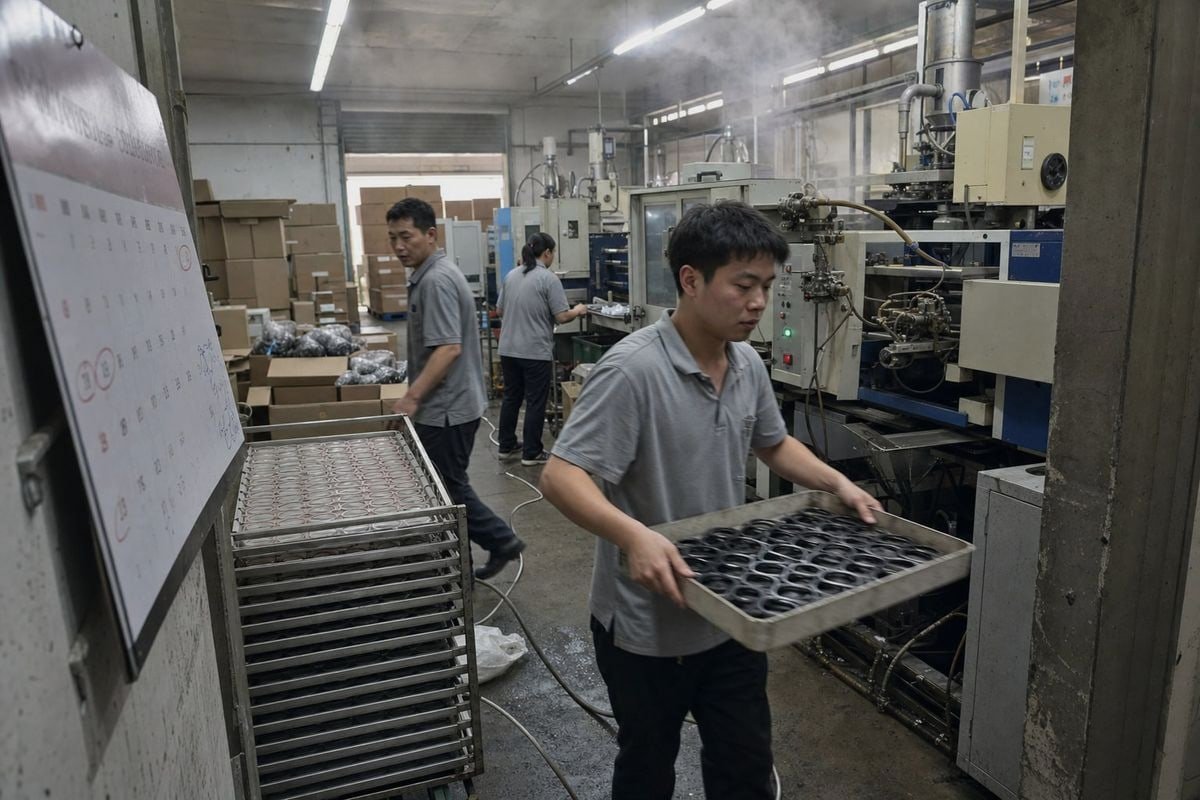
Each factor pushes the window in a predictable direction. Once you understand them, you can read a supplier's quote terms like a weather report.
Seasonality and capacity
Kids sunglasses are strongly seasonal. Orders for Northern Hemisphere summer stack up between January and April. During that stretch, our production slots fill quickly, and labor and logistics costs firm up. Validity windows shrink because a price quoted today assumes a production slot that may be gone next week. In the quieter autumn months, we can hold prices longer and sometimes offer better terms to buyers planning ahead.
Customization and licensing
Standard styles from an existing catalog carry the least pricing risk. Custom work adds layers of uncertainty. Custom Pantone colors depend on masterbatch suppliers. Logo printing depends on ink and setup costs. Licensed character designs, common in the kids category, add licensing renewal cycles that run on their own calendar, completely independent of material prices.
Compliance and certification
Children's eyewear must meet strict safety standards in most markets. If a standard is updated mid-quote, or if your market requires fresh testing, the cost basis of the quote can change. We recommend that buyers ask for validity terms that explicitly account for testing lead times.
| Facteur | Effect on Validity | Buyer Action |
|---|---|---|
| Peak season demand | Shortens to 7–14 days | Confirm orders in Q4 or early Q1 |
| Raw material volatility | Shortens sharply | Ask what materials drive the quote |
| USD–RMB exchange swings | Shortens on large orders | Discuss a currency band clause |
| Higher MOQ commitment | Extends the window | Offer forecasts for longer validity |
| Compliance re-testing | Adds conditions | Request testing lead time in terms |
Why do raw material costs affect how long a quote stays valid for TPEE and TR90 frames?
When we developed our TR90 4 frames with TPEE temples, we learned quickly that flexible-material pricing behaves differently from cheap PC frames. Both polymers trace back to petroleum-linked feedstocks, and their prices move.
TPEE and TR90 are petroleum-derived engineering polymers, so their prices track crude oil, feedstock supply, and resin demand. When these inputs swing, a factory's frame cost can shift within weeks, forcing shorter quotation validity to protect both parties from mispriced orders.

Here is the practical chain of events. A resin producer raises TR90 prices because feedstock costs jumped. Our material supplier passes that increase to us within their next purchasing cycle. If we quoted you a frame price 45 days ago and you confirm today, one of us absorbs that gap. A validity period is simply the honest boundary of how long we can absorb it.
Flexible materials for children deserve special attention here. We chose TPEE and TR90 because they bend without snapping, sit lightly on small faces, and survive the abuse active kids deliver. But these are engineering-grade polymers, not commodity plastics. Their supply chain 5s are narrower, so price moves can be sharper. A quote for a genuinely flexible, safe kids frame carries more material risk than a quote for a rigid budget frame, and the validity terms reflect that.
Lenses add a second layer. Polycarbonate 6 and TAC lens materials are also petroleum-linked. Mirrored and gradient coatings, like the fiery orange-to-teal finishes popular on kids sport shields, involve coating chemicals with their own cost cycles. UV400 7 and polarized options each add specific film and material inputs.
How material exposure maps to validity
| Component | Matériel | Price Sensitivity | Typical Effect on Quote |
|---|---|---|---|
| Frame front | TR90 | Medium–high | Core driver of validity length |
| Temples | TPEE | Medium–high | Adds flexible-material exposure |
| Lentilles | PC / TAC | Medium | Compounds petroleum linkage |
| Polarized film | Specialty film | Medium | Adds separate supplier cycle |
| Mirror coating | Coating chemicals | Variable | Can trigger surcharges |
The takeaway is simple. Ask your supplier which material drives the largest share of your frame cost. A factory that can answer clearly is pricing from real data, and its validity period will mean something.
How can I protect my pricing if my order takes longer to confirm than the quotation period allows?
A European baby-brand buyer once needed twelve weeks to clear an internal budget review while our quote ran for thirty days. We solved it together, and the process taught us several repeatable tactics.
Protect your pricing by negotiating a written extension before expiry, placing a small deposit to lock the price, agreeing on a tiered validity structure for repeat orders, or accepting a currency and material adjustment clause instead of a full requote.

The worst move is silence. If you let a quote lapse and return two months later, the supplier must requote from scratch at current costs. Every option below works better than that.
Practical steps, in order of preference
- Ask for an extension before the quote expires. Most factories, ours included, will extend a quote by 15–30 days for a serious buyer who explains the delay. A short email costs nothing.
- Place a deposit to lock pricing. A modest deposit lets the factory buy materials forward at the quoted cost. This is the strongest protection available, because your price is now backed by physical resin, not a promise.
- Negotiate tiered validity. Spot orders get the standard 14–30 days. Repeat buyers with annual forecasts get extended validity, because the forecast lets the factory hedge raw material purchases across the year.
- Accept an adjustment clause. Agree that the price holds unless materials or exchange rates move beyond a set band, for example plus or minus three percent. You keep a stable baseline; the supplier keeps protection against extreme swings.
- Split the order. Confirm the styles you are sure about now, at the valid price, and quote the uncertain items separately later.
One more point matters for kids eyewear specifically. Choosing from an existing style library, rather than opening new molds, removes the most volatile cost component from your quote entirely. Tooling amortization for children's frames involves smaller-scale molds and specific lens curvature work, and those development costs are the hardest for any factory to hold firm. Buyers who launch with proven existing styles get longer, steadier validity almost automatically, and they can add custom molds later once volumes justify the risk.
Finally, put everything in writing. An extension agreed on a phone call protects no one. A dated email confirming the new expiry date protects everyone.
Conclusion
Missing a quote deadline erodes margins before your first sale. Plan around a 14–30 day quotation validity period for kids sunglasses orders, confirm early, and partner with a factory that explains its terms honestly.
Notes de bas de page
1. CPSIA is a US safety standard referenced for children’s eyewear compliance testing. ↩︎
2. EN71 is the European toy safety standard mentioned as a compliance factor. ↩︎
3. US EIA provides authoritative crude oil pricing data referenced for polymer cost tracking. ↩︎
4. TR90 is a polyamide-based engineering polymer discussed as a frame material. ↩︎
5. Background concept explaining how material sourcing networks affect pricing volatility. ↩︎
6. Polycarbonate is a key lens material whose petroleum linkage affects pricing. ↩︎
7. FDA guidance on UV protection standards relevant to UV400 sunglasses lenses. ↩︎
Plus d'articles que vous pourriez aimer

1 août 2026
L'usine doit-elle gérer l'emballage et l'étiquetage des lunettes pour enfants, ou utiliser un fournisseur désigné ?

1 août 2026
Entrepôt propre vs. exécution directe par le fournisseur : lequel réduit les coûts de retour pour les marques de lunettes pour enfants ?

1 août 2026
Entrepôt direct au port ou staging outre-mer : lequel permet d'économiser le plus sur l'expédition des lunettes pour enfants ?
Vous recherchez un partenaire fiable en lunetterie pour enfants ?
Explorez plus de 800 styles prêts et un support OEM/ODM complet adapté à votre marque.
Contactez-nous English
  Español de México
  Deutsch
  Français
  日本語
日本語  العربية
  Português do Brasil