How to Ask Suppliers for Itemized Quotes on Kids’ Sunglasses from China?
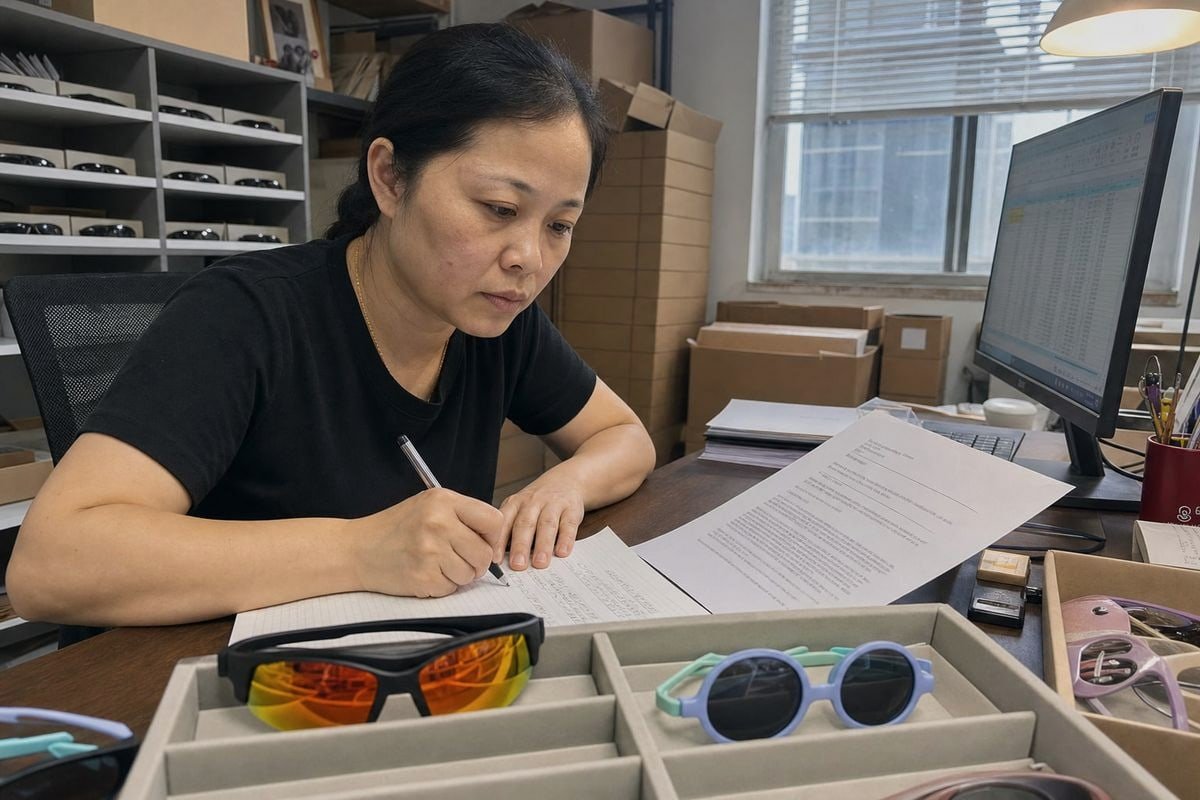
Requesting itemized quotes on kids’ sunglasses from China sounds simple — until vague pricing hides real costs Réalités du transit par mode 1. I’ve watched buyers lose margins on quotes our Taizhou factory could have clarified in one email.
To get itemized quotes on kids’ sunglasses from China, send a structured RFQ that requests separate line items for unit price by quantity tier, frame and lens materials, UV400 coating, customization, packaging, tooling, testing, sample fees, lead time, and shipping terms — never accept one bundled price.
Below, I break down exactly what to ask for, how to compare answers fairly, which hidden costs to watch, and which safety questions to raise before pricing even starts.
What details should I request in an itemized quote for kids' sunglasses?
A buyer from Australia once sent our sales team a one-line inquiry: "Best price for kids sunglasses, 2000pcs?" We had to reply with twelve questions before we could quote anything honestly.
Request separate line items for frame material, lens material and UV rating, tiered unit pricing, MOQ, sample cost, logo and customization fees, packaging options, tooling charges, testing costs, production lead time, shipping terms, and payment terms — each priced individually, not bundled together.
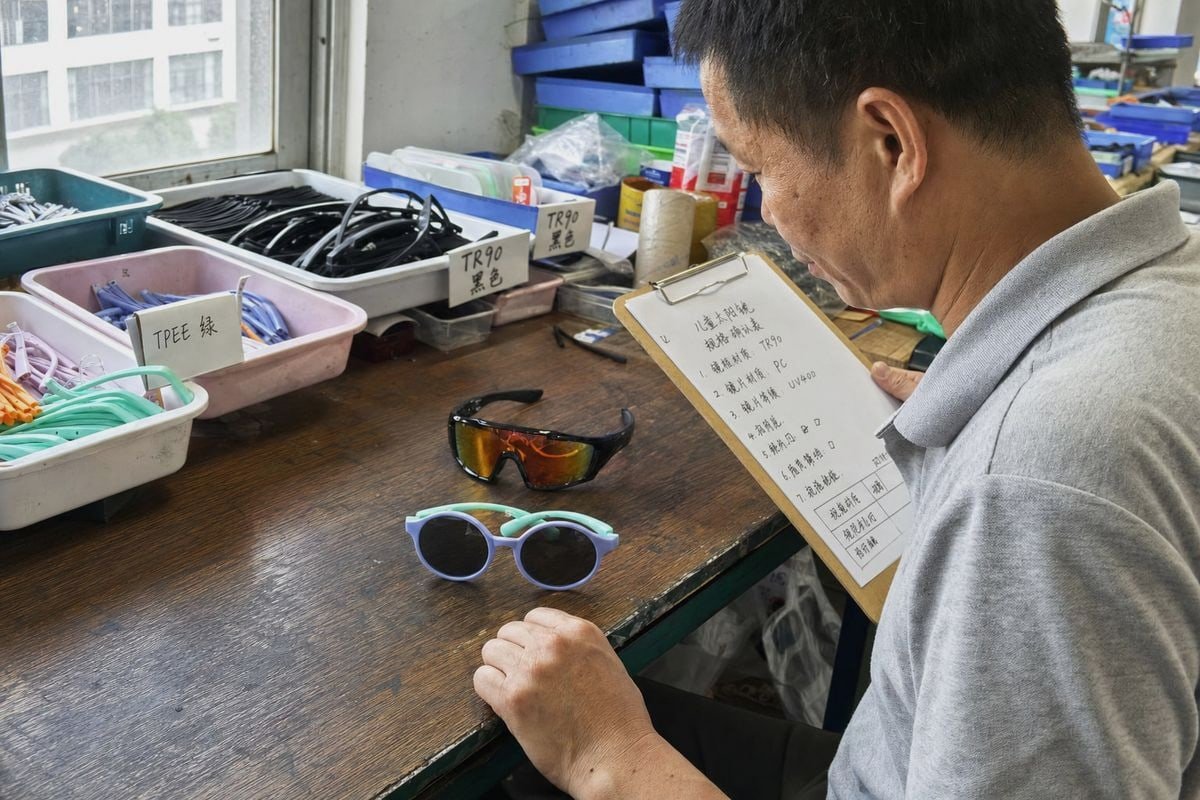
The more precisely you define the product, the more accurate and comparable the quote becomes. Kids' sunglasses are not a generic accessory. A wraparound sport shield with a mirrored gradient lens is priced very differently from a round pastel frame with soft-touch matte finish. Both sit in our catalog, and both carry different material usage, lens costs, and packaging needs.
Start with a clear spec sheet
Give suppliers the exact product definition before asking for numbers. In our experience, quotes based on loose specs are the number one cause of price disputes later.
Include these fields in every RFQ:
| RFQ Field | What to Specify |
|---|---|
| Product type | Kids' sunglasses, style reference or photo |
| Age range | Toddler, preschool, or school-age |
| Frame material | TR90 2, TPEE, or a combination |
| Lens material | PC lens, polarized, or standard |
| UV protection | UV400 3 claim, with supporting documentation |
| Colorways | Number of colors per style |
| Quantity tiers | e.g., 500 / 1,000 / 5,000 units |
| Packaging | Poly bag, custom box, retail-ready display |
| Marquage | Logo printing position and method |
| Destination | Country, for compliance and freight |
Ask for quantity-tier pricing
Always request pricing at three realistic volumes, such as 500, 1,000, and 5,000 units. Cost breaks tell you a lot about a factory's structure. A supplier whose price barely moves between tiers may be trading, not manufacturing. Because we run our own workshop with about 120 workers, our tier pricing reflects genuine production efficiency — and a serious factory should be able to explain each break.
Separate customization from the base product
Logo printing, custom Pantone colors, special lens coatings, and branded packaging should each appear as their own line. If a supplier folds them into one number, you cannot tell what you are paying for, and you cannot negotiate any single element.
How can I compare quotes from different China-based eyewear suppliers fairly?
There is a trade-off we discuss openly with new buyers: a very detailed RFQ takes longer to answer, but it is the only way three quotes from three factories actually mean the same thing.
Compare quotes fairly by locking identical specs, quantities, packaging, and trade terms across all suppliers, then comparing total landed cost line by line — not ex-factory unit price alone — and verifying each supplier quoted your exact specification rather than a substituted cheaper version.
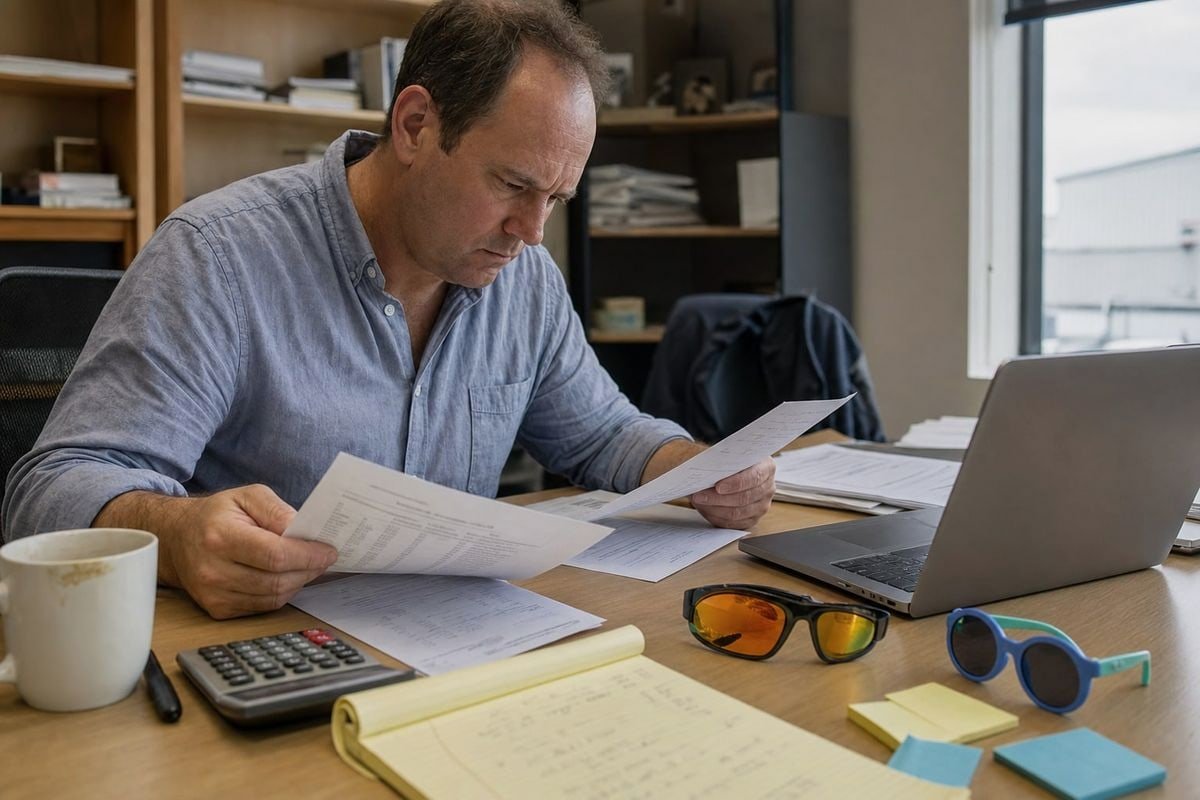
Fair comparison is a discipline, not a spreadsheet trick. Follow this sequence and most pricing confusion disappears.
A five-step comparison process
- Freeze the specification. Send every supplier the identical spec sheet, quantities, and packaging requirements. If one factory quotes a TR90 frame and another quotes cheap PC plastic, the numbers are meaningless side by side.
- Standardize the trade term. Ask everyone to quote FOB 4 from their nearest port, then request EXW and CIF as separate lines. Mixed trade terms are the most common comparison error we see.
- Convert to landed cost. Add freight, testing, packaging, and any tooling to the unit price. Divide by order quantity. This single number is your true comparison basis.
- Check what is excluded. Ask each supplier directly: what is not included in this price? The honest ones answer in detail. The evasive ones tell you something too.
- Verify against your spec. Request confirmation, in writing, that the quote matches your materials and UV claims. When buyers audit our quotes, we welcome it — the ones who cut corners do not.
What the differences tell you
| Signal in the Quote | Ce que cela signifie habituellement |
|---|---|
| Detailed line items, clear assumptions | A factory with real cost control |
| One headline price, no breakdown | Possible trader or careless quoting |
| Very low lens price | Check UV400 and impact-resistance claims |
| No sample or tooling lines | Costs will appear later as surprises |
| Quote validity period stated | Professional, standardized quoting process |
Also ask each supplier for their standard quotation format alongside your RFQ form. Cross-checking both documents exposes gaps quickly, and a factory that cannot produce a formal quotation sheet is a red flag on its own.
A lesson we learned early in our fifteen years of eyewear production: buyers rarely leave over unit price. They leave over the fees nobody mentioned until the deposit was paid.
Watch for unquoted tooling and mold fees, sample charges, logo setup costs, packaging upgrades, compliance testing, inland freight, port charges, bank fees, and price validity gaps — any cost a supplier omits from the initial quote usually reappears larger after you commit.
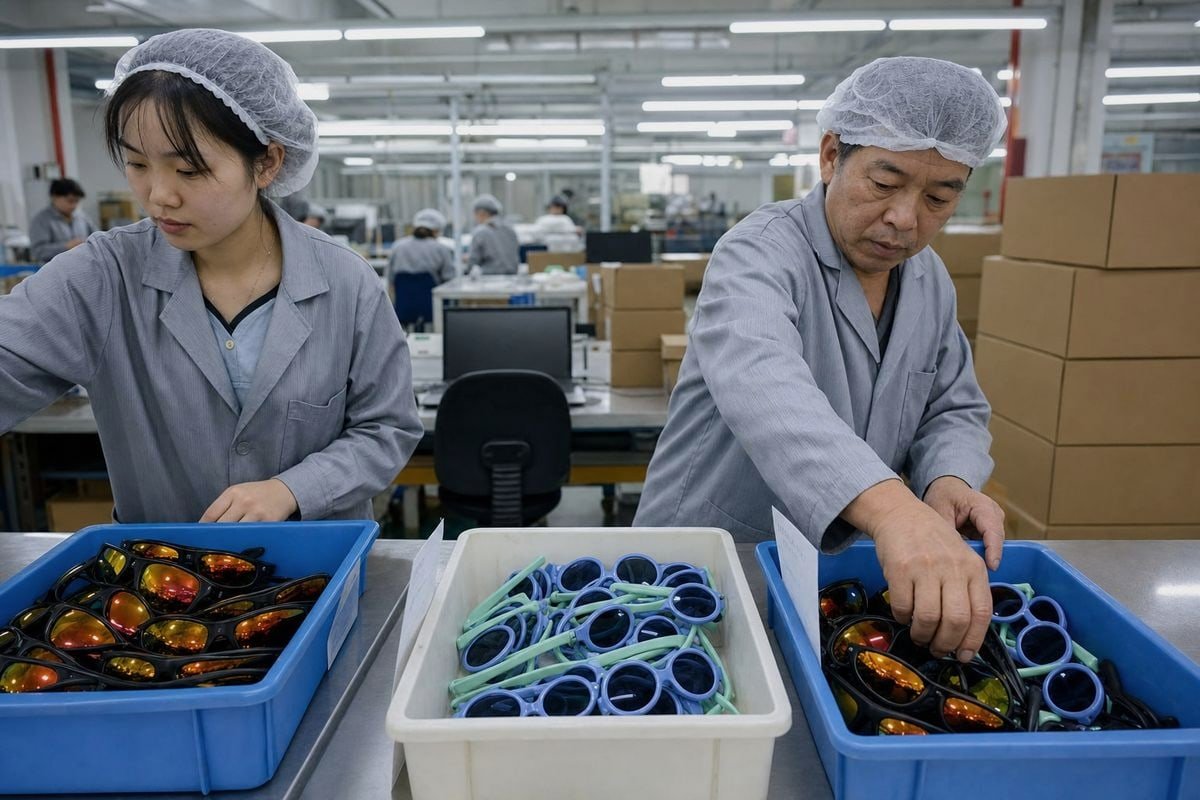
Hidden costs are rarely fraud. Most of the time, they are assumptions the supplier made and never wrote down. Your job is to force those assumptions onto paper before you compare anything.
The most common surprise charges
| Hidden Cost | Typical Trigger | How to Expose It Early |
|---|---|---|
| Mold / tooling fees | Custom frame shapes or new sizes | Ask: "Are there any tooling or setup fees for this design?" |
| Sample fees | Pre-production samples and courier shipping | Request sample cost and whether it is credited on bulk order |
| Logo setup | Printing plates, pad printing setup | Ask for logo cost per unit and one-time setup separately |
| Packaging upgrades | Retail boxes vs. plain poly bags | Get poly bag, gift box, and master carton priced individually |
| Testing charges | CE, exigences CPSIA 5, EN71, or AS/NZS requirements | Ask who pays for third-party testing and per-batch costs |
| Inland freight | EXW quotes excluding factory-to-port transport | Insist on FOB as your comparison baseline |
| Size-based tooling | Multiple age ranges (toddler vs. school-age) | Request a size and age-group cost matrix |
| Quote expiry | Material price swings after 30 days | Confirm the validity period in writing |
Why kids' sunglasses carry more of these traps
Children's eyewear has more cost variables than adult sunglasses. Adjustable temple tips, soft nose pads, flexible hinge structures, and child-safe materials all add component costs that some suppliers quietly downgrade to hit a target price. One of the reasons we built a catalog of roughly 800 existing styles was to let brands avoid tooling fees entirely — choosing an existing TR90 or TPEE frame and customizing colors and packaging skips the most expensive hidden cost on this list.
Ask one closing question on every quote: "If I confirm this order today, is there any charge not shown on this sheet?" Get the answer in writing.
Which questions help me confirm quality and safety standards before requesting pricing?
When our engineers develop a new flexible TPEE frame, safety questions come before cost questions — the frame has to survive a child bending, dropping, and sitting on it. Your sourcing questions should follow the same order.
Before pricing, ask suppliers to confirm UV400 documentation, lens impact resistance, frame material composition, applicable children's product standards for your market, available test reports, factory quality control processes, and their experience exporting to your destination country — safety answers should precede price negotiation.
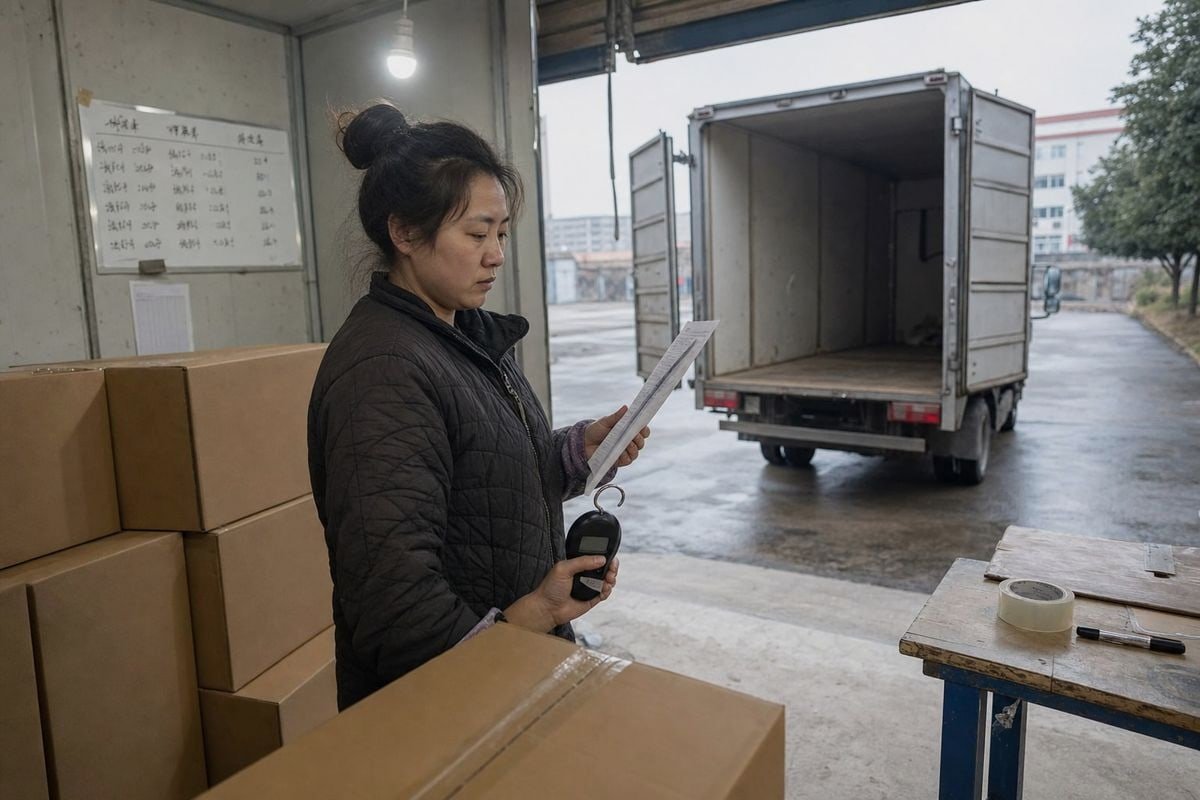
Asking safety questions first does two things. It filters out suppliers who cannot serve regulated markets, and it ensures every price you later receive already includes the quality level you need. Reversing the order — price first, safety later — is how buyers end up paying twice.
Material and lens questions
Start with the physical product. Ask what the frame is made of, and be specific. Materials like TR90 and TPEE are lightweight, flexible, and resilient — properties that matter enormously on a child's face. A frame that snaps under pressure is a safety hazard near a child's eyes, not just a quality complaint. Then ask about lenses: Is the UV400 claim backed by test data? Are the lenses impact-resistant polycarbonate 6? Is polarization available, and at what cost difference? A supplier who answers these fluently works with kids' eyewear regularly. A supplier who deflects probably makes adult fashion sunglasses and resizes them.
Compliance and factory questions
Next, confirm market fit. Different destinations demand different standards — EN ISO requirements in Europe, CPSIA considerations in the US, AS/NZS sunglass standards in Australia. Ask which standards the supplier has tested against, whether existing test reports exist for the style you want, and who arranges new testing if needed. Then probe the factory itself: Are you a factory or a trading company? How many workers? How is quality control structured across incoming materials, production, and final inspection? We run a Réalités du transit par mode 7 precisely because kids' product buyers audit these answers, and they should.
A question set you can copy
- What frame and lens materials do you use, and can you document them?
- Is UV400 protection verified by test reports?
- Which children's eyewear standards have you tested against for my market?
- Are you the actual factory, and can I verify the production location?
- How do you perform QC at incoming, in-line, and final inspection stages?
- Can you share references from buyers in my region?
Only after these answers satisfy you should the pricing conversation begin.
Conclusion
Vague inquiries invite vague quotes, and vague quotes destroy margins. Demand line-by-line breakdowns, compare landed costs on identical specs, expose hidden fees early, and verify safety before price — that is how strong kids' eyewear sourcing works.
Notes de bas de page
1. 5S is a recognized workplace organization system linked to consistent factory quality control. ↩︎
2. Explains the thermoplastic frame material category used for kids’ sunglasses frames. ↩︎
3. Background on UV protection standards referenced throughout the sunglasses sourcing article. ↩︎
4. Government trade resource defining FOB and other Incoterms used for supplier quote comparisons. ↩︎
5. Official source for the US children’s product safety law mentioned as a compliance standard. ↩︎
6. Background on the impact-resistant lens material referenced for children’s eyewear safety. ↩︎
7. Explains the 5S workplace organization methodology mentioned for factory quality control. ↩︎
Plus d'articles que vous pourriez aimer
1 août 2026
L'usine doit-elle gérer l'emballage et l'étiquetage des lunettes pour enfants, ou utiliser un fournisseur désigné ?
1 août 2026
Entrepôt propre vs. exécution directe par le fournisseur : lequel réduit les coûts de retour pour les marques de lunettes pour enfants ?
1 août 2026
Entrepôt direct au port ou staging outre-mer : lequel permet d'économiser le plus sur l'expédition des lunettes pour enfants ?
Vous recherchez un partenaire fiable en lunetterie pour enfants ?
Explorez plus de 800 styles prêts et un support OEM/ODM complet adapté à votre marque.
Contactez-nous English
  Español de México
  Deutsch
  Français
  日本語
日本語  العربية
  Português do Brasil