How to Ask Chinese Suppliers to Strengthen Packaging for Kids Sunglasses?
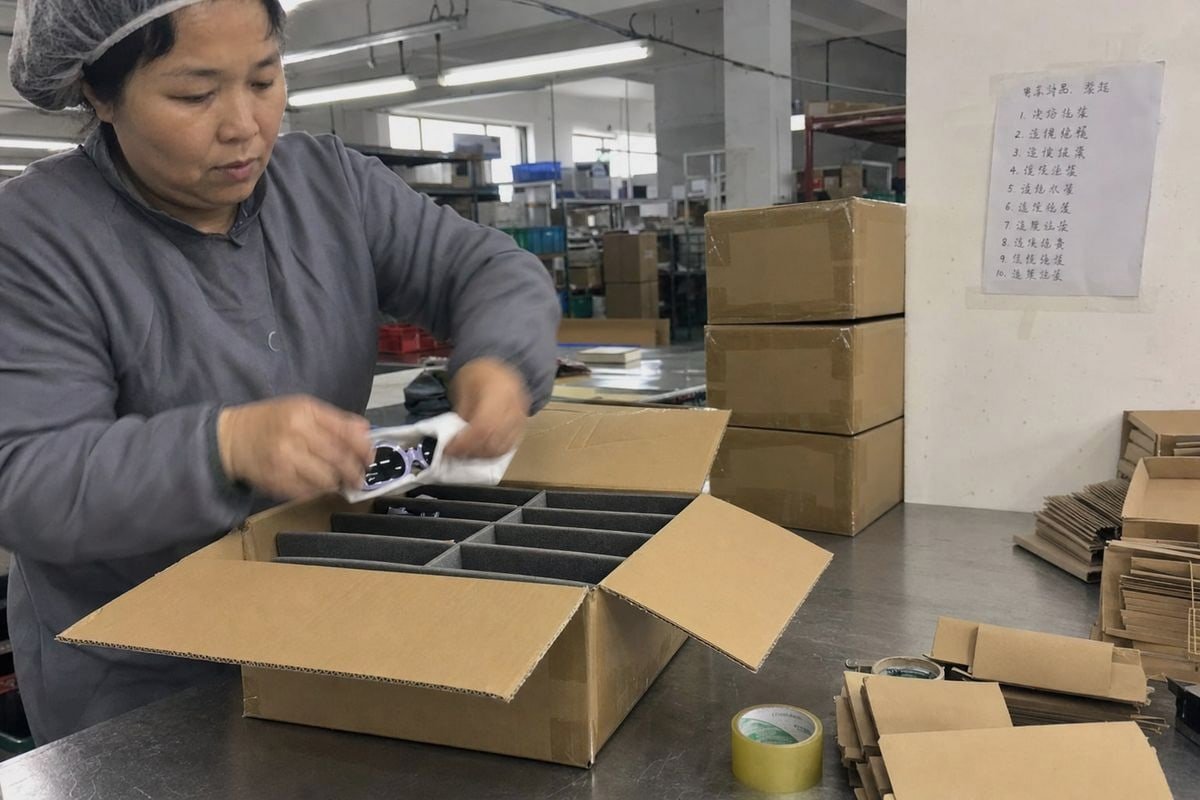
Asking Chinese suppliers to strengthen packaging for kids sunglasses sounds simple — until a carton arrives with scratched lenses, cracked hinges, and angry retail customers waiting.
To ask Chinese suppliers to strengthen packaging for kids sunglasses, send a written packaging specification: individual pouches or boxes per pair, dividers, thicker corrugated outer cartons, corner reinforcement, and reduced empty space. Then request the MOQ, extra cost per unit, and pre-shipment photos.
That is the short answer. Below, I will break it down step by step, based on how buyers actually communicate with our factory in Taizhou — and what goes wrong when they don’t.
What Packaging Details Should I Specify to Prevent Damage During Shipping?
A few years ago, a buyer told us his previous supplier's shipment arrived with one in ten pairs scratched Réalités du transit par mode 1. When we checked his old packing photos, the cause was obvious: loose bulk packing with no inner protection at all.
Specify individual inner packaging per pair, a scratch barrier such as a microfiber pouch or sleeve, divider inserts, a corrugated outer carton with a stated board grade, corner and bottom reinforcement, tight carton dimensions to stop movement, and clear fragile and orientation markings.
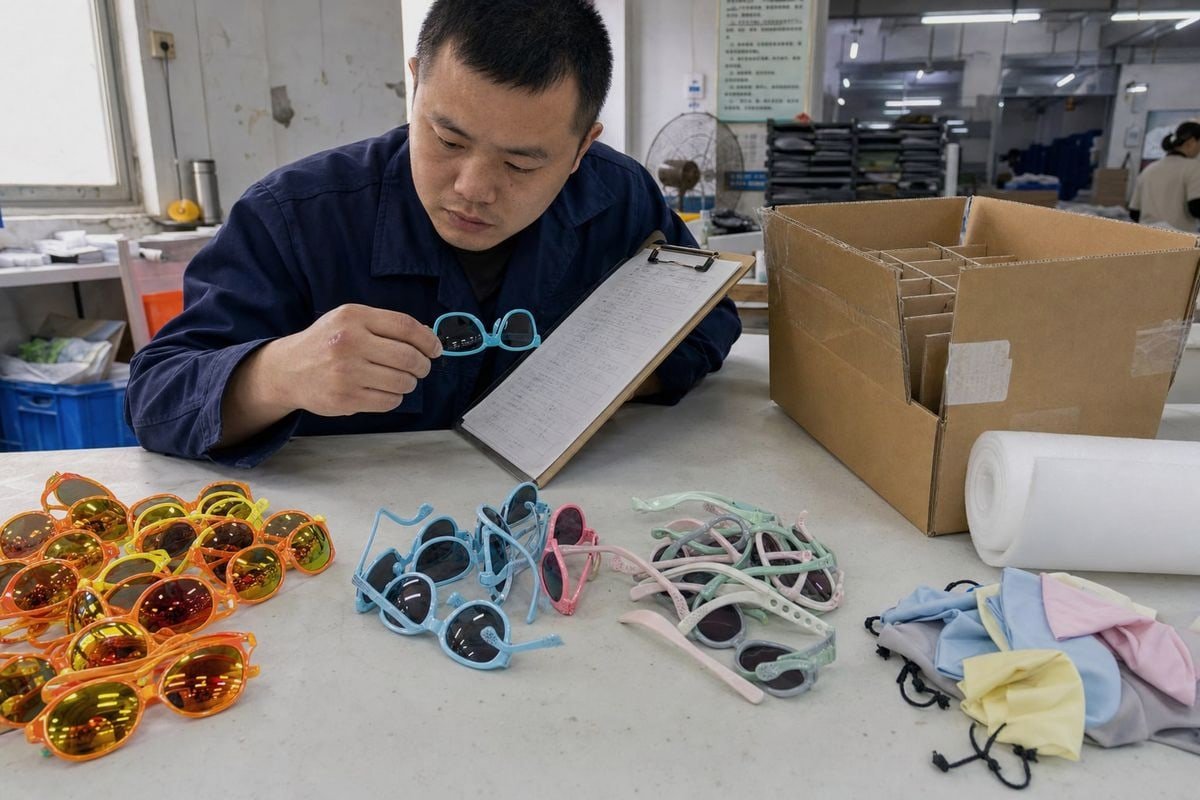
Kids sunglasses are light, but they are not tough in a carton. On our production line, we treat frames, lenses, hinges, and accessories as four separate risk points. Each one needs its own protection layer, and each layer should appear in your spec in writing. "Standard export packaging" means something different at every factory, so never rely on that phrase.
The Four Damage Points on Kids Sunglasses
Lenses scratch when pairs rub against each other. Hinges bend when cartons get crushed from the side. Temples snap when heavy cartons are stacked on light ones. Accessories like cleaning cloths shift and press against lenses in transit. Your packaging spec should answer all four risks, not just one.
A Practical Spec Table You Can Copy
| Packaging Layer | What to Specify | Why It Matters for Kids Sunglasses |
|---|---|---|
| Per-pair protection | Microfiber pouch, sleeve, or polybag | Stops lens-to-lens scratching |
| Unit packaging | Individual box, hard case, or foldable carton | Protects hinges and keeps retail presentation |
| Inner carton layout | Dividers or partition inserts, pairs per row | Prevents shifting and rubbing |
| Outer carton | Corrugated grade, wall thickness, max weight | Survives stacking and mixed cargo |
| Reinforcement | Taped corners, reinforced bottom | Handles rough long-distance routes |
| Fit | Carton sized to contents, minimal void space | Movement is the main cause of breakage |
| Markings | Orientation arrows, batch ID, fragile labels | Guides handlers and simplifies receiving |
One more point our QC team always raises: for children's products, any added foam, filler, or insert should be safe and free of loose small parts. Packaging that protects the product but creates a choking hazard is not an upgrade. State this requirement explicitly, because not every packing workshop thinks about child safety by default.
How Do I Communicate Packaging Requirements Clearly to a Chinese Factory?
In our fifteen years of exporting children's eyewear, the buyers who get exactly what they asked for share one habit: they put packaging in the same document as their product specs, quantities, and lead times — never as an afterthought in a chat message.
Communicate packaging requirements in a short, numbered written specification sent by email or Alibaba chat. Include materials, dimensions, board grade, insert type, and printing. Attach reference photos or sketches, state the business reason, and ask the supplier to confirm each point in writing.

Vague requests fail. "Please pack better" gets interpreted as standard packing at almost every factory, including ours. Precise, numbered requests get accurate quotes and fewer disputes. Here is the process I recommend to every new buyer we work with.
A Five-Step Communication Process
- Write a numbered spec. One line per requirement: pouch material, box size, carton grade, divider layout, labels. Numbered lists are easy to confirm point by point across a language barrier.
- Attach visual references. Photos of competitor packaging, a sketch, or a sample photo remove ambiguity faster than any paragraph of text. Our packing team responds far better to an image than to three emails of description.
- Explain the why. Tell the supplier you had transit breakage or customer complaints. When a factory understands the business reason, the request gets prioritized instead of treated as a preference.
- Ask for written confirmation. Request that the supplier repeat back each numbered point. Silence is not agreement.
- Request a pre-production packaging sample. Approve a physical sample or detailed photos before mass production. This is the single cheapest insurance you can buy.
What Not to Say
Avoid phrases like "good packaging," "strong box," or "safe shipping." None of these are measurable. Replace them with numbers: board grade or thickness, carton dimensions, pairs per inner carton, maximum carton weight. If you cannot measure it, the factory cannot quote it, and you cannot enforce it later. We have seen disputes vanish entirely once buyers switched from adjectives to specifications.
What Questions Should I Ask to Confirm My Supplier's Packaging Standards?
Whenever a new brand contacts our sales team, I can predict their sourcing experience from their questions. Experienced buyers ask about carton grades and packing photos in the first message. First-timers only ask about unit price — and learn the hard way.
Ask what the supplier's standard packaging includes, the carton board grade, whether pairs are individually protected, the MOQ and extra cost for upgrades, whether drop tests are performed, and whether they will send photos of packed goods before sealing and shipment.
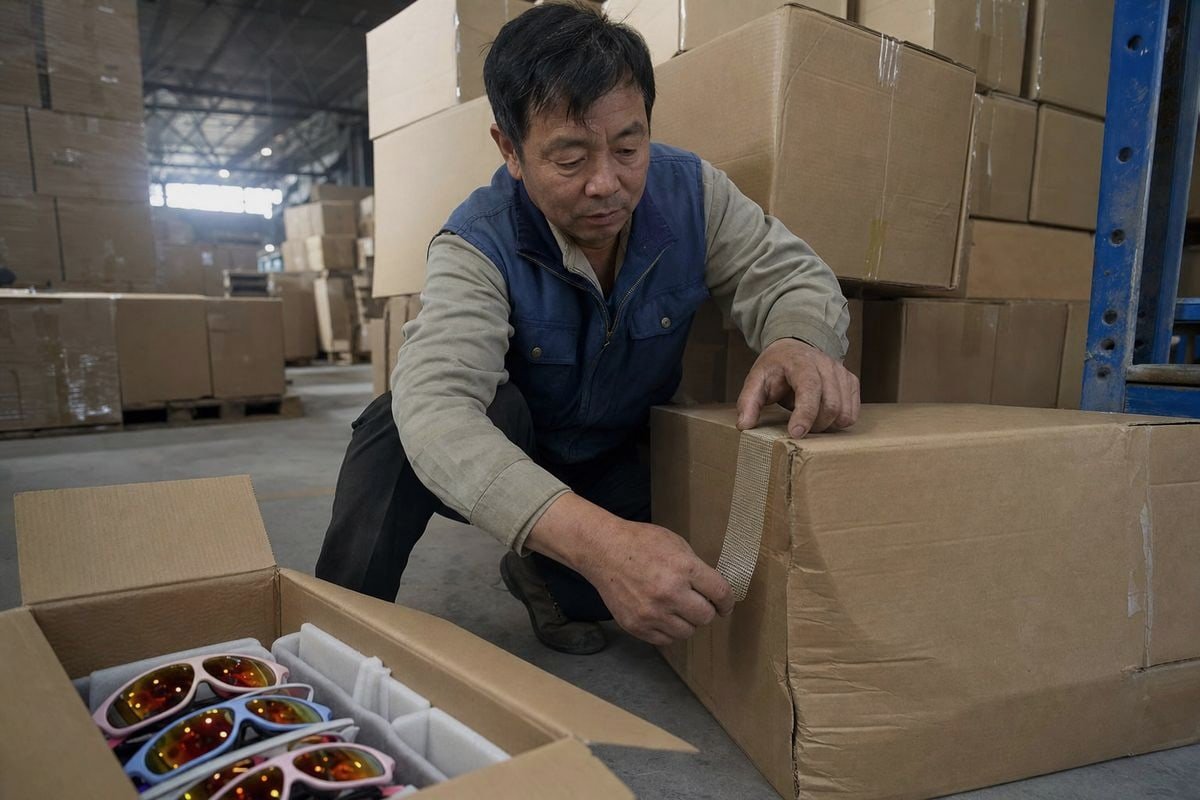
Good questions do two jobs. They reveal the supplier's real standards, and they signal that you are a professional buyer who will inspect the shipment. Both improve your outcome. Below is the checklist I would use if I were buying from a factory I had never worked with.
The Essential Question Checklist
| Question | What a Good Answer Sounds Like | Red Flag Answer |
|---|---|---|
| What is your standard packaging for kids sunglasses? | Specific layers described: polybag, inner box, carton grade | "Standard export packing" |
| Are pairs individually protected? | Yes, pouch or sleeve per pair, or clear upgrade path | "We pack in bulk" |
| What carton grade do you use? | A stated corrugated type or thickness | "Strong carton" |
| Do you test packaging durability? | Drop or compression testing, or willingness to arrange it | "Never had a problem" |
| What is the MOQ and cost for custom packaging? | Clear per-unit surcharge quoted separately | Bundled, unclear pricing |
| Can you send packing photos before shipment? | Yes, per batch, before sealing cartons | Hesitation or refusal |
| Can you confirm carton size, weight, and packing list? | Yes, in the proforma invoice | "We'll confirm later" |
Why Verification Questions Matter Most
The last two questions are the most important. A supplier can promise anything at quotation. Photo documentation before sealing, an in-line QC checkpoint 2 for packaging assembly, and a matching packing list are how you confirm the upgraded packaging was actually used. In our Réalités du transit par mode 3, we photograph packing methods per batch as routine traceability — and I always tell buyers to demand the same from any factory, including ours. If you want extra assurance on a first large order, a third-party pre-shipment inspection can verify packaging alongside product quality for a modest fee.
Can I Request Custom Protective Packaging Without Increasing My Order Costs?
Here is a trade-off I discuss with buyers almost weekly: they want retail-ready printed boxes with inserts, but they also want the original quoted unit price. Both are reasonable goals. Getting both requires strategy, not just negotiation pressure.
Yes, often — if you stay flexible. Use the supplier's existing packaging formats, skip custom printing on the first order, increase order quantity to meet packaging MOQs, or accept a small unit-price adjustment. Always compare landed cost, not just packaging surcharge.
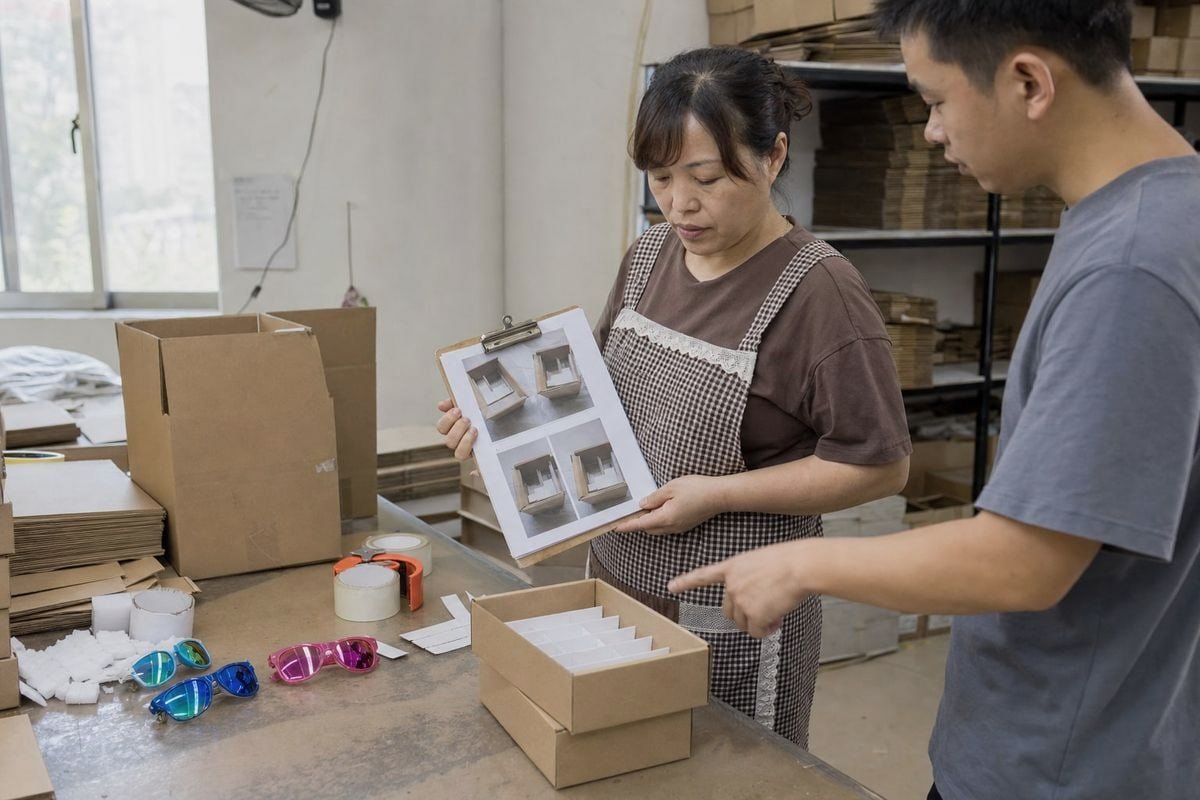
Stronger packaging has real costs: materials, labor, and sometimes larger cartons that raise billable shipping weight. But suppliers absorb or reduce many of these costs when the request fits their existing workflow. Because we keep around 800 existing styles with established packaging options, buyers who choose a stock pouch or box format often pay little or nothing extra. Custom-printed packaging is where MOQs and surcharges appear.
Cost-Control Levers That Actually Work
| Strategy | How It Saves Money | Idéal pour |
|---|---|---|
| Use existing pouch/box formats | No new tooling or printing setup | First orders and market tests |
| Delay logo printing to reorder | Avoids print MOQ on a trial run | New brands validating a style |
| Consolidate to hit packaging MOQ | Spreads setup cost across more units | Buyers with multiple SKUs |
| Optimize carton dimensions | Cuts void fill and billable weight | Long-distance air or courier shipments |
| Phased trial shipment | Tests new packaging before full commitment | Any packaging redesign |
Think in Landed Cost, Not Unit Price
A protective upgrade that adds a little per pair but eliminates transit damage is almost always cheaper than replacements, refunds, and lost retail customers. When we develop OEM packaging 4 with a brand, we quote the packaging surcharge separately from the unit price. That transparency lets the buyer compare offers like-for-like and see the true coût rendu 5. Ask every supplier to do the same. And remember one boundary: packaging strength protects the shipment, but it never replaces product compliance 6. The sunglasses themselves still need proper UV and safety testing 7 — that is a separate conversation, and a non-negotiable one for children's eyewear.
Conclusion
Strengthen packaging for kids sunglasses by specifying it in writing: inner protection, dividers, reinforced cartons, confirmed costs, and pre-shipment photos. Test one clear spec, verify it, then scale with confidence.
Notes de bas de page
1. 5S is a recognized workplace organization method referenced for factory traceability practices. ↩︎
2. ISO 9001 quality management defines checkpoints suppliers use to verify packaging processes. ↩︎
3. Explains the lean manufacturing system referenced for workshop organization and traceability. ↩︎
4. OEM arrangements explain how custom packaging surcharges are quoted separately from unit price. ↩︎
5. International Trade Administration resources help importers calculate true landed cost of shipments. ↩︎
6. C
Plus d'articles que vous pourriez aimer
1 août 2026
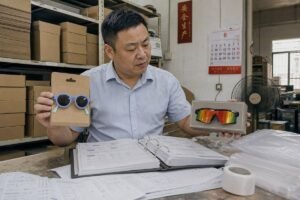
L'usine doit-elle gérer l'emballage et l'étiquetage des lunettes pour enfants, ou utiliser un fournisseur désigné ?
1 août 2026
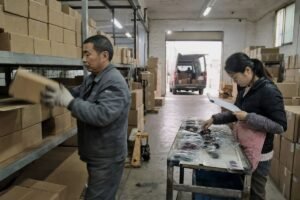
Entrepôt propre vs. exécution directe par le fournisseur : lequel réduit les coûts de retour pour les marques de lunettes pour enfants ?
1 août 2026
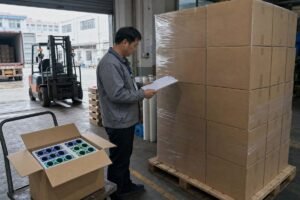
Entrepôt direct au port ou staging outre-mer : lequel permet d'économiser le plus sur l'expédition des lunettes pour enfants ?
Vous recherchez un partenaire fiable en lunetterie pour enfants ?
Explorez plus de 800 styles prêts et un support OEM/ODM complet adapté à votre marque.
Contactez-nous English
  Español de México
  Deutsch
  Français
  日本語
日本語  العربية
  Português do Brasil