Was deckt die Garantie für Kinder-Sonnenbrillen normalerweise ab?
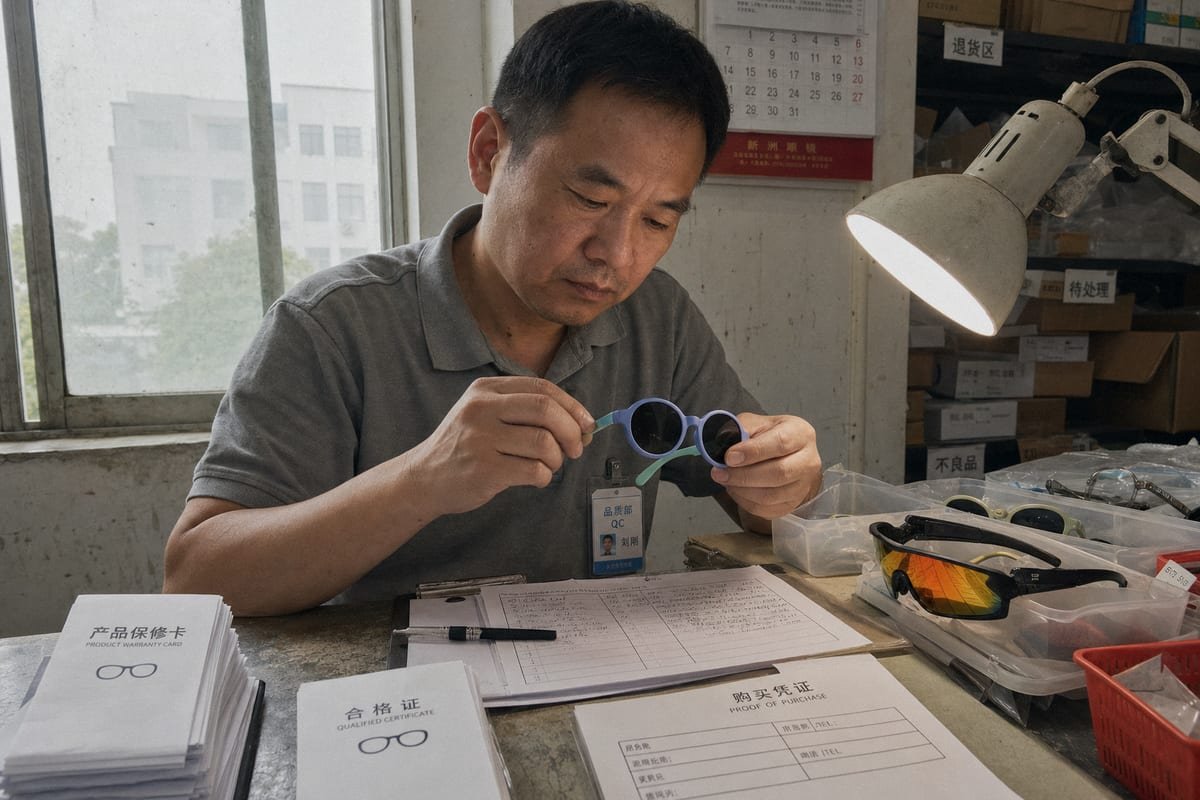
Käufer fragen nach der Garantie für Kinder-Sonnenbrillen bei fast jeder Angebotsanfrage, die unsere Fabrik erhält. Ein Streitfall wegen eines kaputten Scharniers kann eine Partnerschaft trüben. Klare Bedingungen verhindern diesen Schmerz vollständig.
Eine Garantie für Sonnenbrillen für Kinder deckt in der Regel Herstellungsfehler an Rahmen, Gläsern, Scharnieren und Beschichtungen für ein bis zwei Jahre mit Kaufnachweis ab. Versehentliche Beschädigungen, Kratzer, Verlust und normale Abnutzung sind in der Regel ausgeschlossen, es sei denn, es wird ein separater Schutz- oder Ersatzplan erworben.
Diese kurze Antwort verbirgt viele Details. Die Abdeckung variiert stark zwischen Marken, Einzelhändlern und Fabriken. Ich werde Sie durchgehen, was wirklich abgedeckt ist, was nicht, und wie B2B-Käufer bessere Bedingungen gestalten können.
Welche Mängel oder Probleme sind normalerweise in der Garantie für Kinder-Sonnenbrillen enthalten?
Letztes Jahr eine 1 Chargeninspektion.
Eine Garantie für Kinder-Sonnenbrillen umfasst in der Regel Herstellungsfehler wie Scharnierbruch, verzogene oder gerissene Rahmen ohne Stoß, abblätternde oder blasende Linsenbeschichtungen, Linsenablösung, lockere Bügel und fehlerhafte Nasenpads. Die Deckung gilt nur für Mängel an Materialien oder Verarbeitung, nicht für Schäden, die vom Kind verursacht wurden.
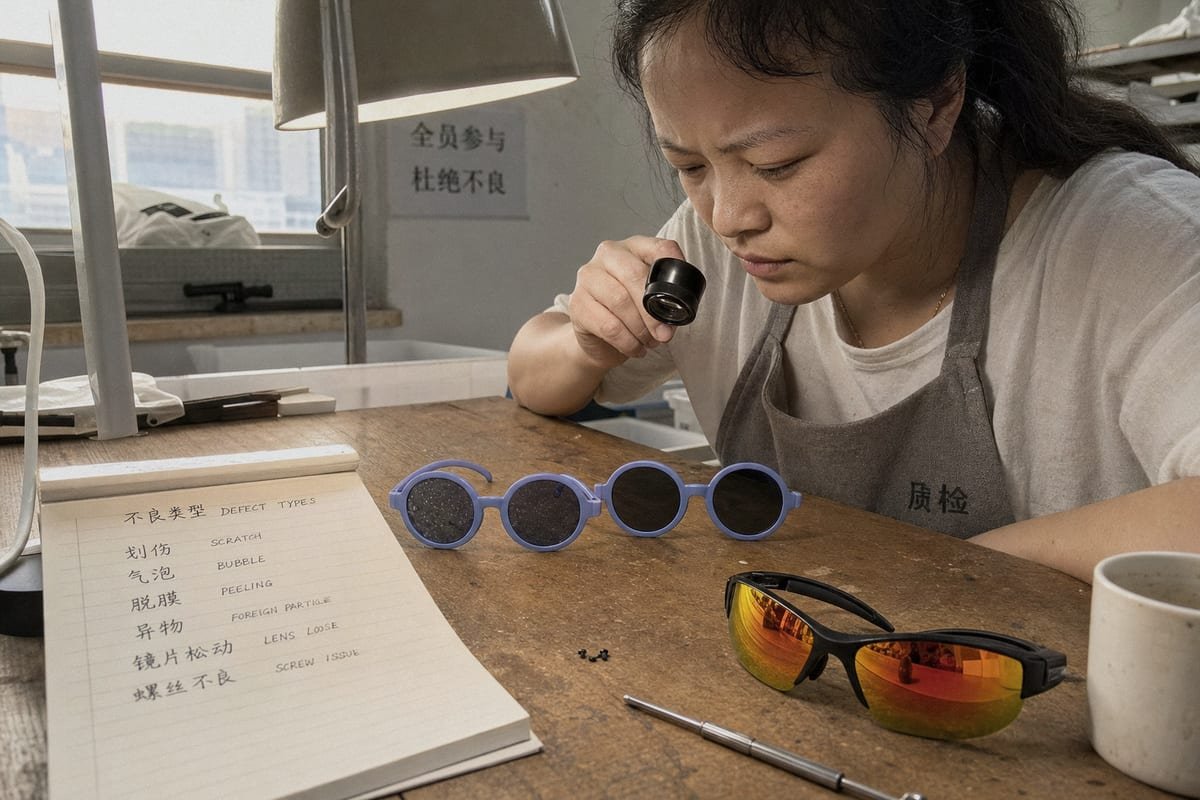
in unserer Taizhou-Werkstatt hat ein Problem mit der Toleranz der Scharnierschraube vor dem Versand festgestellt. Das ist genau die Art von Problem, die eine ordnungsgemäße Garantie abdecken soll.
Das Kernprinzip hinter jeder Standardgarantie ist einfach. Wenn das Produkt aufgrund seiner Herstellung versagt, ist der Hersteller verantwortlich. Wenn es aufgrund seiner Verwendung versagt, ist der Hersteller normalerweise nicht verantwortlich. Diese Grenze klingt auf dem Papier klar. In der Praxis verwischen Kinder sie jeden Tag.
Häufig abgedeckte Mängel
| Aus unserer fünfzehnjährigen Erfahrung in der Herstellung von Kinderbrillen sind dies die Arten von Mängeln, die die meisten Garantien zuverlässig abdecken: | Art des Mangels | Wie er aussieht |
|---|---|---|
| Typischerweise abgedeckt? | Scharnierversagen | Ja |
| Schraube lockert sich oder Gelenk bricht ohne Stoß | Beschichtungsversagen | Ja |
| UV- oder entspiegelte Schicht blättert ab, bildet Blasen oder reißt | Rahmenverformung | Ja |
| Rahmen verdreht sich oder verliert unter normalen Bedingungen seine Form | Linsen-Delamination | Ja |
| Schichten der Linse trennen sich von selbst | Schweiß- oder Verbindungsfehler | Ja |
| Bügel löst sich am Verbindungspunkt | Kratzer durch Gebrauch | Oberflächenspuren von Spielplätzen oder Rucksäcken |
| Selten | Bissspuren | Nein |
| Kleinkind kaut an den Bügelenden | Verlust oder Diebstahl | Nein |
Sonnenbrillen am Strand liegen gelassen
Warum die Materialwahl das Fehlerbild verändert Hier ist etwas, das viele Käufer übersehen. Die Fehlerrate hängt stark vom Material ab. Wir fertigen die meisten unserer Kinderrahmen aus TR90 und TPEE, gerade weil 2 starre Kunststoffe.
an Belastungspunkten reißen. Die Haltbarkeit flexibler Rahmen bedeutet, dass sich ein Rahmen biegt und zurückfedert, anstatt zu brechen. Ein gut gefertigter TPEE-Bügel kann Verdrehungen überstehen, die einen billigen Spritzgussrahmen zerbrechen würden. Weniger legitime Mängel bedeuten weniger Garantieansprüche, was enorm wichtig ist, wenn Sie Tausende von Einheiten unter Ihrer eigenen Marke verkaufen. Beschichtungen verdienen ebenfalls besondere Aufmerksamkeit. Eine 3 kratzfeste Beschichtung. , die von selbst versagt, durch Abblättern oder Trübung, ist ein Herstellungsfehler. Ein Kratzer, der durch Sand in einer Strandtasche verursacht wurde.
Wie lange sollte ich eine Garantiezeit für Kinderbrillen erwarten?
Kratzfest bedeutet schwerer zu zerkratzen, nicht kratzfest; Oberflächenkratzer durch täglichen Gebrauch gelten als normale Abnutzung und sind von fast allen Basisgarantien ausgeschlossen. Ein Händler in Australien fragte uns einmal, ob eine längere Garantiezeit.
Kinderbrillen-Garantien dauern in der Regel ein bis zwei Jahre ab Kaufdatum. Ein Jahr ist der Industriestandard für Sonnenbrillen für Kinder, während Premium-Marken bis zu zwei Jahre verlängern oder eine eingeschränkte lebenslange Garantie nur auf Herstellungsfehler anbieten können. Pläne für versehentliche Beschädigungen laufen normalerweise zwölf Monate.
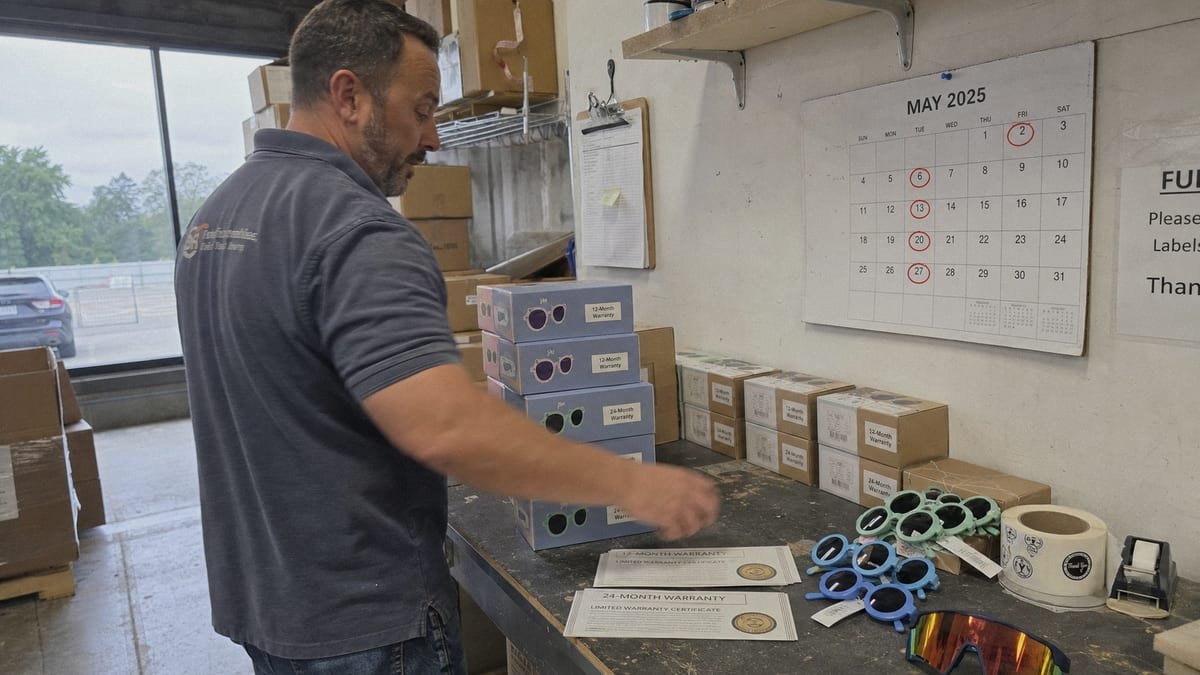
einen höheren Verkaufspreis rechtfertigen würde. Unsere Antwort überraschte ihn: Die Länge ist weniger wichtig als das, was die Periode tatsächlich abdeckt. Zeitlimits existieren, weil Materialien altern. 4, UV-Strahlung.
Typische Garantiezeiträume nach Abdeckungstyp
| Abdeckungstyp | Übliche Dauer | Anmerkungen |
|---|---|---|
| Standard-Mängelgarantie | 12 Monate | Der Basiswert für die meisten Brillenmarken für Kinder |
| Erweiterte Mängelgarantie | 24 Monate | Üblich in EU-Märkten aufgrund des Verbraucherrechts |
| Begrenzte lebenslange Garantie | Lebensdauer des Produkts | Nur Mängel; versehentliche Beschädigung immer noch ausgeschlossen |
| Plan für versehentliche Beschädigung | 6–12 Monate | Oft ein Ersatz pro Zeitraum |
| Fenster für Änderung der Sehstärke | 60–90 Tage | Gilt für optische Kinderrahmen, nicht für einfache Sonnenbrillen |
Warum Kinderprodukte manchmal kürzere oder andere Bedingungen haben
Interessanterweise haben einige Jugendlinien eine kürzere Abdeckung als erwachsene Äquivalente, die auf zwei Jahre begrenzt ist, auch wenn die Erwachsenenlinie eine begrenzte lebenslange Garantie bietet. Die Begründung ist unverblümt. Kinder wachsen aus den Fassungen heraus, gehen grob damit um und behalten ein Paar selten länger als zwei Saisons. Ein lebenslanges Versprechen für ein Produkt mit einer zwei Jahre nutzbare Lebensdauer ist meist Marketing.
Es gibt noch ein weiteres zeitliches Detail, das Käufer wissen sollten. Der Kaufnachweis beginnt fast immer die Uhr zu ticken. Ohne Quittung oder Bestellbeleg lehnen die meisten Marken eine Reklamation sofort ab. Wenn wir unsere B2B-Kunden unterstützen, empfehlen wir ihnen, einen einfachen Registrierungsschritt in ihre Verpackungsbeilage einzubauen. Das schützt den Endkunden und gibt der Marke gleichzeitig einen Marketing-Touchpoint. Einige Marken knüpfen sogar den Schutz bei Verlust oder Diebstahl an dieses Registrierungsfenster und bieten einen ermäßigten Ersatz nur an, wenn das Produkt innerhalb von dreißig Tagen registriert wurde.
Kann ich benutzerdefinierte Garantiebedingungen aushandeln, wenn ich bei einem Hersteller bestelle?
Die Aushandlung von Bedingungen ist eines meiner Lieblingsgespräche mit neuen Marken-Kunden, da sie beide Seiten zwingt, Qualität in Zahlen statt in Adjektiven zu definieren.
Ja, B2B-Käufer können kundenspezifische Garantiebedingungen mit einem Hersteller aushandeln. Übliche verhandelbare Punkte sind die Schwelle für die Fehlerrate, die Ersatzrichtlinie, die Ersatzteilpauschale, die Nachweisanforderungen für Ansprüche und wer die Bearbeitungs- und Versandkosten trägt. Die Bedingungen werden in der Regel vor Produktionsbeginn in die Kaufvereinbarung aufgenommen.
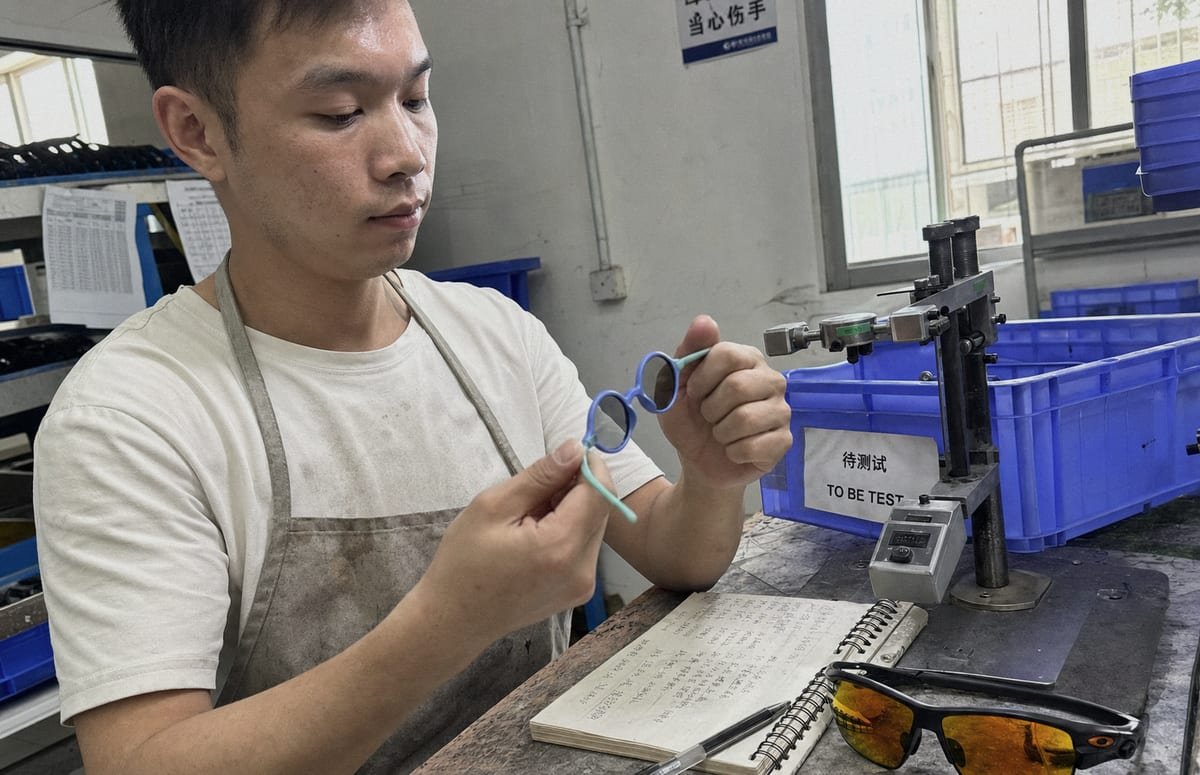
Wenn Sie ab Werk bestellen und nicht von der Stange kaufen, ist die Garantie keine gedruckte Karte mehr, sondern eine Vertragsklausel. Dieser Wechsel wirkt sich zu Ihren Gunsten aus. In unserer Anlage finden die Garantiegespräche während der Musterung statt, nicht nachdem ein Problem aufgetreten ist. So läuft die Verhandlung normalerweise ab.
Die fünf Hebel, die Sie aushandeln können
- Akzeptable Fehlerrate. Einigen Sie sich auf einen AQL-Standard für die Inspektion. Alles über dem Schwellenwert löst die Verantwortung der Fabrik aus.
- Art der Abhilfe. Entscheiden Sie, ob defekte Einheiten im nächsten Versand ersetzt, gegen die nächste Rechnung gutgeschrieben oder erstattet werden. Der Ersatz bei der nächsten Bestellung ist für beide Seiten am gebräuchlichsten und effizientesten.
- Ersatzteilzuschuss. Viele unserer Kunden bitten um einen kleinen Prozentsatz zusätzlicher Einheiten oder Ersatz-Bügel, die kostenlos mit jeder Bestellung geliefert werden. Dies ermöglicht es ihnen, Endkundenreklamationen sofort zu bearbeiten, ohne auf internationale Fracht warten zu müssen.
- Nachweisstandards. Definieren Sie, was als Beweis gilt. Klare Fotos und Chargennummern reichen normalerweise aus. Die Rücksendung jedes defekten Paares über den Ozean zu verlangen, hilft niemandem.
- Kostenaufteilung. Legen Sie fest, wer die Bearbeitungs- und Versandgebühren für Ersatzlieferungen übernimmt. Die Aufteilung der Fracht bei kleinen Reklamationen und die vom Werk bezahlte Fracht bei Chargenfehlern ist ein fairer Mittelweg.
Was eine Fabrik akzeptiert und was nicht
Eine seriöse Fabrik steht ohne zu zögern hinter Herstellungsfehlern. Unser QC-Prozess in einem 5S-verwalteten Werkstatt 6 existiert genau deshalb, damit wir diese Verpflichtung zuversichtlich eingehen können. Was keine ehrliche Fabrik akzeptieren wird, ist eine unbegrenzte Haftung für versehentliche Beschädigung auf Verbraucherebene. Wenn Ihre Marke ein kinderfestes Einmalersatzversprechen vermarkten möchte, ist das eine clevere Einzelhandelsstrategie, aber es sollte in Ihre Marge einkalkuliert werden, nicht auf die Stückkosten aufgeschlagen werden. Wir helfen Kunden oft bei der Modellierung: Ein etwas höherer Landekostenpreis mit eingebautem Ersatzbestand ist normalerweise besser, als einzelnen Reklamationen über Grenzen hinweg nachzujagen.
Eine Lektion aus jahrelangem Export in über zwanzig Länder: alles schriftlich festhalten, bevor die Anzahlung geleistet wird. Mündliche Zusicherungen verflüchtigen sich. Ein einseitiger Garantieanhang zur Bestellung erspart beiden Seiten peinliche E-Mails später.
Worauf sollte ich bei der Garantiepolitik eines Lieferanten achten, bevor ich eine Großbestellung aufgeben?
Früh in meiner Karriere habe ich beobachtet, wie ein vielversprechender Importeur einen Einzelhandelsvertrag verlor, weil die Garantiebestimmungen seines früheren Lieferanten nur aus zwei vagen Sätzen bestanden. Die Anwälte des Einzelhändlers zogen sich zurück.
Bevor Sie eine Großbestellung aufgeben, überprüfen Sie die vom Lieferanten definierte Mängelliste, die Fehlerrate, das Reklamationsfenster, die Nachweisanforderungen, die Abhilfemethode, die Lieferzeit für Ersatzlieferungen und die Kostenverantwortung für den Versand. Bestätigen Sie, dass die Richtlinie im Vertrag verankert ist, und prüfen Sie, ob Linsenbeschichtungen und Scharniere ausdrücklich abgedeckt sind.
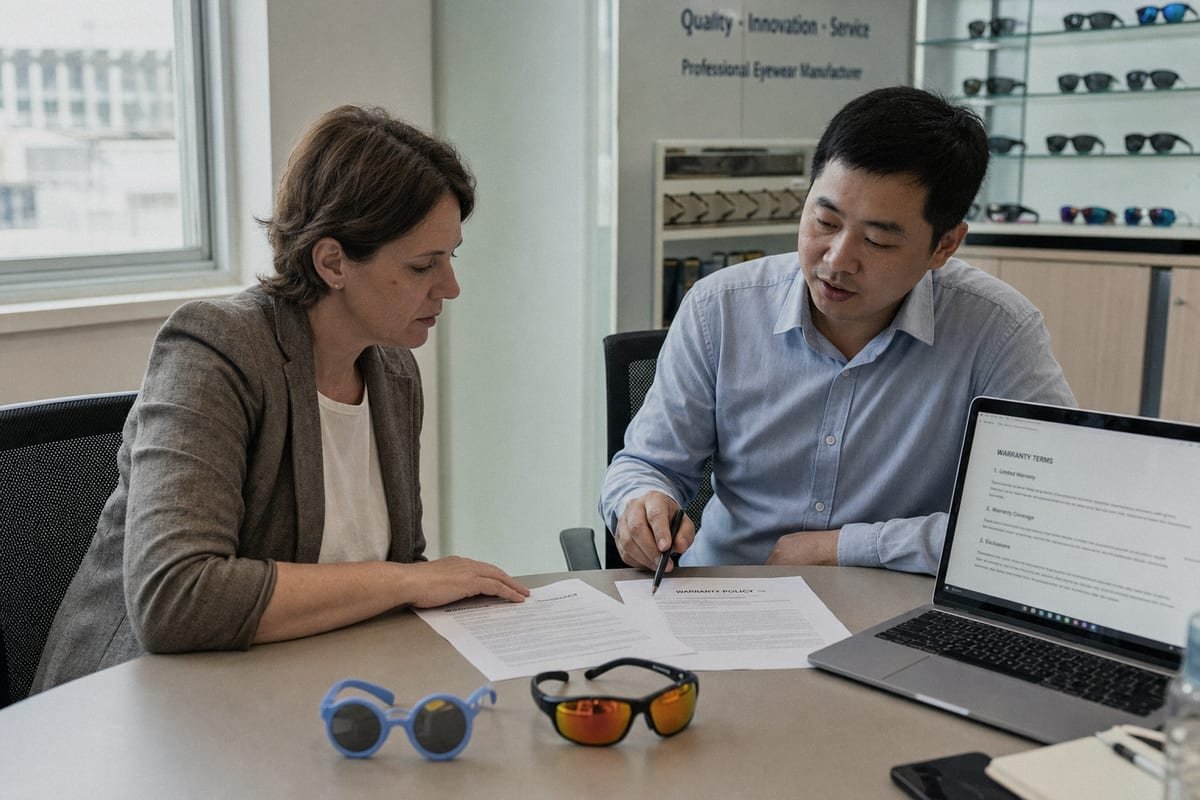
Die Garantiebestimmungen eines Lieferanten sagen mehr über seine Qualitätskultur aus als jeder Showroom-Besuch. Vage Bedingungen signalisieren normalerweise einen Händler, der hofft, dass Probleme nie auftauchen. Präzise Bedingungen signalisieren eine Fabrik, die ihre eigene Leistung misst. Verwenden Sie die folgende Checkliste, wenn Sie Angebote vergleichen.
Checkliste zur Bewertung von Großbestellungsgarantien
| Checkliste | Was gut aussieht | Warnsignal |
|---|---|---|
| Mängeldefinition | Aufgelistete Artikel: Scharniere, Beschichtungen, Fassungen, Gläser | Mängel werden von Fall zu Fall behandelt |
| Reklamationszeitraum | Angegeben in Monaten ab Ankunft, z. B. 12 Monate | Kein Zeitrahmen angegeben |
| Erforderliche Nachweise | Fotos plus Chargen- oder PO-Nummer | Physische Rücksendung aller Einheiten gefordert |
| Abhilfe | Ersatz, Gutschrift oder Rückerstattung klar angegeben | Rabatt nur auf die nächste Bestellung |
| Lieferzeit für Ersatzlieferungen | Definierte Tage für Ersatzteile oder Nachlieferung | Wir werden sehen |
| Kostenverantwortung | Bearbeitungs- und Versandgebühren schriftlich festgelegt | Keine Angaben zu Frachtkosten |
| Beschichtungsabdeckung | Versagen der kratzfesten Beschichtung ausdrücklich eingeschlossen | Beschichtungen gänzlich ausgeschlossen |
| Glasstandards | Stoßfeste Gläser 7 Erfüllung der Normen Ihres Marktes | Kein Sicherheitsstandard referenziert |
Blicken Sie über die Police hinaus auf die Prävention
Eine Garantie ist eine Entschädigung nach einem Versagen. Prävention ist immer billiger als Entschädigung. Fragen Sie also, wie der Lieferant Reklamationen von vornherein vermeidet. Führt er Wareneingangskontrollen für TR90- und TPEE-Granulate durch? Testet er Scharnierzyklen? Verifiziert er UV400-Leistung 8 Charge für Charge? Verwendet er schlagfeste Gläser, die für aktive Kinder geeignet sind? In unserer Fabrik fangen wir ein Problem lieber am Arbeitsplatz ab, als es sechs Monate später per Überweisung zu regeln.
Prüfen Sie auch, ob die Police zwischen Rahmen- und Glasabdeckung unterscheidet. Einige Lieferanten decken leise nur den Rahmen ab und schließen zerbrochene Gläser aus. Bei Kinderprodukten ist diese Lücke wichtig, da die Gläser am meisten beansprucht werden. Fragen Sie schließlich, wie der Lieferant Ihre verbraucherorientierten Versprechen unterstützt. Wenn Sie Eltern eine einmalige Ersatzregelung oder einen Wachstums-Austausch anbieten möchten, kann ein Lieferant mit rund 800 bestehenden Modellen und stetiger Wiederholproduktion passende Fassungen schnell wieder auffüllen. Ein Lieferant mit einer Form und unregelmäßigen Läufen kann das nicht.
Schlussfolgerung
Unklare Garantien führen zu Streitigkeiten, verlorenen Einzelhandelsverträgen und unglücklichen Eltern. Die Lösung ist Wissen plus Dokumentation: Wissen Sie, was die Mängelabdeckung bedeutet, und schreiben Sie dann präzise Bedingungen mit Ihrem Lieferanten.
Eine Standardgarantie für Sonnenbrillen für Kinder schützt vor Herstellungsfehlern, nicht vor dem Chaos der Kindheit. Kratzer, Kauen, Verlust und Spielplatzunfälle fallen unter normale Abnutzung oder erfordern einen separaten Plan für versehentliche Beschädigungen. Die Abdeckung läuft in der Regel ein bis zwei Jahre, beginnt mit dem Kaufnachweis und variiert darin, ob Rahmen, Gläser oder beides enthalten sind. Für B2B-Käufer liegt die eigentliche Chance stromaufwärts. Verhandeln Sie Mängelgrenzwerte, Ersatzmechanismen, Ersatzteile und die Zuweisung von Versandkosten, bevor die Produktion beginnt. Wählen Sie dann eine Fabrik, deren Materialien und Qualitätskontrolle Reklamationen an der Quelle reduzieren. Das ist der Ansatz, den wir mit jeder Marke verfolgen, mit der wir zusammenarbeiten, und es ist der Unterschied zwischen einer Garantie, die Vertrauen verkauft, und einer, die nur Beschwerden verwaltet. Wenn Sie eine Kinderbrillenlinie entwickeln und Garantiebedingungen wünschen, die Sie zuversichtlich auf Ihre Verpackung drucken können, sprechen wir gerne über die Details.
Fußnoten
Erläuterung der Chargeninspektions- und Stichprobenverfahren zur Aufrechterhaltung der Qualitätsstandards in der Massenproduktion. ↩︎
Überblick über thermoplastische Materialien und ihre physikalischen Eigenschaften, einschließlich Steifigkeit und Bruch an Belastungspunkten. ↩︎
Professioneller Überblick über Linsenverbesserungstechnologien, einschließlich kratzfester und blendfreier Beschichtungen. ↩︎
<span id="
Weitere Artikel, die Ihnen gefallen könnten

Auf der Suche nach einem zuverlässigen Partner für Kinderbrillen?
Entdecken Sie über 800 sofort verfügbare Modelle und umfassenden OEM/ODM-Support, der auf Ihre Marke zugeschnitten ist.
Kontakt aufnehmen English
  Español de México
  Deutsch
  Français
  日本語
日本語  العربية
  Português do Brasil