Kinder-Sonnenbrillen: OEM vs ODM — Wie man Zeitplan, MOQ und Differenzierung ausbalanciert?
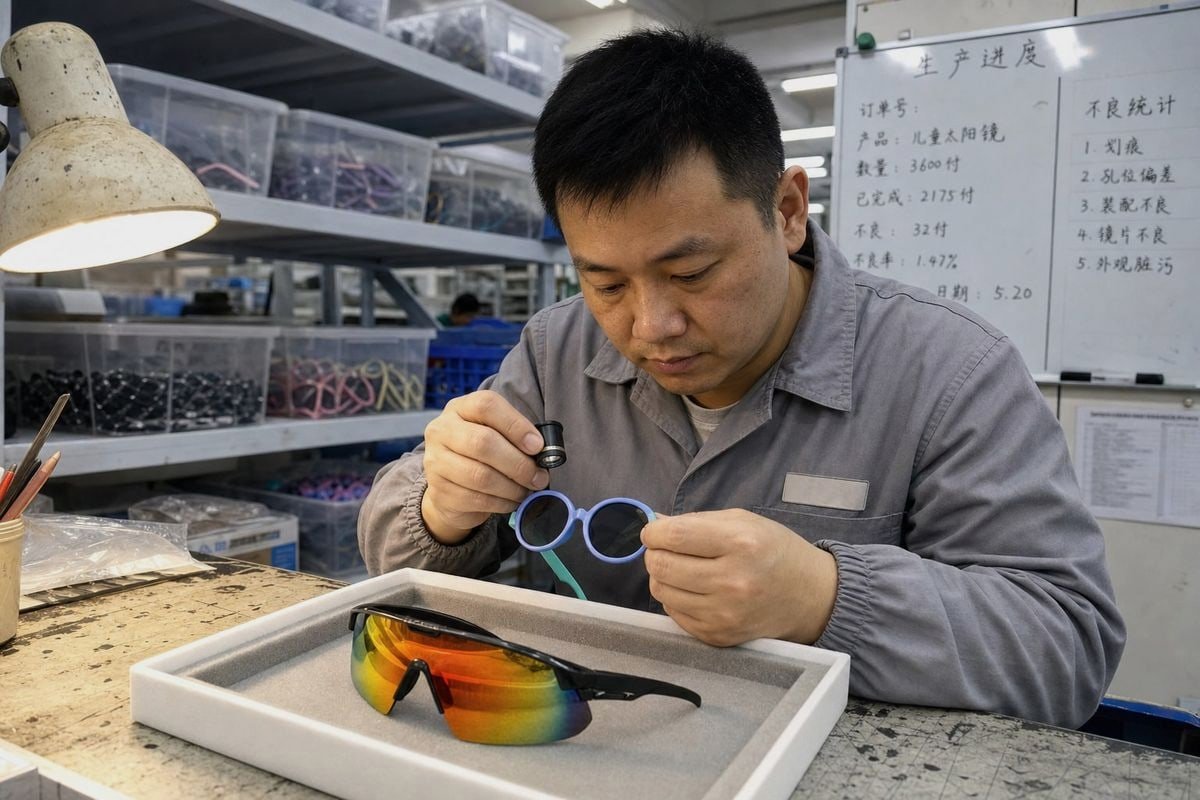
Die Wahl zwischen OEM und ODM für Kinder-Sonnenbrillen verzögert mehr Markteinführungen als der Preis jemals tun wird ANSI Z80.3 1. Auf unserer Produktionslinie in Taizhou sehe ich Marken, die ganze Saisons wegen dieser Entscheidung verlieren.
Bei Kinder-Sonnenbrillen ist OEM vs. ODM ein Kompromiss: ODM bietet schnellere Markteinführungen (30–60 Tage), niedrigere MOQs (oft 100–300 Stück) und geringeres Risiko bei der Verwendung bestehender Formen, während OEM exklusive Designs und stärkere Differenzierung bietet, aber höhere Werkzeugkosten, größere Bestellungen und längere Zeitpläne erfordert.
Die eigentliche Frage ist nicht, welches Modell besser ist. Es ist, wie viel Kontrolle Sie im Verhältnis zu Ihrem Einführungsfenster und Ihrer Bestellgröße benötigen Schlagfestigkeit 2. Lassen Sie mich Sie durchführen.
Wie entscheide ich mich zwischen OEM und ODM für die Markteinführung meiner Kinder-Sonnenbrillenmarke?
Letztes Frühjahr bat mich ein Käufer aus Australien, beide Wege für denselben runden zweifarbigen Rahmen anzubieten. Der Vergleich dieser beiden Angebote Seite an Seite lehrte sie mehr als jede Verkaufspräsentation.
Wählen Sie ODM, wenn Geschwindigkeit, niedrige MOQ und Markttests am wichtigsten sind; die vorhandenen Designs der Fabrik bringen Sie schnell in den Verkauf. Wählen Sie OEM, wenn Sie ein bewährtes Konzept haben, exklusives Design benötigen und kundenspezifische Brillenformen und größere Produktionsläufe finanzieren können.
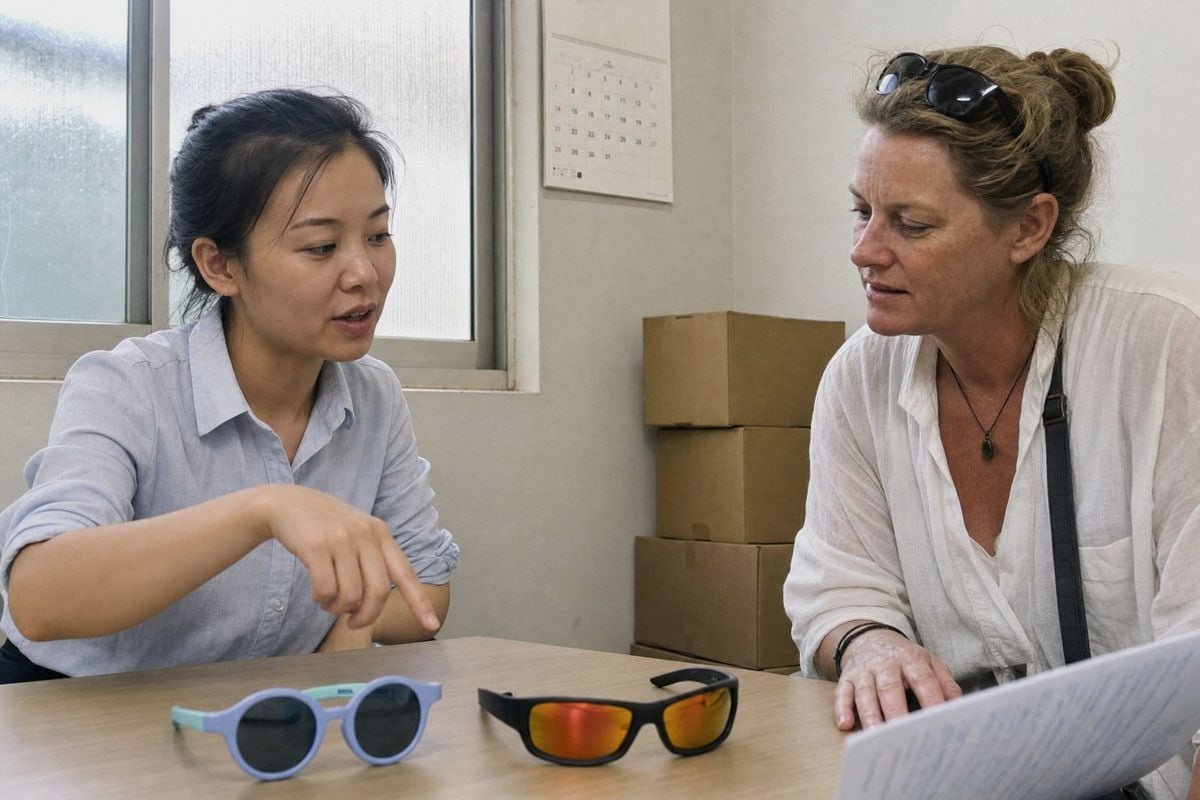
Hier ist der Unterschied in einfacher Sprache. Bei OEM bringen Sie das Design oder die technische Spezifikation mit, und die Fabrik fertigt danach. Ihnen gehört das Aussehen. Bei ODM stellt die Fabrik bestehende Designs zur Verfügung, und Sie passen Farben, Logos, Gläser und Verpackungen darauf an. Es gibt auch einen dritten Weg – Private-Label-Brillen –, bei dem Sie ein fertiggestelltes Produkt mit fast keinen Änderungen branden.
Ein schneller Vergleich nebeneinander
| Faktor | ODM | OEM | Eigenmarke |
|---|---|---|---|
| Design-Eigentum | Die Fabrik besitzt das Basisdesign | Sie besitzen das Design | Die Fabrik besitzt alles |
| Typischer Zeitplan | 30–60 Tage | 90–110+ Tage | Der schnellste der drei |
| MOQ pro Stil | ca. 100–300 Stück | ca. 300–600 Stück | Kann bei ca. 50 Stück beginnen |
| Anfängliche Werkzeugkosten | Keine oder minimal | Erheblich | Keine |
| Differenzierung | Mäßig | Hoch | Nur Branding |
Manche Lieferanten werden Ihnen sagen, dass OEM immer der richtige Weg für eine Premium-Positionierung ist. Andere bestehen darauf, dass ODM der einzig vernünftige Start ist. Meiner Erfahrung nach haben beide Recht – für unterschiedliche Marken. OEM maximiert die Kontrolle und den langfristigen Markenwert. ODM maximiert Geschwindigkeit und Flexibilität. Ein Startup, das testet, ob Eltern in Japan Wraparound-Sportbrillen oder runde Pastellrahmen bevorzugen, sollte kein Kapital investieren kundenspezifische Brillenformen 3 bevor es die Antwort kennt. Aber eine Marke mit einer bewährten Signatur-Silhouette und Einzelhandelsverpflichtungen hat allen Grund, in das Eigentum zu investieren.
Unsere Fabrik hält etwa 800 bestehende Modelle vor, genau damit neue Marken den ODM-Weg einschlagen können, dann zum OEM übergehen sobald reale Verkaufsdaten ihnen sagen, welche Formen, Tönungen und Altersgruppen tatsächlich verkauft werden.
Welche Mindestbestellmenge kann ich realistischerweise für OEM- versus ODM-Produktionsläufe erwarten?
Der Kompromiss, den ich am häufigsten mit Käufern abwäge, ist nicht der Stückpreis – es ist die gesamte Lagerbestandsbindung. Eine zusätzliche Farbvariante oder Altersgruppe kann unbemerkt das Geld verdoppeln, das eine kleine Marke im Lager binden muss.
ODM Mindestbestellmengen für Sonnenbrillen für Kinder liegen normalerweise bei 100–300 Stück pro Stil, wobei reine Logo-Bestellungen manchmal bei etwa 50 Einheiten beginnen. OEM erfordert normalerweise 300–600 Stück pro Stil oder mehr, da Werkzeug- und Formkosten über die Produktionscharge amortisiert werden müssen.
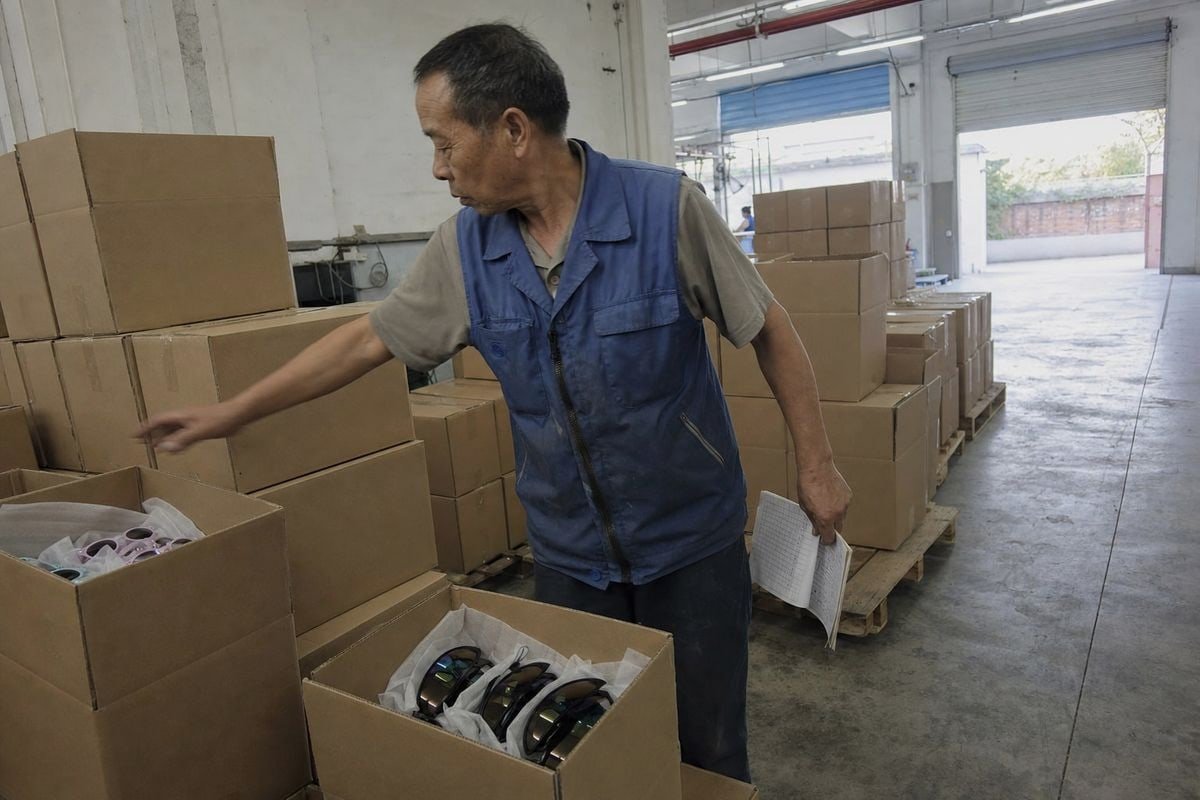
MOQ ist, wo die meisten Erstkäufer überrascht werden. Die Schlagzeilenzahl gilt pro Stil – aber Fabriken wenden oft auch Mindestmengen pro Farbe und pro Glasoption an. Wenn Sie drei Stile in jeweils drei Farbvarianten und über zwei Altersgruppen einführen, kann Ihre "kleine Testbestellung" zu Tausenden von Stücken anschwellen. Ich sage Käufern immer, sie sollen das gesamte Sortiment planen, bevor sie etwas unterschreiben.
Warum die Zahlen so stark abweichen
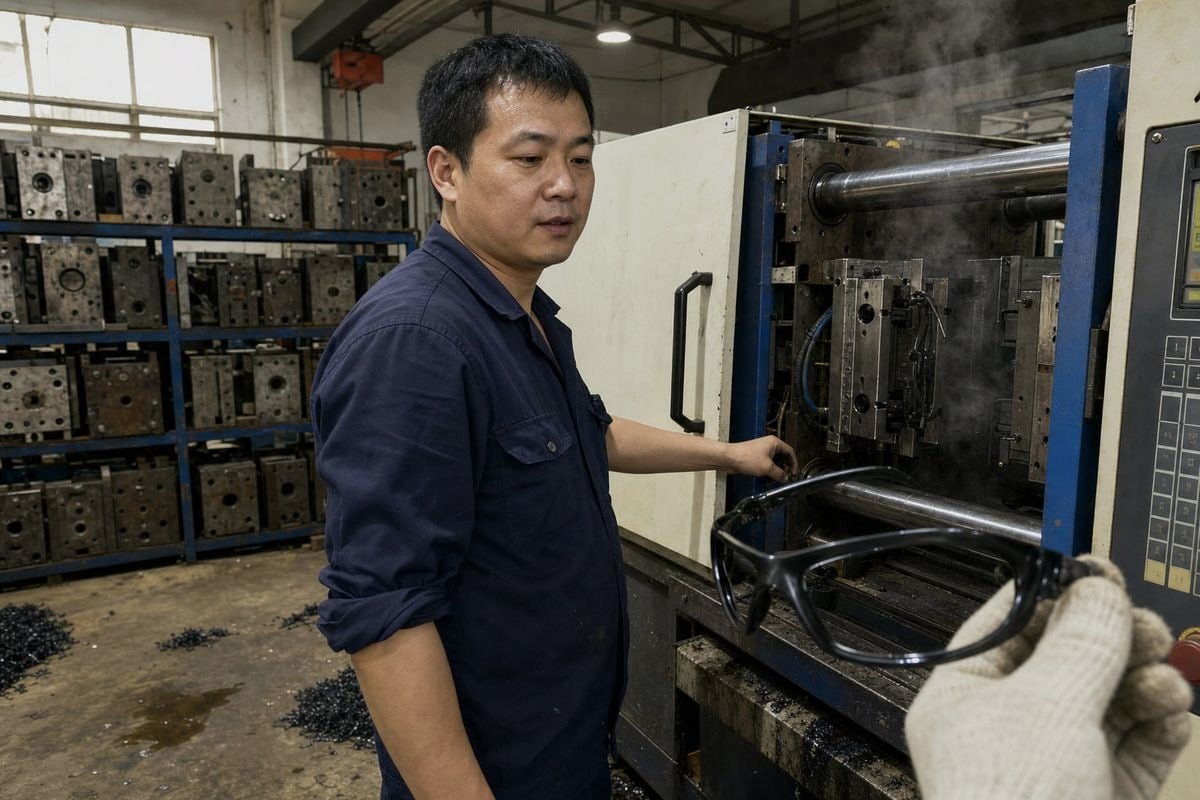
ODM verwendet Formen, die bereits existieren und bereits bezahlt sind. Die Fabrik muss nur einen Produktionswechsel rechtfertigen, daher bleiben die Mindestmengen niedrig. OEM erfordert neue kundenspezifische Brillenformen. Eine einzelne Spritzgussform für einen TR90-Rahmen ist eine echte Kapitalanlage, und keine Fabrik wird Stahl für ein paar hundert Stück schneiden, ohne entweder eine Formgebühr oder eine Volumenverpflichtung.
Realistische MOQ-Planung nach Sortiment
| Sortimentsentscheidung | MOQ-Auswirkung |
|---|---|
| Jeder zusätzliche Stil | Volles MOQ gilt wieder |
| Jede zusätzliche Farbvariante | Oft 50–100 Stück Minimum pro Farbe |
| Jede Altersgruppe (Kleinkind, Kind, Teenager) | Wird als separate Größe behandelt = separates MOQ |
| Polarisierte vs. Standard-UV400-Gläser | Kann ein separates Linsenminimum auslösen |
Die Materialwahl prägt ebenfalls dieses Gleichgewicht. Acetat ermöglicht eine hochwertige ästhetische Vielfalt bei geringeren Stückzahlen, während spritzgegossenes TR90 4 und flexible TPEE-Rahmen eignen sich besser für Langlebigkeit bei höheren Stückzahlen – weshalb die meisten Kinderlinien auf letztere beiden setzen. Auf unserer Seite halten wir die ODM-Mindestbestellmengen für Modelle aus flexiblem Material bewusst zugänglich, damit Kindermarken zwei oder drei Formen gleichzeitig testen können, anstatt alles auf eine zu setzen.
Die versteckte Mathematik ist einfach: Eine niedrige MOQ reduziert das Risiko von Überkäufen, aber eine langsame kundenspezifische Entwicklung birgt das Risiko, die Saison komplett zu verpassen. Beides hat seinen Preis. Nur einer davon erscheint auf der Rechnung.
Wie kann ich meinen Zeitplan beschleunigen, ohne Qualität oder Einhaltung von Sicherheitsvorschriften zu beeinträchtigen?
Eine Lektion, die ich auf die harte Tour gelernt habe: Vor Jahren hat ein Kunde die Musterung komprimiert, um ein Schulstartfenster zu treffen, eine Linsenverifizierungsrunde übersprungen, und wir haben eine Farbinkonsistenz erst bei der Inspektion vor dem Versand festgestellt. Wir haben es behoben, aber die Luftfrachtrechnung tat weh. Geschwindigkeit ohne Kontrollpunkte ist keine Geschwindigkeit.
Wählen Sie ODM-Stile mit vorhandenen Formen und getesteten Komponenten, bestätigen Sie im Voraus UV400-Schutzstandards und Schlagfestigkeitsprüfberichte, genehmigen Sie Muster in einer konsolidierten Runde und sperren Sie das Verpackungsdesign frühzeitig. Dies verkürzt den Produktentwicklungszyklus um Wochen, ohne die Sicherheitsüberprüfung zu überspringen.
Kinderprodukte sind brutal saisonabhängig. Verpassen Sie das Sommer- oder Schulstartfenster, und der Lagerbestand bleibt monatelang liegen. Lassen Sie mich also ehrlich sein, was jeder Weg wirklich bedeutet.
Typische Zeitplan-Benchmarks
| Phase | ODM | OEM |
|---|---|---|
| Probenahme | 2–3 Wochen mit Komponenten aus dem Lagerbestand | 6–12 Wochen inklusive Formenentwicklung |
| Gesamte Vorlaufzeit | ca. 46–60 Tage | ca. 110 Tage oder mehr |
| Konformitätstests | Oft sind bereits vorhandene Berichte verfügbar | Neue Tests sind normalerweise erforderlich |
Der Compliance-Punkt verdient eine Hervorhebung, da Kinderbrillen eine regulierte Kategorie sind. Sie sollten niemals Sicherheit gegen Geschwindigkeit eintauschen – und mit dem richtigen Lieferanten müssen Sie das nicht. Etablierte ODM-Modelle verfügen in der Regel bereits über physische Testberichte für UV400-Schutzstandards 5 und Schlagfestigkeit gemäß ANSI Z80.3, sowie unterstützende Dokumentation CPSIA-Konformität 6 für den US-Markt. Fragen Sie nach diesen Berichten vor der Musterung, nicht danach. Wenn Sie in die USA verkaufen, bestätigen Sie auch, ob die Fabrik über einen FDA-registrierten Lieferservice für Sonnenbrillen versendet, da die Drop-Ball- und verwandte Anforderungen gelten.
Praktische Beschleuniger, die keine Abstriche machen
- Wählen Sie Modelle, bei denen Rahmen-, Scharnier- und Linsenkomponenten alle aus dem Lagerbestand stammen.
- Senden Sie Ihre Logo-Dateien, Pantone-Codes und Verpackungs-Dielines mit der ersten Anfrage.
- Fassen Sie das Feedback in einer einzigen Musterüberarbeitungsrunde zusammen.
- Buchen Sie Termine für Inspektionen durch Dritte, wenn Sie die Bestellung aufgeben, nicht erst am Ende der Produktion.
- Genehmigen Sie die Verpackung parallel zur Produktion, nicht danach.
In unserer 5S-verwalteten Werkstatt sind die schnellsten Projekte nie diejenigen, bei denen der Käufer am härtesten drängt. Es sind diejenigen, bei denen Entscheidungen vollständig und frühzeitig eintreffen. Klare Kommunikation verkürzt die Zeitpläne zuverlässiger als Druck.
Kann ich immer noch echte Markendifferenzierung erreichen, wenn ich ODM gegenüber OEM wähle?
Als wir unsere ersten TR90-Rahmen mit TPEE-Bügel 7, entwickelten, geschah etwas Interessantes: Zwei verschiedene Marken bauten den gleichen Basisstil in völlig unterschiedliche Produkte. Eine wählte Pastell-Zweifarbigkeit mit Story-orientierter Verpackung; die andere wählte auffällige Sport-Shields mit Farbverlauf-Spiegelgläsern. Keiner der Kundenkäufer würde je auf die gemeinsame Herkunft schließen.
Ja — ODM unterstützt sinnvolle Differenzierung durch exklusive Farbvarianten, verspiegelte oder polarisierte Gläserfarben, Bügeldekorationen, Altersgruppenkurationen, Logos und Premium-Verpackungen. OEM ist nur dann notwendig, wenn Sie eine proprietäre Silhouette, eine patentierte Funktion oder eine einzigartige Passform benötigen, die Wettbewerber nicht legal kopieren können.
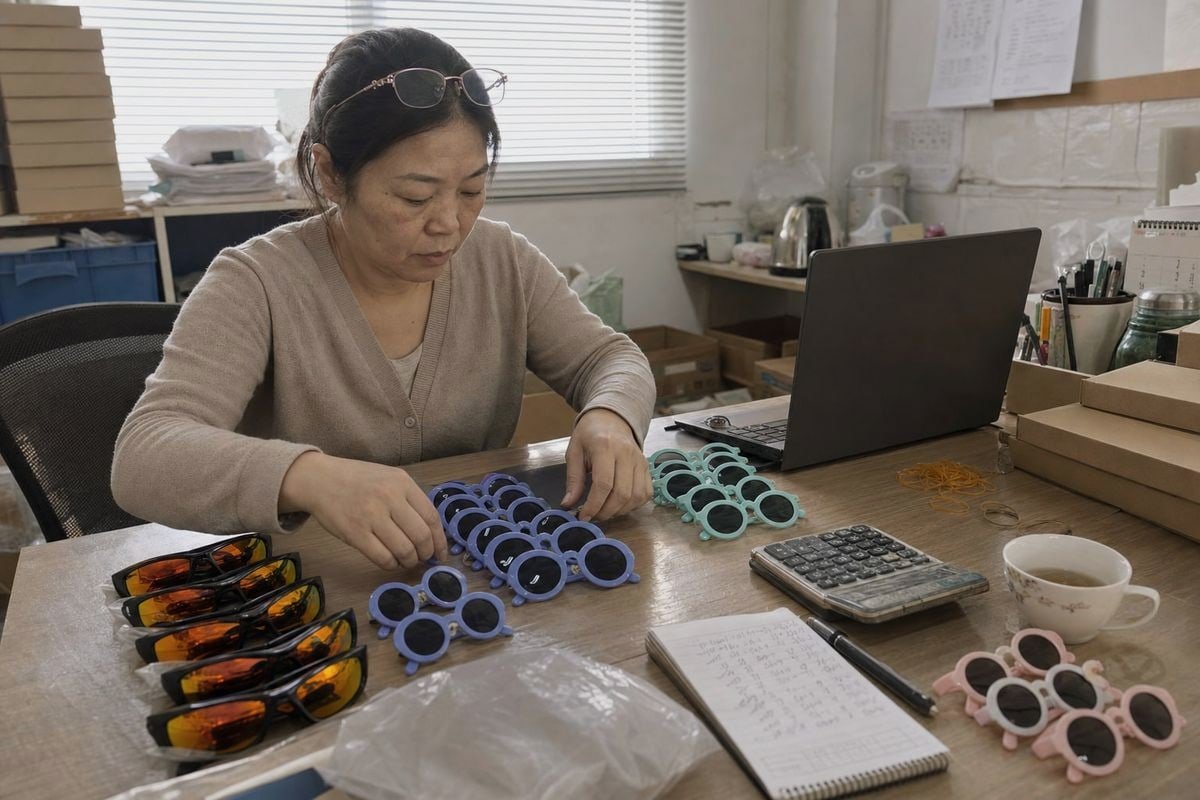
Hier ist der Schritt des kritischen Denkens, den die meisten Marken überspringen: Differenzierung ist nur dann wichtig, wenn sie einem Elternteil einen klareren Kaufgrund gibt oder Ihnen eine bessere Platzierung im Einzelhandel verschafft. "Mehr kundenspezifisch" ist nicht automatisch "wertvoller"."
Was ODM-Anpassung realistisch abdeckt
Denken Sie darüber nach, was Eltern am Regal oder auf einer Produktseite tatsächlich bemerken. Farbkombinationen – wie eine periwinkle-blaue Vorderseite mit mintgrünen Bügeln. Linsencharakter – ein orange-gelber Farbverlauf-Spiegel auf einem Sport-Shield wirkt völlig anders als eine flache graue Linse auf derselben Form. Soft-Touch-Matt-Oberflächen. Ihr Logo auf dem Bügel. Verpackung, Etuis, Kordeln und die Markengeschichte. All dies ist in der ODM- oder sogar White-Label-Fertigung vollständig erreichbar und deckt vielleicht 80% dessen ab, was den Kauf einer Kindersonnenbrille ausmacht.
Wo OEM seinen Preis wert ist
Einige Differenzierungen erfordern tatsächlich kundenspezifische Werkzeuge, und hier glänzt OEM:
- Entwicklungs-Ergonomie. Kleinkinder im Alter von 18–36 Monaten haben fast keine Nasenbrücke. Eine kundenspezifische Form, die auf diese "brückenlose" Anatomie zugeschnitten ist, löst eine Passformlücke, die generische, verkleinerte Designs ignorieren.
- Bruchsichere Architektur. Aufsteckbare austauschbare Bügel oder Spannungsentriegelungs-Scharniere bekämpfen direkt die häufigste Beschwerde von Eltern: Bruch.
- Funktionale Innovation. UV-empfindliche Pigmente, die bei starker Sonneneinstrahlung die Farbe ändern, machen den Rahmen selbst zu einem visuellen Sicherheitsindikator, für den Eltern einen Aufpreis zahlen.
Der Hybridweg, den wir am meisten empfehlen
Die klügste Struktur, die ich sehe, ist der Hero-SKU-Hybrid: Entwickeln Sie einen proprietären OEM-Signature-Rahmen , der die Markenidentität verankert und nicht kopiert werden kann, und füllen Sie dann den Rest der Kollektion mit ODM-Trendstilen in Ihren exklusiven Farbvarianten. Sie erhalten Verteidigungsfähigkeit, wo es darauf ankommt, und Geschwindigkeit überall sonst – ohne Werkzeug- und Formkosten für die gesamte Linie zu tragen.
Schlussfolgerung
Rahmen Sie die Wahl ehrlich: ODM kauft Geschwindigkeit und geringes Risiko, OEM kauft Eigentum und Verteidigungsfähigkeit. Beginnen Sie dort, wo Ihre Bühne es erfordert, überprüfen Sie zuerst die Sicherheitsdokumente und steigen Sie bewusst auf.
Fußnoten
Offizieller Standard für nicht verschreibungspflichtige Sonnenbrillen und Modebrillen. ↩︎
Bundesvorschrift für Schlagfestigkeitsprüfungen von Brillengläsern für Sonnenbrillen. ↩︎
Erklärt den Herstellungsprozess zur Herstellung von individuellen Brillengestellen. ↩︎
Technischer Hintergrund zu dem thermoplastischen Material, das üblicherweise in Brillengestellen verwendet wird. ↩︎
Technische Definition der UV400-Schutzanforderungen für Sonnenbrillen. ↩︎
Erklärt die Sicherheitsanforderungen für Kinderprodukte auf dem US-Markt. ↩︎
Maßgebliche Referenz für thermoplastische Elastomere, das flexible Material, das in strapazierfähigen Kinderbrillengestellen verwendet wird. ↩︎
Weitere Artikel, die Ihnen gefallen könnten

Auf der Suche nach einem zuverlässigen Partner für Kinderbrillen?
Entdecken Sie über 800 sofort verfügbare Modelle und umfassenden OEM/ODM-Support, der auf Ihre Marke zugeschnitten ist.
Kontakt aufnehmen English
  Español de México
  Deutsch
  Français
  日本語
日本語  العربية
  Português do Brasil