Kids’ Sunglasses: OEM vs ODM — How to Balance Timeline, MOQ, and Differentiation?
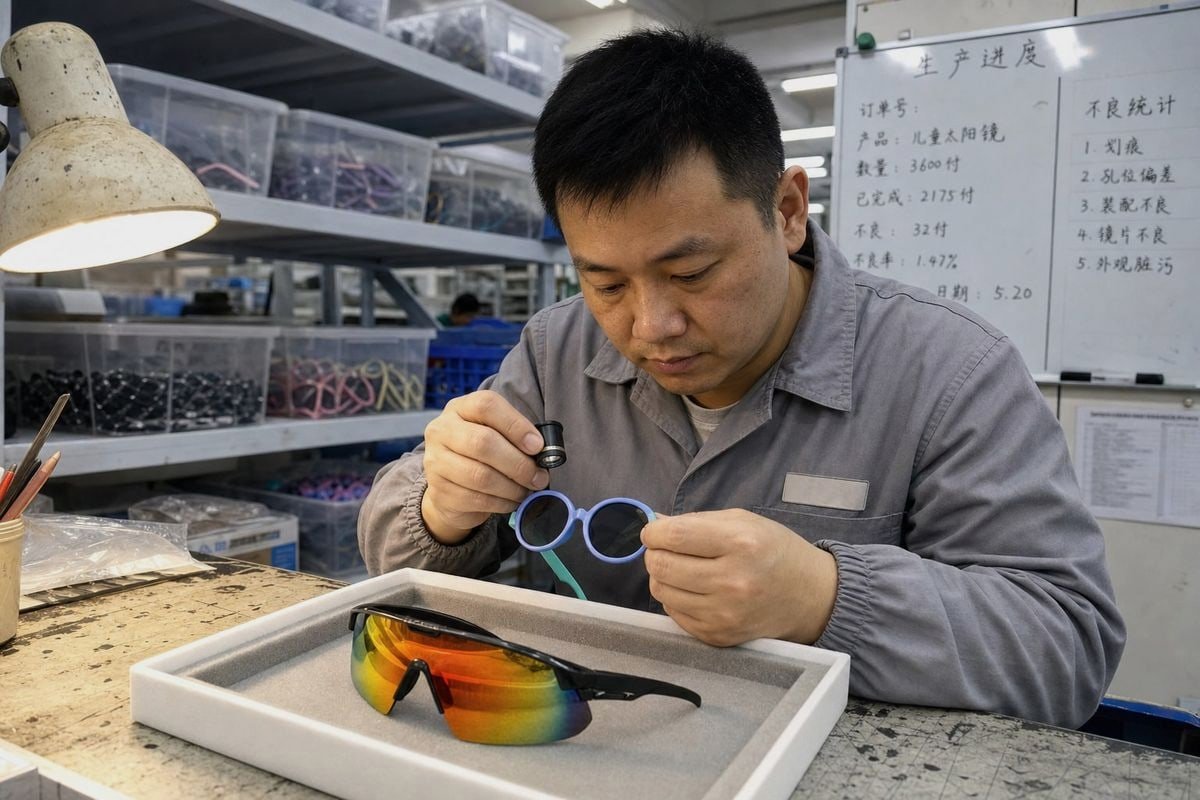
Choosing between OEM vs ODM for kids’ sunglasses stalls more launches than pricing ever does ANSI Z80.3 1. On our production line in Taizhou, I see brands lose entire seasons to this decision.
For kids’ sunglasses, OEM vs ODM is a tradeoff: ODM offers faster launches (30–60 days), lower MOQs (often 100–300 pieces), and lower risk using existing molds, while OEM delivers exclusive designs and stronger differentiation but demands higher tooling costs, larger orders, and longer timelines.
The real question is not which model is better. It is how much control you need relative to your launch window and your order size impact resistance 2. Let me walk you through it.
How do I decide between OEM and ODM for my kids' sunglasses brand launch?
Last spring, a buyer from Australia asked me to quote both paths for the same round two-tone frame. Comparing those two quotes side by side taught her more than any sales pitch could.
Choose ODM when speed, low MOQ, and market testing matter most; the factory's existing designs get you selling fast. Choose OEM when you have a proven concept, need design exclusivity, and can fund custom eyewear molds and larger production runs.
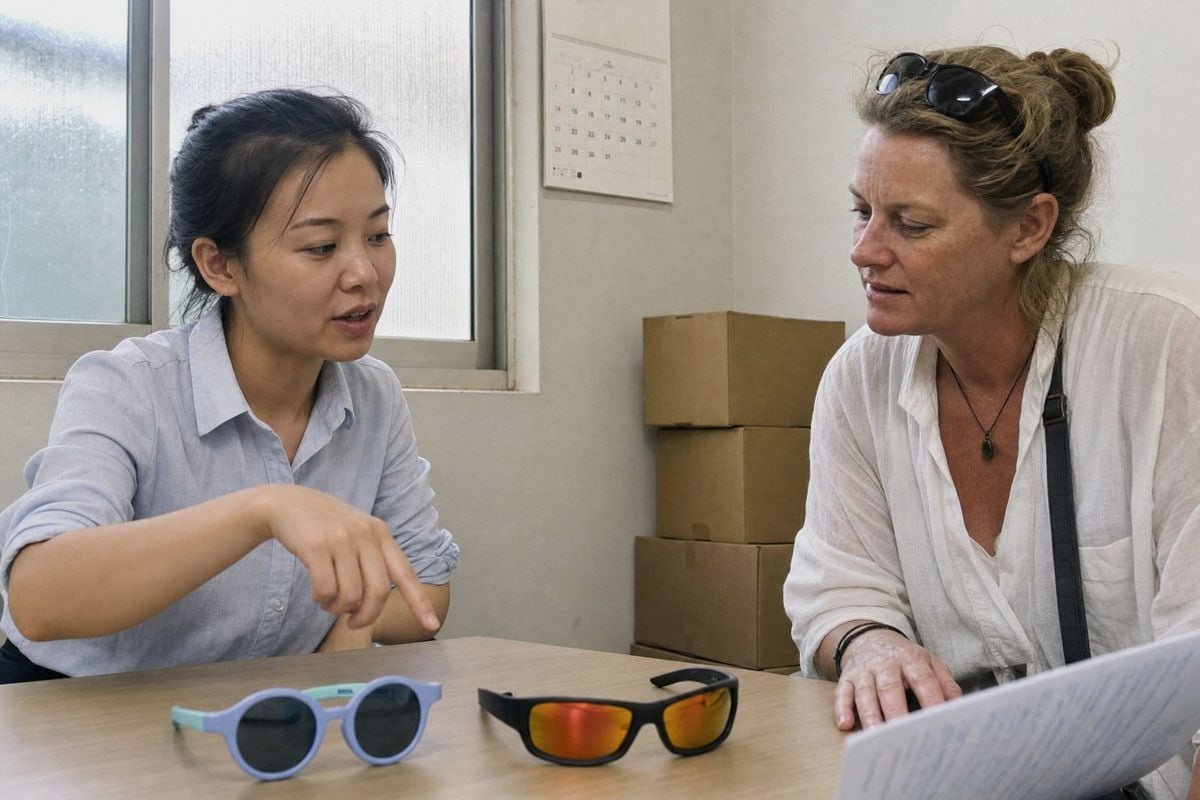
Here is the plain-English difference. With OEM, you bring the design or technical specification, and the factory manufactures to it. You own the look. With ODM, the factory provides existing designs, and you customize colors, logos, lenses, and packaging on top of them. There is also a third path — private label eyewear — where you brand a fully finished product with almost no changes at all.
A quick side-by-side comparison
| Factor | ODM | OEM | Private Label |
|---|---|---|---|
| Design ownership | Factory owns base design | You own the design | Factory owns everything |
| Typical timeline | 30–60 days | 90–110+ days | Fastest of the three |
| MOQ per style | ~100–300 pcs | ~300–600 pcs | Can start near 50 pcs |
| Upfront tooling cost | None or minimal | Significant | None |
| Differentiation | Moderate | High | Branding only |
Some suppliers will tell you OEM is always the right move for premium positioning. Others insist ODM is the only sane start. In my experience, both are right — for different brands. OEM maximizes control and long-term brand equity. ODM maximizes speed and flexibility. A startup testing whether parents in Japan prefer wraparound sport shields or round pastel frames should not sink capital into custom eyewear molds 3 before knowing the answer. But a brand with a proven signature silhouette and retail commitments has every reason to invest in ownership.
Our factory keeps roughly 800 existing styles precisely so new brands can start the ODM way, then graduate to OEM once real sales data tells them which shapes, tints, and age bands actually sell.
What MOQ can I realistically expect for OEM versus ODM production runs?
The trade-off I weigh most often with buyers is not price per piece — it is total inventory commitment. One extra colorway or age band can quietly double the cash a small brand must lock into stock.
ODM MOQs for kids' sunglasses typically run 100–300 pieces per style, with logo-only orders sometimes starting near 50 units. OEM usually requires 300–600 pieces per style or more, because tooling and molding costs must be amortized across the production run.
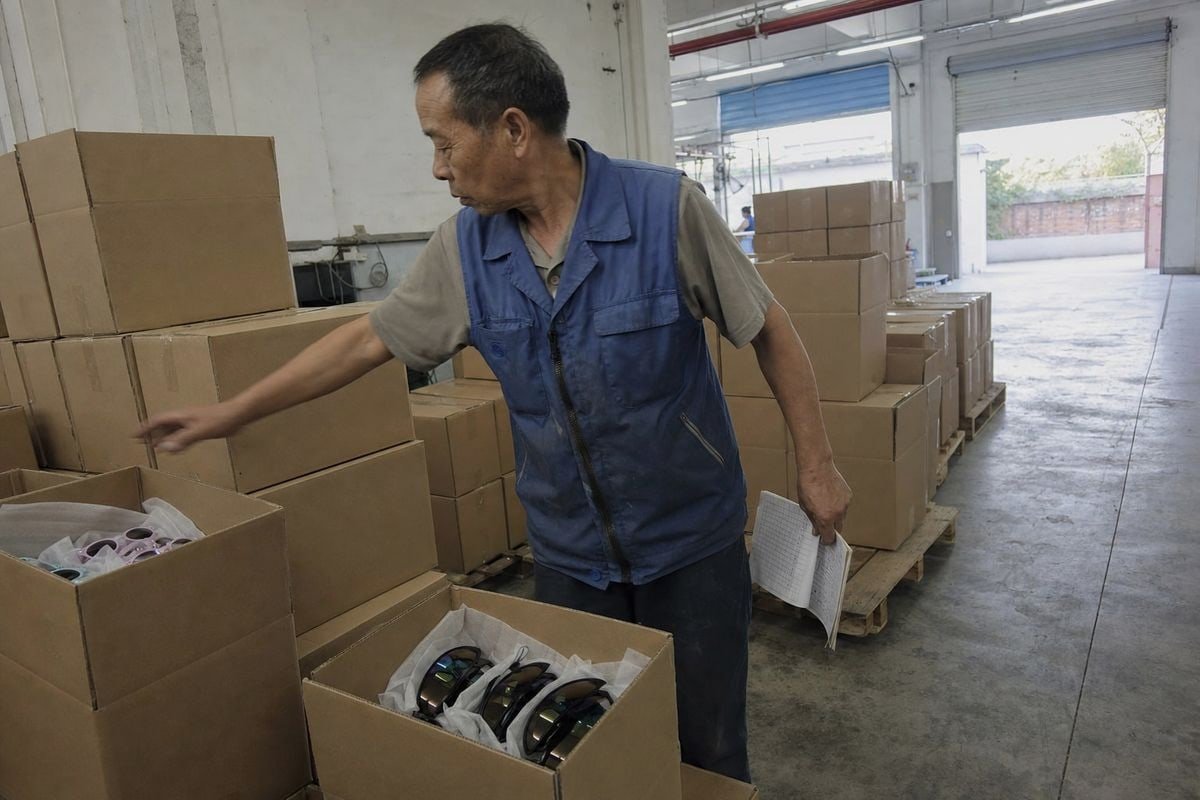
MOQ is where most first-time buyers get surprised. The headline number is per style — but factories often apply minimums per color and per lens option too. If you launch three styles, each in three colorways, across two age brackets, your "small test order" can balloon into thousands of pieces. I always tell buyers to map the full assortment before signing anything.
Why the numbers differ so much
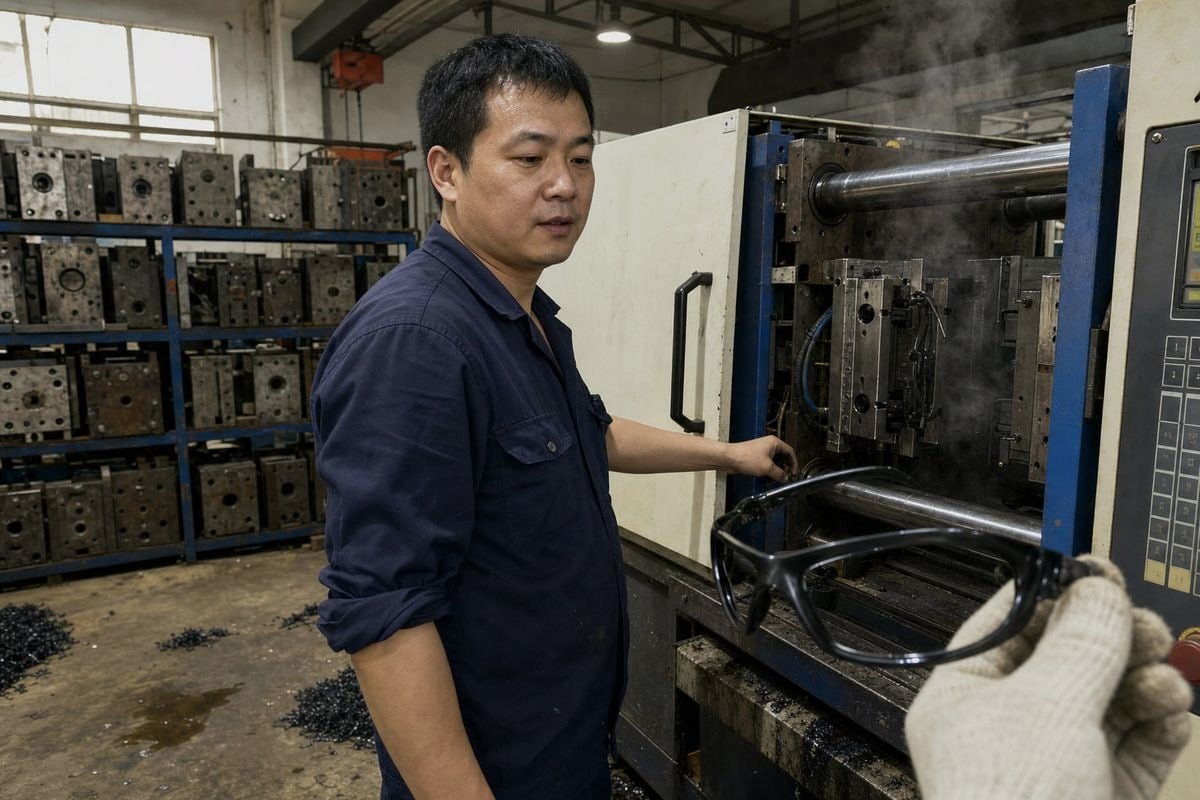
ODM uses molds that already exist and are already paid for. The factory only needs to justify a production changeover, so minimums stay low. OEM requires new custom eyewear molds. A single injection mold for a TR90 material frame is a real capital expense, and no factory will cut steel for a few hundred pieces without either a mold fee or a volume commitment.
Realistic MOQ planning by assortment
| Assortment decision | MOQ impact |
|---|---|
| Each additional style | Full MOQ applies again |
| Each additional colorway | Often 50–100 pcs minimum per color |
| Each age bracket (toddler, kids, pre-teen) | Treated as a separate size = separate MOQ |
| Polarized vs standard UV400 lens | May trigger a separate lens minimum |
Material choice also shapes this balance. Acetate allows high-end aesthetic variety at lower volumes, while injection-molded TR90 4 and TPEE flexible frames are better suited to higher-volume durability — which is why most children's lines lean on the latter two. On our side, we deliberately keep ODM minimums accessible on flexible-material styles so kids' brands can test two or three shapes at once instead of betting everything on one.
The hidden math is simple: low MOQ reduces the risk of overbuying, but slow custom development risks missing the season entirely. Both have a cost. Only one of them shows up on the invoice.
How can I speed up my timeline without sacrificing quality or safety compliance?
A lesson I learned the hard way: years ago, a client compressed sampling to hit a back-to-school window, skipped a lens verification round, and we caught a tint inconsistency only at pre-shipment inspection. We fixed it, but the airfreight bill hurt. Speed without checkpoints is not speed.
Choose ODM styles with existing molds and pre-tested components, confirm UV400 protection standards and impact-resistance test reports upfront, approve samples in one consolidated round, and lock packaging artwork early. This cuts weeks off the product development lifecycle without skipping safety verification.
Kids' products are brutally season-sensitive. Miss the summer or back-to-school window, and inventory sits for months. So let me be honest about what each path really takes.
Typical timeline benchmarks
| Stage | ODM | OEM |
|---|---|---|
| Sampling | 2–3 weeks with open-stock components | 6–12 weeks including mold development |
| Total lead time | ~46–60 days | ~110 days or more |
| Compliance testing | Often pre-existing reports available | New testing usually required |
The compliance point deserves emphasis, because children's eyewear is a regulated category. You should never trade safety for speed — and with the right supplier, you do not have to. Established ODM styles usually already carry physical test reports for UV400 protection standards 5 and impact resistance under ANSI Z80.3, plus documentation supporting CPSIA compliance 6 for the US market. Ask for those reports before sampling, not after. If you sell into the US, also confirm whether the factory ships through an FDA registered facility pathway for sunglasses, since drop-ball and related requirements apply.
Practical accelerators that do not cut corners
- Pick styles where frame, hinge, and lens components are all open-stock.
- Send your logo files, Pantone codes, and packaging dieline with the first inquiry.
- Consolidate feedback into a single sample-revision round.
- Book third-party inspection dates when you place the order, not when production ends.
- Approve packaging in parallel with production, not after it.
In our 5S-managed workshop, the fastest projects are never the ones where the buyer pushes hardest. They are the ones where decisions arrive complete and early. Clear communication compresses timelines more reliably than pressure ever does.
Can I still achieve real brand differentiation if I choose ODM over OEM?
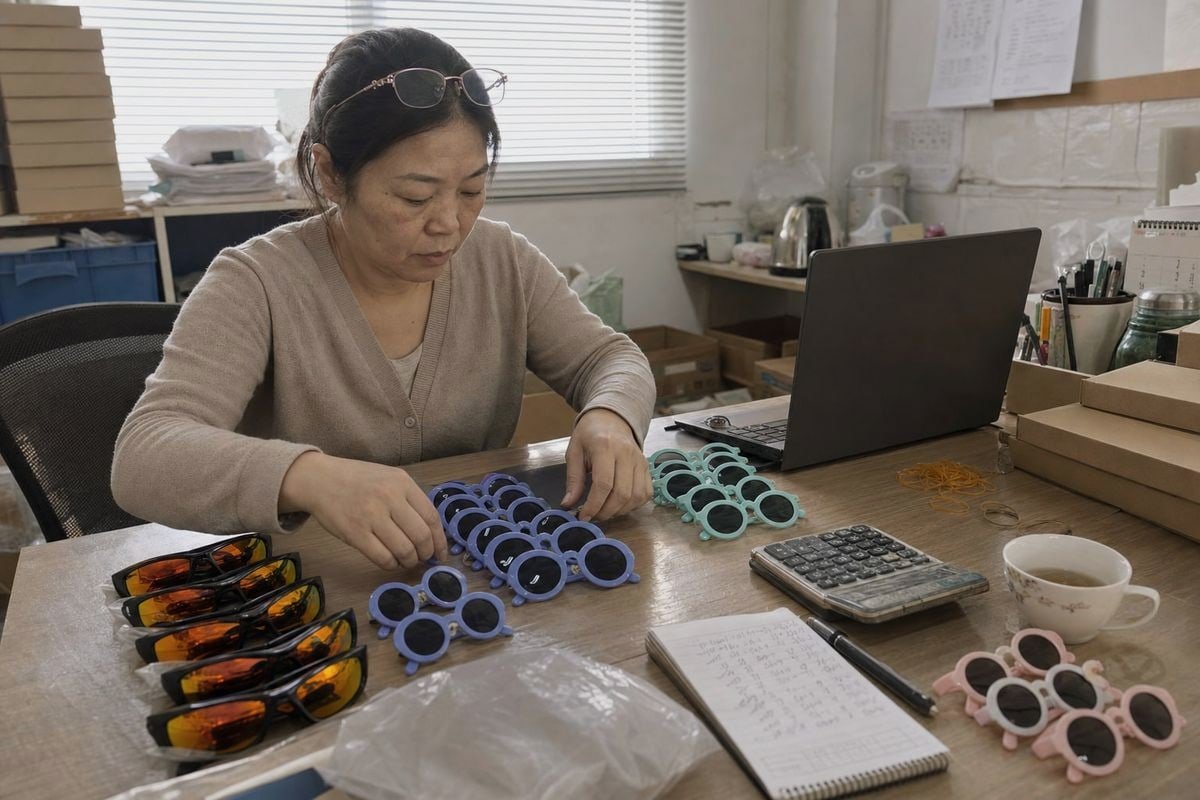
When we developed our first TR90 frames with TPEE temples 7, an interesting thing happened: two different brands built the same base style into completely different products. One went pastel two-tone with story-driven packaging; the other went bold sport shields with gradient mirror lenses. Neither customer's shoppers would ever guess the shared origin.
Yes — ODM supports meaningful differentiation through exclusive colorways, mirrored or polarized lens tints, temple decoration, age-band curation, logos, and premium packaging. OEM is only necessary when you need a proprietary silhouette, patented feature, or unique fit that competitors cannot legally copy.
Here is the critical-thinking step most brands skip: differentiation only matters if it gives a parent a clearer reason to buy, or earns you better retail placement. "More custom" is not automatically "more valuable."
What ODM customization realistically covers
Think about what parents actually notice at the shelf or on a product page. Color combinations — like a periwinkle-blue front with mint-teal temples. Lens character — an orange-to-yellow gradient mirror on a sport shield reads completely differently from a flat grey lens on the same mold. Soft-touch matte finishes. Your logo on the temple. Packaging, cases, cords, and the brand story. All of this is fully achievable in ODM or even white label manufacturing, and it covers perhaps 80% of what drives a kids' sunglasses purchase.
Where OEM earns its cost
Some differentiation genuinely requires custom tooling, and this is where OEM shines:
- Developmental ergonomics. Toddlers aged 18–36 months have almost no nose bridge. A custom mold tailored to that "bridge-less" anatomy solves a fit gap that generic scaled-down designs ignore.
- Break-proof architecture. Snap-on replaceable temples or tension-release hinges directly attack the number-one parent complaint: breakage.
- Functional innovation. UV-sensitive pigments that shift color in strong sun turn the frame itself into a visual safety indicator parents will pay a premium for.
The hybrid path we recommend most
The smartest structure I see is the Hero-SKU hybrid: develop one proprietary OEM signature frame that anchors your brand identity and cannot be copied, then fill the rest of the collection with ODM trend styles in your exclusive colorways. You get defensibility where it counts and speed everywhere else — without carrying tooling and molding costs across the entire line.
Conclusion
Frame the choice honestly: ODM buys speed and low risk, OEM buys ownership and defensibility. Start where your stage demands, verify safety documents first, and graduate deliberately.
Footnotes
1. Official standard for nonprescription sunglasses and fashion eyewear. ↩︎
2. Federal regulation regarding impact resistance testing for sunglasses lenses. ↩︎
3. Explains the manufacturing process used to create custom frames for eyewear. ↩︎
4. Technical background on the thermoplastic material commonly used in eyewear frames. ↩︎
5. Technical definition of UV400 protection requirements for sunglasses. ↩︎
6. Explains safety requirements for children’s products in the US market. ↩︎
7. Authoritative reference for thermoplastic elastomers, the flexible material used in durable kids’ eyewear frames. ↩︎
More Articles You Might Like

Looking for a Reliable Kids Eyewear Partner?
Explore 800+ ready styles and full OEM/ODM support tailored to your brand.
Get in Touch English
  Español de México
  Deutsch
  Français
  日本語
日本語  العربية
  Português do Brasil