How to Provide Prop 65 Warnings for Kids Sunglasses Sourced for California?
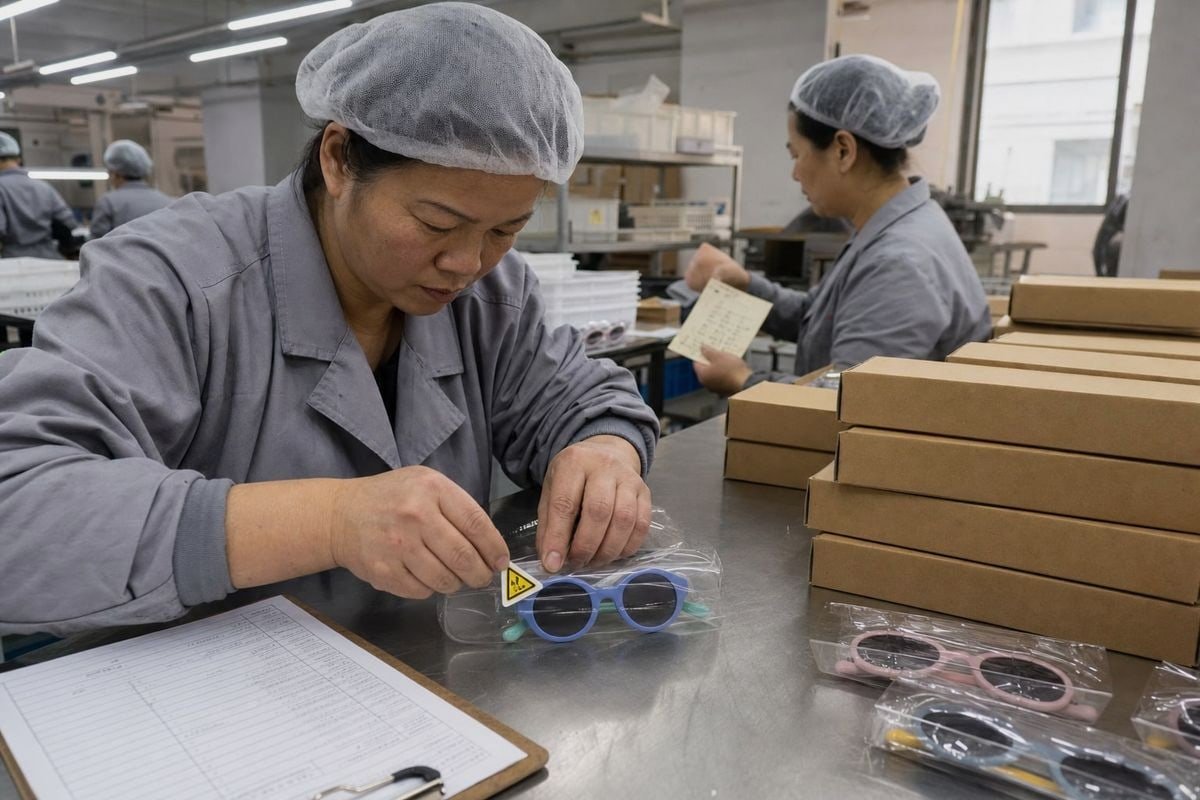
Prop 65 warnings for kids sunglasses confuse many buyers we work with. One missed label can trigger a California 60-day notice, legal fees, and a recalled shipment nobody budgeted for.
To provide Prop 65 warnings for kids sunglasses sold in California, first test whether any listed chemical exposure exceeds OEHHA safe harbor levels. If it does, attach a compliant warning with the triangle symbol, bold WARNING text, the named chemical, and the P65Warnings.ca.gov URL before purchase.
That sounds simple, but the details matter. Let me walk you through what to disclose, how to verify materials, where to place labels, and how a factory can help.
What Exactly Does Prop 65 Require Me to Disclose on Kids Sunglasses?
A buyer from a US kids' brand once asked me if Prop 65 banned polycarbonate lenses 1 outright. It does not. Our export team explains this distinction on almost every California-bound order.
Prop 65 requires a clear and reasonable warning when kids sunglasses expose users to a listed chemical above safe harbor thresholds. The warning must name at least one chemical, such as Bisphenol A, use the yellow triangle symbol, and appear before the point of purchase.

Prop 65 is the common name for California's Safe Drinking Water and Toxic Enforcement Act 2. It is a disclosure law, not a product ban. It applies to any business that knowingly and intentionally exposes a Californian to a listed chemical without a prior warning. The key word is exposure. The mere presence of a chemical inside a material does not automatically require a warning. What matters is whether the chemical migrates out during normal use by a child.
Which Chemicals Come Up in Kids Eyewear?
In our fifteen years of building children's frames, a few substances dominate every California compliance conversation. Here is what buyers should screen for:
| Chemical | Where It Appears in Sunglasses | Prop 65 Concern |
|---|---|---|
| Bisphenol A 3 (BPA) | Polycarbonate lenses, some plastic frames | Reproductive toxicity listing |
| Bisphenol S (BPS) | "BPA-free" plastics as a substitute | Listed December 2024; warnings now mandatory |
| Lead | Metal hinges, paints, decorative coatings | Cancer and reproductive harm |
| Nickel | Metallic frames, hinge screws | Cancer listing for certain compounds |
| الفثالات 4 | Soft PVC nose pads, straps, pouches | Reproductive toxicity |
Notice the BPS point. Many importers audit for BPA, feel safe with a "BPA-free" claim, and never check the substitute. Since December 2024, phthalates in eyewear accessories and BPS in frames both deserve fresh scrutiny. Lead and Bisphenol A remain the two chemicals most often named in enforcement notices against eyewear sellers.
What Must the Warning Itself Contain?
A compliant full-length warning includes the equilateral triangle symbol, the word WARNING in bold capitals, the named chemical, the type of harm, and the official P65Warnings.ca.gov URL. Also plan ahead: by 2028, even short-form warning labels must name at least one specific chemical, so tiny hang tags on kids' sunglasses will need that detail too.
How Do I Know If My Supplier's Materials Are Actually Prop 65 Compliant?
Early in our export history, we learned a hard lesson: raw-material certificates alone do not protect a finished product. Coatings, inks, and adhesives added later can change everything.
Verify compliance by requesting third-party lab testing on the finished sunglasses, not just raw pellets. Ask for chemical migration data compared against OEHHA safe harbor levels, written supplier declarations covering every component, and retesting whenever the material formula or coating process changes.
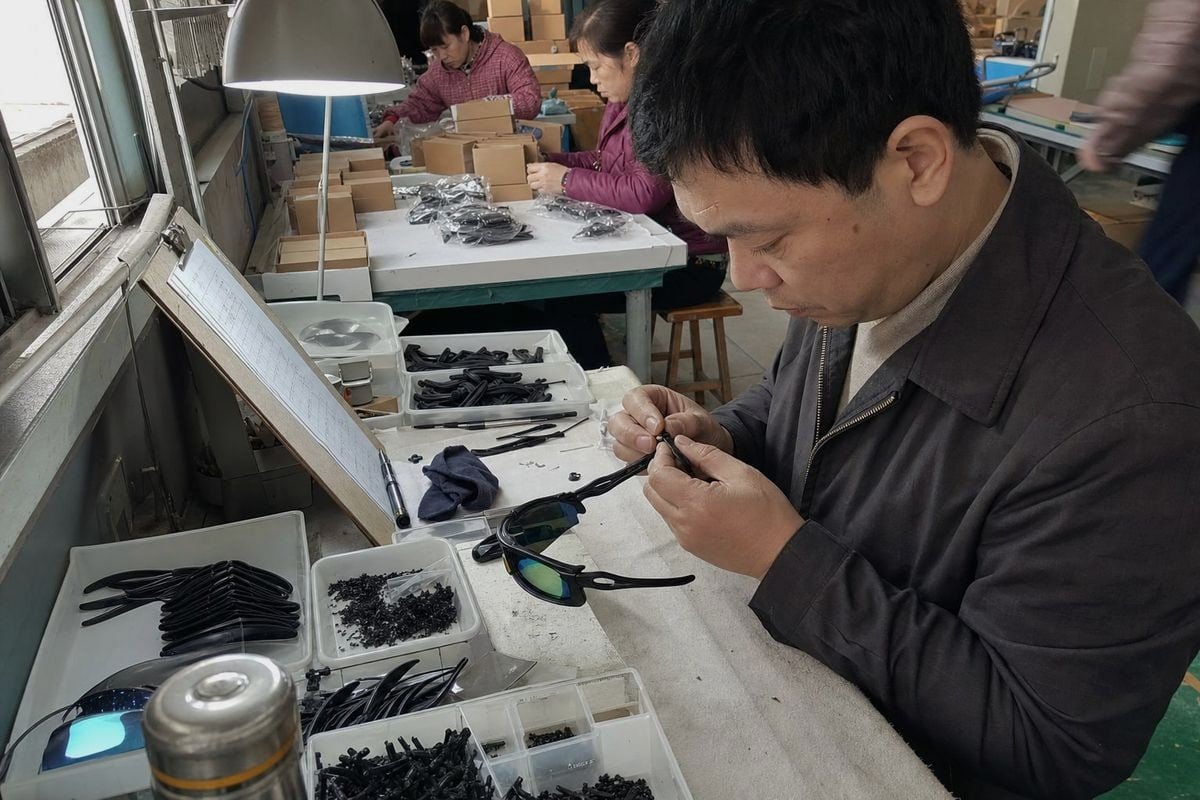
Here is the trap I see most often. A buyer receives a certificate for TR90 resin and assumes the whole product is covered. But sunglasses are assemblies. The frame, lenses, nose pads, hinge screws, printed logo, rubber temple tips, cord, pouch, and even the polybag are each a potential exposure source. Our QC team documents every one of these components on California-bound orders because an enforcement lawyer will examine all of them.
Migration Testing Beats Total Content Testing
There are two testing approaches, and the difference decides whether you need a warning at all:
- Total content testing measures how much of a chemical exists inside the material. It is cheap but often irrelevant to Prop 65.
- Chemical migration testing simulates real use, such as skin contact and mouthing by a child, and measures what actually transfers out.
Migration testing is what lets you compare real exposure against the Maximum Allowable Dose Level (MADL) for reproductive toxins or the No Significant Risk Level for carcinogens. If measured exposure sits below these OEHHA safe harbor levels 5, no warning is legally required. The Vision Council even secured a Safe Use Determination from OEHHA for BPA exposure from certain polycarbonate eyewear, proving that product-specific data can eliminate warning obligations entirely.
Don't Forget Federal Overlap
California rules stack on top of federal law. قانون تحسين سلامة المنتجات الاستهلاكية 6 compliance already caps lead and phthalates in children’s products nationwide, so reconcile both standards in one test plan. A single third-party lab testing package can usually cover CPSIA limits and Prop 65 migration screens together, which saves money and gives you one defensible file.
Documentation Checklist to Demand
Keep a compliance file with supplier declarations for every component, accredited lab reports on the finished product, your internal exposure assessment, and dated records of any formula change. This file is your defense if a California 60-day notice ever arrives.
Where Should I Place Prop 65 Warning Labels on Packaging and Products?
Placement decisions come up constantly when our packaging team builds retail-ready boxes for kids' sunglasses. A perfectly worded warning hidden inside a case still counts as no warning at all.
Place Prop 65 warnings where California consumers see them before purchase: on the outer packaging or hang tag for retail sales, on the product display page or checkout screen for e-commerce, and on a point-of-sale sign for open-stock retail displays.
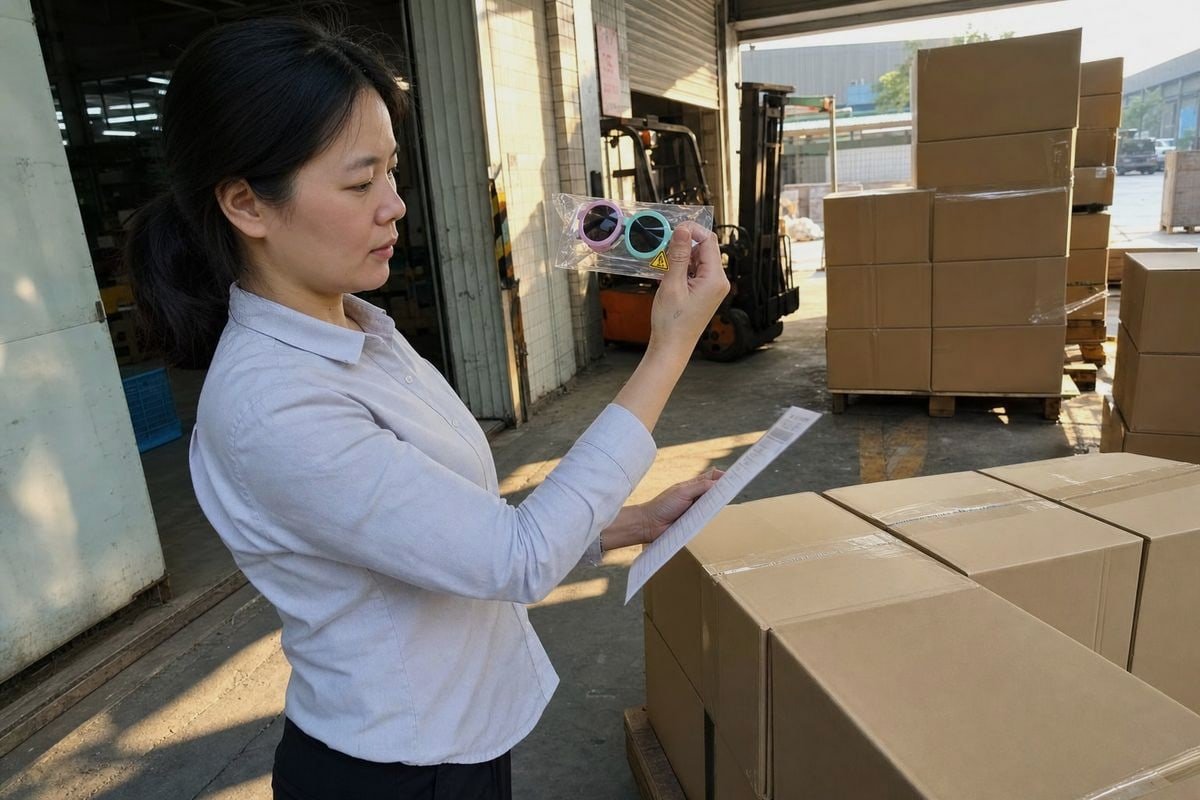
The legal standard is "clear and reasonable," and reasonableness depends on the sales channel. A warning must be conspicuous, meaning a shopper would actually notice it during a normal buying decision. Tucking it inside the microfiber pouch fails. Printing it in tiny gray text on a dark box also fails. Here is how placement maps to each channel:
| Sales Channel | Correct Warning Placement | خطأ شائع |
|---|---|---|
| Retail packaging | Printed on the box, blister card, or hang tag facing the buyer | Warning inside the case, invisible pre-purchase |
| E-commerce listing | On the product display page or before checkout completes | Warning only in shipped package |
| Open retail display | Point-of-sale sign at the shelf or fixture | Relying on distant store signage |
| On-product | Small durable label meeting on-product warning requirements | Text too small to read |
Short-Form vs Full-Form Warnings
Kids' sunglasses packaging is small, so many brands use the short-form warning label. That is allowed, but note the 2028 deadline: updated short-form labels must name at least one specific chemical, such as Bisphenol A. Print runs planned now should adopt the new format early rather than reprinting later.
E-commerce Deserves Extra Care
Online sales are the most common enforcement target. The warning must appear on the product page or during checkout, before the sale is finalized. Some sellers also implement geofencing or shipping blocks in their warehouse systems so non-compliant inventory never ships to California addresses. That is a legitimate stopgap, but a proper warning strategy is more durable, since inventory and channels change faster than compliance files.
Can My Manufacturer Help Me Avoid Prop 65 Compliance Risks Before Shipping?
One Australian buyer recently asked us to prepare a California-ready version of a TR90 frame with TPEE 7 temples before her US launch. That project shaped how we now handle every stateside order.
Yes. A capable factory can select low-risk materials like TR90 and TPEE, provide component declarations, arrange third-party migration testing, print compliant warning labels on packaging or hang tags, and hold a documented compliance file, all before goods leave the production line.
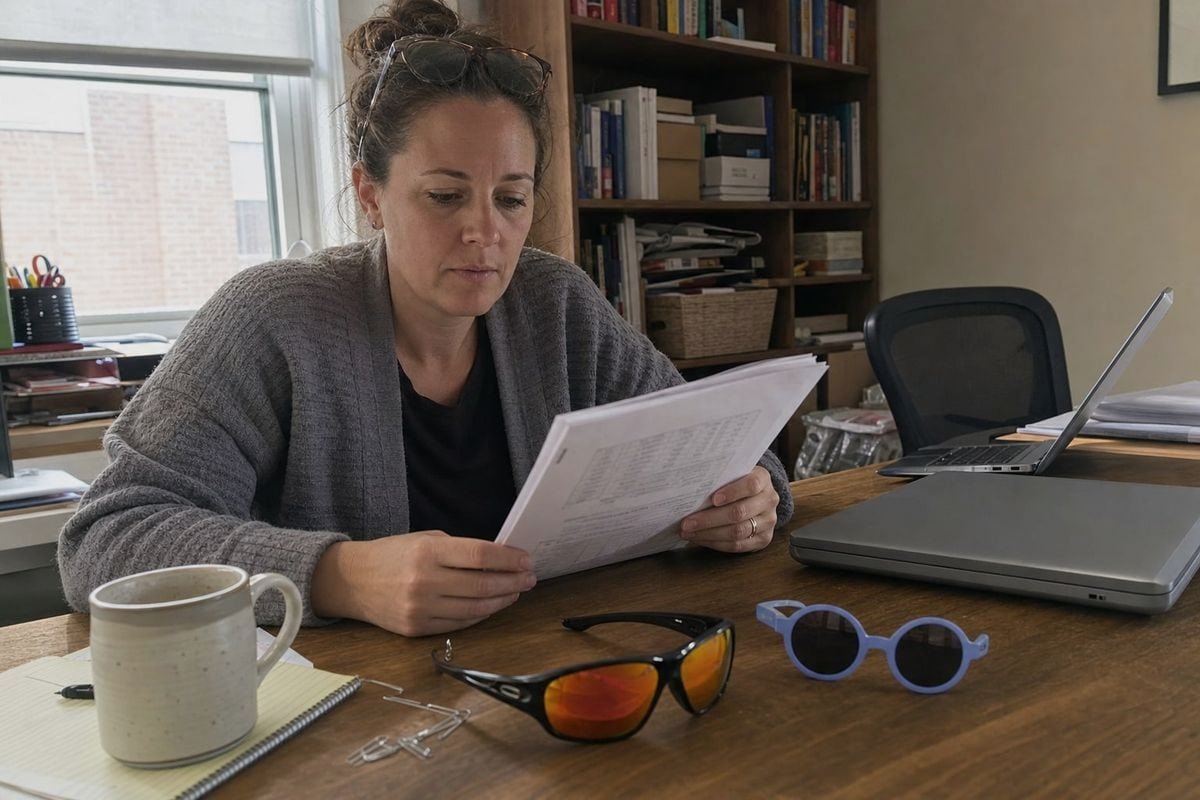
The cheapest place to fix a Prop 65 problem is at the factory, before molds run and cartons seal. The most expensive place is a US warehouse after a California 60-day notice arrives. That is why we build compliance into sourcing rather than treating it as a paperwork step at the end. Prop 65 responsibility flows down a chain: manufacturers supply the warning materials and data, importers verify them, and retailers display the warning at the point of sale. Each link has to hold.
Where a Factory Adds Value at Each Stage
| مرحلة الإنتاج | What the Factory Should Do | What You Should Verify |
|---|---|---|
| Material selection | Choose TR90, TPEE, and coatings screened for listed chemicals | Request material declarations per component |
| Sampling | Send pre-production samples for lab screening | Approve lab and test scope yourself |
| الإنتاج الضخم | Lock the formula; flag any substitution | Require written change notices |
| التعبئة والتغليف | Print warning text, symbol, and URL correctly | Proof the artwork against current rules |
| Pre-shipment | Compile the compliance file with the shipment | File the documents before customs clearance |
Our own catalog of roughly 800 existing children's styles helps here in a practical way. Because those frames use established TPEE and TR90 formulas we have run for years, buyers can launch without new mold investment and without starting chemical screening from zero. When a client customizes colors, logos, or lens coatings, we retest only what changed.
Ask These Questions Before You Order
Ask whether the factory has shipped to California before, whether it can name the listed chemicals in each component, which accredited labs it uses, and whether it will print your compliant warning artwork at no drama. Vague answers on any of these points are your signal to keep looking.
الخلاصة
Prop 65 warnings for kids sunglasses are manageable: test actual exposure, warn only when required, place labels visibly, and partner with a factory that documents everything before shipping.
ملاحظات ختامية
1. Material background for the lens type buyers often ask about regarding Prop 65. ↩︎
2. Official OEHHA page explaining the law behind Prop 65 disclosure requirements. ↩︎
3. Background on the chemical most frequently named in eyewear enforcement notices. ↩︎
4. EPA reference explaining phthalate chemicals flagged for renewed scrutiny in the article. ↩︎
5. Authoritative OEHHA page defining the exposure thresholds discussed in the article. ↩︎
6. Official CPSC source for the federal children’s product safety law referenced alongside Prop 65. ↩︎
7. Background on the low-risk material family used in the factory’s existing frame catalog. ↩︎
مقالات أخرى قد تعجبك

August 1, 2026
هل يجب على المصنع التعامل مع تغليف ووضع ملصقات نظارات الأطفال الشمسية، أم استخدام مورد مخصص؟

August 1, 2026
مستودع خاص مقابل الوفاء المباشر من المورد: أيهما يقلل تكاليف الإرجاع لعلامات نظارات الأطفال الشمسية؟

August 1, 2026
مباشر إلى ميناء المستودع أو التخزين الخارجي: أيهما يوفر أكثر على شحن نظارات الأطفال الشمسية؟
هل تبحث عن شريك موثوق به للنظارات للأطفال؟
استكشف أكثر من 800 نمط جاهز ودعم OEM/ODM كامل مصمم خصيصًا لعلامتك التجارية.
اتصل بنا English
  Español de México
  Deutsch
  Français
  日本語
日本語  العربية
  Português do Brasil