كيف تنطبق حدود الرصاص والكادميوم في قانون سلامة المنتجات الاستهلاكية على نظارات الأطفال الشمسية؟
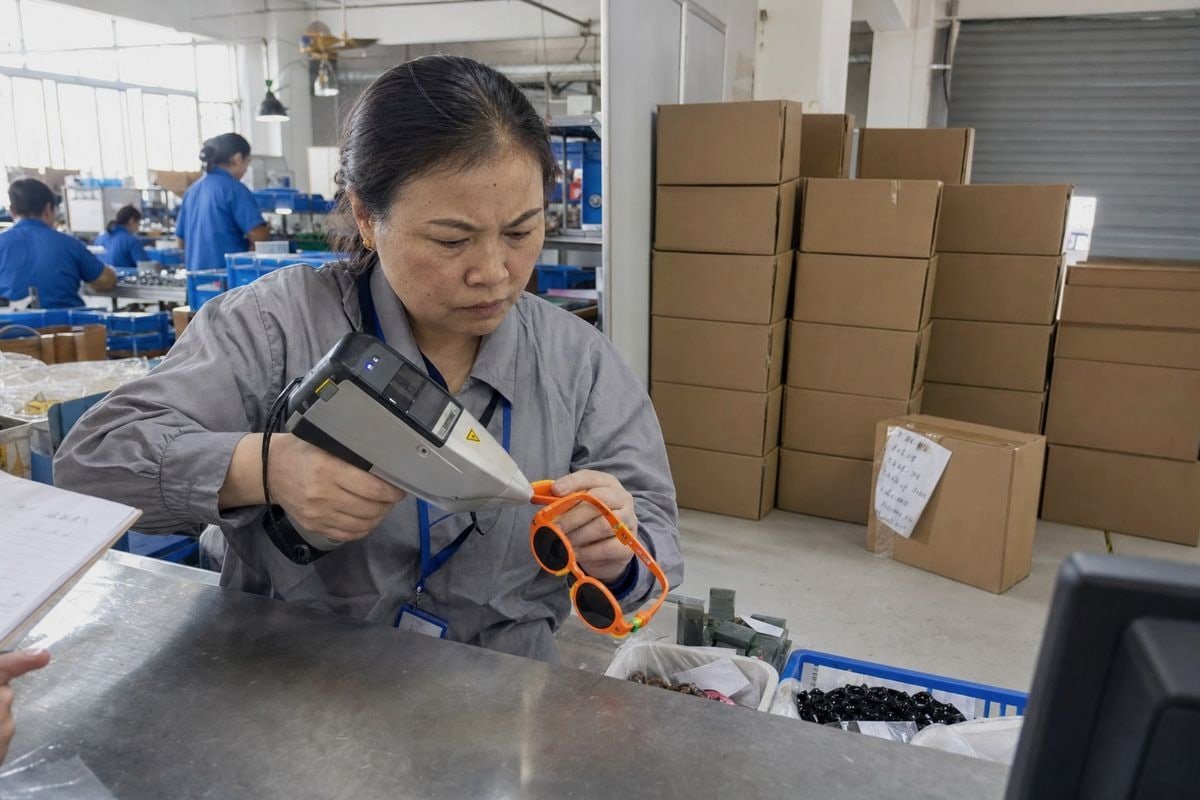
قانون تحسين سلامة المنتجات الاستهلاكية 1 تحدد حدود الرصاص والكادميوم العديد من مشتري نظارات الأطفال الشمسية. في خط الإنتاج لدينا في تايتشو، يمكن أن يؤدي فشل اختبار واحد للمعادن الثقيلة إلى تجميد شحنة كاملة - وموعد إطلاق المشتري معها.
تنطبق حدود الرصاص في قانون سلامة المنتجات الاستهلاكية على نظارات الأطفال الشمسية المصممة بشكل أساسي للأطفال الذين تبلغ أعمارهم 12 عامًا فما دون: يجب ألا تحتوي المكونات التي يمكن الوصول إليها على أكثر من 100 جزء في المليون من الرصاص الكلي، والطلاءات السطحية لا تزيد عن 90 جزء في المليون. الكادميوم ليس حدًا أساسيًا في قانون سلامة المنتجات الاستهلاكية ولكنه منظم من خلال قوانين الولاية ومعايير المشتري.
هذا الجواب المختصر يخفي تعقيدًا حقيقيًا. ما هي الأجزاء التي تعتبر قابلة للوصول؟ ما هي المستندات التي تثبت الامتثال؟ وأين يتناسب الكادميوم فعليًا؟ دعني أشرح لك كل سؤال.
كيف أعرف ما إذا كان مورد نظارات أطفالي الشمسية يمكنه تلبية حدود الرصاص والكادميوم الخاصة بـ CPSIA؟
سألني مشترٍ من أستراليا سؤالًا مباشرًا أثناء تدقيق المصنع: "كيف تعرف أن إطاراتك البرتقالية الزاهية لن تفشل في اختبار الرصاص؟" هذا السؤال يستحق إجابة حقيقية، وليس عرضًا تقديميًا.
يمكن للمورد الكفء أن يريك تقارير اختبار سابقة لطرف ثالث لمواد مماثلة، ويذكر اسم المختبر المقبول لدى CPSC الذي يستخدمونه، ويشرح ضوابط المواد الخام الخاصة بهم لـ TR90 و TPEE، ويصف كيف يعيدون الاختبار عند تغيير الأصباغ أو الطلاءات أو مصادر المكونات بين دفعات الإنتاج.

الحقيقة الصادقة هي أن العديد من المصانع يمكنها إنتاج عينة تبدو لطيفة. عدد أقل بكثير يمكنه اجتياز الاختبار باستمرار محتوى الرصاص الكلي 2 الاختبار عبر دفعات إنتاج متعددة. في خمسة عشر عامًا من صناعة نظارات الأطفال، تعلمنا أن الامتثال هو نظام، وليس شهادة تشتريها مرة واحدة.
أسئلة تفصل الامتثال الحقيقي عن الأوراق
اسأل موردك هذه الأسئلة قبل تقديم طلب شراء. جودة الإجابات تخبرك بكل شيء تقريبًا.
| سؤال لطرحه | إجابة قوية تبدو كـ | إجابة ضعيفة تبدو كـ |
|---|---|---|
| أي مختبر تستخدمونه؟ | يذكر مختبرًا محددًا معتمدًا من لجنة سلامة المنتجات الاستهلاكية 3 ويشارك تقارير حديثة | "يمكننا ترتيب الاختبار إذا كنت بحاجة إليه" |
| هل تختبرون الإطارات النهائية أم حبيبات المواد الخام؟ | "الإطارات المقولبة النهائية، لأن الملونات يمكن أن تضيف معادن ثقيلة" | "مورد الراتنج الخاص بنا يعطينا شهادة خالية من الرصاص" |
| كيف تتعاملون مع الأصباغ الجديدة؟ | "يتم اختبار كل تركيبة لون جديدة قبل الإنتاج الضخم" | "جميع ألواننا من نفس المادة" |
| ماذا عن الأجزاء المعدنية؟ | "مسامير المفصلات والملحقات المعدنية يتم اختبارها كأجزاء يمكن الوصول إليها" | "هذه الأجزاء مخفية، لذا فهي معفاة" |
هذا الصف الأخير مهم أكثر مما يدرك معظم المشترين. إعلان المواد الخام هو نقطة انطلاق، ولكنه غير كافٍ قانونيًا بمفرده. عملية القولبة بالحقن، وملونات الدُفعات الرئيسية، وعوامل تحرير القالب يمكن أن تُدخل التلوث الذي لم يظهر أبدًا في شهادة حبيبات المورد. لهذا السبب نوصي دائمًا باختبار المنتج النهائي - الإطار الفعلي الذي سيرتديه الطفل - بدلاً من الاعتماد على المستندات الأولية وحدها.
اختيار المواد كإشارة خطر
مواد الركيزة مهمة أيضًا. مادة TR90 و TPEE البكر، التي نستخدمها لمعظم إطارات الأطفال لدينا، لها مخاطر منخفضة بطبيعتها للمعادن الثقيلة. الراتنجات المعاد تدويرها، والدهانات المعدنية، والزخارف المطلية بالكهرباء تزيد المخاطر بشكل حاد. إذا لم يتمكن المورد من إخبارك بالضبط مما تتكون إطاراتك، فاعتبر ذلك علامة تحذير.
ما هو الاختبار والتوثيق الذي يجب أن أطلبه لإثبات الامتثال لقانون سلامة المنتجات الاستهلاكية (CPSIA)؟
عندما أعددنا أول شحنة كبيرة لنا لعلامة تجارية أمريكية للأطفال منذ سنوات، كانت قائمة تدقيق الامتثال للمشتري أطول من عقد الشراء. علمتني تلك التجربة بالضبط المستندات التي يطلبها وكلاء الجمارك وتجار التجزئة فعليًا.
اطلب شهادة منتج للأطفال مدعومة بتقارير اختبار من طرف ثالث من مختبر مقبول لدى CPSC تغطي إجمالي محتوى الرصاص في الركائز التي يمكن الوصول إليها، والرصاص في الطلاءات السطحية، وحدود محتوى الفثالات، بالإضافة إلى تفاصيل ملصق التتبع الدائم على كل من المنتج والتعبئة والتغليف.

الـ شهادة منتجات الأطفال 4, ، أو شهادة المنتج للأطفال (CPC)، هي المستند الأساسي. يتطلب القانون الأمريكي من المستورد أو الشركة المصنعة المحلية إصدارها، ولكن يجب أن تستند إلى نتائج اختبار ناجحة من مختبر معتمد من لجنة سلامة المنتجات الاستهلاكية. لا يمكنك إصدار شهادة منتج للأطفال صالحة بناءً على الإقرار الذاتي للمورد.
حزمة المستندات الأساسية
إليك حزمة المستندات التي نساعد عملاءنا من الشركات المصنعة على تجميعها للنظارات الشمسية المتجهة إلى الولايات المتحدة:
- تقارير اختبار من طرف ثالث. يجب أن تغطي هذه التقارير الرصاص الكلي في المكونات التي يمكن الوصول إليها مقابل حد 100 جزء في المليون، والرصاص في الطلاء أو الطلاءات السطحية المماثلة مقابل حد 90 جزء في المليون. تنطبق لوائح الطلاء السطحي على الشعارات المطبوعة، والتشطيبات المطلية، والرسومات الزخرفية - وكلها شائعة في إطارات الأطفال.
- اختبار الفثالات حيثما ينطبق ذلك. يمكن أن تندرج الأجزاء ذات الملمس الناعم مثل أطراف المعابد المرنة ووسادات الأنف تحت حدود محتوى الفثالات 5, ، خاصة إذا صنف المشتري المنتج بشكل متحفظ أو إذا كانت قواعد الولاية تنطبق.
- شهادة المنتج للأطفال نفسها. يجب أن تسرد كل قاعدة قابلة للتطبيق، والمختبر، وتاريخ ومكان التصنيع، وتفاصيل الاتصال.
- التحقق من ملصق التتبع. Tracking label requirements mean each pair needs a permanent mark — usually on the inside of the temple — plus matching information on the packaging, identifying the manufacturer, production date, and batch. This is what makes a targeted recall possible instead of a catastrophic one.
Where cadmium fits in the paperwork
Cadmium deserves careful wording. CPSIA is primarily a lead law, and there is no universal federal CPSIA cadmium limit for non-toy sunglasses. However, if a product is marketed in a toy-like way, ASTM F963-17 6 heavy-metal limits may come into play. State rules matter too: California restricts cadmium in children's jewelry-type products, and California Proposition 65 7 compliance adds warning obligations for listed chemicals. Many of our European and Australian buyers simply add cadmium screening 8 to their standard chemical test package, and we support that. It is cheap insurance compared to a blocked shipment.
| المتطلب | الأساس القانوني | What to request |
|---|---|---|
| Total lead ≤ 100 ppm | CPSIA, accessible components | Substrate test report per material/color |
| Lead in coatings ≤ 90 ppm | CPSIA surface coating rule | Coating test on painted/printed areas |
| Cadmium screening | State law, ASTM F963-17 context, buyer specs | XRF or wet-chemistry cadmium results |
| Prop 65 chemicals | California Proposition 65 compliance | Supplier declaration plus targeted testing |
ما هي المواد والمكونات الأكثر احتمالاً للتسبب في انتهاكات الرصاص أو الكادميوم؟
Not all parts of a pair of sunglasses carry equal risk. When our engineers review a new design — say, a wraparound sport style with a mirrored gradient lens, or a two-tone round frame with a visible hinge screw — we map every component against its heavy-metal risk before quoting.
المكونات الأكثر خطورة هي مسامير ومكونات المفصلات المعدنية، والتشطيبات المطلية أو المطلية بالكهرباء، والشعارات المطبوعة، والأصباغ الحمراء والبرتقالية والصفراء الزاهية، والبلاستيك المعاد تدويره، والتعليقات الزخرفية. تحمل ركائز TR90 و TPEE البكر أقل مخاطر متأصلة للرصاص والكادميوم.

Let me break this down component by component, because this is where most compliance failures actually originate.
Component risk map
| المكون | Risk level | Why it fails |
|---|---|---|
| Metal hinge screws | مرتفع | Cheap brass or plated screws can exceed 100 ppm lead; small parts can detach and be mouthed |
| Painted/metallic coatings | مرتفع | Chrome-look and metallic paints historically use lead compounds; 90 ppm coating limit is strict |
| Bright pigments (red, orange, yellow) | مرتفع | Lead chromate and cadmium pigments are legacy colorants; levels fluctuate between pigment batches |
| Printed logos and graphics | متوسط | Ink formulations vary; each print run counts as a coating |
| Recycled resin frames | Medium-High | Legacy contamination from previous industrial use is unpredictable |
| Soft nose pads and temple tips | متوسط | Plasticizer and stabilizer chemistry can trigger phthalate and cadmium questions |
| Virgin TR90/TPEE frame body | منخفض | Clean polymer chemistry with controlled colorant loading |
The hinge-screw trap and the accessibility myth
Many factories assume a hinge screw is "inaccessible" and therefore exempt from lead limits. That assumption is dangerous. The CPSC evaluates accessibility using use-and-abuse logic. A small screw that can loosen, break off, and be swallowed by a child is very much part of the compliance picture. Similarly, a coating or electroplated layer does not make lead in the substrate underneath "inaccessible" in the CPSC's view. This is why we prefer designs with molded flex hinges or well-secured, tested stainless components for our children's lines.
Why bright colors need per-batch attention
Kids' sunglasses sell on color. Fiery orange mirror lenses, periwinkle-blue fronts, mint-teal temples — these are exactly the shades brands want. But bright yellows, oranges, and reds are historically the pigment families where lead and cadmium hide. Pigment chemistry can shift between overseas production runs, so a one-time annual test on a multi-batch bright-colored line is a genuinely risky strategy. For high-chroma colorways, per-batch or per-formulation verification is worth the modest cost.
كيف يمكنني تجنب تأخيرات الامتثال لقانون سلامة المنتجات الاستهلاكية (CPSIA) عند إطلاق خط جديد من النظارات الشمسية للأطفال؟
Timing is the trade-off I discuss most often with new brand founders. They want custom colors, custom packaging, and a fast launch — but every custom element adds a testing dependency. Getting the sequence right matters more than rushing any single step.
ابدأ تخطيط الامتثال في مرحلة التصميم: قم بتثبيت المواد والأصباغ مبكرًا، واختر الأساليب الموجودة التي تم اختبارها مسبقًا حيثما أمكن، واحجز المختبر المعتمد من CPSC قبل انتهاء الإنتاج، واختبر عينات الإنتاج النهائية بدلاً من النماذج الأولية، وقم بإعداد شهادة المنتج للأطفال وملصقات التتبع بالتوازي مع وثائق الشحن.
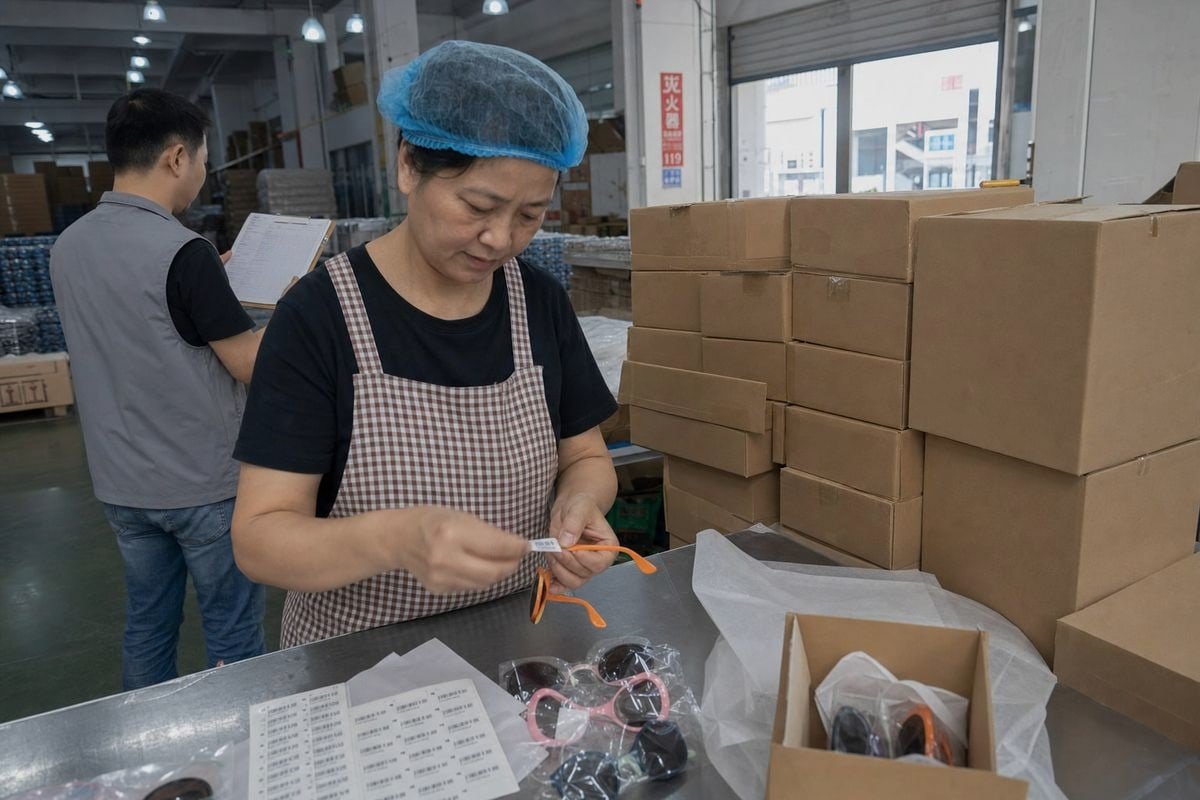
Most compliance delays we see are not caused by failed tests. They are caused by testing that started too late, or by mid-project changes that quietly invalidated earlier results. Here is the sequence that works.
A realistic compliance timeline
- Design and material lock. Confirm frame material, colorway, coatings, prints, and metal components before tooling or color matching begins. Every later change restarts the clock.
- Choose the fast lane if you can. One reason we maintain roughly 800 existing styles is that new brands can launch on proven, previously tested material platforms instead of waiting for new molds. Existing tooling with a known material history dramatically shortens the risk assessment.
- Pre-screen during sampling. An XRF screening on pre-production samples catches obvious pigment problems early, cheaply, and before mass production commits you.
- Book the lab early. CPSC-accepted laboratory queues stretch during peak season. Reserve your testing slot two to three weeks before production completes, and ship test samples from the actual production run.
- Prepare documents in parallel. Draft the Children's Product Certificate, confirm tracking label artwork on temples and packaging, and align any California Proposition 65 compliance statements while goods are still on the line — not after they reach the port.
- Plan for retesting triggers. Agree in writing with your supplier on what triggers retesting: new colors, new pigment lots, new component vendors, or recycled-content changes.
Custom projects versus existing styles
Full OEM projects with custom colors, logos, lenses, and packaging are absolutely achievable — we run them constantly — but budget an extra testing cycle in the schedule. For a first order or a market test, starting from an existing tested style and customizing logos and packaging is usually the lower-risk path. It lets you validate demand before investing in molds and fresh chemical testing for entirely new formulations.
الخلاصة
CPSIA lead limits — 100 ppm in accessible parts, 90 ppm in coatings — clearly apply to kids' sunglasses; cadmium arrives through state and buyer rules. Plan testing early, document thoroughly, and choose suppliers who treat compliance as routine.
ملاحظات ختامية
1. Official CPSC statute page defining CPSIA lead requirements referenced throughout the article. ↩︎
2. CDC background on lead exposure supports the article’s discussion of total lead limits. ↩︎
3. Directs readers to the official list of accredited labs required for CPSIA testing. ↩︎
4. CPSC’s official guidance on CPC requirements, the core document discussed in the article. ↩︎
5. CPSC’s official phthalates regulation page supports the article’s phthalate testing guidance. ↩︎
6. Official ASTM standard page for the toy safety heavy-metal limits mentioned in the article. ↩︎
7. State agency page explaining Prop 65 warning obligations cited in the article’s cadmium discussion. ↩︎
8. CDC/NIOSH cadmium exposure resource supports the article’s recommendation for cadmium testing. ↩︎
مقالات أخرى قد تعجبك
August 1, 2026
هل يجب على المصنع التعامل مع تغليف ووضع ملصقات نظارات الأطفال الشمسية، أم استخدام مورد مخصص؟

August 1, 2026
مستودع خاص مقابل الوفاء المباشر من المورد: أيهما يقلل تكاليف الإرجاع لعلامات نظارات الأطفال الشمسية؟

August 1, 2026
مباشر إلى ميناء المستودع أو التخزين الخارجي: أيهما يوفر أكثر على شحن نظارات الأطفال الشمسية؟
هل تبحث عن شريك موثوق به للنظارات للأطفال؟
استكشف أكثر من 800 نمط جاهز ودعم OEM/ODM كامل مصمم خصيصًا لعلامتك التجارية.
اتصل بنا English
  Español de México
  Deutsch
  Français
  日本語
日本語  العربية
  Português do Brasil