Full Container vs Monthly LCL Shipments: Which Costs More for Kids Sunglasses?
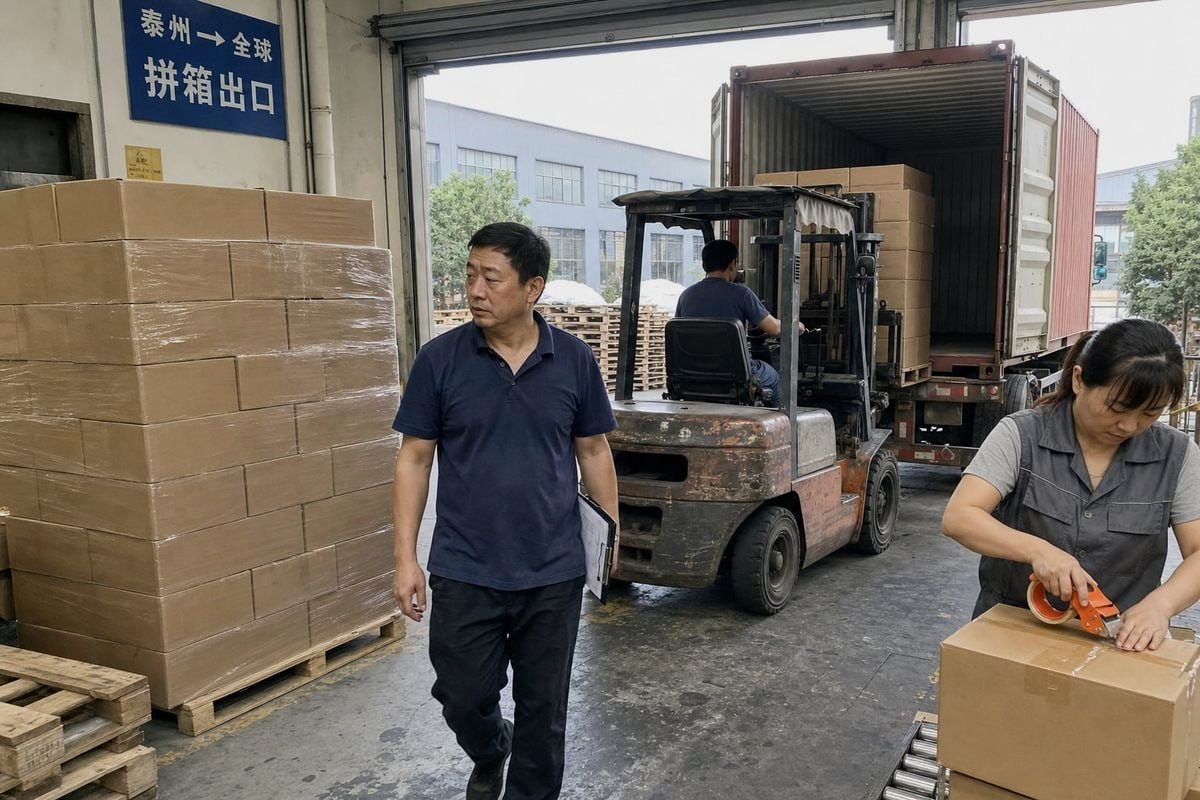
Buyers ask me about full container vs monthly LCL shipments for kids sunglasses almost weekly, usually after a freight quote shocked them. Our Taizhou factory sees this dilemma constantly. Choose wrong, and your landed cost 1 quietly eats your margin — order after order, month after month. The good news: the answer follows a clear volume-based rule.
Full container (FCL) costs more upfront, but monthly LCL shipments cost more per unit once your kids sunglasses volume reaches roughly 12–15 cubic meters per month. Below that break-even zone, LCL is usually cheaper; above it, FCL delivers lower total landed cost and fewer handling fees.
That answer sounds simple, but the details matter. Hidden fees, transit time, and packaging density can all shift the math. Let me walk you through each factor, step by step.
How do I calculate the true cost difference between FCL and LCL for my kids sunglasses orders?
One of our Australian buyers once compared only base ocean freight rates and picked LCL. His final invoice was 40% higher than expected. Our shipping team helped him rebuild the calculation properly.
Calculate total landed cost, not base freight. For LCL, add per-CBM charges plus origin handling, consolidation, destination CFS, and deconsolidation fees. For FCL, use the flat container rate plus port handling charges. Then divide each total by units shipped to compare true cost per pair.

The two pricing models work in completely different ways, so you cannot compare quotes line by line. You have to compare totals.
How LCL pricing works
LCL means Less than Container Load. You share a container with other importers. You pay by the cubic meter 2 (CBM), or by weight/measurement ton — whichever is greater. For kids sunglasses, weight almost never wins. Our TPEE and TR90 frames 3 are extremely light, so your bill is driven almost entirely by volume. Packaging dimensions, not product weight, decide your freight cost.
LCL rates commonly run around $25–$140 per CBM depending on the lane. That looks cheap. But consolidation services add origin fees, and Container Freight Station 4 (CFS) charges wait for you at the destination.
How FCL pricing works
FCL means Full Container Load. You pay one flat rate for a 20ft or 40ft container 5, whether you fill it or not. A 20ft box on a China–US lane often lands in the low thousands of dollars. Fewer parties touch your cargo, so fewer accessorial fees appear on the invoice.
A worked comparison
Here is a simplified landed cost analysis based on typical benchmark figures we see when reviewing freight forwarder quotes for buyers:
| عنصر التكلفة | LCL (10 CBM example) | FCL (20ft container) |
|---|---|---|
| Base ocean freight | $250–$1,400 (per-CBM) | $1,500–$3,200 (flat) |
| Origin handling / consolidation | $150–$400 | $100–$250 |
| Destination CFS / deconsolidation | $300–$800 | Usually $0 |
| Customs clearance fees | $150–$300 | $150–$300 |
| Typical total range | $1,390–$2,460 | $2,330–$4,110 |
At 10 CBM, LCL usually wins. But watch what happens as volume grows — the FCL flat rate stays put while LCL charges climb with every added cubic meter. That is the entire logic of the break-even point, which we tackle next.
What order volume do I need before switching from LCL to full container shipments?
A trade-off we weigh with growing brands every season: keep flexible monthly LCL, or commit to a container? The answer always comes back to one number — your monthly CBM.
Switch to FCL when your monthly kids sunglasses volume reaches roughly 12–15 CBM. Below 10 CBM, LCL is typically 30–50% cheaper. Between 10 and 15 CBM, total costs converge. Above 15 CBM, a 20ft full container almost always wins on cost per pair.
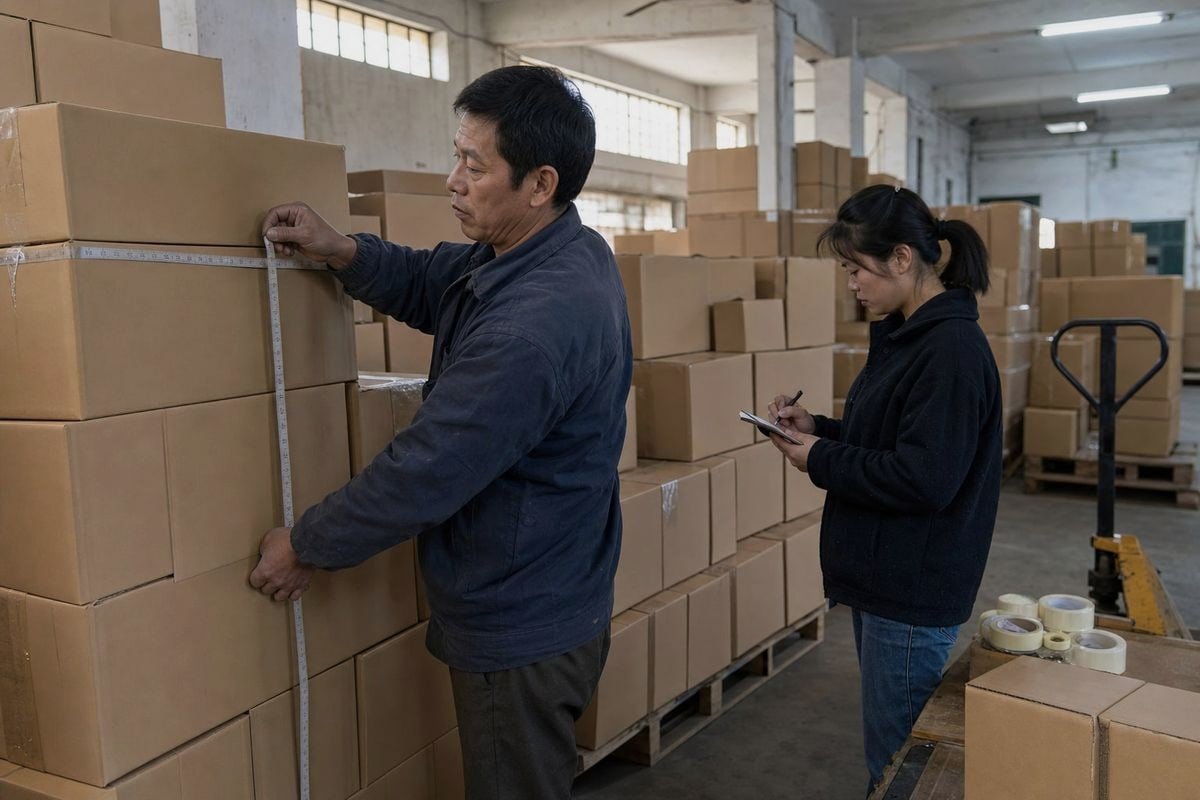
Let me make this concrete with real shipment sizes. Kids sunglasses pack roughly 300–500 pairs per CBM, depending on packaging. Retail-ready boxes with hang tags and cases take more space than bulk poly bags. So the same unit count can land in very different volume brackets.
Sample volumes and what they mean
| Monthly volume | Approx. pairs (retail packaging) | Likely cheaper option | لماذا |
|---|---|---|---|
| 3 CBM | ~1,000–1,500 | LCL, clearly | FCL flat rate would be mostly wasted space |
| 8 CBM | ~2,500–4,000 | LCL, usually | Example lane: ~$960 LCL vs ~$3,200 FCL Shanghai–LA |
| 12 CBM | ~4,000–6,000 | Get quotes for both | The break-even zone; fees decide the winner |
| 15+ CBM | ~5,000–7,500+ | FCL, usually | LCL per-CBM charges now exceed the flat container rate |
Here is a buyer objection I hear often: "LCL is always cheaper until I can fill a container." That sounds logical, but it is wrong. A 20ft container holds about 28–33 CBM of usable space. FCL becomes cheaper at roughly half full — around 15 CBM — because LCL surcharges stack up fast on some lanes. On routes with expensive destination handling, we have seen FCL win even earlier, near 12 CBM.
Packaging density changes the math
This is where our factory work directly affects your freight bill. Nested or flat-pack retail packaging can increase carton density by up to 30%. When we develop OEM packaging with a buyer, we design cartons around container efficiency, not just shelf appeal. Denser packing can push a borderline order into a profitable FCL bracket — or keep a small order comfortably cheap in LCL. With around 800 existing styles, we can also help buyers combine models in one shipment to hit an efficient volume without over-ordering any single design.
Fifteen years of exporting children's eyewear from Taizhou has taught our team one hard lesson: the cheapest freight quote is rarely the cheapest shipment. LCL invoices grow after the goods sail.
Yes. LCL shipments commonly incur CFS fees, deconsolidation charges, documentation fees, and destination handling costs that base quotes omit. These extras can add $300–$800 or more per shipment, sometimes making a 10 CBM LCL load cost as much as a 20ft full container.
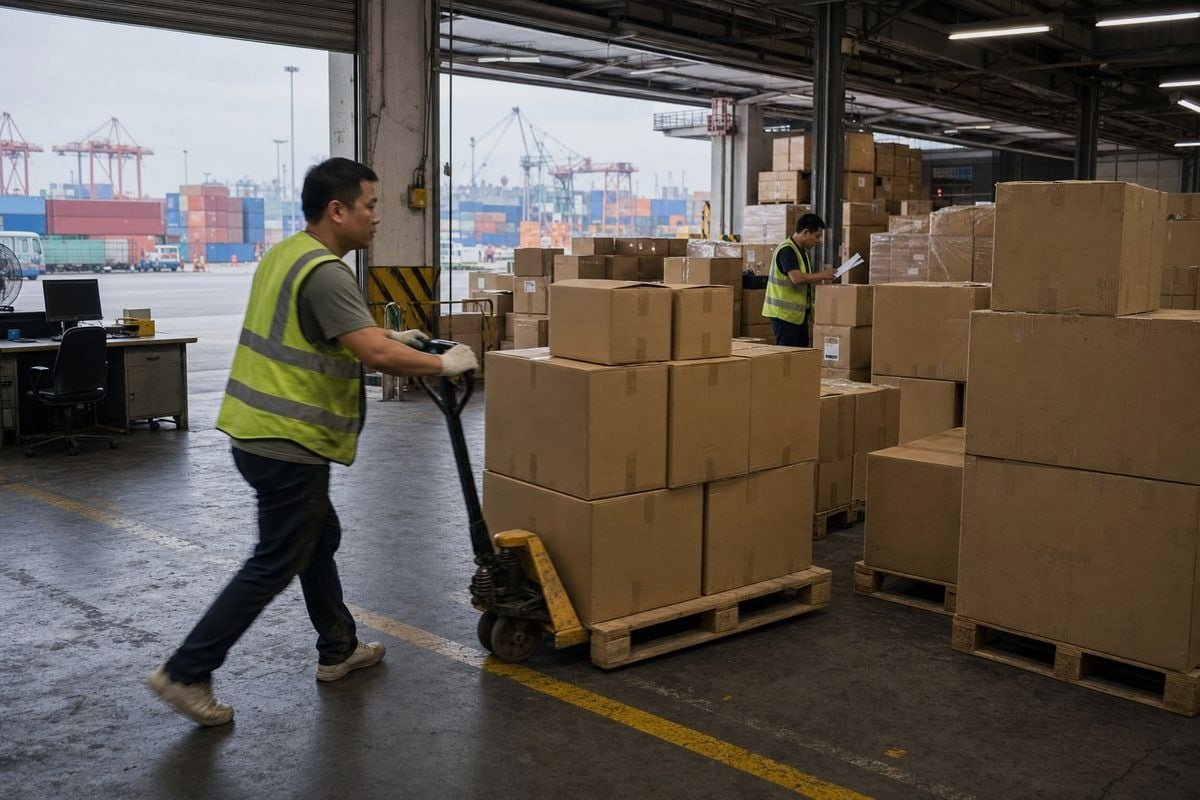
The reason is structural. LCL cargo passes through more hands. Each touchpoint charges something. Your goods get consolidated at origin, stripped at a Container Freight Station at destination, sorted, and released. Every step generates a line item.
The fee categories to ask about upfront
When you request freight forwarder quotes, demand an all-in figure covering these items:
- Origin consolidation and export documentation fees.
- Destination CFS handling and deconsolidation charges.
- Customs clearance fees and any exam or inspection costs.
- Warehouse storage if the cargo sits waiting for release.
- Delivery order and release fees before final trucking.
FCL shipments skip most of items one, two, and four. The container is sealed at our factory and opened at your warehouse. That is why the FCL invoice tends to match the FCL quote, while the LCL invoice tends to grow.
The risks that behave like fees
Some LCL costs never appear as a line item, but they hit your margin anyway. Shared containers mean shared customs risk 6 — if any other shipper's cargo gets flagged, the whole container waits, including your sunglasses. Multiple handlings also raise crush-damage risk. Our flexible TPEE and TR90 frames tolerate rough handling better than rigid acetate, and we spec double-wall export cartons for exactly this reason. But damaged retail packaging still means unsellable stock, and no material choice fixes a crushed display box. Insurance premiums also run higher for standard LCL, though newer clean-load consolidation services that group non-hazardous consumer goods together are starting to soften that penalty.
How does my choice between FCL and LCL affect delivery time and inventory planning?
A Japanese buyer once told me his real cost was not freight — it was the spring launch he missed by eleven days. That conversation changed how we advise on shipment timing.
FCL typically arrives 5–15 days faster than LCL because it skips consolidation and stripping at ports. LCL suits monthly restocks with lower inventory carrying costs; FCL suits predictable seasonal demand. Many kids eyewear brands combine both: one FCL for launch, LCL for restocks.
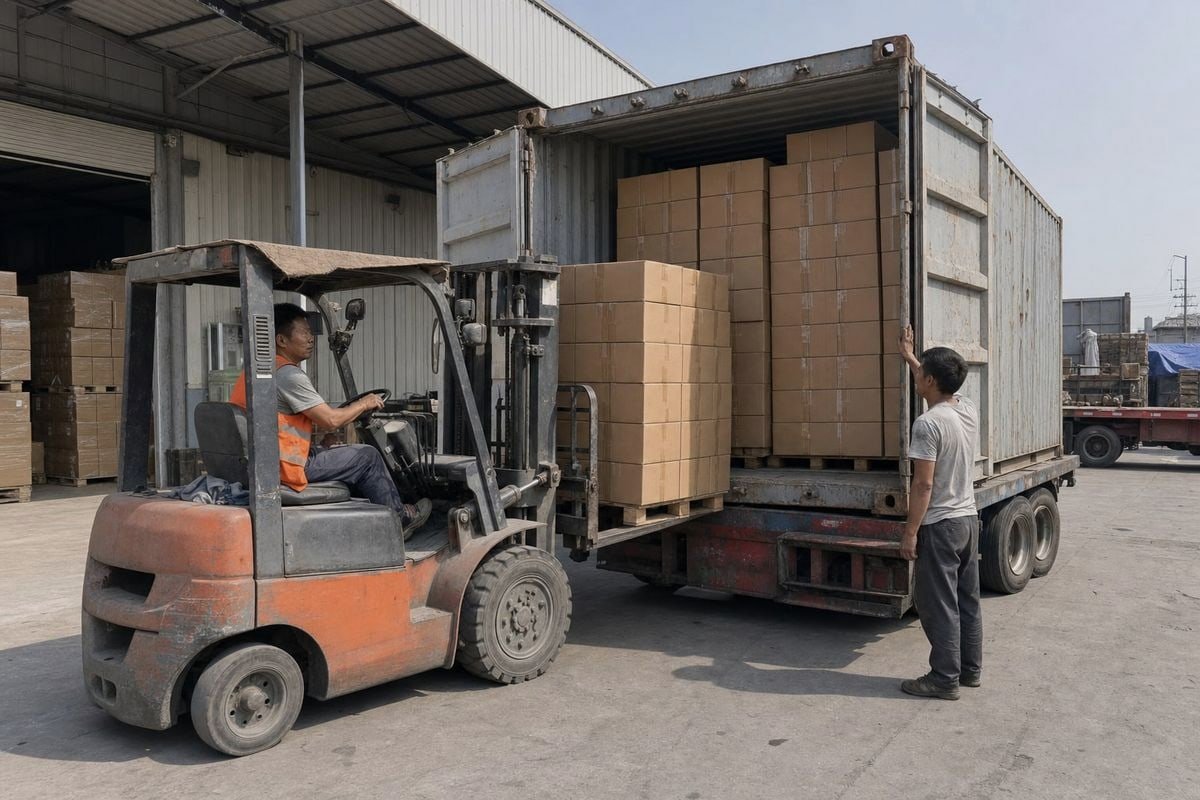
Kids sunglasses are a seasonal product. Demand peaks before summer, and transit time reliability decides whether stock hits shelves during the selling window or after it. This makes the FCL vs LCL choice as much an inventory question as a freight question.
Why FCL is faster and more predictable
An FCL container moves as one unit from our loading dock to your door. LCL cargo waits at origin until the consolidator fills a container, then waits again at destination for stripping and sorting. Each wait adds days, and each added party adds variance. For a hard launch date, that variance is expensive.
The cash flow counter-argument
Here is the objection worth taking seriously: cheaper per unit does not always mean better for monthly planning. A full container ties up cash in inventory for months. Monthly LCL releases smaller batches, cutting inventory carrying costs 7 and reducing the risk of overstocking a style that underperforms. For a new brand testing the market — exactly the buyers who use our existing-style catalog to launch without mold investment — that flexibility can outweigh a higher per-CBM rate.
The hybrid strategy we recommend
| النهج | الدفع الآمن عبر المنصة | Trade-off |
|---|---|---|
| Monthly LCL only | New brands, unproven demand, under 10 CBM/month | Higher unit cost, slower and less predictable transit |
| FCL only | Established brands, predictable seasonal demand, 15+ CBM | Cash tied up in stock, forecast risk |
| Hybrid: FCL launch + LCL restocks | Seasonal kids sunglasses programs | Requires early planning, but optimizes cost and cash flow |
The hybrid model fits seasonal inventory planning best. Ship one full container for the spring launch when demand is predictable, then top up with smaller monthly LCL shipments through mid-summer as sell-through data comes in. Looking ahead, emerging green freight rules and carbon pricing are expected to hit LCL harder, since multiple warehouse transfers raise the carbon footprint per unit — one more reason to graduate toward FCL as your volume grows.
الخلاصة
Freight mistakes silently drain margin. The fix is simple: track your monthly CBM, compare true landed costs, and switch methods at the break-even point — not on instinct.
For kids sunglasses, monthly LCL wins below roughly 10 CBM, FCL wins above 15 CBM, and the zone between demands all-in quotes for both. Ocean freight rates shift by lane and season, so recheck the math regularly. From our side in Taizhou, we support buyers with dense, container-efficient packaging, flexible order combinations across our style catalog, and reliable production timelines that make either shipping method work. If you are planning your next season's shipment schedule, we are happy to help you run the numbers before you book.
ملاحظات ختامية
1. Explains the total cost of shipping goods including purchase price, freight, insurance, and other fees. ↩︎
2. Authoritative Wikipedia entry defining the unit of volume. ↩︎
3. Technical overview of thermoplastic elastomers used in high-performance eyewear. ↩︎
4. Official definition of facilities where ocean freight is consolidated or de-consolidated for transport. ↩︎
5. Comprehensive overview of ISO standard container sizes and types. ↩︎
6. Information on import regulations and security procedures that impact international cargo processing times. ↩︎
7. Financial definition of the costs associated with holding and storing unsold inventory over time. ↩︎
مقالات أخرى قد تعجبك

August 1, 2026
هل يجب على المصنع التعامل مع تغليف ووضع ملصقات نظارات الأطفال الشمسية، أم استخدام مورد مخصص؟

August 1, 2026
مستودع خاص مقابل الوفاء المباشر من المورد: أيهما يقلل تكاليف الإرجاع لعلامات نظارات الأطفال الشمسية؟

August 1, 2026
مباشر إلى ميناء المستودع أو التخزين الخارجي: أيهما يوفر أكثر على شحن نظارات الأطفال الشمسية؟
هل تبحث عن شريك موثوق به للنظارات للأطفال؟
استكشف أكثر من 800 نمط جاهز ودعم OEM/ODM كامل مصمم خصيصًا لعلامتك التجارية.
اتصل بنا English
  Español de México
  Deutsch
  Français
  日本語
日本語  العربية
  Português do Brasil