Contêiner Completo vs. Envios LCL Mensais: Qual Custa Mais para Óculos de Sol Infantis?
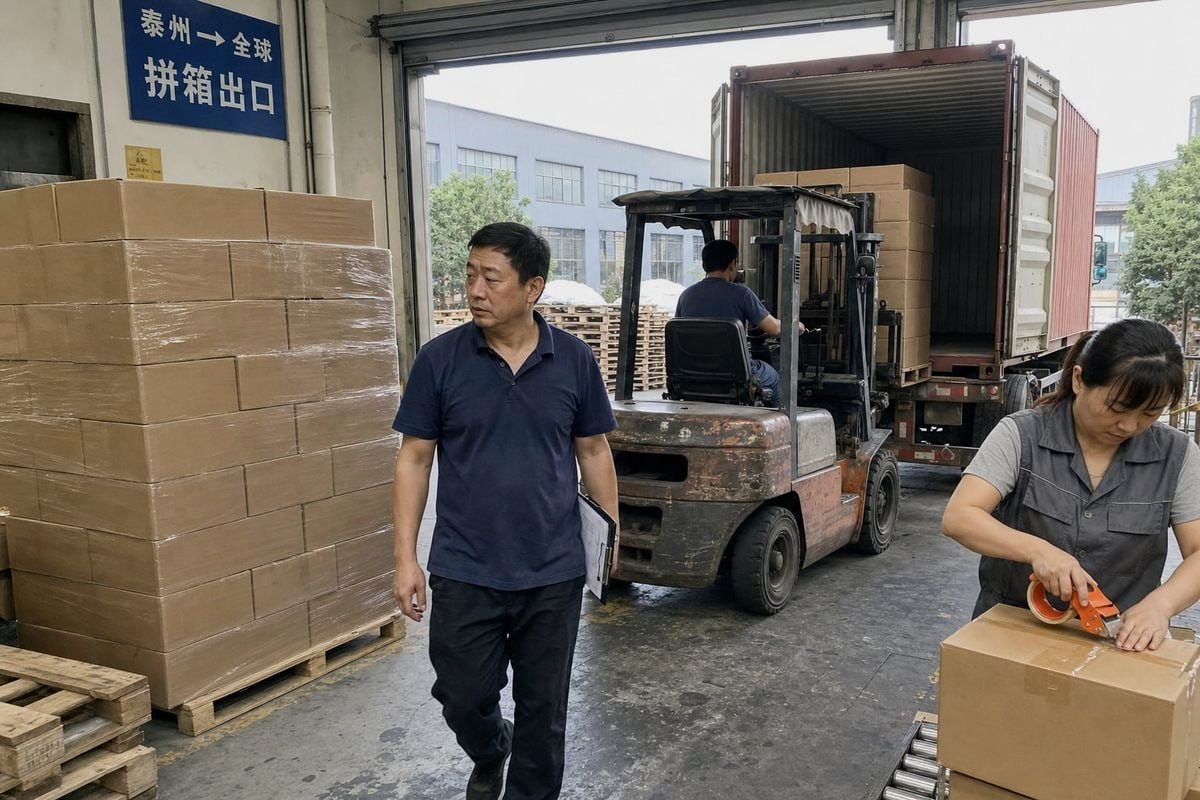
Compradores me perguntam sobre envios LCL mensais vs. contêiner completo para óculos de sol infantis quase semanalmente, geralmente depois que uma cotação de frete os chocou. Nossa fábrica em Taizhou vê esse dilema constantemente. Escolha errado, e seu custo de chegada 1 consome silenciosamente sua margem — pedido após pedido, mês após mês. A boa notícia: a resposta segue uma regra clara baseada em volume.
O contêiner completo (FCL) custa mais antecipadamente, mas os envios mensais LCL custam mais por unidade assim que o volume dos seus óculos de sol infantis atinge aproximadamente 12–15 metros cúbicos por mês. Abaixo dessa zona de equilíbrio, o LCL é geralmente mais barato; acima dela, o FCL oferece um custo total de chegada menor e menos taxas de manuseio.
Essa resposta parece simples, mas os detalhes importam. Taxas ocultas, tempo de trânsito e densidade de embalagem podem mudar os cálculos. Deixe-me guiá-lo por cada fator, passo a passo.
Como calculo a diferença real de custo entre FCL e LCL para os meus pedidos de óculos de sol infantis?
Um de nossos compradores australianos uma vez comparou apenas as taxas básicas de frete marítimo e escolheu LCL. Sua fatura final foi 40% maior do que o esperado. Nossa equipe de transporte o ajudou a reconstruir o cálculo corretamente.
Calcule o custo total de aquisição, não o frete base. Para LCL, adicione taxas por CBM mais manuseio de origem, consolidação, taxas de CFS de destino e desconsolidação. Para FCL, use a taxa fixa do contêiner mais as taxas de manuseio do porto. Em seguida, divida cada total pelas unidades enviadas para comparar o custo real por par.

Os dois modelos de precificação funcionam de maneiras completamente diferentes, então você não pode comparar cotações linha por linha. Você tem que comparar totais.
Como funciona a precificação LCL
LCL significa Less than Container Load (Menos que Carga de Contêiner). Você compartilha um contêiner com outros importadores. Você paga por metro cúbico 2 (CBM), ou por tonelada de peso/medida — o que for maior. Para óculos de sol infantis, o peso quase nunca vence. Nossas armações TPEE e TR90 3 são extremamente leves, então sua conta é impulsionada quase inteiramente pelo volume. As dimensões da embalagem, não o peso do produto, decidem seu custo de frete.
As taxas LCL geralmente ficam em torno de $25–$140 por CBM, dependendo da rota. Isso parece barato. Mas os serviços de consolidação adicionam taxas de origem, e Estação de Carga de Contêineres 4 (CFS) as taxas esperam por você no destino.
Como funciona a precificação FCL
FCL significa Full Container Load (Carga de Contêiner Completo). Você paga uma taxa fixa por um contêiner de 20 pés ou 40 pés 5, quer você o encha ou não. Uma caixa de 20 pés em uma rota China-EUA geralmente chega a alguns milhares de dólares. Menos partes tocam em sua carga, então menos taxas acessórias aparecem na fatura.
Uma comparação trabalhada
Aqui está uma análise simplificada do custo de chegada baseada em figuras de referência típicas que vemos ao revisar cotações de despachantes para compradores:
| Elemento de custo | LCL (exemplo de 10 CBM) | FCL (contêiner de 20 pés) |
|---|---|---|
| Frete marítimo base | $250–$1.400 (por CBM) | $1.500–$3.200 (fixo) |
| Manuseio de origem / consolidação | $150–$400 | $100–$250 |
| CFS de destino / des консоidação | $300–$800 | Geralmente $0 |
| Taxas de desalfandegamento | $150–$300 | $150–$300 |
| Faixa total típica | $1.390–$2.460 | $2.330–$4.110 |
Em 10 CBM, LCL geralmente vence. Mas observe o que acontece à medida que o volume cresce — a taxa fixa FCL permanece a mesma, enquanto as taxas LCL sobem a cada metro cúbico adicionado. Essa é toda a lógica do ponto de equilíbrio, que abordaremos a seguir.
Que volume de pedido preciso antes de mudar de LCL para remessas de contêiner completo?
Um dilema que pesamos com marcas em crescimento a cada temporada: manter o LCL mensal flexível ou se comprometer com um contêiner? A resposta sempre volta a um número — seu CBM mensal.
Mude para FCL quando o seu volume mensal de óculos de sol infantis atingir aproximadamente 12–15 CBM. Abaixo de 10 CBM, LCL é tipicamente 30–50% mais barato. Entre 10 e 15 CBM, os custos totais convergem. Acima de 15 CBM, um contêiner completo de 20 pés quase sempre vence em custo por par.
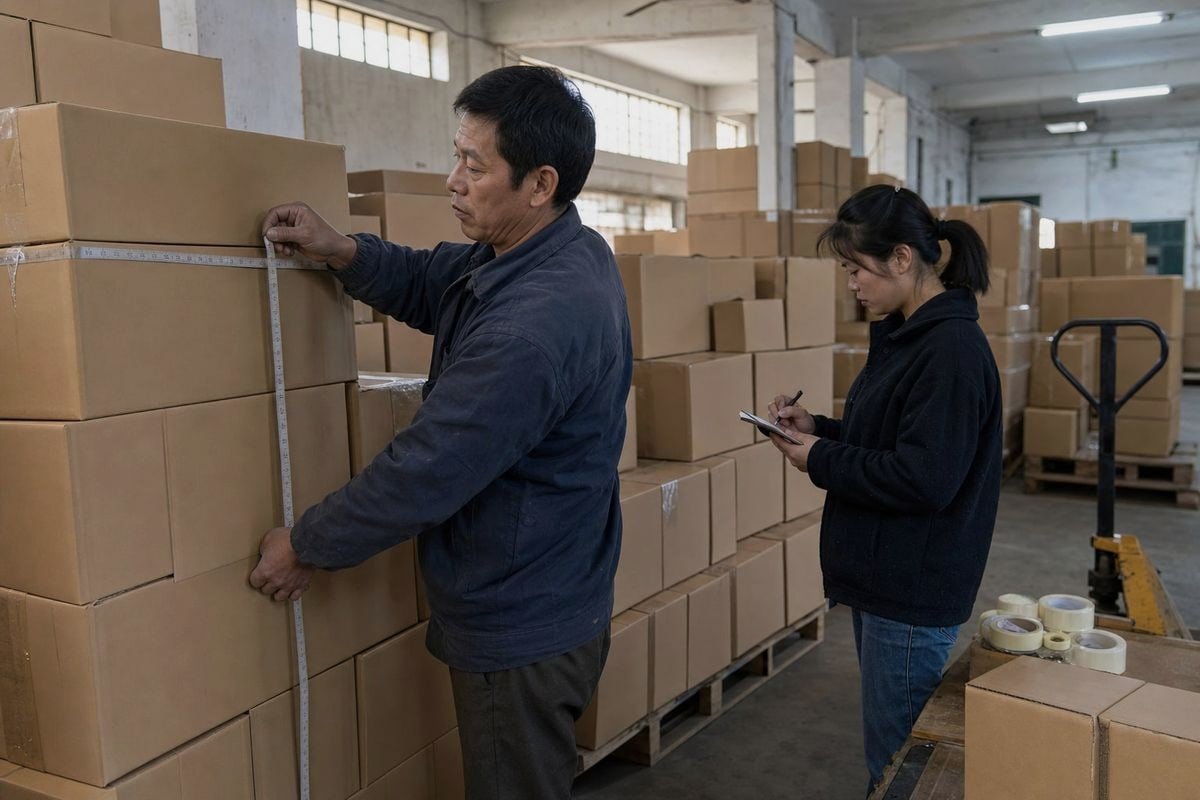
Deixe-me tornar isso concreto com tamanhos reais de remessa. Óculos de sol infantis embalam aproximadamente 300–500 pares por CBM, dependendo da embalagem. Caixas prontas para varejo com etiquetas e estojos ocupam mais espaço do que sacos plásticos a granel. Portanto, a mesma contagem de unidades pode cair em faixas de volume muito diferentes.
Exemplos de volumes e o que eles significam
| Monthly volume | Approx. pairs (retail packaging) | Likely cheaper option | Por quê |
|---|---|---|---|
| 3 CBM | ~1,000–1,500 | LCL, clearly | FCL flat rate would be mostly wasted space |
| 8 CBM | ~2,500–4,000 | LCL, usually | Example lane: ~$960 LCL vs ~$3,200 FCL Shanghai–LA |
| 12 CBM | ~4,000–6,000 | Get quotes for both | The break-even zone; fees decide the winner |
| 15+ CBM | ~5,000–7,500+ | FCL, usually | LCL per-CBM charges now exceed the flat container rate |
Here is a buyer objection I hear often: "LCL is always cheaper until I can fill a container." That sounds logical, but it is wrong. A 20ft container holds about 28–33 CBM of usable space. FCL becomes cheaper at roughly half full — around 15 CBM — because LCL surcharges stack up fast on some lanes. On routes with expensive destination handling, we have seen FCL win even earlier, near 12 CBM.
Packaging density changes the math
This is where our factory work directly affects your freight bill. Nested or flat-pack retail packaging can increase carton density by up to 30%. When we develop OEM packaging with a buyer, we design cartons around container efficiency, not just shelf appeal. Denser packing can push a borderline order into a profitable FCL bracket — or keep a small order comfortably cheap in LCL. With around 800 existing styles, we can also help buyers combine models in one shipment to hit an efficient volume without over-ordering any single design.
Fifteen years of exporting children's eyewear from Taizhou has taught our team one hard lesson: the cheapest freight quote is rarely the cheapest shipment. LCL invoices grow after the goods sail.
Sim. Remessas LCL comumente incorrem em taxas de CFS, encargos de desconsolidação, taxas de documentação e custos de manuseio no destino que as cotações base omitem. Esses extras podem adicionar R$300–R$800 ou mais por remessa, às vezes tornando uma carga LCL de 10 CBM custar tanto quanto um contêiner completo de 20 pés.
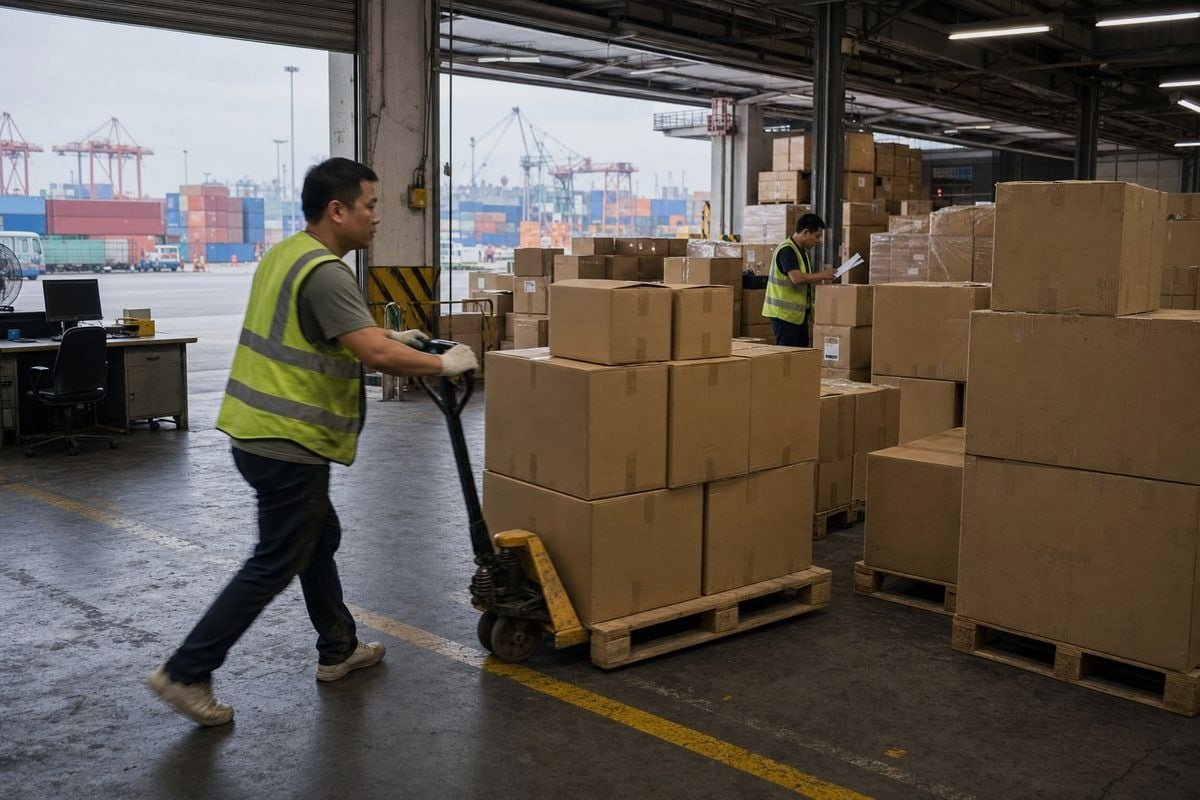
The reason is structural. LCL cargo passes through more hands. Each touchpoint charges something. Your goods get consolidated at origin, stripped at a Container Freight Station at destination, sorted, and released. Every step generates a line item.
The fee categories to ask about upfront
When you request freight forwarder quotes, demand an all-in figure covering these items:
- Origin consolidation and export documentation fees.
- Destination CFS handling and deconsolidation charges.
- Customs clearance fees and any exam or inspection costs.
- Warehouse storage if the cargo sits waiting for release.
- Delivery order and release fees before final trucking.
FCL shipments skip most of items one, two, and four. The container is sealed at our factory and opened at your warehouse. That is why the FCL invoice tends to match the FCL quote, while the LCL invoice tends to grow.
The risks that behave like fees
Some LCL costs never appear as a line item, but they hit your margin anyway. Shared containers mean shared customs risk 6 — if any other shipper's cargo gets flagged, the whole container waits, including your sunglasses. Multiple handlings also raise crush-damage risk. Our flexible TPEE and TR90 frames tolerate rough handling better than rigid acetate, and we spec double-wall export cartons for exactly this reason. But damaged retail packaging still means unsellable stock, and no material choice fixes a crushed display box. Insurance premiums also run higher for standard LCL, though newer clean-load consolidation services that group non-hazardous consumer goods together are starting to soften that penalty.
Como a minha escolha entre FCL e LCL afeta o tempo de entrega e o planeamento de inventário?
A Japanese buyer once told me his real cost was not freight — it was the spring launch he missed by eleven days. That conversation changed how we advise on shipment timing.
O FCL geralmente chega 5–15 dias mais rápido que o LCL porque ele pula a consolidação e a separação nos portos. O LCL é adequado para reabastecimentos mensais com custos de manutenção de estoque mais baixos; o FCL é adequado para demanda sazonal previsível. Muitas marcas de óculos infantis combinam ambos: um FCL para o lançamento, LCL para reabastecimentos.
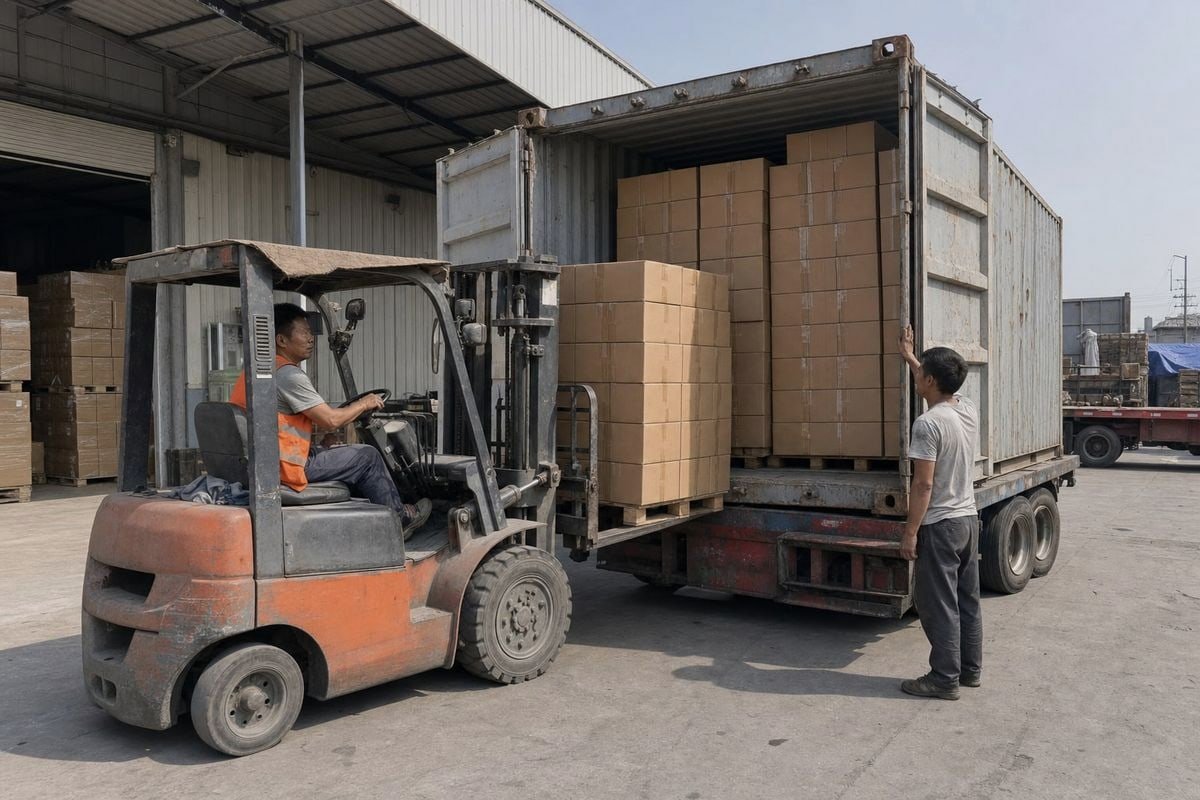
Kids sunglasses are a seasonal product. Demand peaks before summer, and transit time reliability decides whether stock hits shelves during the selling window or after it. This makes the FCL vs LCL choice as much an inventory question as a freight question.
Why FCL is faster and more predictable
An FCL container moves as one unit from our loading dock to your door. LCL cargo waits at origin until the consolidator fills a container, then waits again at destination for stripping and sorting. Each wait adds days, and each added party adds variance. For a hard launch date, that variance is expensive.
The cash flow counter-argument
Here is the objection worth taking seriously: cheaper per unit does not always mean better for monthly planning. A full container ties up cash in inventory for months. Monthly LCL releases smaller batches, cutting inventory carrying costs 7 and reducing the risk of overstocking a style that underperforms. For a new brand testing the market — exactly the buyers who use our existing-style catalog to launch without mold investment — that flexibility can outweigh a higher per-CBM rate.
The hybrid strategy we recommend
| Approach | Melhor para | Trade-off |
|---|---|---|
| Monthly LCL only | New brands, unproven demand, under 10 CBM/month | Higher unit cost, slower and less predictable transit |
| FCL only | Established brands, predictable seasonal demand, 15+ CBM | Cash tied up in stock, forecast risk |
| Hybrid: FCL launch + LCL restocks | Seasonal kids sunglasses programs | Requires early planning, but optimizes cost and cash flow |
The hybrid model fits seasonal inventory planning best. Ship one full container for the spring launch when demand is predictable, then top up with smaller monthly LCL shipments through mid-summer as sell-through data comes in. Looking ahead, emerging green freight rules and carbon pricing are expected to hit LCL harder, since multiple warehouse transfers raise the carbon footprint per unit — one more reason to graduate toward FCL as your volume grows.
Conclusão
Freight mistakes silently drain margin. The fix is simple: track your monthly CBM, compare true landed costs, and switch methods at the break-even point — not on instinct.
For kids sunglasses, monthly LCL wins below roughly 10 CBM, FCL wins above 15 CBM, and the zone between demands all-in quotes for both. Ocean freight rates shift by lane and season, so recheck the math regularly. From our side in Taizhou, we support buyers with dense, container-efficient packaging, flexible order combinations across our style catalog, and reliable production timelines that make either shipping method work. If you are planning your next season's shipment schedule, we are happy to help you run the numbers before you book.
Notas de rodapé
1. Explains the total cost of shipping goods including purchase price, freight, insurance, and other fees. ↩︎
2. Authoritative Wikipedia entry defining the unit of volume. ↩︎
3. Technical overview of thermoplastic elastomers used in high-performance eyewear. ↩︎
4. Official definition of facilities where ocean freight is consolidated or de-consolidated for transport. ↩︎
5. Comprehensive overview of ISO standard container sizes and types. ↩︎
6. Information on import regulations and security procedures that impact international cargo processing times. ↩︎
7. Financial definition of the costs associated with holding and storing unsold inventory over time. ↩︎
Mais Artigos que Você Pode Gostar

1 de agosto de 2026
A Fábrica Deve Lidar com a Embalagem e Rotulagem de Óculos de Sol Infantis, ou Usar um Fornecedor Designado?

1 de agosto de 2026
Armazém Próprio vs. Envio Direto do Fornecedor: Qual Reduz os Custos de Devolução para Marcas de Óculos de Sol Infantis?

1 de agosto de 2026
Armazém Direto ao Porto ou Estiva no Exterior: Qual Economiza Mais no Envio de Óculos de Sol Infantis?
Procurando um Parceiro Confiável em Óculos Infantis?
Explore mais de 800 estilos prontos e suporte completo OEM/ODM adaptado à sua marca.
Entre em Contato English
  Español de México
  Deutsch
  Français
  日本語
日本語  العربية
  Português do Brasil