Why Do Kids’ Sunglasses Require Phthalates Testing, and Which Parts Are Regulated?
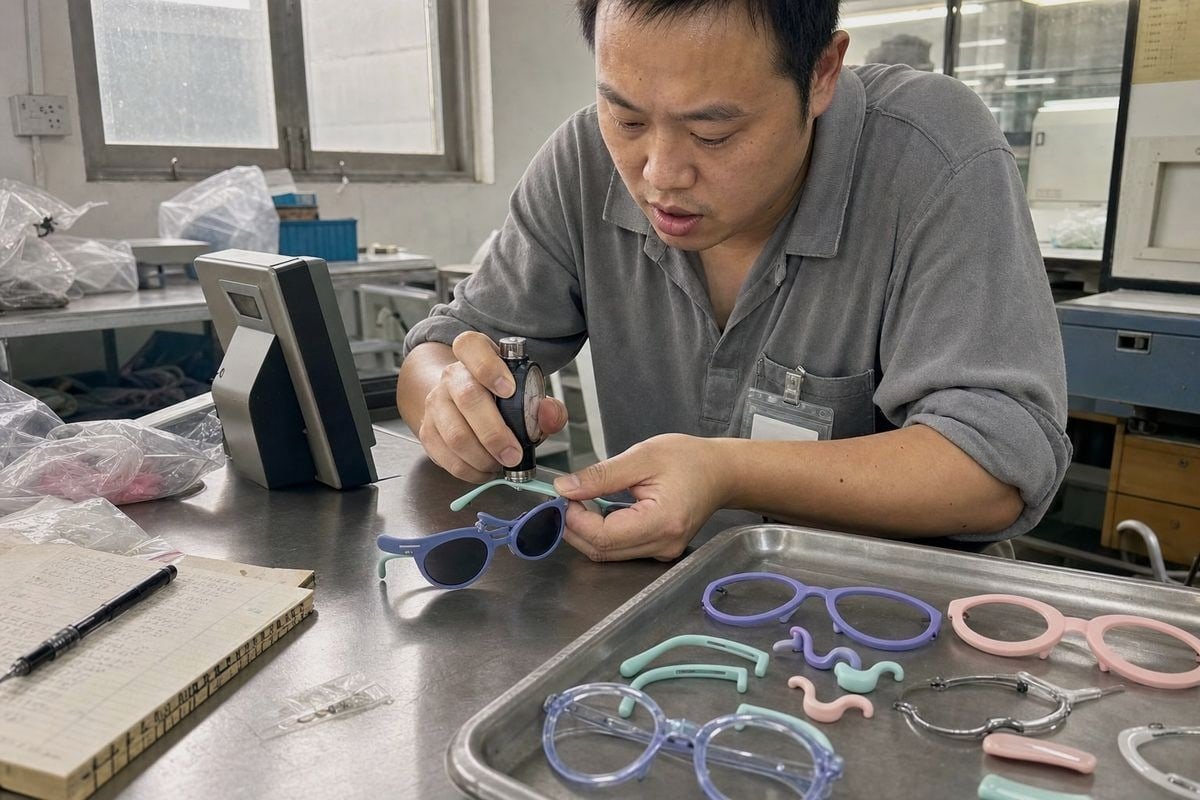
Phthalates testing for kids’ sunglasses confuses many buyers who visit our Taizhou factory. One failed lab report can block a whole shipment, freeze cash flow, and damage a young brand’s reputation overnight.
Kids’ sunglasses require phthalates testing because they are classified as children’s products under CPSIA, and their soft, accessible plasticized parts may contain restricted phthalates. Regulated components include nose pads, temple tips, flexible frame sections, straps, and soft-touch coatings — not the lenses or rigid parts by default.
The rule is not “all sunglasses need phthalates tests.” The law targets specific parts and specific chemicals. Let me break down exactly how this works, based on fifteen years of building children’s eyewear for export.
How Do I Know If My Kids' Sunglasses Supplier Meets Phthalates Compliance Standards?
A buyer from Australia once asked me for "the phthalate certificate" as if it were a single sticker. In our export experience, real compliance is a documented system, not one piece of paper.
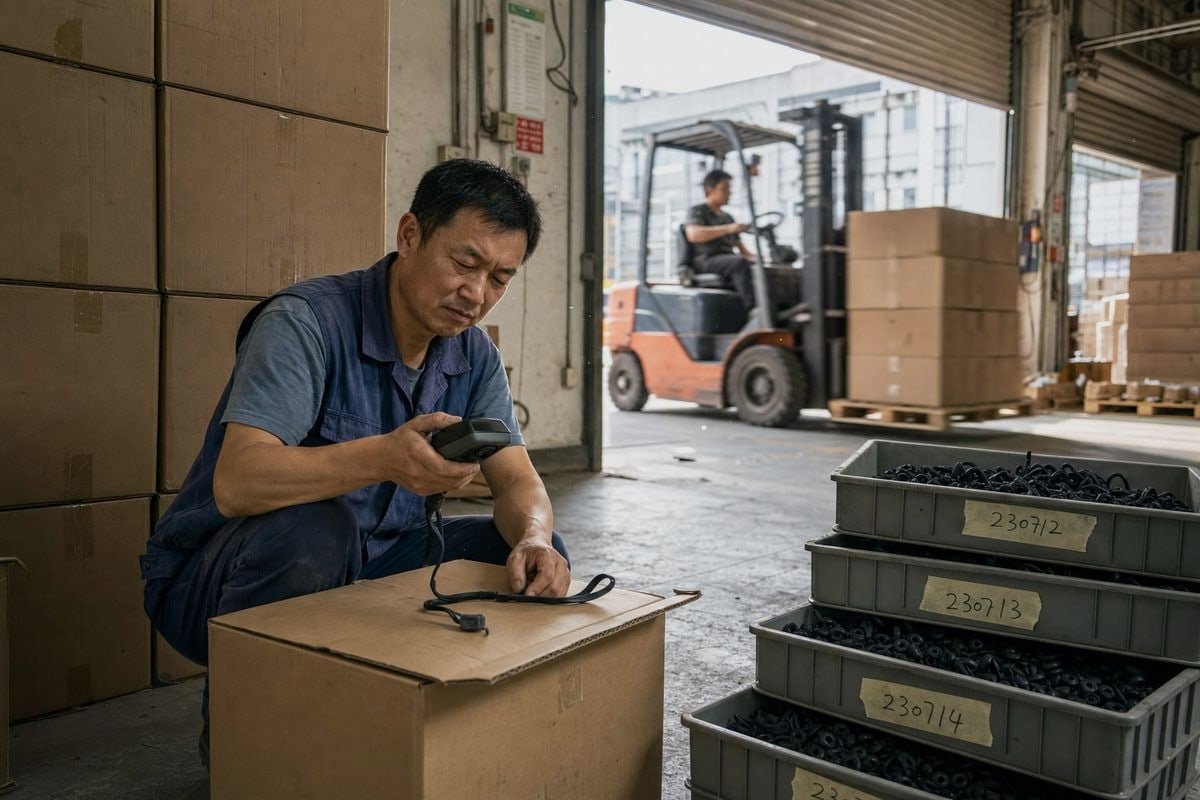
A compliant supplier provides recent third-party laboratory testing reports from a CPSC-accredited lab, issues a valid Children's Product Certificate for each shipment, discloses full material composition per component, and retests when materials, colors, or sub-suppliers change. Verify report dates, lab accreditation, and tested part lists.

When we onboard a new brand customer, we walk them through our compliance file before we talk price. That order matters. A cheap frame with no traceable test data is the most expensive frame you will ever buy.
The Documents You Should Ask For
Here is the checklist we recommend every importer use before placing a purchase order:
| Document | What It Proves | Red Flags |
|---|---|---|
| Third-party lab report | Actual phthalate levels per component | Report older than 1 year, wrong product photo, missing part list |
| Children's Product Certificate | Legal declaration of CPSIA compliance | Generic CPC not tied to your SKU or shipment |
| Bill of materials (BOM) | Which material is in which part | Vague terms like "plastic" with no resin name |
| Material declarations | Resin supplier confirms no restricted phthalates | No traceability to the actual resin batch |
| Change control record | Retesting after any material change | Supplier cannot explain when they last retested |
Questions That Separate Real Factories From Traders
Ask your supplier three things. First, which specific components were tested, and can they show the lab's component breakdown? Second, which of the eight restricted phthalates 1 were screened? Third, what happens when they switch a masterbatch or a temple-tip vendor? A factory that controls its own injection lines — like our 5S-managed workshop with around 120 workers — can answer in detail. A trader usually cannot.
We also encourage buyers to spot-check. Send one retail sample from a shipped batch to your own lab once or twice a year. It is cheap insurance, and good suppliers welcome it because it confirms their process discipline.
Which Components of Children's Sunglasses Are Most Likely to Contain Phthalates?
During a QC review last year, our engineers flagged a decorative rubber charm a client wanted glued to a frame. The base frame was clean TR90, but that tiny soft charm was the real chemical risk.
The highest-risk parts are soft, flexible, accessible plasticized components: nose pads, temple tips, rubberized grips, elastic straps or cords, PVC decorative charms, and soft-touch surface coatings. Rigid polycarbonate lenses and hard virgin-resin frames rarely contain phthalates, so testing focuses on the soft parts.
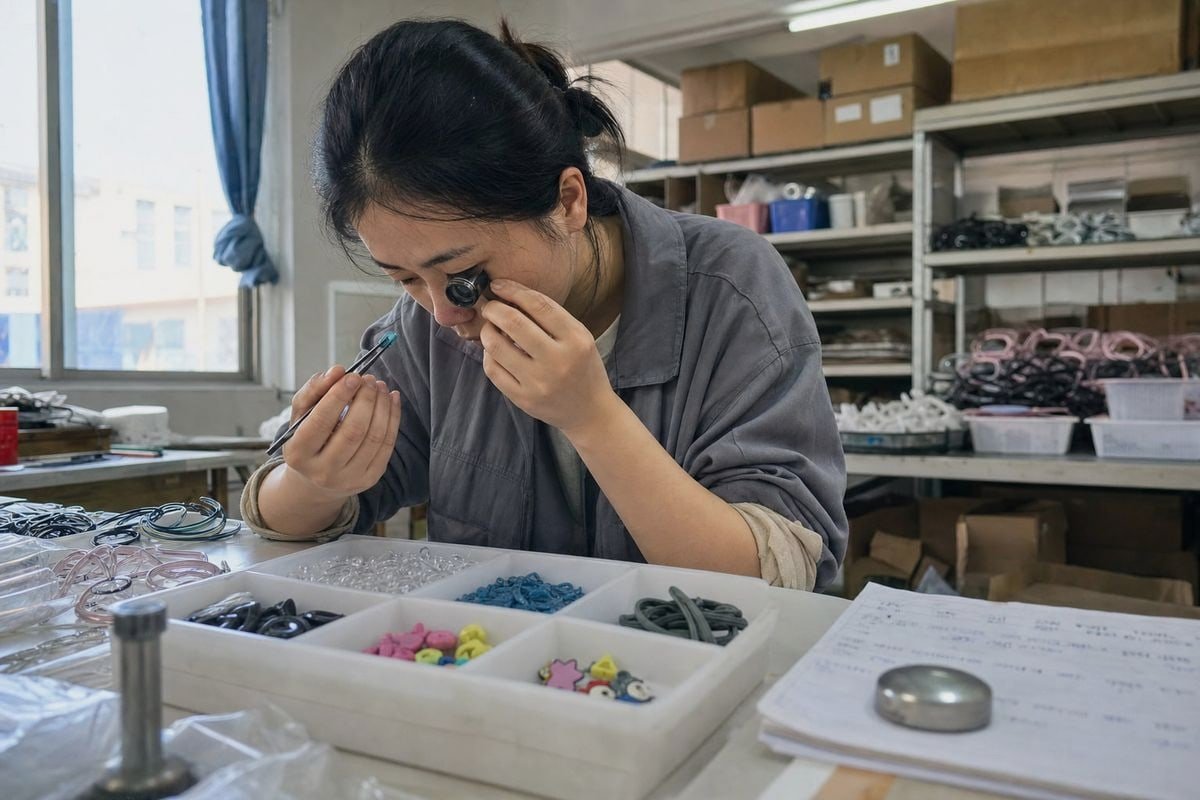
Phthalates are PVC plasticizers 2. Their job is to make hard plastic soft and bendy. So the risk map of a pair of kids' sunglasses follows one simple rule: the softer and more flexible the part, the higher the chance it contains a plasticizer. And because children mouth, chew, and sweat on their eyewear, regulators treat these accessible component parts as the priority.
Component Risk Map
| Component | Typical Material | Phthalate Risk | Why |
|---|---|---|---|
| Nose pads | Soft PVC, silicone, TPE | High (if PVC) | Softest part, touches skin, often mouthed |
| Temple tips / ear grips | Soft PVC, TPEE, rubber | High (if PVC) | Flexible by design, contacts sweat daily |
| Straps and cords | Coated textile, PVC tubing | High | PVC coatings frequently plasticized |
| Decorative charms / prints | PVC, plastisol inks | High | Plastisol inks are classic phthalate carriers |
| Soft-touch coatings | Rubberized paint | Medium | Some coatings use phthalates as carriers |
| Frame front | TR90, PC, acetate | Low | Rigid resins need no softeners |
| Lenses | Polycarbonate, CR-39 | Very low | Hard optical materials, no plasticizer |
Hidden Risks Buyers Miss
Two traps deserve special attention. First, recycled or "eco" plastics can carry legacy phthalates 3 from old, unregulated feedstock, so recycled-content frames need more frequent batch testing than virgin resin. Second, a phthalate-free base frame can still fail if a matte "soft-feel" coating is sprayed on top, because some coating formulas use phthalates to achieve that premium grip. On our production line, we control both the resin and the surface treatment for exactly this reason. Sweat matters too: a child's acidic perspiration can accelerate chemical migration from temple tips into skin, which is why we default to inherently soft materials instead of plasticized PVC.
What Regulations Should I Check When Importing Kids' Sunglasses to My Market?
Shipping to twenty-plus countries has taught our team one lesson the hard way: the same frame can be legal in one port and detained in the next. Chemical rules do not travel with the container.
For the US, check CPSIA phthalate limits, CPSC safety requirements, lead limits, and CPC documentation. For the EU, check REACH regulation restrictions on phthalates and the Toy Safety Directive if toy-like. Australia, Japan, and Canada each apply their own sunglasses standards plus chemical rules.
Here is a practical, market-by-market view we share with new importers before their first order:
| Market | Key Chemical Rule | Phthalate Limit | Key Documents |
|---|---|---|---|
| United States | CPSIA / 16 CFR Part 1307 | 0.1% for 8 phthalates in accessible plasticized parts | CPC, third-party lab reports, tracking labels |
| European Union | REACH regulation (Annex XVII) | 0.1% for DEHP 4, DBP, BBP, DIBP in most consumer articles | Test reports, technical file, DoC if toy-classified |
| Australia / NZ | AS/NZS 1067 sunglasses standard + consumer law | Follows toy rules if toy-like | Lens category test, chemical reports on request |
| Canada | Phthalates Regulations (SOR/2016-188) | 0.1% in soft vinyl of toys/child care articles | Test reports, supplier declarations |
| Japan | Food Sanitation Law analogies + ST toy standard if applicable | 0.1% in designated applications | ST mark testing if sold as toy |
The Eight Restricted Phthalates in the US
Current CPSC guidance 5 restricts DEHP, DBP, BBP, DINP, DIBP, DPENP, DHEXP, and DCHP at 0.1% (1,000 ppm) per accessible plasticized component. Older articles mention only six phthalates; that list is outdated. Make sure your lab quotes cover all eight.
Where ASTM F963 Fits
If your sunglasses are marketed as a toy — novelty shapes, play packaging, cartoon theming — ASTM F963 6 standards may apply on top of eyewear rules, adding mechanical and chemical migration limits similar to EN 71-3 in Europe. Positioning matters: "children's sunglasses with UV400 protection" and "dress-up toy glasses" trigger different compliance files. We always ask buyers how the product will be marketed before we quote testing, because that answer defines the entire regulatory scope.
How Can I Choose Safer Materials Like TPEE or TR90 to Avoid Phthalates Issues?
The trade-off we weigh in every new development project is simple: soft PVC is cheap and easy to mold, but it drags a chemical liability into every batch. That is why our factory standardized on TPEE and TR90 years ago.
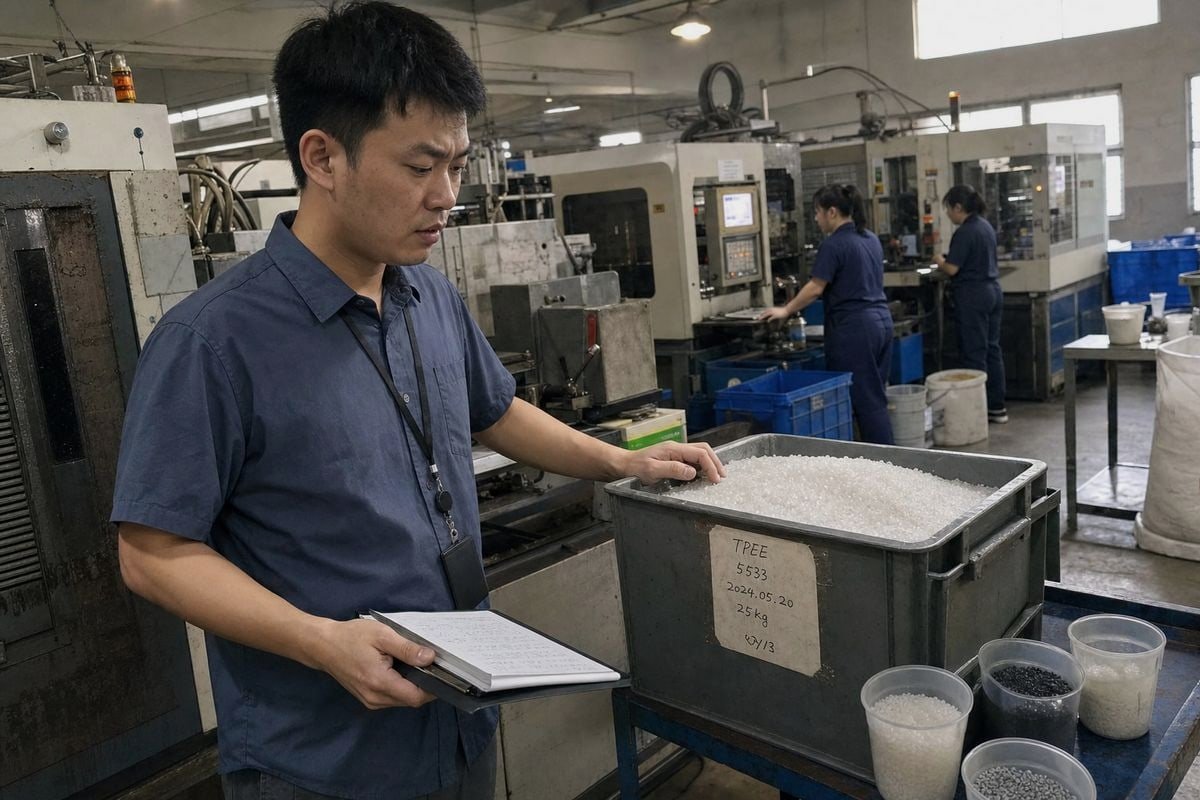
Choose TR90 (a rigid, memory-flexible nylon) for frame fronts and TPEE (an inherently soft thermoplastic elastomer) for temples and tips. Both achieve flexibility through polymer structure, not added PVC plasticizers, so they eliminate phthalate risk at the design stage instead of managing it through testing.
The smartest compliance strategy is not better testing. It is designing the risk out. When flexibility comes from the polymer chain itself, there is nothing to leach, no endocrine disruptors to worry about, and no batch-to-batch plasticizer variation to monitor.
Why TR90 and TPEE Work for Children's Eyewear
TR90 is a nylon-based memory material. It bends, twists, and springs back without breaking, which is exactly what an active six-year-old demands from a frame front. TPEE is a thermoplastic elastomer 7 that is soft and rubbery by nature. We pair them deliberately: TR90 frames with TPEE temples give a frame that survives being sat on, while the temples stay gentle on small ears. Neither material needs plasticizers, and both mold cleanly with consistent quality.
A Practical Material Decision Path
- Specify TR90 or polycarbonate for all rigid parts; never accept generic "plastic" on a BOM.
- Specify TPEE, silicone, or TPE for soft parts; explicitly ban plasticized PVC in your purchase contract.
- Question every coating. Ask whether soft-touch or matte finishes are phthalate-free, and get it in writing.
- Treat recycled content carefully. Require batch testing for legacy phthalates if you want an eco story.
- Still test the finished product. Colorants, inks, glues, and packaging inserts can introduce contamination even with clean base resins.
One more advantage matters for smaller brands. Because we maintain roughly 800 existing styles already built in these materials, a buyer can launch a phthalate-safe collection without investing in new molds — the material risk was engineered out before their project even started. We then layer on custom colors, logos, lens options, and retail-ready packaging so the compliance story and the brand story travel together.
Conclusion
Kids' sunglasses need phthalates testing because they are children's products with soft, accessible plasticized parts. Target those components, verify supplier documentation, and design with TR90 and TPEE from day one.
Footnotes
1. CPSIA statute defines the restricted phthalates and testing requirements for children’s products. ↩︎
2. Explains the chemical function of phthalates as plasticizers used in PVC products. ↩︎
3. ECHA details REACH restrictions on phthalates found in recycled plastics. ↩︎
4. Background on DEHP, one of the eight restricted phthalates in children’s products. ↩︎
5. EPA overview of regulated phthalates and their associated safety limits. ↩︎
6. Official ASTM standard covering toy safety requirements referenced for toy-like eyewear. ↩︎
7. Background on the TPEE material class used to avoid added phthalate plasticizers. ↩︎
More Articles You Might Like
Looking for a Reliable Kids Eyewear Partner?
Explore 800+ ready styles and full OEM/ODM support tailored to your brand.
Get in Touch English
  Español de México
  Deutsch
  Français
  日本語
日本語  العربية
  Português do Brasil