Why Does Color and Pattern Choice Affect Kids’ Glasses Compliance?
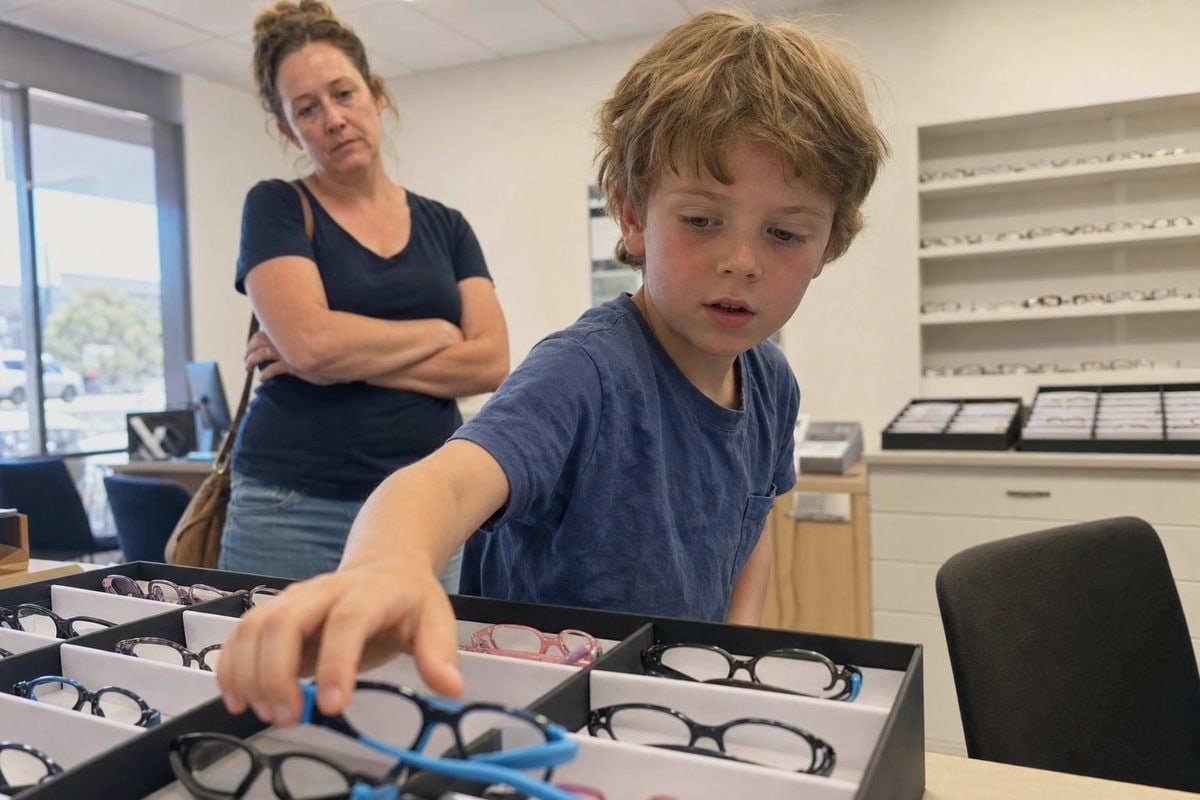
Color and pattern choice shapes kids’ glasses compliance more than most buyers expect. On our production line in Taizhou, I have watched identical frames succeed or fail purely on colorway. Parents complain, retailers face returns, and children with real prescriptions simply refuse to wear glasses they dislike. The fix starts with design psychology, not discounts.
Color and pattern choice affects kids’ glasses compliance because it creates ownership, emotional attachment, and peer social acceptance. Children who select frames in their favorite colors or patterns feel the glasses are theirs, not imposed, so they wear them consistently without constant parental prompting or resistance.
This matters for anyone building a kids’ eyewear collection. Below, I break down how design drives daily wear, fewer returns, current trends, and age-specific compliance factors.
How Do I Choose Colors and Patterns That Kids Actually Want to Wear Every Day?
A buyer from Australia once asked me why her navy-only collection stalled. Our sample room told the story: her frames looked serious, while kids reached for the two-tone and translucent options every time.
Choose colors and patterns by offering 2–5 parent-approved options per style, covering favorite primary colors for younger kids and subtler two-tone or translucent finishes for older ones. Let the child make the final pick, because self-selected frames feel rewarding rather than corrective.
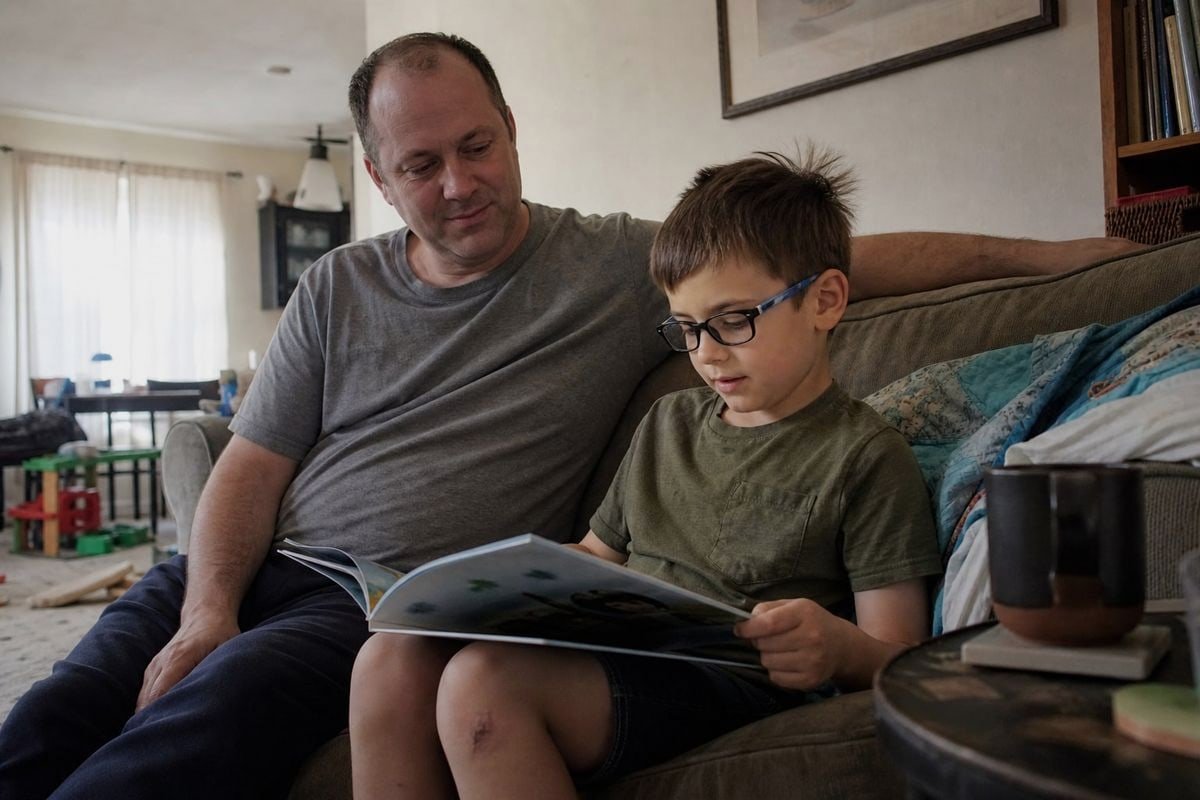
The research here is consistent. A systematic review found compliance was higher in studies where children had a choice of spectacles than in studies where parents bought the frames or children wore existing frames. A study of parent strategies with young children also reported that letting the child choose the style was one of the most common and effective compliance-support tactics. In other words, choice itself is the mechanism. Color and pattern are simply the levers children respond to most strongly.
Build a Choice Architecture, Not a Single "Correct" Frame
When we help brands plan pediatric frame selection 1, we push them away from one safe colorway per model. Instead, we recommend a small curated menu. Parents narrow the field on fit, durable eyewear materials, and prescription lens comfort. The child then picks the winner. That final decision is where ownership is born.
Match Color Strategy to the Child, Not the Parent
Color psychology helps here. Calming blues suit quieter temperaments. Energizing yellows and reds suit active kids. One point that surprised us in development: sensory-sensitive designs matter too. Matte textures and low-contrast patterns reduce "visual noise" for neurodivergent children who find high-gloss, busy frames overstimulating.
| Child Profile | Recommended Colors | Recommended Patterns |
|---|---|---|
| Toddlers and preschoolers | Bright primaries, favorite character colors | Playful embossed dots, swirls on temples |
| School-age children | Two-tone color blocking, translucent pastels | Subtle prints, inner-temple graphics |
| Tweens | "Adult-lite" tones, matte black, crystal | Minimal or hidden patterns |
| Sensory-sensitive children | Muted, low-saturation tones | Matte finishes, low-contrast texture |
Our two-tone TR90 frame with navy temples and sky-blue silicone tips follows exactly this logic. The black front reads "grown-up" to the child, while the soft color transition keeps it playful and comfortable.
Can the Right Design Reduce Returns and Complaints From Parents?
Fifteen years of export experience taught us a hard lesson: most "quality complaints" on kids' frames are actually compliance complaints. The frame did not break. The child refused it.
Yes. Frames a child genuinely likes get worn instead of returned. Since refusal to wear is a leading cause of kids' eyewear returns, offering appealing colors and patterns alongside proper fit directly lowers return rates, negative reviews, and repeated parent complaints for retailers and brands.
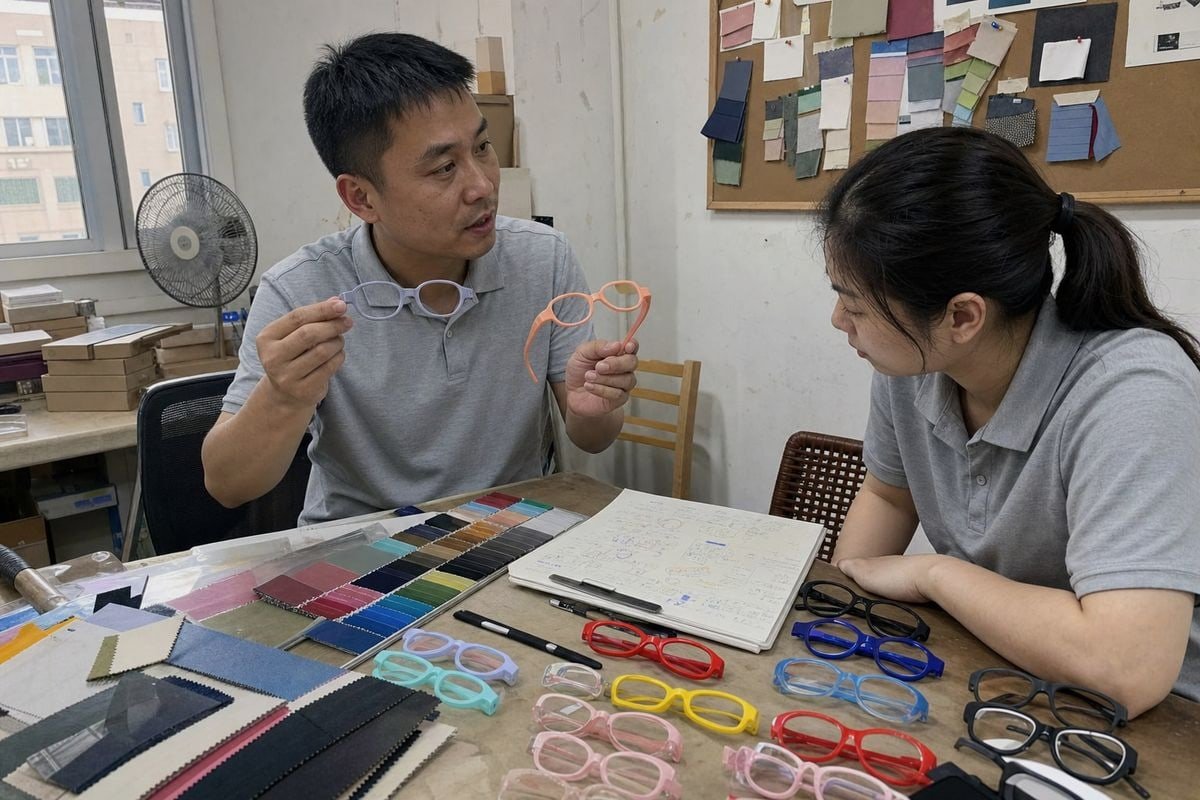
Let me unpack the complaint chain we see across our 20+ export markets. A parent buys a frame chosen for price or durability alone. The child resists at pickup time. Wear time drops. The parent blames the product, contacts the retailer, and requests a refund or exchange. Multiply that across a season, and a brand's margin disappears into reverse logistics.
School-based studies back this up. Children in one program widely disliked the uniformly supplied frames, and researchers explicitly recommended giving children frame choices. Cosmetic appearance was a deciding factor, not an afterthought. A consensus statement on children's frames put it plainly: aesthetics cannot be ignored, and compliance in younger children depends more on fit and peer perceptions than on vision improvement alone.
Design Is Only Half the Return Equation
I need to be honest here, because buyers sometimes over-correct toward style. Design alone is not enough. Poor fit, breakage, discomfort, or a child's belief that the glasses are unnecessary can outweigh even a beloved pattern. In some studies, the strongest compliance predictor was baseline visual acuity 2, not frame style at all. So a return-reduction strategy needs both halves:
- Engineering that prevents functional complaints. Flexible hinge technology, adjustable silicone nose pads, TPEE temples that bend without snapping, and polycarbonate safety lenses that survive playground impacts.
- Design that prevents refusal complaints. Colors and patterns the child chose, in age-appropriate finishes.
- Retail guidance that supports both. Encourage your retail partners to let the child try and choose, then reinforce wear with praise and routine, not pressure.
When our clients pair flexible-material construction with a child-driven color menu, the complaint conversations shift from "my kid won't wear these" to reorder discussions.
What Color and Pattern Trends Should I Offer for My Kids' Eyewear Collection?
Sampling season is where I see trends collide with reality. Buyers arrive asking for viral colorways; they leave with a balanced assortment after we walk through what actually sells through, not just what photographs well.
Offer translucent pastels and candy tones, two-tone color blocking, biophilic earth palettes, matte sensory-friendly finishes, and digital-inspired "avatar-aligned" colors. Balance trend-led styles with proven core colors, and use existing-mold options to test new palettes without heavy tooling investment.
Trends in children's eyewear now split into several distinct directions, and a smart collection covers more than one. Here is how we currently advise brands planning custom frame designs with us:
| Trend | What It Looks Like | Why It Drives Compliance | Best Age Fit |
|---|---|---|---|
| Translucent pastels | Semi-transparent pink, crystal blue acetate looks | Candy-like, feels like a fashion accessory | 4–10 |
| Two-tone color blocking | Black front with navy-to-sky-blue temples | Reads playful and modern at once | 5–12 |
| Avatar-alignment | Colors mirroring gaming skins and digital identities | Bridges physical and virtual personas | 8–14 |
| Biophilic palettes | Earth tones, organic patterns | Grounding, counters technostress from screens | 6–14 |
| Sensory-friendly matte | Low-contrast, muted, matte textures | Reduces overstimulation for neurodivergent kids | All ages |
| Co-creation details | Personalized temple patterns, mix-and-match tips | Creative investment increases wear time | 6–12 |
How to Test Trends Without Betting the Season
New palettes carry risk, and mold investment amplifies it. This is exactly why we maintain around 800 existing styles: a brand can trial a biophilic earth-tone range or a translucent pastel line on proven tooling, gauge sell-through, and only then invest in fully custom frame designs. Our OEM/ODM team applies custom colors, logos, temple patterns, and packaging to existing molds, so a trend test becomes a low-risk color run rather than a new-product gamble.
One more practical note. The co-creation trend, pushed forward by on-demand 3D printing, shows that children who help design their own frame pattern wear glasses longer due to creative investment. You do not need 3D printing to capture that effect. Interchangeable temple colors and small personalization touches deliver much of the same ownership feeling at production scale.
Why Do Some Frame Designs Improve Wear Compliance for Younger Children?
Early in one development project, we swapped rigid temple tips for soft sky-blue silicone with embossed dot-and-swirl texture. The change looked cosmetic. Preschool testers told us otherwise: the glasses stopped coming off during play.
Younger children keep glasses on when frames feel physically comfortable and emotionally familiar. Soft flexible materials, curved ear hooks, favorite colors, and character-inspired patterns create positive associations, while poor fit or dull designs trigger removal. Comfort and appeal must work together for toddlers and preschoolers.
Developmental stage changes everything in pediatric ophthalmology 3 and dispensing. Younger children respond to immediate sensation and preference. They cannot reason their way through "these glasses help my myopia control 4 plan." If the frame pinches, they pull it off. If the color delights them, they keep it on. Research on parent strategies confirms that compliance-support tactics vary by age, and expert consensus states that support should be tailored to the child's developmental stage.
The Comfort–Color Feedback Loop
Here is the mechanism as we understand it from years of fitting samples on real children. A comfortable frame removes the physical reason to remove glasses. An appealing color removes the emotional reason. Together, they let habit formation take over. Caregivers praise the look, peers react positively, and wear becomes routine. This matters enormously for children in vision therapy or amblyopia treatment, where every hour of wear counts.
| Design Element | Compliance Function |
|---|---|
| TPEE temples with flexible hinge technology | Survives twisting; no pinch points behind ears |
| Curved silicone ear hooks with embossed grip texture | Stays put during running and play |
| Adjustable silicone nose pads | Prevents sliding, a top removal trigger |
| Lightweight TR90 front | Reduces pressure fatigue on small nose bridges |
| Favorite-color and pattern accents | Builds positive emotional association with wearing |
| Polycarbonate safety lenses | Reassures parents; enables active, worry-free wear |
Why We Never Separate Safety From Style
Our workshop runs on one principle: a child's frame must be safe to fail. Kids sit on glasses, sleep in them, and bend them backward. Environmentally friendly TPEE and TR90 flex instead of snapping into sharp edges. That safety story wins the parent. The color story wins the child. Frame designs that improve compliance always win both, and childhood self-esteem grows when a child feels good in glasses rather than marked by them.
Conclusion
Color and pattern choice turns kids' glasses compliance from a daily battle into a habit. Give children real choices, engineer real comfort, and returns fall while wear time rises.
Building a kids' eyewear collection means solving refusal before it reaches the parent's inbox. If your brand wants appealing, safe, flexible frames — with colors children choose and quality parents trust — our team at OKAY EYEWEAR is ready to help you develop them, from existing styles to fully custom programs. Reach out to Alan Kong at sales@okayeyewear.com.
Footnotes
1. Expert advice from the AAO on selecting appropriate frames for pediatric patients. ↩︎
2. Authoritative NIH resource explaining visual acuity factors in pediatric eye conditions like amblyopia. ↩︎
3. Comprehensive overview of the medical subspecialty focusing on children’s vision care and ocular health. ↩︎
4. Professional clinical guidance from the AAO regarding myopia management and treatment strategies for children. ↩︎
More Articles You Might Like

August 5, 2026
Bio-Based vs Regular Cellulose Acetate: What's the Difference for Kids' Frames?

August 5, 2026
How Recyclable Are Kids' Optical Frame Materials, and What Eco-Friendly Alternatives Exist?
August 5, 2026
Do Kids Optical Frames Whiten or Age in Storage, and How to Control Warehouse Conditions?
Looking for a Reliable Kids Eyewear Partner?
Explore 800+ ready styles and full OEM/ODM support tailored to your brand.
Get in Touch English
  Español de México
  Deutsch
  Français
  日本語
日本語  العربية
  Português do Brasil