What Percentage of Kids Sunglasses Inventory Should Cover Breakage Replacement Claims?
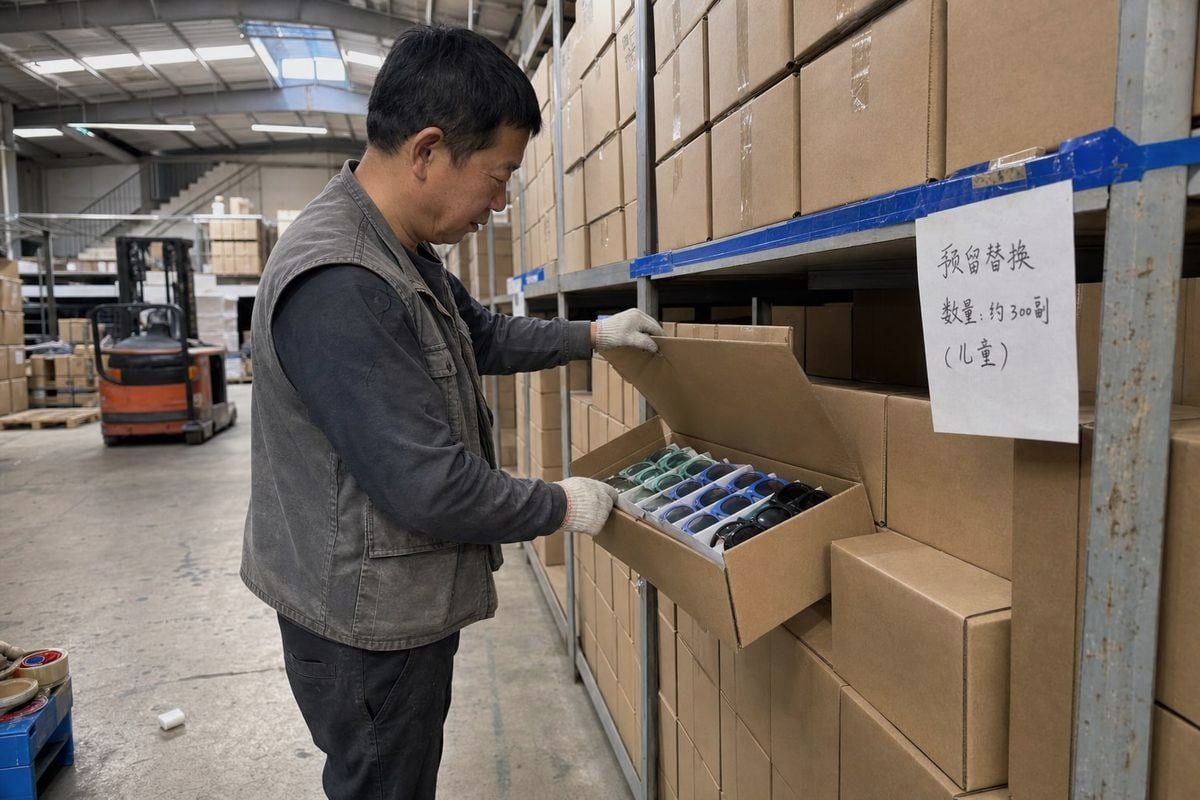
Sizing kids sunglasses inventory for breakage replacement claims is the question I hear most from new buyers at our Taizhou factory. Guess wrong, and margins vanish fast.
Most kids sunglasses businesses should reserve 5%–20% of inventory or revenue for breakage replacement claims. Start near 10% for flexible TR90/TPEE frames with a one-time replacement policy, then adjust using your actual claim data, warranty terms, and average replacement cost per unit.
That range is wide on purpose. The right number depends on your materials, your warranty promise, and your customers. Below, I break down how to calculate it, what to expect from flexible frames, how to reduce claims at the factory stage, and what to negotiate with your supplier.
How do I calculate a reasonable breakage replacement rate for kids sunglasses before placing my first order?
Last spring, a first-time buyer from Australia asked me to add "a few extra pairs" to her order for replacements. When I asked how many claims she expected, she had no model at all. We built one together in an afternoon.
Calculate your reserve with this formula: expected claim rate × average replacement cost × service overhead × safety buffer. For a first order of kids sunglasses, assume a 10%–20% claim rate, multiply by landed cost plus shipping and handling, then add a 1.2–1.5 safety buffer.
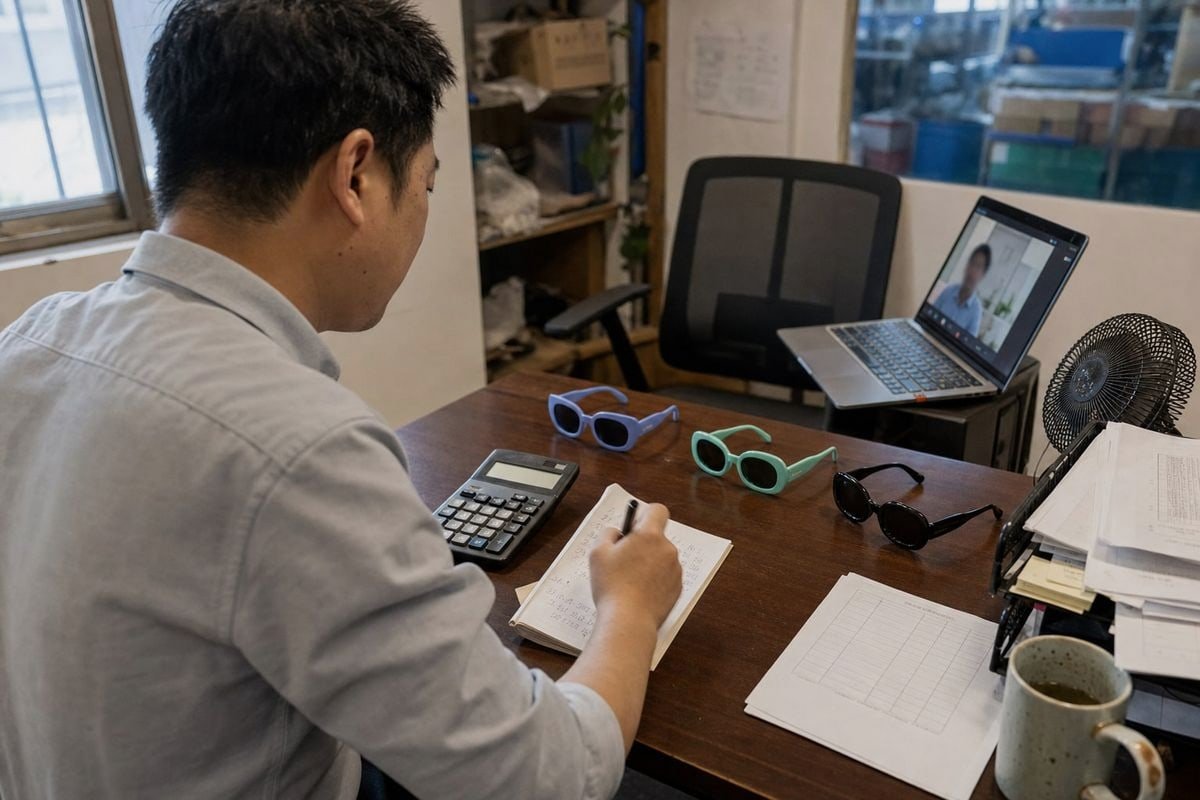
Before your first order, you have no claim history. So you must borrow benchmarks and define your terms carefully. In my experience helping brands in 20+ countries launch children's eyewear lines, confusion between three different metrics causes most planning mistakes.
Separate the three metrics first
People mix up breakage rate, replacement rate, and reserve rate. They are not the same thing.
| Metric | What it measures | Typical planning range for kids sunglasses |
|---|---|---|
| Breakage rate | Share of sold units that actually break in use | 10%–25% annually for children under 10 |
| Replacement rate | Share of sold units that generate a claim you honor | 5%–15% (many breaks are never claimed) |
| Reserve rate | Share of inventory or revenue you hold to fund claims | 5%–20% depending on warranty terms |
Industry data supports both ends of the spectrum. One eyewear warranty analysis found only 2% of patients ever used replacement parts. But children's eyewear benchmarks suggest 20%–25% of kids' frames experience breakage or loss annually. Kids aged 6–10 generate the highest claim rates because of school and sports activity. So kids sunglasses sit far above the adult 2% figure, but well below the raw breakage number, because not every broken pair becomes a claim.
Run the formula with real numbers
Say you order 5,000 units at a $2.50 landed cost 1. You assume a 12% claim rate. Replacement fulfillment costs roughly $2.50 for the unit plus $4.00 in shipping and handling. That gives 5,000 × 0.12 × $6.50 = $3,900. Multiply by a 1.3 safety buffer and you get about $5,070 — roughly 405 extra units' worth of exposure, or around 8% of order value.
Also decide whether you hold physical safety stock levels or a cash reserve. Physical reserves prevent stockouts. Cash reserves stay flexible. Most of our small-brand clients hold both: about 5% extra units shipped with the main order, plus a small cash accrual per unit sold as a shrinkage and damage allowance.
What breakage percentage should I expect from flexible TR90 and TPEE frames compared to rigid materials?
The trade-off I weigh every week on our production line is flexibility versus stiffness. Rigid acetate looks premium, but when a child sits on it, it snaps. TPEE bends and comes back. That single material decision changes your entire claim model.
Expect flexible TR90 and TPEE frames to generate roughly 3%–8% annual breakage claims, compared to 15%–25% for rigid acetate or low-grade PC frames. High-durability flexible frame materials can cut replacement claim rates by up to 15 percentage points versus standard plastics.
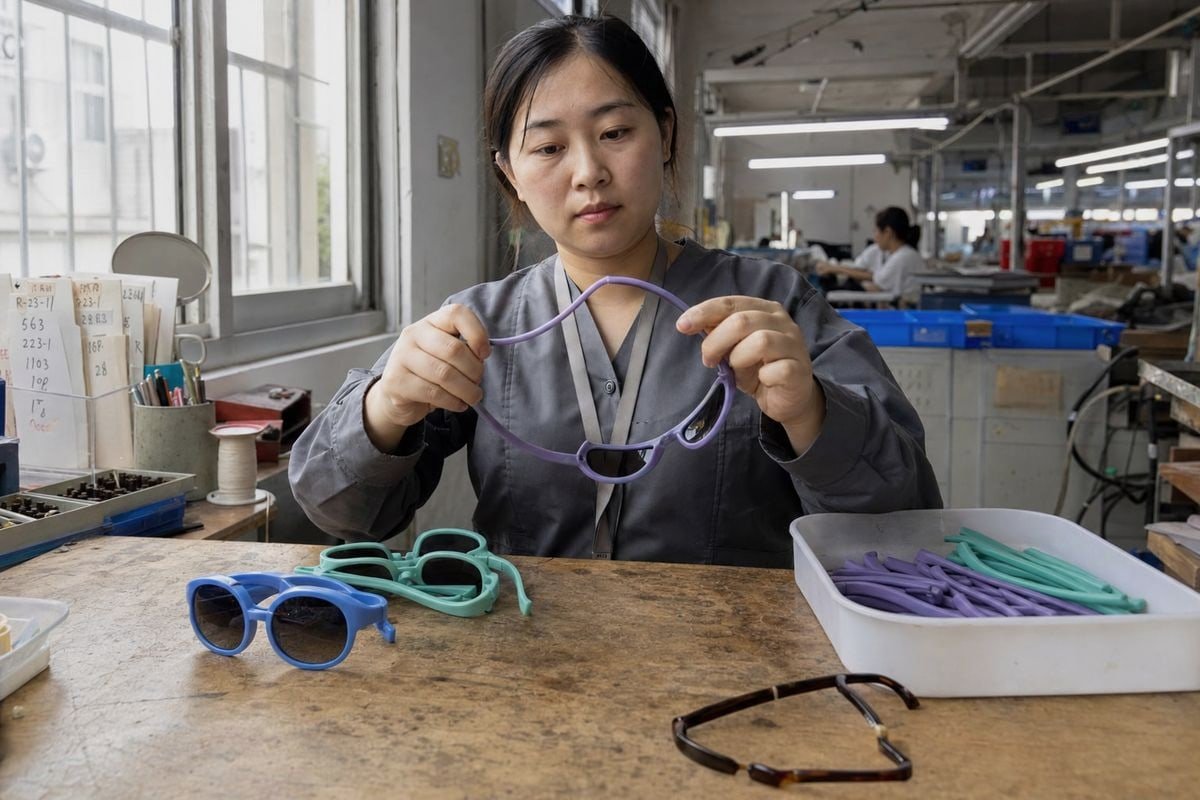
We have spent 15 years working almost exclusively with flexible frame materials for children, and the durability gap between material classes is not subtle. It is the single biggest lever in your reserve calculation.
How materials compare on breakage exposure
| Material | Flexibility | Typical annual kids breakage claims | Suggested reserve rate |
|---|---|---|---|
| TPEE (full frame) | Extremely high — twists 360° and recovers | 3%–5% | 5%–8% |
| TR90 frame + TPEE temples | High — memory material, flexible hinge zones | 4%–8% | 6%–10% |
| Full TR90 | High — lightweight memory polymer | 5%–10% | 8%–12% |
| Standard PC / injection plastic | Low | 12%–20% | 12%–18% |
| Acetate (rigid) | Very low — brittle under twist | 15%–25% | 15%–20% |
TPEE frame construction is what we recommend for the youngest wearers — toddlers and babies. The material is soft, environmentally friendly, and nearly impossible for a small child to snap. Our TR90-frame-plus-TPEE-temple designs suit older kids who want sportier styles, like the wraparound shield sunglasses we make with mirrored gradient lenses. The temples flex where kids grab them; the frame front holds the lens securely.
Where flexible frames still fail
Be honest in your modeling. Flexible frames shift the failure point rather than eliminating it. Common claims we see on TR90/TPEE product lines:
- Lens pop-out from repeated twisting — usually preventable with proper groove depth.
- Lens scratching — a coating question, not a frame question.
- Hinge screw loosening — solved by quality hardware and thread-lock at assembly.
- Loss — no material solves this, and loss and damage coverage terms decide whether you pay for it.
That last point matters. If your warranty covers only manufacturing defects, your manufacturing defect rate 2 — typically under 1% from a well-run factory with proper QC — is your real exposure. If you promise coverage for any breakage, you own the full behavioral breakage rate. Price your reserve to the promise, not just the material.
How can I reduce breakage claims through better material and construction choices at the manufacturing stage?
A distributor in Japan once sent back a competitor's sample with three failure points circled in red marker: sharp hinge edges, a shallow lens groove, and brittle temple tips. Our engineers rebuilt the spec, and his claim rate dropped visibly in the next season. Prevention starts on the drawing board, not at customer service.
Reduce breakage claims by specifying flexible TR90 or TPEE construction, deep-groove lens retention, spring or screwless hinges, impact-resistant polycarbonate UV400 lenses, and drop-testing at QC. Together, these manufacturing choices can cut claim rates by half compared with generic low-cost kids sunglasses.
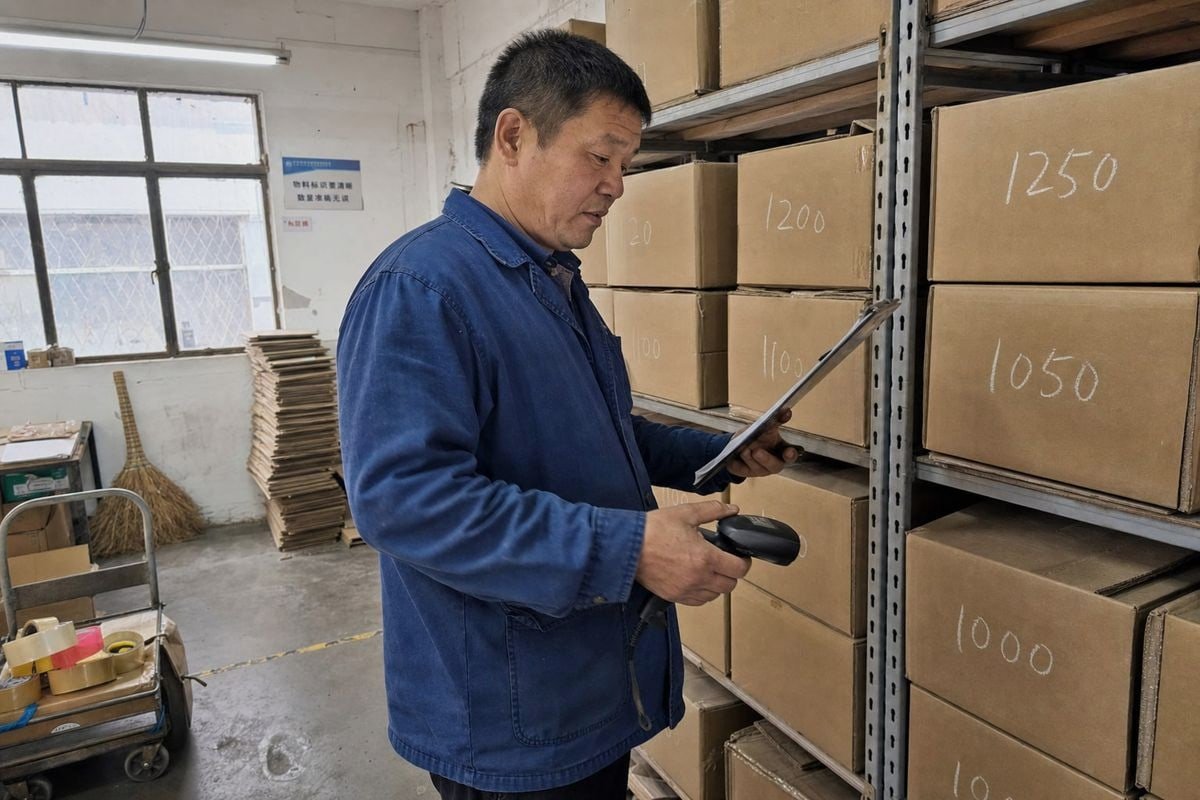
At our 5S-managed workshop in Taizhou, we treat every claim category as a design input. Here is the prevention checklist we walk through with brand buyers during development, whether they pick from our ~800 existing styles or develop a custom OEM design.
Design choices that lower your claim rate
- Frame material. Specify TR90 or TPEE, not generic recycled plastic blends. Ask your factory to demonstrate a full temple twist on a sample.
- Lens retention. A deep bezel groove keeps lenses seated even when the frame flexes. Shallow grooves are the number-one cause of lens pop-out claims on flexible frames.
- Lens material. Polycarbonate lenses meet impact resistance standards 3 far better than acrylic. For kids, this is a safety issue first and a claims issue second.
- Hinges. Screwless or reinforced hinge designs eliminate the loosening-screw claim entirely. Where screws are used, thread-lock at assembly.
- Coatings. Hard coating on lenses cuts scratch claims. Scratches drive more warranty fulfillment volume than fractures on flexible frames.
- Fit. Correct sizing for the target age band reduces stress on temples. Frames forced onto too-large heads flex constantly at the hinge. Fit-first sizing guidance at the point of sale has been shown to reduce breakage claims by around 12%.
QC steps that catch problems before shipment
We run drop tests 4, temple flex cycling, and pull tests on lens retention during production, not just on the golden sample. A consistent pre-shipment inspection protocol keeps the manufacturing defect rate low and separates true defects from field damage. That distinction protects both sides later, because your product durability warranty should cover defects unconditionally while treating abuse-driven damage under separate terms. Modular thinking helps too: where a style allows replaceable temples, you can fulfill some claims with a small part instead of a full unit, reducing total replacement stock requirements substantially.
What replacement or warranty policy should I set with my supplier to protect my margins on kids sunglasses?
One lesson I learned early in exporting: the warranty conversation should happen before the purchase order is signed, not after the first claim email arrives. Buyers who negotiate defect terms, spare-parts kits, and claim documentation upfront almost never end up in disputes with us.
Negotiate a supplier agreement covering: free replacement for manufacturing defects (typically 1%–3% allowance), a 2%–5% free spare-parts or overage shipment per order, photo-based RMA documentation instead of physical returns, and clear separation between defect coverage and customer-abuse breakage, which remains your commercial responsibility.
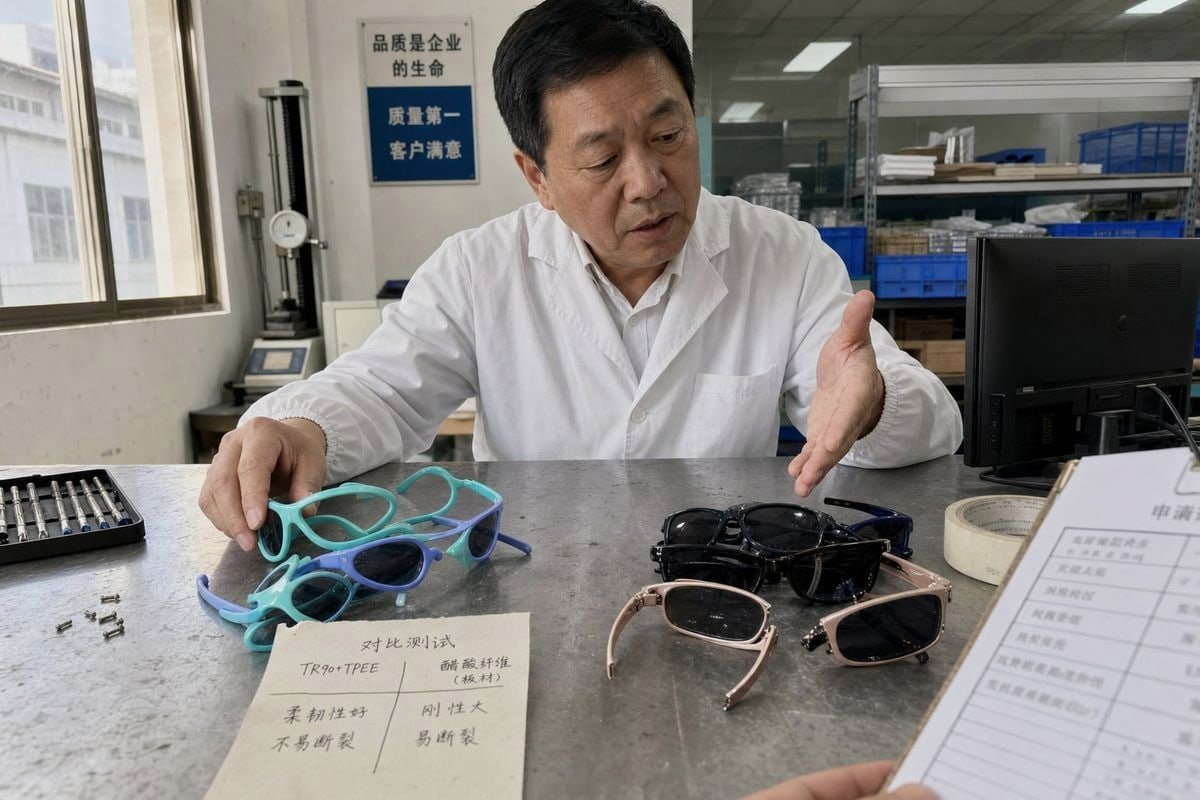
Your margin protection has two layers: what your supplier owes you, and what you promise your end customers. Keep them separate in your contracts and in your reserve math.
Layer one: your supplier agreement
A fair factory agreement for kids sunglasses usually includes a defect allowance, an overage shipment 5, and a simple claims process. Physical returns across borders rarely make sense for low-unit-cost eyewear. We settle nearly all defect claims through a photo-based Return Merchandise Authorization 6 (RMA) process: the buyer documents the defect, we verify it against production records, and we credit or replace on the next shipment. Ask your supplier to ship 2%–5% extra units free or at cost with each order. This becomes your supply chain buffer and covers both transit damage and early defect claims without an emergency reorder.
Layer two: your consumer-facing policy
Your consumer warranty shapes your reserve rate more than any other factor. The market offers clear models to copy:
| Policy model | Reserve pressure | Best for |
|---|---|---|
| One-time free replacement | Moderate — caps exposure per customer | Most small kids' brands; the most common retail choice |
| Two replacements within two years | Moderate-high | Premium-priced kids lines with strong margins |
| Copay replacement ($10–$25 fee) | Low — customer funds part of each claim | Volume sellers; predictable warranty fulfillment rate |
| Unlimited / no-questions-asked | High — model per-policy, not flat | Loyalty-driven brands with pricing headroom |
Some buyers push back: claims are rare, so why formalize any of this? That view leans on adult eyewear data, and it underestimates children's usage. Others argue for maximum generosity, since no-questions-asked policies drive customer lifetime value 7. Both can work — but only if the reserve matches the promise. A generous policy on a durable TPEE frame is affordable. The same policy on brittle budget frames is a margin trap. Add registration requirements and a one-claim-per-purchase limit to control moral hazard 8, and review your reserve quarterly against actual claim data. Dynamic reserves beat flat percentages once you have two or three seasons of history.
Conclusion
Reserve 5%–20% for kids sunglasses breakage claims: lower with flexible TPEE/TR90 frames and capped policies, higher with generous promises. Model claims early, choose durable construction, and negotiate supplier terms upfront.
Footnotes
1. Alibaba.com is a primary B2B sourcing platform where buyers calculate landed cost for import orders. ↩︎
2. Authoritative Wikipedia entry explaining AQL, the industry standard for measuring and managing manufacturing defect rates. ↩︎
3. Official FDA guidance detailing impact resistance requirements and testing standards for sunglasses and eyewear lenses. ↩︎
More Articles You Might Like

August 1, 2026
Should Factory Handle Kids Sunglasses Packaging & Labeling, or Use a Designated Supplier?

August 1, 2026
Own Warehouse vs Supplier Direct Fulfillment: Which Cuts Return Costs for Kids Sunglasses Brands?

August 1, 2026
Direct-to-Port Warehouse or Overseas Staging: Which Saves More on Kids Sunglasses Shipping?
Looking for a Reliable Kids Eyewear Partner?
Explore 800+ ready styles and full OEM/ODM support tailored to your brand.
Get in Touch English
  Español de México
  Deutsch
  Français
  日本語
日本語  العربية
  Português do Brasil