Licensed vs Private-Label Kids Optical Frames: MOQ, Inventory & Renewal Risk?
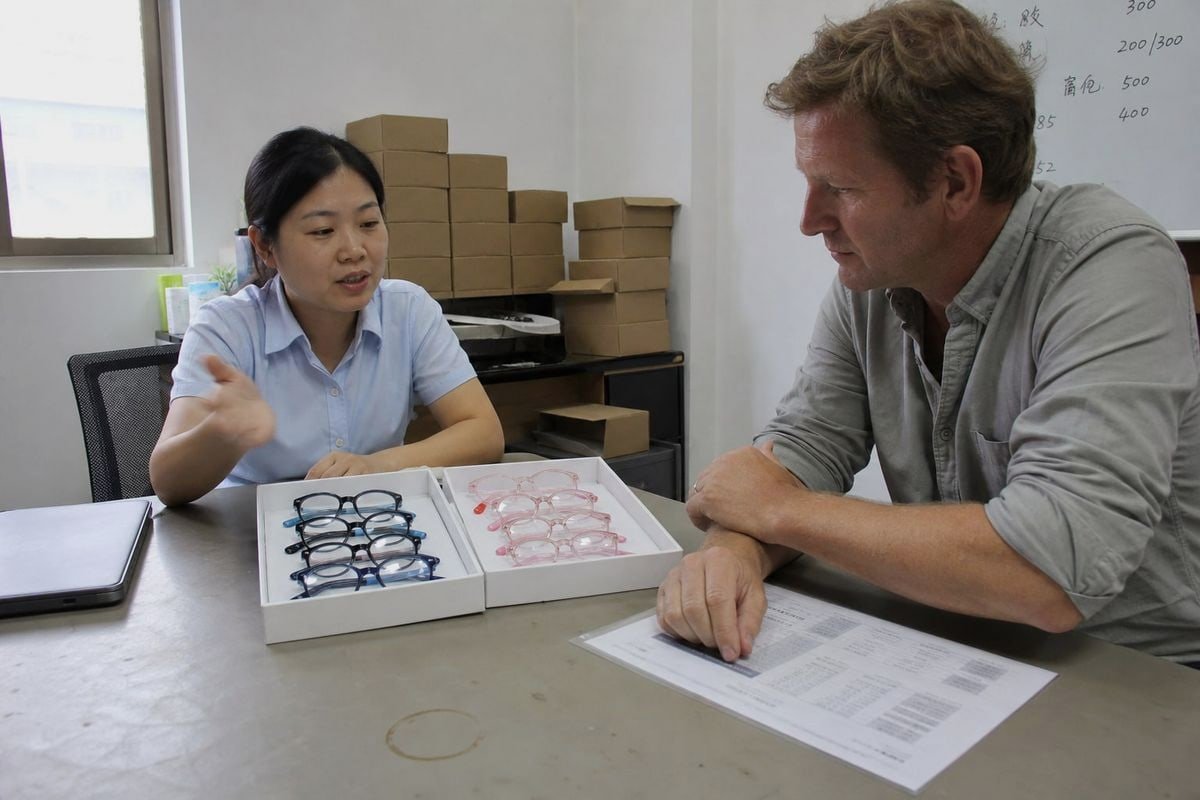
Choosing between licensed vs private-label kids optical frames looks simple on paper. Then the purchase order arrives, and our production team sees buyers freeze at the numbers.
Private-label kids optical frames typically start at 1–100 pieces per style, while licensed character frames demand higher program commitments, custom packaging minimums, and time-limited licensing agreements. Private label is structurally safer for most buyers; licensing suits those with proven sell-through and strong demand forecasting.
That short answer hides a lot of detail. Below, I break down the real MOQ tiers, the inventory traps unique to children’s eyewear, and how contract risk actually plays out.
How do MOQ requirements differ between licensed and private-label kids optical frames?
Last year, a buyer from Australia asked us to quote two paths side by side: a licensed character capsule and a private-label line built on our existing molds. The MOQ gap surprised even me.
Private-label kids optical frames start as low as 1–5 pieces on ready-stock programs, 50–100 pieces with logo printing, and 300–500 pieces for custom OEM. Licensed frames usually require broader program commitments, licensor-approved packaging minimums of 500–1,000 units, and larger multi-style buys.
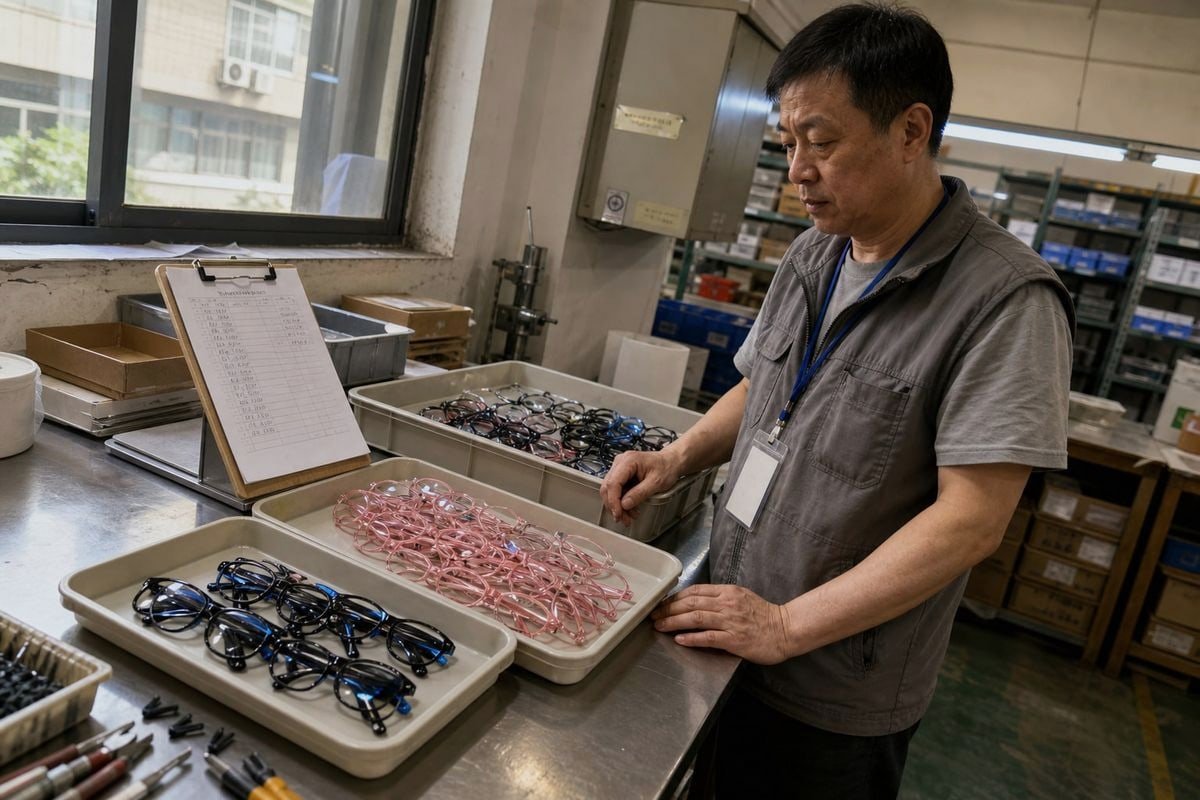
The key point is that "private label" is not one single model. It spans several very different commitment levels. Here is how the tiers usually break down in eyewear manufacturing 1:
| Sourcing Model | Typical MOQ per Style | O que você recebe |
|---|---|---|
| Ready-stock, no branding | 1–5 pieces | Existing designs, immediate shipment |
| Stock frames + logo printing | 50–100 pieces | Your brand identity on proven styles |
| ODM / new colorway on existing mold | 100–300 pieces | Semi-custom look without mold cost |
| Full custom OEM kids frames | 300–500 pieces | Unique design, your specifications |
| Complex fully custom runs | 600–1,200+ pieces | New molds, special materials, tooling |
| Licensed character program | Program-dependent, usually high | Brand recognition plus contract terms |
Why licensed MOQs run higher
Licensed programs rarely quote a clean per-style number. The licensor often requires a minimum guaranteed royalty 2, approved artwork, and licensed packaging. Custom-printed packaging alone commonly carries a separate minimum of 500–1,000 pieces, independent of the frame MOQ. So even a modest licensed order balloons once you add cases, cloths, and display materials tied to the character.
The per-colorway trap
Watch how the MOQ is quoted. Most factories, ours included, set minimums per style and per colorway, not per total order. A "300-piece MOQ" on a style offered in three colors and two size tiers can quietly become a 1,800-piece commitment. In the children's eyewear market, where you need multiple age bands, that multiplication effect matters far more than the headline number. With around 800 existing styles in our catalog, we usually steer new brands toward stock-based programs first, precisely so they avoid this fragmentation before demand is proven.
What inventory risks should I plan for when choosing licensed character frames?
There is a trade-off we walk buyers through constantly: character appeal drives shelf pull, but it also puts an expiration date on your stock. Our quality control team can guarantee the frame lasts; nobody can guarantee the character stays popular.
Licensed character frames carry three stacked inventory risks: SKU fragmentation across ages, sizes, and colors; custom packaging locked to the license; and time-decay, where unsold stock loses appeal or legal sellability once the character fades or the license term ends.
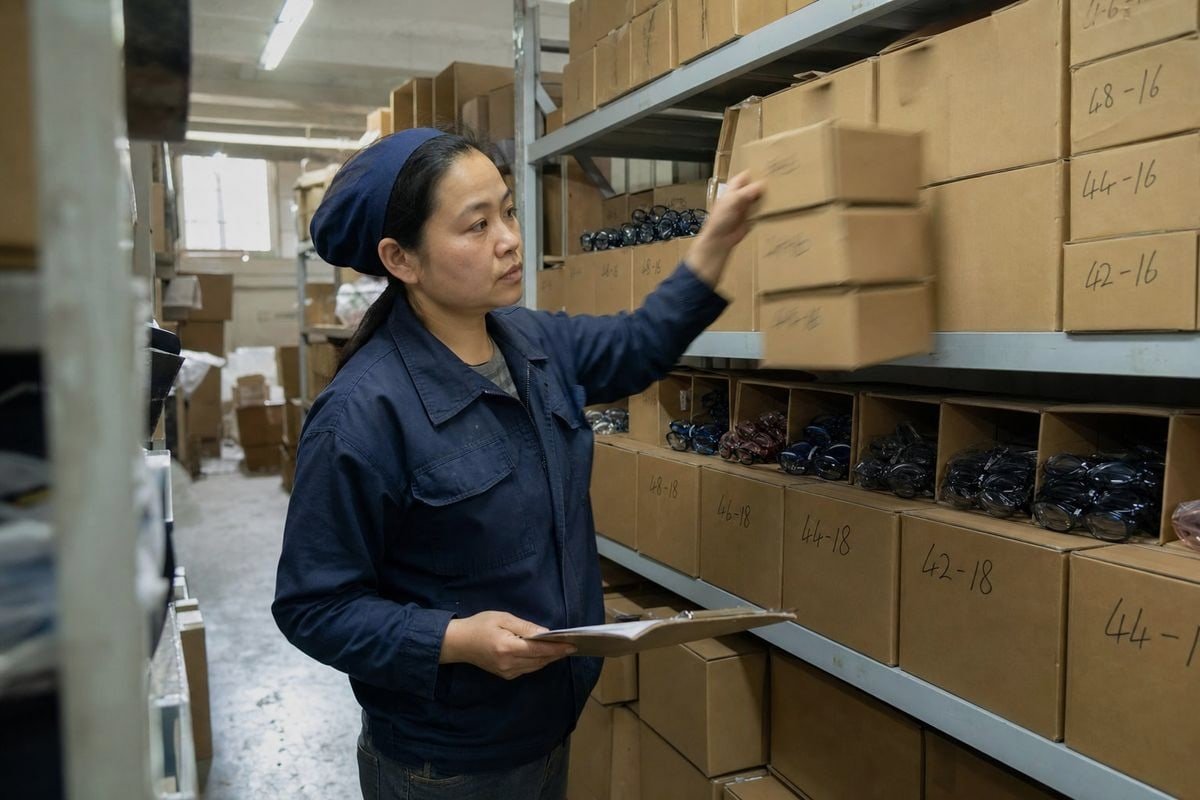
Children's optical frames are harder to plan than adult frames. Demand splits across multiple age bands, face sizes, colors, and safety preferences. A single collection fragments fast. Add a license on top, and each fragmented SKU now also carries a clock.
The three layers of licensed inventory risk
| Camada de Risco | What Happens | Why It Hurts More With Licensing |
|---|---|---|
| SKU fragmentation 3 | One style splits into 6+ variants by size and color | Each variant carries royalty cost and license-locked artwork |
| Packaging lock-in | Cases and boxes printed with licensed art | Packaging cannot be reused for other lines after expiry |
| Time decay | Character relevance drops or license ends | Stock may become unsellable, not just slow-moving |
Character relevance is a moving target
A generic pink translucent frame or a sporty black-and-navy frame with flexible temples stays sellable for years. We still ship styles from our catalog that we developed five or more years ago, because comfort and fit do not go out of fashion. A character frame is different. If the movie sequel flops, or the licensor shifts focus, your remaining stock loses its main selling point overnight. Prescription eyeglasses for children compound this: optical retailers need depth across sizes, so a licensed optical program forces you to hold more units per SKU than a sunglass program would.
Plan for markdown scenarios upfront
Before signing, model what happens if you sell only 60% of the order during the license term. Can you discount the rest legally? Does the contract require destruction or return of unsold goods? These questions belong in your supply chain management planning 4, not in a post-mortem.
How can I avoid renewal or contract risks when sourcing licensed eyewear?
One lesson I learned from fifteen years in this factory: contracts fail quietly. A buyer once told me his character license simply was not renewed by the licensor, mid-season, with pallets of stock still in his warehouse. He had no fallback line.
Reduce licensed eyewear contract risk by negotiating sell-off periods for unsold stock, matching order size to the license term, avoiding license-locked packaging where possible, phasing purchases across the term, and keeping a private-label core line as a permanent fallback.
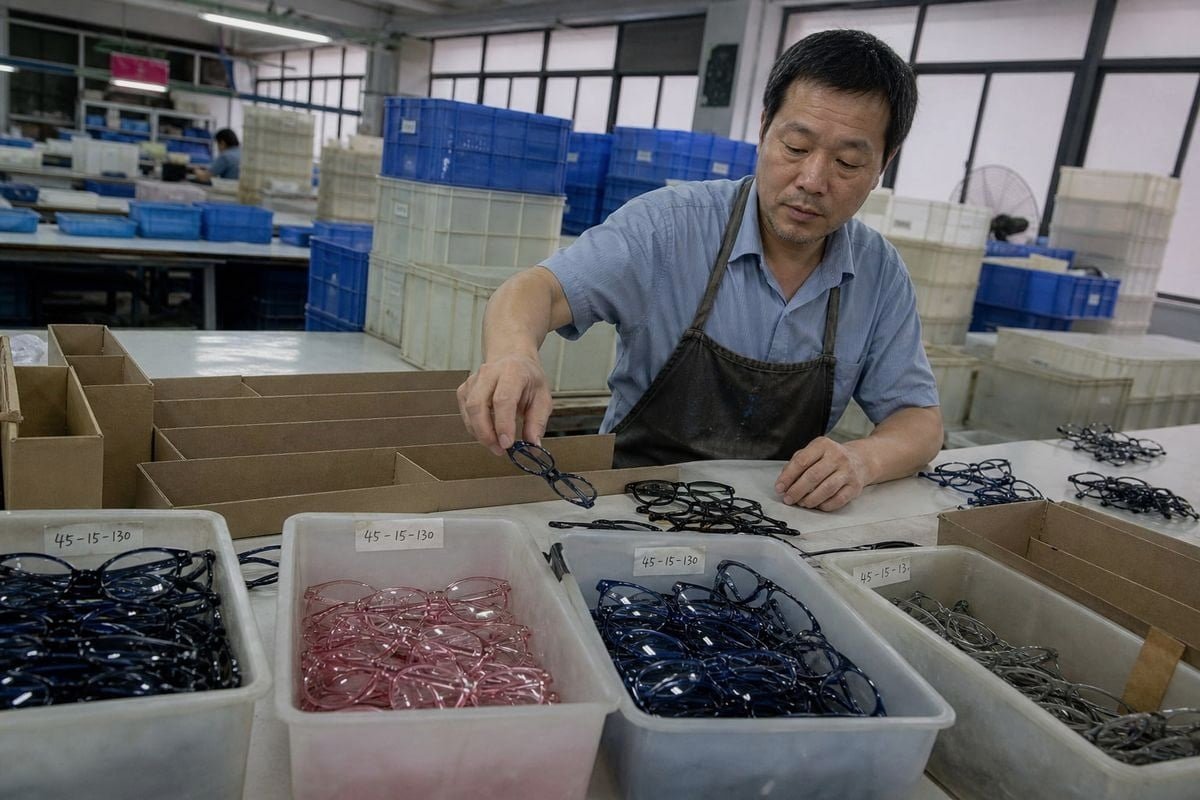
Renewal risk is fundamentally a timing mismatch. Your inventory lifecycle and the licensing agreement lifecycle are two separate clocks. When the license clock runs out first, you lose the right to sell, or you scramble through a short sell-off window at margin-destroying discounts.
A practical risk-reduction sequence
- Read the sell-off clause first. Before discussing royalties, confirm how long you may sell remaining stock after the term ends. Ninety days is tight for optical; negotiate longer.
- Size orders to the term, not to the discount. Volume pricing tempts buyers into eighteen months of stock on a twelve-month license. Resist it.
- Phase your buys. Order a conservative first batch, read sell-through data, then reorder. This mirrors the test-batch logic we recommend on our private-label programs.
- Decouple packaging where the licensor allows. Neutral cases with a licensed insert card are far less risky than fully printed licensed boxes.
- Keep a private-label backbone. If the license disappears, your shelf should not go empty. A core line built on stable molds, child-safe materials, and consistent quality control keeps revenue flowing.
Watch the approval cycle, too
Renewal is not the only contract friction. Licensors typically require artwork approval for every frame, colorway, and packaging item. Each approval round adds weeks to your lead time. In our OEM work 6, we can turn a custom color sample quickly; a licensed sample can then sit in an approval queue for a month. Build that delay into your launch calendar, or your frames will arrive after the season peak.
Is private-label a safer long-term strategy than licensing for my kids' frame line?
When buyers from Japan and Europe visit our Taizhou workshop, they usually arrive asking about characters and leave asking about materials. Watching parents test our TPEE templados 7 — bending them fully without breaking — changes the conversation.
For most brands, yes. Private label offers lower MOQs, no royalty fees, higher margins, full reorder control, and no expiry on sellability. Licensing only wins when brand pull outweighs flexibility and you can forecast demand accurately across the license term.
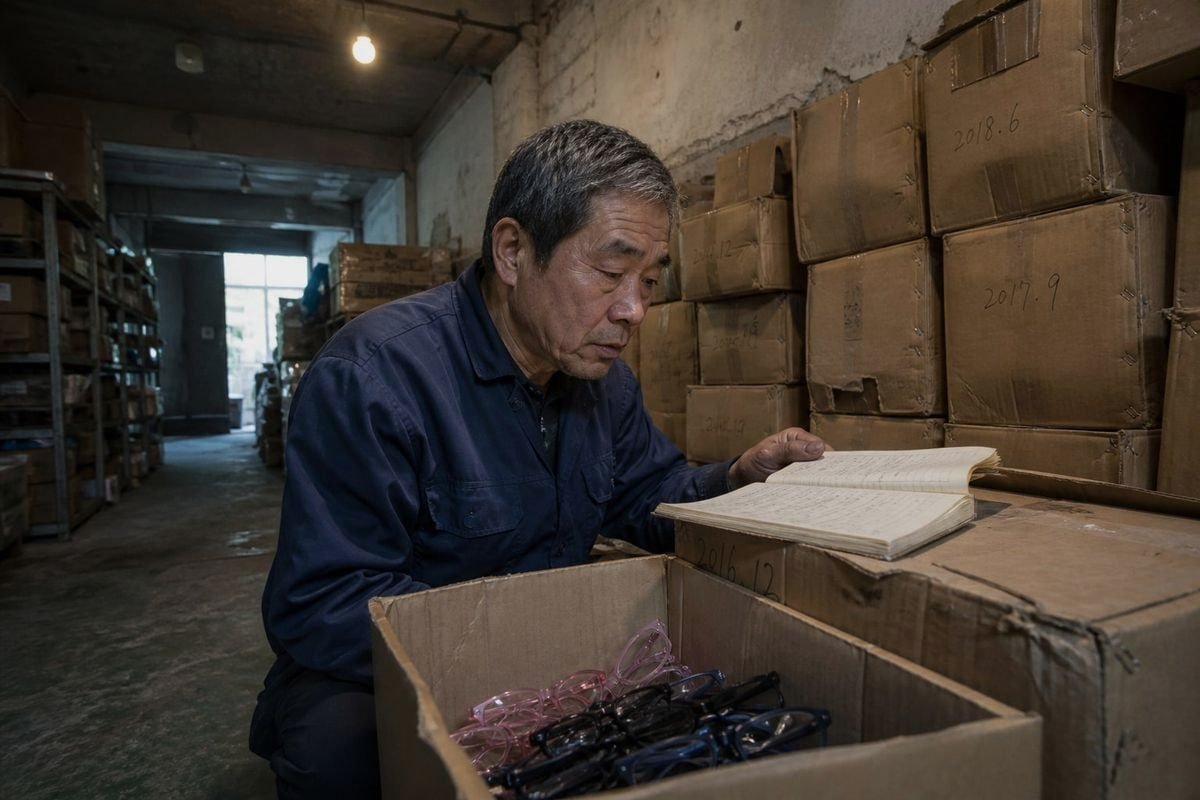
Let me address the strongest objection honestly. Pro-licensing buyers argue that recognizable characters sell faster and justify the higher commitment. That is commercially plausible. But here is what the data on parent behavior actually suggests: for children's optical frames, parents prioritize durability, proper fit, UV protection, and safety features over character branding. A well-designed private-label frame with flexible frames technology competes head-to-head with licensed alternatives — without the royalty, the renewal clock, or the inventory lock-in.
Long-term strategic comparison
| Fator | Licensed Frames | Private-Label Frames |
|---|---|---|
| Profit margin | Reduced by royalties and program fees | Full margin, full pricing control |
| Brand equity | Builds the licensor's brand, not yours | Builds your own brand identity |
| Price comparison | Easily compared online across sellers | Exclusive designs resist price-matching |
| Reordering | Constrained by license terms and continuity | Flexible while molds and stock stay active |
| Product feedback loop | Design changes need licensor approval | Direct, fast iteration on fit and features |
| Business model fit | Seasonal, campaign-driven | Supports subscriptions and repeat programs |
Private label compounds over time
The advantage most buyers underestimate is the feedback loop. With your own line, sales data flows straight into product development. You can ask your factory for a better bridge fit for small noses, tougher temples for active kids, or bio-based materials for eco-conscious parents — and iterate within one production cycle. We do exactly this with wholesale eyewear partners: custom colors, logos, lens specs, and retail-ready packaging, all under one roof. Licensed lines cannot compound this way, because every change routes through licensor approval, and the line itself may vanish at renewal.
The hybrid path
A sensible middle ground exists. Run a broad private-label core for stability, and add a small licensed capsule only when a specific character clearly matches your audience. Cap the capsule at a size you could afford to write off entirely. That discipline keeps licensing as an upside bet, not a survival risk.
Conclusão
Licensing buys recognition but locks you into high MOQs, expiring stock, and renewal uncertainty. Private label starts small, iterates fast, and builds your own brand. If you want to test styles from an 800-design catalog before committing, we're ready to help.
Notas de rodapé
1. Provides a step-by-step guide to eyewear production, covering design, material selection, frame manufacturing, and lens production. ↩︎
2. Defines what a minimum guaranteed royalty entails in a licensing context. ↩︎
3. Explains how SKU proliferation (fragmentation) creates hidden costs and operational complexity across the value chain. ↩︎
4. Provides an overview of supply chain management principles and planning. ↩︎
5. Defines a licensing agreement in the context of intellectual property. ↩︎
6. Explains the concept of Original Equipment Manufacturer (OEM) in manufacturing. ↩︎
7. Provides information on the properties and uses of TPEE material in eyewear. ↩︎
Mais Artigos que Você Pode Gostar
5 de agosto de 2026
Acetato de Celulose Bio-Baseado vs. Regular: Qual a Diferença para Armações Infantis?

5 de agosto de 2026
Quão Recicláveis São os Materiais de Armações Ópticas Infantis e Quais Alternativas Ecológicas Existem?
5 de agosto de 2026
As Armações Ópticas Infantis Branqueiam ou Envelhecem em Armazenamento e Como Controlar as Condições do Armazém?
Procurando um Parceiro Confiável em Óculos Infantis?
Explore mais de 800 estilos prontos e suporte completo OEM/ODM adaptado à sua marca.
Entre em Contato English
  Español de México
  Deutsch
  Français
  日本語
日本語  العربية
  Português do Brasil