Should Kids Optical Frames Be Added to Standard Store Stock?
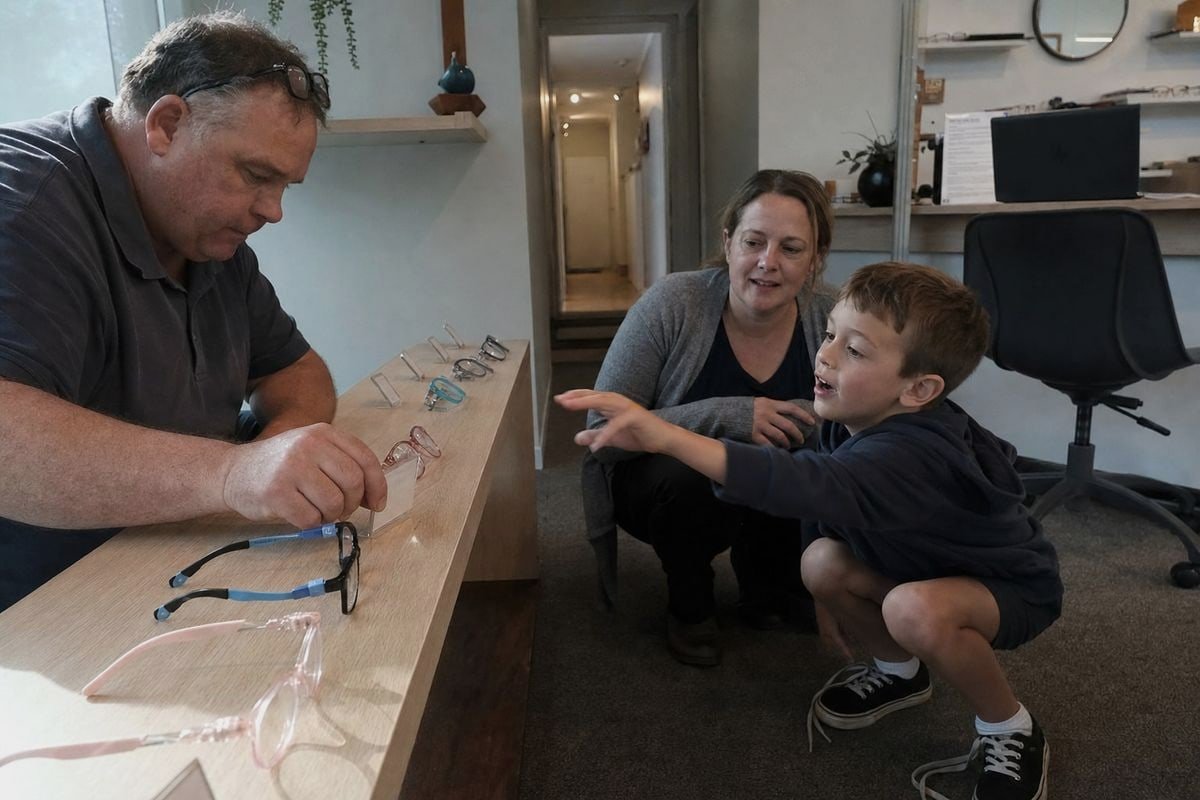
Kids optical frames keep coming up in calls with our retail buyers. They see families walk out empty-handed, lose sales to online sellers, and worry about dead stock. Our factory hears this weekly.
Yes, most standard stores should add kids optical frames — but as a curated, limited core stock rather than a full assortment. A small range of durable, flexible, well-sized children’s frames captures family traffic, drives repeat purchases, and improves basket size without heavy inventory risk.
The real question is not whether children’s frames sell. They clearly do. The question is how to stock them profitably. Let me walk you through how I advise our retail and brand customers to think it through.
How do I know if kids optical frames are worth the shelf space in my store?
One of our distributors in Australia once told me he almost dropped his kids' section after a slow first quarter. Then back-to-school season 1 arrived, and it became his highest-margin shelf. Timing and curation changed everything.
Kids optical frames earn their shelf space when your patient demographics include families, when repeat purchases from growth and breakage are captured, and when the assortment stays tight — a few sizes, durable materials, and clear price tiers. Measure inventory turnover per shelf foot, not raw unit sales.
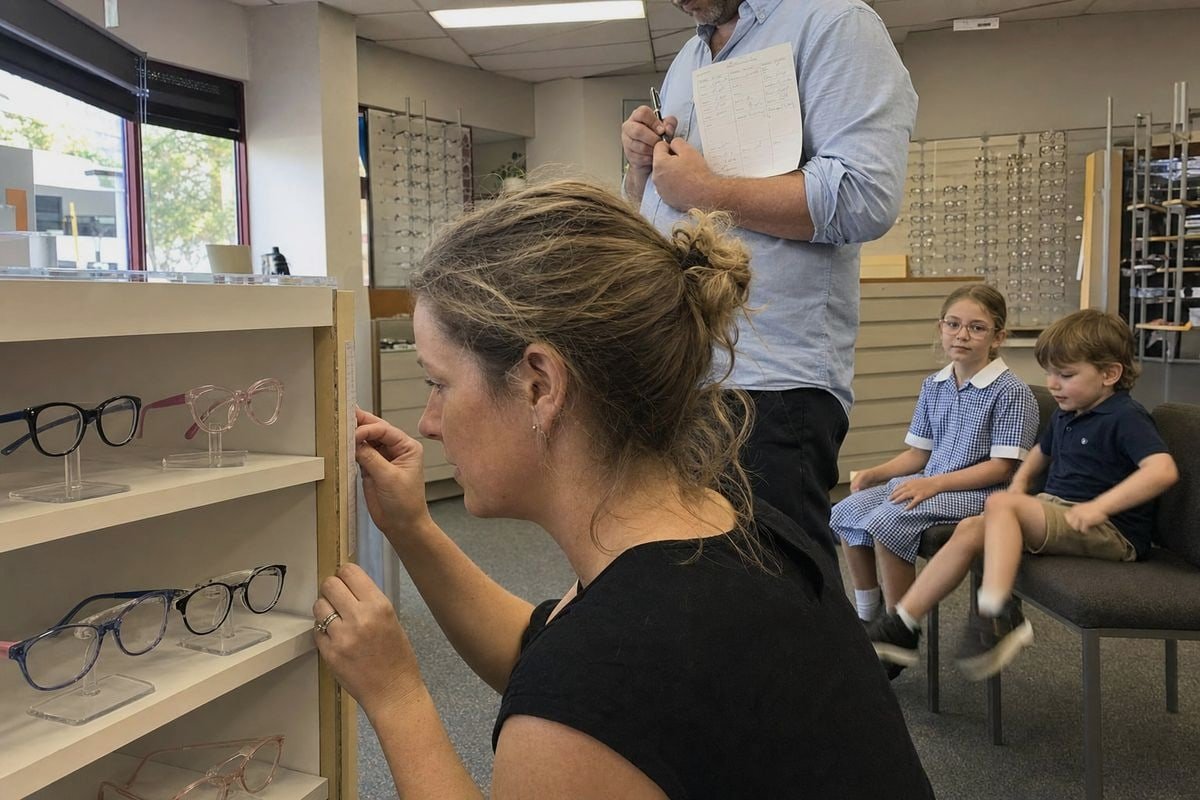
Shelf space is a finite asset. So before you commit, you need a simple framework. In my experience supplying optical companies in over twenty countries, the stores that succeed with pediatric eyewear all evaluate the same three things: local demand, repeat-purchase potential, and merchandising fit.
Start with your patient demographics
Look at who already walks through your door. If parents bring children for exams, or if your neighborhood skews toward young families, demand already exists. Global myopia growth 2 is pushing more children into corrective lenses at younger ages, which is turning children's vision care into a core revenue driver rather than a courtesy category. Stores in older-leaning areas should be more cautious. A mismatch between stock and demographics is the fastest route to dead stock.
Understand the repeat-demand advantage
Children are not one-time customers. They outgrow frames. They break frames. Their prescriptions change more often than most adults'. Each of those events is a new sale. A parent who trusts your store for one pair usually returns for the next — and often brings their own eyewear needs with them. That multi-generational loyalty is hard to build with adult frames alone.
Run the numbers, not the feelings
Here is a simple comparison I share with buyers who are weighing the decision:
| Fator | Adult frames | Kids optical frames |
|---|---|---|
| Purchase frequency | Every 2–3 years | Often every 12–18 months |
| Breakage-driven repurchase | Baixo | Alto |
| Second-pair attachment | Ocasional | Common (school backup pairs) |
| Seasonal spike | Mild | Strong (back-to-school season) |
| SKU risk if uncurated | Moderado | Alto |
If your inventory turnover on a small kids' range beats your slowest adult SKUs, the shelf space is justified. In most family-facing locations, it does.
What should I look for in a supplier before adding kids optical frames to my lineup?
A procurement manager from Japan visited our Taizhou workshop last year with a checklist longer than my arm. Her priorities surprised no one on our team: material safety first, price last.
Choose a supplier with genuine children's eyewear expertise: safe, flexible frame materials like TR90 and TPEE, a large existing style library to avoid mold costs, consistent quality control, full OEM/ODM support, and proven export experience with kids' product safety expectations.
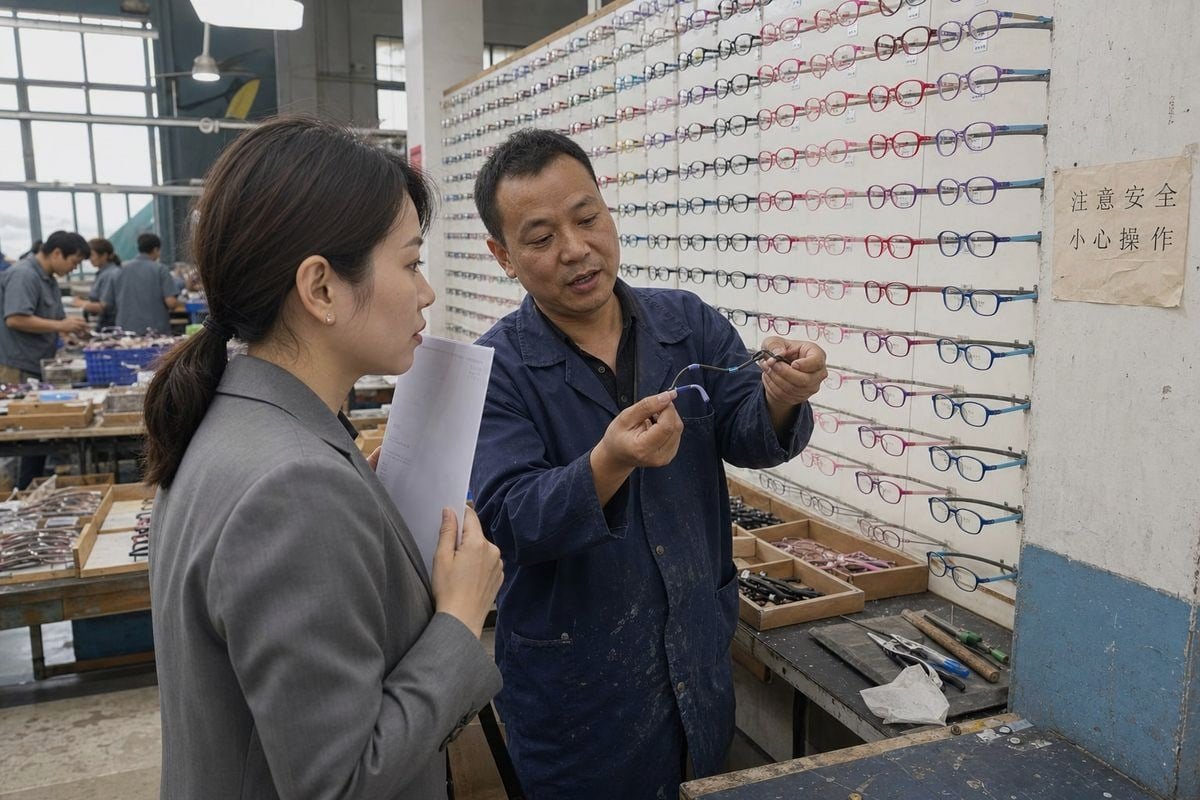
Not all eyewear factories understand children. Pediatric eyewear is a specialty, and the supplier you choose will shape your returns rate, your reviews, and your reputation with parents. After fifteen years making children's frames, I can tell you exactly where buyers get burned — and how to avoid it.
The non-negotiables
First, material expertise. Ask what materials the factory actually specializes in. A supplier that mostly makes cheap adult sunglasses will not understand the flexibility, weight, and safety tolerances 3 a five-year-old's face requires. At our factory, TR90 and TPEE are our core competence, not an afterthought, and the difference shows in hinge life and frame recovery after bending.
Second, low-risk market entry. New retailers should not pay for custom molds before proving demand. A supplier with a deep existing catalog — we maintain roughly 800 styles — lets you test a curated range with small commitments and expand only what sells.
Third, retail-ready presentation. Parents judge quality partly by packaging. Full OEM/ODM support for custom colors, logos, lens options, and branded packaging means your kids' section looks intentional, not improvised.
A practical vetting checklist
| What to verify | Por que importa | Red flag |
|---|---|---|
| Factory vs. trader status | Direct quality control and honest lead times | Vague answers about the workshop |
| Kids-specific material experience | Safety and comfort on small faces | "We can also do kids" as a side line |
| Style library depth | Launch without mold investment | Only custom-mold options offered |
| QC process and consistency | Fewer returns and complaints | No documented inspection steps |
| Export track record | Smooth compliance and communication | No experience with your market |
Fourth, communication. A good supplier answers questions about tolerances, lens options, and eyewear merchandising quickly and clearly. Slow, evasive answers before the order rarely improve after it.
Can flexible TR90 frames reduce returns and breakage complaints from parents?
The trade-off we weigh in every design review is simple: rigidity gives a crisp look, but flexibility survives childhood. When we test frames on our line, we twist them, sit on them, and drop them — because children will.
Yes. Flexible TR90 frames bend under impact and spring back to shape, dramatically reducing snapped temples and broken hinges — the two most common breakage complaints from parents. Paired with soft TPEE temples and silicone grips, they cut returns and warranty claims meaningfully.
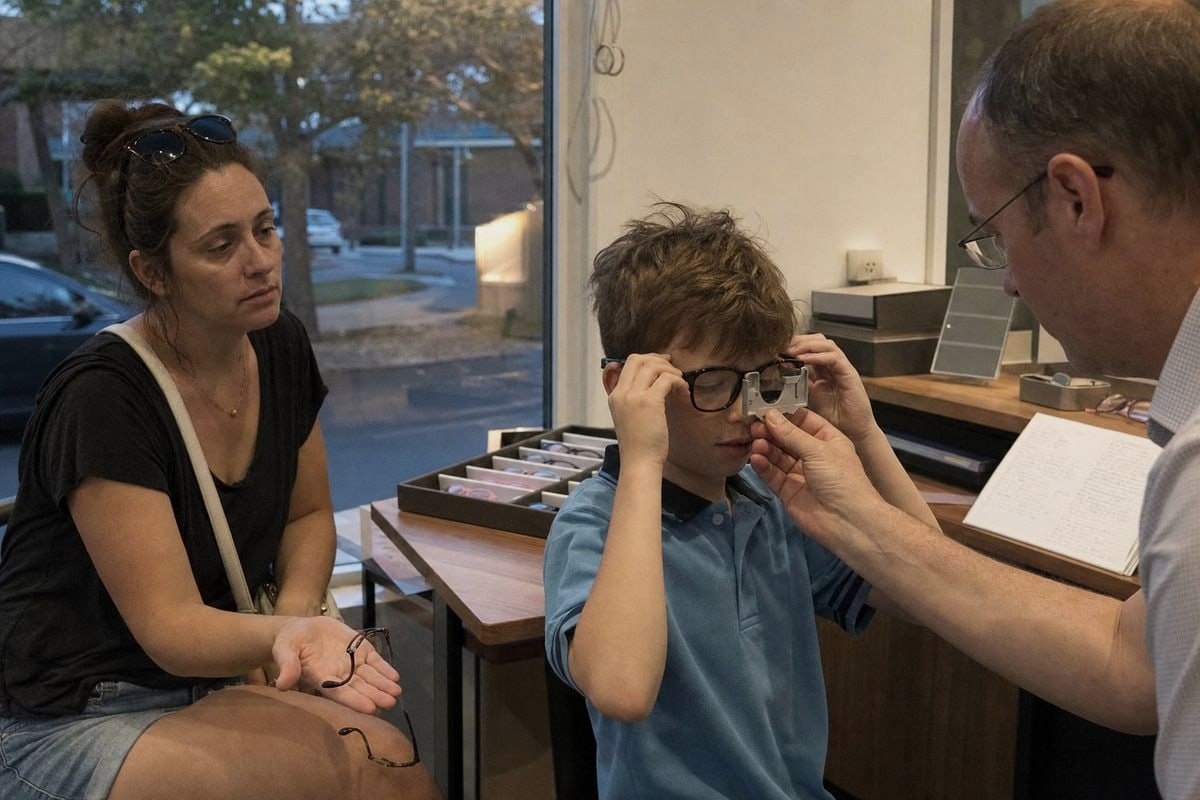
Frame durability is the single feature parents mention most. A parent whose child breaks a pair in the first month rarely blames the child. They blame the store. That is why material choice is not a technical detail — it is a customer-retention decision.
Why rigid frames fail on children
Children treat glasses roughly. They pull them off one-handed, sleep in them, and stuff them into backpacks without cases. Traditional rigid acetate 4 or metal frames concentrate stress at the hinge and temple. Under a sharp bend, they crack. TR90, a thermoplastic memory material 5, behaves differently. It flexes across a wide angle and returns to its original shape. In our own testing routines, TR90 frames survive twisting forces that would snap conventional plastics outright.
How our two-material approach works
We often pair a TR90 front with TPEE templados 6. The TR90 front holds the lenses stable and keeps the optical geometry accurate. The TPEE temples stay soft and flexible where children grab and bend most. Add silicone hinge connectors and adjustable ear hooks — like the black-and-navy sporty style on our line with textured, slip-resistant temple tips — and the frame stays put during play without pressure points behind the ears.
What this means for your returns counter
The retail impact is direct:
- Fewer snapped frames means fewer warranty exchanges and less staff time on complaints.
- Lightweight, comfortable frames mean children actually wear them, so parents see value.
- Slip-resistant fits mean fewer re-adjustment visits, freeing your dispensing staff.
- Durability becomes a selling story: your staff can bend the demo frame in front of the parent. That single demonstration closes more sales than any brochure.
Environmentally conscious parents also respond well to the eco-friendly positioning of these materials, which fits the sustainability-focused purchasing habits of many Millennial and Gen Z families.
How do I introduce kids optical frames to my store without a large upfront investment?
A lesson I learned early in our export business: buyers who start small and reorder fast outperform buyers who commit big and stall. We built our 800-style catalog precisely so new brands can enter this category without mold costs or bulk gambles.
Start with a limited core stock: eight to fifteen proven styles across two or three age-size bands, ordered from a supplier's existing catalog to avoid mold investment. Launch around back-to-school season, create a small dedicated kids' corner, and reorder based on actual sell-through.
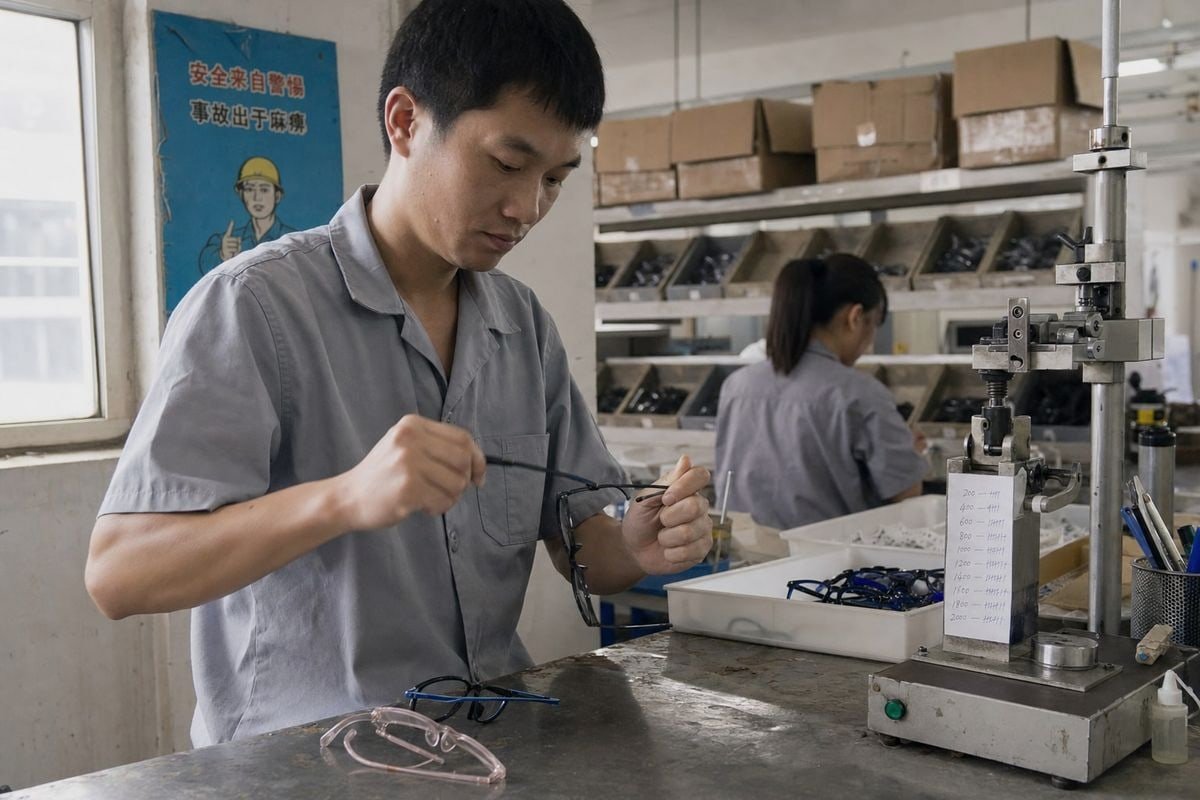
You do not need a full children's department to enter this category. You need a smart, staged plan. Here is the model I recommend to independent stores and mid-size chains, and it maps directly to optical shop profitability rather than shelf vanity.
Step one: curate, don't collect
Pick a narrow range that covers the real spread of demand. Include a few durable, sporty basics in flexible materials, and a few style-forward options — like our translucent blush-pink acetate-look frame with two-tone matte temples — so children have something they actually want to wear. Cover the most common lens sizes for young kids through pre-teens. Two or three colorways per style is enough. Depth beats breadth at launch.
Step two: use existing tooling
Ordering from an established style library means no mold fees, lower minimums, and faster delivery. You can still add your own logo, colors, and packaging through OEM/ODM customization 7, so the range looks like your brand from day one. This is how most of our new retail partners test their market before scaling.
Step three: merchandise for children, sell to parents
A small dedicated kids' corner in your optical retail display — lower shelving, bright colors, a mirror at child height — reduces child anxiety and raises your capture rate. Train staff on one simple demo: flex the frame, explain the material, mention the slip-resistant fit.
Step four: time and expand deliberately
| Phase | Timing | Ação |
|---|---|---|
| Pilot | 6–8 weeks before back-to-school | Launch 8–15 styles, small quantities |
| Peak | Back-to-school season | Push second-pair school backup offers |
| Review | 90 days post-launch | Cut slow SKUs, reorder winners |
| Expand | Next season | Add sizes, non-prescription sibling styles |
Second-pair backup frames for school lockers and non-prescription fashion frames for siblings both lift average transaction value with minimal added inventory. Expand only where sell-through proves demand.
Conclusão
Kids optical frames belong in most standard stores — as curated core stock, not deep assortment. Start small with flexible TR90 styles, a reliable factory partner, and back-to-school timing. If you want help building that first range, our team is ready.
Notas de rodapé
1. CDC vision health resources highlight seasonal timing for children’s eye care needs. ↩︎
2. WHO tracks rising global visual impairment and myopia trends affecting children’s eyewear demand. ↩︎
3. FDA publishes consumer safety guidance relevant to children’s product safety tolerances. ↩︎
4. Background on cellulose acetate, the traditional rigid material used in eyewear frames. ↩︎
5. Authoritative Wikipedia entry explaining the science of shape-memory polymers used in durable eyewear. ↩︎
6. TPEE is a thermoplastic elastomer, explaining its flexibility for children’s frame temples. ↩︎
7. Explains the OEM/ODM manufacturing model referenced for branded eyewear customization. ↩︎
Mais Artigos que Você Pode Gostar
5 de agosto de 2026
Acetato de Celulose Bio-Baseado vs. Regular: Qual a Diferença para Armações Infantis?

5 de agosto de 2026
Quão Recicláveis São os Materiais de Armações Ópticas Infantis e Quais Alternativas Ecológicas Existem?
5 de agosto de 2026
As Armações Ópticas Infantis Branqueiam ou Envelhecem em Armazenamento e Como Controlar as Condições do Armazém?
Procurando um Parceiro Confiável em Óculos Infantis?
Explore mais de 800 estilos prontos e suporte completo OEM/ODM adaptado à sua marca.
Entre em Contato English
  Español de México
  Deutsch
  Français
  日本語
日本語  العربية
  Português do Brasil