Can Kids’ Optical Frame Temples or Rims Be Repaired, or Replaced?
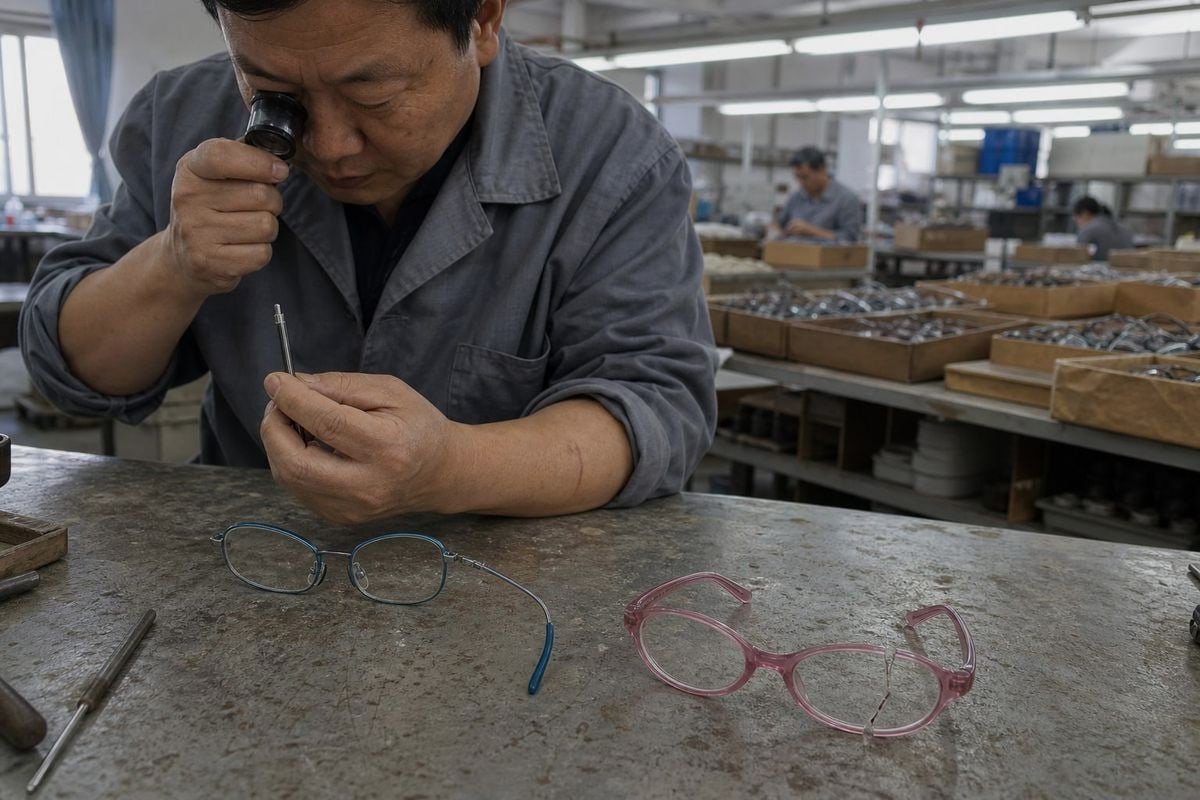
Broken kids’ optical frame temples or rims stop a child’s vision correction 1 overnight. On our production line in Taizhou, we see exactly why children’s frames fail — and how to prevent it.
Kids’ optical frame temples can often be repaired or replaced: loose screws, bent metal, intact hinges, and modular temple arms are serviceable. Badly cracked plastic rims, torn hinge anchors, and missing structural parts usually cannot be saved, so full frame replacement becomes the smarter choice.
The real answer is case by case. It depends on the material, the type of break, and whether spare parts 2 exist. Let me walk you through each factor, from a factory perspective.
What Kinds of Damage on Kids' Optical Frames Are Actually Repairable?
During drop-testing at our 5S-managed workshop, we deliberately break frames to learn their weak points. That testing taught us a simple truth: most kids' frame failures are mechanical, not catastrophic.
Repairable damage includes loose or missing screws, bent metal temples, worn temple tips, and hinges that remain structurally intact. Clean breaks in metal or titanium can be laser-welded. Extensive plastic cracks, shattered temples, torn hinge mounts, and brittle aged material usually require full replacement instead.
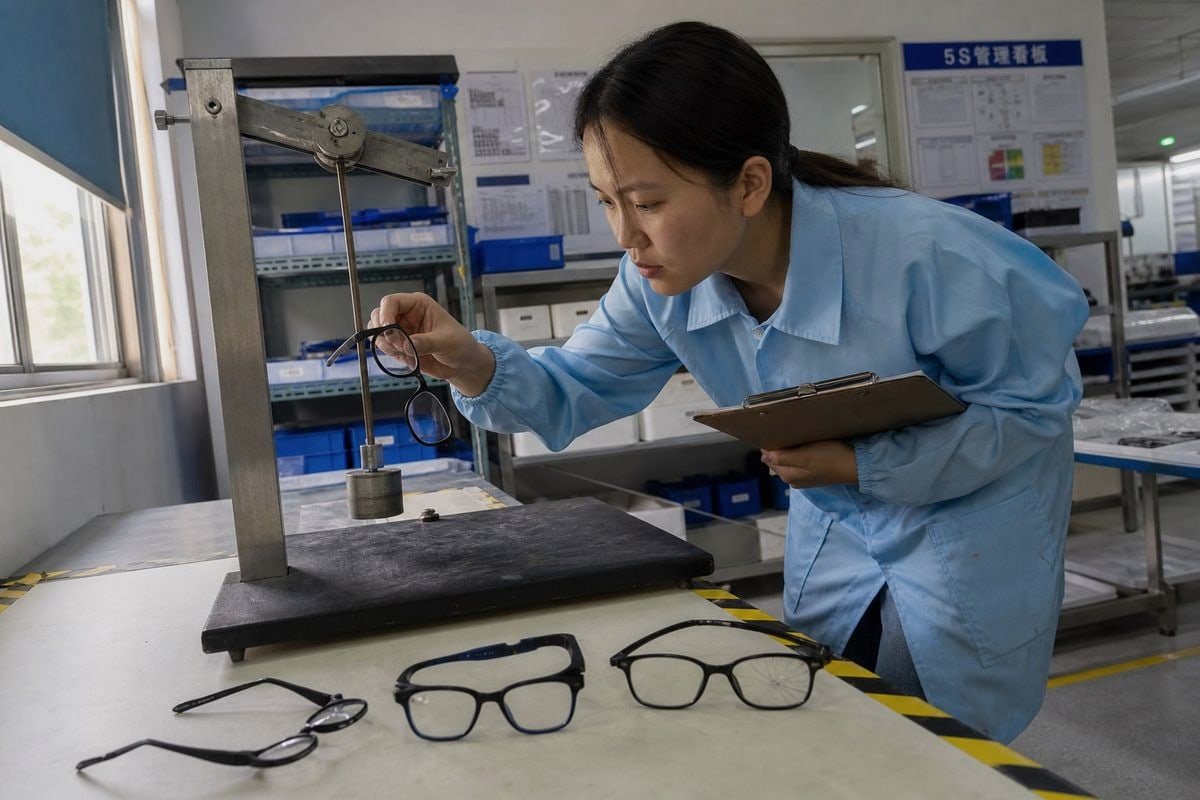
The most useful skill for a parent — or a buyer building a kids' collection — is telling cosmetic damage apart from structural damage. A scuffed temple tip is cosmetic. A crack running through the rim next to the lens groove 3 is structural. The first is a quick fix. The second changes how the lens sits, and that matters more for children than adults.
The Repair-Friendly List
These problems are almost always fixable, often in minutes at an optical shop:
- Loose screws — tightened or swapped with an eyewear repair kit.
- Bent metal frames — reshaped by an optician using proper tools.
- Worn temple tips — slid off and replaced with new tips.
- Loose spring hinges — rebuilt if the hinge body is intact.
- Nose pad replacement — a standard, low-cost service on metal frames.
The Replacement-Likely List
Replacement wins when the temple is missing or shattered, the plastic front has cracked extensively, the hinge mount is torn out of the frame, or the material has whitened and turned brittle with age.
| Damage Type | Repairable? | Typical Fix |
|---|---|---|
| Loose or missing screw | Sim | Tighten or replace screw |
| Bent metal or titanium temple | Sim | Straighten and adjust |
| Clean break in metal temple | Usually | Laser welding or soldering |
| Cracked plastic rim | Rarely | Full frame replacement |
| Torn hinge anchor | Não | Replace the frame |
| Worn silicone temple tip | Sim | Swap the tip |
One more point that DIY guides underplay: glue and tape are temporary fixes, not repairs. Super glue on a snapped plastic frame often fails and can damage lens coatings. Worse, adhesive residue can make a later professional repair impossible. In our experience, a taped frame that a child wears for weeks also drifts out of alignment, which affects how the lenses correct vision. Improperly repaired rims can even cause induced prism — real vision distortion — which is particularly harmful to children whose visual systems are still developing.
Can I Order Replacement Temples or Rims Directly From My Frame Manufacturer?
A distributor in Australia once emailed us asking whether we could ship two hundred spare temples for a style we made two years earlier. We could — because we keep component molds and color records for active lines.
Yes, many manufacturers sell individual replacement temple arms and front rims, which is far cheaper than buying complete frames. Availability depends on whether the style is still in production, whether the factory keeps component inventory, and whether hinge parts are standardized across the collection.
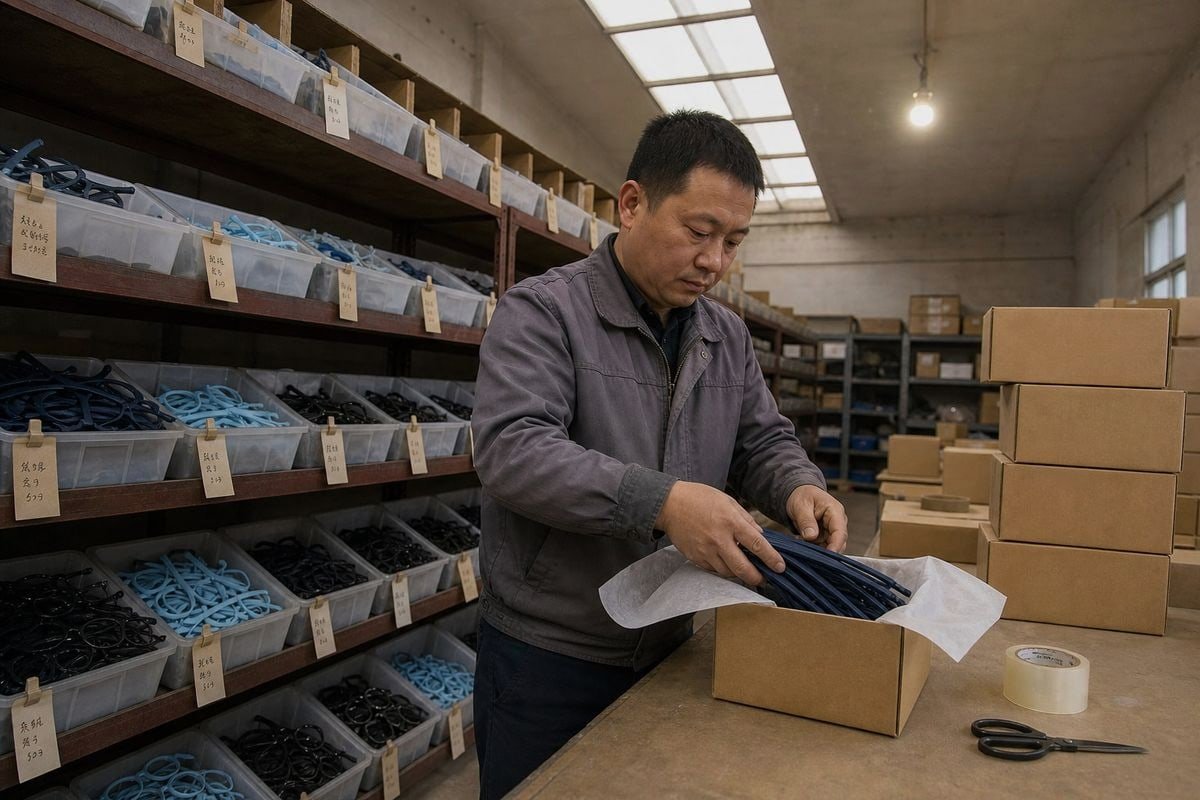
For B2B buyers, spare parts are not an afterthought. They are a customer-service asset. Kids' frames take more impact than adult frames, so repeat breakage is common. A brand that can mail a parent a matching replacement temple in three days keeps that customer for life. A brand that says "sorry, buy a new pair" loses them.
What Determines Parts Availability
Three things decide whether you can get a spare part:
- Production status. If the style is discontinued and the mold is retired, parts run out fast. Some shops now turn to 3D printing to fabricate custom-fit replacement temples for frames no longer in production, or for children with unique facial symmetry needs.
- Component standardization. When one hinge insert fits twenty styles, stocking spares is easy. When every style uses a unique hinge, it is not. On our optical lines, we standardize screws and hinge inserts across families of styles for exactly this reason.
- Color matching. Temples fade slightly with UV exposure. A brand-new navy temple on a two-year-old frame may not match perfectly. We advise buyers to order spare temples with the original production batch.
The Warranty Question
Optical warranty coverage is the other route. Many pediatric eyewear brands offer a one-time full frame replacement if rims or temples break during normal use. As a factory, we support this by producing small overrun quantities — typically a few percent above the order — so our brand clients can honor warranty claims without a new production run. When you negotiate with any supplier, ask about spare-part policy and warranty overruns before you sign, not after the first breakage complaint arrives.
Some opticians can also replace just the inner flex section of a temple, without swapping the whole arm — but only if the shop can source that exact component. That again comes back to manufacturer support.
How Do Flexible TR90 and TPEE Materials Affect Repair or Replacement Options?
There is a trade-off we weigh on every new kids' optical design: flexible materials like TR90 and TPEE prevent most breaks from happening, but when they do break, they behave differently from acetate or metal.
TR90 and TPEE frames rarely need repair because they flex instead of snapping, but they cannot be soldered or welded like metal. When flexible frames do fail, the practical fix is swapping the modular temple or the whole frame, not adhesive or heat repair.
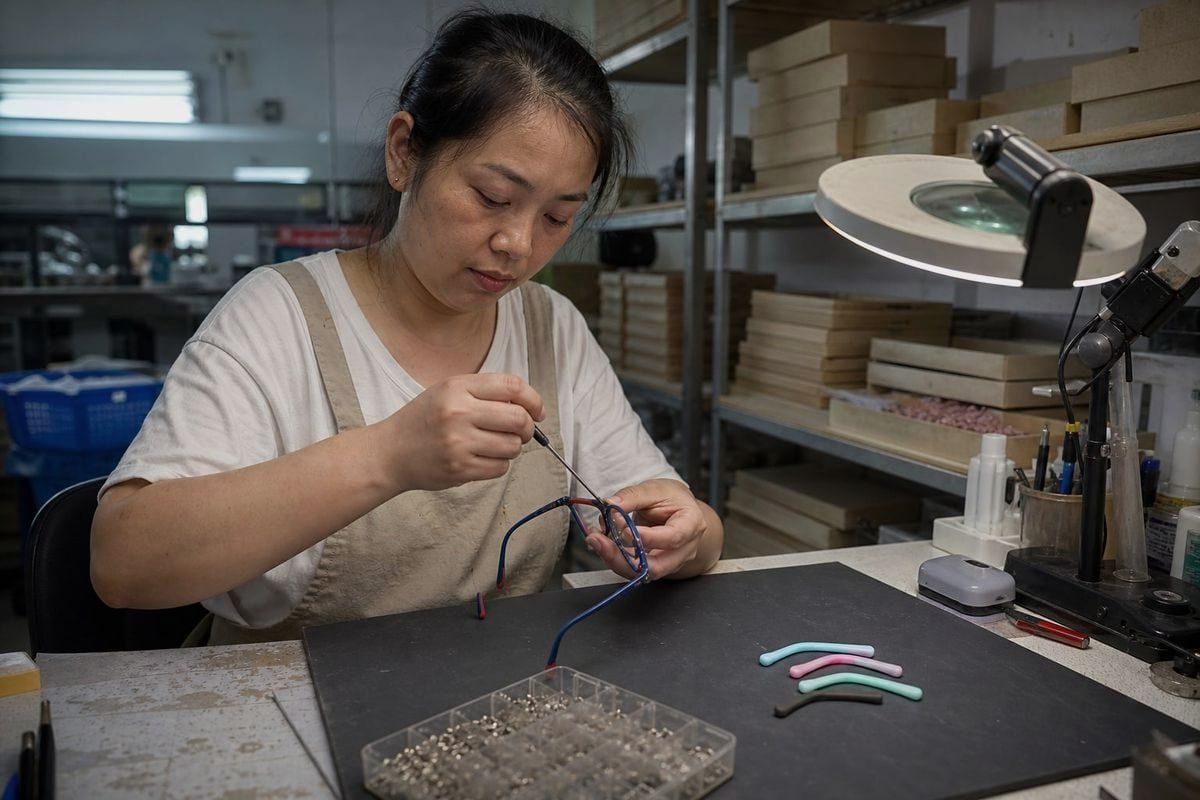
Material choice quietly decides the entire repair-versus-replace question. Here is how the main kids' frame materials compare, drawn from fifteen years of building children's eyewear in these exact materials:
| Material | Break Resistance | Repair Method | Best Outcome After Damage |
|---|---|---|---|
| TR90 | Very high — flexes under impact | Cannot be welded; heat shaping only for minor adjustment | Swap modular temple or frame |
| TPEE | Extremely high — soft, rubbery flex | Not weldable; not heat-adjustable | Replace the component |
| Acetato | Moderate — can crack or snap | Acetate frame repair via plastic welding is possible but limited | Repair minor cracks; replace major breaks |
| Metal / Titanium | Moderate — bends before breaking | Eyeglass frame soldering or titanium frame welding | Straighten or weld; highly repairable |
Why Flexibility Beats Repairability for Kids
Our engineers learned this the hard way during early sample rounds. A rigid frame that can be welded still breaks first. A flexible frame that cannot be welded rarely breaks at all. For an active six-year-old, prevention wins. That is why our core optical designs pair a TR90 front with TPEE temples: the front holds the lenses in stable alignment, while the temples absorb the twisting and pulling that kids inflict daily.
There is one caveat buyers should know. Flexible materials cannot be reshaped the way an optician bends metal frames. Optician adjustment services on TR90 are limited to gentle warming, and TPEE holds its molded shape permanently. So fit must be engineered correctly at the factory — adjustable ear-hook temple designs 4 and multiple size runs replace the adjustments an optician would otherwise make. Pediatric frames can also be specified with cable-style or skull temple options that accommodate a child's rapid growth without replacing the rim.
Should I Choose Repairable Frame Designs When Sourcing Kids' Optical Collections?
A procurement manager from a Japanese kids' brand once asked me a sharp question during a factory visit: "Which costs my brand more — a frame that breaks, or a frame nobody can fix?" Both, was my honest answer.
Yes, prioritize repairable and modular frame designs when sourcing kids' optical collections. Standardized screws, replaceable temple arms, swappable temple tips, and spare-part availability cut warranty costs, reduce vision downtime for children, and build the after-sales reputation that keeps retail partners loyal.
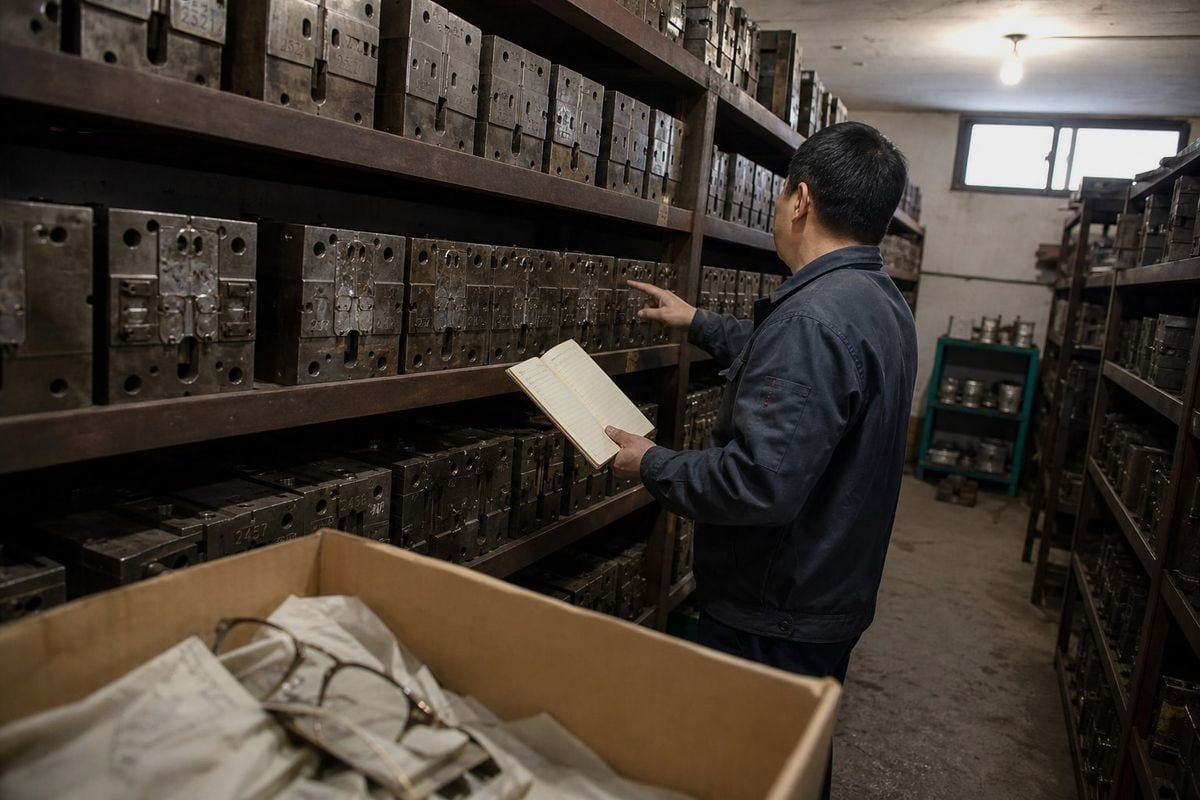
Serviceability is a sourcing criterion, the same as safety or comfort. Yet most buyers never put it on their checklist. Here is the checklist we suggest to the brands and importers we work with across 20+ countries:
| Sourcing Question | Por Que Importa |
|---|---|
| Are screws and hinges standardized across styles? | One eyewear repair kit services the whole collection |
| Can temples be replaced without tools? | Modular tool-free systems let parents snap on a new temple instantly, minimizing vision downtime |
| Does the factory stock spare temples and tips? | Fast warranty resolution without a new production run |
| Are spring hinges or flex inserts replaceable? | Extends frame life through a child's roughest years |
| Is the material flexible (TR90/TPEE) or rigid? | Flexible designs prevent most damage before repair is ever needed |
The Low-Risk Way to Test Repairable Designs
New brands often worry that serviceable designs mean expensive custom molds. They do not have to. With roughly 800 existing styles in our catalog, a buyer can select proven modular designs — TR90 fronts with swappable TPEE temples, standardized hinge inserts, replaceable silicone tips — and launch without heavy mold investment. Then, through OEM/ODM support, we adapt colors, logos, lens specs, and packaging so the collection is retail-ready under your brand.
Budget for Spares From Day One
Our practical advice: order spare temples and temple tips with your first production run, in the same color batch. Two to three percent of order quantity is usually enough. Spares produced later may show slight color variance, and a mismatched temple on a warranty replacement looks worse to a parent than the original break did. Small planning, big trust payoff.
Conclusão
Broken kids' frames drain parent goodwill fast. Small temple and hinge issues are repairable; cracked rims are not. Source flexible, modular, spare-part-supported designs, and the problem mostly disappears.
Notas de rodapé
1. WHO provides authoritative data on the necessity of vision correction for global health standards. ↩︎
2. Wikipedia is a highly authoritative and stable source that provides a comprehensive overview of spectacle frame components, which are the spare parts discussed in the article. ↩︎
3. Wikipedia offers a detailed overview of eyeglass frame components, including the rim and lens mounting. ↩︎
4. The FDA regulates ophthalmic frames as medical devices, ensuring safety in pediatric frame designs. ↩︎
Mais Artigos que Você Pode Gostar
5 de agosto de 2026
Acetato de Celulose Bio-Baseado vs. Regular: Qual a Diferença para Armações Infantis?
5 de agosto de 2026
Quão Recicláveis São os Materiais de Armações Ópticas Infantis e Quais Alternativas Ecológicas Existem?
5 de agosto de 2026
As Armações Ópticas Infantis Branqueiam ou Envelhecem em Armazenamento e Como Controlar as Condições do Armazém?
Procurando um Parceiro Confiável em Óculos Infantis?
Explore mais de 800 estilos prontos e suporte completo OEM/ODM adaptado à sua marca.
Entre em Contato English
  Español de México
  Deutsch
  Français
  日本語
日本語  العربية
  Português do Brasil