Como Limpar Corretamente as Lentes dos Óculos de Sol Infantis?
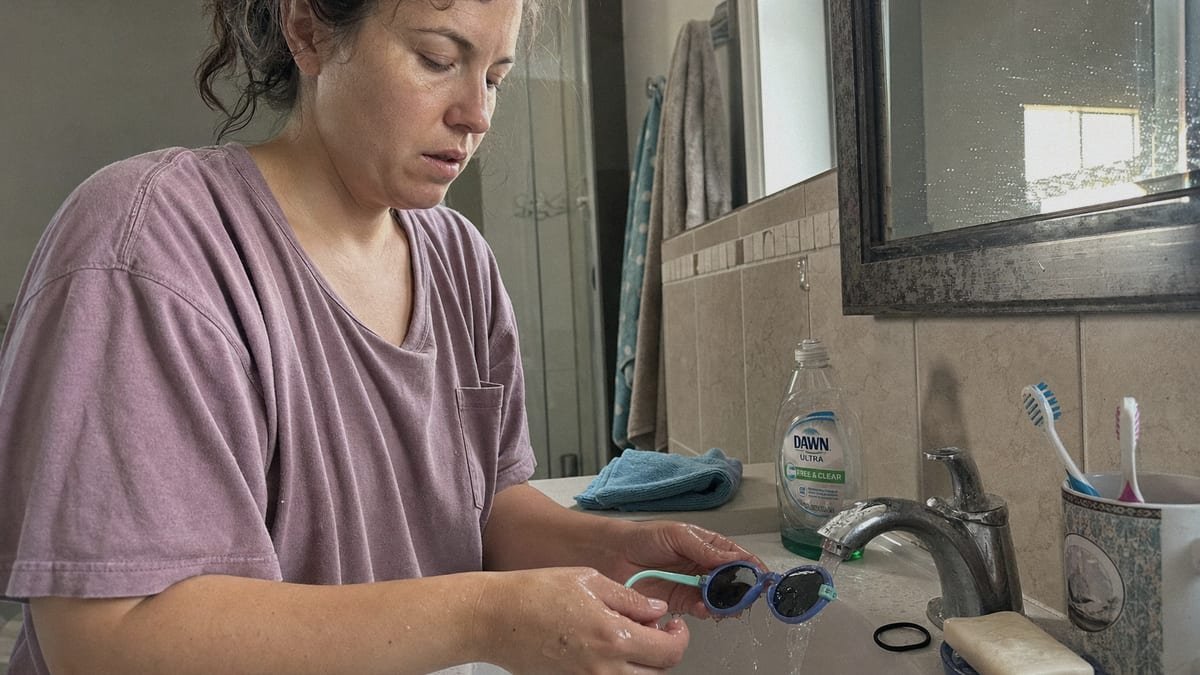
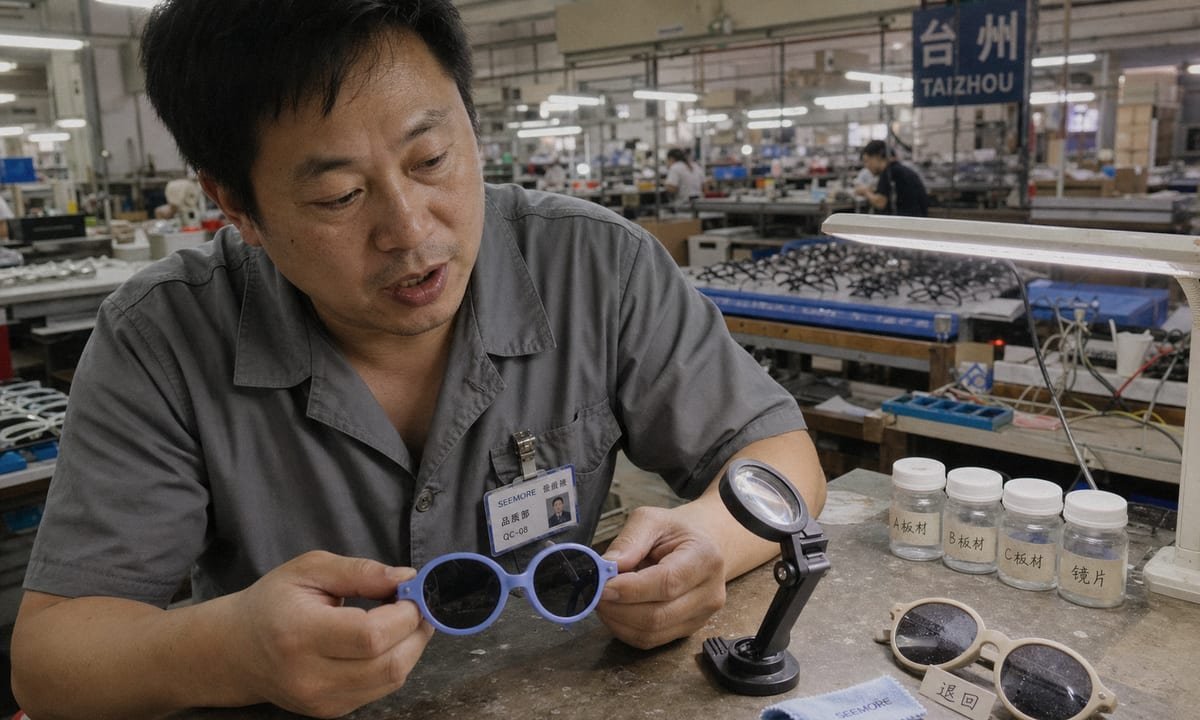
Saber como limpar corretamente as lentes dos óculos de sol infantis é mais importante do que os pais pensam. Em nossa linha de produção em Taizhou, já vi boas lentes estragadas por uma única limpeza descuidada.
Para limpar corretamente as lentes dos óculos de sol infantis, enxágue-as primeiro em água morna, aplique uma gota de detergente neutro sem loção, esfregue suavemente com as pontas dos dedos limpas, enxágue novamente e seque com um pano de microfibra limpo. Nunca use lenços de papel, camisas ou limpadores à base de amônia.
A rotina é simples. Mas os detalhes decidem se as [lentes duram uma estação ou três](https://okayeyewear.com/what-factors-affect-lifespan-kids-sunglasses-the-of/). Deixe-me guiá-lo por cada parte, passo a passo.
Que Produtos de Limpeza São Seguros para as Lentes dos Óculos de Sol dos Meus Filhos?
Durante uma revisão de controle de qualidade em nossa fábrica na primavera passada, testamos amostras devolvidas e descobrimos que a maioria dos danos ao revestimento veio de produtos de limpeza domésticos, não de brincadeiras. Isso surpreendeu até mesmo nossos técnicos seniores.
Produtos de limpeza seguros para as lentes de óculos de sol infantis incluem água morna, uma gota de detergente neutro sem loção, spray de limpeza de lentes específico para óculos e um pano de microfibra limpo. Evite limpadores de vidro à base de amônia, vinagre, alvejante e sabonetes perfumados, que removem os revestimentos UV e antirreflexo.
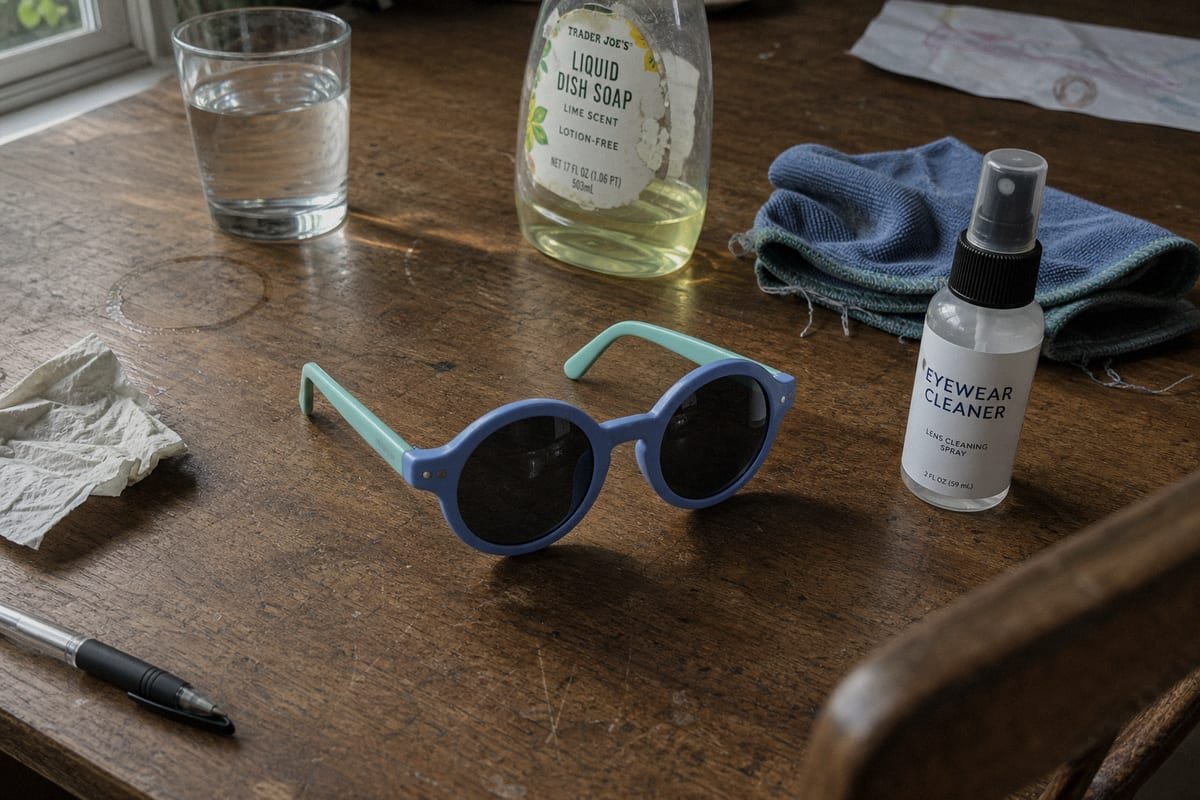
A maioria dos óculos de sol infantis hoje usa lentes de policarbonato. É isso que colocamos em nossas próprias armações TR90 e TPEE, porque o policarbonato é resistente a impactos e seguro para crianças. Mas o cuidado com as lentes de policarbonato 1 tem uma fraqueza. O material em si é macio. A lente só permanece clara por causa da fina revestimento resistente a arranhões 2 aplicada por cima. Produtos químicos agressivos atacam primeiro esse revestimento.
Portanto, a regra é simples. Se um produto não foi feito para óculos ou para lavagem suave das mãos, mantenha-o longe das lentes.
Produtos Seguros vs. Inseguros em Resumo
| Produto | Seguro? | Por quê |
|---|---|---|
| Enxágue com água morna | Sim | Remove a sujeira sem danos pelo calor |
| Detergente neutro (sem loção) | Sim | Dissolve suavemente protetor solar e óleos |
| Spray limpador de lentes para óculos | Sim | Formulados para proteger os revestimentos |
| Pano de limpeza de microfibra | Sim | Remove óleo sem arranhar |
| Limpadores Windex ou à base de amônia | Não | Remove quimicamente os revestimentos das lentes |
| Vinagre ou alvejante | Não | Corrói as camadas UV e espelhadas |
| Sabonete para as mãos com loção | Não | Deixa uma película gordurosa nas lentes |
| Água quente | Não | Pode deformar armações e danificar revestimentos |
Uma Observação sobre a Escolha do Sabão
Verifique o rótulo do sabão. Não deve dizer nada sobre "hidratante" ou "com loção". Esses aditivos se espalham pela lente e atraem mais poeira. Uma pequena gota por lente é suficiente. Mais sabão significa apenas mais enxágue.
Quando preparamos opções de lentes polarizadas 3 para nossos clientes B2B, sempre incluímos orientações de cuidado no resumo da embalagem. A manutenção das lentes polarizadas segue a mesma regra: sabão suave, água suave, pano suave. A película polarizadora é laminada dentro ou revestida na lente, e solventes agressivos podem fazer com que ela fique opaca ou descasque nas bordas.
Como Remover Arranhões e Manchas Sem Danificar o Revestimento?
Uma compradora da Austrália uma vez me perguntou por que os escudos espelhados de seus clientes estavam ficando opacos após viagens à praia. Descobrimos que isso se devia a um hábito: limpar lentes arenosas a seco com as bainhas das camisas.
Remova manchas enxaguando as lentes em água morna, lavando com uma gota de detergente neutro e secando com um pano de microfibra. Arranhões verdadeiros não podem ser polidos com segurança em casa; reparos abrasivos destroem o revestimento. A prevenção através da limpeza úmida é o único método confiável.
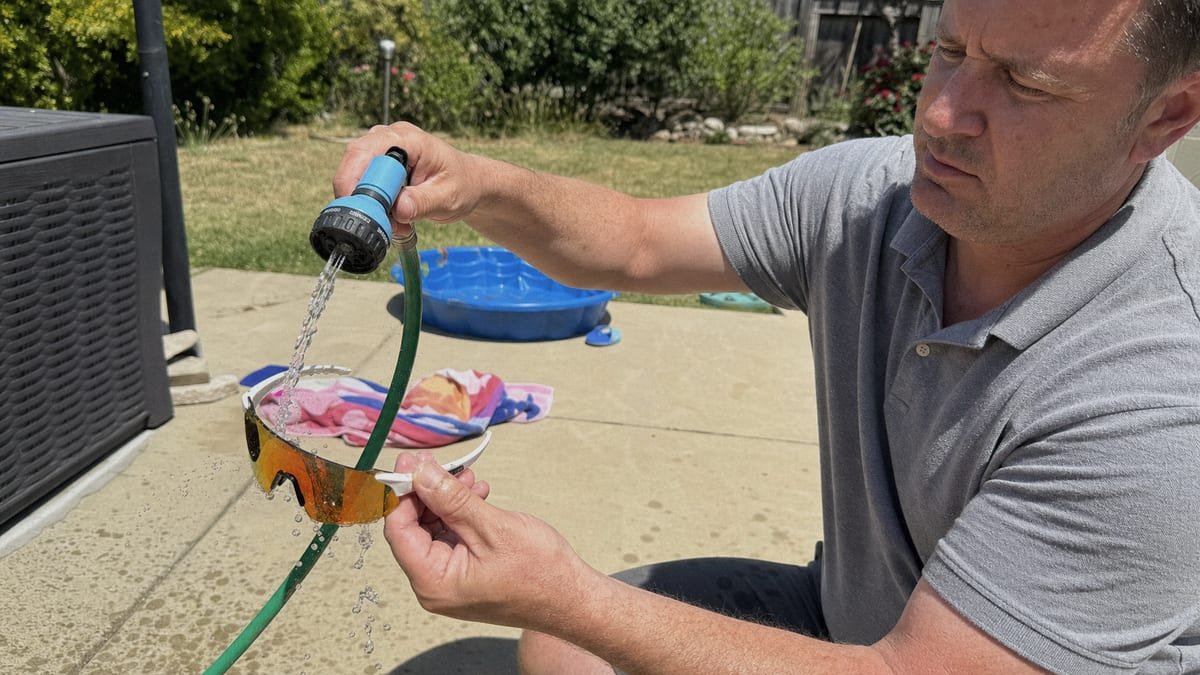
Aqui está a dura verdade que compartilho com todos os parceiros de marca. Uma vez que um arranhão penetra no revestimento resistente a arranhões, nenhum remédio caseiro o consertará. Pasta de dente, bicarbonato de sódio e compostos de polimento 4 funcionam por abrasão. Eles desgastam o revestimento ao redor do arranhão. Você troca um arranhão por uma lente permanentemente turva. Em lentes degradê espelhadas, como os escudos laranja a dourado que produzimos para estilos esportivos, a abrasão também arruína o acabamento reflexivo.
Portanto, a verdadeira resposta é a prevenção. Siga esta sequência todas as vezes.
A Sequência Segura de Limpeza Úmida
- Lave as mãos primeiro com sabão sem loção.
- Enxágue ambas as lentes sob um fluxo suave de água morna. Isso remove areia, poeira e sal antes que qualquer coisa toque a lente.
- Aplique uma gota de detergente neutro em cada lente.
- Esfregue suavemente com as pontas dos dedos em ambos os lados. Sem unhas. Sem pressão.
- Limpe também a armação, a ponte do nariz e as hastes.
- Enxágue bem até que não reste sabão.
- Sacuda o excesso de água.
- Seque com um pano de microfibra limpo e sem fiapos.
Por que limpar a seco é o verdadeiro inimigo
Poeira e areia são mais duras do que o revestimento da lente. Ao limpar uma lente seca, você arrasta essas partículas pela superfície como uma lixa. É assim que a maioria dos micro-arranhões acontece. Mesmo um revestimento antirreflexo em lentes premium não sobrevive à limpeza a seco repetida com lenços de papel ou toalhas de papel, pois o papel contém fibras de madeira.
O truque de inspeção com luz lateral
Uma vez por mês, segure os óculos de sol sob a lanterna de um smartphone em um ângulo. Micro-arranhões e desgaste do revestimento aparecem claramente na luz lateral. As crianças raramente reclamam de brilho ou fadiga ocular, então esta verificação rápida informa quando as lentes precisam de atenção ou substituição.
Com que frequência devo limpar os óculos de sol do meu filho para mantê-los higiênicos?
Testes de conforto ensinaram algo inesperado à nossa equipe. Ao avaliar nossos designs de hastes TPEE para contato com a pele, vemos o quão rapidamente o suor e o protetor solar se acumulam nas plaquetas durante brincadeiras ativas.
Limpe os óculos de sol do seu filho diariamente com um pano de microfibra para manchas leves, e faça uma lavagem completa com água e sabão duas a três vezes por semana. Sempre limpe profundamente após idas à praia, esportes, natação ou uso intenso de protetor solar para remover o acúmulo de sal, cloro e bactérias.
Óculos de sol infantis ficam mais sujos do que os de adultos, e mais rápido. As crianças tocam nas lentes com os dedos pegajosos. Elas empurram as armações para cima com as mãos cobertas de protetor solar. Elas as deixam cair na areia e as jogam em mochilas. A higiene é importante aqui, não apenas a clareza. As plaquetas e as pontas das hastes ficam em contato com a pele da criança por horas. Suor, protetor solar e óleos da pele formam uma película teimosa nessas zonas de contato, e essa película pode irritar a pele sensível.
Um cronograma prático de limpeza
| Situação | O que fazer | Com que frequência |
|---|---|---|
| Impressões digitais leves ou poeira | Enxaguar, depois limpar com microfibra | Diariamente ou conforme necessário |
| Acúmulo de protetor solar e suor | Lavagem completa com água e sabão | 2–3 vezes por semana |
| Uso na praia, piscina ou mar | Enxágue imediato com água doce mais lavagem com sabão | No mesmo dia, sempre |
| Derramamentos de alimentos ou bebidas pegajosos | Breve imersão em água morna, depois lavagem suave | Imediatamente |
| Dobradiças da armação e plaquetas | Escova de dentes infantil macia com água e sabão | Semanalmente |
Casos especiais que precisam de atenção imediata
Água salgada e cloro merecem sua própria regra. Remover resíduos de água salgada rapidamente é importante porque cristais de sal secos podem corroer os revestimentos das lentes e os pequenos parafusos das dobradiças. Após qualquer atividade aquática, enxágue os óculos de sol em água doce morna imediatamente, mesmo antes da lavagem completa.
Para dobradiças e fendas das plaquetas, use uma escova de dentes infantil de cerdas macias com água e sabão. Isso limpa o biofilme que as pontas dos dedos não conseguem alcançar. Use a escova apenas nas partes da armação, nunca na superfície da lente.
Mais um passo negligenciado. Lave seu pano de limpeza de microfibra semanalmente em um saco de lavagem de malha e pule o amaciante. O amaciante deixa um resíduo ceroso que se espalha pelas lentes e causa aquelas manchas misteriosas que nunca parecem ser removidas.
Que Hábitos de Armazenamento Me Ajudam a Proteger as Lentes Entre as Limpezas?
As decisões de embalagem são um constante jogo de compromisso em nosso trabalho OEM. Quando os parceiros de marca nos pedem para especificar acessórios, sempre insisto em um estojo real, porque sabemos o que o armazenamento solto faz com as lentes em trânsito.
Guarde os óculos de sol das crianças em uma caixa protetora de concha dura ou bolsa de microfibra sempre que não estiverem sendo usados. Mantenha-os fora de carros quentes, longe do painel e longe de bolsos soltos de mochilas. Sempre coloque-os com a lente para cima e ensine as crianças a manuseá-los com as duas mãos.
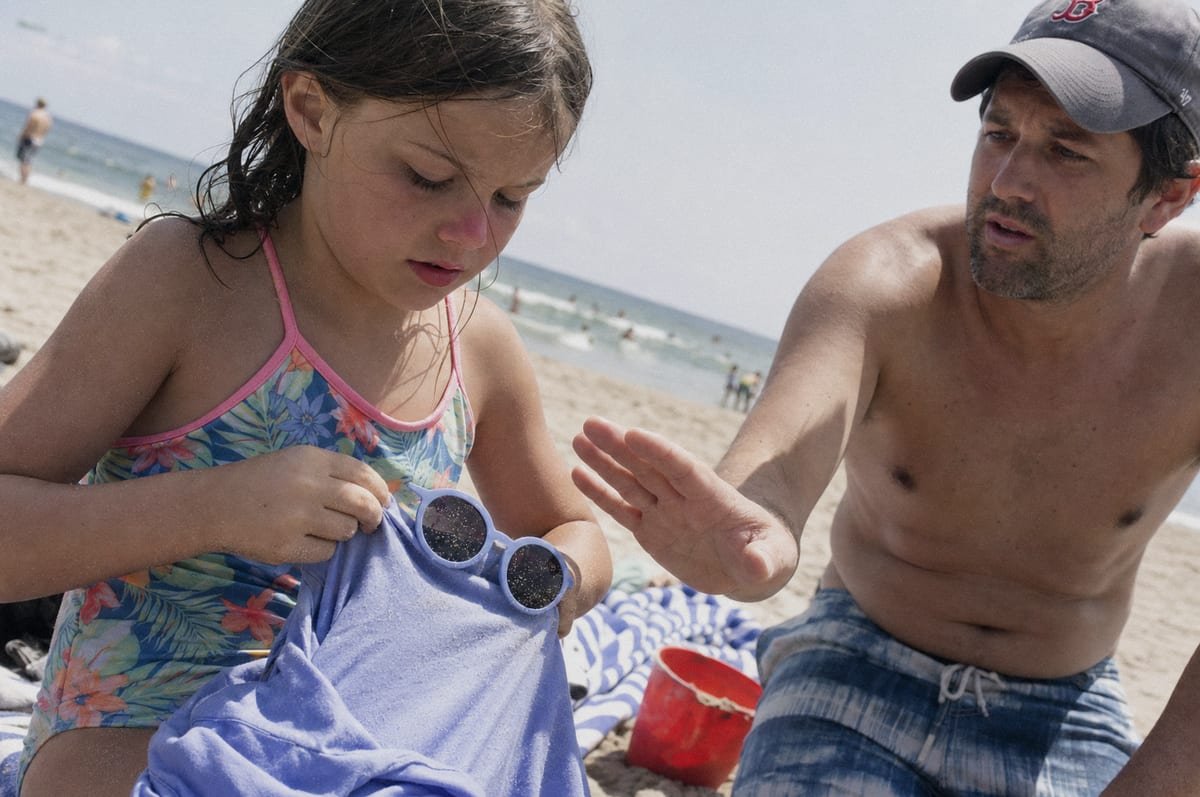
A limpeza remove a sujeira. O armazenamento a previne. Um par que fica em um estojo precisa de muito menos limpeza e dura muito mais. É por isso que oferecemos estojos e bolsas de marca como parte de nossa embalagem pronta para varejo para as marcas que fornecemos. Não é apenas apresentação. Realmente protege o produto.
Os três assassinos do armazenamento
O primeiro assassino é o armazenamento solto. Um bolso de mochila guarda chaves, areia, lápis e migalhas de lanche. Cada solavanco mói esses objetos contra as lentes. Um estojo protetor rígido 5 bloqueia tudo isso. Uma bolsa de microfibra é uma boa segunda opção leve e serve como pano de limpeza em caso de necessidade.
O segundo assassino é o calor. O painel de um carro no verão pode ficar quente o suficiente para amolecer armações de plástico 6 e estressar os revestimentos das lentes. Mesmo armações flexíveis TR90 7, que suportam flexão e torção maravilhosamente, não devem assar em um carro quente. O calor também pode fazer com que as camadas de revestimento espelhado e antirreflexo rachem ou borbulhem com o tempo.
O terceiro assassino é a colocação com a lente para baixo. Lentes em contato com uma mesa pegam sujeira e arranhões instantaneamente. Ensine as crianças a colocar os óculos dobrados, com a lente para cima.
Hábitos que valem a pena ensinar ao seu filho
| Hábito | Por Que Importa |
|---|---|
| O estojo vai onde os óculos de sol vão | Sem estojo por perto significa armazenamento solto |
| Remover com as duas mãos | Puxar com uma mão dobra as dobradiças e solta os parafusos |
| Nunca coloque as lentes viradas para baixo | Evita arranhões instantâneos na mesa |
| Sem óculos de sol no topo da cabeça | Estica as hastes e espalha produto de cabelo nas lentes |
| Enxaguar após nadar, depois guarde-os no estojo | Interrompe danos de sal e cloro antes que comecem |
Pequenos hábitos se somam. Uma criança que aprende o manuseio com as duas mãos aos quatro anos manterá os óculos de sol em bom estado por anos, e esse hábito se estende aos seus primeiros óculos de grau também.
Conclusão
Lentes sujas e arranhadas estragam óculos de sol bons rapidamente. Mas a solução é simples: enxaguar, sabão neutro, pano de microfibra, estojo adequado. Em nossos quinze anos construindo óculos infantis, essa rotina supera todos os atalhos.
Notas de rodapé
Entrada da Wikipedia explicando as propriedades de resistência ao impacto do policarbonato usado em óculos. ↩︎
Guia autoritário da AAO recomendando revestimentos resistentes a arranhões para lentes de policarbonato. ↩︎
Guia da American Academy of Ophthalmology sobre como as lentes polarizadas funcionam e seus benefícios. ↩︎
Artigo da Wikipedia explicando o processo abrasivo usado para alisar superfícies e remover material. ↩︎
Guia de cuidados profissionais com a visão enfatizando o uso de estojos rígidos para armazenamento. ↩︎
Fonte médica autoritária explicando as características de vários materiais de armação de plástico. ↩︎
Site oficial do fabricante do Grilamid TR90, o material padrão para armações flexíveis. ↩︎
Mais Artigos que Você Pode Gostar

28 de setembro de 2026
Óculos de Sol Infantis TR90 e TPEE Podem Usar Materiais Reciclados ou de Base Biológica?

28 de setembro de 2026
Óculos de Sol Infantis TR90 e TPEE São Recicláveis? Dicas de Descarte Explicadas?

28 de setembro de 2026
Como Evitar Deformação e Arranhões ao Enviar Óculos de Sol Infantis TR90 e TPEE?
Procurando um Parceiro Confiável em Óculos Infantis?
Explore mais de 800 estilos prontos e suporte completo OEM/ODM adaptado à sua marca.
Entre em Contato English
  Español de México
  Deutsch
  Français
  日本語
日本語  العربية
  Português do Brasil