子供用サングラスのレンズを正しくクリーニングする方法
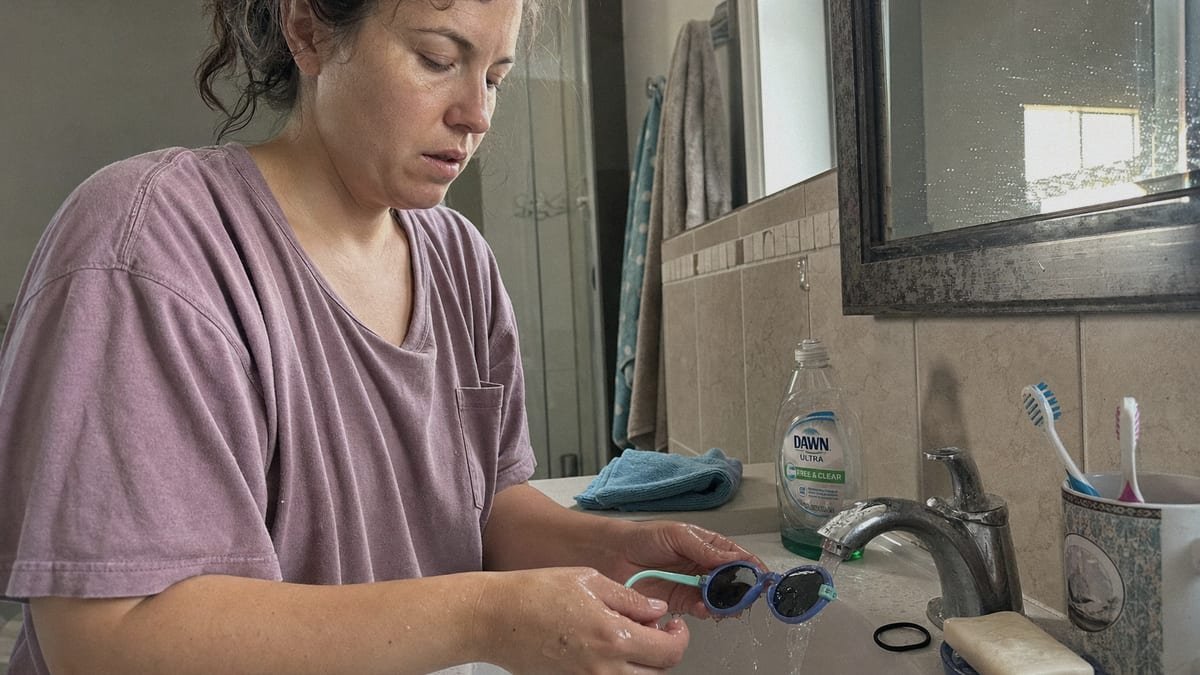
子供用サングラスのレンズを正しくクリーニングする方法を知ることは、親が思う以上に重要です。太州の生産ラインでは、不注意な拭き方でレンズが台無しになるのを何度も見てきました。.
子供用サングラスのレンズを正しくクリーニングするには、まずぬるま湯で洗い流し、刺激の少ないローションフリーの食器用洗剤を1滴垂らし、清潔な指先で優しくこすり、再度洗い流し、清潔なマイクロファイバークロスで乾かします。ティッシュペーパー、シャツ、アンモニアベースのクリーナーは絶対に使用しないでください。.
手順は簡単です。しかし、その詳細がレンズの寿命を1シーズンにするか3シーズンにするかを決めます。各ステップを順を追って説明します。.
子供用サングラスのレンズに安全な洗剤は何ですか?
先春、工場の品質管理レビュー中に返品されたサンプルをテストしたところ、ほとんどのコーティングの損傷は、遊びによるものではなく、家庭用クリーナーによるものであることがわかりました。これは、シニア技術者でさえ驚かせました。.
子供用サングラスのレンズを安全にクリーニングできる製品には、ぬるま湯、刺激の少ないローションフリーの食器用洗剤を1滴、眼鏡専用レンズクリーニングスプレー、そして清潔なマイクロファイバークロスが含まれます。アンモニアベースのガラスクリーナー、酢、漂白剤、香料入り石鹸は、UVコーティングや反射防止コーティングを剥がしてしまうため避けてください。.
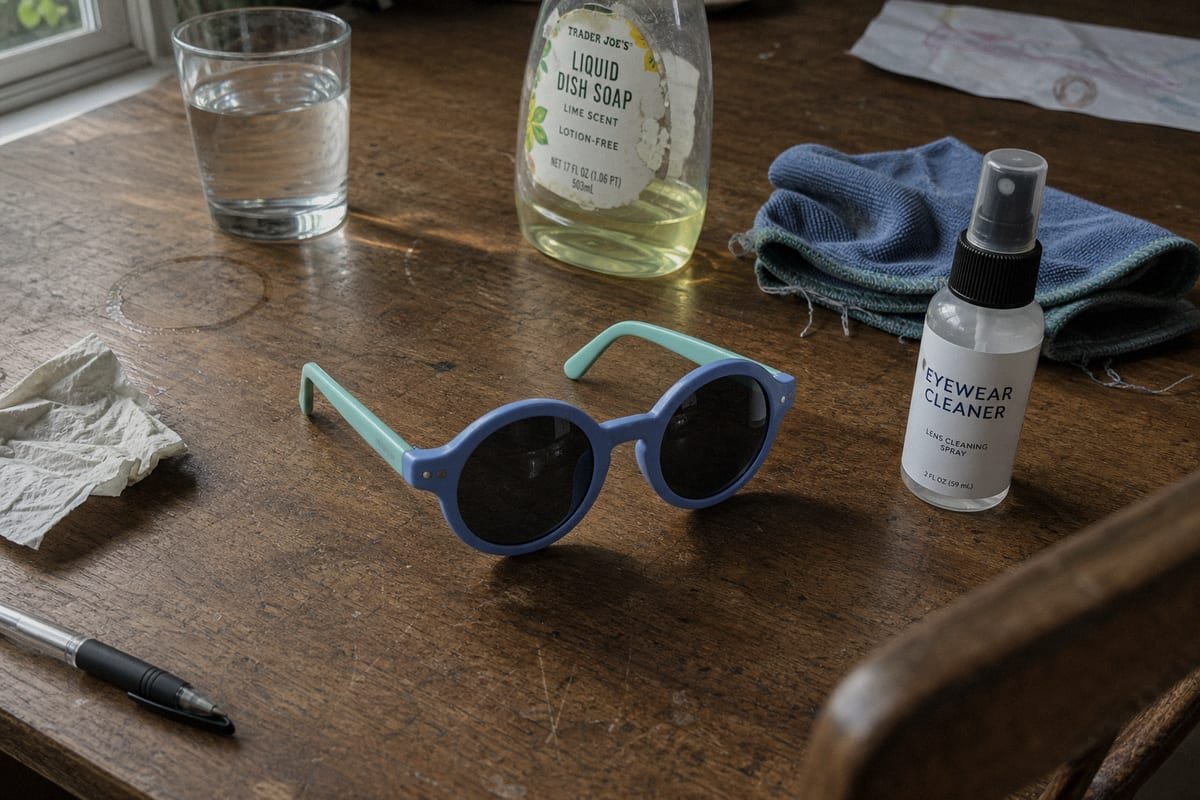
現在の子供用サングラスのほとんどはポリカーボネートレンズを使用しています。これは、耐衝撃性があり子供にとって安全であるため、当社のTR90およびTPEEフレームにも使用しています。しかし、 ポリカーボネートレンズのケア 1 には弱点があります。素材自体が柔らかいのです。レンズがクリアなのは、薄い 傷防止コーティング 2 が上に塗られているからです。強力な化学薬品はまずそのコーティングを攻撃します。.
したがって、ルールは簡単です。製品が眼鏡用または優しい手洗い用でない場合は、レンズから遠ざけてください。.
安全な製品と安全でない製品の概要
| 製品 | 安全ですか? | 理由 |
|---|---|---|
| ぬるま湯ですすぐ | はい | 熱による損傷なしに、砂粒を洗い流します |
| 刺激の少ない食器用洗剤(ローションフリー) | はい | 日焼け止めや油分を優しく分解します |
| 眼鏡用レンズクリーニングスプレー | はい | コーティングを保護するように配合されています |
| マイクロファイバークリーニングクロス | はい | 傷つけずに油分を吸着します |
| ウィンデックスまたはアンモニアクリーナー | いいえ | レンズコーティングを化学的に剥離します |
| 酢または漂白剤 | いいえ | UVおよびミラー層を侵食します |
| ローション入りハンドソープ | いいえ | レンズに油っぽい膜を残します |
| 熱湯 | いいえ | フレームの歪みやコーティングの損傷を引き起こす可能性があります |
石鹸の選択について
石鹸のラベルを確認してください。「保湿」や「ローション入り」といった表示がないはずです。これらの添加物はレンズに広がり、さらに多くのほこりを引き寄せます。レンズ1枚につき1滴で十分です。石鹸が多すぎると、すすぎも多くなります。.
B2Bクライアント向けに 偏光レンズオプション 3 準備する際には、常にパッケージングブリーフにケアガイドを含めています。偏光レンズのメンテナンスも同じルールに従います。優しい石鹸、優しい水、優しい布です。偏光フィルムはレンズの内側にラミネートされているか、レンズにコーティングされているため、強力な溶剤はレンズを曇らせたり、端を剥がしたりする可能性があります。.
コーティングを傷つけずに傷や汚れを取り除くにはどうすればよいですか?
オーストラリアのバイヤーから、ビーチ旅行後に顧客のミラー加工された子供用サングラスが曇る理由を尋ねられたことがあります。原因は一つの習慣にたどり着きました。砂のついたレンズを乾いた状態でシャツの裾で拭くことです。.
レンズの汚れは、ぬるま湯で洗い流し、食器用洗剤を1滴加えて洗い、マイクロファイバークロスで乾かしてください。真の傷は、家庭で安全に研磨して除去することはできません。研磨による修理はコーティングを破壊します。湿式クリーニングによる予防が唯一の信頼できる方法です。.
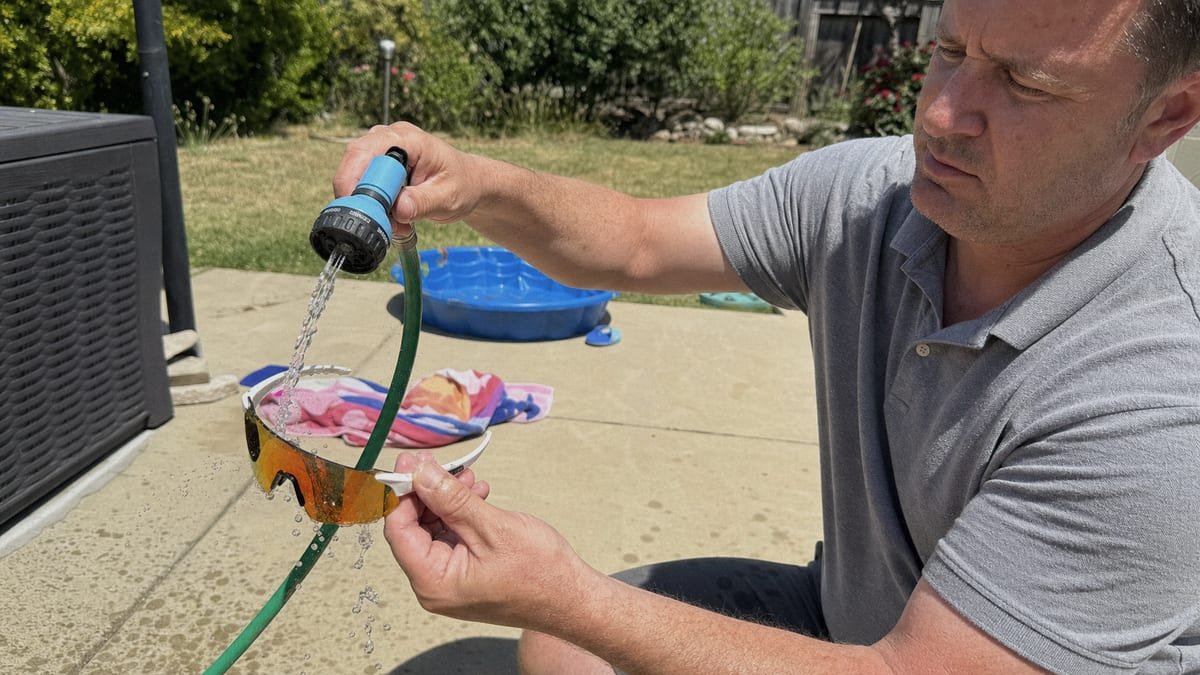
ここで、すべてのブランドパートナーと共有する厳しい真実をお伝えします。一度傷が耐傷性コーティングを貫通すると、家庭での治療法では修正できません。歯磨き粉、重曹、 研磨剤 4 はすべて研磨によって機能します。傷の周りのコーティングを削り取ります。一つの傷と引き換えに、レンズは永久に曇ってしまいます。スポーツスタイル用に製造しているオレンジからゴールドのミラーグラデーションレンズのようなレンズでは、研磨は反射仕上げも台無しにします。.
ですから、本当の答えは予防です。毎回この手順に従ってください。.
安全なウェットクリーニング手順
- まず、ローションフリーの石鹸で手を洗います。.
- ぬるま湯の穏やかな流れで両方のレンズをすすぎます。これにより、レンズに触れる前に砂、ほこり、塩分が洗い流されます。.
- 各レンズに刺激の少ない食器用洗剤を1滴垂らします。.
- 指先で両側を優しくこすります。爪は使わないでください。力を入れないでください。.
- フレーム、ノーズブリッジ、テンプルアームもクリーニングします。.
- 石鹸が残らないように、徹底的にすすぎます。.
- 余分な水を振り落とします。.
- 乾いた清潔な、糸くずの出ないマイクロファイバークロスで拭いてください。.
なぜ乾拭きは本当の敵なのか
ほこりや砂はレンズコーティングよりも硬いです。乾いたレンズを拭くと、それらの粒子をサンドペーパーのように表面に引きずることになります。ほとんどのマイクロスクラッチはこうして発生します。高級レンズの反射防止コーティングでさえ、ティッシュやペーパータオルでの繰り返しの乾拭きには耐えられません。なぜなら、紙には木材繊維が含まれているからです。.
サイドライト検査トリック
月に一度、サングラスをスマートフォンの懐中電灯にかざし、角度をつけて見てください。マイクロスクラッチと コーティングの摩耗 は、横からの光で明確に現れます。子供はめまいや目の疲れについてめったに文句を言わないので、この簡単なチェックでレンズに注意や交換が必要な時期がわかります。.
子供のサングラスはどのくらいの頻度で洗って衛生的に保つべきですか?
快適性テストにより、私たちのチームは予期せぬことを学びました。肌に触れるTPEEテンプルデザインを評価する際、激しい遊び中に鼻パッドに汗や日焼け止めがどれだけ早く蓄積するかを確認します。.
軽い汚れは、お子様のサングラスを毎日マイクロファイバークロスで拭き、週に2〜3回は石鹸と水で丁寧に洗いましょう。塩分、塩素、バクテリアの蓄積を取り除くために、ビーチ、スポーツ、水泳の後、または日焼け止めを多量に使用した後は、必ず徹底的に洗浄してください。.
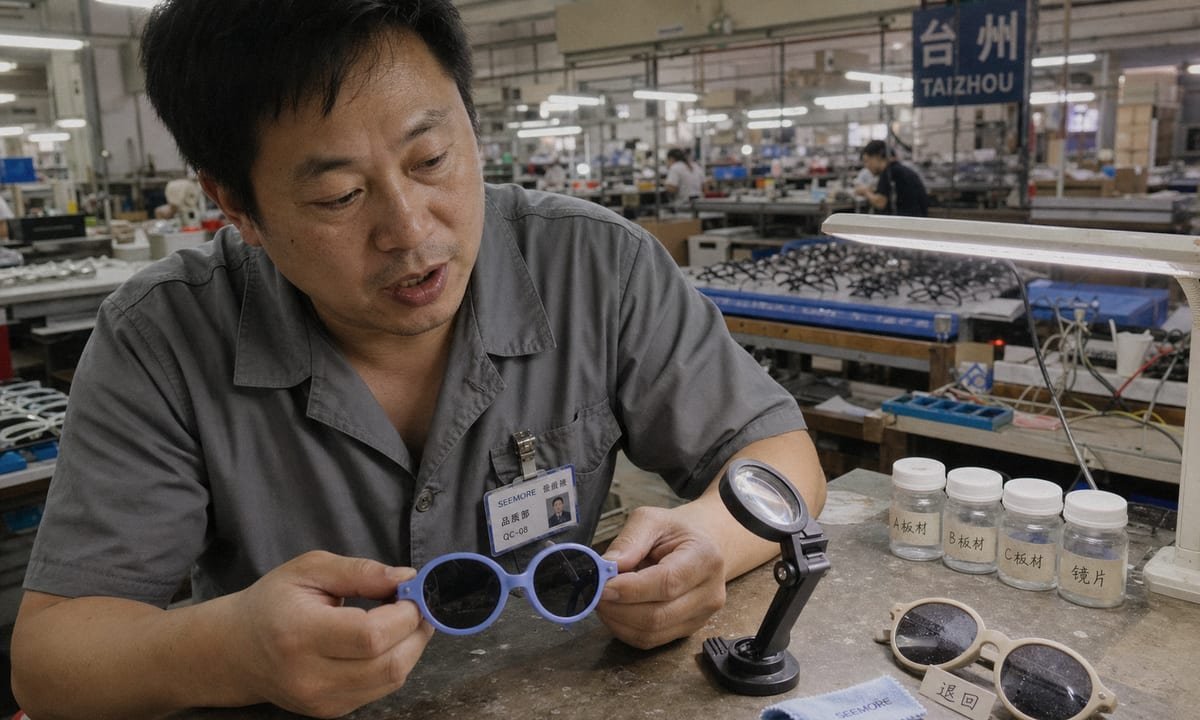
子供用サングラスは大人用よりも汚れやすく、早く汚れます。子供はべたべたした指でレンズに触れます。日焼け止めで覆われた手でフレームを押し上げます。砂の中に落としたり、バックパックに投げ込んだりします。衛生状態は、明確さだけでなく、ここでも重要です。鼻パッドとテンプルチップは、何時間も子供の肌に触れています。汗、日焼け止め、皮膚の油分がそれらの接触ゾーンに頑固な膜を形成し、その膜は敏感な肌を刺激する可能性があります。.
実用的なクリーニングスケジュール
| 状況 | フレーム仕上げ | 頻度 |
|---|---|---|
| 軽い指紋やほこり | すすいでからマイクロファイバーで拭く | 毎日または必要に応じて |
| 日焼け止めと汗の蓄積 | 石鹸と水で完全に洗う | 週に2〜3回 |
| ビーチ、プール、または海での使用 | すぐに真水ですすぎ、石鹸で洗う | 毎日、毎回 |
| べたつく食べ物や飲み物のこぼれ | 軽くぬるま湯に浸してから優しく洗う | 直ちに |
| フレームのヒンジと鼻パッド | 石鹸水で柔らかいベビー用歯ブラシ | 週次 |
特別な注意が必要なケース
塩水と塩素には独自のルールがあります。塩水の残留物を迅速に取り除くことは重要です。なぜなら、乾燥した塩の結晶はレンズコーティングをピットさせ、小さな金属製のヒンジネジを腐食させる可能性があるからです。 水遊び, の後、完全な洗浄の前でも、すぐに真水のぬるま湯ですすいでください。.
ヒンジと鼻パッドの隙間には、石鹸水で柔らかい毛のベビー用歯ブラシを使用してください。これにより、指先では届かないバイオフィルムが除去されます。ブラシはフレーム部分にのみ使用し、レンズ表面には絶対に使用しないでください。.
もう一つ見過ごされがちなステップ。マイクロファイバークリーニングクロスを週に一度、メッシュランドリーバッグに入れて洗い、柔軟剤は使用しないでください。柔軟剤はワックス状の残留物を残し、レンズに広がり、拭き取っても消えない不思議な汚れを引き起こします。.
クリーニングの合間にレンズを保護するのに役立つ保管習慣は何ですか?
OEM作業では、パッケージングの決定は常にトレードオフです。ブランドパートナーがアクセサリーの仕様を依頼するとき、私は常に実際のケースを強く勧めます。なぜなら、輸送中のレンズに緩い保管がどのような影響を与えるかを知っているからです。.
子供用サングラスは、着用していないときは、ハードシェルの保護ケースまたはマイクロファイバーポーチに保管してください。熱い車内、ダッシュボードの上、リュックサックの緩いポケットから離して保管してください。常にレンズを上にして置き、子供たちに両手で扱うように教えてください。.
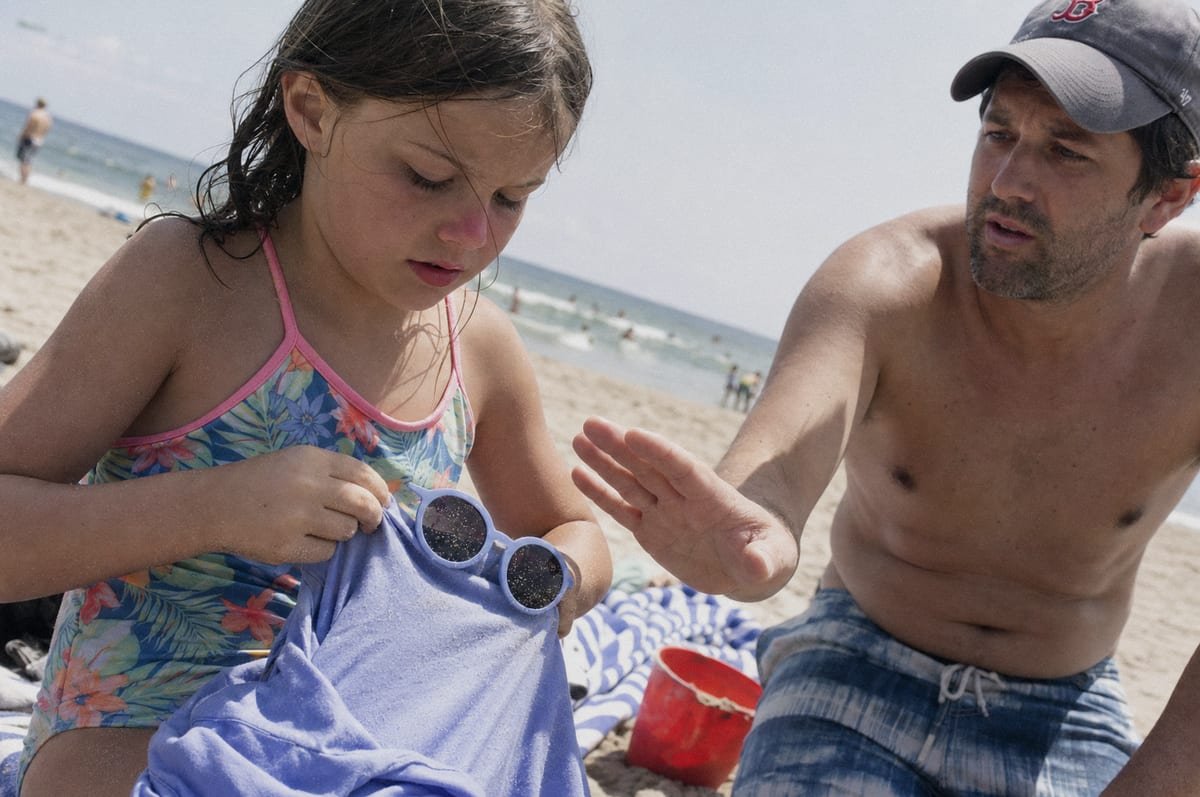
クリーニングは汚れを取り除きます。保管はそれを防ぎます。ケースに入れて保管されているペアは、クリーニングの必要性がはるかに少なく、はるかに長持ちします。だからこそ、当社が供給するブランド向けの小売準備済みパッケージの一部として、ブランド付きケースとポーチを提供しているのです。それは単なるプレゼンテーションではありません。それは製品を実際に保護します。.
�¤の保管の危険因子
最初の危険因子は、緩い保管です。バックパックのポケットには、鍵、砂、鉛筆、スナックのパンくずが入っています。すべての衝撃がそれらをレンズにこすりつけます。 ハードシェル保護ケース 5 はすべてをブロックします。マイクロファイバーポーチは、軽量で良い第二の選択肢であり、いざというときにはクリーニングクロスとしても使えます。.
2番目の危険因子は熱です。夏の車のダッシュボードは、 プラスチックフレーム 6 を柔らかくし、レンズコーティングにストレスを与えるほど熱くなることがあります。たとえ 柔軟なTR90フレーム 7, であっても、曲げやねじれに美しく対応するものであっても、暑い車の中で焼かれるべきではありません。熱はまた、ミラーコーティングや反射防止コーティングの層を時間とともにひび割れさせたり、気泡を発生させたりする可能性があります。.
3番目の危険因子は、顔を下にして置くことです。テーブルにレンズが触れると、すぐに砂粒や傷がつきます。子供たちに、メガネを折りたたんでレンズ側を上にして置くように教えてください。.
子供に教えるべき習慣
| 習慣 | なぜ重要なのか |
|---|---|
| ケースはサングラスの場所に行く | 近くにケースがないということは、緩い保管が発生することを意味します |
| 両手で外す | 片手で引っ張るとヒンジが曲がり、ネジが緩みます |
| レンズを下に向けないでください | 瞬時にテーブルトップの傷を防ぎます |
| サングラスを頭の上にかけないでください | テンプルが伸び、ヘア製品がレンズに付着します |
| 水泳後はすすぎ、ケースに入れてください | 塩分や塩素によるダメージを未然に防ぎます |
小さな習慣が積み重なります。4歳で両手で扱うことを学んだ子供は、何年もサングラスを良い状態に保ち、その習慣は最初の眼鏡フレームにも引き継がれます。.
結論
汚れた傷のあるレンズは、良いサングラスをすぐに台無しにします。しかし、解決策は簡単です。すすぎ、中性石鹸、マイクロファイバークロス、適切なケース。子供用アイウェアを15年間製造してきた中で、そのルーチンはあらゆる近道よりも優れています。.
脚注
アイウェアに使用されるポリカーボネートの耐衝撃性に関するWikipediaのエントリ。. ↩︎
ポリカーボネートレンズに傷防止コーティングを推奨する権威あるAAOガイド。. ↩︎
偏光レンズの仕組みとその利点に関するアメリカ眼科学会ガイド。. ↩︎
表面を滑らかにし、材料を除去するために使用される研磨プロセスを説明するWikipediaの記事。. ↩︎
収納にハードケースを使用することを強調する専門的な視力ケアガイド。. ↩︎
さまざまなプラスチックフレーム材料の特性を説明する権威ある医療情報源。. ↩︎
曲げやすいフレームの標準材料であるGrilamid TR90の製造元の公式ウェブサイト。. ↩︎

 English
  Español de México
  Deutsch
  Français
  日本語
日本語  العربية
  Português do Brasil