How to Negotiate MOQ Per Style/Color for Kids Optical Frames Orders?
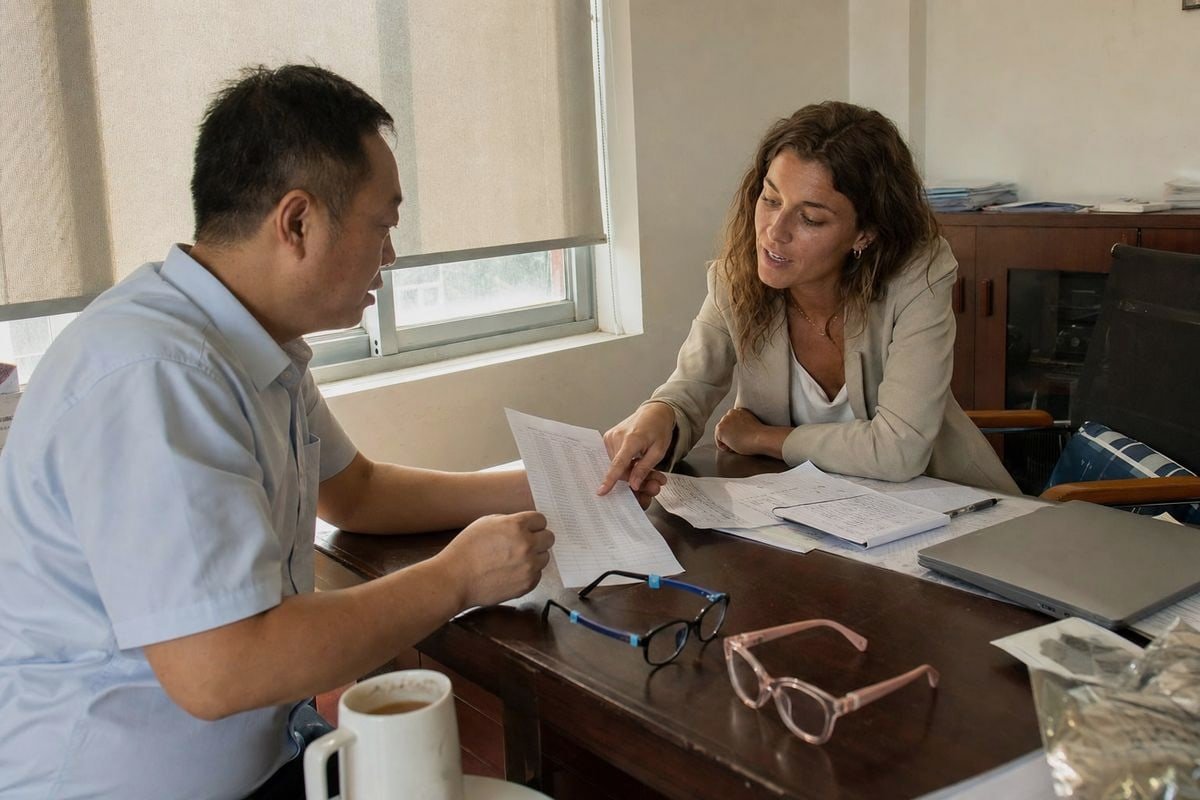
Negotiating MOQ per style and color for kids optical frames stalls many new brands ODM buyer 1. I see promising buyers freeze when our quote sheet lands in their inbox.
To negotiate MOQ per style/color for kids optical frames, first ask whether the minimum applies per style, per color, or per SKU. Then request mixed-color allocation within one style, use existing molds and stock components, offer a modest unit-price premium, and commit to a realistic reorder plan.
MOQ is rarely one fixed number. It is a package of trade-offs. In this guide, I will show you how we structure those trade-offs with real buyers, step by step.
How can I lower the MOQ per style or color without sacrificing quality?
Last spring, a small Australian brand asked us for 150 pieces per color on a custom TR90 frame OEM tooling 2. TR90 frame material 3 Our standard quote said 500 per style. We still found a deal.
You can lower MOQ per style or color by keeping the supplier's existing molds and frame materials, mixing colors within one production run, accepting a small price premium for the first order, and limiting customization to logos and packaging instead of new tooling.
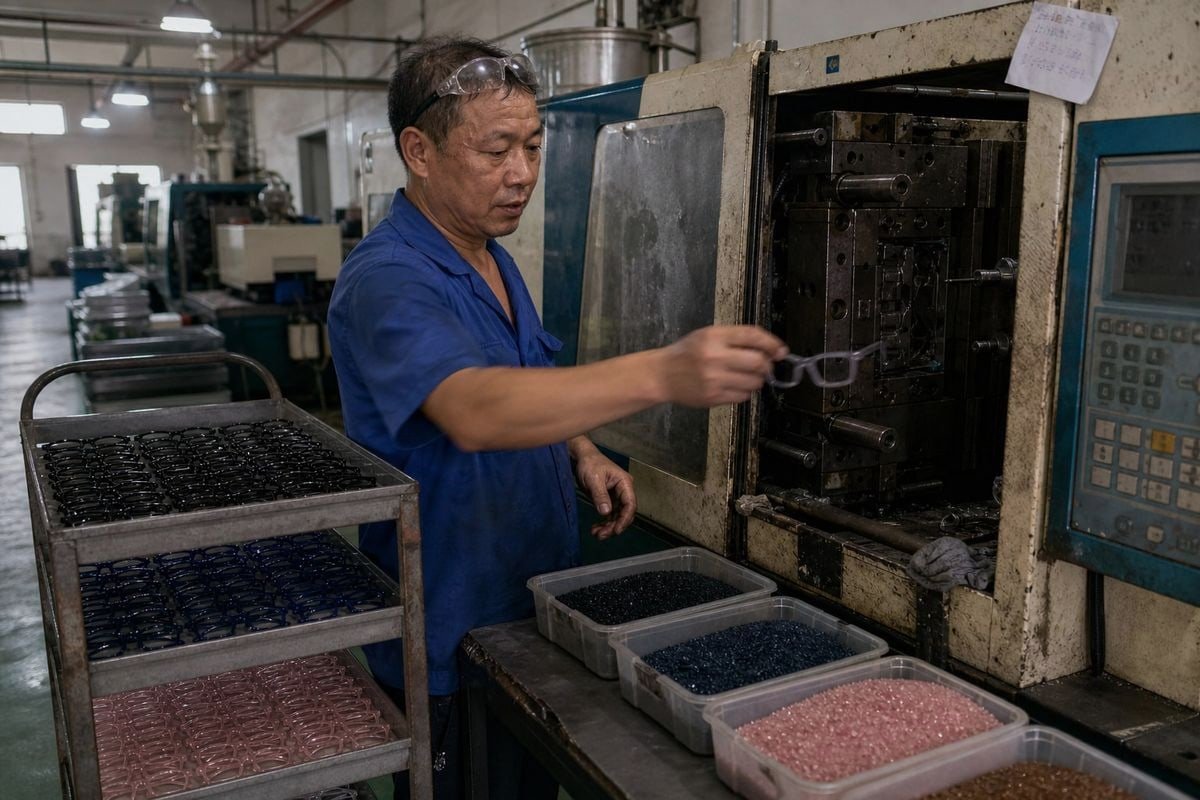
The key insight is this: MOQ exists because of production costs, not stubbornness. When a factory opens a new mold, buys a fresh batch of acetate or TR90, sets up injection machines 4, and trains the line on a new design, those fixed costs must spread across enough units. If you remove some of those fixed costs, the minimum drops naturally — and quality does not have to suffer at all.
Understand what actually drives the minimum
Before you negotiate, break the MOQ into its cost components. Each one is a separate lever.
| Cost Driver | Why It Raises MOQ | How to Reduce It |
|---|---|---|
| New mold/tooling 5 | High upfront investment | Use existing molds from the style library |
| Custom color matching | Material batch minimums | Choose in-stock colors or share a material batch |
| Safety finishing for kids | Extra QC steps and setup | Keep standard, already-certified processes |
| Custom packaging | Print-run minimums | Start with stock cases and neutral boxes |
| Line changeover | Lost machine time per variant | Consolidate colors into one run |
Trade money for flexibility, not quality for quantity
Never ask a factory to cut corners to hit a lower number. Cheaper hinges or thinner temples on a child's frame are a false economy — returns and safety complaints will cost you far more. Instead, offer a slightly higher unit price on the trial run. In our experience, a 5–10% premium often unlocks a 30–50% lower minimum, because it compensates the factory for lost efficiency on small batch orders. Quality stays identical; only the economics shift. That is the negotiation buyers with strong supplier relationships understand, and it is why we say yes to them more often.
What MOQ options can I expect when mixing multiple styles and colors in one order?
One trade-off we weigh constantly on our production line: every color changeover costs machine time, but a mixed-color run still beats an idle line. That math shapes what we can offer buyers.
When mixing styles and colors, most kids eyewear factories quote a combined total — often 500–1,000 pieces per order — split across 2–4 styles with 2–3 colorways each, typically with a floor of 100–300 pieces per color to keep production runs efficient.
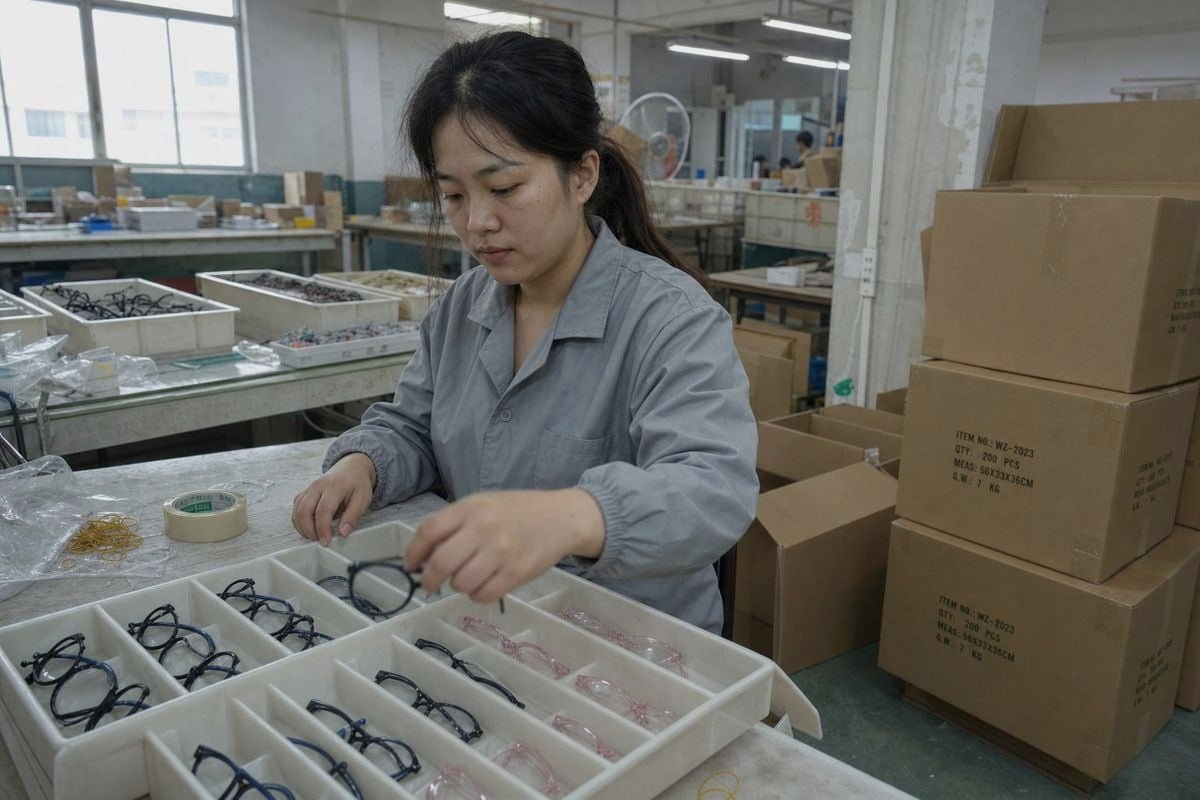
Mixing is the single most practical way to restructure an MOQ, and it is the arrangement we agree to most often at our Taizhou facility. Instead of fighting a "500 pieces per color" quote, you convert it into "500 pieces per style, split across colors." The factory still gets an efficient run on one mold; you get variety on the shelf without drowning in inventory.
Here is how typical arrangements compare for a custom kids optical frame order:
| Order Structure | Typical Minimum | Inventory Risk | Supplier Willingness |
|---|---|---|---|
| One style, one color | 500 pcs | High (all eggs in one basket) | Muito alto |
| One style, 3 mixed colors | 500 pcs total (150–200/color) | Médio | Alto |
| Two styles, 2 colors each | 800–1,000 pcs total | Médio | Moderado a alto |
| Four styles, 3 colors each | 1,200+ pcs total | Lower per SKU | Depends on setup complexity |
Why per-color floors still exist
Even in a mixed order, expect a floor per colorway. Dyeing or injecting a custom color requires a minimum material batch. For example, a translucent blush-pink acetate — like the jelly-finish cat-eye frame many of our European buyers love — needs a full sheet or pellet batch even if you only want 80 finished frames. One creative workaround: ask whether the factory can share that material batch across other brands' orders. We do this quietly for popular pastel tones, and it lets several small buyers hit lower finished-frame quantities together.
Watch the hidden variables
Mixing affects lead times too. Each color adds changeover hours, so a four-color run may ship one to two weeks later than a single-color run. Also confirm whether age-specific sizing counts as a separate SKU. If a style comes in two eye sizes, some wholesale suppliers treat each size as its own minimum. Ask early, in writing.
How do I use OKAY EYEWEAR's existing style library to reduce my minimum order risk?
A Japanese buyer once told me she budgeted six months and five figures for mold development — then discovered our catalog already held the exact silhouette she had sketched.
OKAY EYEWEAR's library of roughly 800 existing styles lets you launch as an ODM buyer with no mold investment. You select proven frames, add your logo, colors, and packaging, and start with far lower minimums than custom OEM tooling would ever allow.
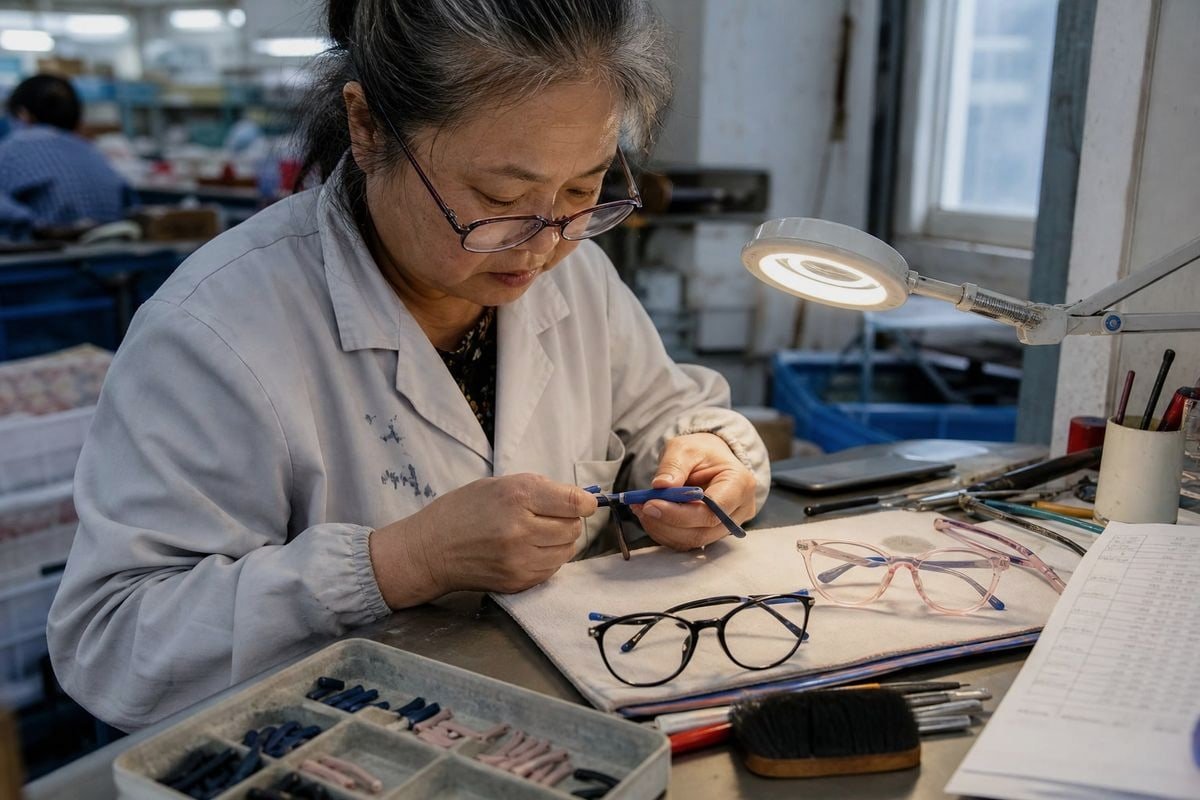
This is the ODM-first strategy, and it is the fastest de-risking move available to a new children's brand. Molds are the most expensive fixed cost in eyewear. When you build on an existing mold, that cost disappears from your equation entirely. The MOQ conversation shifts from "can you afford new tooling?" to "how many finished frames do you actually need?" — a much friendlier question.
A phased path from stock to custom
Here is the sequence we recommend to buyers who want private label frames without heavy upfront risk:
- Browse the library. Shortlist styles that fit your market — for active kids, something like our rounded rectangular TR90 front with flexible TPEE temples and cable-style ear hooks; for a softer aesthetic, a translucent pastel acetate-look frame.
- Order samples. Sample orders cost little and let you test fit, flexibility, and finish on real children before committing.
- Place a semi-custom first order. Keep the frame and stock colors; add your logo on the temple and your branded packaging. This is where minimums are lowest.
- Reorder with custom colors. Once sales data supports it, phase in exclusive colorways at moderate minimums.
- Invest in OEM tooling last. Only open a new mold when a style has proven demand.
Why flexible-material expertise matters here
An existing style is only low-risk if it is genuinely good. Our library is built on fifteen years of working with TPEE and TR90 — frame materials chosen because they bend without snapping, sit lightly on small noses, and survive playground abuse. When you pick from a library engineered around child safety and comfort, you are not settling for generic stock. You are borrowing proven engineering, which is exactly what makes small batch orders commercially sane for both sides.
Can I negotiate a trial order before committing to a full MOQ for new colorways?
The lesson I learned early in exporting: buyers who ask for a structured trial almost always become repeat customers, while buyers who demand a blanket discount rarely return.
Yes. Most eyewear manufacturers, including us, accept trial orders of 100–300 pieces for new colorways when the buyer pays a modest premium, uses stock components where possible, and presents a credible reorder plan tied to a forecast or launch date.
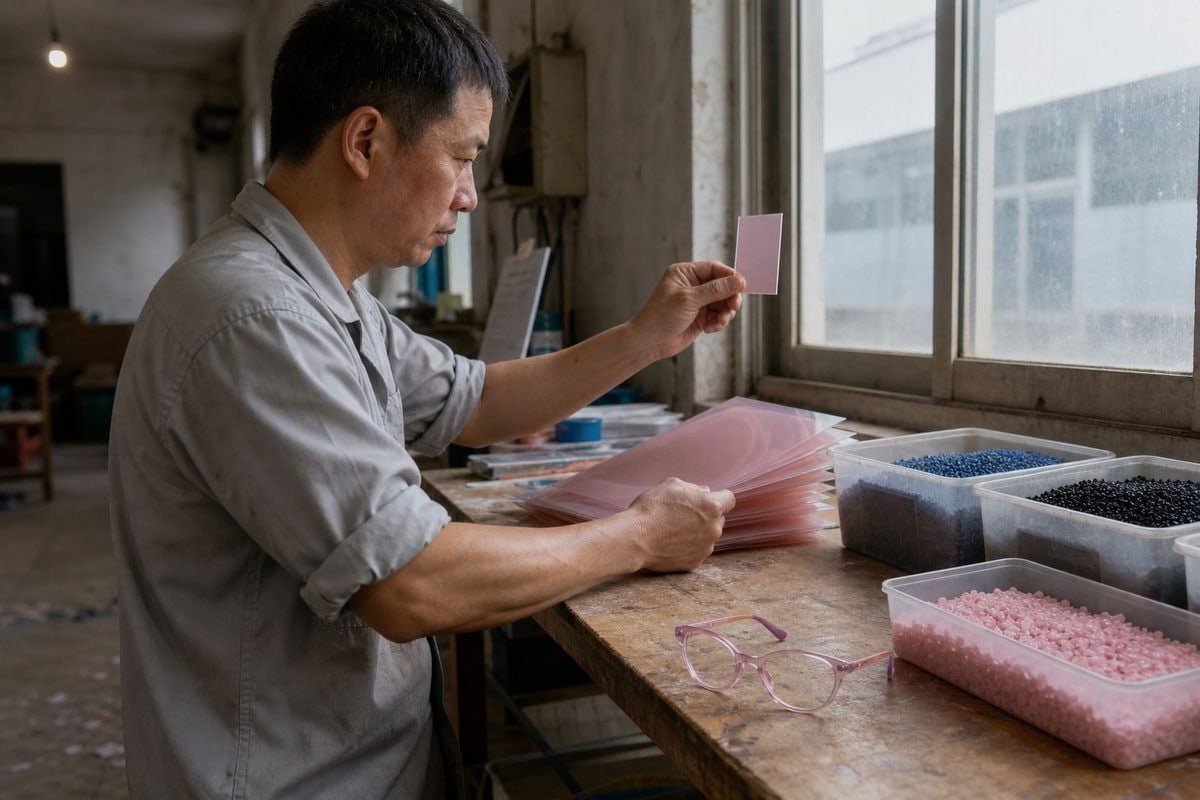
A trial order is not a discount request. It is a risk-sharing proposal, and framing it that way changes everything. Factories fear two things about small runs: losing money on setup, and buyers who disappear after one order. Your negotiation should neutralize both fears explicitly.
What to put in your trial-order proposal
| Element | What to Include | Por Que Funciona |
|---|---|---|
| Clear spec or tech pack | Style number, colorway references, logo placement | Reduces supplier uncertainty and back-and-forth |
| Demand forecast | Launch date, target market, projected 12-month volume | Justifies the small first run as step one, not the whole deal |
| Price flexibility | Willingness to accept a trial-run surcharge | Covers the factory's setup inefficiency |
| Reorder commitment | Indicative reorder quantity and timeline | Signals partnership, not a one-time transaction |
| Component flexibility | Stock temples, hinges, demo lenses, packaging | Cuts per-component minimums that inflate the MOQ |
A script you can adapt
Send something like this: "We would like to test two new colorways of style X in our market. We can accept mixed colors within one production run and a reasonable premium on the trial price. If sell-through meets our forecast, we plan a reorder of [quantity] within [timeframe]. What minimum can you support on that basis?" This message works because it names the constraint, offers trade-offs, and shows a future. In our experience across buyers in more than twenty countries, this framing gets a flexible answer far more often than "can you lower your MOQ?" ever does. Confirm the agreed terms in writing — quantities per color, surcharge, lead times, and the reorder trigger — so the trial becomes the foundation of a long-term relationship rather than a source of disputes. And discuss customization options honestly: a trial run with stock packaging today can graduate to fully branded retail presentation on the reorder.
Conclusão
MOQ negotiation is not about winning a lower number. It is about restructuring the deal — mixing colors, using our style library, and building trust toward a lasting partnership.
Notas de rodapé
1. Clarifies the definition and role of an Original Design Manufacturer (ODM). ↩︎
2. Showcases a company specializing in OEM manufacturing, including fabrication and machining. ↩︎
3. Provides a comprehensive overview of TR90 frame material properties and benefits. ↩︎
4. Provides a comprehensive overview of the injection molding manufacturing process. ↩︎
5. Defines mold tooling and its importance in the injection molding process. ↩︎
Mais Artigos que Você Pode Gostar
5 de agosto de 2026
Acetato de Celulose Bio-Baseado vs. Regular: Qual a Diferença para Armações Infantis?
5 de agosto de 2026
Quão Recicláveis São os Materiais de Armações Ópticas Infantis e Quais Alternativas Ecológicas Existem?
5 de agosto de 2026
As Armações Ópticas Infantis Branqueiam ou Envelhecem em Armazenamento e Como Controlar as Condições do Armazém?
Procurando um Parceiro Confiável em Óculos Infantis?
Explore mais de 800 estilos prontos e suporte completo OEM/ODM adaptado à sua marca.
Entre em Contato English
  Español de México
  Deutsch
  Français
  日本語
日本語  العربية
  Português do Brasil