How to Keep Profit Margins Intact When Sourcing Insurance-Priced Kids Optical Frames?

Sourcing insurance-priced kids optical frames nearly broke one of our first optical-chain clients. Vision plans capped what they could charge, yet their wholesale costs kept climbing. Every covered sale quietly bled margin. On our production line in Taizhou, we helped them rebuild the math from the factory floor up.
To keep profit margins intact when sourcing insurance-priced kids optical frames, buy frames at a landed cost low enough that the plan allowance plus patient copay still leaves healthy gross profit. Use value sourcing, private label eyewear, tiered assortments, and frame-by-frame margin tracking instead of blanket markups.
That single formula drives everything else. Below, I break down the pricing math, the sourcing tactics, the hidden costs, and the MOQ strategy that protect your margin.
What factors should I consider when pricing kids optical frames for insurance programs without cutting into my margins?
A procurement manager from Australia once asked me why her covered kids frames lost money despite steady sales. We reviewed her numbers together, and the answer sat in her wholesale frame allowance math.
Price insurance-program kids frames by working backward from the plan: add the insurer reimbursement to the patient copay, subtract your full cost of goods sold, and confirm real gross profit per frame. Never apply one uniform markup across covered and private-pay inventory.
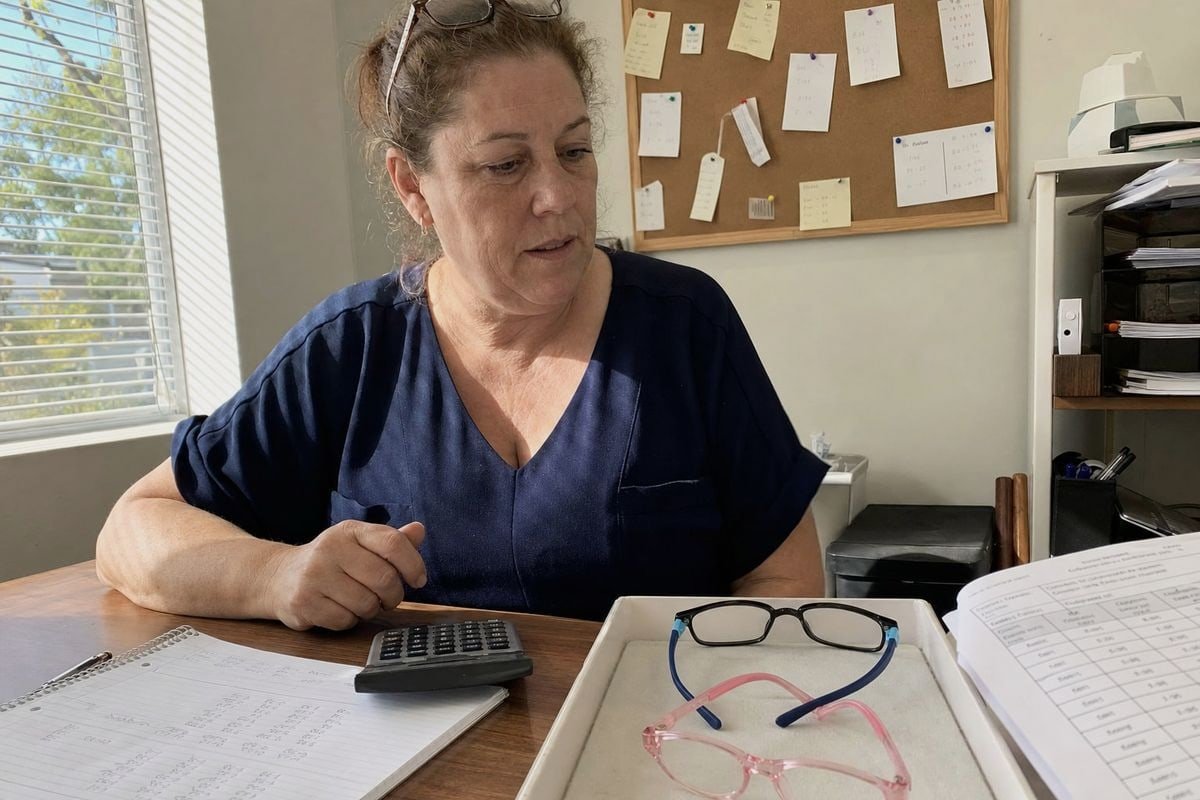
The core problem is that managed care reimbursements compress your selling price from above while wholesale costs squeeze from below. Your only real lever on covered frames is acquisition cost. So the pricing exercise starts with the plan, not the frame.
The core profit formula
Profit on a covered frame is simple: plan reimbursement plus patient out-of-pocket costs 1, minus your cost of goods sold. If a frame retails above the allowance, your markup strategy on the overage drives profit. If it sits below the allowance, only a low acquisition cost saves you. Frames priced right at the allowance are the most dangerous, because they feel "covered" to the parent but can be unprofitable to you after contractual write-offs.
| Scenario | Retail vs. allowance | Where profit comes from | Risk level |
|---|---|---|---|
| Frame above allowance | Retail exceeds cap | Patient overage + markup discipline | Moderado |
| Frame at allowance | Retail equals cap | Reimbursement minus COGS only | Alto |
| Frame below allowance | Retail under cap | Low wholesale acquisition cost | Low, if sourced well |
Why kids frames are extra sensitive
Parents expect low patient out-of-pocket costs on children's eyewear. At the same time, kids bend, sit on, and lose frames, which raises replacement frequency and inventory turns 2. In our experience supplying optical companies in 20-plus countries, buyers who treat covered kids frames as a distinct inventory class — with their own pricing rules and their own minimum list price floor — consistently outperform those who apply usual and customary charges 3 logic across the whole board. Set a minimum list price that covers overhead regardless of wholesale cost, then do the allowance math frame by frame. One uniform markup rule in a managed-care environment quietly destroys profitability, one covered sale at a time.
How can I find a manufacturer that offers insurance-friendly pricing without compromising frame quality and safety?
There is a trade-off we weigh in every quote we send: the cheapest possible plastic versus flexible materials that survive a real child's daily life. Cutting the wrong corner destroys returns, not just margin.
Find a factory partner — not a trader — with proven flexible-material expertise, an existing style library to avoid mold costs, and full OEM support for private label eyewear. Verify safety through material specs, samples, and QC processes before comparing unit prices.
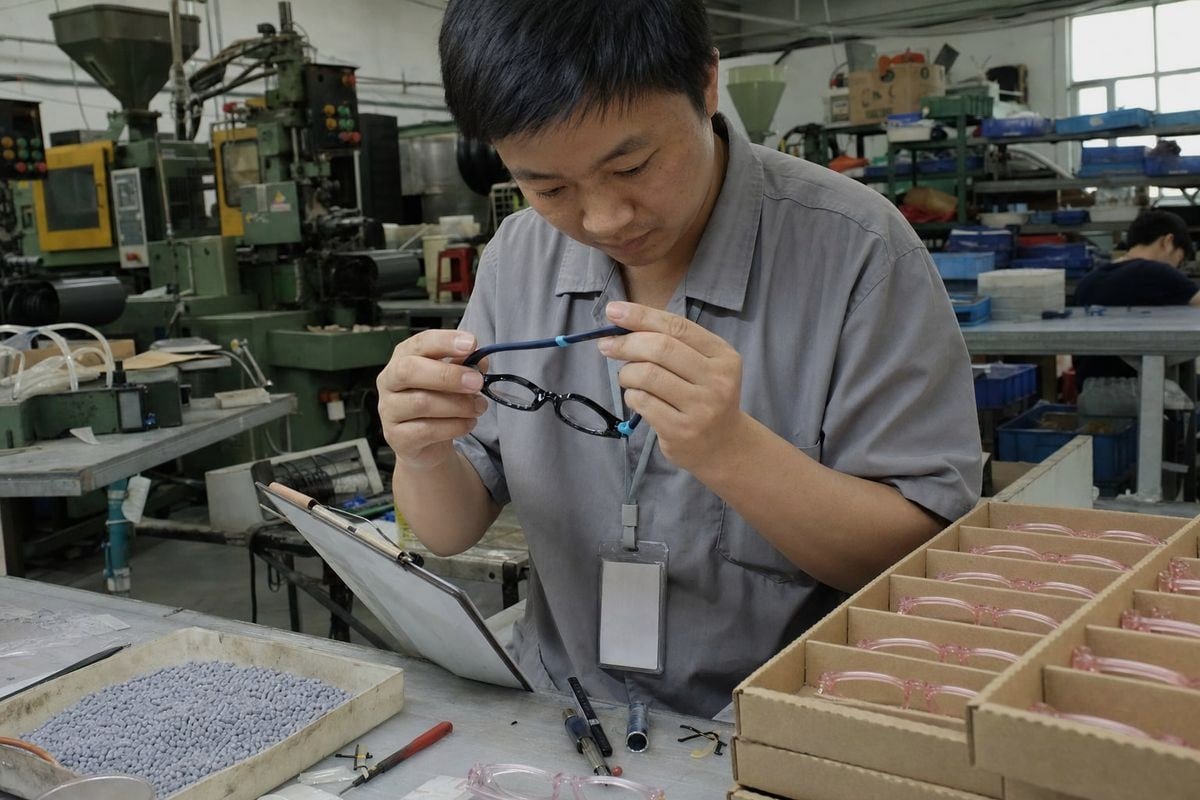
Insurance-friendly pricing does not mean the lowest quote on the table. It means a custo de chegada 4 that fits under the allowance while the frame itself still survives a seven-year-old. Those two goals only coexist when the manufacturer controls materials and process directly.
Factory-direct versus trader pricing
When buyers purchase through trading companies 5, they pay a middleman layer that eats exactly the margin the insurance allowance was supposed to protect. Buying factory-direct removes that layer. At our Taizhou facility, with around 120 workers and 15 years of eyewear experience, we quote from our own production cost, so buyers see where their money goes: TR90 fronts, TPEE temples, hinges, lenses, packaging.
The existing-style library shortcut
Custom molds are the biggest capital trap for insurance-priced programs. This is why we maintain roughly 800 existing styles buyers can select from. A distributor can build a covered-frame assortment with custom colors and logos — genuine private label eyewear 6 — without any mold investment. That lets you hit a 5x or higher retail markup while staying comfortably under reimbursement limits, and it lets you test the market with lower risk before committing to bigger volumes.
Safety checks that protect margin
Cheap rigid plastic frames snap, and every warranty replacement wipes out the profit of several sales. Flexible TR90 frames with TPEE temples bend instead of breaking, and silicone hinge connectors plus adjustable ear hooks keep frames on active kids' faces. Before you sign, request:
- Material documentation for frame and temple compounds.
- Physical samples for flex, hinge, and fit testing.
- A description of in-line and final QC steps.
- References from optical or kids-brand buyers in your region.
A manufacturer who answers these quickly is usually one who ships consistently. Quality consistency is itself a margin strategy, because remakes and returns are pure loss.
Early in my export career, I watched a European importer celebrate a great unit price, then lose the whole advantage to freight surcharges 7, repacking labor, and a customs reclassification. The invoice price told half the story.
Watch for freight and duties, repacking and receiving labor, warranty replacements, dead stock, contractual write-offs, and currency swings. Calculate true landed cost per frame — not invoice cost — before judging whether a frame fits profitably inside an insurance allowance.
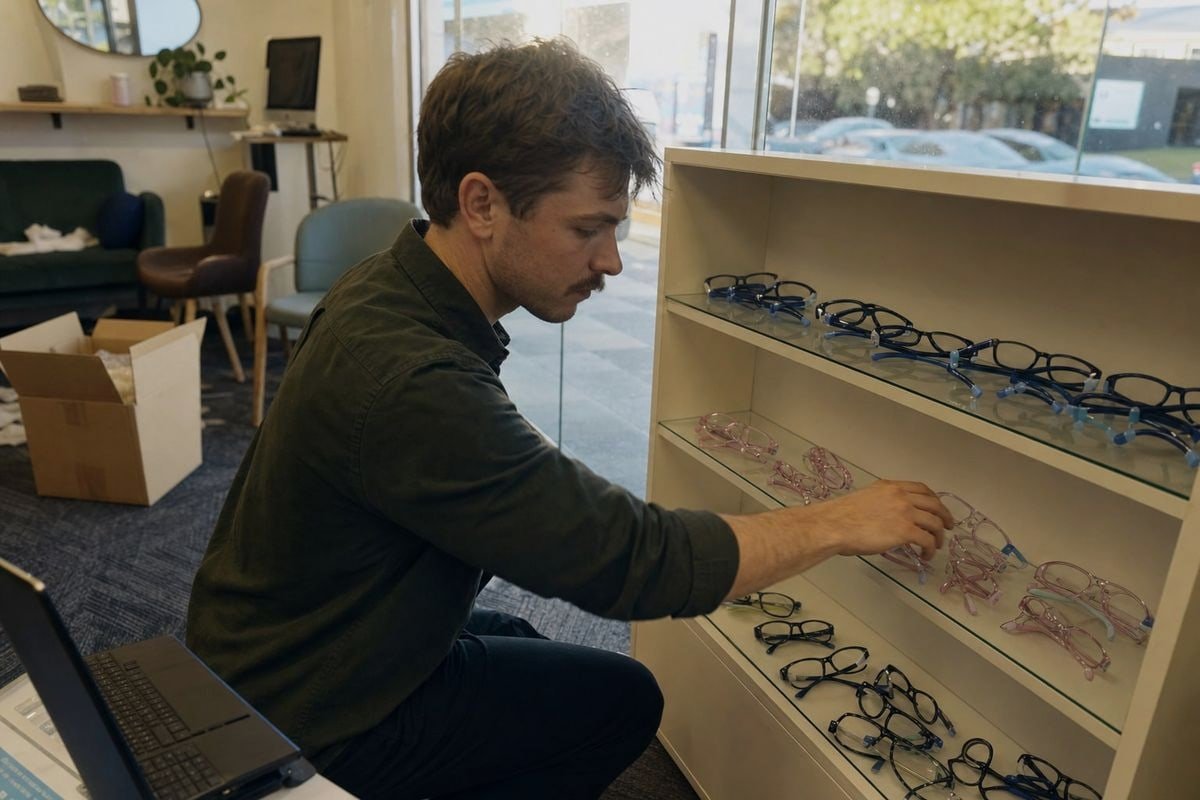
Sticker cost and landed cost are different numbers, and the gap between them is where margins quietly die. At insurance-reimbursed price points you have very little cushion, so every hidden cost matters more than it would on a premium retail frame.
Landed cost versus invoice cost
Landed cost includes everything required to get a sellable frame onto your board. Here is how the layers typically stack up:
| Cost layer | Exemplos | Margin impact |
|---|---|---|
| Invoice price | Ex-works unit cost | Visible, easy to compare |
| Logistics | Freight, insurance, duties, brokerage | Often 10–20% added |
| Manuseio | Receiving, tagging, repacking, board labor | Frequently ignored |
| Quality | Defects, remakes, warranty swaps | Explodes with fragile frames |
| Financial | Currency shifts, payment fees, carrying cost | Grows with slow turns |
| Plan-side | Contractual write-offs, claim denials | Reduces realized revenue |
The costs on the revenue side
Hidden costs also live inside the reimbursement itself. Contractual write-offs mean you never collect your full usual and customary charges on covered sales. Slow remittances tie up cash. And a frame that sells slowly carries an invisible rent for every week it occupies board space. This is why data-driven buyers review remittance reports and turn rates by SKU, not just purchase invoices.
How packaging changes the equation
One thing we learned supporting kids' brands in Japan and Europe: retail-ready packaging from the factory eliminates a whole hidden cost layer. When frames arrive with branded cases, cloths, and inserts already assembled, your receiving labor drops and the perceived value rises — which supports higher out-of-pocket capture on upgrade tiers. We build packaging into OEM projects for exactly this reason. Ask any supplier to quote both bulk and retail-ready formats, then compare the true landed cost of each against your allowance math.
How do I balance MOQ requirements and unit costs to protect my margins on insurance-priced eyewear programs?
A lesson we learned the hard way: pushing a new optical buyer into a huge first order made their unit price beautiful and their cash flow terrible. Half the stock sat unsold through the season.
Balance MOQ and unit cost by ordering the smallest quantity that hits an acceptable landed cost, concentrating volume on proven high-turn styles, and using a supplier's existing style library to avoid mold-driven minimums. Protect cash flow first; chase per-unit discounts second.
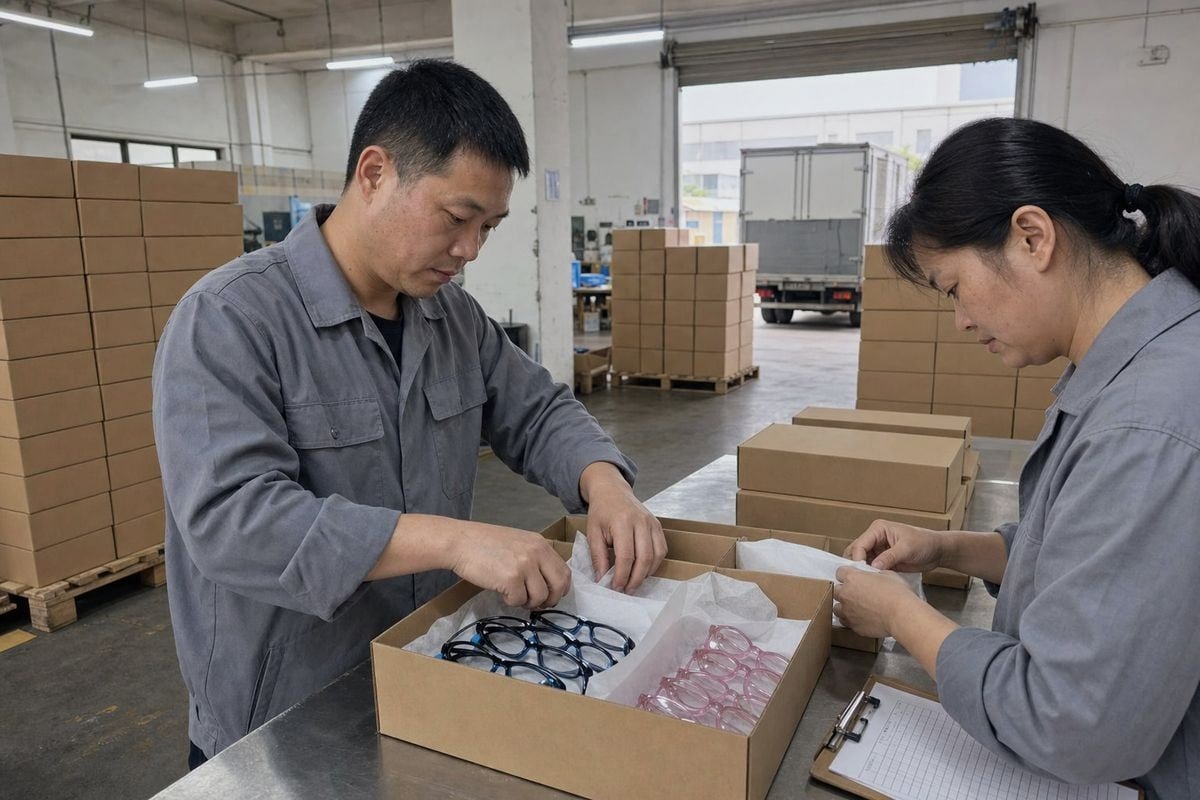
Low unit cost from a giant order means nothing if the frames become dead stock. On insurance-priced programs, inventory turns matter as much as margin per frame, because your gross profit per unit is capped by the allowance. The frames that win are cheap to buy, quick to sell, and easy to fit within common plan allowances.
A practical MOQ decision framework
| Order approach | Unit cost | Cash risk | Melhor para |
|---|---|---|---|
| Small mixed order across many styles | Higher | Baixo | Testing a new covered board |
| Medium order on proven styles | Moderado | Moderado | Replenishing top sellers |
| Large consolidated order | Lowest | Alto | Mature programs with turn data |
| Custom mold project | Varia | Highest | Established brands with volume proof |
Sequence the risk
The smart path is sequential. First, sample broadly from an existing catalog — this is where our 800-style library earns its keep, since buyers can assemble a full good-better-best kids assortment with no tooling cost. Second, place a modest first order and track capture rate optimization: which frames parents actually choose when a plan covers them. Third, consolidate reorders into three to five core suppliers to unlock genuine volume discounts on the styles your data supports. Vendor consolidation strengthens your negotiating position far more than one-off bulk gambles.
Structure your board around the data
Strong frame board management ties the whole strategy together. Dedicate a clearly merchandised covered zone to your allowance-friendly kids frames, prune SKUs that generate little or no profit, and reserve premium flexible styles — lighter materials, polarized clip options, fashion colorways — as the upgrade tier for families willing to pay more. Insurance coverage then works as a value enhancer for the entry tier rather than a discount on everything. Review turns quarterly. Reorder winners in larger quantities, retire losers quickly, and your MOQ commitments will follow demand instead of guesswork.
Conclusão
Insurance allowances will keep squeezing kids frame margins. The fix is disciplined sourcing: low landed costs, safe flexible materials, tiered boards, and data-led reorders — a playbook we build with buyers every day.
Notas de rodapé
1. Official government definition of costs paid by individuals not covered by insurance. ↩︎
2. Authoritative Wikipedia page explaining the ratio showing how many times a company has sold and replaced inventory. ↩︎
3. Provides the official definition for standard healthcare pricing used as a benchmark in the industry. ↩︎
4. Reliable Wikipedia entry defining the total price of a product once it has arrived at a buyer’s door. ↩︎
5. Explains the role of intermediaries in international trade and their impact on margins. ↩︎
6. Explains the business model of selling products manufactured by one company under another’s brand. ↩︎
7. Wikipedia page defining additional charges, taxes, or payments added to the cost of a good or service. ↩︎
Mais Artigos que Você Pode Gostar

5 de agosto de 2026
Acetato de Celulose Bio-Baseado vs. Regular: Qual a Diferença para Armações Infantis?

5 de agosto de 2026
Quão Recicláveis São os Materiais de Armações Ópticas Infantis e Quais Alternativas Ecológicas Existem?
5 de agosto de 2026
As Armações Ópticas Infantis Branqueiam ou Envelhecem em Armazenamento e Como Controlar as Condições do Armazém?
Procurando um Parceiro Confiável em Óculos Infantis?
Explore mais de 800 estilos prontos e suporte completo OEM/ODM adaptado à sua marca.
Entre em Contato English
  Español de México
  Deutsch
  Français
  日本語
日本語  العربية
  Português do Brasil