How to Gather Evidence and Resolve Supplier Disputes for Kids Optical Frames?

Supplier disputes for kids optical frames can drain a growing brand fast. I have watched buyers arrive at our Taizhou factory after a bad shipment elsewhere, holding broken frames and no paperwork. Without evidence, their claims went nowhere. With a clean proof file, disputes resolve quickly — and often without lawyers.
To resolve supplier disputes for kids optical frames, collect the contract, purchase orders, invoices, communications, inspection reports, and dated defect photos. Compare delivered goods against the approved golden sample, notify the supplier promptly in writing, request a specific remedy, and escalate to mediation only if negotiation fails.
That is the short answer. Below, I walk through exactly what to collect, how to verify a defect, how to [negotiate fairly](https://okayeyewear.com/how-negotiate-after-sales-compensation-quality-issues-kids-optical-frames/), and how to avoid disputes entirely.
What documentation should I collect when a supplier dispute arises over kids optical frames?
A buyer from Australia once emailed us asking how to fight a bad batch from another factory. My first question back was simple: what documents do you have?
Collect the signed contract and purchase order terms, product specifications, approved samples, invoices, proof of payment, all supplier communications, shipping and delivery records, quality control inspection reports, and dated photos or videos of every defect, organized into a single chronological dispute file.
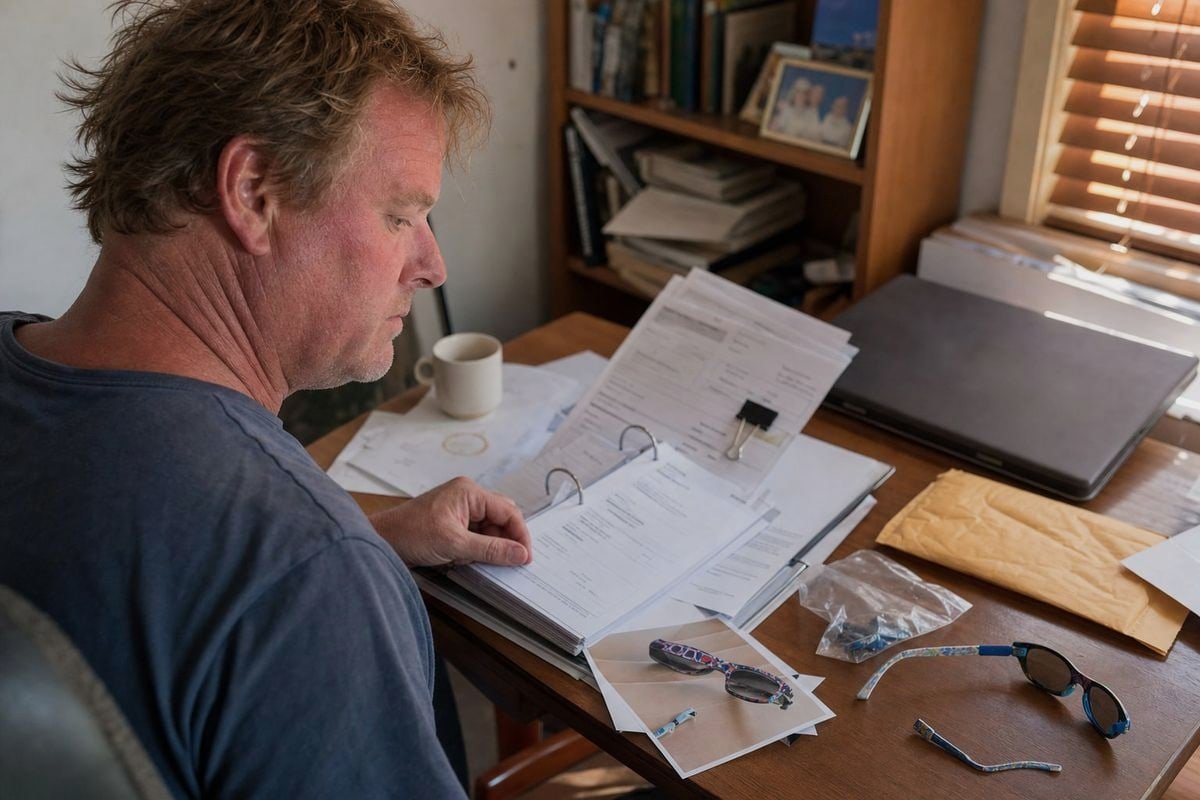
Disputes are won or lost on documentation, not on how angry your emails sound. In our fifteen years making children's eyewear, the buyers who recover money fastest are the ones who present a complete, dated file — not scattered complaints.
The six evidence buckets
I recommend grouping everything into six clear categories. Each bucket answers a different question a supplier, mediator, or lawyer will ask.
| Evidence bucket | What it includes | O que prova |
|---|---|---|
| Contract and specs | Supply agreement, purchase order terms, drawings, approved samples, warranty clauses | What was promised |
| Commercial records | Quotations, invoices, proof of payment, credit notes | What you paid for |
| Communications | Emails, WhatsApp messages, meeting notes, call logs | Notice, promises, and admissions |
| Performance records | Packing slips, tracking, receiving reports, batch numbers | What actually arrived and when |
| Defect evidence | Dated photos, videos, retained samples, packaging | The failure itself |
| Loss and remedy | Replacement quotes, customer returns, write-offs | What the breach cost you |
Kids-specific proof matters most
For children's frames, add product-specific evidence. Record frame width, temple length, and bridge size against the agreed age-graded specification. Photograph sharp edges, protruding screws, or weak hinges — these are safety issues, not cosmetic ones. Keep labels, inserts, and any Certificado de Produto Infantil 1 or batch testing results the supplier provided. If the supplier made claims about product safety standards or FDA compliance 2 for eyewear in your market, preserve those written assurances. They turn a vague complaint into a documented breach.
Finally, keep the physical defective frames. Photos help, but the actual sample is often decisive when a supplier claims transit damage.
How do I verify whether a quality issue is a manufacturing defect or a material limitation?
On our production line, we test TR90 and TPEE frames by twisting temples hundreds of times before shipment. That habit taught me exactly where defects hide — and where materials simply reach their limits.
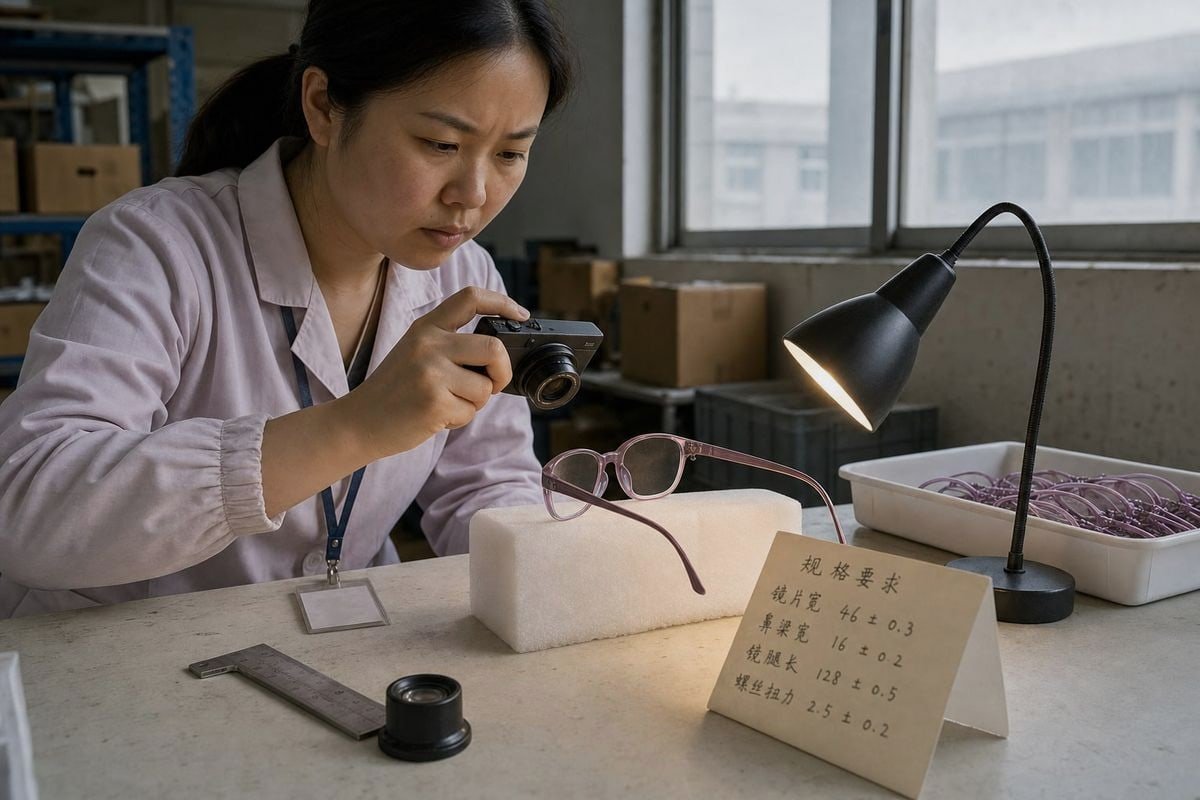
Compare multiple units from the same batch against the signed golden sample. Systemic failures at the same point indicate manufacturing defects; isolated random breakage may reflect material limits or misuse. Third-party inspection services, batch testing results, and material safety data sheets settle disputed cases objectively.
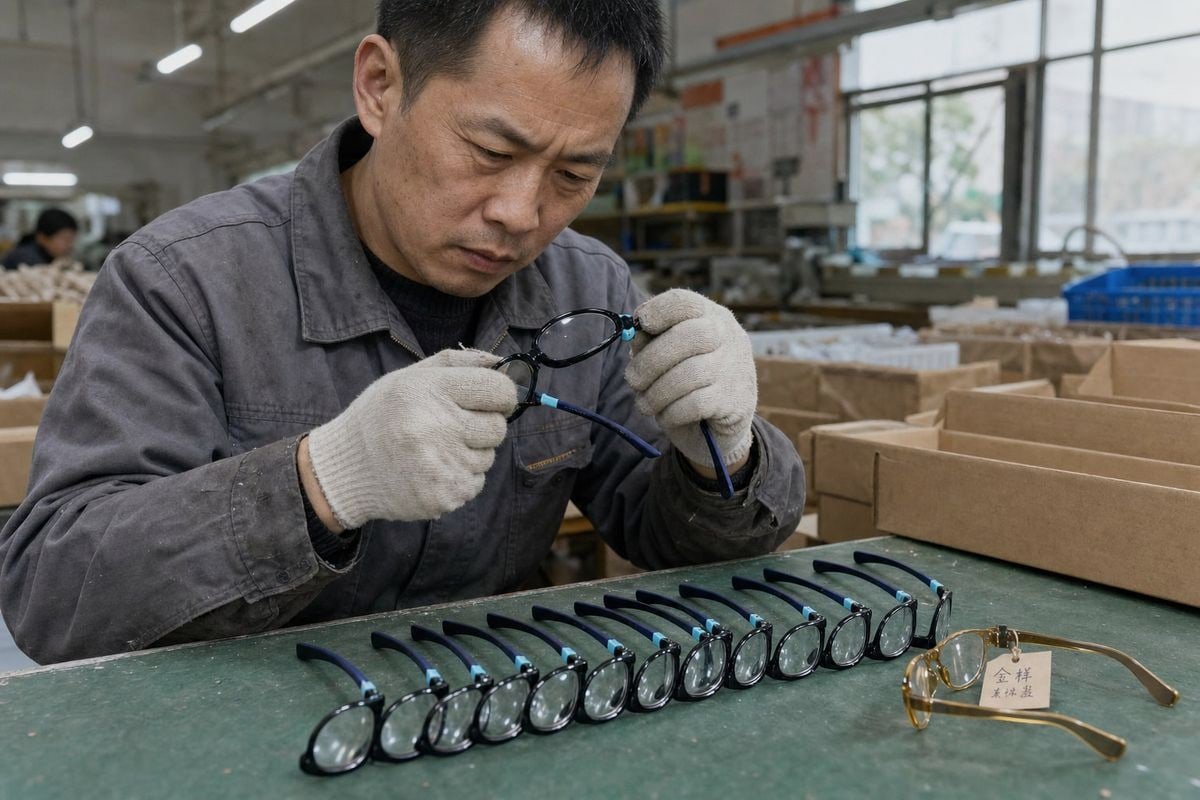
This distinction decides who pays. A manufacturing defect is the supplier's responsibility. A material limitation, disclosed honestly, usually is not. Suppliers know this, so expect pushback on exactly this point.
Um processo de verificação prático
Follow these steps before making your claim:
- Pull random samples. Take at least ten units from different cartons in the same shipment. Do not let the supplier pre-select them.
- Benchmark against the golden sample. Compare hinges, finishing, flexibility, and dimensions side by side. Photograph every deviation.
- Map the failure pattern. If frames all crack at the same hinge point, that suggests a mold, assembly, or curing problem — a classic manufacturing defect signal.
- Check the materials. Genuine TR90 flexes and returns to shape. Brittle snapping can indicate a silent substitution 3 of lower-grade plastic. Request material safety data sheets and raw material traceability 4 logs for hinges, screws, and frame resin.
- Commission independent testing. Third-party inspection services 5 or an accredited lab can run impact, torsion, and chemical tests without supplier coordination. Blind verification prevents test-sample bias.
Defect versus limitation at a glance
| Sinal | Aponta para defeito de fabricação | Points to material limitation |
|---|---|---|
| Local da falha | Same spot across many units | Random points, random units |
| Failure rate | High within one batch | Low and scattered across batches |
| Comparison to golden sample | Delivered stock clearly deviates | Delivered stock matches sample |
| Lab findings | Wrong material, poor curing, weak welds | Material performs to published spec |
For children's frames specifically, accelerated aging tests on flexible materials can reveal fatigue or leaching that short-term checks miss. If the supplier marketed frames as impact-resistant for active kids, durability failure under normal wear is a fitness-for-purpose issue — document it as such.
What steps can I take to resolve a dispute fairly before escalating to legal action?
The hardest lesson I learned early in exporting was this: a buyer's tone in the first complaint email often decides whether the dispute takes two weeks or six months.
Send a concise written complaint with order numbers, defect photos, and a specific requested remedy. Give the supplier a documented cure period to inspect and respond. If unresolved, issue a formal demand summarizing the breach and loss, then negotiate replacement, refund, or credit before considering mediation or arbitration.
Fair resolution is a process, not a single email. Most disputes over kids optical frames settle at the negotiation stage — if the buyer runs the process professionally.
The five-step escalation ladder
Step 1: Informal outreach. Write a short, factual message. Include the purchase order number, batch numbers, defect photos, and one clear request: replacement, refund, or credit. Avoid accusations. Attach your quality control inspection report if you have one.
Step 2: Cure period. Give the supplier a defined window — typically one to two weeks — to inspect samples, propose supplier corrective action 6, or offer a remedy. Document everything they say. A written root cause analysis through a formal CAPA process is a reasonable ask for batch failures.
Step 3: Formal demand. If the cure period fails, send a structured demand letter. Summarize the contract terms breached, the evidence, the loss calculation, and a deadline for response.
Step 4: Settlement negotiation. Real-world settlements are rarely all-or-nothing. Common outcomes include a partial refund, free replacement stock in the next shipment, or a credit against future orders. From our side of the table, a supplier who values the relationship will almost always prefer replacement stock over losing the account.
Step 5: Escalation. Only now consider chargebacks, trade-credit remedies 7, mediation, or arbitration under your dispute resolution clause. Check your contract for governing law and inspection deadlines first — missing a notice deadline is the most common way buyers lose otherwise strong claims.
One tension to acknowledge: buyers want fast replacements, while suppliers demand formal proof. You resolve it by preserving evidence immediately and giving notice promptly. That way you keep leverage without losing professional goodwill.
How do I choose a supplier who minimizes the risk of disputes in the first place?
When new brands visit our 5S-managed workshop in Taizhou, I tell them the same thing: the cheapest quote is usually the most expensive dispute waiting to happen.
Choose a factory — not a trader — with proven children's eyewear experience, written product safety standards, batch-specific compliance documents, AQL-based inspection terms, golden sample procedures, and pre-shipment inspection rights in the contract. Clear purchase order terms prevent most disputes before production starts.
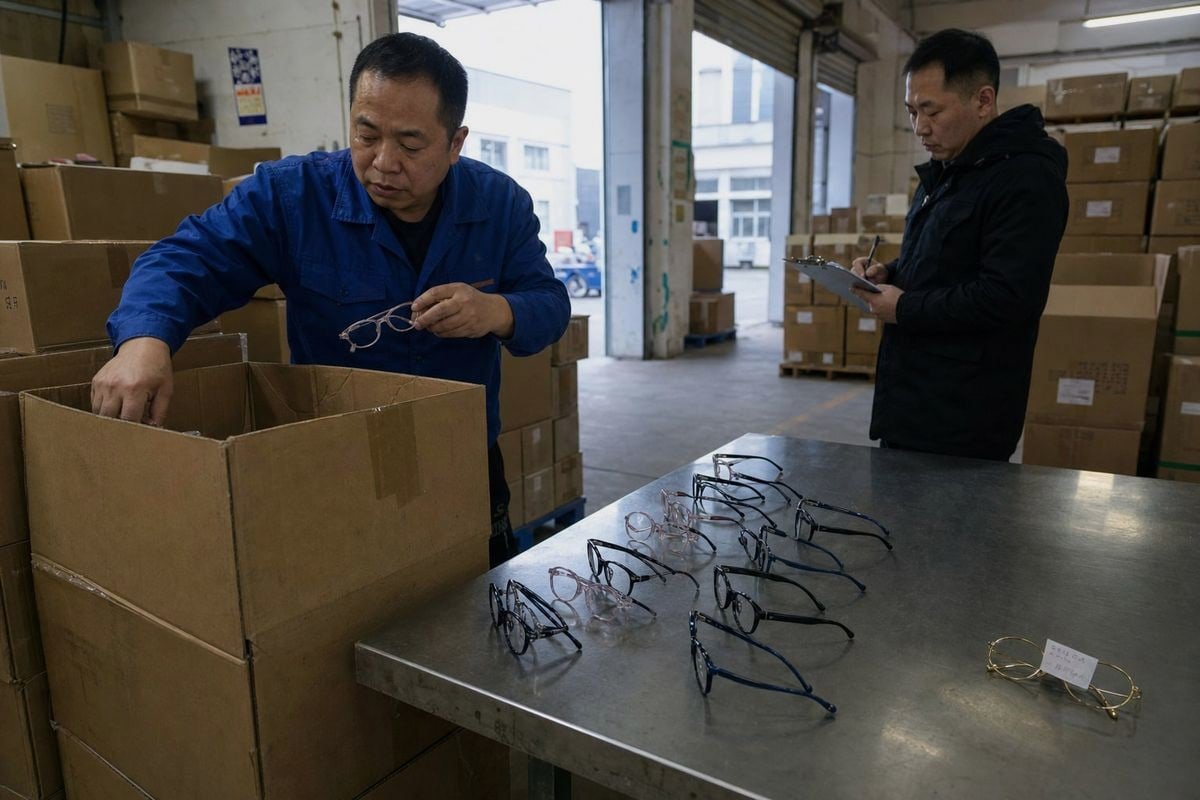
Prevention is cheaper than any remedy. The evidence file you would need to win a dispute is the same file a good supplier helps you build before problems ever occur.
Contract terms that prevent disputes
Build these protections into every purchase order:
| Elemento do contrato | Why it prevents disputes |
|---|---|
| AQL thresholds with zero tolerance for critical safety defects | Removes arguments about "acceptable" sharp edges or loose hinges |
| Signed and sealed golden sample | Creates a physical benchmark for finish and structure disagreements |
| Batch-specific test reports (UV400, impact resistance) | Ensures legal traceability for every production run |
| Pre-shipment inspection rights tied to final payment | Catches defects while you still hold leverage |
| Defined batch failure triggers in the warranty | Sets refund or full replacement thresholds in advance |
| Dispute resolution clause with governing law | Avoids jurisdiction fights if things go wrong |
| CAPA workflow requirement | Obligates a written root cause analysis for any failure |
Signals of a dispute-resistant supplier
Beyond the contract, evaluate the partner itself. Ask whether they specialize in children's frames or just resell generic stock. A factory with genuine flexible-material expertise in TR90 and TPEE will discuss hinge design, temple flexibility, and age-graded sizing without hesitation. Ask how they handle raw material traceability for hinges and screws — silent substitutions of lower-grade components are a real risk in this category. Ask to see a sample quality control inspection report from a past order.
At our factory, we keep approved samples on file, run in-line and final inspections, and document batch testing results because we learned that transparency prevents disputes better than any warranty clause. A supplier with around 800 existing styles also lets you launch without mold investment, which lowers both financial risk and the number of custom specifications that can go wrong. Suppliers who welcome third-party inspection services are usually the ones with nothing to hide.
Mais Artigos que Você Pode Gostar
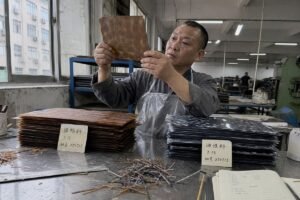
5 de agosto de 2026
Acetato de Celulose Bio-Baseado vs. Regular: Qual a Diferença para Armações Infantis?
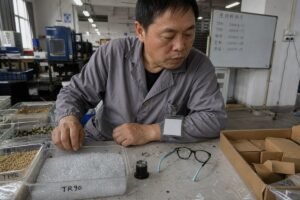
5 de agosto de 2026
Quão Recicláveis São os Materiais de Armações Ópticas Infantis e Quais Alternativas Ecológicas Existem?
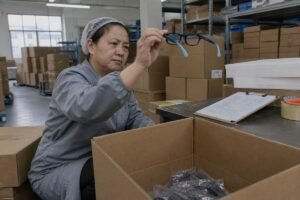
5 de agosto de 2026
As Armações Ópticas Infantis Branqueiam ou Envelhecem em Armazenamento e Como Controlar as Condições do Armazém?
Procurando um Parceiro Confiável em Óculos Infantis?
Explore mais de 800 estilos prontos e suporte completo OEM/ODM adaptado à sua marca.
Entre em Contato English
  Español de México
  Deutsch
  Français
  日本語
日本語  العربية
  Português do Brasil