How to Find HS Codes for Kids’ Plastic vs Metal Optical Frames from China & Waive Duty via ChAFTA?
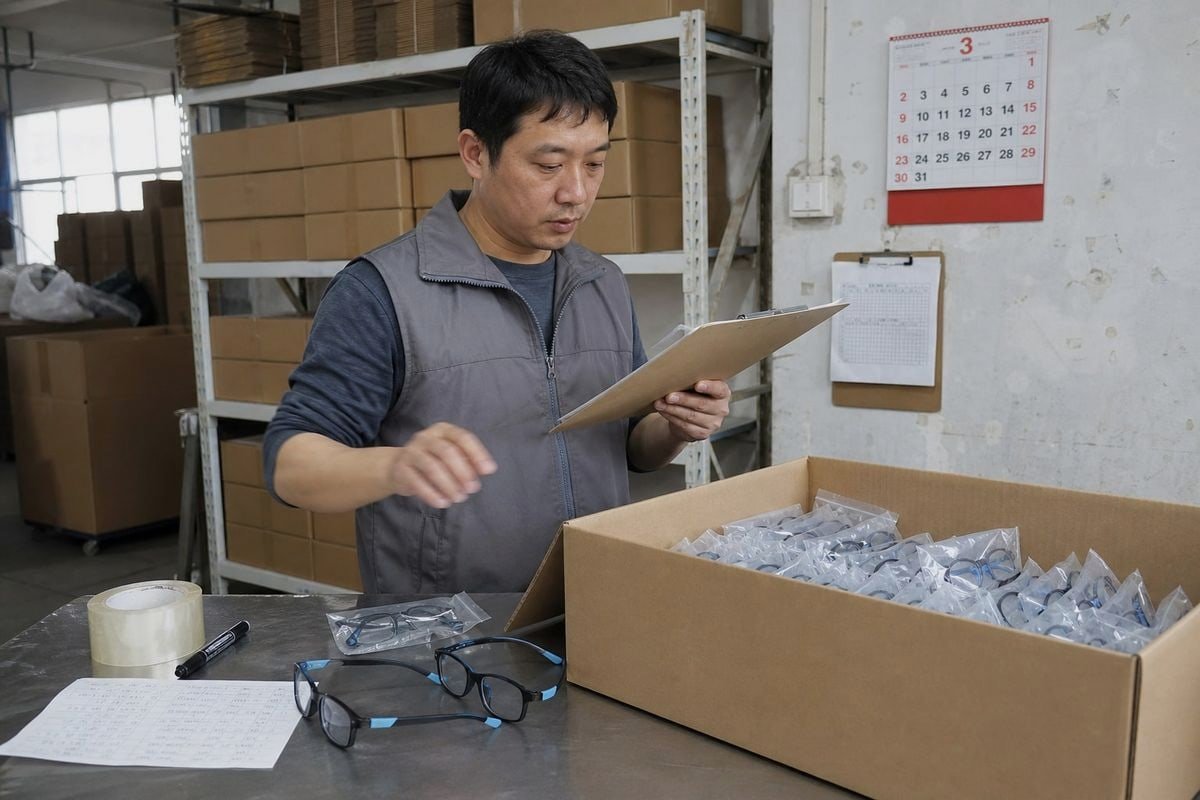
Finding the right HS codes for kids’ plastic vs metal optical frames trips up many importers HS code 9003.11 1. I’ve watched buyers overpay duty on shipments our factory could have documented for ChAFTA relief.
Kids’ plastic optical frames are classified under HS code 9003.11 (90031100), while metal frames fall under 9003.19 (90031900). Under ChAFTA, Chinese-origin frames can enter Australia duty-free if you present a valid ChAFTA Certificate of Origin or Declaration of Origin at customs clearance.
That short answer hides a few traps. Material mix, frame parts, and origin paperwork can all change your outcome China-Australia Free Trade Agreement 2. Let me walk you through each piece, step by step.
How do I identify the correct HS code for my kids' plastic optical frames versus metal frames when importing from China?
A buyer from Melbourne once emailed me in a panic. Her customs broker had flagged her shipment of our TR90 kids' frames because her invoice said "children's glasses" with no material stated.
Check the frame's primary material first. Plastic frames, including TR90, TPEE, and acetate, classify under HS 9003.11. Metal or other-material frames classify under HS 9003.19. The fact that the frames are for children does not change the tariff classification under the Harmonized System.
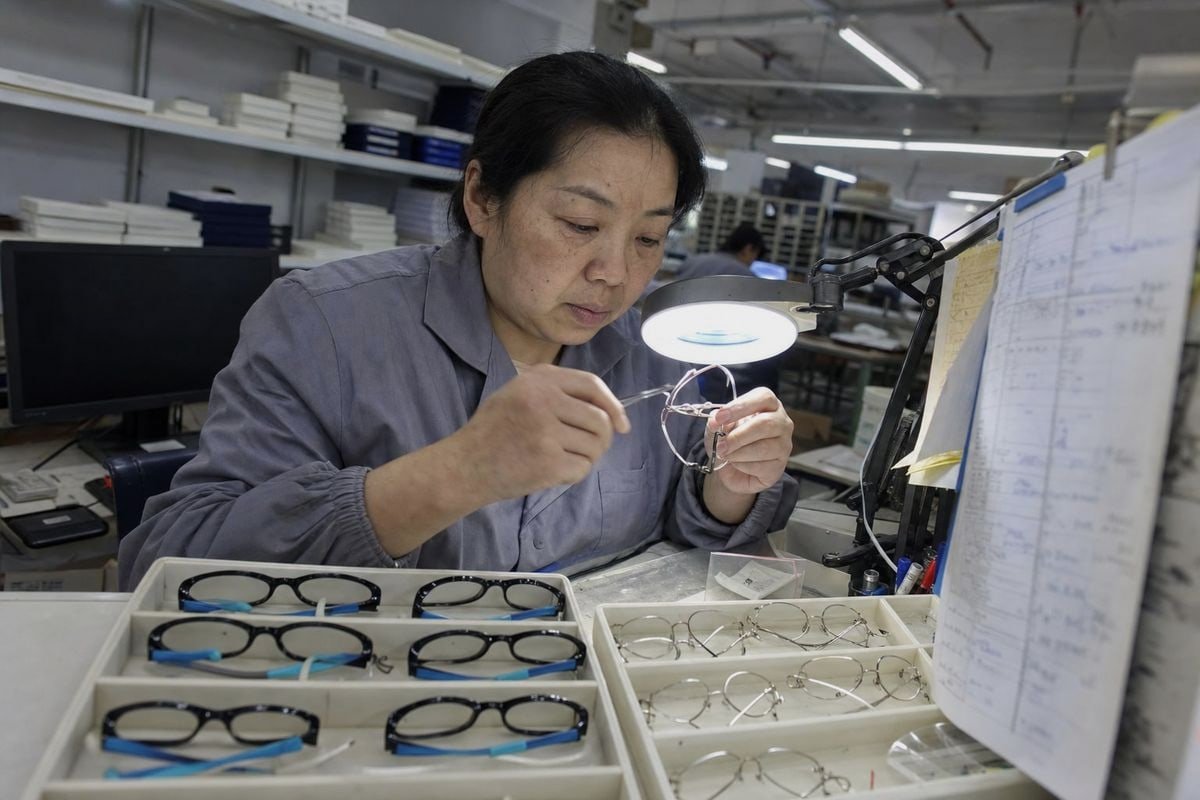
The Harmonized System 3 sorts optical frames by what they are made of, not who wears them. That surprises a lot of first-time importers of children's eyewear. There is no special "kids" subheading in Chapter 90. Heading 9003 covers frames and mountings for spectacles. Below that, the split is simple.
The material-based split under heading 9003
| Product | HS Code | Typical Description |
|---|---|---|
| Plastic frames (TR90, TPEE, acetate, injection plastic) | 9003.11 / 90031100 | Frames and mountings, of plastics |
| Metal frames (stainless steel, titanium, alloy) | 9003.19 / 90031900 | Frames and mountings, of other materials |
| Frame parts (temples, hinges, fronts sold separately) | 9003.90 | Parts of frames and mountings |
Trade databases confirm this pattern. Chinese exporters overwhelmingly declare plastic optical frames under 90031100. Metal and mixed-material frames appear under 90031900. Our own export paperwork from Taizhou follows the same logic on every shipment.
Watch out for three common misfires
First, do not confuse frames with complete glasses. Frame-only goods with demo lenses generally stay in 9003. Finished sunglasses with functional UV400 lenses fall under a different heading. Second, do not use a toy code. Novelty dress-up glasses for kids can be classified as toys, but genuine children's optical frames are optical goods. Third, do not use component codes like 3926.90 (plastic articles) or 7326.90 (metal articles) for finished frames. Those codes sometimes appear for loose parts, never for a complete frame ready for lens fitting.
If your product description on the commercial invoice states the material clearly — "children's optical frames, TR90 plastic, with demo lenses" — your customs clearance process gets much smoother. We add this wording to invoices by default because we have seen vague descriptions trigger inspections.
Can I really use ChAFTA to waive or reduce import duty on children's eyewear from a Chinese manufacturer?
There is a trade-off I discuss with every new Australian client: chase the lowest unit price, or set up the paperwork that legally removes duty at the border. The second path usually saves more.
Yes. Under the China-Australia Free Trade Agreement, eligible Chinese-origin optical frames qualify for preferential tariffs, typically reducing the duty rate to zero. The waiver is not automatic — your goods must satisfy ChAFTA rules of origin and you must claim the preference with valid origin documentation.

ChAFTA has been in force since December 2015, and tariffs on most Chinese manufactured goods entering Australia have phased down to zero. But I want to be precise here, because "free trade agreement" does not mean "free pass." Preference works as a claim, not a default. If you import our frames and file no origin paperwork, Australian Border Force applies the general duty rate. If you file a compliant claim, you receive the customs duty exemption the agreement allows.
Three conditions must line up
- Correct tariff classification. Your broker must declare the right code — 9003.11 for our TR90 and TPEE plastic frames. A misclassified item cannot be rescued by ChAFTA later. Classification comes first; the preference claim comes second.
- Chinese origin under ChAFTA rules of origin. The frames must be wholly obtained or substantially transformed in China. For frames injection-molded in our Taizhou workshop from raw TR90 pellets, this test is comfortably met, because the manufacturing process changes the tariff classification of the inputs.
- Valid documentation at import. You need a ChAFTA Certificate of Origin 4 from an authorized Chinese body, or a Declaration of Origin where permitted, presented during customs clearance.
What the savings look like in practice
Even a modest duty rate compounds across a season. On a typical order of a few thousand frames, the duty saved often covers the cost of the certificate many times over. For borderline products, I always suggest buyers confirm the current tariff line and rate with their Australian broker before ordering, because import regulations China-to-Australia can shift with tariff schedule updates. One caution from experience: post-importation audits happen. Australian customs can review claims years later, so keep every record.
What certificate of origin or documentation do I need from my factory to qualify for ChAFTA duty benefits?
Fifteen years of exporting eyewear has taught our export team one hard lesson: a perfect product with imperfect paperwork still gets stuck at the border. Documentation is part of the product.
You need a ChAFTA Certificate of Origin issued by an authorized Chinese body, such as CCPIT or China Customs, covering your specific shipment. It must state the correct HS code, origin criterion, and exporter details. Alternatively, a Declaration of Origin may be used where an advance ruling exists.

Your Chinese factory triggers this process, but you, the importer, carry the legal responsibility for the claim. That is why we walk buyers through the paperwork before the goods leave Taizhou, not after they arrive in Sydney.
The core document set
| Documento | Who Issues It | Por Que Importa |
|---|---|---|
| ChAFTA Certificate of Origin (COO) | CCPIT or China Customs, on the factory's application | The primary proof for claiming preferential tariffs |
| Fatura comercial | Factory | Must match the COO on HS code, quantities, and values |
| Lista de embalagem | Factory | Supports verification during customs clearance |
| Bill of lading / airway bill | Carrier | Links the certificate to the actual shipment |
| Production and material records | Factory (kept on file) | Backup evidence if customs audits the origin claim |
Details that get certificates rejected
Small mismatches cause big delays. The HS code on the certificate must match the code on the import declaration — 9003.11 for plastic frames, not a generic eyewear code. The exporter name must match the invoice exactly. The origin criterion box must be completed correctly; for frames manufactured in China from raw materials, the applicable criterion reflects substantial transformation. Certificates generally must be issued before or at shipment, though retrospective issuance is possible within a limited window.
Work with your supplier actively on this. Ask them to send you a draft certificate of origin before final issuance so your broker can review it. We do this as standard practice for every ChAFTA shipment, and it has cut clearance queries to nearly zero. Also ask your factory to retain bills of materials and production records for at least five years. If Australian customs runs a post-importation audit, those records protect your duty savings — and misstatements about origin can lead to reassessed duty plus penalties.
Why does choosing TR90 or TPEE plastic frames instead of metal affect my HS code classification and final duty rate?
When we were developing our two-tone TR90 frames with flexible TPEE temples — like our glossy black kids' frame with navy rubber arms and silicone ear hooks — a client asked whether the metal hinge screws changed the customs picture. Good question, and the answer shaped how we spec every frame.
Material drives everything. TR90 and TPEE are plastics, so those frames classify under 9003.11, a tariff line eligible for zero duty under ChAFTA. Metal frames shift to 9003.19, a different tariff line with potentially different rates, documentation criteria, and classification risk for mixed-material designs.

Here is the practical chain: material determines tariff classification, classification determines the tariff line, and the tariff line determines both the base duty rate and how your ChAFTA claim is written up. Choose the material carelessly, and every downstream step wobbles.
How the material choice cascades through your import cost
| Fator | TR90 / TPEE Plastic Frame | Metal Frame |
|---|---|---|
| HS code | 9003.11 (90031100) | 9003.19 (90031900) |
| Classification risk | Low — clearly plastic | Higher if mixed with plastic parts |
| ChAFTA eligibility | Yes, with valid COO | Yes, but criterion must match the correct line |
| Child comfort and safety | Flexible, lightweight, no sharp fatigue points | Heavier, can bend permanently, hinge pinch risk |
| Extra compliance notes | Phthalate and heavy-metal testing straightforward | Nickel release and lead content scrutiny for kids |
The mixed-material gray area
What about a plastic frame with metal hinges, or an acetate front with metal-core temples? Classification then turns on the essential character of the article — usually the dominant material of the frame body. A metal screw or hinge on a TR90 frame does not make it a metal frame. But a half-metal, half-plastic combination frame can genuinely go either way, and different customs officers can read it differently. For those borderline builds, I recommend a binding tariff ruling from the destination country before you commit to volume.
This is one quiet advantage of the way we build children's eyewear. Our frames are overwhelmingly single-family materials — TR90 fronts with TPEE temples, both plastics — like our translucent pink acetate-look frame with soft silicone tips. That keeps the classification clean at 9003.11, keeps the ChAFTA origin criterion simple, and keeps frames light and flexible on a child's face. Across our roughly 800 existing styles, buyers can pick proven plastic constructions and avoid both mold investment and classification ambiguity in one decision. Safety, comfort, and clean customs paperwork all point in the same direction here.
Conclusão
Wrong codes cost duty; missing certificates cost savings. Classify by material — 9003.11 plastic, 9003.19 metal — then secure your ChAFTA Certificate of Origin, and verify borderline cases with your broker.
Notas de rodapé
1. Provides classification details and duty rates for plastic optical frames. ↩︎
2. Official Australian government page detailing the trade agreement. ↩︎
3. Official WCO page explaining the Harmonized System. ↩︎
4. Explains the requirements for the official origin documentation under ChAFTA. ↩︎
Mais Artigos que Você Pode Gostar
5 de agosto de 2026
Acetato de Celulose Bio-Baseado vs. Regular: Qual a Diferença para Armações Infantis?

5 de agosto de 2026
Quão Recicláveis São os Materiais de Armações Ópticas Infantis e Quais Alternativas Ecológicas Existem?
5 de agosto de 2026
As Armações Ópticas Infantis Branqueiam ou Envelhecem em Armazenamento e Como Controlar as Condições do Armazém?
Procurando um Parceiro Confiável em Óculos Infantis?
Explore mais de 800 estilos prontos e suporte completo OEM/ODM adaptado à sua marca.
Entre em Contato English
  Español de México
  Deutsch
  Français
  日本語
日本語  العربية
  Português do Brasil