How to Design a One-Year Warranty for Kids’ Optical Frames and Price It In?
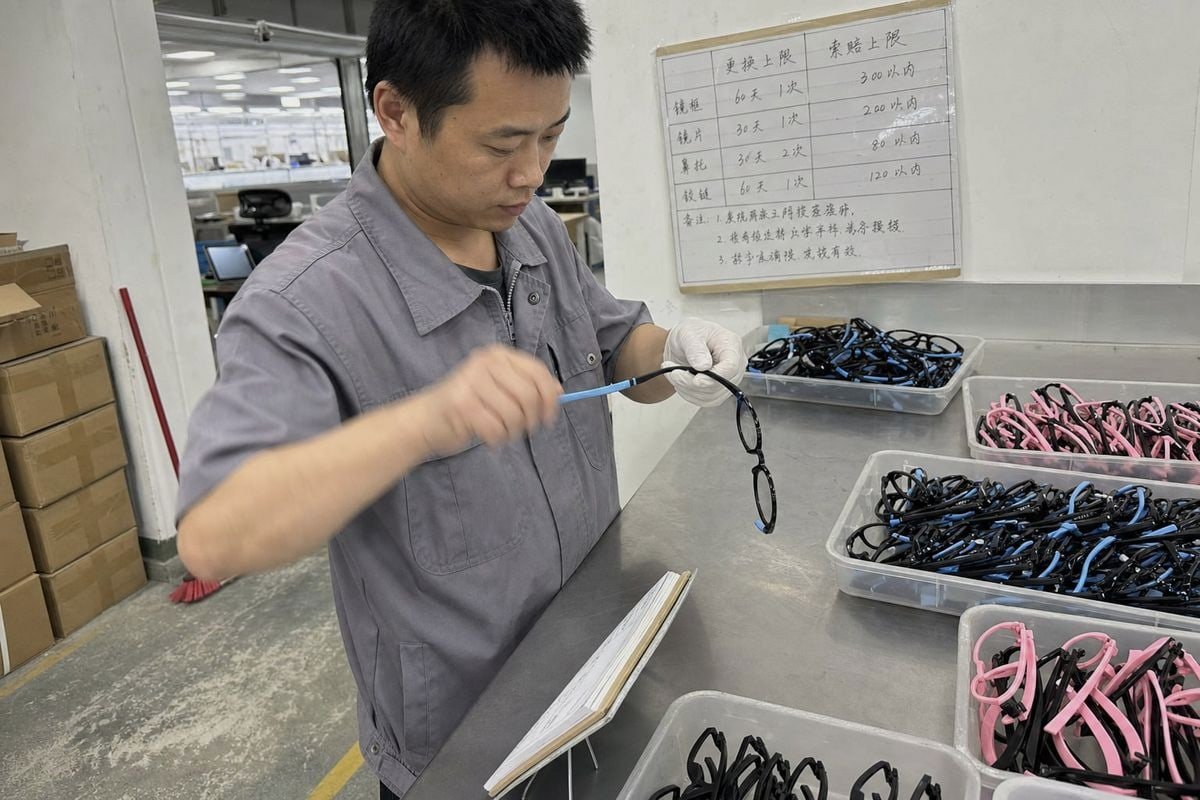
Designing a one-year warranty for kids’ optical frames sounds simple until claims start rolling in expected claim rate 1. On our production line, we’ve seen brands lose margin fast because they never priced the risk properly. Broken hinges, angry parents, refund demands — it snowballs. The fix is a structured policy with clear limits and a built-in cost model.
A one-year warranty for kids’ optical frames should cover accidental breakage from normal use, allow one same-style replacement within 12 months, exclude loss and theft, require photo proof, and be priced at $29.99–$35 as an add-on or absorbed into frame margin using expected claim rates.
That’s the short answer. Below, I’ll break down each part: what to include, how to calculate the real cost, which terms cut complaints, and how a warranty becomes a trust-building tool for your brand.
What should I include in a one-year warranty policy for kids' optical frames?
Last spring, a buyer from Australia asked us to stress-test a TR90 kids frame before she wrote her warranty policy. Smart move. Your policy should reflect how frames actually fail, not guesswork.
A complete kids' frame warranty should include: coverage for accidental breakage and manufacturer defects, a one-replacement-per-year limit, same style/color/size replacement terms, clear warranty exclusions for loss, theft, and intentional damage, a simple photo-based claims process, and a defined age scope for eligible children.

At our Taizhou factory, we've supplied children's frames to brands in more than 20 countries, and the warranty questions they ask are remarkably consistent. The best policies we've seen all share the same building blocks. Let me walk through them.
The two coverage triggers
There are two things a warranty can respond to. The first is defeitos genuínos do fabricante 2 — a hinge that fails within weeks, a temple that delaminates, warping under normal conditions. The second is accidental damage coverage — the child sat on the glasses, dropped them at the playground, or bent them in a backpack. Defect-only coverage is cheap to honor. Accidental coverage is what parents actually want to buy. The strongest market pattern is a two-tier approach: a standard defect warranty included with every frame, plus an optional paid protection plan for accidents.
The core policy components
| Componente | Recommended Standard | Por Que Importa |
|---|---|---|
| Duration | 12 months from purchase | Matches typical prescription cycles for kids |
| Claim limit | One replacement per year | Contains cost and prevents abuse |
| Replacement terms | Same style, color, size | Keeps fulfillment simple and predictable |
| Exclusions | Loss, theft, chewing damage, self-repair | Removes uninsurable risks |
| Proof required | Receipt plus photo of damage | Low friction, deters fraud |
| Age scope | Children 12–13 and under | Aligns risk with actual breakage behavior |
One more detail from our experience: state clearly that self-repaired frames void coverage. Parents with super glue can turn a fixable hinge issue into a total loss, and you don't want to underwrite that. Also specify that scratched lenses are only covered if they carry a scratch resistant coating — uncoated lens scratches are a common and fair exclusion.
Frame construction matters here too. Frames built from flexible frame materials like TR90 with TPEE temples simply fail less often than rigid acetate on active kids, which directly lowers the claims you'll have to honor.
How do I calculate the real cost of offering a warranty into my product pricing?
A distributor in Europe once told me he priced his warranty by copying a competitor's $29.99 fee — then lost money on every claim because his frames cost more to replace. Pricing strategy has to start with your own numbers.
Calculate warranty cost by multiplying your expected claim rate by your fully loaded replacement cost (frame, lenses, shipping, handling), then add a margin buffer. If 20% of buyers claim and each replacement costs $25, your break-even is $5 per unit sold with the plan.
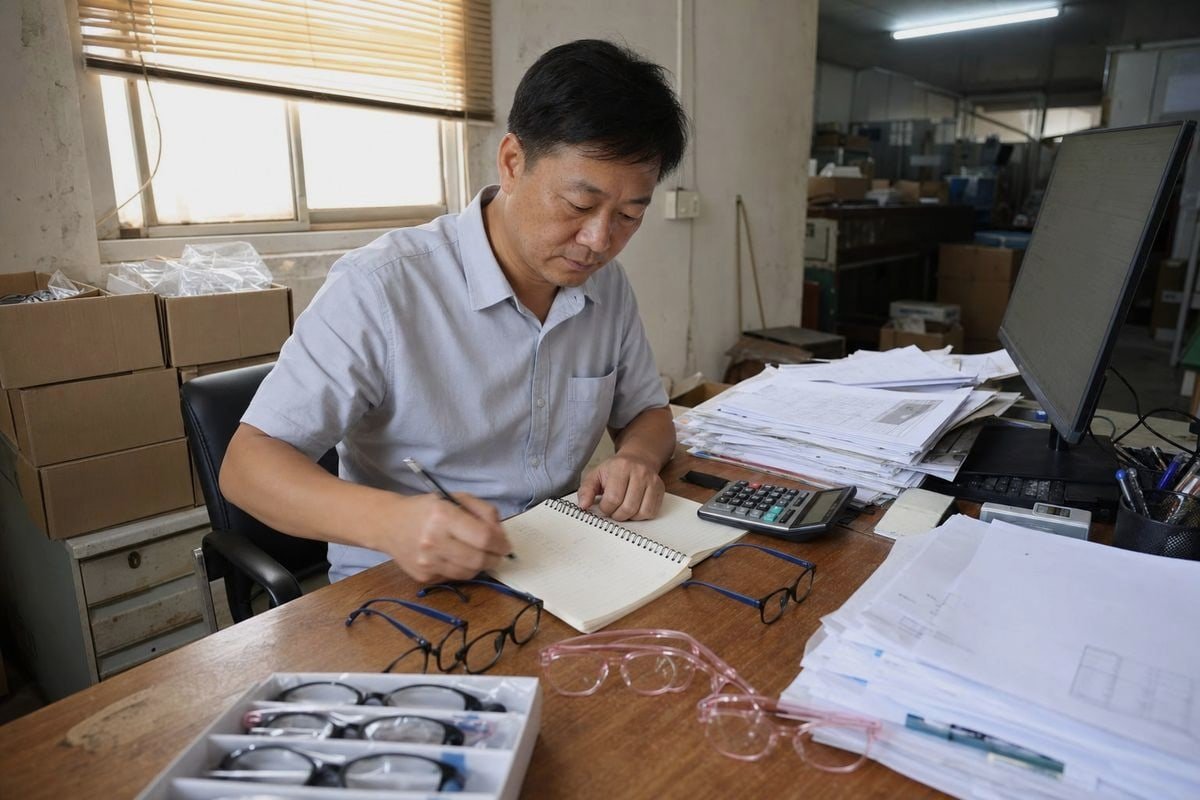
Because we manufacture the frames ourselves, we see the cost side that retailers often underestimate. The warranty fee a parent pays is only half the equation. The other half is what each claim truly costs you. Let's build the model step by step.
The four cost inputs
First, estimate your breakage rate. Kids' frames get handled roughly — that's exactly why kid-specific protection plans exist. Active children under 13 break frames far more often than teens. Second, calculate your replacement cost. If your policy replaces the same model only, this number is predictable. If you allow substitutions, it creeps upward. Third, add shipping and handling for the replacement. Fourth, budget for admin time processing each claim.
A worked example
| Input | Conservative | Realistic | Aggressive Risk |
|---|---|---|---|
| Claim rate (of covered units) | 10% | 20% | 35% |
| Frame + lens replacement cost | $18 | $25 | $32 |
| Shipping per claim | $6 | $8 | $12 |
| Admin per claim | $3 | $4 | $5 |
| Expected cost per covered unit | $2.70 | $7.40 | $17.15 |
Against the market benchmark of $29.99–$35 for a one-year eyewear protection plan, the realistic scenario leaves healthy margin. The aggressive scenario shows why unlimited coverage is dangerous.
Three ways to price it in
You have three structural choices. A standalone add-on charges a fixed fee at checkout — the clearest model and the market norm. Bundling into frame margin means raising the frame price and advertising included protection, which lifts conversion but demands stronger gross margin. A tiered plan gives defect coverage free and sells the accidental upgrade. In our work with optical companies and importers, the tiered model converts best for premium-positioned kids' brands, while the flat add-on suits value retailers. A small deductible or processing fee on claims — some programs use a second replacement at 50% of retail — further offsets operational expense without alienating parents.
What warranty terms actually reduce returns and complaints from parents?
There's a trade-off we weigh in every OEM project: generous terms sell more plans, but loose terms generate disputes. The terms that reduce friction are usually the clearest ones, not the broadest ones.
The terms that most reduce returns and complaints are: plain-language coverage descriptions, explicit warranty exclusions listed upfront, a photo-plus-receipt claims process resolved within days, one clearly stated replacement limit, and same-style replacement rules that eliminate negotiation over upgrades or swaps.
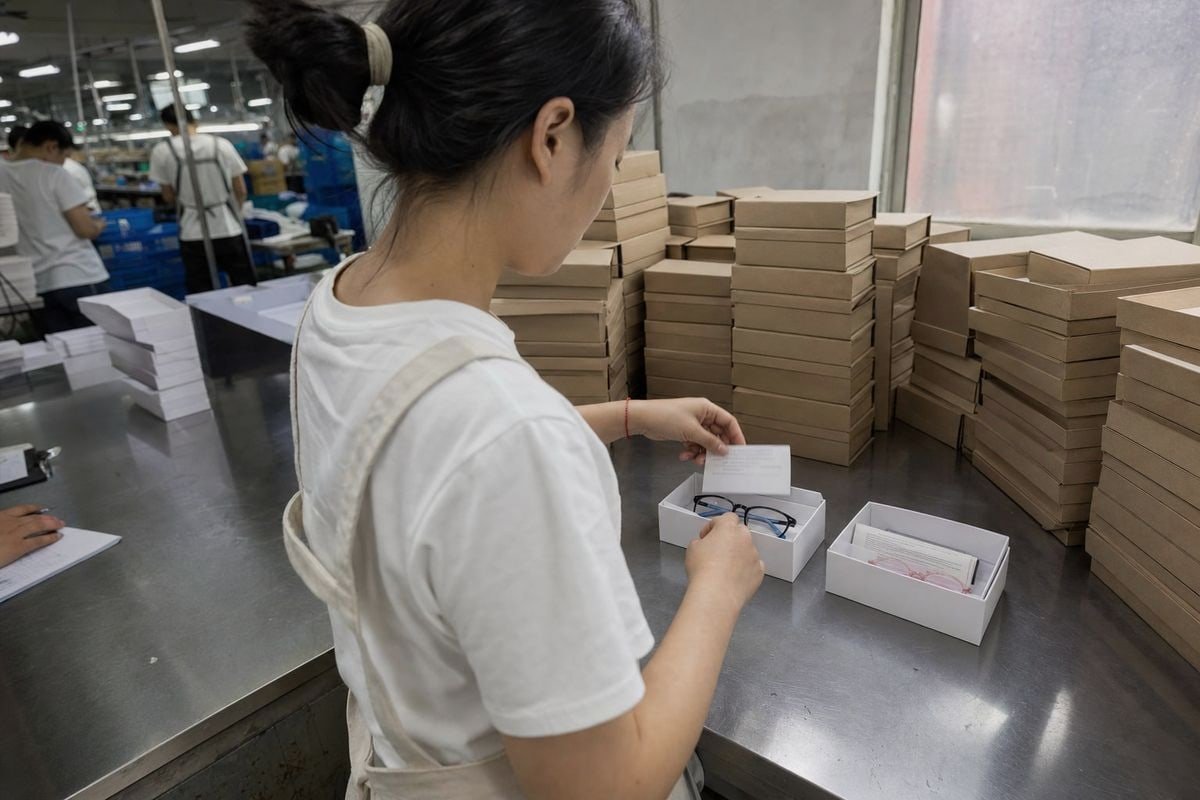
Fifteen years of making children's eyewear has taught us something counterintuitive: most parent complaints are not about the damage. They're about surprise. A parent who thought "warranty" meant "free replacement forever" feels cheated when a second claim is denied — even if your terms were technically correct. The cure is clarity before the sale, not diplomacy after it.
Write for a tired parent, not a lawyer
Your policy should be readable in under a minute. State what's covered, for how long, and how to claim. Then state what's not covered, in bold if needed: lost or stolen frames, chewing damage, scratches on lenses without anti-reflective or scratch resistant treatment, intentional damage, and frames someone tried to repair at home. Requiring the damaged frame (with all original parts) to be returned or photographed also quietly filters out fraudulent claims without confrontation.
A low-friction claims process
The winning process across the market looks like this:
- Parent submits proof of purchase and a photo of the damage.
- Retailer verifies within 24–48 hours.
- Replacement ships or is ready for in-store pickup.
- Damaged frame is returned or recycled — some brands offer a small discount when broken frames come back for an eco-friendly recycling program.
That's it. No forms, no phone trees. Fast resolution is itself a complaint-reduction tool, because a parent whose child is without glasses is a parent on a countdown.
Terms comparison at a glance
| Term Design | Complaint Risk | Cost Risk |
|---|---|---|
| Unlimited replacements | Low complaints, but attracts careless use | Muito alto |
| One replacement, clearly stated | Low, if disclosed at purchase | Controlled |
| Defect-only, vague wording | High — parents assume accidents count | Low but reputation-damaging |
| One replacement + 50% co-pay on second claim | Very low — parents feel there's always a path | Well controlled |
Notice the pattern. The middle-ground designs win. Broad accidental coverage without limits can even encourage careless behavior, while a defect-only policy sold without clear wording creates the angriest customers of all.
How can I use a warranty program to build trust with my retail customers?
One buyer interaction sticks with me: a Japanese kids' brand chose us over a cheaper supplier specifically because our spring hinge durability testing gave them confidence to offer a warranty at all. The product and the promise are inseparable.
A warranty program builds trust by proving you stand behind product quality, reducing parents' fear of surprise replacement costs, creating a positive post-purchase touchpoint through fast claims, and giving retailers a concrete story about safety and durability that competitors selling unwarranted frames cannot match.
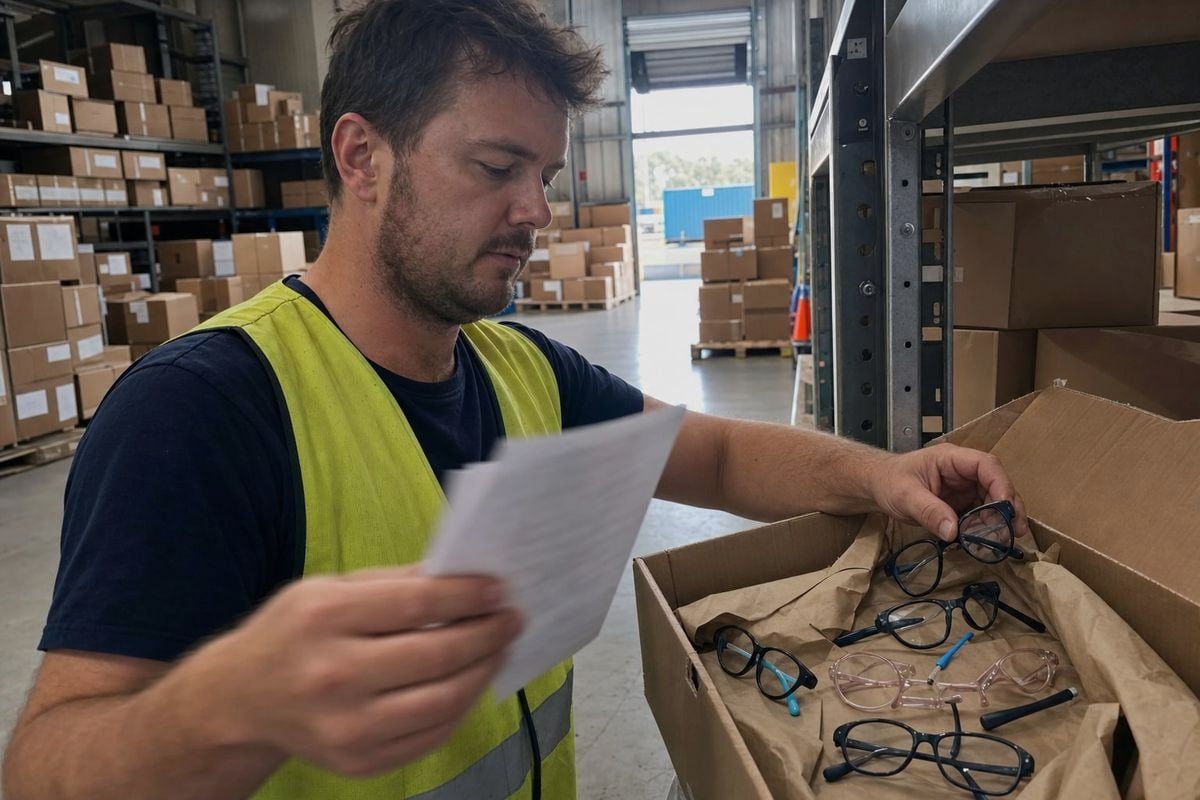
When we develop frames for B2B buyers — brands, distributors, optical chains — we always tell them the same thing: a warranty is a marketing asset disguised as an insurance product. Parents of active kids buy peace of mind first and eyewear second. If your warranty story is credible, it changes the entire purchase conversation.
The warranty as proof of quality
A warranty only builds trust if the product rarely needs it. That starts upstream, at manufacturing. Frames made with impact resistant lenses, flexible TPEE temples, and reinforced hinge points can survive the drops and twists that destroy rigid frames. When your claim rate stays low, you can afford generous-feeling terms — and every honored claim becomes a customer satisfaction story instead of a margin leak. In our 5S-managed workshop, quality control 3 exists precisely so our clients' warranties stay cheap to honor.
Turn the program into a relationship
A few practical moves make the warranty work harder for your brand. Present it at the point of sale as part of the value proposition, not an upsell afterthought. Send a mid-year check-in email with fit and care tips — some forward-looking retailers even analyze damage photos from claims to send proactive maintenance advice, reducing future claims. Reward durability: if a frame survives the full year, offer a loyalty discount on the next pair or an extended warranty period. A few brands go further with subscription-style protection covering prescription changes for a recurring fee, which converts a one-time buyer into a recurring relationship.
Some retailers worry that promoting a warranty signals fragility. Our experience says the opposite. Parents already assume kids break glasses. Naming that fear — and answering it — is what earns the second purchase, the referral, and the review. Silence on breakage doesn't make frames seem sturdier; it makes the brand seem unprepared.
Conclusão
Kids break glasses; unpredictable replacement costs scare parents and drain retailer margins. A one-year, one-replacement warranty with clear exclusions, photo-based claims, and a $29.99–$35 price solves both problems profitably.
Notas de rodapé
1. Defines claim frequency, a key actuarial metric for estimating expected claims in insurance. ↩︎
2. Provides a legal definition of manufacturing defects in the context of product liability. ↩︎
3. Outlines the role and importance of quality control processes in manufacturing to meet standards. ↩︎
Mais Artigos que Você Pode Gostar

5 de agosto de 2026
Acetato de Celulose Bio-Baseado vs. Regular: Qual a Diferença para Armações Infantis?

5 de agosto de 2026
Quão Recicláveis São os Materiais de Armações Ópticas Infantis e Quais Alternativas Ecológicas Existem?

5 de agosto de 2026
As Armações Ópticas Infantis Branqueiam ou Envelhecem em Armazenamento e Como Controlar as Condições do Armazém?
Procurando um Parceiro Confiável em Óculos Infantis?
Explore mais de 800 estilos prontos e suporte completo OEM/ODM adaptado à sua marca.
Entre em Contato English
  Español de México
  Deutsch
  Français
  日本語
日本語  العربية
  Português do Brasil