How to Choose: Full On-Site Audit or Remote Verification for a Kids Optical Frames Factory?
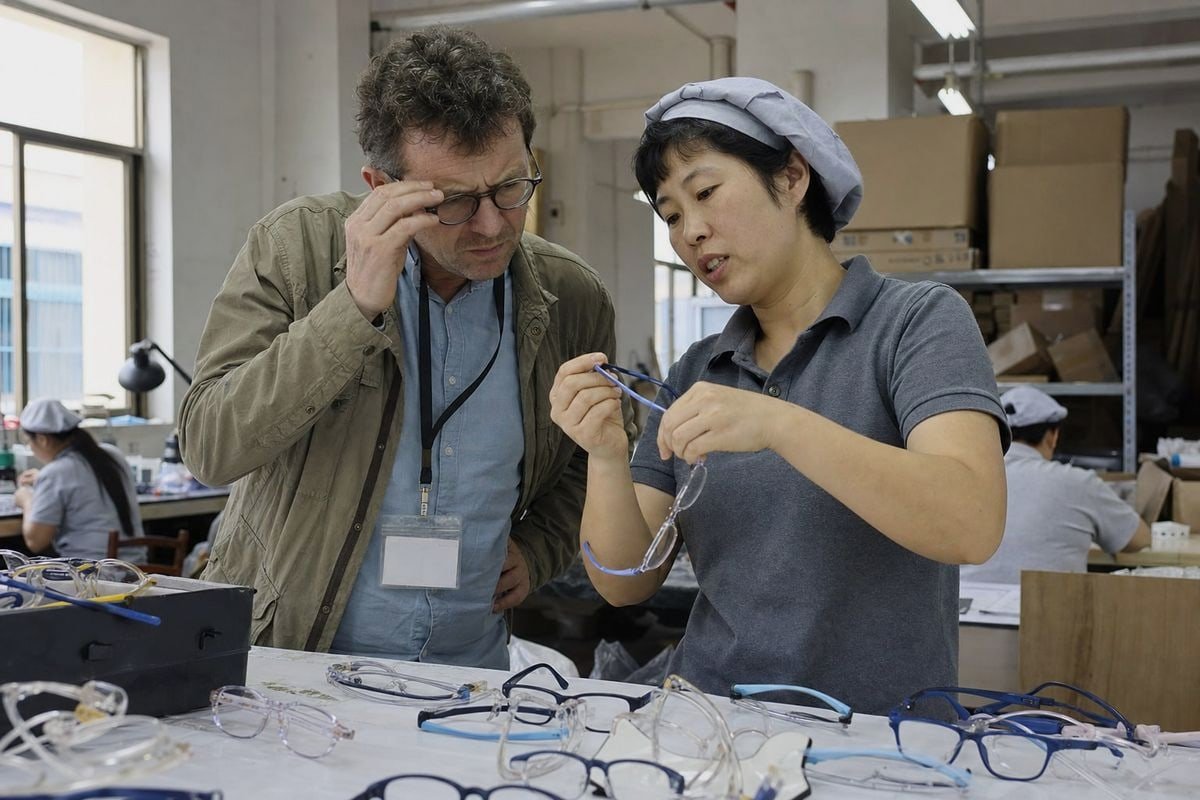
Choosing between an on-site audit and remote verification for a kids optical frames factory worries many buyers — I see it weekly when brands first contact our Taizhou workshop.
Use remote verification to screen and monitor a kids optical frames factory, but rely on a full on-site audit before approving a new supplier or a high-value order. On-site visits verify real production, material control, and child-safety readiness; remote checks verify documents and basic legitimacy.
That is the short answer. But the right choice depends on your risk level, order size, and how mature the supplier is. Let me walk you through both methods, honestly.
What Should I Check During a Full On-Site Audit of a Kids Optical Frames Factory?
Last year, a European buyer spent two days walking our 5S-managed workshop before placing his first order. He checked things no video call could ever show him.
During an on-site audit, verify raw material authenticity (TR90, TPEE), production capacity, calibration of equipment, workmanship at each assembly station, worker headcount, hidden subcontracting, chemical and paint safety, and whether the documented Quality Management System actually operates on the factory floor.
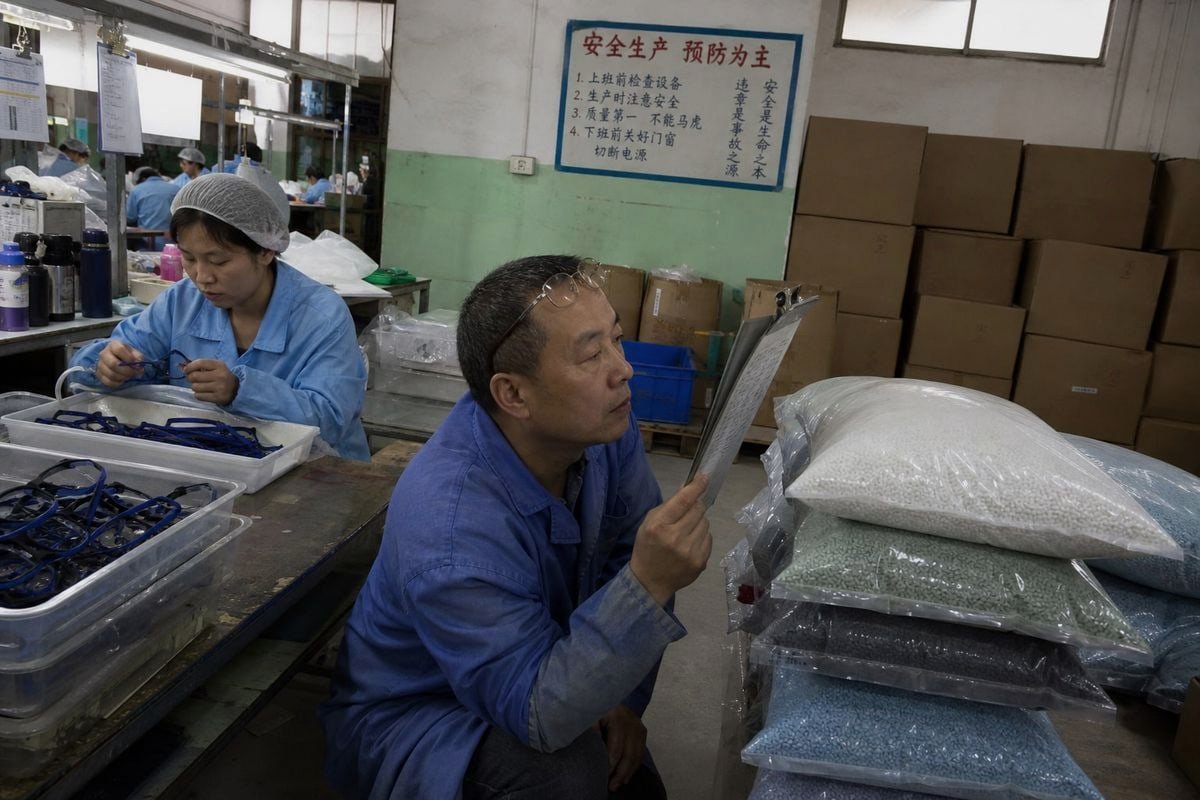
An on-site audit is your only chance to see the gap between paper and reality. In my experience hosting audits at our own facility, the buyers who get the most value follow a structured path from raw material to packed carton. Here is how I would organize your visit.
Start With Materials, Not Machines
Kids optical frames are not a generic commodity. Cheap resin substitutions look identical to genuine TR90 or TPEE, but they fail flexibility and safety standards. On-site, you can check resin bags, purchase invoices, and storage conditions. A smart technique is a mass-balance traceability check 1: cross-reference resin purchase invoices against the total weight of finished shipments. If the numbers do not add up, the factory may be mixing regrind or scrap material into child-worn frames.
Use Your Senses
Auditors on-site can apply what some call sensory proxy protocols. Strong chemical odors or a tacky surface feel on frames can signal low-grade plasticizers. Cameras cannot smell. This matters enormously for products that sit on a child's face for hours daily.
Verify Systems in Action
Ask to see the Quality Management System 2 working live: incoming inspection records being filled in, calibration stickers on tension testers, and a real Corrective Action Plan from a past defect. Interview line workers, not just managers. Check whether material safety testing reports match the actual production batches. A social compliance audit component — working hours, safety exits, worker conditions — also belongs on your checklist, because kids' brands cannot afford ethical surprises.
| On-Site Check | O que Comprova | Why It Matters for Kids Frames |
|---|---|---|
| Resin invoice vs. output weight | No regrind or scrap mixed in | Material purity affects safety and flexibility |
| Live bend and flex tests | Frame durability under stress | Active kids abuse their glasses daily |
| Calibration records on testers | QC data is trustworthy | Prevents false-pass inspection results |
| Worker headcount vs. claimed capacity | Real production capacity assessment | Detects hidden subcontracting |
| Paint and coating storage area | No lead-based paint or phthalate risk | Direct child-contact chemical safety |
| Live QMS documentation | System runs on the floor, not on paper | Repeatability across reorders |
How Reliable Is Remote Verification When I Can't Travel to the Factory?
We have run dozens of virtual factory tours for overseas buyers since 2020, and I will be honest with you: they are useful, but they have real limits.
Remote verification is reliable for confirming a factory exists, reviewing licenses, ISO 13485 certification, CPSIA compliance documents, and test reports in real time. It is unreliable for detecting staged setups, hidden subcontracting, chemical hazards, and actual floor-level quality behavior.
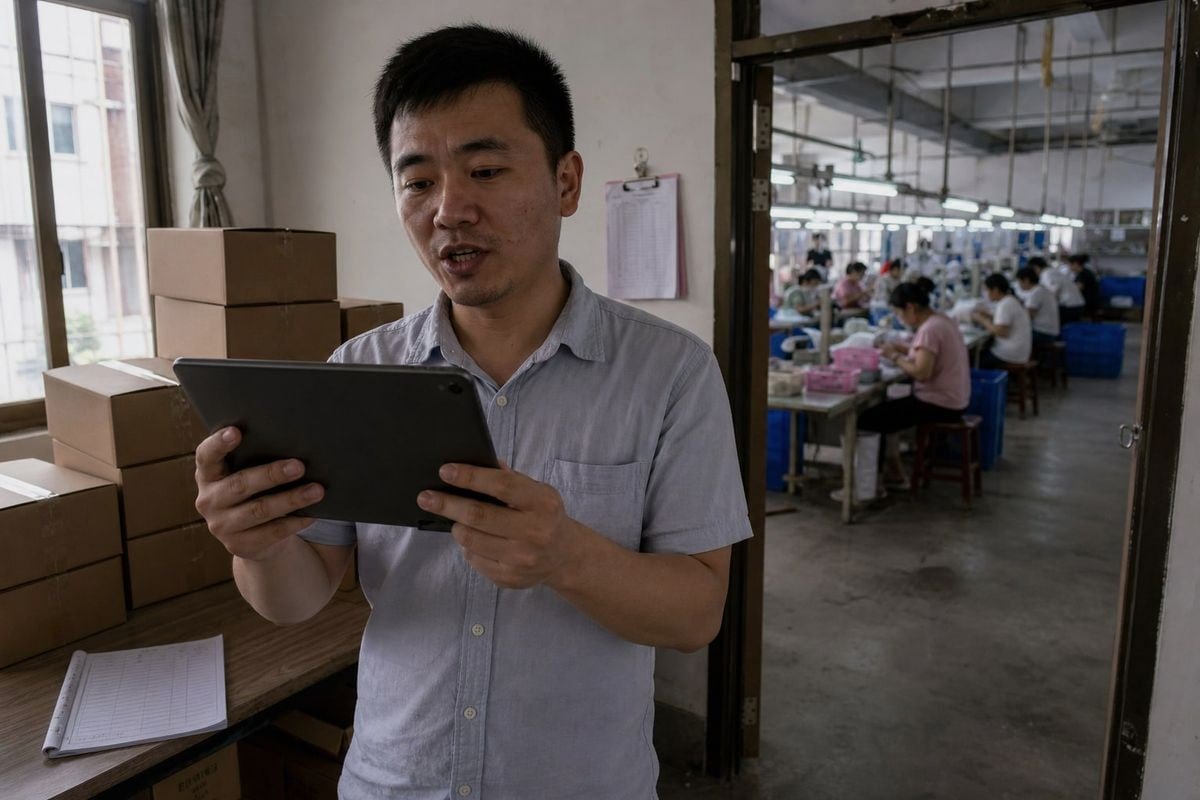
A remote audit is a structured assessment done through live video, document sharing, and real-time communication. Done well, it can answer many questions fast. Done poorly, it becomes theater.
What Remote Verification Does Well
Remote audits shine on document-heavy compliance work. You can review Children's Product Certificates 3, laboratory test reports, FDA registration where relevant, business licenses, and export records in a single session. You can interview the quality manager and ask them to pull up SOPs and past Corrective Action Plans on screen. For an established supplier with strong prior on-site history, a remote check is often enough for interim monitoring.
Where It Fails
The biggest weakness is camera-guided deception. A factory controls what the camera sees. It can show one optimized line and hide non-compliant subcontracting in another building. Some buyers now use digital twin facility mapping — a 3D baseline of the factory floor from an initial visit — so future video tours cannot be quietly filmed in a separate showroom facility.
How to Strengthen a Remote Audit
You can push back against staging. Demand an unscheduled start point in the tour. Ask the camera operator to walk to the raw material warehouse without cutting the feed. Best of all, mandate live destructive drills: have the factory pull a random frame from the line and perform a 360-degree bend test to failure on camera. When buyers ask us to do this with our TPEE-temple frames, we welcome it — flexible material either survives the test or it does not, and no camera angle can fake that.
Remote verification is far better than no audit. But do not confuse remote visibility with full verification, especially for child-worn products.
What Are the Cost and Time Trade-Offs Between On-Site and Remote Audits?
One trade-off I discuss with nearly every new buyer: is a few thousand dollars of audit cost worth it against a first order worth twenty times that?
Remote audits typically take 1–2 days and cost roughly $100–$300 per report, while on-site audits take 3–5 days and cost $1,500–$5,000 or more including travel. On-site costs more but delivers far deeper, fraud-resistant verification.

The numbers vary by provider and scope, so treat them as indicative ranges, not fixed prices. But the pattern is consistent across the industry, and it shapes how you should think about the decision.
| Fator | Remote Verification | Full On-Site Audit |
|---|---|---|
| Typical turnaround | 1–2 dias | 3–5 days |
| Indicative cost | $100–$300 per report; some providers only ~$50 less than on-site | $1,500–$5,000+ including travel; some services quote ~$265/day plus travel |
| Depth of verification | Documents, interviews, guided visuals | Physical processes, materials, staffing, conditions |
| Fraud resistance | Weak against staging | Strong; hard to hide a whole factory |
| Melhor uso | Screening, interim monitoring | Approval, first major production run |
Think in Risk, Not Price
Here is the calculation that actually matters. If a failed shipment of kids optical frames would create major financial, reputational, or safety consequences, the audit cost is trivial by comparison. A recalled children's product can end a young brand. Against that risk, $3,000 for a third-party factory inspection is cheap insurance.
Conversely, if you are screening twenty potential suppliers for a low-value exploratory order, twenty on-site audits make no sense. Remote checks let you filter that list down to two or three finalists quickly and affordably.
Hidden Costs Cut Both Ways
Remote audits carry a hidden cost: false confidence. If a staged tour passes a bad factory, you pay later in defects, delays, and rework. On-site audits carry the obvious costs — flights, hotels, auditor days — plus scheduling delays that can slow your launch. In our experience exporting to 20+ countries, buyers who budget audit costs into their supplier vetting process from day one make calmer, better decisions than those who treat audits as an optional extra.
Can I Combine On-Site and Remote Verification to Reduce Risk When Sourcing Kids Optical Frames?
A Japanese buyer once told me their approach: remote first to shortlist, one deep on-site visit to approve, then quarterly video check-ins. Fifteen years in this industry tells me that is exactly right.
Yes — a hybrid model is the best practice for most buyers. Use remote verification for screening and document review, conduct one full on-site audit before approving the factory, then maintain oversight through periodic remote check-ins and third-party factory inspections of shipments.
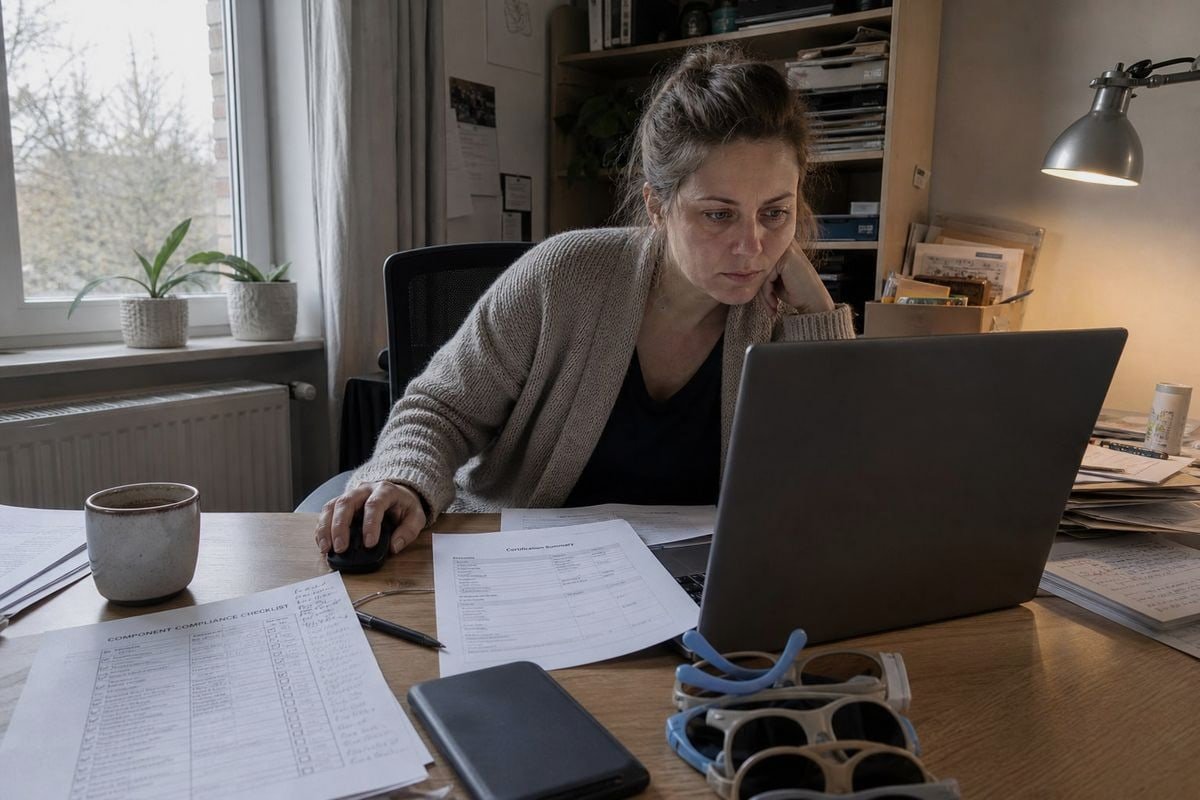
The OECD's framework on remote audits 4 actually formalizes this idea. It distinguishes fully remote audits, where all evidence is gathered via ICT, from partially remote audits that include at least one face-to-face component such as a site visit. In other words, hybrid is not a compromise — it is a recognized model. One practical rule of thumb from industry checklists: perform roughly 80% of the audit workload through remote document review, and reserve the remaining 20% for a targeted on-site physical check. That split keeps costs sane while protecting the safety-critical checkpoints.
A Practical Hybrid Workflow
- Remote screening. Review business licenses, ISO 13485 certification where claimed, CPSIA compliance documentation, and material safety testing reports across all candidate factories.
- Virtual factory tour. Run a live video session with unscripted requests and a live destructive drill on a random frame.
- On-site approval audit. Before the first major production run, send yourself or a third party for a full physical audit, including mass-balance traceability, calibration checks, and a social compliance audit component.
- Establish a baseline. Photograph and map the facility during the visit so future remote tours can be verified against it — a lightweight digital twin.
- Ongoing remote monitoring. Quarterly video check-ins, updated test reports, and review of any Corrective Action Plan raised from shipment inspections.
- Pre-shipment inspections. Independent inspection of each order keeps supply chain transparency alive between audits.
Match the Method to Supplier Maturity
| Situation | Recommended Method |
|---|---|
| Screening many new suppliers | Remote verification |
| Low-value exploratory order | Remote, with live destructive drill |
| New supplier, first major order | Full on-site audit |
| Established supplier, strong on-site history | Remote interim checks |
| High-value or high-risk reorder | On-site refresh audit every 1–2 years |
From our side of the table, we actually prefer buyers who follow this workflow. It builds trust in both directions. When a buyer has walked our floor once, watched our TPEE temples survive a bend test, and mapped our workshop, every remote call afterward is faster and more honest. And because we hold around 800 existing styles, hybrid-audit buyers can move from approval to a low-risk first order without waiting on mold investment.
Conclusão
Remote verification screens fast and cheap; a full on-site audit proves what is real. For kids optical frames, choose hybrid: remote first, on-site before commitment, ongoing checks after.
Notas de rodapé
1. Authoritative Wikipedia entry explaining mass balance within chain of custody. ↩︎
2. Comprehensive Wikipedia overview of QMS standards and practices. ↩︎
3. Updated official CPSC government page for CPC requirements. ↩︎
4. Official OECD innovation portal page detailing remote inspection frameworks. ↩︎
Mais Artigos que Você Pode Gostar
5 de agosto de 2026
Acetato de Celulose Bio-Baseado vs. Regular: Qual a Diferença para Armações Infantis?

5 de agosto de 2026
Quão Recicláveis São os Materiais de Armações Ópticas Infantis e Quais Alternativas Ecológicas Existem?
5 de agosto de 2026
As Armações Ópticas Infantis Branqueiam ou Envelhecem em Armazenamento e Como Controlar as Condições do Armazém?
Procurando um Parceiro Confiável em Óculos Infantis?
Explore mais de 800 estilos prontos e suporte completo OEM/ODM adaptado à sua marca.
Entre em Contato English
  Español de México
  Deutsch
  Français
  日本語
日本語  العربية
  Português do Brasil