How to Avoid Common Negative Reviews and Returns for Kids’ Optical Frames?
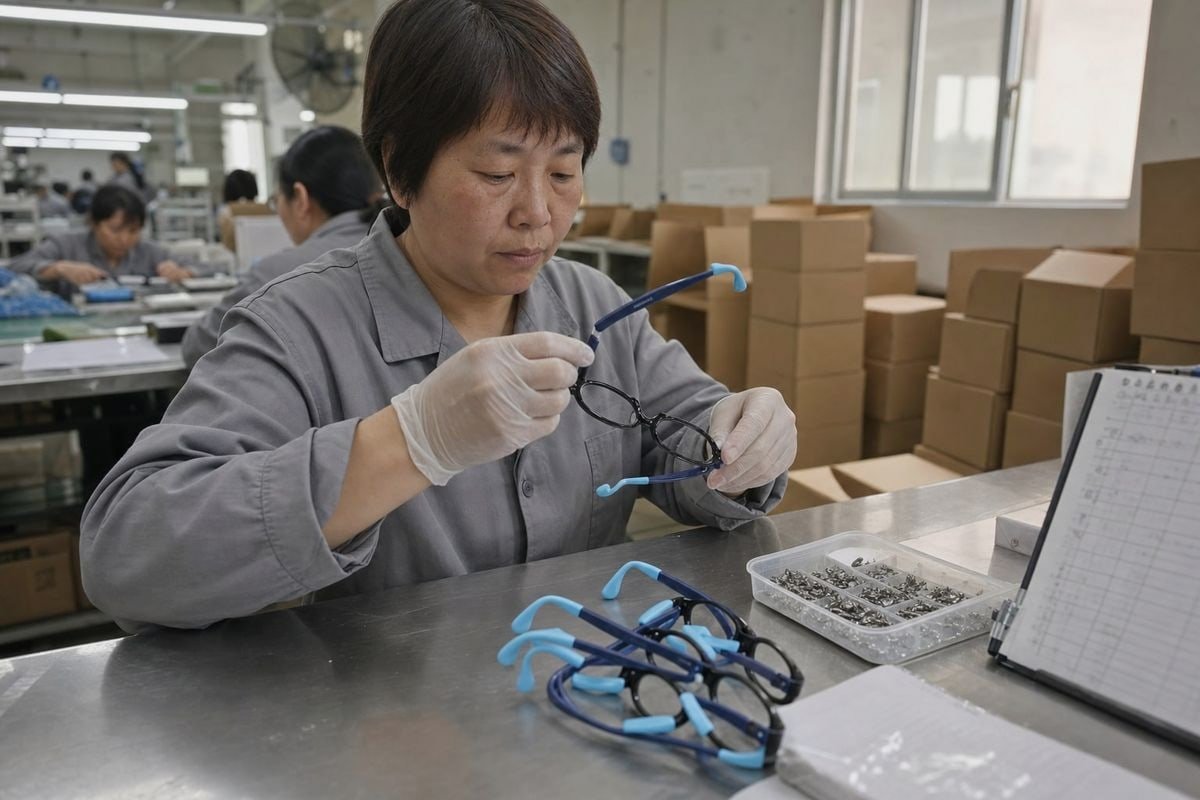
Kids’ optical frames get returned fast when they slip, pinch, or snap. I have watched promising brands bleed margin on returns — problems our factory floor could have prevented before production.
To avoid negative reviews and returns for kids’ optical frames, fix the three failure points parents complain about most: fit, comfort, and durability. Use flexible TR90 or TPEE materials, polycarbonate lenses, accurate bridge width sizing, silicone ear hooks, and strict pre-shipment quality control with your manufacturer.
Most returns are predictable. Below, I break down why parents send glasses back, and what you can do at the design, material, sizing, and QC stages to stop it.
What Are the Most Common Reasons Parents Return Kids' Optical Frames?
A buyer from Australia once forwarded me two pages of one-star reviews for a competitor's frame. Reading them side by side, the same five complaints repeated over and over.
Parents return kids' optical frames mainly for five reasons: poor fit that slips or pinches, discomfort from hard edges or heavy fronts, breakage at hinges and temples, lens problems including wrong prescriptions, and style rejection when children refuse to wear frames they find babyish.
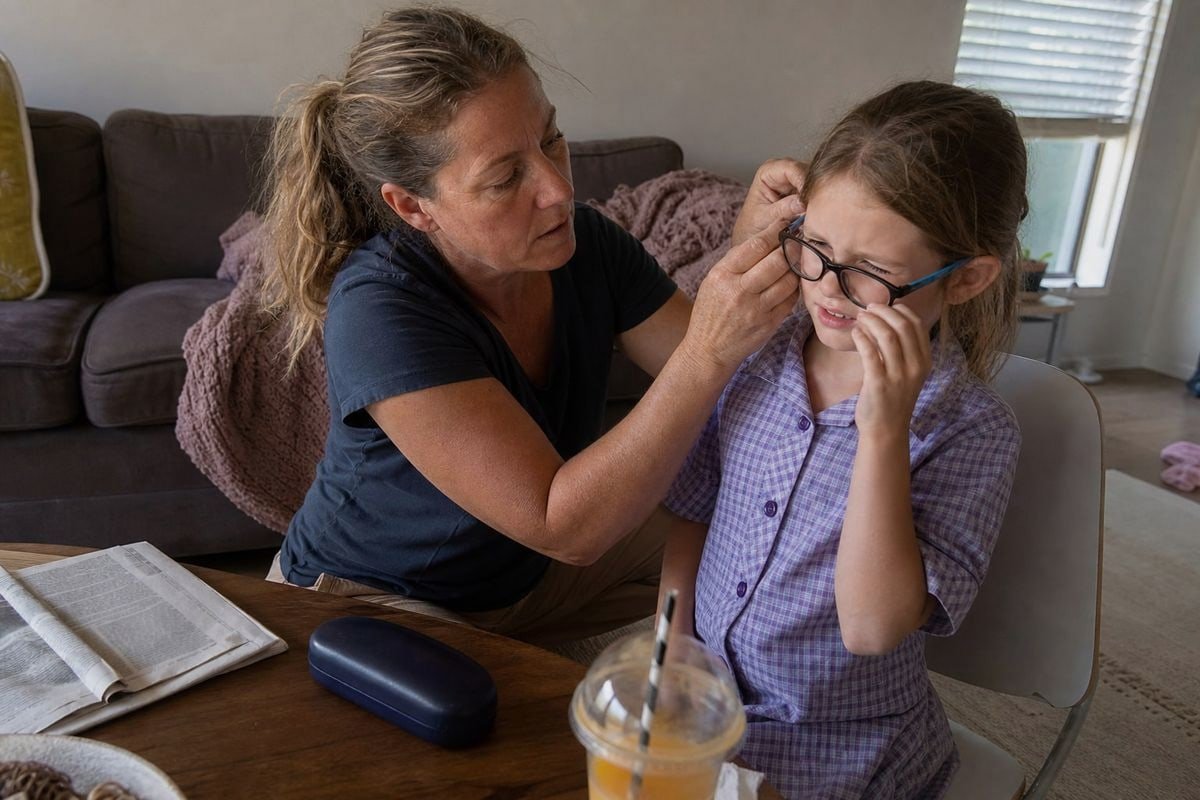
The pattern behind these complaints is simple. Children are far less tolerant of discomfort than adults. An adult will push slipping glasses back up all day. A child will take them off and refuse to wear them. So small design flaws that a grown-up would ignore become full returns in the kids' category.
Here is how the five triggers break down in real review language:
| Return Trigger | What Parents Write in Reviews | Root Cause |
|---|---|---|
| Poor fit | "Slides down constantly," "sits on her cheeks" | Wrong bridge width sizing, temples too long or short |
| Discomfort | "Red marks behind the ears," "he won't keep them on" | Rigid temples, rough finishing, heavy front |
| Breakage | "Snapped in two weeks," "hinge came loose" | Brittle plastic, weak hinges, no flex in the material |
| Lens problems | "Prescription seems off," "scratched in days" | Ruim pupillary distance 1 measurement, low-grade coatings |
| Style rejection | "My daughter says they look babyish" | Design chosen without the child's input |
Why Online Ordering Amplifies the Risk
Fit and measurement errors are harder to catch remotely. A frequently cited 2011 study found that 29% of online glasses had an incorrect Rx in at least one lens, and 25% of children's lenses failed impact testing. Those numbers come from consumer discussions rather than a primary journal citation, so treat them as a caution flag, not gospel. Still, the direction is clear: remote ordering without verification raises return risk. That is why many optometrists recommend in-person verification of prescription, measurements, and pediatric eyewear fit when possible — and why online sellers should offer home try-on and easy exchanges.
The Hidden Fifth Column: "Good on Paper" Failures
Some frames match the size chart perfectly and still come back. The temples are technically correct but dig in behind the ears. The bridge fits the chart but not the child's flat nose. The finish passes inspection but feels rough on sensitive skin. Charts do not wear glasses. Children do.
How Can I Choose Frame Materials That Reduce Breakage Complaints?
There is a trade-off we weigh on every new project in our Taizhou workshop: rigid materials hold shape and look premium, but flexible ones survive childhood. After fifteen years making children's eyewear, we almost always choose flexibility.
Choose ultra-flexible materials like TR90 or TPEE for frames, because they bend under twisting and sitting instead of snapping. Pair them with polycarbonate lenses for impact resistance, add spring hinges or flexible temples, and use hypoallergenic frame materials to protect sensitive skin.
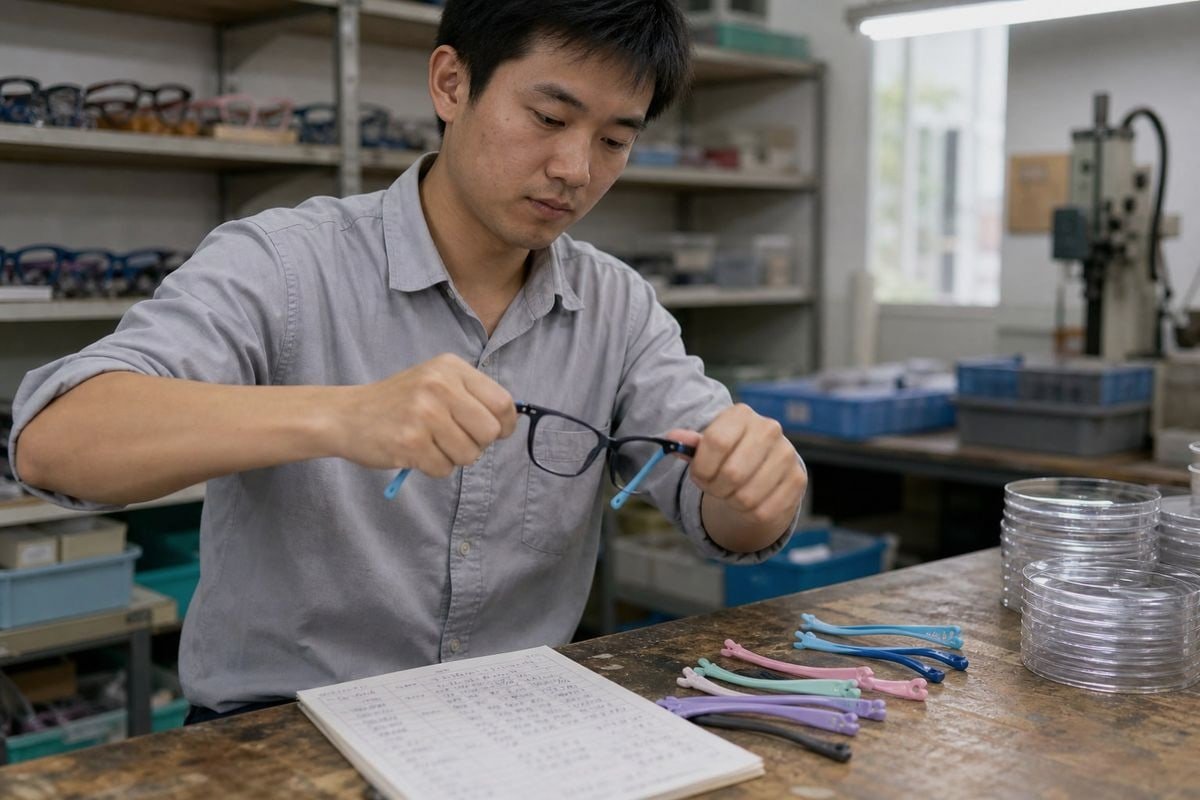
Breakage complaints follow material choices almost mechanically. A child will drop, sit on, twist, and yank their glasses. The question is not whether stress happens, but whether the frame absorbs it or fails.
Comparing the Main Material Options
| Material | Flexibilidade | Peso | Skin Safety | Melhor Uso |
|---|---|---|---|---|
| TR90 | High — bends and recovers | Muito leve | Hypoallergenic | Frame fronts and full frames for school-age kids |
| TPEE | Extremely high — near unbreakable | Leve | Soft, hypoallergenic | Temples and frames for toddlers and active wearers |
| Standard acetate | Low — can crack on impact | Moderado | Generally safe | Older kids, style-driven designs |
| Bio-based acetate | Baixo a moderado | Moderado | Hypoallergenic, eco-friendly | Sustainability-focused brands |
| Cheap injection plastic | Very low — brittle | Leve | Variable | Avoid for optical frames |
One design we produce often — and one I recommend to new buyers — combines a TR90 front with TPEE TR90 frame materials 2 temples. The front stays dimensionally stable so lenses seat correctly, while the temples flex through the twisting that kills rigid frames. On one of our styles, a glossy black TR90 front pairs with navy rubberized temples ending in soft sky-blue silicone ear hooks. The silicone tip does double duty: it grips during play and cushions the skin behind the ear.
Do Not Forget the Lenses
Frame material is only half the durability story. Polycarbonate lenses should be your default for children. They meet the impact resistance standards 3 pediatric eyewear demands, resist shattering, and carry built-in UV protection. Trivex is a strong alternative with similar safety. Standard plastic lenses that fail impact testing are a safety liability, not just a review risk.
Rising demand for sustainable products also matters here. Bio-based, hypoallergenic acetates let brands answer the eco question without sacrificing skin safety — a request we hear more each year from European buyers.
What Fit and Sizing Issues Should I Address Before Mass Production?
Early in my career, we approved a sample that measured perfectly on paper. Three months later, the buyer reported that the frames slid down flat pediatric nose bridges. That lesson changed how we sample kids' frames forever.
Before mass production, validate bridge width sizing against real child facial data, confirm temple length and ear-hook curvature, verify pupillary distance measurement alignment with the lens centers, test frames on flatter nose bridges, and check that the frame stays level without touching the cheeks when the child smiles.
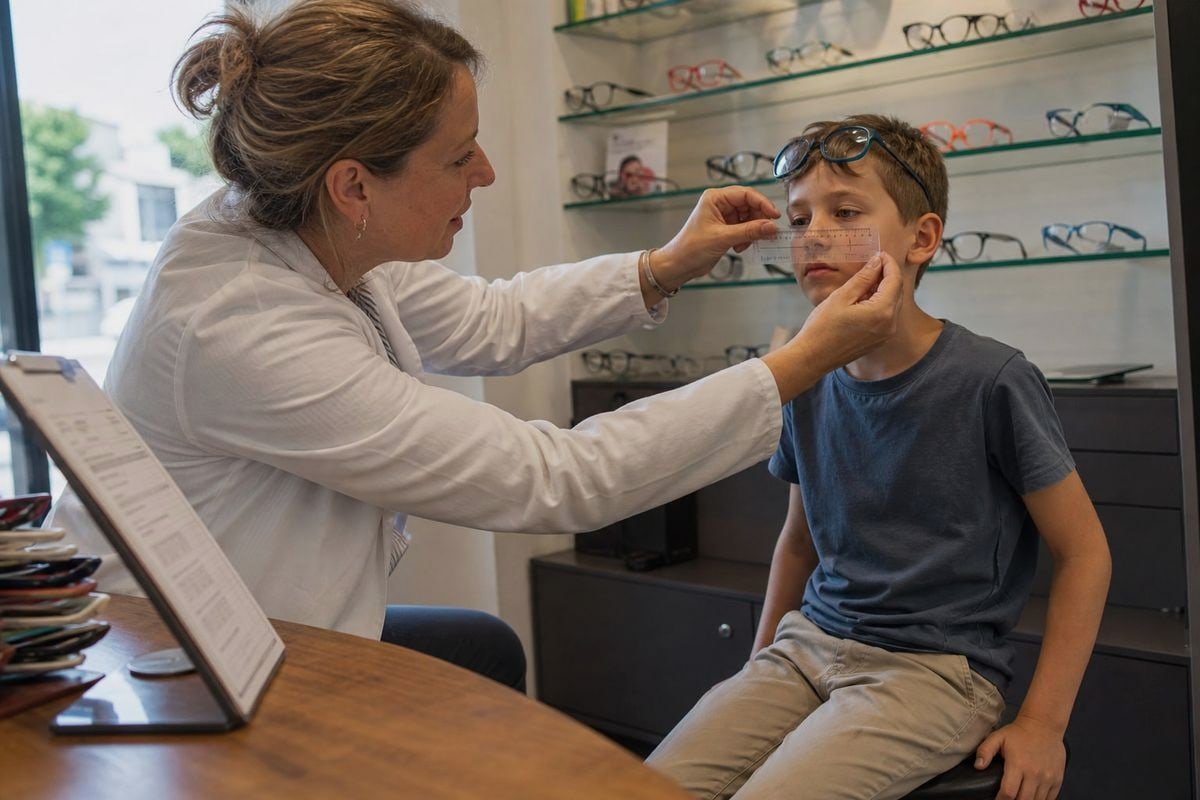
Fit failures are the hardest returns to fight because they are invisible in a factory. The frame looks perfect on the bench. It fails on the face. So you need a structured pre-production fit process, not a single sample sign-off.
The Pre-Production Fit Checklist
- Use child-specific facial data, not general age charts. Age-based sizing hides huge variation. A five-year-old in Japan and a five-year-old in Germany can need different bridge geometry. Collect measurements from your actual target market where possible.
- Design for flat nose bridges. Many children — especially toddlers and many Asian face shapes — have low, flat bridges. A frame that relies on nose height will slide. Widen the bridge contact area and lower the lens position rather than relying on hardware.
- Be cautious with adjustable nose pads. Pediatric health guidance often advises against nose pads for younger kids, because small noses may not support them and pads can shift or irritate. Molded, wide-contact bridges usually work better under age eight.
- Confirm temple length and retention. Temples that are too short pinch; too long and they slip. Silicone ear hooks, cable temples, and optional head straps keep frames in place on active wearers without pressure points.
- Center the eyes in the lenses. Optical labs need accurate pupillary distance measurement, and your frame geometry must place lens centers where children's pupils actually sit. Misalignment causes visual discomfort parents describe as "the prescription feels wrong."
- Check the smile test. The frame must not lift or touch the cheeks when the child smiles. It should sit level and stay put through head movement.
- Plan for growth. Children's faces change quickly; a frame that fits in spring may not fit by autumn. Flexible temples and adaptable retention features 4 extend usable life. Some brands now offer a "Growth Protection Plan" — discounted mid-year frame exchanges — which converts a return into a repeat purchase.
Newer tools help too. AI-powered biometric scanning in virtual try-on can capture pupillary distance and vertex distance remotely, closing part of the online-ordering measurement gap. If you sell online, ask whether your platform supports it.
How Do I Work With My Manufacturer to Improve Quality Control and Cut Return Rates?
When a Japanese buyer visited our 5S-managed workshop last year, his first question was not about price. He asked to see our hinge torque checks and edge-finishing station. That is exactly the right instinct.
Work with your manufacturer by agreeing on written QC standards covering hinge strength, edge smoothness, dimensional tolerances, and lens safety; requiring pre-production samples tested on real children; auditing incoming materials like TR90 and TPEE; and setting AQL-based pre-shipment inspections with clear defect definitions.
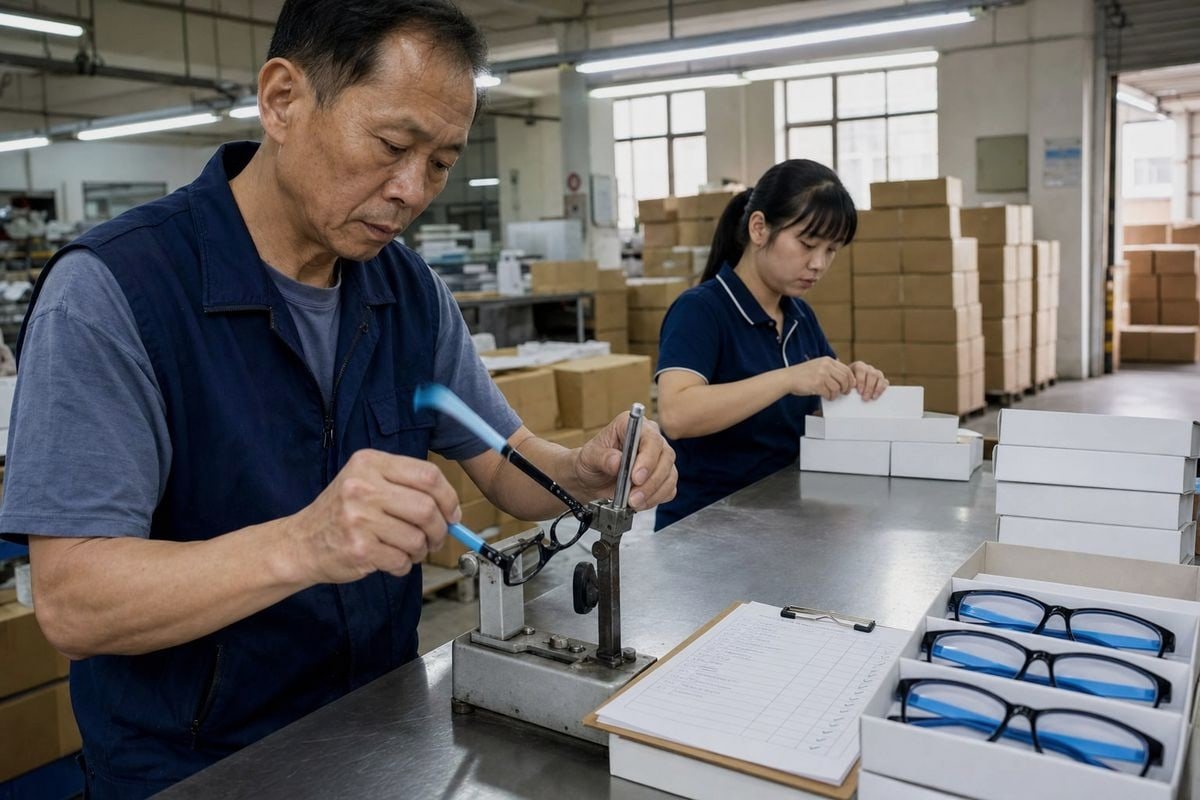
Quality control is where negative reviews are actually prevented or created. In our experience exporting to buyers in more than 20 countries, the brands with the lowest return rates all do the same thing: they treat QC as a shared specification, not a hope.
What to Specify, Check, and Verify
| QC Stage | What to Check | Why It Prevents Returns |
|---|---|---|
| Material intake | Genuine TR90/TPEE certification, hypoallergenic compliance | Fake or blended materials break and irritate skin |
| Component QC | Spring hinges cycle-tested, screws secured, silicone tips bonded | Loose hinges are a top breakage complaint |
| Assembly QC | Edge and finish smoothness, symmetry, temple alignment | Rough edges cause skin irritation reviews |
| Lens QC | Polycarbonate lenses verified, coating adhesion, scratch resistance | Scratched or unsafe lenses damage trust fastest |
| Pré-embarque | AQL sampling, drop and flex tests, packaging integrity | Catches batch-level defects before they reach parents |
Reduce Risk Before You Even Cut a Mold
One structural way to cut return risk is to start from proven designs. At our factory, buyers can choose from roughly 800 existing styles that have already been through fit refinement and production debugging. A new brand can test the market without heavy mold investment, learn from real customer feedback, and only then invest in fully custom OEM/ODM development — custom colors, logos, lenses, and retail-ready packaging.
Educate the End Customer Too
Some returns happen after a perfect product leaves the factory. Ask your supplier to help with parent education inserts: how to make simple home adjustments, how to store frames in a hard case, and how to clean polycarbonate lenses without scratching them. Involving the child in style selection — offering the translucent pastel pink acetate look alongside the sporty black-and-navy option — also raises wear compliance and lowers "my child won't wear them" reviews. And with parental anxiety about worsening vision rising, offering myopia-control lens compatibility gives your brand a proactive answer rather than a defensive one.
Conclusão
Returns on kids' optical frames are not random. They come from fit, comfort, and durability gaps you can close with flexible materials, real facial data, and disciplined manufacturer QC.
Notas de rodapé
1. MedlinePlus offers authoritative health information regarding vision correction and the importance of accurate eyewear measurements. ↩︎
2. Peer-reviewed NIH article discussing the properties and safety of TR90 polymers in eyewear. ↩︎
3. Polycarbonate is the industry standard material for meeting high impact resistance requirements in children’s eyewear. ↩︎
4. Wikipedia’s eyeglass frame page discusses various frame components and features used for retention and fit. ↩︎
Mais Artigos que Você Pode Gostar

5 de agosto de 2026
Acetato de Celulose Bio-Baseado vs. Regular: Qual a Diferença para Armações Infantis?

5 de agosto de 2026
Quão Recicláveis São os Materiais de Armações Ópticas Infantis e Quais Alternativas Ecológicas Existem?

5 de agosto de 2026
As Armações Ópticas Infantis Branqueiam ou Envelhecem em Armazenamento e Como Controlar as Condições do Armazém?
Procurando um Parceiro Confiável em Óculos Infantis?
Explore mais de 800 estilos prontos e suporte completo OEM/ODM adaptado à sua marca.
Entre em Contato English
  Español de México
  Deutsch
  Français
  日本語
日本語  العربية
  Português do Brasil