How Does ACL Define Manufacturer Liability for Private Label Kids Optical Frames?
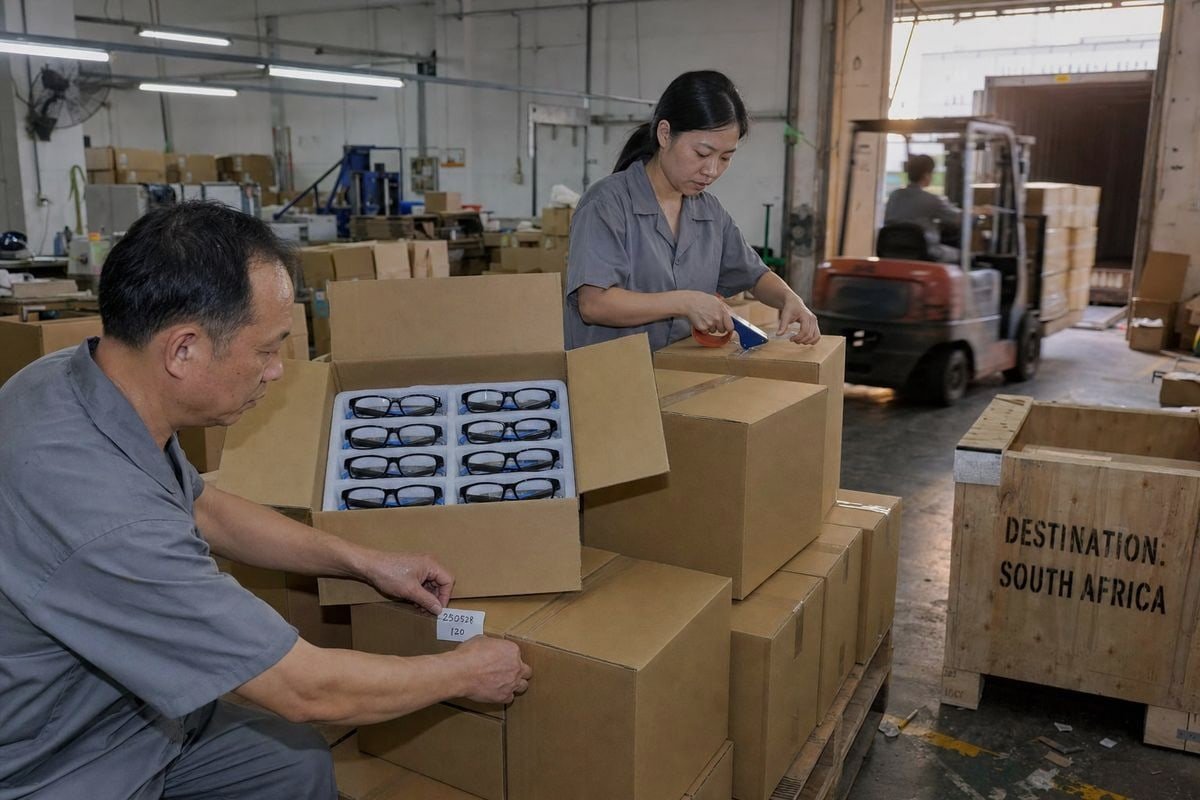
Manufacturer liability for private label kids optical frames surprises many of our Australian buyers product liability insurance 1. They assume our factory carries the legal risk. Under the ACL, that assumption can be dangerously wrong.
Under the Australian Consumer Law, a private label brand is deemed the manufacturer of kids optical frames if it applies its own brand to them, holds itself out as the maker, or imports them when the actual overseas factory has no place of business in Australia.
This matters because deemed manufacturers face strict liability for safety defects batch-level traceability records 2. You do not escape that exposure by outsourcing production. Let me walk you through how it works, and how to manage it.
What Steps Should I Take If My Private Label Brand Is Treated as the "Manufacturer" Under ACL?
A procurement manager from Melbourne once asked me during a sampling call: "If a hinge fails, that's your problem, right?" I had to explain that under Australian Consumer Law 3, it becomes hers too.
If your brand is deemed the manufacturer, you should map your exposure, verify product safety before sale, keep full traceability records, secure contractual indemnities from your factory, arrange product liability insurance, and prepare a recall and incident-response plan for safety defects.
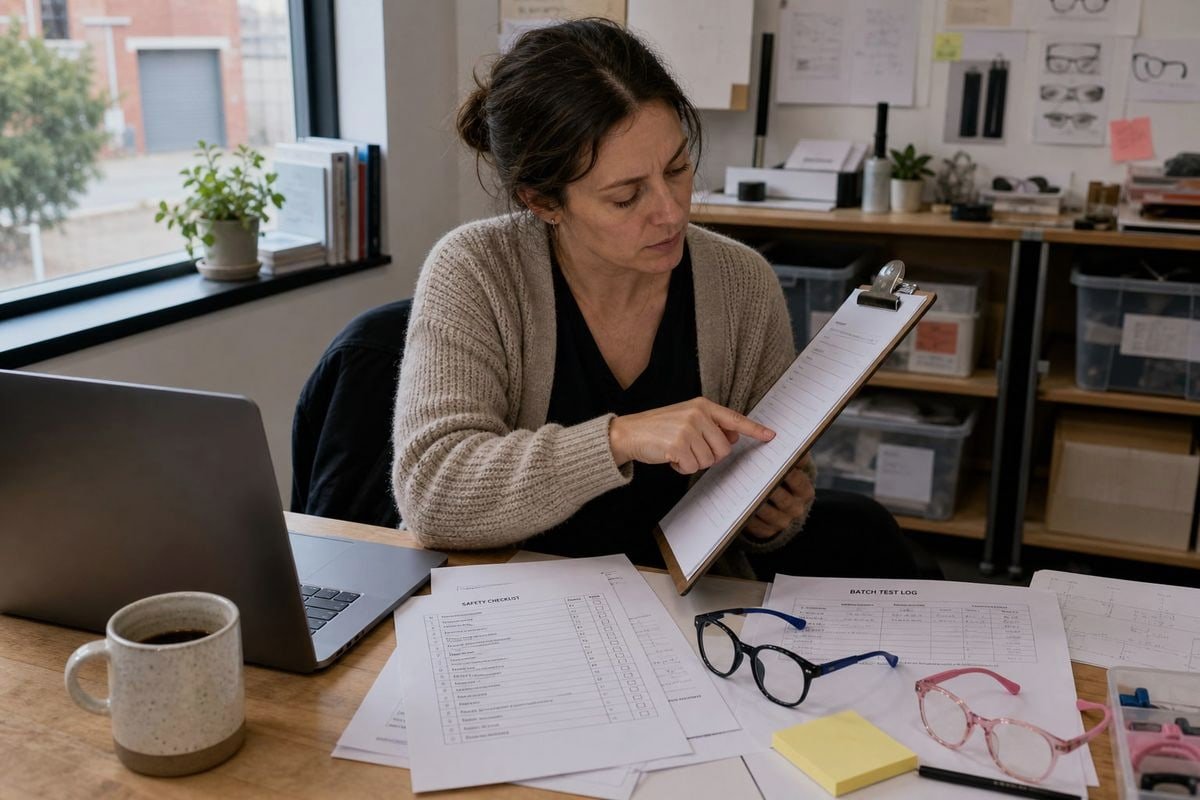
The ACL definition of manufacturer is deliberately broad. It captures the actual maker, anyone who holds themselves out as the maker, anyone who allows their name or brand to be applied to goods, and the importer when the foreign factory has no Australian presence. Private label kids optical frames tick several of those boxes at once. Your logo is on the temple. Your brand is on the packaging. You imported the goods. In the eyes of the law, you can be the manufacturer even though our production line in Taizhou actually molded the frames.
Why strict liability changes your priorities
Part 3-5 of the ACL is a strict liability regime. A consumer injured by a safety defect does not need to prove you were negligent. They only need to show the goods had a safety defect, and that the defect caused the injury or damage. The legal test asks whether the safety of the goods is what persons generally are entitled to expect. For children's eyewear, that expectation is high. Courts will consider foreseeable child behavior: dropping, bending, chewing, and sitting on frames.
A practical action sequence
| Step | Ação | Por Que Importa |
|---|---|---|
| 1 | Audit how you market the frames | "Designed and made by us" claims strengthen deemed-manufacturer status |
| 2 | Confirm your factory's compliance basis | Safety defects trigger strict liability regardless of fault |
| 3 | Build batch-level traceability | Limits recall scope and proves which goods are affected |
| 4 | Negotiate indemnities and insurance | Shifts financial burden even when legal liability stays with you |
| 5 | Create an incident log and recall plan | Speed of response reduces harm and regulatory penalties |
We have seen brands treat this as paperwork. The smart ones treat it as product strategy. When we develop TR90 kids optical frames with TPEE temples, flexibility and rounded edges are not just comfort features. They directly reduce the injury scenarios that create ACL claims in the first place.
There is a trade-off we discuss openly with buyers: a rock-bottom quote from a factory that resists compliance obligations, versus a slightly higher price from a partner that documents everything. The cheap quote costs more later.
Make your OEM factory share responsibility by writing safety standards, third-party testing obligations, indemnification clauses, and recall cost-sharing into your supply agreement, then verifying compliance through pre-shipment inspections, batch testing certificates, and documented corrective-action processes for any nonconformity.
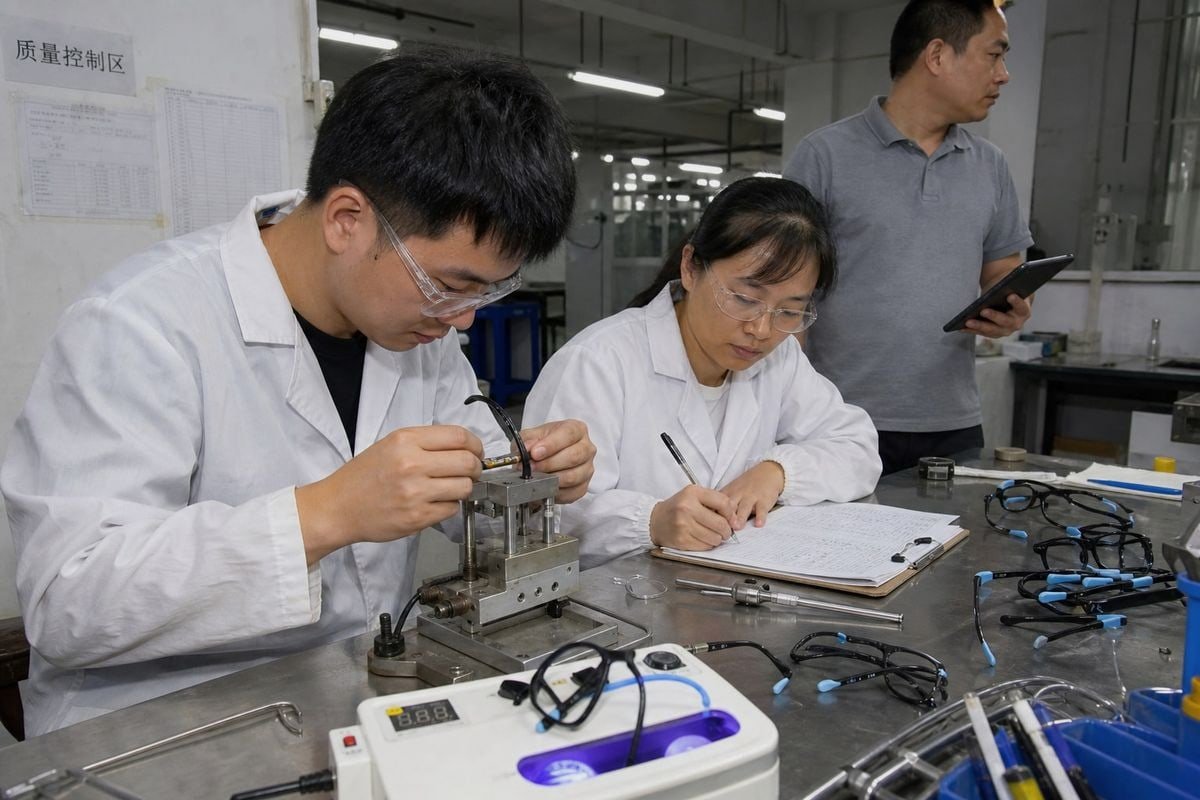
Here is the uncomfortable truth we tell every new client: an indemnity from your factory does not stop a consumer's ACL claim against you. Consumer guarantees 4 and Part 3-5 liability cannot be excluded by contract. What a strong supply agreement does is decide who ultimately pays. That distinction is the heart of supply chain liability management.
What a serious supply agreement should contain
In our fifteen years running an OEM/ODM operation, the buyers who protect themselves best insist on the following, and we respect them for it:
- Defined safety specifications. Reference the exact standards for children's eyewear in your market, covering impact resistance, material toxicity, and small detachable parts.
- Testing obligations. Require third-party testing on initial production and periodic batch retesting, with reports delivered before shipment. third-party testing obligations 5
- Indemnification. The factory covers losses arising from manufacturing defects, even when you are the deemed manufacturer under the ACL.
- Recall cooperation. Agree in advance on cost sharing, replacement stock priority, and root-cause analysis timelines.
- Change control. No material, coating, or component substitution without written approval. Silent substitutions are a leading cause of safety defects.
Verification beats promises
| Verification Method | Timing | O que Comprova |
|---|---|---|
| Factory audit | Before first order | Real QC systems exist, not just claims |
| Pre-production sample approval | Before mass production | Materials and construction match specification |
| In-line inspection | Durante a produção | Defects caught early, not at the port |
| Pre-shipment inspection | Before loading | Batch conforms to approved sample |
| Batch test certificates | Every shipment | Ongoing regulatory compliance, not one-time testing |
Our 5S-managed workshop welcomes audits precisely because shared responsibility only works when both sides can see each other's processes. A factory that refuses inspection is telling you where the liability will land.
What Documentation Do I Need From My Supplier to Prove Due Diligence Under ACL?
Last year, a European baby-brand client asked us to rebuild their entire technical documentation file after a customs query. It took weeks. Building it correctly from day one is far easier.
You need third-party test reports against children's eyewear safety standards, material safety declarations, technical documentation and specifications, batch-level traceability records, QC inspection reports, the factory's identity and address, and written compliance declarations covering each production run.
Documentation serves three separate purposes under the ACL, and confusing them causes gaps. First, it supports defences. The ACL provides absolute defences, including that the defect did not exist at supply and that the defect was undiscoverable given scientific and technical knowledge at the time. You can only run those defences with dated, batch-specific evidence. Second, it supports the "unknown manufacturer" rule. If a consumer asks a supplier in writing to identify the manufacturer and gets no answer within 30 days, the supplier becomes the deemed manufacturer. Keeping our factory name, address, and production records on file protects you from that trap. Third, it satisfies regulators during any investigation or recall.
The due diligence file, organized
| Document Category | Exemplos | Retention Guidance |
|---|---|---|
| Product safety evidence | Third-party testing reports, impact and toxicity results | Keep at least 10 years, matching the ACL long-stop period |
| Technical documentation | Specifications, drawings, bill of materials, approved samples | Keep for the product's full market life plus 10 years |
| Traceability records | Batch codes, production dates, shipment mapping | Keep per batch, linked to invoices |
| Supplier identity | Factory name, address, business licence, contract | Keep permanently for each product line |
| QC records | Inspection reports, AQL results, corrective actions | Keep per production run |
Do not forget your sales channels
Regulatory compliance now extends online. Product safety information, warnings, and manufacturer details must appear accurately on e-commerce listings, not only on physical packaging. We supply clients with digital-ready compliance content for exactly this reason. Note also that CE marking and FDA regulations apply to European and US channels respectively; if you sell across markets, your file must cover each regime, not just the ACL.
How Do I Protect My Brand From Liability If a Defect Is Found After Import?
One lesson our export team learned early: the brands that survive a defect are not the ones with perfect products. They are the ones with a rehearsed response, ready before the first complaint arrives.
Protect your brand by isolating the affected batch through traceability records, stopping sales immediately, notifying regulators where required, offering prompt remedies to consumers, invoking your factory indemnity and insurance, documenting the root cause, and correcting the defect before resuming supply.
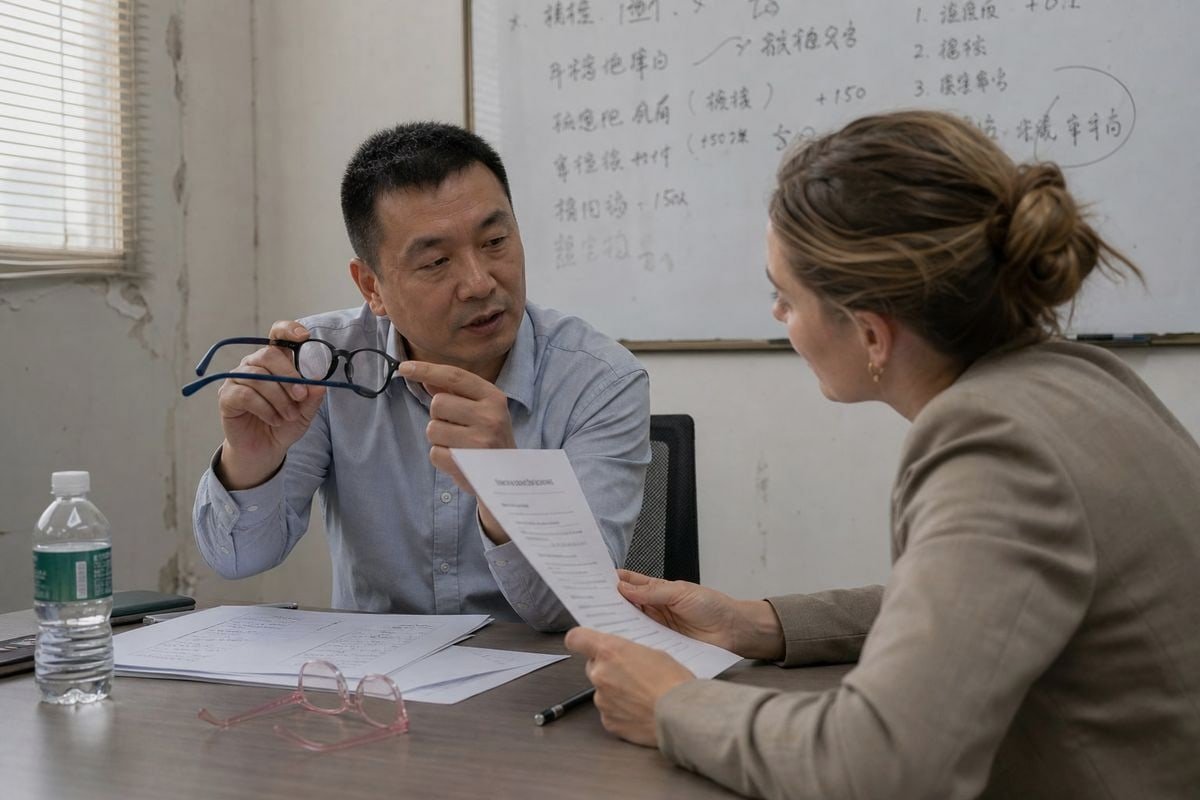
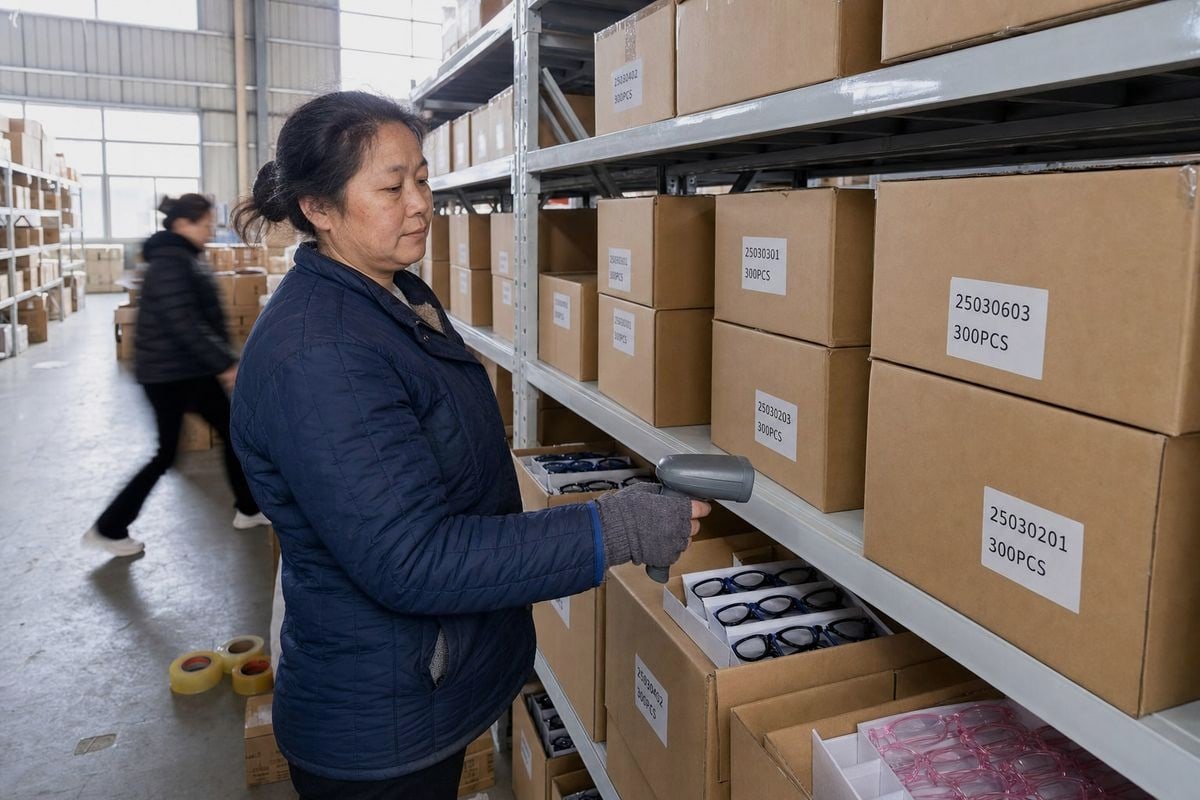
Speed and precision decide almost everything after a defect surfaces. Batch-level traceability is what turns a catastrophic full-line recall into a contained, single-shipment correction. When we produce private label kids optical frames, every carton links to a production date, material lot, and inspection record. That mapping lets a brand tell regulators exactly which units are affected, and prove which units are not.
Know your time horizons
ACL product liability claims carry two limitation periods. A claimant must generally act within 3 years of becoming aware of the loss, the defect, and the manufacturer's identity, and within 10 years of the manufacturer supplying the goods. That 10-year long-stop means a frame style you discontinued years ago can still generate a claim. Your documentation, insurance, and supplier contracts must all reflect that long tail.
A defect-response sequence that works
- Contain. Freeze sales of the affected SKU and quarantine warehouse stock.
- Identify. Use batch records to define the exact scope of affected units.
- Assess. Determine whether the issue is a true safety defect or a quality shortfall under consumer guarantees. The remedies differ.
- Notify. Report to regulators where mandatory reporting applies, especially for injuries involving children.
- Remedy. Offer repairs, replacements, or refunds quickly. Goodwill here limits both harm and litigation appetite.
- Recover. Trigger indemnity clauses and insurance. Share test evidence with your factory for root-cause analysis.
- Prevent. Update specifications, testing frequency, and inspection criteria so the failure mode cannot recur.
Importer responsibility does not end at customs clearance. It ends when the last unit you supplied ages out of the limitation period. Plan for that horizon, and a defect becomes a managed event rather than a brand-ending crisis.
Conclusão
The ACL can treat your private label brand as the manufacturer of kids optical frames. Strict liability follows. But with documented compliance, traceability, strong supplier contracts, and a rehearsed defect response, that exposure becomes manageable risk. We build those safeguards into every order because your legal safety starts on our production line.
Notas de rodapé
1. Details on insurance coverage for injury or damage caused by products. ↩︎
2. Comprehensive guide on implementing product traceability in supply chains for safety and quality. ↩︎
3. Official website of Australia’s competition and consumer regulator. ↩︎
4. Official ACCC guide to consumer rights and guarantees under Australian law. ↩︎
5. Information from an accredited lab on mandatory product testing requirements in Australia. ↩︎
Mais Artigos que Você Pode Gostar
5 de agosto de 2026
Acetato de Celulose Bio-Baseado vs. Regular: Qual a Diferença para Armações Infantis?
5 de agosto de 2026
Quão Recicláveis São os Materiais de Armações Ópticas Infantis e Quais Alternativas Ecológicas Existem?
5 de agosto de 2026
As Armações Ópticas Infantis Branqueiam ou Envelhecem em Armazenamento e Como Controlar as Condições do Armazém?
Procurando um Parceiro Confiável em Óculos Infantis?
Explore mais de 800 estilos prontos e suporte completo OEM/ODM adaptado à sua marca.
Entre em Contato English
  Español de México
  Deutsch
  Français
  日本語
日本語  العربية
  Português do Brasil