子供用メガネの処方箋変更後にレンズを交換できますか?
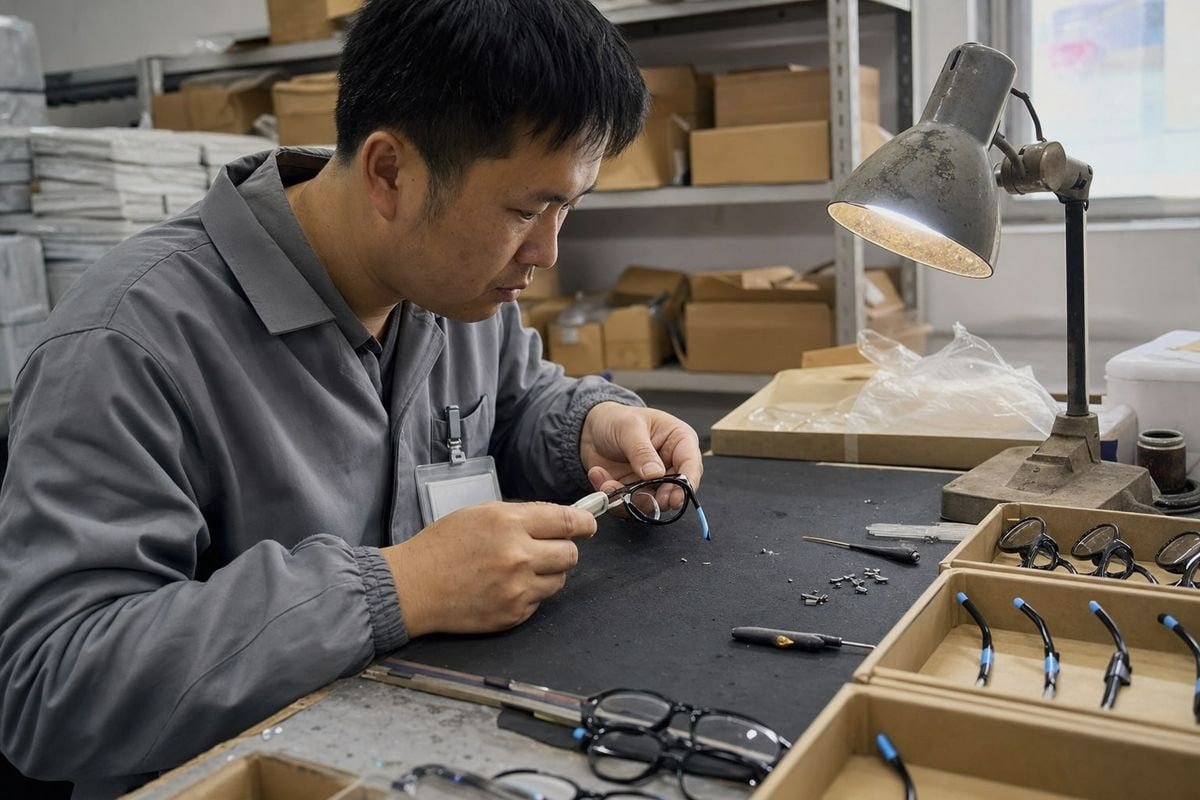
はい、子供用メガネの処方箋変更後にレンズを交換することは可能ですが、フレームがそのように作られている場合に限ります。当社の製造ラインでは、その違いを日々目にしています。.
はい、処方箋が変更された場合でも、お子様の眼鏡のレンズを交換することは通常可能です。ただし、フレームが構造的に健全で、お子様にまだフィットしており、レンズ交換用の溝のデザインが対応していることが条件となります。TR90やTPEEなどの柔軟な素材で作られたフレームは、もろいプラスチック製のフレームよりもレンズの取り外しや再装着にずっとよく耐えます。.
その短い答えには多くの詳細が隠されています。フレームのデザイン、素材の選択、そして工場の能力が、レンズ交換を容易にするかリスクを伴うかを決定します。それぞれについて説明しましょう。.
子供のメガネフレームがレンズ交換しやすいように設計されているかどうかを知るにはどうすればよいですか?
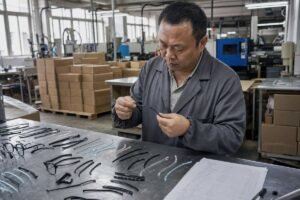
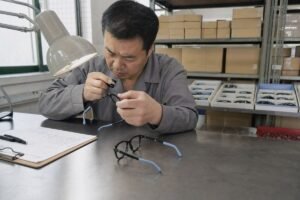
昨年の太州ワークショップでの品質管理ラウンド中、技術者がデモレンズをフレームから取り外し、 追加のカラーラウンド 1, リムを曲げ、1分以内に再挿入するのを見ました。その柔軟性は偶然ではありません。設計されたものです。.
レンズ交換が容易なフレームは、フルリム構造、一貫した面取り溝、TR90やTPEEなどの柔軟なリム素材、そして新しいレンズをしっかりと掴むのに十分なリムの深さを備えています。リムがわずかに曲がるのを拒んだり、微細な亀裂が見られたりする場合、レンズの再装着は危険になります。.
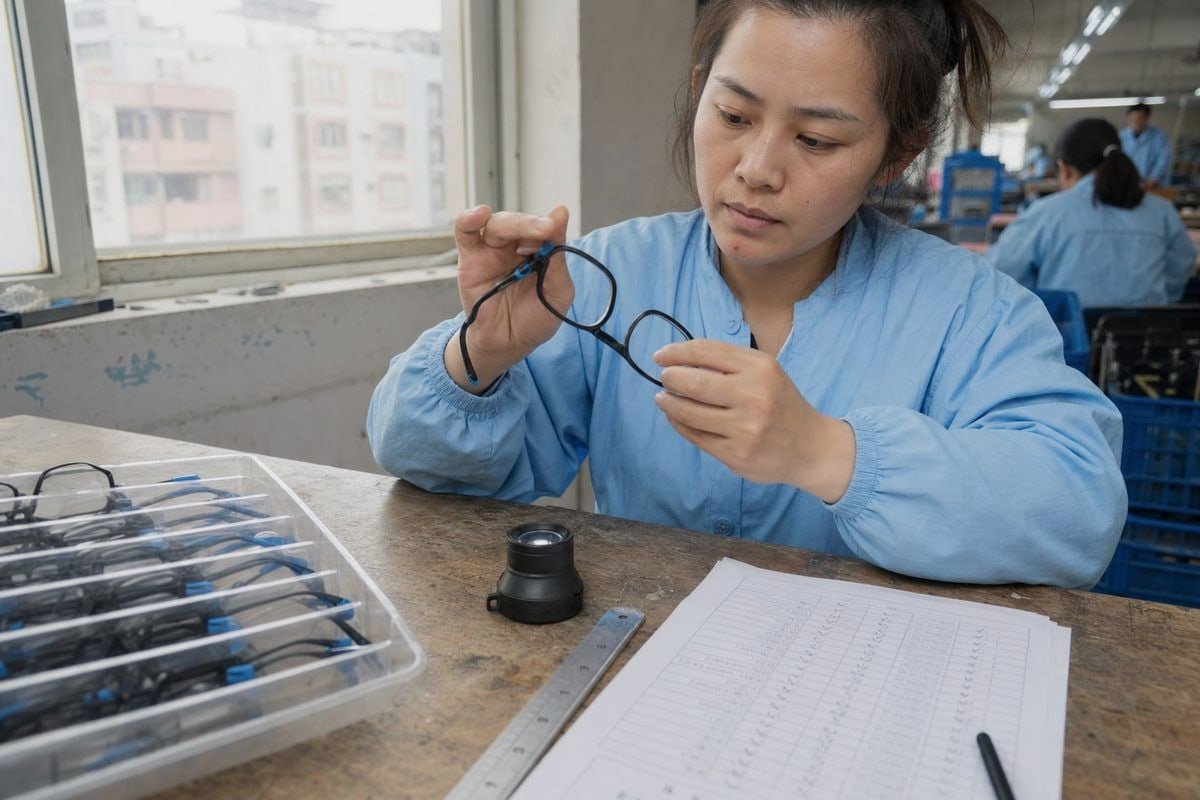
フレームを判断する最も簡単な方法は、リムのスタイル、素材、溝の品質の3つを見ることです。フルリムフレームは、連続した面取り溝の中にレンズを保持するため、光学ラボはフレームをわずかに加熱し、曲げてレンズを交換できます。セミリムレスおよびシールドスタイルのフレーム(当社が製造するシングルレンズシールドのスポーツラップアラウンドサングラスなど)は、レンズ自体が構造の一部を提供するため、レンズ交換がはるかに困難です。.
素材は親が思っている以上に重要です
脆い インジェクションプラスチック 2 時間とともに硬化します。眼鏡技師が熱と圧力を加えて新しいレンズを挿入すると、古い脆いフレームが割れる可能性があります。そのため、当社のエンジニアはTR90フロントを標準化し、TPEEテンプルと組み合わせています。これらの素材は何年もの間柔軟性を保つため、フレームの耐久性は複数のレンズ交換に耐えます。.
レンズ交換の適合性を確認するためのクイックフレームチェック
| フレームの特徴 | レンズ交換に適していますか? | なぜそれが重要なのか |
|---|---|---|
| フルリムTR90またはTPEE | はい | 加熱してもひび割れずに曲がる |
| 古い脆いアセテート/プラスチック | リスクが高い | 微細な亀裂によりリムが割れる可能性がある |
| セミリムレスデザイン | 難しい | レンズが構造的な負荷を担う |
| シングルレンズスポーツシールド | 通常はありません | レンズ形状はモデル固有 |
| 深く均一な面取り溝 | はい | 新しいレンズがしっかりと収まり、ずれない |
もう一つ微妙な点があります。ストレスのかかったリムは、新しいレンズを不均一に圧迫する可能性があります。これにより、周辺部の虹色の歪みとして現れ、子供に説明のつかない頭痛を引き起こす可能性のある複屈折と呼ばれる内部応力点が生じます。適切に設計された溝はこれを防ぎます。.
子供用フレームの処方レンズ更新をサポートしてくれるメーカーを選ぶ際に、どのような点に注意すべきですか?
オーストラリアの調達マネージャーから、「親の眼鏡技師があなたのフレームのレンズ交換を拒否した場合、それは誰の問題ですか?」という率直な質問を受けたことがあります。それは公正な挑戦であり、バイヤーのためにフレームを文書化する方法を形作りました。.
レンズ溝の仕様を公開し、柔軟な子供用安全素材を使用し、ポリカーボネートまたはTrivexレンズのオプションを提供し、製造バッチ間で一貫した寸法公差を提供するメーカーを選択してください。一貫性があるからこそ、処方箋が変更された後でも、地元の眼鏡店が自信を持ってフレームを再レンズ化できます。.

処方箋レンズの更新は、フレームが予測どおりに動作する場合にのみスムーズに進みます。バッチ1の溝がバッチ3よりもわずかに浅い場合、光学ラボがカットする 交換レンズ 3 結果に一貫性がなくなり、ブランドが非難されることになります。15年以上の眼鏡製造経験から、子供用フレームにおいて寸法の一貫性が最も過小評価されている仕様であることを学びました。.
能力チェックリスト
契約前に工場に尋ねるべきことは次のとおりです。
- ラボが互換性のあるレンズをカットできるように、ベースカーブを含む完全なフレームと溝の図面を提供していますか?
- 素材は本当に柔軟ですか(TR90フロント、TPEEテンプル)それとも単に「柔軟」とラベル付けされているだけですか?
- ポリカーボネートレンズまたはTrivex素材オプションを社内で取り付けたフレームを提供できますか?
- リム寸法のバッチ間公差をどのように管理していますか?
- 子供の成長に合わせてフレームは設計されていますか? 瞳孔間距離 4, レンズ形状により、ラボが光学中心を正しく配置する余地がありますか?
最後の点は強調する価値があります。子供の瞳孔間距離は成長とともに増加します。フレームがまだフィットしていても、古いレンズの光学中心が瞳孔と一致しなくなる可能性があります。ゆったりとした、均整の取れたレンズ形状は、光学ラボに新しいレンズを正しく偏心させるための柔軟性を提供します。これは、当社の光学フレーム設計に意図的に組み込まれていることです。.
知っておくべき商業的な側面もあります。親は、中間年の処方箋更新のために、 眼鏡保険の給付 5 をレンズのみに使用し、次の成長期のためにフレーム全体の割り当てを保存することができます。レンズ交換可能なフレームを持つ小売業者は、両方の取引を獲得します。多くは、眼鏡技師が購入後すぐに処方箋を調整した場合に、レンズの無料再作成を1回カバーする処方箋変更保証(通常60〜90日)も提供しています。あなたのフレームは、その再作成プロセスに問題なく耐える必要があります。.
交換可能なレンズを提供する工場と、フレームコレクション全体を再設計することなく協力できますか?
The trade-off we weigh most often with new brand clients is this: mold investment versus speed to market. Redesigning an entire collection for replaceable lenses sounds expensive — but in most cases, it is unnecessary.
はい。既存のフルリム工具を備えたほとんどの工場では、再設計なしで交換可能なレンズをサポートできます。再レンズ加工は、スタイリングではなく、溝の形状と素材の柔軟性に依存するため、経験豊富なサプライヤーは現在のコレクションを監査し、どのモデルが該当するかを確認し、例外のみを調整できます。.

This is exactly why we maintain around 800 existing styles in our catalog. A buyer launching a children's eyewear line does not need to fund new molds to get re-lensing capability. They can select from ready frames that already use full-rim TR90 construction, then customize colors, logos, lens coatings, and packaging under our OEM/ODM program. The lens replacement capability comes built into the tooling; the branding sits on top.
What actually needs to change — and what doesn't
| Element of your collection | Redesign needed? | Typical action |
|---|---|---|
| Full-rim optical frames | いいえ | Confirm groove specs; document for labs |
| Full-rim sunglasses (round, wayframe styles) | いいえ | Swap tinted lenses for Rx-ready clear lenses |
| Semi-rimless models | 時々 | Limit to non-Rx use or modify to full-rim |
| Single-lens sport shields | Yes, if Rx needed | Add an Rx insert or exclude from Rx line |
| Temples, hinges, colorways | いいえ | Purely cosmetic; no effect on re-lensing |
Take our two-tone kids frame with a glossy black front, navy TPEE temple sections, and sky-blue silicone tips. That model ships with clear demonstration lenses precisely so an optical lab can replace them with prescription lenses. Nothing about the color-blocking or the embossed grip texture needed to change.
There is a 輸出初期に学んだ教訓:ブランドがフレームデザインを最終決定する前に当社の工場を関与させると、その後のグレーズの問題はほとんど回避できます。その後私たちに来るブランドは、しばしば金型修正を必要とします。 6 angle here too. Some practitioners recommend re-lensing an outgrown-prescription pair with a slightly lower-strength prescription to create a dedicated near-work pair for screen time. Frames that support easy re-lensing let your retail partners offer that service, which extends the life of every frame you sell.
子供用眼鏡のレンズ交換サービスが安全基準と品質基準を満たしていることをどのように確認しますか?
Early in our export history, we learned a hard lesson: a beautiful frame means nothing if the replacement lens fitted downstream fails an impact test. Since then, we treat the whole lens-replacement chain — not just our factory gate — as part of quality.
お子様の交換レンズすべてにポリカーボネートまたはトライベックスレンズを義務付け、耐衝撃性と紫外線保護を確認し、お子様の現在の瞳孔間距離に対して光学中心のずれをチェックし、レンズの挿入前後にフレームのストレスやひび割れを検査することで安全を確保します。.
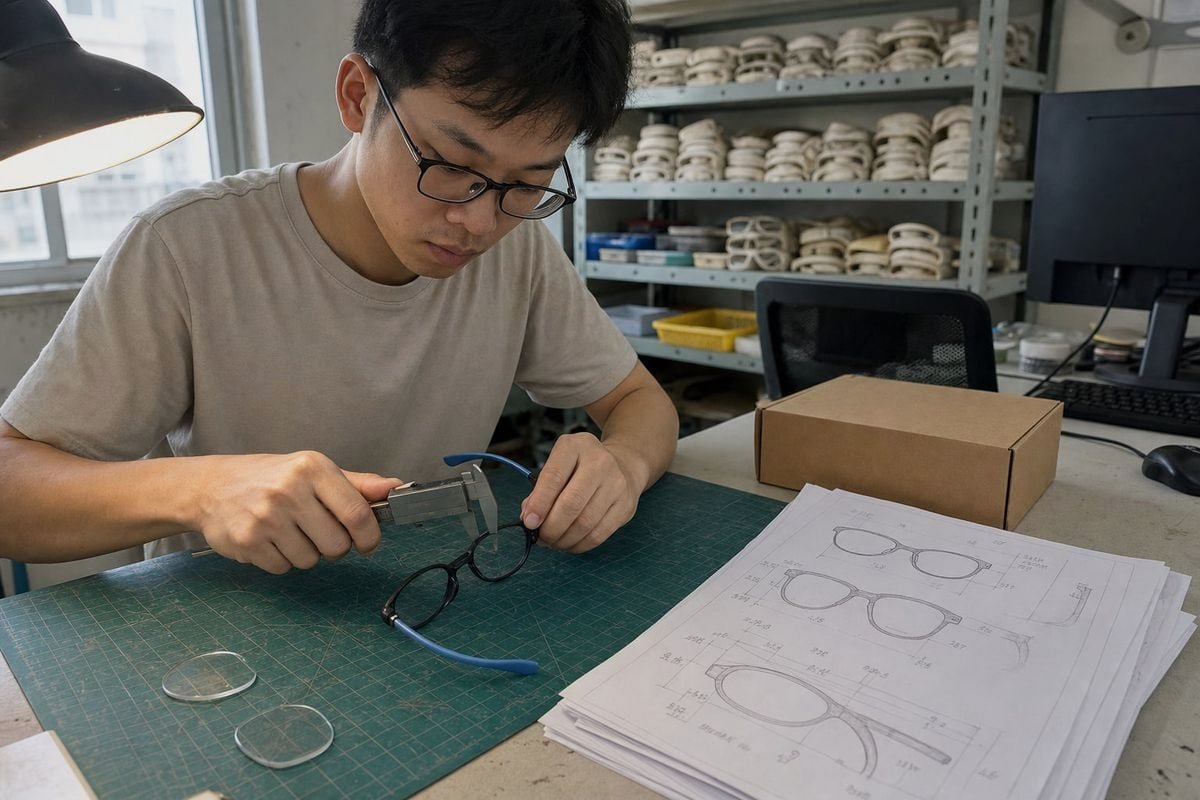
For children, lens material is non-negotiable. Polycarbonate lenses and Trivex material are the only responsible choices, because kids fall, collide, and throw their glasses into backpacks. Standard plastic lenses 7 can shatter on impact. When our optical lab services team fits lenses in-house, polycarbonate with a scratch-resistant coating is our default for children's orders, and we recommend buyers write the same requirement into their retail partner agreements.
A practical safety verification checklist
- Confirm the new lenses are polycarbonate or Trivex, with UV400 protection.
- Verify a 傷防止コーティング is applied — kids' lenses take heavy abuse.
- Check the optical center against a fresh pupillary distance measurement from a recent optometrist eye exam, not last year's numbers.
- Inspect the frame under magnification for micro-cracks before lens insertion.
- After insertion, check for stress patterns in the lens edge that indicate an over-tight rim.
- Re-check the fit on the child: temples should not pinch, and the bridge should leave no red marks.
Cost, standards, and who pays
| アイテム | Typical consideration | 子供にとってなぜ重要なのか |
|---|---|---|
| Lens replacement cost | Varies widely with coatings and material | Often cheaper than a full new pair if frame is sound |
| Impact-rated lens material | Polycarbonate or Trivex only | Essential safety standard for active children |
| Warranty window | Commonly 60–90 days for Rx changes | One free remake if the prescription is adjusted early |
| Fit inspection | Required at every re-lensing | Growth can outpace prescription changes |
One final nuance for your retail training materials: physical growth often outpaces prescription changes. If the frame pinches or slips even though the rims are perfect, replace the whole pair. A safe re-lensing program knows when to say no.
結論
Replacing lenses after a prescription change works when frames are flexible, consistent, and documented. Build your kids eyewear line on re-lensing-ready frames, and every prescription update becomes a retention opportunity — not a return.
脚注
1. Explains the properties of polyamide materials like TR90 used in flexible, durable eyewear frames. ↩︎
2. Authoritative Wikipedia entry explaining the injection molding process for plastic materials. ↩︎
3. Professional guidance on lens materials and the various options available for prescription replacement lenses. ↩︎
4. Defines the clinical importance of measuring the distance between pupils for accurate lens centering. ↩︎
5. Federal glossary definition of vision coverage within the context of health insurance. ↩︎
6. WHO resource detailing the global impact of vision impairment and strategies for myopia control. ↩︎
7. Provides technical background on the history and materials used in modern plastic corrective lenses. ↩︎
 English
  Español de México
  Deutsch
  Français
  日本語
日本語  العربية
  Português do Brasil