中国から子供用サングラスの地域独占販売権を交渉する方法
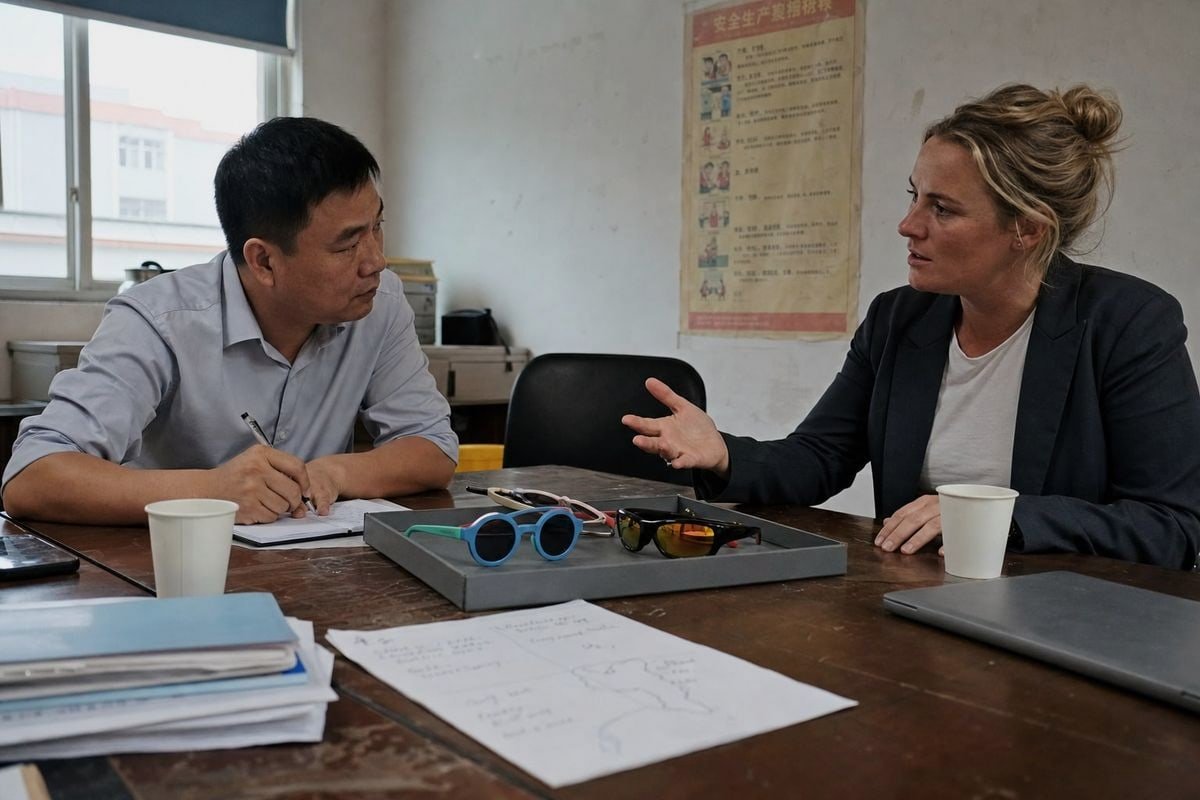
バイヤーはしばしば、私たちの台州工場に子供用サングラスの地域独占販売権を求めますが、競合他社が同じスタイルをオンラインで自分たちの市場に掲載するとパニックになります。.
中国から子供用サングラスの地域独占販売権を交渉するには、狭く、パフォーマンスに基づいた取引を提案します。定義された地域、特定のSKU、最低購入コミットメント、6〜12か月の試用期間、および明確な更新条件です。デューデリジェンス、NNN契約、および書面による独占販売契約で裏付けます。.
それは短いバージョンです。以下では、質問すべきこと、必要な証明、重要な契約条件、およびその後独占権をどのように守るかについて説明します。.
排他的販売権を申請する前に製造業者に何を尋ねるべきか?
オーストラリアの販売代理店が、最初のビデオ通話で私に国全体の独占権を求めてきました。私は正直に言いました。彼は間違った最初の質問を、間違った順序で尋ねていました。.
排他的独占権を要求する前に、製造業者に、お住まいの地域に既存の販売代理店があるか、現在の販売チャネル、最低発注数量、生産能力、認証、金型所有権、および越境プラットフォームでの販売を行っているかどうかを尋ねてください。彼らの回答は、意味のある地域的独占権が付与可能かどうかを示します。.
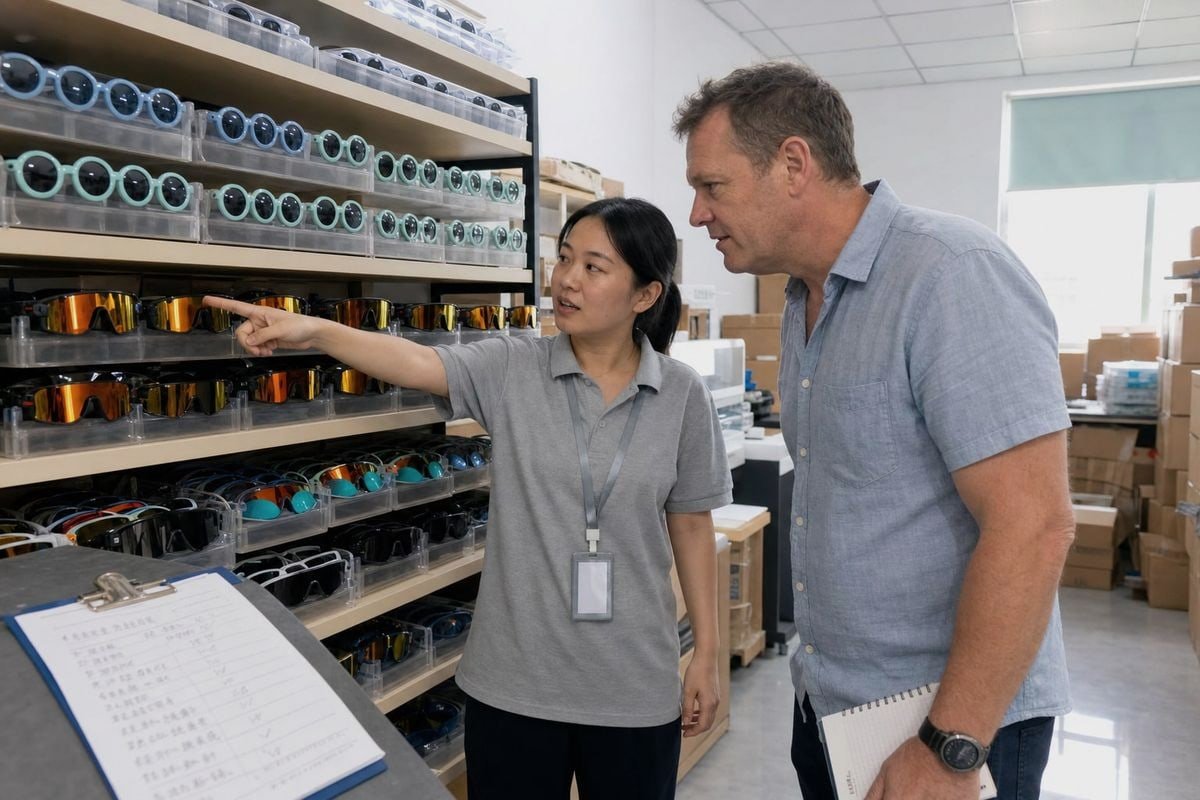
工場が実際にそれを守ることができる場合にのみ、独占権には価値があります。卸売眼鏡製造において、子供用サングラスは競争の激しいカテゴリーです。多くのサプライヤーが、同じオープンモールドスタイルを数十人のバイヤーに販売しています。したがって、あなたの最初の仕事は、何も交渉する前に、サプライヤーの現在のコミットメントをマッピングすることです。.
最も重要な7つの質問
| 必須の質問リスト | なぜ重要なのか |
|---|---|
| 私の地域でこれらのSKUをすでに購入しているのは誰ですか? | 既存のバイヤーは、真の独占権をブロックする可能性があります |
| Temu、AliExpress、またはAmazonで販売していますか? | 国境を越えたB2C販売は、あなたの地域を切り崩す可能性があります |
| 独占的なスタイルの最低注文数量はいくつですか? | 独占権は通常、MOQの期待を高めます |
| 金型とデザインの所有者は誰ですか? | あなたが支払ったカスタム金型は、ロックダウンするのが簡単です |
| どのような認定資格を持っていますか? | FDAおよびCE認証およびUV400テストレポートは、輸出準備ができていることを証明します |
| 月間の生産能力はどのくらいですか? | 目標にコミットする前に、供給のセキュリティが必要です |
| あなたは工場ですか、それとも商社ですか? | トレーダーは製品の流れを確実に制御できません |
バイヤーが私たちのワークショップを訪れるとき、私は彼らにこれらの質問を正確に尋ねるように促します。私たちの工場のように、約800の既存スタイルを持つ工場は、 スタイルレベルの独占権 1 —地域ごとに1人のバイヤーのために特定のモデルを予約する—どちらの側も 新しい金型に投資することなく まず。それはしばしば、初日から包括的な独占権を要求するよりも賢明な最初の立場です。.
サプライヤーがどのように処理するかについても尋ねてください 品質管理検査 2 および第三者監査を許可するかどうか。取引前に透明性を拒否するパートナーは、取引後に透明性が増すことはありません。最後に、中国の 公共企業情報システム 3. を通じて、サプライヤーの事業免許と範囲を確認してください。あなたは単に サプライヤーを選択している; わけではありません。あなたはあなたの地域にとって唯一の合法的な供給源を選択しています。.
地域独占権を獲得するために、私の市場潜在能力をどのように証明すればよいですか?
子供用アイウェアを20か国以上に15年以上輸出してきた経験から、私は一つのことを学びました。独占権を獲得するバイヤーは、単にそれを求めているわけではありません。彼らは計画を提示します。.
既存の小売チャネル、類似の子供向け製品の過去の販売データ、12ヶ月の購入予測、マーケティング予算、チャネル展開計画を記載した事業計画書で市場の可能性を証明する。次に、定義された地域独占条項と引き換えに、段階的な最低購入コミットメントを提示する。.

工場側から見ると、独占権は実際のコストです。私たちが1人の販売代理店のために地域を予約するとき、私たちはその市場からの他の問い合わせを断ります。したがって、パートナーが量を動かすことができるという自信が必要です。あなたの仕事は、私たちの知覚リスクを低減することです。.
要求ではなく、ビジネスケースを構築する
証拠から始めます。あなたの店舗数、あなたのEコマーストラフィック、あなたの薬局または眼鏡チェーンとの関係、または子供用ゴーグルや帽子のような隣接製品でのあなたの実績を示してください。親は信頼で購入するため、子供用製品で信頼を得ている販売代理店は、価格目標しか持たない販売代理店よりもはるかに説得力があります。.
次に、その証拠をコミットメントに変換します。単純な階層構造がうまく機能します。
- トライアルフェーズ(1〜6か月): 非独占的またはソフト独占的な供給、1つの地域、限定されたSKUセット、出荷ごとの控えめな最低注文数量。.
- 獲得した独占権(7〜18か月): 四半期ごとの購入最低額の達成を条件とする、正式な地域独占権。.
- 拡張(2年目以降): パフォーマンスベースの契約更新によって解除される、より大きな地域または追加の製品ライン。.
Frame the trade clearly: "Reserve this region for me, and I commit to X units per quarter, Y marketing spend, and Z retail placements." That sentence changes the negotiation. You are no longer asking for a favor. You are offering the factory predictable, planned demand — which helps our production scheduling and supply chain management too.
One more tip from experience: propose a smaller region than you eventually want. A buyer who asks for one country and delivers is trusted with three. A buyer who asks for a continent and stalls is trusted with none.
排他的販売契約に含めるべき条項は何ですか?
Contract drafting is where I see the most expensive mistakes. One European client lost a full season because his agreement said "Europe" without defining online channels — and gray-market listings ate his launch.
排他的販売契約では、正確なSKU、正確な地域、オンラインおよびオフラインのチャネルルール、契約期間、最低購入目標、品質基準、知的財産ライセンス、機密保持、インコタームズ2020の配送条件、解除の引き金、解除後の在庫処理、およびCIETACまたはHKIAC仲裁などの紛争解決地を定義する必要があります。.
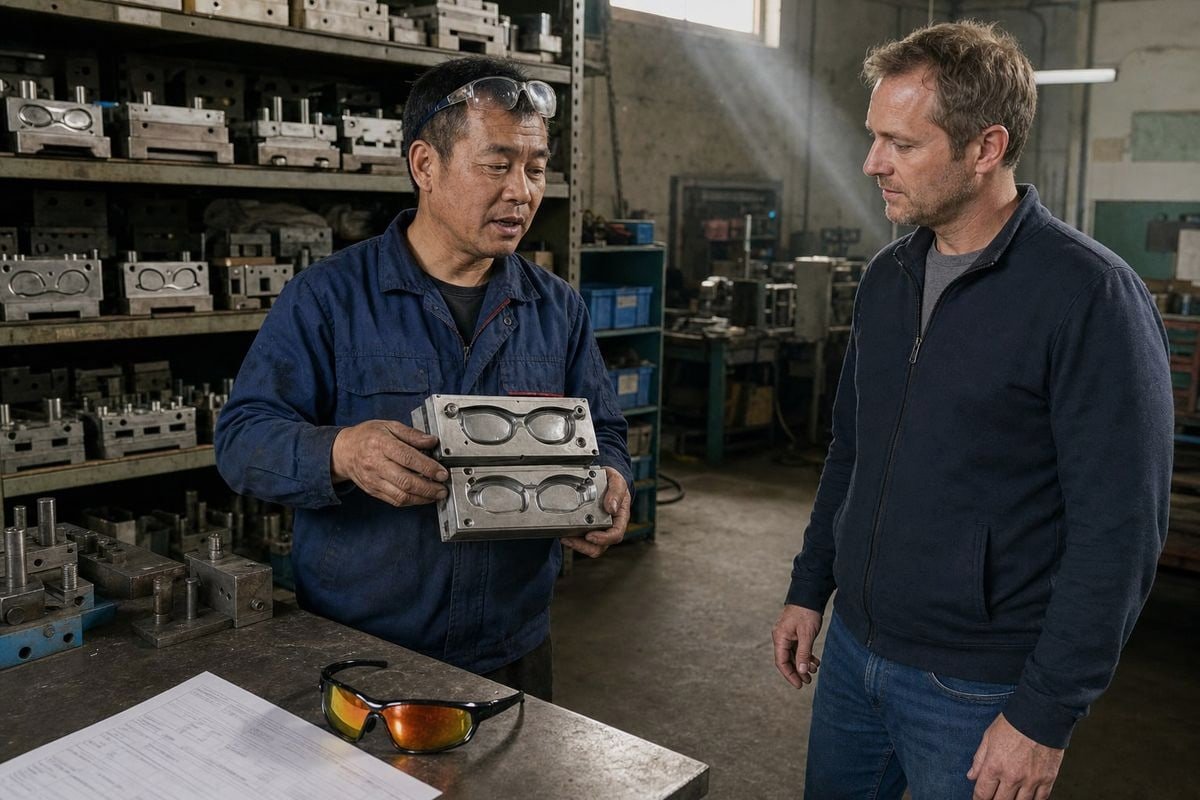
Vague contracts create vague exclusivity. Every clause below should be specific enough that a stranger could enforce it without asking either party what was intended.
The Clause Checklist
| 条項 | 指定すること | 一般的な間違い |
|---|---|---|
| 製品 | Exact model numbers, colorways, lens specs (e.g., UV400, polarized) | Writing "kids' sunglasses" broadly |
| 地域 | Named countries, states, or provinces | Vague terms like "your market" |
| Channels | Whether marketplaces, cross-border ecommerce, and duty-free are included | Ignoring online sales entirely |
| 条件 | Fixed initial term with defined renewal conditions | Open-ended or automatic perpetual renewal |
| Performance | Measurable quarterly or annual purchase minimums | Targets that are aspirational, not binding |
| 品質 | Inspection rights, AQL standards, test reports | No right to reject defective goods |
| IP license | Limited, revocable trademark use with quality control | Unlimited rights to your brand assets |
| Termination | Triggers for missed targets or quality failures | No exit mechanism at all |
| Stock sell-off | Repurchase option or a defined sell-through window | Leftover inventory dumped at clearance prices |
| Disputes | Governing law and arbitration venue | Defaulting to courts neither side can use |
Make Exclusivity Conditional, Not Absolute
The single most important structure is conditional exclusivity. If targets are met, exclusivity continues. If targets are missed, the arrangement automatically downgrades to non-exclusive, or the factory gains the right to appoint additional distributors. This protects both sides. The factory is not frozen out of a market by an underperforming partner, and the distributor keeps a clear, objective path to retain rights.
Also insist on delivery terms under Incoterms 2020 5 — FOB Ningbo or similar — so cost and risk transfer points are unambiguous. For children's products, add a clause requiring the factory to maintain current safety documentation, since expired FDA and CE certification paperwork can strand goods at customs.
契約締結後、どのように独占権を保護できますか?
Every quarter, our sales team fields at least one inquiry from a buyer inside a territory we have already reserved. How we respond — and how we prove we responded — is what makes exclusivity real.
NNN契約による専属契約の保護、市場での商標登録、地域安全認証への貴社名、四半期ごとの報告および監査権、固有のSKUコードまたはパッケージ、越境プラットフォームの監視、および工場が貴社地域に同一モデルを販売することを禁止する契約条項。.
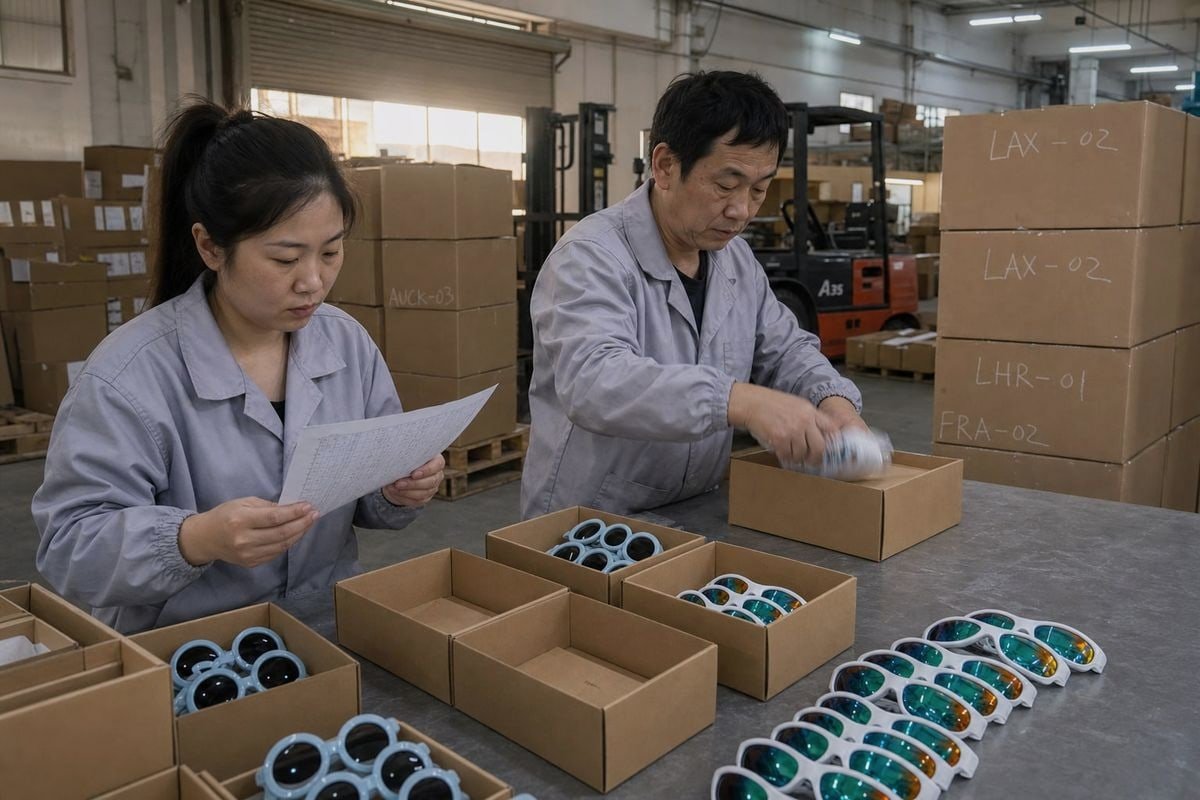
A contract is a starting point, not a shield. Enforcement depends on the systems you build around it.
Layer Your Defenses
First, lock down 知的財産権 6. Sign a China-enforceable NNN agreement — non-disclosure, non-use, non-circumvention — so the factory cannot use your designs elsewhere or bypass you to reach your retail customers. Register your trademark in your home market and in China. A distributor once told me his best defense was simple: his brand was on the frame, the lens sticker, and the box, so any gray import was instantly identifiable as unauthorized.
Second, make yourself the compliance gatekeeper. Put your company name on regional safety certifications 7 such as CPSIA or CE declarations. Unauthorized importers then face a real legal barrier, because they cannot ride on your compliance paperwork for children's products.
Third, build traceability into the product itself. At our factory, we routinely produce exclusive colorways, custom TPEE temple designs, laser-etched logos, and region-specific packaging for OEM clients. When your SKUs are visually and physically distinct, parallel imports are easy to spot and easy to prove.
Fourth, stay operationally close to your supplier. Agree on quarterly reports covering production volumes and shipment destinations for your SKUs. Schedule quality control inspections before each shipment. Maintain the relationship — regular calls, factory visits, honest market feedback. In China, consistent communication builds the goodwill that makes a factory defend your territory even when a tempting order arrives from your region.
Finally, monitor the marketplaces. Set alerts for your model names and images on Temu, Shein, AliExpress, and Amazon. Your contract should explicitly ban the factory from listing your exclusive SKUs on cross-border B2C platforms shipping into your territory — and give you documented takedown and penalty rights if it happens.
結論
Broad exclusivity sounds safe but often backfires. Negotiate narrow, performance-based exclusive regional distribution rights, verify your partner, contract precisely, and enforce actively — and your territory stays genuinely yours.
脚注
1. Authoritative Wikipedia page defining exclusive business and distribution arrangements. ↩︎
2. Authoritative overview of international quality management standards, replacing 403-prone official site. ↩︎
3. Official database for verifying the legal status of Chinese companies. ↩︎
4. Explains the concept of unique color palettes used in product differentiation. ↩︎
5. Standardized international trade terms for the sale of goods. ↩︎
6. Global framework for protecting trademarks, designs, and patents. ↩︎
7. Federal requirements for testing and certifying children’s products for safety. ↩︎
 English
  Español de México
  Deutsch
  Français
  日本語
日本語  العربية
  Português do Brasil