子供用サングラスのデザインのサプライヤーによる再販を防ぐ方法
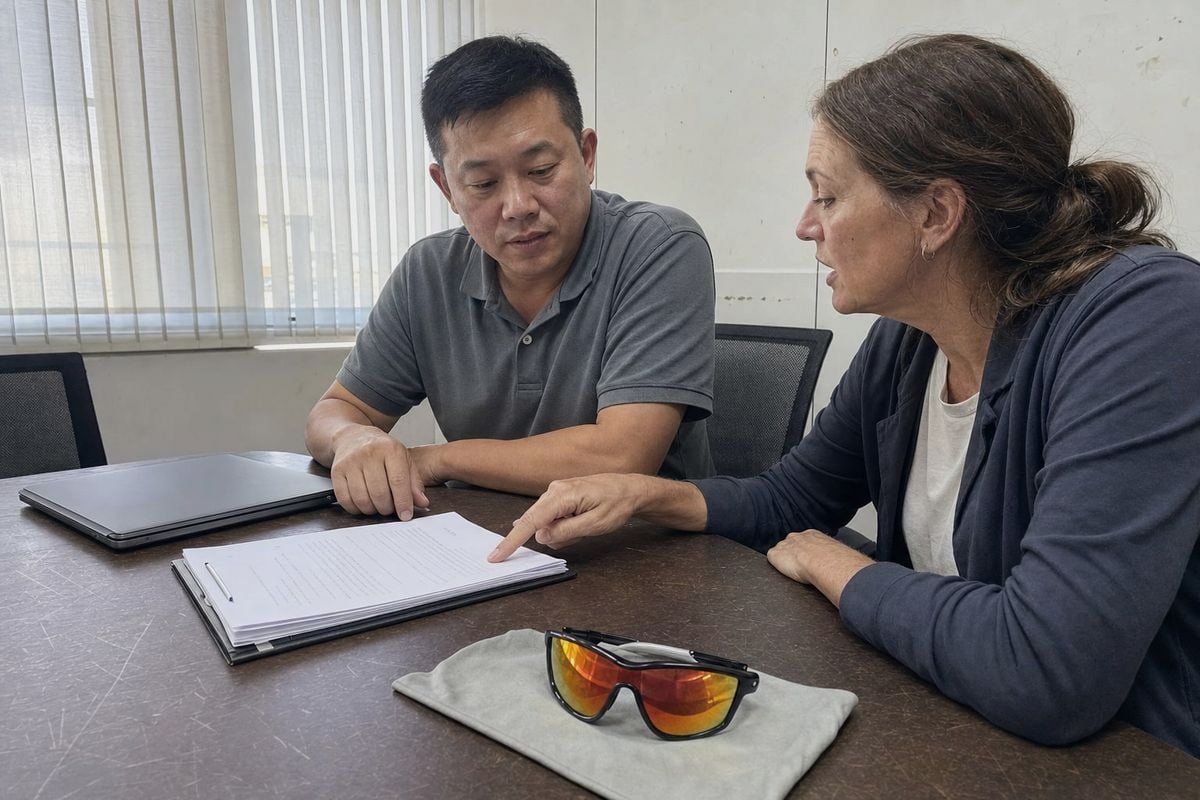
サプライヤーが子供用サングラスのデザインを再販するのを防ぐには、信頼以上のものが必要です EN 71 1. 。私は、バイヤーが握手と希望的なメールに頼って、独占的なスタイルを失うのを見てきました。.
サプライヤーが子供用サングラスのデザインを再販するのを防ぐには、層状の保護を使用してください。執行可能なNNN契約に署名し、製造国でデザイン特許と商標を登録し、契約に金型所有権と非迂回条項を追加し、ファイル共有を制限し、不正なリストについてマーケットプレイスを監視してください。.
単一の文書でこの問題を解決することはできません。以下では、ブランドと工場の間で実際に機能することに基づいた、4つの実践的なステップに解決策を分解します。.
メーカーに共有する前に、カスタムキッズサングラスのデザインを法的に保護するにはどうすればよいですか?
オーストラリアのバイヤーが、何も署名する前に私に完全なCADファイルをメールで送ってきました。私は彼女を止めて、まず契約を求めました。それは双方を保護し、トーンを設定します。.
デザインを共有する前に、サプライヤーの国で執行力のあるNNN契約に署名し、製造国でデザイン特許と商標登録を最初に行い、すべてのファイル転送を日付とともに記録してください。登録された権利と現地の管轄区域の契約により、単なる書類上の安心感ではなく、実際の法的地位が得られます。.
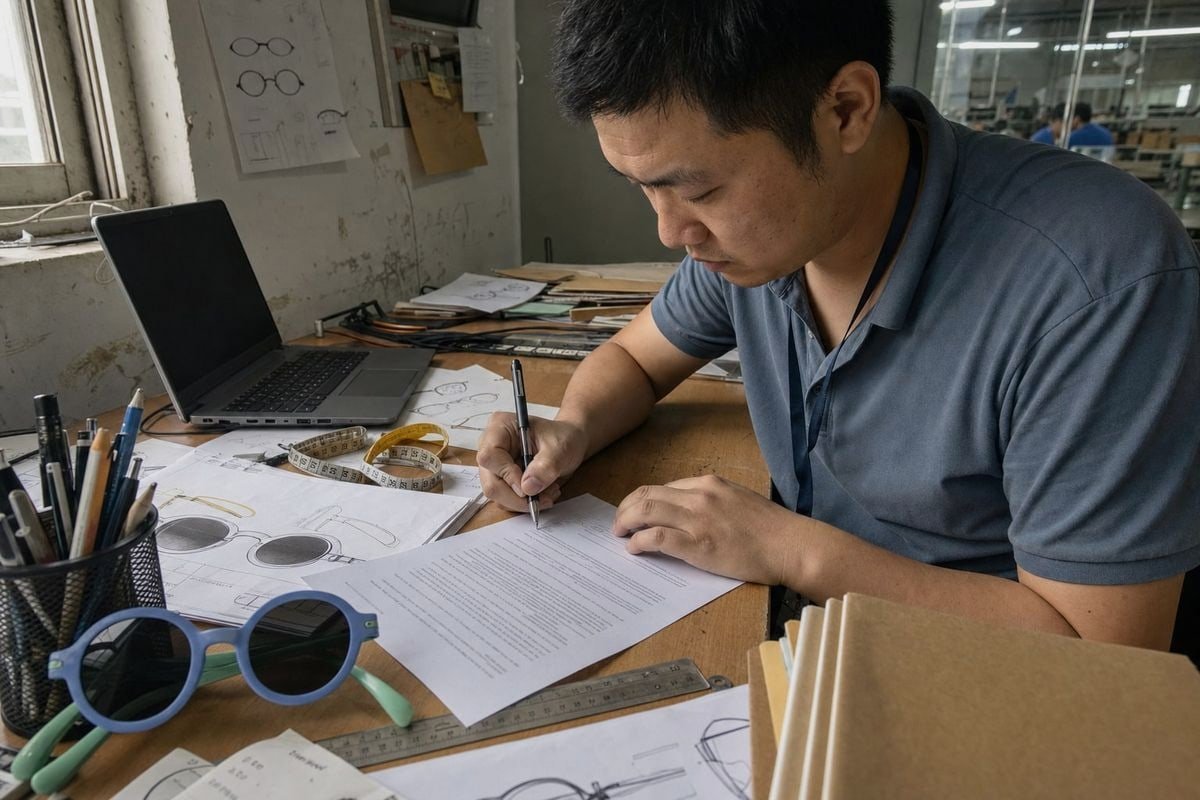
法的保護は、最初のコピーの後ではなく、最初のサンプル前に行われる場合に最も効果的です。あなたのフレーム形状、レンズグラデーション、またはパッケージングのコンセプトがあなたの手から離れると、それを共有しないことはできません。したがって、操作の順序は重要です。.
ステップ1:製造国で権利を登録する
多くのバイヤーは、 デザイン特許 2 または自国市場でのみ商標を登録しています。それは間違いです。中国は、いくつかの製造ハブと同様に、先願主義システムで運営されています。誰かがあなたのブランド名またはフレームデザインをあなたよりも先にそこに提出した場合、彼らはそれをローカルに所有しています。そして、彼らは港であなた自身の出荷をブロックすることさえできます。アイウェアでの私の15年間で、私は待っていたブランドにこれが起こるのを見てきました。製造国で商標登録とデザイン申請を行い、次に主要な販売市場で行ってください。.
ステップ2:標準的なNDAではなくNNN契約を使用する
西洋スタイルのNDAは、開示のみをカバーするため、海外では失敗することがよくあります。 NNN契約 3 は、非開示、非使用、非迂回という3つのリスクをカバーします。それは現地の言語で書かれ、現地の法律によって管理され、現地の裁判所で執行可能である必要があります。バイヤーがサンプリング前にNNNを私たちに送ってくると、私たちはそれを真剣で長期的なパートナーの兆候と見なします。.
ステップ3:開示するものを制御する
| 保護ツール | 何を阻止するか | いつ配置するか |
|---|---|---|
| デザイン特許 | フレーム形状をコピーする第三者 | CADファイルまたは技術パックを送信する前 |
| 商標登録 | 偽造ブランドおよびグレーマーケットの請求 | 工場の国でサンプリングする前 |
| NNN契約 | サプライヤーがあなたのデザインを使用または再販する | デザイン開示前 |
| アートワークの著作権 | コピーされたパッケージングと印刷グラフィック | パッケージファイル共有前 |
また、証拠の追跡も維持してください。スケッチにタイムスタンプを付け、メールスレッドを保存し、技術パックのすべてのバージョンをログに記録します。紛争が弁護士に達した場合、その追跡は、デザインが最初にあなたの所有であったことを証明します。.
サプライヤーが私の独占的なデザインを再販するのを阻止するために、契約書のどの条項を含めるべきですか?
私が15年間で築き上げた最も強力なサプライヤー関係はすべて、明確な製造サービス契約から始まりました。曖昧な契約は議論を生み出します。具体的なものは、工場とブランドの両方にとって、それらを防止します。.
あなたの契約は、機密情報を広く定義し、サプライヤーがあなたのデザインを使用または販売することを禁止し、あなたの顧客を対象とする非迂回条項を含み、金型所有権と返却義務を明記し、再販チャネルを制限し、違反に対する現地通貨での支払いを約束した損害賠償を設定する必要があります。.
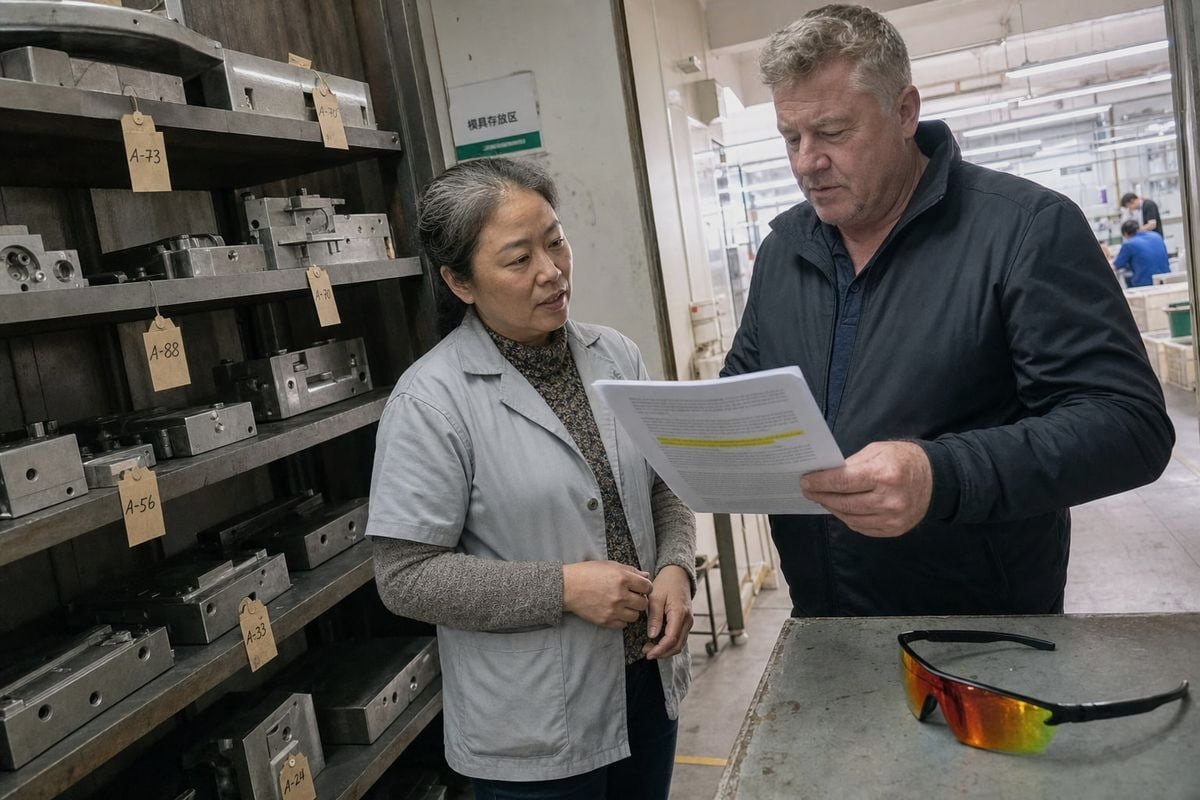
優れた契約は2つの役割を果たします。それは悪い行動を抑止し、悪い行動がそれでも発生した場合にあなたにレバレッジを与えます。ここに、平易な言葉で最も重要な条項を示します。.
機密情報を広範に定義する
「デザイン」と言うだけではありません。スケッチ、CADファイル、サンプル、金型、工具、レンズ仕様、カラーウェイ、パッケージングアートワーク、価格設定、顧客リストをカバーします。リストにない場合、サプライヤーの弁護士は保護されていなかったと主張する可能性があります。.
非使用と非迂回をロックダウンする
非使用条項は、工場があなたのデザインを自分自身または第三者のために生産できないことを意味します。 非迂回条項 4 は、サプライヤーがあなたを迂回するのを止めます。つまり、あなたの販売業者、小売業者、またはマーケットプレイスチャネルに直接販売することです。これら2つの条項は、似たようなコピーと転用された本物の在庫の両方をカバーします。.
金型所有権条項で工具を請求する
カスタム 射出成形金型 5, の料金を支払った場合、契約にはあなたがそれを所有していると記載されている必要があります。適切な mold ownership clause includes marking the mold with your name, a return obligation on demand, a ban on liens, and a daily penalty for non-return. At our workshop in Taizhou, buyer-owned molds are labeled and stored separately, and we consider that normal professional practice.
| 条項 | Plain-English purpose |
|---|---|
| Confidentiality definition | Covers every file, sample, and spec you share |
| 非使用 | Factory cannot make your design for anyone else |
| Non-circumvention clause | Factory cannot bypass you to reach your buyers |
| Mold ownership clause | Your tooling stays yours and comes back on request |
| Channel restriction | No sales of your product to unauthorized third parties |
| Return and destruction | Files and samples returned or destroyed at contract end |
| Liquidated damages | A pre-agreed penalty that makes breach expensive |
Liquidated damages deserve special attention. Courts in manufacturing countries move faster when the penalty amount is already agreed. It changes the supplier's math: copying you becomes a costly gamble instead of easy money.
信頼できるOEM/ODM工場を選ぶにはどうすればよいですか?ブランドのアイウェアデザインをコピーしない工場を選ぶ方法は?
When new buyers visit our 5S-managed workshop, I encourage them to ask hard questions. How we handle other brands' molds tells them exactly how we would handle theirs.
抵抗なくNNN契約に署名し、明確な知的財産処理手順を示し、顧客の工具を分離し、関連する安全コンプライアンスを保持し、監査を歓迎し、マーケットプレイスで独自の競合ラインを販売することからではなく、ブランドのOEM製造からほとんどの収益を得ている工場を選択してください。.
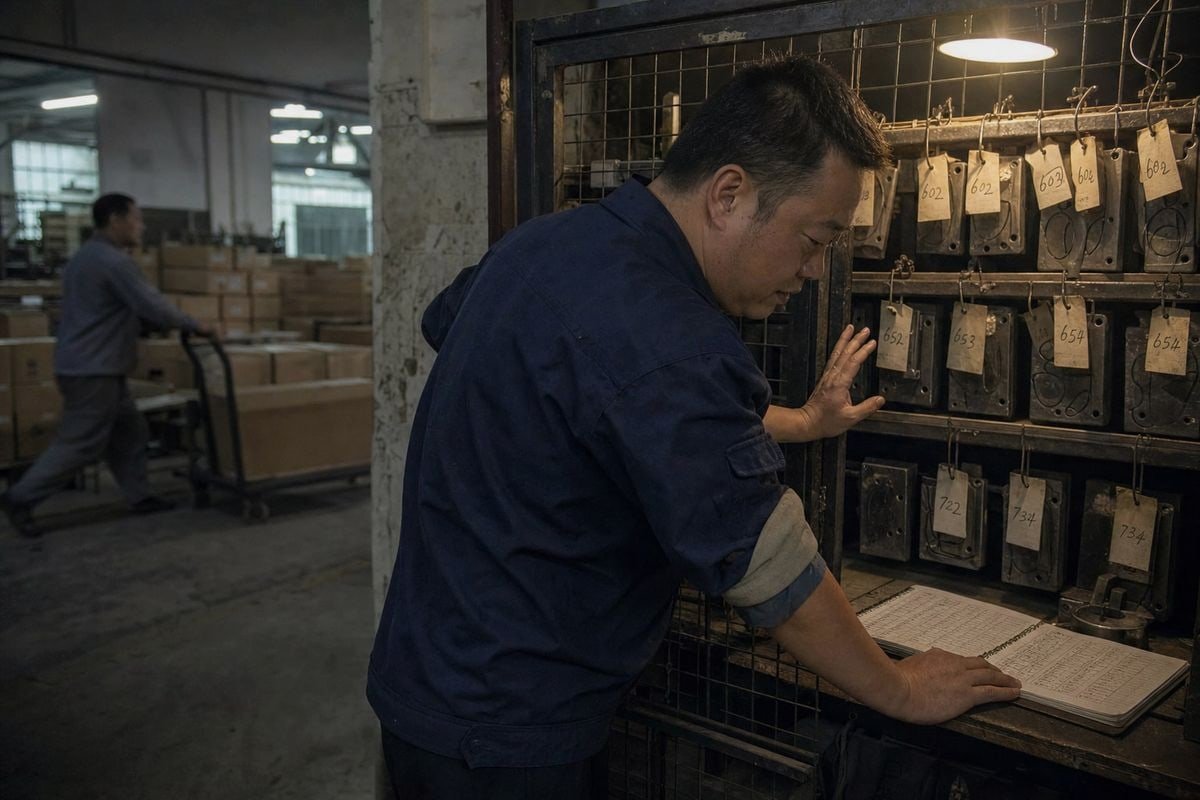
Due diligence beats damage control. A trustworthy partner is cheaper than a lawsuit, so invest time upfront. Here is the vetting process I recommend to every brand, whether they work with us or not.
A five-step vetting process
- Verify the business identity. Confirm you are dealing with a real factory, not a trading company that will subcontract your files to an unknown workshop. Ask for the business license, factory address, and photos or a video tour of the production floor.
- Test their attitude toward IP. Send your NNN Agreement early. A professional factory signs it or negotiates reasonable edits. A factory that dismisses it, delays it, or calls it unnecessary is telling you something.
- Check their client design handling. Ask how they store other brands' molds and tech packs. In our experience exporting to 20+ countries, serious buyers always ask this — and the answer should include physical separation and access limits.
- Review compliance depth. A factory that takes CPSIAコンプライアンス 6, EN 71, and UV400 lens standards seriously usually takes contracts seriously too. Sloppy paperwork in one area predicts sloppy behavior in another. For children's eyewear, this also protects you from safety recalls, not just design theft.
- Ask about existing catalogs. A factory with a large open catalog — we maintain roughly 800 existing styles — has less incentive to steal your custom design, because its business model is serving brands, not competing with them. You can even launch from open styles with custom colors and logos first, then invest in exclusive tooling once trust is built.
One more filter: check how the factory sells online. If it aggressively retails finished branded products on consumer marketplaces, ask who owns those designs. The answer will be revealing.
クライアントのデザインを転売するサプライヤーとの取引を避けるために、どのような危険信号に注意すべきですか?
A distributor once showed me a competitor's quotation that included another brand's exclusive frame — offered openly as a "hot style." That single PDF told us everything about that supplier's ethics.
NNN条件を拒否したり、他のクライアントの専属デザインをカタログで提供したり、金型マーキングや監査に抵抗したり、疑わしいほど安い価格を提示したり、過剰生産品の処分に関する質問を避けたり、クライアントのデザインに似た製品をB2Bマーケットプレイスで自社名で掲載したりするサプライヤーに注意してください。.
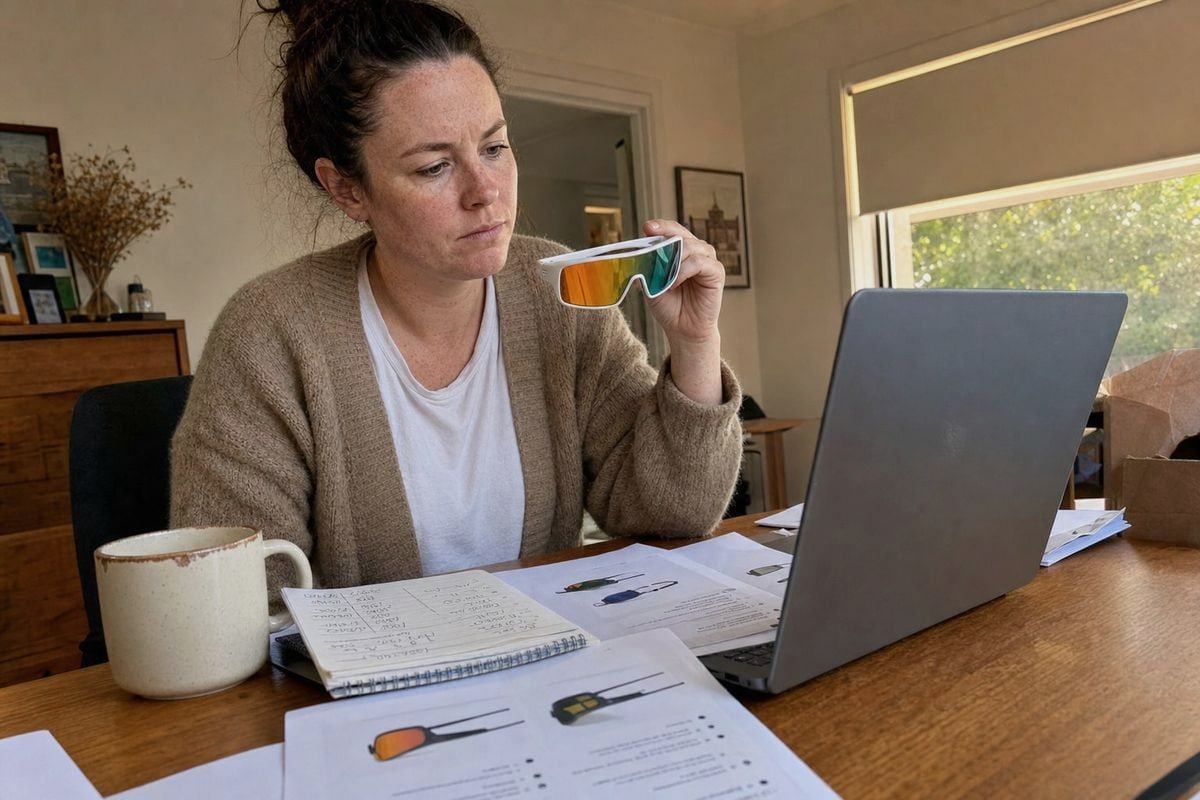
Most design leaks announce themselves early, if you know where to look. Intellectual property infringement rarely comes out of nowhere; it follows a pattern of small warning signs that buyers ignore because the price is attractive.
Red flags before you sign
| 赤信号 | 通常、それは何を意味するか |
|---|---|
| Refuses or stalls on the NNN Agreement | Plans to keep the option of using your design |
| Shows you another brand's "exclusive" style | Will show your style to the next buyer too |
| Price far below market | May recover margin through unauthorized overruns |
| Won't allow factory audits or inspections | Something on the floor shouldn't be seen |
| Vague about subcontracting | Your files may travel to factories you never vetted |
| Resists mold marking or return terms | Sees your tooling as their asset |
Red flags after production starts
Watch order behavior, not just words. Material purchases that exceed your order quantity suggest a possible "ghost shift" — an unauthorized extra run after your inspection ends. Defect rates that don't match returned reject counts hint that "failed" units are being resold. And your own design appearing on a B2B listing, even with a different color, is direct evidence worth screenshotting immediately.
Operational habits that shrink the risk
Reduce what any one party can leak. Send only the minimum files needed at each stage, and use time-limited access for 3D files where possible. Some brands compartmentalize sourcing — lenses, frames, and hardware from separate vendors — though this adds coordination cost and can complicate 品質管理 7 for children's products. Others add covert markings, like discreet inner-temple codes, so authorized units are distinguishable from back-door stock. Engraving your trademark into the frame mold is one of the simplest defenses: branded units are hard for a factory to resell quietly. Finally, run unannounced third-party inspections and reconcile quantities each run. Supply chain security is not one dramatic action; it is a set of boring habits that make leakage difficult and detection fast.
結論
Layered protection — registered IP, enforceable contracts, controlled disclosure, careful supplier vetting, and ongoing monitoring — keeps your kids' sunglasses designs yours. Prevention costs little; enforcement after a leak costs everything.
脚注
1. Official European Commission page detailing safety standards for toys and children’s products in the EU. ↩︎
2. Provides a legal definition and overview of design patent protections for unique product appearances. ↩︎
3. Official government guidance on protecting intellectual property in China using NNN agreements. ↩︎
4. Explains the legal purpose of non-circumvention agreements in protecting business relationships and designs. ↩︎
5. Technical overview of the injection molding process used in manufacturing plastic eyewear frames. ↩︎
6. Official US government resource explaining the safety requirements for children’s products under CPSIA. ↩︎
7. Comprehensive overview of quality control methodologies used in manufacturing to ensure product standards. ↩︎
 English
  Español de México
  Deutsch
  Français
  日本語
日本語  العربية
  Português do Brasil