How to Negotiate Exclusive Regional Distribution Rights for Kids’ Sunglasses from China?
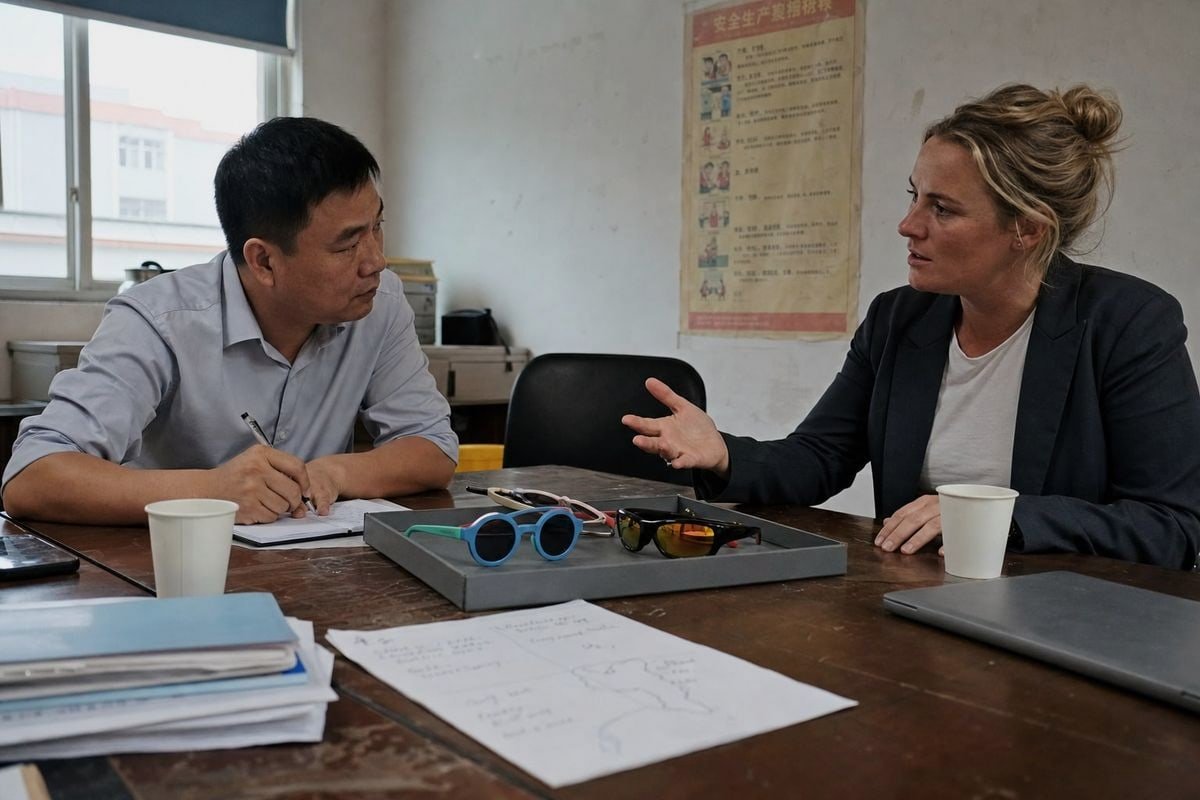
Buyers often ask our Taizhou factory for exclusive regional distribution rights for kids’ sunglasses — then panic when a competitor lists the same styles online in their market.
To negotiate exclusive regional distribution rights for kids’ sunglasses from China, propose a narrow, performance-based deal: a defined territory, specific SKUs, minimum purchase commitments, a 6–12 month trial term, and clear renewal conditions. Back it with due diligence, an NNN agreement, and a written exclusive distribution agreement.
That is the short version. Below, I will walk through the questions to ask, the proof you need, the contract terms that matter, and how to defend your exclusivity afterward.
What Should I Ask a Manufacturer Before Requesting Exclusive Distribution Rights?
A distributor from Australia once asked me for country-wide exclusivity in our first video call. I told him honestly: he was asking the wrong first questions, and in the wrong order.
Before requesting exclusivity, ask the manufacturer about existing distributors in your region, current sales channels, minimum order quantity, production capacity, certifications, mold ownership, and whether they sell on cross-border platforms. Their answers reveal whether meaningful territorial exclusivity is even possible to grant.
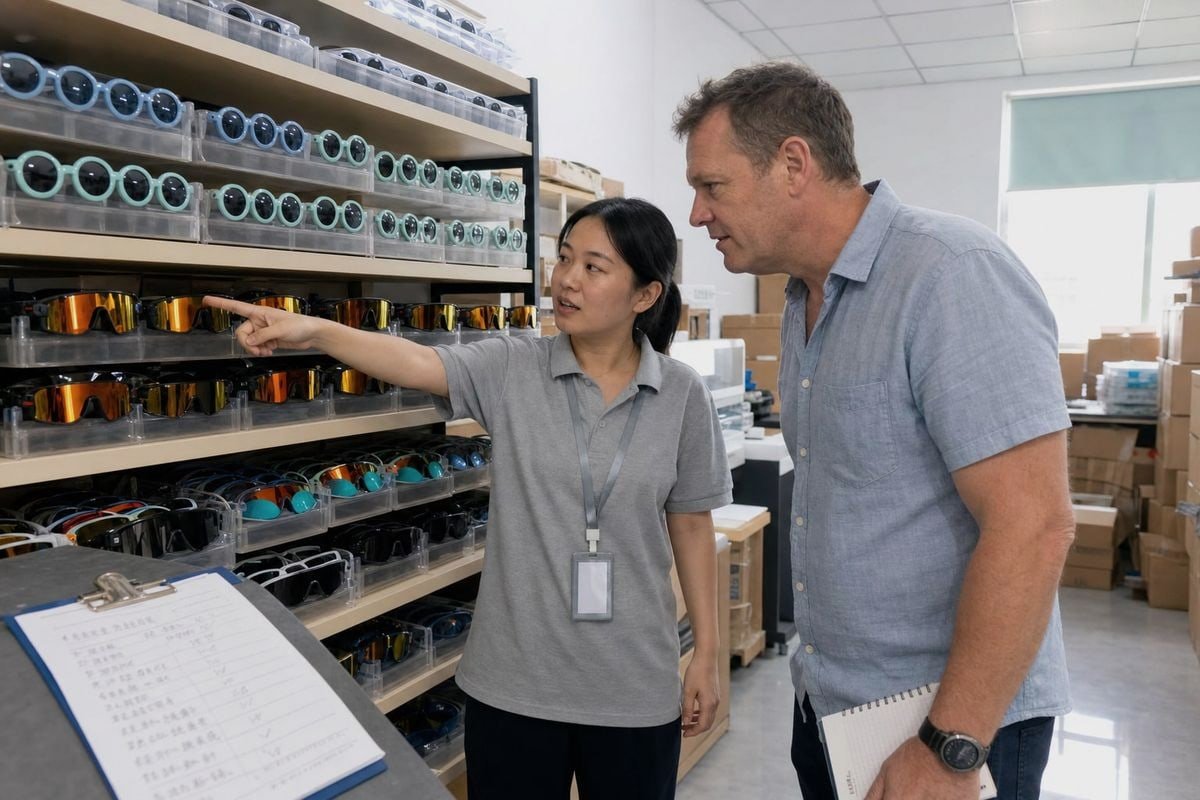
Exclusivity only has value if the factory can actually honor it. In wholesale eyewear manufacturing, kids' sunglasses are a competitive category. Many suppliers sell the same open-mold styles to dozens of buyers. So your first job is to map the supplier's current commitments before you negotiate anything.
The Seven Questions That Matter Most
| La liste essentielle des questions | Pourquoi c'est important |
|---|---|
| Who already buys these SKUs in my region? | Existing buyers may block real exclusivity |
| Do you sell on Temu, AliExpress, or Amazon? | Cross-border B2C sales can undercut your territory |
| What is your minimum order quantity for exclusive styles? | Exclusivity usually raises MOQ expectations |
| Who owns the molds and designs? | Custom molds you pay for are easier to lock down |
| What certifications do you hold? | FDA and CE certification and UV400 test reports prove export readiness |
| What is your monthly production capacity? | You need supply security before committing to targets |
| Are you a factory or a trading company? | Traders cannot reliably control where products flow |
When buyers visit our workshop, I encourage them to ask exactly these questions. A factory with around 800 existing styles, like ours, can offer style-level exclusivity 1 — reserving specific models for one buyer per region — without either side investir dans de nouveaux moules first. That is often a smarter opening position than demanding blanket exclusivity on day one.
Also ask how the supplier handles inspections de contrôle qualité 2 and whether they allow third-party audits. A partner who resists transparency before the deal will not become more transparent after it. Finally, confirm the supplier's business license and scope through China's public enterprise information system 3. You are not just choosing a supplier; you are choosing the only legal source for your territory.
How Do I Prove My Market Potential to Secure Regional Exclusivity?
Over fifteen years of exporting children's eyewear to more than twenty countries, I have learned one thing: the buyers who win exclusivity never just ask for it. They present a plan.
Prove market potential with a written business case: your existing retail channels, historical sales data for similar kids' products, a 12-month purchase forecast, marketing budget, and channel rollout plan. Then offer tiered minimum purchase commitments in exchange for a defined territorial exclusivity clause.
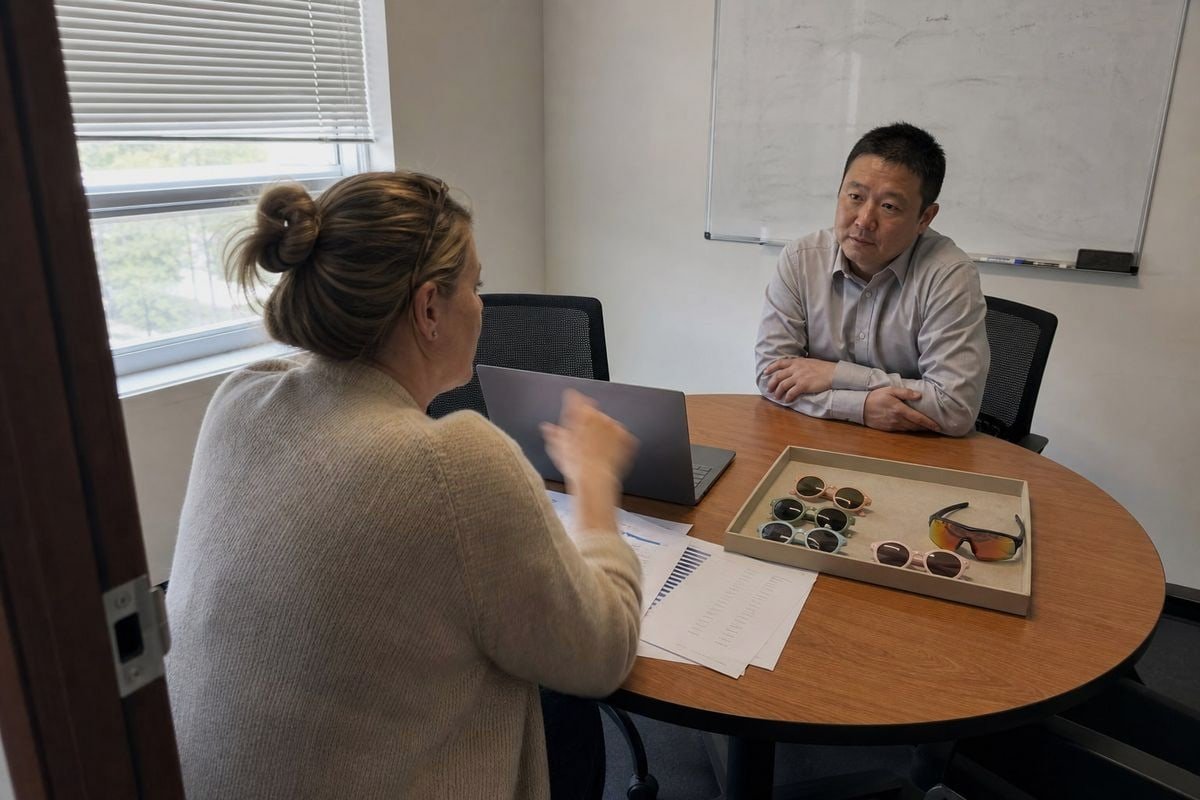
From the factory side, exclusivity is a real cost. When we reserve a territory for one distributor, we turn away other inquiries from that market. So we need confidence that the partner can move volume. Your job is to lower our perceived risk.
Build a Business Case, Not a Request
Start with evidence. Show your store count, your ecommerce traffic, your pharmacy or optical chain relationships, or your track record with adjacent products like kids' swim goggles or hats. Parents buy on trust, so a distributor with credibility in children's products is far more convincing than one with only a price target.
Then translate that evidence into commitments. A simple tiered structure works well:
- Trial phase (months 1–6): Non-exclusive or soft-exclusive supply, one region, a limited SKU set, modest minimum order quantity per shipment.
- Earned exclusivity (months 7–18): Formal territorial exclusivity, conditional on hitting quarterly purchase minimums.
- Expansion (year 2+): Larger territory or additional product lines, unlocked by performance-based contract renewal.
Frame the trade clearly: "Reserve this region for me, and I commit to X units per quarter, Y marketing spend, and Z retail placements." That sentence changes the negotiation. You are no longer asking for a favor. You are offering the factory predictable, planned demand — which helps our production scheduling and supply chain management too.
One more tip from experience: propose a smaller region than you eventually want. A buyer who asks for one country and delivers is trusted with three. A buyer who asks for a continent and stalls is trusted with none.
What Terms Should I Include in an Exclusive Distribution Agreement?
Contract drafting is where I see the most expensive mistakes. One European client lost a full season because his agreement said "Europe" without defining online channels — and gray-market listings ate his launch.
An exclusive distribution agreement should define exact SKUs, precise territory, online and offline channel rules, contract duration, minimum purchase targets, quality standards, IP licensing, confidentiality, Incoterms 2020 delivery terms, termination triggers, post-termination stock handling, and a dispute resolution venue such as CIETAC or HKIAC arbitration.
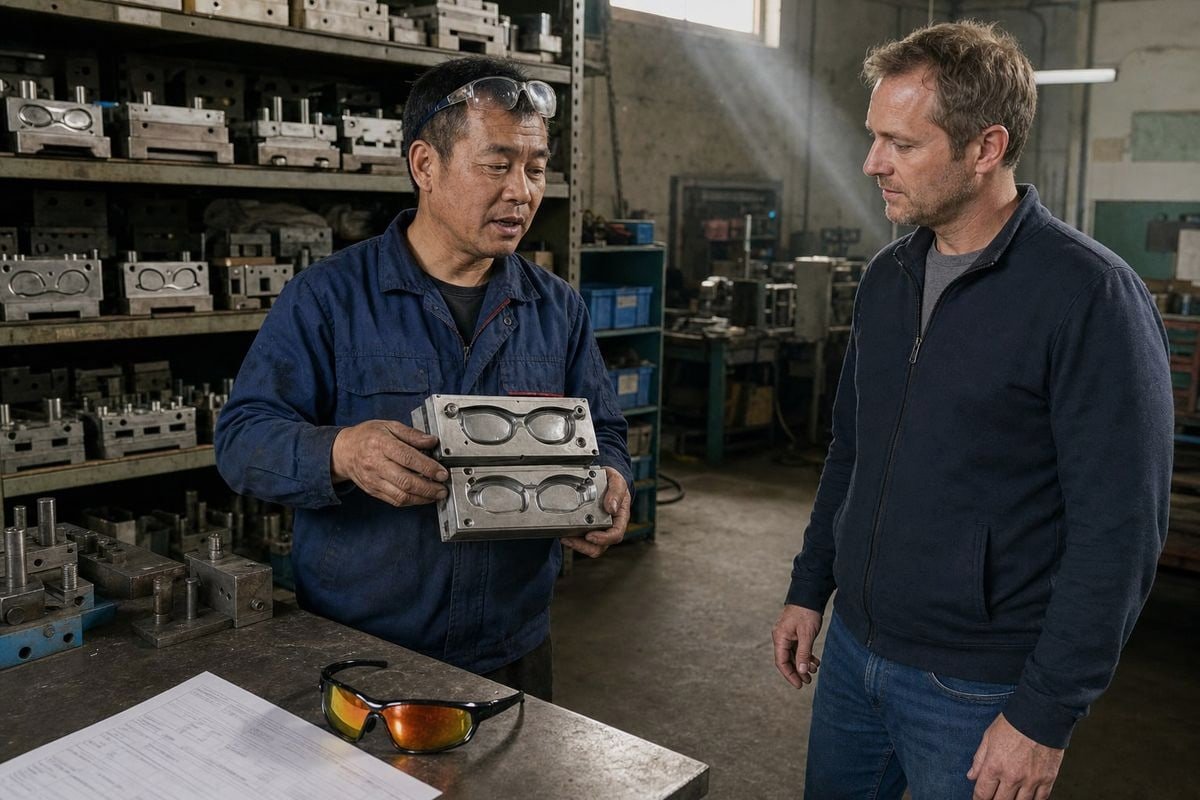
Vague contracts create vague exclusivity. Every clause below should be specific enough that a stranger could enforce it without asking either party what was intended.
The Clause Checklist
| Clause | Ce qu'il faut spécifier | Erreur courante |
|---|---|---|
| Produits | Exact model numbers, colorways, lens specs (e.g., UV400, polarized) | Writing "kids' sunglasses" broadly |
| Territory | Named countries, states, or provinces | Vague terms like "your market" |
| Channels | Whether marketplaces, cross-border ecommerce, and duty-free are included | Ignoring online sales entirely |
| Terme | Fixed initial term with defined renewal conditions | Open-ended or automatic perpetual renewal |
| Performance | Measurable quarterly or annual purchase minimums | Targets that are aspirational, not binding |
| Quality | Inspection rights, AQL standards, test reports | No right to reject defective goods |
| IP license | Limited, revocable trademark use with quality control | Unlimited rights to your brand assets |
| Termination | Triggers for missed targets or quality failures | No exit mechanism at all |
| Stock sell-off | Repurchase option or a defined sell-through window | Leftover inventory dumped at clearance prices |
| Disputes | Governing law and arbitration venue | Defaulting to courts neither side can use |
Make Exclusivity Conditional, Not Absolute
The single most important structure is conditional exclusivity. If targets are met, exclusivity continues. If targets are missed, the arrangement automatically downgrades to non-exclusive, or the factory gains the right to appoint additional distributors. This protects both sides. The factory is not frozen out of a market by an underperforming partner, and the distributor keeps a clear, objective path to retain rights.
Also insist on delivery terms under Incoterms 2020 5 — FOB Ningbo or similar — so cost and risk transfer points are unambiguous. For children's products, add a clause requiring the factory to maintain current safety documentation, since expired FDA and CE certification paperwork can strand goods at customs.
How Can I Protect My Exclusivity Once the Contract Is Signed?
Every quarter, our sales team fields at least one inquiry from a buyer inside a territory we have already reserved. How we respond — and how we prove we responded — is what makes exclusivity real.
Protect signed exclusivity with an NNN agreement, registered trademarks in your market, your name on regional safety certifications, quarterly reporting and audit rights, unique SKU codes or packaging, monitoring of cross-border platforms, and contractual bans on the factory selling identical models into your territory.
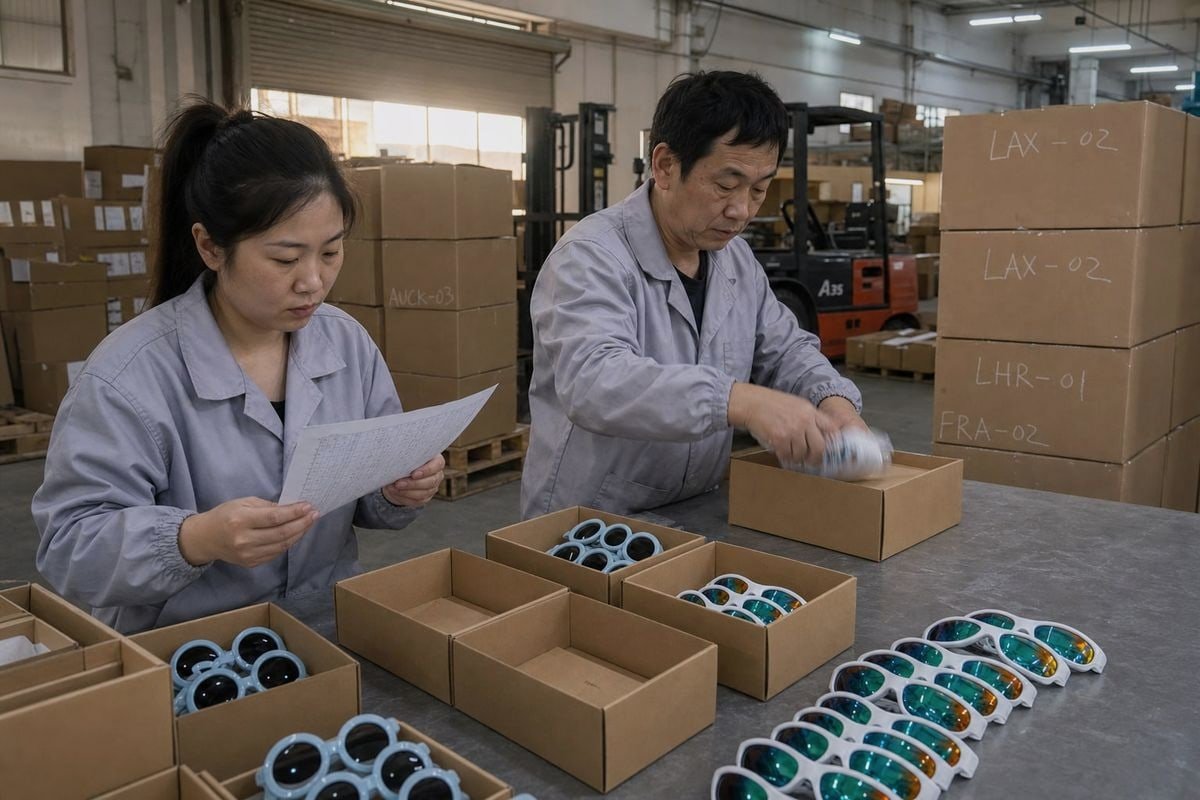
A contract is a starting point, not a shield. Enforcement depends on the systems you build around it.
Layer Your Defenses
First, lock down droits de propriété intellectuelle 6. Sign a China-enforceable NNN agreement — non-disclosure, non-use, non-circumvention — so the factory cannot use your designs elsewhere or bypass you to reach your retail customers. Register your trademark in your home market and in China. A distributor once told me his best defense was simple: his brand was on the frame, the lens sticker, and the box, so any gray import was instantly identifiable as unauthorized.
Second, make yourself the compliance gatekeeper. Put your company name on regional safety certifications 7 such as CPSIA or CE declarations. Unauthorized importers then face a real legal barrier, because they cannot ride on your compliance paperwork for children's products.
Third, build traceability into the product itself. At our factory, we routinely produce exclusive colorways, custom TPEE temple designs, laser-etched logos, and region-specific packaging for OEM clients. When your SKUs are visually and physically distinct, parallel imports are easy to spot and easy to prove.
Fourth, stay operationally close to your supplier. Agree on quarterly reports covering production volumes and shipment destinations for your SKUs. Schedule quality control inspections before each shipment. Maintain the relationship — regular calls, factory visits, honest market feedback. In China, consistent communication builds the goodwill that makes a factory defend your territory even when a tempting order arrives from your region.
Finally, monitor the marketplaces. Set alerts for your model names and images on Temu, Shein, AliExpress, and Amazon. Your contract should explicitly ban the factory from listing your exclusive SKUs on cross-border B2C platforms shipping into your territory — and give you documented takedown and penalty rights if it happens.
Conclusion
Broad exclusivity sounds safe but often backfires. Negotiate narrow, performance-based exclusive regional distribution rights, verify your partner, contract precisely, and enforce actively — and your territory stays genuinely yours.
Notes de bas de page
1. Authoritative Wikipedia page defining exclusive business and distribution arrangements. ↩︎
2. Authoritative overview of international quality management standards, replacing 403-prone official site. ↩︎
3. Official database for verifying the legal status of Chinese companies. ↩︎
4. Explains the concept of unique color palettes used in product differentiation. ↩︎
5. Standardized international trade terms for the sale of goods. ↩︎
6. Global framework for protecting trademarks, designs, and patents. ↩︎
7. Federal requirements for testing and certifying children’s products for safety. ↩︎
Plus d'articles que vous pourriez aimer
Vous recherchez un partenaire fiable en lunetterie pour enfants ?
Explorez plus de 800 styles prêts et un support OEM/ODM complet adapté à votre marque.
Contactez-nous English
  Español de México
  Deutsch
  Français
  日本語
日本語  العربية
  Português do Brasil