子供用サングラス:偏光レンズ対レギュラーレンズ—違いは何ですか?
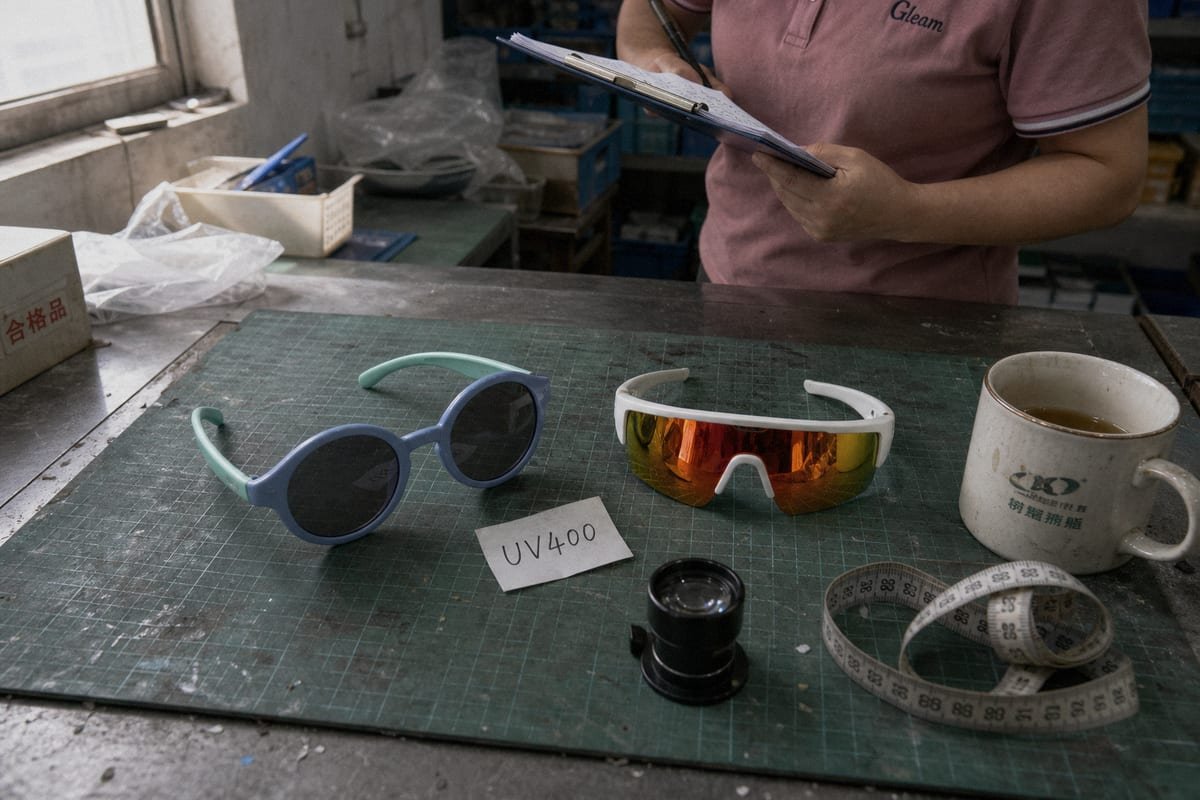
子供用サングラスのバイヤーは、太州の生産ラインで常に一つの質問をします。偏光レンズかレギュラーレンズか?間違った選択をすると、在庫は売れ残ったままになり、競合他社が棚を勝ち取ることになります。.
子供用偏光サングラスには、水、雪、舗装などの反射面からのまぶしさをブロックするフィルターが含まれていますが、レギュラーのティントレンズは全体の明るさを暗くするだけです。どちらも完全なUV400保護を提供できるため、UV安全性—偏光ではなく—が調達の最初の優先事項であるべきです。.
その短い答えには、いくつかのビジネス上の決定が隠されています。工場で毎日見ていることに基づいて、製品ポジショニングからコスト、MOQまで、それぞれの決定について説明します。.
子供用サングラスのブランドが本当に偏光レンズを必要とするのか、それともUV400で十分なのかを知るにはどうすればよいですか?
オーストラリアのバイヤーは、幼児向けラインでは必要のない偏光レンズに二重に支払うところだったと語っていました。私たちのサンプリングプロセスは、彼女がその間違いを避けるのに役立ちました。.
お客様が水辺、雪、または明るい舗装路でサングラスを使用する場合、貴社ブランドには偏光レンズが必要です。日常の公園での着用、送り迎え、ベビーカーでの散歩には、UVAとUVBの両方の紫外線をブロックする通常のUV400レンズで十分であり、より費用対効果が高いです。.
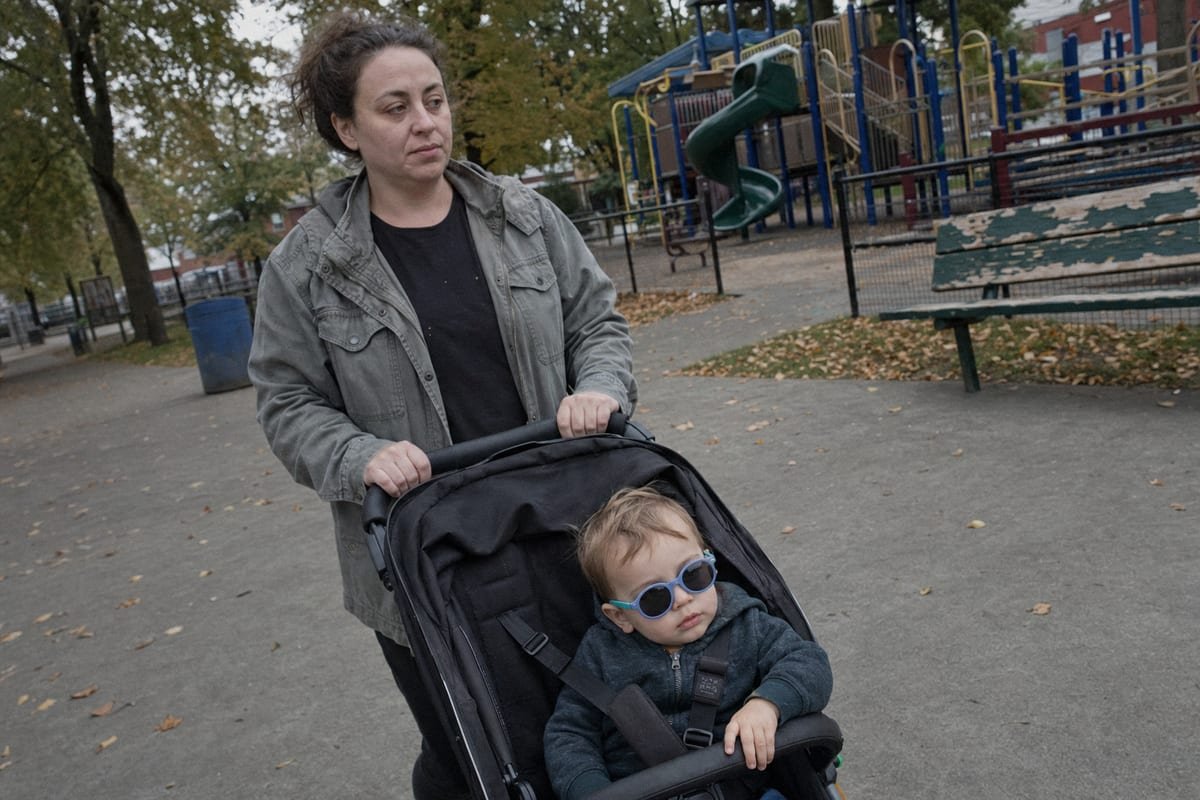
理解すべき核心的な事実は次のとおりです。偏光とUV保護は2つの別個の機能です。偏光は快適さと鮮明さのアップグレードです。. UV400保護 は譲れない安全基準です 小児の目の健康 1. 。子供は大人よりも瞳孔が大きく、自然なレンズが澄んでいるため、より多くの紫外線が網膜に到達します。そのため、偏光レンズであってもなくても、販売するすべてのユニットで完全なUVAおよびUVBブロックが不可欠です。.
偏光レンズは、特定の状況で付加価値を提供します。それは反射したまぶしさです。平坦な反射面から跳ね返る光は水平に偏光し、強い反射を生み出します 偏光 2. 。偏光フィルターは、その水平光をブロックします。レギュラーのティントレンズはこれを実行できません。それらは単にシーン全体を暗くします。.
レンズをお客様のライフスタイルに合わせる
ここでは、選択する前に新しいブランドバイヤーと共有するフレームワークを紹介します。
| ブランドのコアユースケース | 推奨レンズ | 理由 |
|---|---|---|
| ビーチ、プール、ボートブランド | 偏光UV400 | 水からの強いまぶしさ |
| スキーおよびスノーアパレルブランド | 偏光UV400 | 雪はほとんどの太陽光を反射します |
| 日常の子供向けファッションライン | レギュラーUV400 | まぶしさへの露出は中程度です |
| ベビーおよび幼児ブランド | レギュラーUV400 | 自然な視力を維持し、コストを抑えます |
| アウトドアアドベンチャーブランド | 混合提供 | 両方のセグメントに対応 |
注意すべきニュアンスが1つあります。一部の幼い子供は、車やベビーカーでタブレットを使用します。偏光レンズは、LCD画面を暗くしたり歪んだりすることがあります。赤ちゃん中心のブランドにとっては、レギュラーUV400レンズに留まる本当の理由です。ただし、興味深い反論があります。幼児は地面に近いところで遊ぶため、実際には大人よりも地面レベルのまぶしさにさらされます。したがって、ビーチホリデーを中心に構築された幼児向けブランドの場合、偏光は依然として理にかなっています。決定は常に、エンドユーザーが実際にどこで時間を過ごすかに戻ります。.
アクティブな子供たちにとって、調達する偏光レンズが安全で耐久性があることを確認するために、どのような点に注意すべきですか?
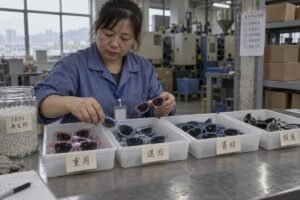
昨年の品質管理ラウンド中に、私たちのチームは、アクティブな子供たちはサングラスを乱暴に扱うため、シールドレンズのスポーツスタイル—ラップアラウンドミラーモデルのような—をドロップテストしました。その考え方も、調達チェックリストを形成する必要があります。.
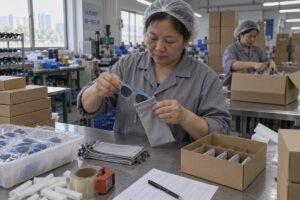
UV400保護が認証されたTACまたはポリカーボネート偏光レンズ、実証された耐衝撃性、傷防止コーティングを探してください。TPEEまたはTR90の柔軟なフレームと組み合わせ、サプライヤーにレンズ強度とレンズ保持に関するテストレポートを依頼してください。.
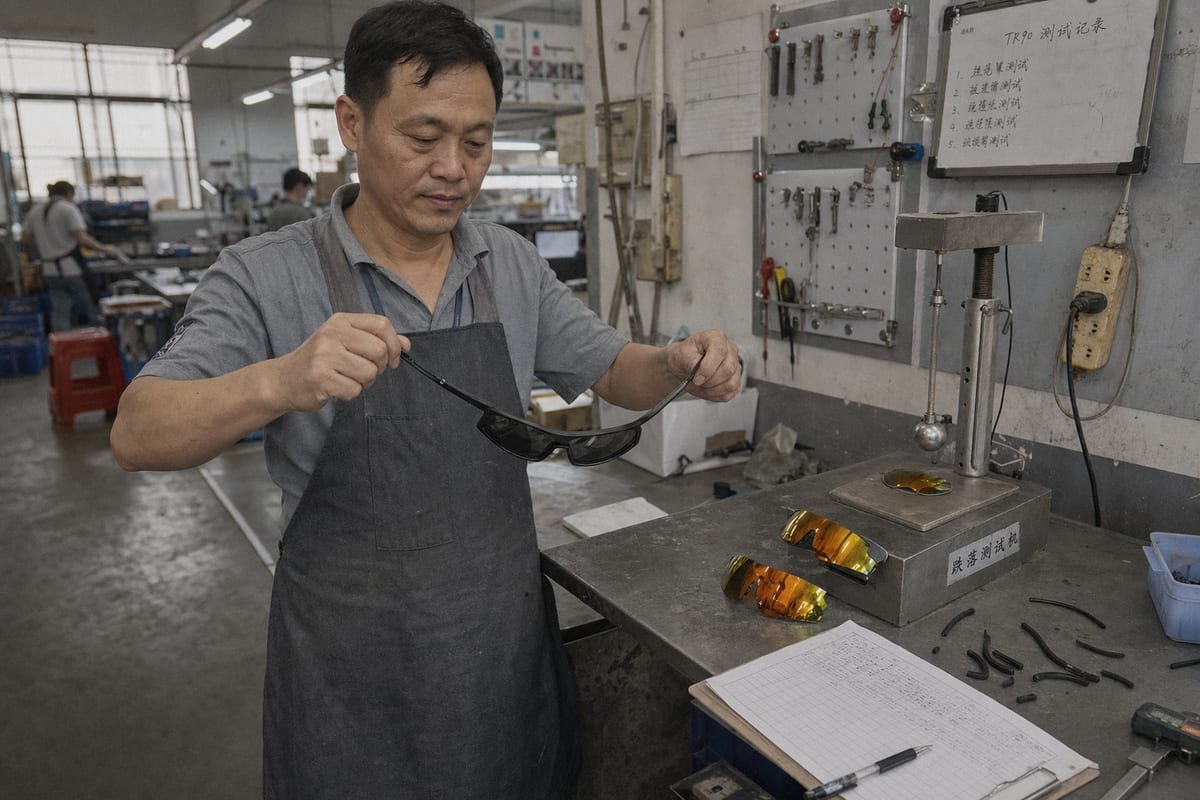
子供用アイウェアの安全性は、単一の仕様ではなく、システムです。レンズは重要ですが、それを保持するフレームも同様です。私たち自身のラインでチェックしていることを説明します。.
レンズ素材が第一
子供用偏光サングラスでは、2つの素材が主流です。TAC(三酢酸セルロース 4)偏光レンズは軽量で、強いまぶしさ軽減を提供し、価格に対して傷に強く、よく持ちこたえます。. ポリカーボネートレンズ 5 最高の耐衝撃性を提供し、ボールや転倒でレンズに当たる可能性のあるスポーツスタイルで重要です。どちらも 素材に組み込まれた完全なUV400保護. で作ることができます。アクティブな子供には基本的なアクリルレンズを避けてください。それらはより簡単にひび割れ、端での視覚的な鮮明さをしばしば歪めます。.
フレームは安全性の半分です
壊れやすいフレームに完璧なレンズを入れても、危険です。そのため、子供用スタイルのほとんどをTR90とTPEEで製造しています。これらの柔軟なフレームは、壊れる代わりに曲がるため、子供の顔の近くに鋭い壊れたエッジがありません。私たちのツートンカラーの丸いフレームは、まさにこの論理を使用しています。ソフトなマット仕上げ、丸みを帯びたヒンジ、ラフな取り扱いでも曲がるテンプルチップです。.
調達チェックリスト
- 確認する UV400認証 6 ステッカーだけでなく、テストドキュメントで。.
- レンズフィルムの偏光効率定格を要求します。.
- レンズ素材の耐衝撃性試験結果を確認してください。.
- フレームサンプルを手で曲げてください。たわんで元に戻るはずです。.
- レンズの保持を確認してください。圧力下でレンズが外れないようにしてください。.
- 取り外し可能な小さな部品がないことを確認してください。 窒息のリスク 7.
- 繰り返し洗浄した後のコーティングの耐久性について質問してください。.
これらの点のいずれかでためらうサプライヤーは、何かを伝えています。眼鏡製造の15年間で、私は文書化の規律が通常、全体的な品質の規律を予測することに気づきました。.
レンズに偏光レンズを採用すると、製造業者と取引する際の単価と最小発注数量(MOQ)は上がりますか?
コストに関する会話は、調達マネージャーと最も時間を費やす部分です。正直な答えはトレードオフを伴うため、見積もり会議で行うようにそれらを提示します。.
はい、偏光レンズは通常、偏光フィルムとラミネート加工のプロセスにより、通常の着色UV400レンズよりも単価がわずかに高くなります。既存のスタイルから工場で選択する場合、新しい金型を開く必要がないため、MOQへの影響は通常小さいです。.

コストの違いは、実際の製造工程から生じるものであり、マークアップゲームではありません。偏光レンズは積層サンドイッチです。偏光フィルムを保護層の間に貼り付け、カット、成形、コーティングします。通常の着色レンズは、フィルムと積層をスキップします。工程が増えると、材料費、人件費が増加し、品質管理中の不良率がわずかに高くなります。.
しかし、単価のレンズコストは、着地コスト全体の一部にすぎません。通常、数値は次のようになります。
| コスト要因 | 通常のUV400レンズ | 偏光レンズ |
|---|---|---|
| レンズ素材のコスト | ベースライン | 中程度に高い |
| 積層と加工 | 不要 | 必須 |
| 品質管理の不良率 | 柔軟性は組み込みスプリングヒンジのように機能します | わずかに高い |
| 小売価格の上限 | 標準 | 著しく高い |
| 利益の可能性 | 標準 | しばしばより良い |
最後の2行に注目してください。偏光子供用サングラスは、親がグレア軽減をプレミアム機能として認識するため、より高い小売価格で販売されます。当社の多くのブランド顧客は、単価が上昇しても、偏光SKUの利益率が実際に向上することを発見しています。.
MOQの実際の仕組み
MOQは、レンズの種類よりも金型に大きく依存します。カスタム金型を開くと、レンズの選択に関係なくMOQがジャンプします。既存のスタイル(カタログに約800種類あります)から選択する場合、フレームの金型はすでに存在するため、偏光アップグレードは通常、通常のMOQ条件に収まります。レンズサプライヤーのフィルムの最小値は、フレーム工場の最小値よりも重要であり、標準のグレーまたはブラウンの偏光フィルムは問題を引き起こすことはめったにありません。カスタムミラーコーティング(スポーツシールドスタイルのオレンジからティールへのグラデーションなど)は、色ごとにわずかに高い数量が必要になる場合があります。.
私の実用的なアドバイス:フレームスタイルのレベルでMOQを交渉し、偏光オプションをそのスタイルのレンズ仕様として扱います。そのフレームワークにより、市場が何を求めているかを学ぶ間、リスクを低く抑えることができます。.
同じフレームスタイルで偏光レンズと通常レンズのオプションを組み合わせて、市場の需要をテストすることはできますか?
ヨーロッパのベビーブランドバイヤーは、2シーズン前に賢いアプローチを教えてくれました。彼女は1つのフレームを2つのレンズバージョンで発売し、売れ行きデータで再注文を決定しました。それは見事に機能しました。.
はい、ほとんどの工場では、レンズのカット形状が同じであるため、偏光レンズと通常のUV400レンズの両方を同じフレームスタイルに適合させることができます。これにより、2つの価格帯で需要をテストしながら、1つのSKUファミリー全体で工具、パッケージング、在庫リスクを共有できます。.
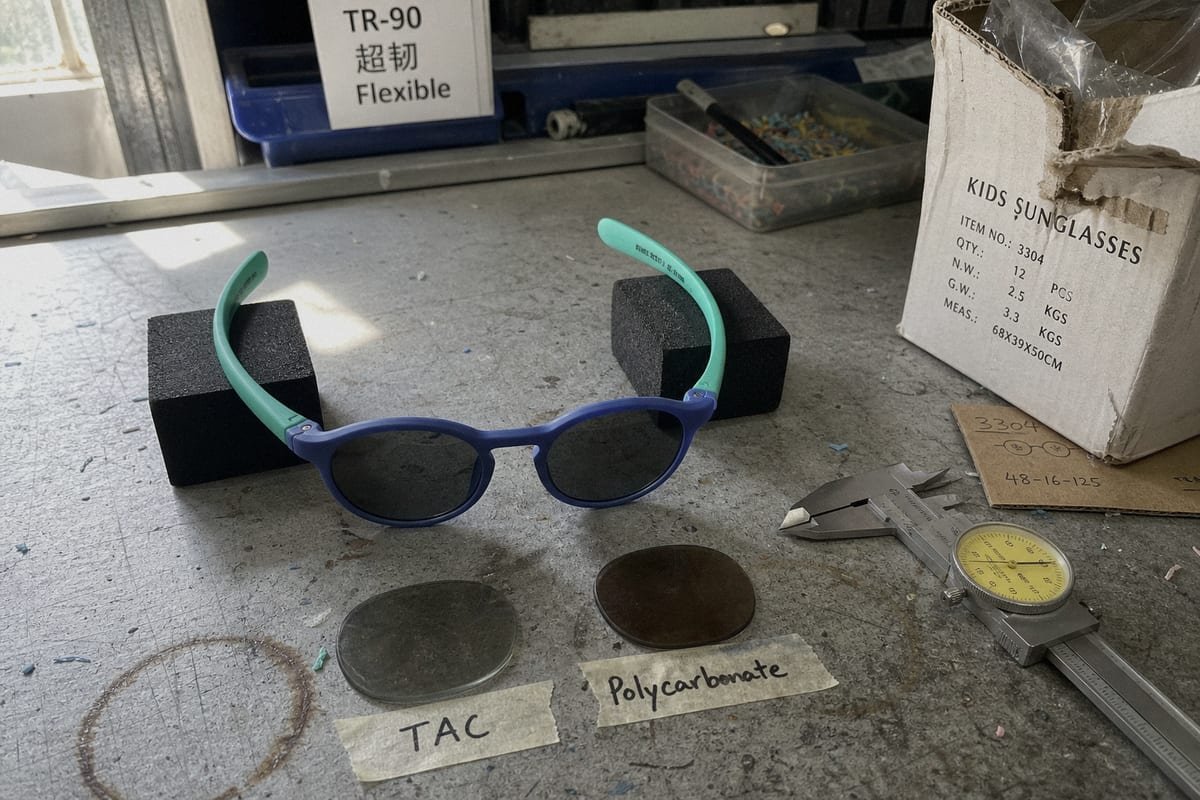
この混合レンズ戦略は、偏光セグメントに参入するための最もリスクの低い方法の1つであり、初めてのバイヤーに積極的に推奨しています。フレームは、中にどのレンズが入っていても気にしません。たとえば、当社の丸いツートンカラーフレームは、デフォルトで標準のスモークグレーUV400レンズで出荷されますが、同じフレームは、金型を変更せずに偏光TACレンズを受け入れることができます。.
2層テストの構造方法
鍵は、買い物客に違いを視覚化させることです。親は、見たり理解したりできない偏光のために多くを支払うことはありません。お客様に効果的な構造は次のとおりです。
| 要素 | 通常版 | 偏光版 |
|---|---|---|
| フレームとカラーウェイ | 同一 | 同一またはプレミアムカラー |
| レンズ | 着色UV400 | 偏光UV400 |
| ハングタグ | 標準UVメッセージング | アンチグレアデモカード |
| 小売価格 | エントリーポイント | プレミアムティア |
| ターゲットバイヤー | 日常使いの親 | ビーチ、雪、旅行の親 |
偏光デモカードは、小さなパッケージコストに見合う価値があります。偏光レンズを通してのみ隠された絵が現れる印刷されたテスト画像です。子供たちはそれを気に入り、アップグレードが本物であることを即座に証明します。当社のOEMパッケージチームは、これらを小売対応のプレゼンテーションに定期的に組み込んでいます。.
結果を正直に読む
テストに十分なシーズンを与えましょう。販売されたユニット数だけでなく、販売率を追跡してください。なぜなら、2つのバージョンは異なる価格帯に位置するからです。偏光バージョンがプレミアム価格で健全なシェアを維持している場合は、まずスポーツおよびアウトドアスタイルに展開してください。それが、まぶしさの軽減と目の疲れの軽減が保護者にとって最も響く場所です。通常のレンズが支配的であれば、視聴者はスタイルとUV安全性で購入していることがわかり、代わりに色とパッケージに利益を投資できます。どちらの結果も勝利です。なぜなら、盲目的な賭けではなく、共有されたツールと分割された在庫リスクで発見したからです。.
結論
間違ったレンズを選択すると、予算と棚スペースが無駄になります。修正は簡単です。すべてのユニットでUV400保護を要求し、まぶしさが多いライフスタイルが正当化する場合は偏光を追加し、共有フレームで両方をテストします。.
脚注
アメリカ眼科学会による子供のUV保護に関する権威あるガイド。. ↩︎
Wikipediaは、まぶしさ防止メカニズムで参照されている偏光フィルターの物理学を説明しています。. ↩︎
WHOは、UV400保護の主張に関連するUV放射線タイプと健康への影響を説明しています。. ↩︎
記事で言及されている偏光レンズの製造に使用されるTAC材料の背景。. ↩︎
Wikipediaは、子供用サングラスの耐衝撃性の利点を説明するポリカーボネートの特性を詳述しています。. ↩︎
FDAの消費者ガイドは、サングラスにおける検証済みUV400認証の重要性を支持しています。. ↩︎
CDCの子供の安全に関するリソースは、小さな取り外し可能な部品に関するチェックリスト項目をサポートしています。. ↩︎

 English
  Español de México
  Deutsch
  Français
  日本語
日本語  العربية
  Português do Brasil