子供用サングラスの一般的なカテゴリとスタイルは何ですか?
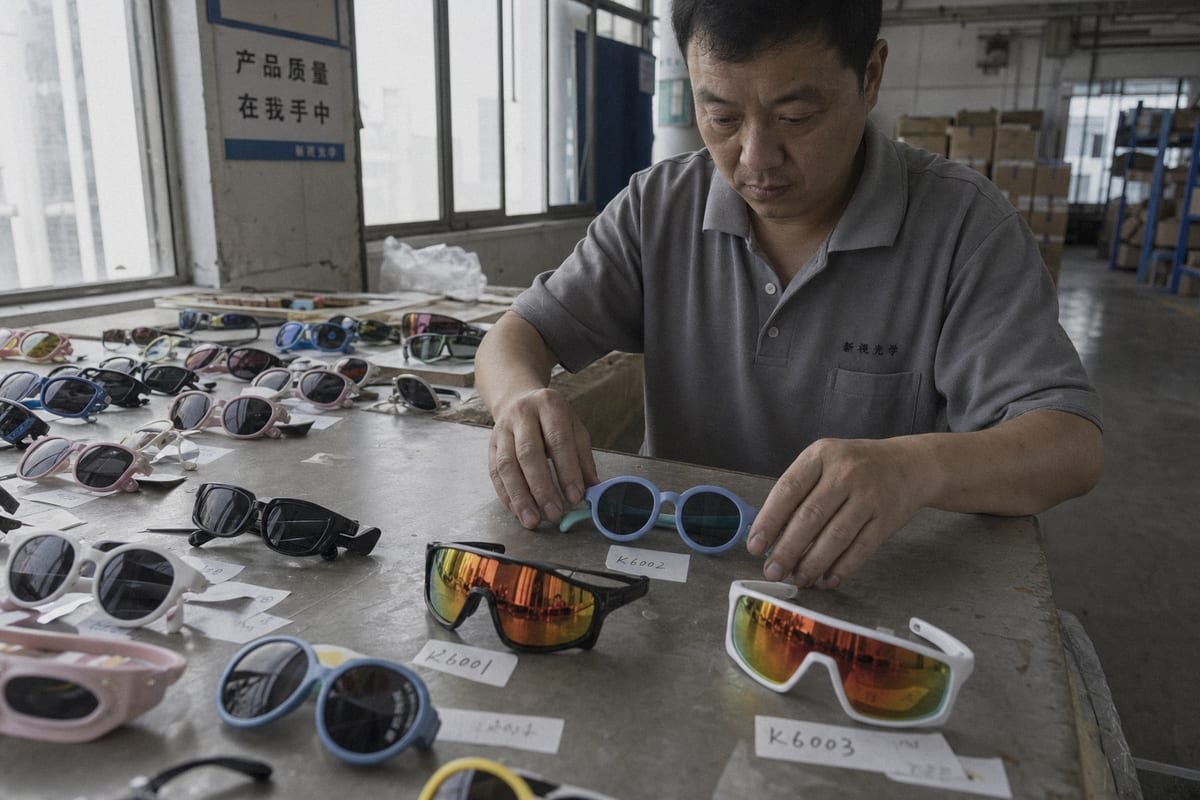
バイヤーは子供用サングラスの一般的なカテゴリとスタイルについてよく尋ねてきます。間違った選択は在庫予算を無駄にします。私たちの台州生産ラインでは、この間違いを常に目にしています。.
子供用サングラスは、ベビー用とスポーツ用のラップアラウンドスタイル、アビエイター、ウェイファーラー、丸型レトロフレーム、スポーティなパフォーマンスシールド、ノベルティカートゥーンデザイン、処方箋着用者用のクリップオンの7つの主要カテゴリに分類されます。それぞれが年齢層ごとに保護、耐久性、スタイルを異なる方法でバランスさせています。.
各カテゴリを詳しく説明します。また、コレクションを構築する際に最も重要な素材、レンズ、年齢適合性についても説明します。.
ブランドのために調達する際、子供用サングラスのどのカテゴリーから選べますか?
先月、オーストラリアのバイヤーが約800スタイルのサンプルウォールをレビューしました。彼女の最初の質問は単純でした。これらの子供用サングラスをどのようにグループ化すればよいですか?
ブランドは7つのコアカテゴリから調達できます:ラップアラウンドフレーム、アビエイタースタイル、ウェイファーラーシェイプ、ラウンドレトロフレーム、スポーティパフォーマンスシールド、ノベルティカートゥーンデザイン、クリップオンサングラス。バランスの取れたスターターコレクションは、通常、2つの保護スタイル、2つのファッションスタイル、1つのパフォーマンススタイルを組み合わせています。.
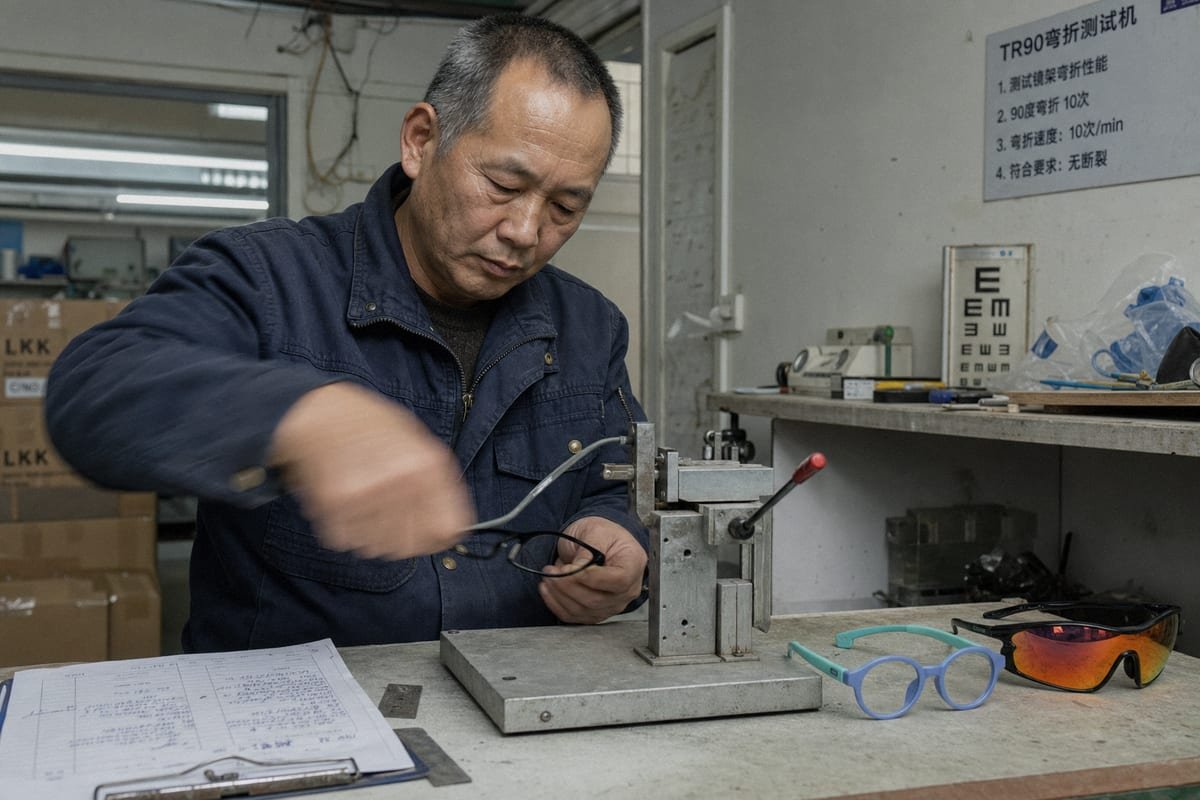
バイヤーをショールームに案内するときは、常に同じフレームワークから始めます。. 子供用サングラスは、単に大人のフレームを小さくしたものではありません. 。各カテゴリは、異なる問題を解決するために存在します。ここに、すべての新規クライアントに提供する概要を示します。
| スタイルの例 | 最適 | 主な特徴 | スタイルレベル |
|---|---|---|---|
| ラップアラウンド | 赤ちゃん、幼児、アウトドアプレイ | 広いカバレッジ、安全なフィット感 | 実用的 |
| アビエイター | 学齢期の子供、ファッション | 大人にインスパイアされた「ミニミー」ルック | 高い |
| ウェイファーラー | 日常着、すべての年齢 | 用途の広いクラシックなシルエット | 高い |
| 丸型/レトロ | トレンド主導のブランド | 遊び心のあるヴィンテージの魅力 | 非常に高い |
| スポーティパフォーマンス | アクティブな子供、スポーツ | シールドレンズ、柔軟なフレーム | テクニカル |
| ノベルティ/カートゥーン | 幼い子供たち | 明るい色、楽しい形 | 遊び心のある |
| クリップオン | 処方箋メガネ着用者 | 光学フレームに取り付けます | 機能的 |
保護最優先のカテゴリ
ラップアラウンドサングラスは、赤ちゃんや幼児に最適です。それらはブロックします UVAおよびUVB線 1 側面から、前面だけでなく。小さな顔にフレームが中央に収まるように、調整可能なヘッドストラップを追加することもよくあります。スポーティなパフォーマンスシールドは、より年上のアクティブな子供たちに同じ保護目標を提供します。.
ファッション最優先のカテゴリ
アビエイター、ウェイファーラー、丸型レトロフレームは、大人のクラシックをダウンサイジングしたものです。私たちの丸いツートンカラーのフレームの1つで、ペリウィンクルブルーのフロントとミントティールのテンプルを備えたものは良い例です。レトロでミニマルに見えますが、柔らかく柔軟な素材を使用しており、折れることなく曲がります。ファッションスタイルはコンプライアンスを促進します。見た目を気に入った子供は、実際にサングラスをかけ続けます。.
機能的なニッチ
クリップオンとノベルティスタイルがフルレンジを完成させます。ノベルティフレームは、幼児の着用性を向上させます。クリップオンは、TR90でも製造している光学フレームをすでに着用している子供たちに対応します。.
アクティブな子供たちに最適なフレーム素材とスタイルは?
私たちのドロップテストベンチは、15年間で何千ものサンプルフレームを破壊してきました。そのテストは私たちに1つの厳しい教訓を教えてくれました。アクティブな子供にとって、素材の選択は形状よりも重要です。.
しなやかなTR90およびTPEEフレームは、アクティブな子供たちに最適です。なぜなら、それらは衝撃で折れるのではなく曲がるからです。耐衝撃性のポリカーボネートレンズとラップアラウンドスポーツスタイルと組み合わせれば、落下、タックル、遊び場での乱暴な扱いに耐える組み合わせになります。.
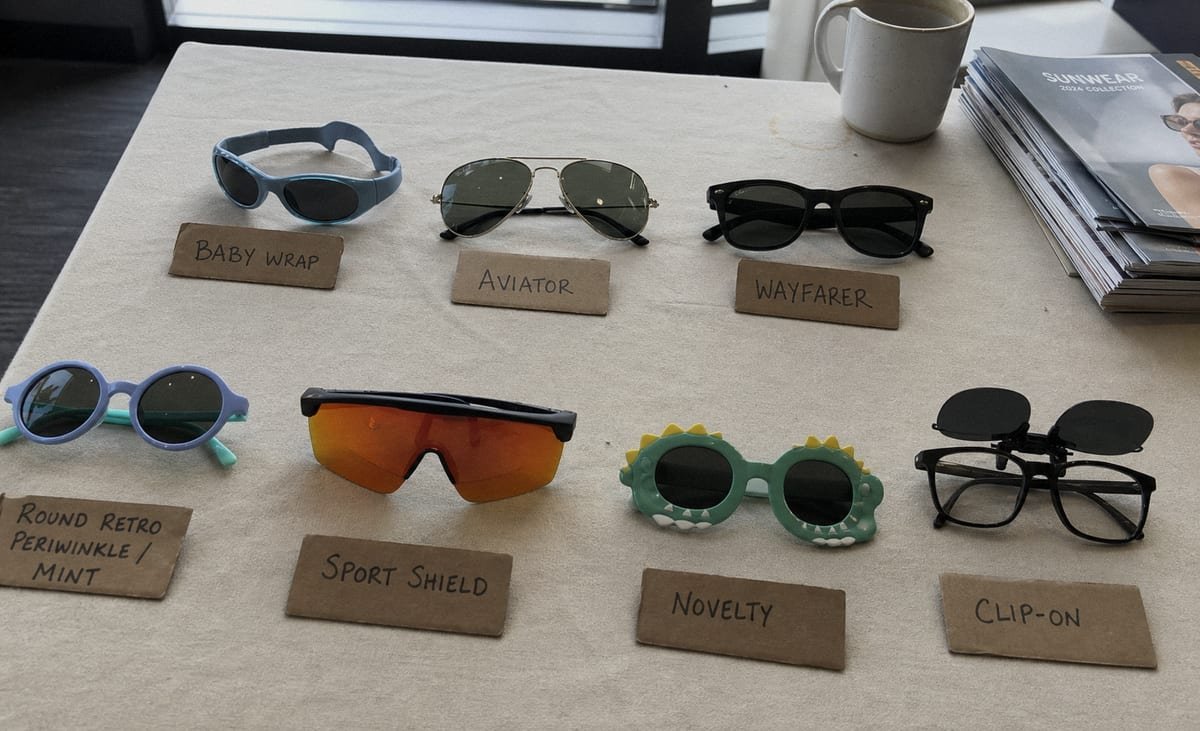
アクティブな子供たちは、硬いアイウェアを破壊します。彼らはフレームの上に座ります。彼らはバッグに投げ込みます。彼らは着用中に転倒します。したがって、素材はその虐待を吸収する必要があります。一般的なオプションの比較は次のとおりです。
| 素材 | 柔軟性 | 中程度から重い | 安全性に関する注記 |
|---|---|---|---|
| TR90 (memory plastic) | 高い | 非常に軽い | Returns to shape after bending |
| TPEE | 非常に高い | 軽い | Soft, rubber-like, gentle on skin |
| Standard plastic (PC/injection) | 低 | 軽い | Can crack; sharp edges when broken |
| 金属 | アクティブな子供のための安全性 | より重い | Can bend permanently; hinge pinch risk |
| Bio-based / recycled polymers | 中程度 | 軽い | Eco appeal; verify impact ratings |
Why flexibility equals safety
A rigid frame 2 that snaps creates sharp edges near a child's eyes. That is the real danger. Our engineers combine TR90フロント 3 with TPEE temples for this reason. The frame twists, bends, and springs back. 柔軟なラバーフレーム also feel softer on the nose and ears, so children complain less and wear the glasses longer. All our materials are BPA-free, which parents in Europe, Japan, and Australia now expect as a baseline.
Lens material for impact zones
Frames are only half the story. Impact-resistant polycarbonate lenses are essentially shatterproof during play. For sports collections, we recommend wrap-around sports styles with a single shield lens 4, similar to our glossy black model with an orange-to-gold mirrored coating. The shield removes the center bridge gap and expands peripheral coverage.
Fit features that keep glasses on
Active kids need retention. Curved temple tips, grippy rubber contact points, and adjustable head straps all help. For sports lines, slim angular temples with matte tips stay put under helmets and headbands.
年齢層に合ったサングラスの選び方は?
A Japanese baby-brand client once ordered one style across all ages. Six months later, she came back and asked us to split her line into three age tiers. Sales improved immediately.
ストラップで固定されたラップアラウンドフレームのベビーと、インファントサイズ、柔軟なノベルティとラフな取り扱いにも耐えるラウンドスタイルの幼児、そして大人にインスパイアされたアビエイター、ウェイファーラー、スポーティなシールドで、実際に着たくなるほどクールに見える学齢期の子供たちをマッチさせます。.
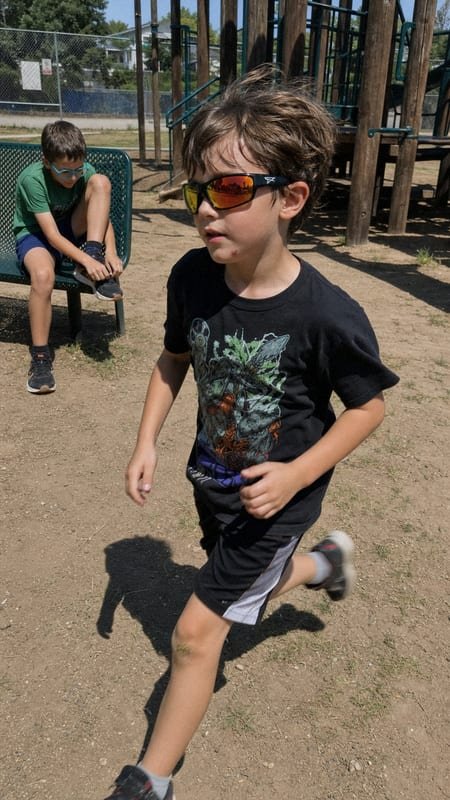
Age changes everything in children's eyewear. The face size changes. The activity level changes. Most importantly, the child's opinion changes. Here is the practical breakdown we use when advising brands:
Babies (0–2 years): retention over everything
Babies cannot keep glasses on by themselves. So the design must do it for them. We build toddler and infant sizes with soft TPEE construction, wide wraparound coverage, and adjustable elastic head straps. Style is secondary here. Parents buy on safety, softness, and fit. UV400保護 5 is non-negotiable because infant eyes let more UV reach the retina than adult eyes.
Toddlers (2–5 years): durability plus fun
Toddlers throw things. They chew things. They sit on things. Frames for this group must be nearly indestructible and fun enough that the child wants them. Bright two-tone colors, rounded shapes, and playful novelty details all improve compliance. Our matte-finish round frames with contrasting temple colors sell strongly in this segment because they look fun without looking babyish.
School-age kids (6–12 years): the mini-adult shift
Around age six, children start comparing their gear to what older kids wear. Aviators, wayfarers, and retro round frames win here. Sporty wrap-around shield styles also perform well for this group, especially for cycling, skiing, and team sports. Keep the flexible materials, but let the silhouette grow up.
Face shape as a secondary filter
Within each age tier, face shape refines the choice. Round faces suit rectangular or wayfarer shapes. Square faces suit oval and round frames. Oval faces handle almost anything, including aviators. Heart-shaped faces pair well with bottom-heavy or round frames.
子供用サングラスコレクションを完成させるために、どのようなレンズとデザインのオプションを検討すべきか?
During OEM development calls, lens specification is where most new buyers slow down. The options sound technical. In practice, the decision tree is quite short.
すべてのスタイルにUV400レンズを標準装備した、キッズ向けコンプリートコレクション。ビーチやウォーターラインには偏光レンズ、スポーツにはミラー加工と耐衝撃性ポリカーボネートシールド、さらに各価格帯に合わせたティントカテゴリー、コーティング、エコフレンドリーなフレームオプションも。.

Lenses are where protection claims live or die. Every children's lens we ship carries UV400 protection, meaning it blocks 100% of UVA and UVB rays. That is the industry standard, and no collection should compromise on it. Beyond that baseline, options layer up by use case and price point:
| レンズオプション | それがすること | 最適な用途 | 価格帯 |
|---|---|---|---|
| UV400 tinted | Blocks all UV; reduces brightness | Every style, baseline | エントリー |
| 偏光レンズ 6 | Cuts reflected glare | Beach, water, driving trips | ミッド |
| Mirrored coating | Reflects light; bold look | Sports shields, ski styles | ミッド |
| 反射防止コーティング | Reduces back-surface reflections | Premium everyday styles | プレミアム |
| フォトクロミック | Darkens in sunlight | Indoor-to-outdoor transition | プレミアム |
| Category 3 tint | Standard bright-sun darkness | General outdoor use | All tiers |
| Category 4 tint | Extreme glare protection | High altitude, open water | Specialty |
Building tiers, not just SKUs
I always tell buyers to think in tiers. An entry line uses UV400 Category 3 tints 7 in flexible rubber frames. A mid line adds 偏光レンズ for beach collections and mirrored shields for sports. A premium line adds anti-reflective coating, photochromic options, and eco-conscious materials like bio-based polymers or recycled plastics.
Design details that finish the collection
Small design choices separate retail-ready products from generic ones. Two-tone color blocking, gradient mirror coatings that shift from fiery orange to teal, soft rounded temple tips, and clean logo-free fronts ready for your branding all matter. So does packaging. We supply custom cases, pouches, and hang tags so the product arrives shelf-ready. Emerging niches are worth watching too. Ultra-lightweight frames under twenty grams serve children with sensory sensitivities. UV-reactive frames that change color in sunlight give parents a visual cue about UV intensity.
結論
Choosing the wrong styles stalls a kids' eyewear launch. Understanding these seven categories, age tiers, and lens options solves it. Our factory helps brands build that collection confidently.
脚注
1. Authoritative WHO resource explaining the health impacts of UVA and UVB radiation on the eyes. ↩︎
2. Wikipedia overview of eyeglass frame construction and the safety implications of different frame materials. ↩︎
3. Technical background on Nylon 12, the high-performance polymer used to manufacture TR90 eyewear frames. ↩︎
4. Wikipedia entry describing various sunglass styles, including the protective shield lens design used in sports. ↩︎
5. Skin Cancer Foundation guidelines on the importance of UV400 protection for preventing long-term eye damage. ↩︎
6. American Academy of Ophthalmology guide on how polarized lenses reduce glare and improve visual clarity. ↩︎
7. Official ISO page for the current international standard (ISO 12312-1:2022) which defines sunglasses filter categories. ↩︎

 English
  Español de México
  Deutsch
  Français
  日本語
日本語  العربية
  Português do Brasil