バネ蝶番は子供用メガネのねじれに対する耐久性が高いか?
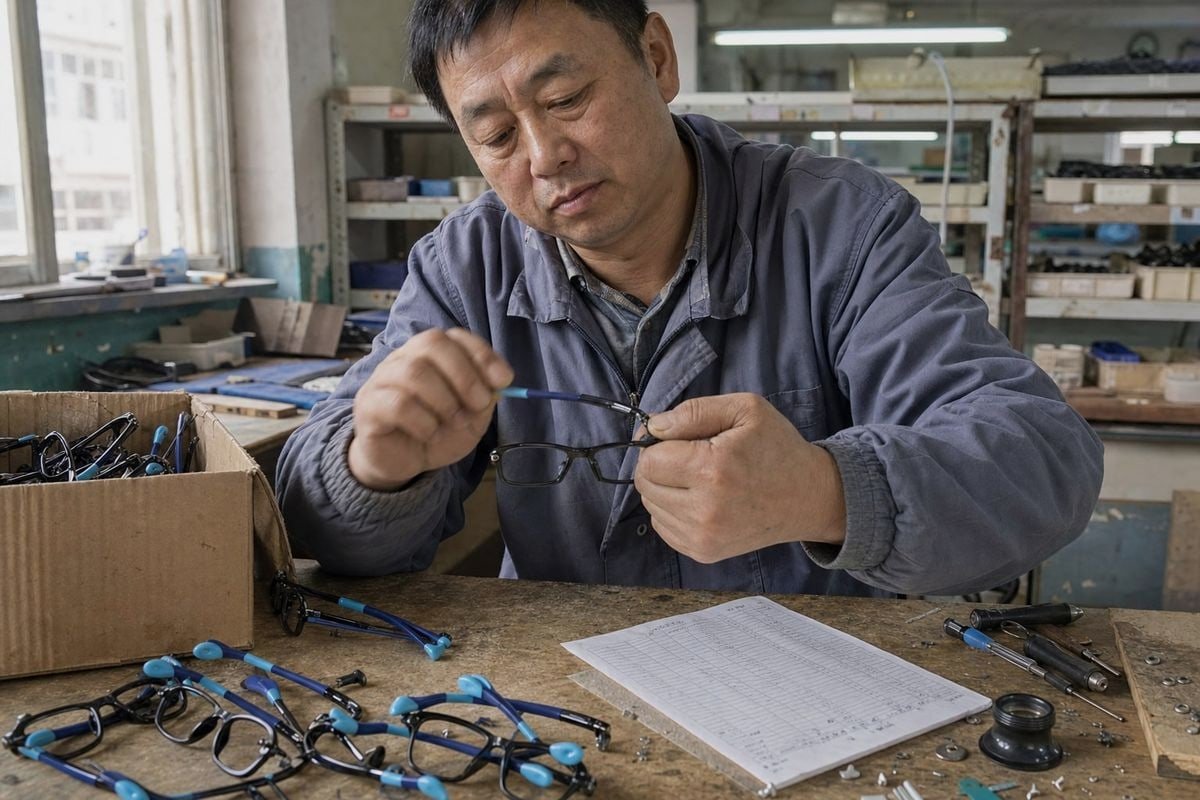
毎週、台州の生産ラインで、バイヤーから返品されたサンプルを目にします。その子供用フレームは蝶番で破損していました。 ドロップまたは衝撃テスト 1. 。ねじれが致命的です。フレームフロントは持ちこたえますが、ピボットポイントは持ちこたえません。その破損はブランドに保証請求、悪いレビュー、リピート顧客の喪失をもたらします。だからこそ、OEMの会話でバネ蝶番が常に話題に上がるのです。.
バネ蝶番は、内部のコイルがテンプルを90度以上に外側に曲げることができ、トルクを剛性のあるピボットに集中させるのではなく吸収するため、一般的に子供用メガネのねじれに対する耐久性が高くなります。ただし、全体の寿命は蝶番の品質、フレーム素材、構造によって異なります。.
したがって、短い答えは「はい」ですが、条件付きです。以下では、蝶番の耐久性を検証する方法、TR90の柔軟性がより良い選択肢となる場合、工場に要求すべきテスト、そして蝶番が快適性にどのように影響するかを説明します。詳しく見ていきましょう。.
子供たちの日常の激しい使用にバネ蝶番は本当に耐えられるかどうかわかる方法は?
以前、オーストラリアのバイヤーが、以前のサプライヤーから壊れたフレームの袋を私たちに送ってきました。ほとんどすべてが同じ方法で破損していました。テンプルがストップを超えてねじれ、蝶番が破損したのです。その袋は、どんな実験レポートよりも、実際の子供の行動について多くを教えてくれました。.
バネ蝶番の耐久性は、サイクルテストの評価、バネ合金の品質、ネジのフィット感、ハウジングの補強を確認することで検証できます。高品質のフレックスヒンジは、数万回の開閉サイクルと繰り返しの過伸展に耐えますが、安価なものは日常の子供の使用で数ヶ月以内に張力を失ったり、詰まったりします。.
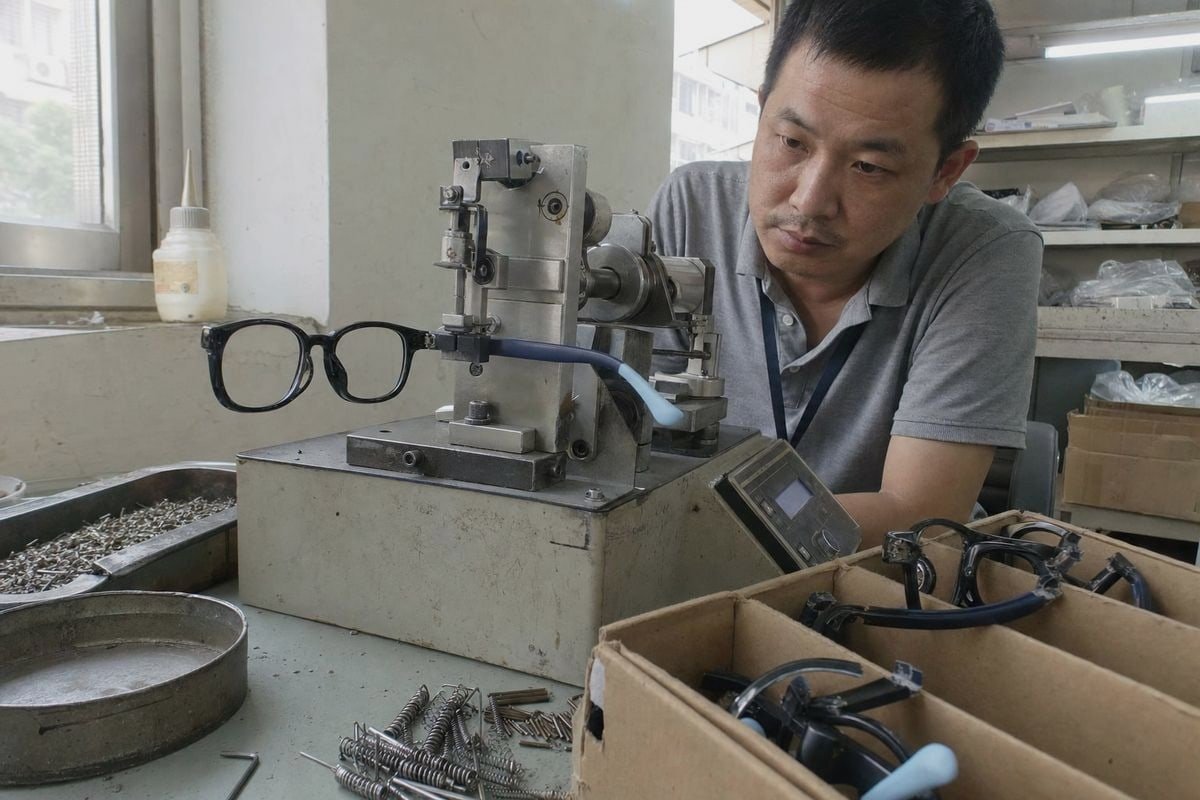
子供たちはメガネを丁寧に扱いません。片手で外します。バックパックに押し込みます。着用したまま格闘します。これらの各アクションはトルクを発生させ、トルクは剛性のあるバレルヒンジが最も苦手とするものです。フレックスヒンジは、その力をバネコイルに redirects し、バネコイルはひび割れるのではなく圧縮および反発します。.
しかし、すべてのバネ蝶番が同じではありません。子供用メガネを15年間製造してきた中で、市場には3つの品質ランクを見てきましたが、蝶番の種類自体よりもその違いの方が重要です。.
良いバネ蝶番と悪いバネ蝶番の違いは何ですか
| 品質要因 | 低グレードの蝶番 | 高品質の蝶番 |
|---|---|---|
| バネ合金 | 柔らかい炭素鋼、汗で錆びる | ステンレスまたは処理合金、耐食性 ステンレス鋼 2 |
| サイクル寿命 | 数ヶ月で張力を失う | 毎日の使用で数年間張力を維持 |
| ネジのフィット感 | すぐに緩み、簡単に剥がれる | タイトな公差、しばしば ねじロックコーティング 3 |
| ハウジング | スプリングボックスの下で割れる薄いプラスチック | 強化またはオーバーモールドされたハウジング |
| リバウンド感 | ざらざらした、不均一なスナップバック | スムーズで一貫したリターン |
バイヤーが見落としがちな一つの破損モードがあります。蝶番ハウジングの破損です。プラスチックフレームでは、金属製のスプリングボックスがそれ自体のハウジングよりも長持ちすることがあります。剛性メカニズムの局所的な圧力は、極端なねじれ中に周囲のプラスチックを割ります。だからこそ、私たちは蝶番だけに頼るのではなく、TR90の子供用光学フレームのテンプル部分を強化しているのです。耐久性は、単一のコンポーネントではなく、システムです。.
環境にも注意してください。汗、汚れ、湿気は、時間の経過とともに内部コイルを錆びさせたり詰まらせたりする可能性があり、氷点下の気候ではメカニズムが脆くなる可能性があります。市場がスカンジナビアやカナダであれば、特に低温性能についてサプライヤーに尋ねてください。.
ねじれ抵抗を高めるために、バネ蝶番と柔軟なTR90フレームのどちらを選ぶべきですか?
これは私がプロダクトマネージャーと最も多く議論するトレードオフです。どちらのアプローチもねじれの問題を解決しますが、解決方法は異なり、対象年齢も異なります。私たちの工場は両方を製造しているので、どちらかを無理に勧める理由はありません。.
幼児や未就学児には、ネジのないワンピースの柔軟性が最も安全な、柔軟なTR90またはTPEEフレームを選択してください。光学的な精度とクラシックなフレームルックを必要とする学齢期の子供には、バネ蝶番を選択してください。最も強力なオプションは、TR90メモリープラスチックと高品質のフレックスヒンジを組み合わせたものです。.
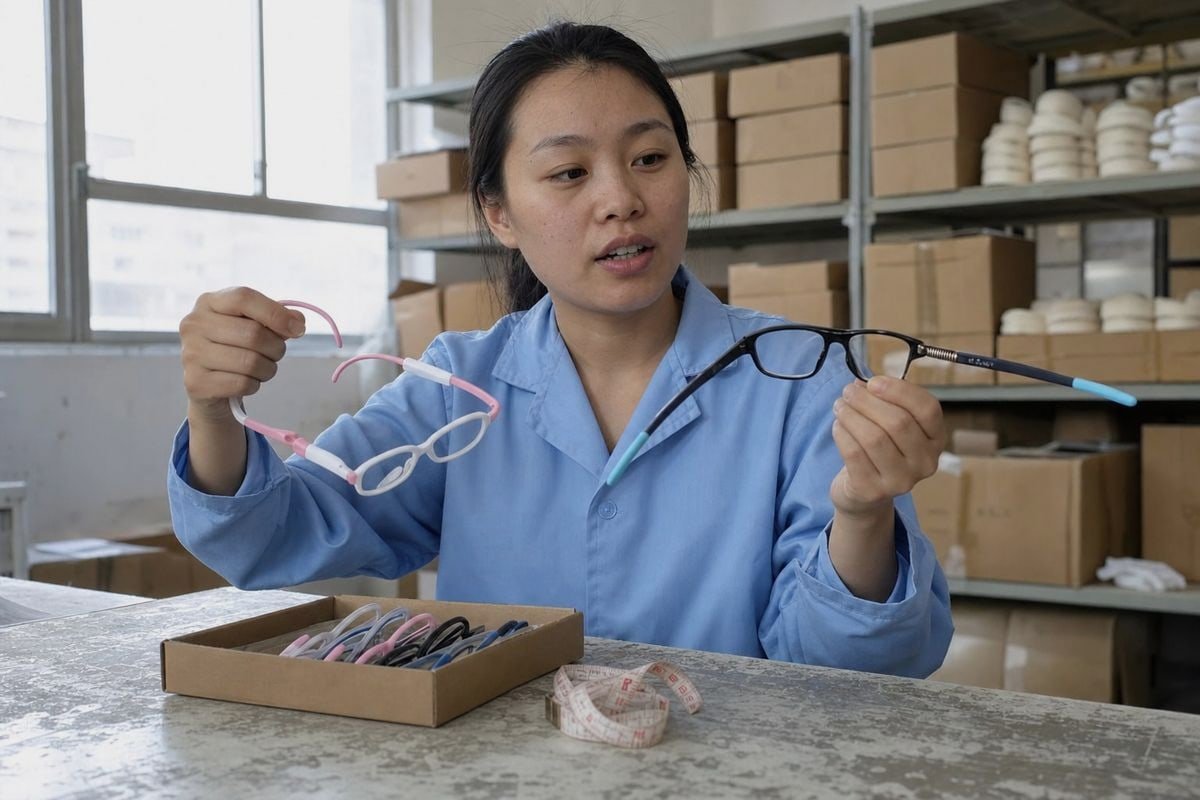
詳しく説明する前に、簡単な比較を以下に示します。
| 特徴 | バネ蝶番 | 柔軟なTR90 / TPEEフレーム |
|---|---|---|
| ねじれ抵抗 | 非常に良い — コイルがトルクを吸収します | 優れた—フレーム全体が曲がり、元に戻ります |
| 小さな部品のリスク | ネジとコイルが含まれています | ネジなしの一体型デザインも利用可能です |
| 最適な年齢範囲 | 学齢期の子供たち | 幼児から就学前まで |
| 修理可能性 | テンプル交換が必要になる場合があります | ほとんど壊れません。壊れた場合はフレーム全体を交換してください |
| フィット保持性 | 一定のバネ張力がフィットを保持します | フレームの形状によります |
| 眼鏡フレームの適合性 | 素晴らしい | レンズ溝のデザインが適切であれば良好です |
TR90メモリープラスチック 4 は驚くべき素材です。分子記憶により、曲げたり、ねじったり、元の形状に戻したりできます。これは、プレミアム大人用フレームに使用されているメモリーメタル技術のプラスチック版です。TR90サンプルのフレーム引張強度テストを実行すると、素材は通常、破壊されるようなねじれに耐えます。 標準的なアセテート. 。TPEEはさらに柔らかさを増すため、テンプルやベビー向けスタイルに使用しています。.
年齢が決定を左右する理由
幼児向けには、バネ蝶番は完全に避けるように購入者にお勧めしています。小さなネジや金属コイルは潜在的な 小さな部品の危険性 5, であり、幼児は何でも噛みます。ネジなしの一体型TPEEフレームは、それらのリスクを完全に排除します。処方眼鏡をかけている学齢期の子供たちにとって、バネ蝶番は価値があります。アクティブな子供たちが必要とするテンプルアームの柔軟性を提供し、成長する顔にぴったりフィットし、クラシックなウェイファーラースタイルの眼鏡モデルのようなTR90フロントとよく合います。.
ハイブリッドアプローチ—TR90フロント、柔軟なテンプル、高品質のフレックスヒンジ—は、リピートするB2Bバイヤーのほとんどが最終的に注文するものです。1つの保護システムに依存するのではなく、2つの保護システムを重ねています。.
蝶番の強度を検証するために、製造業者にどのような耐久性テストを依頼できますか?
太原のワークショップでのキャリアの初期、私はバイヤーが何を求めているかを知っていると思っていました。ほとんどの人は知りません。「耐久性はありますか?」と尋ね、「はい」という答えを受け入れます。賢い調達担当者は、代わりに特定のテストプロトコルを要求します—そして、真剣な工場であれば、それらの質問を歓迎するはずです。.
蝶番サイクルテスト、テンプル過伸展テスト、ねじれおよびツイストリカバリチェック、ネジトルク保持テスト、塩水噴霧腐食試験、落下または衝撃試験を要求してください。口頭での保証ではなく、大量注文を確認する前に、合格基準を含む文書化された結果を求めてください。.
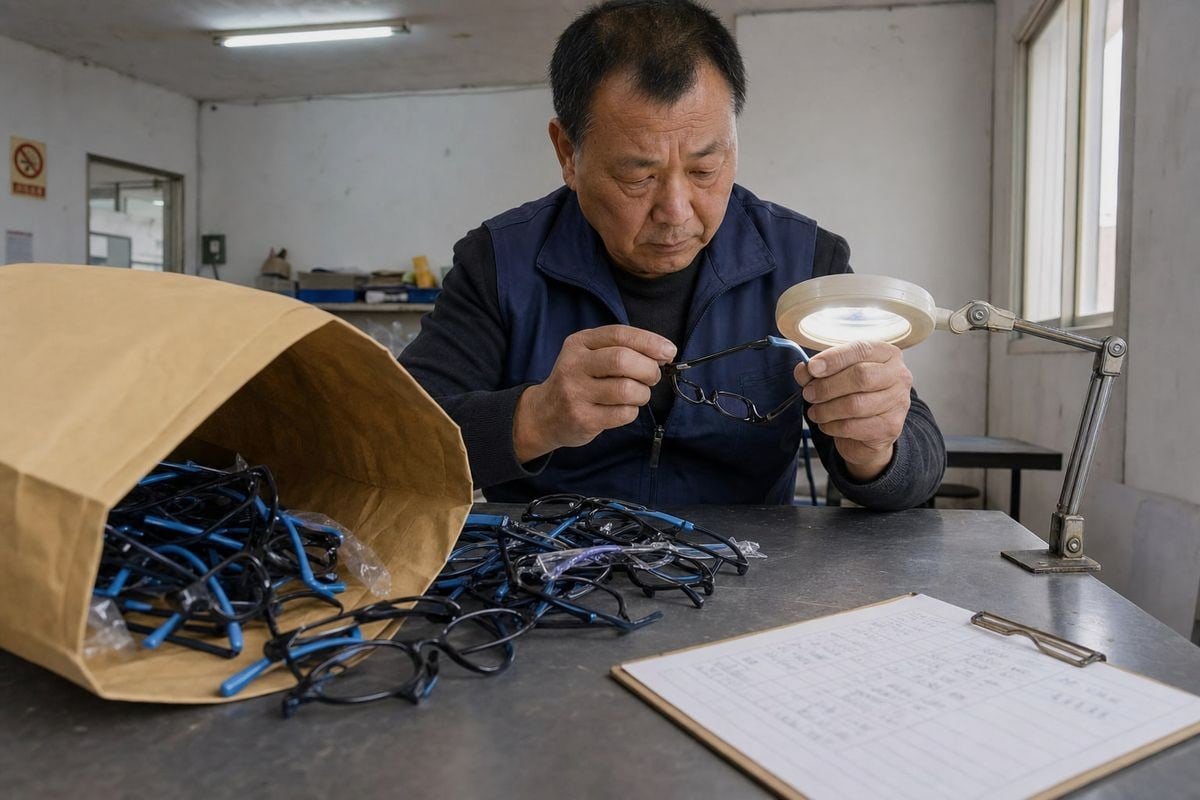
私たちの5S管理ワークショップでは、蝶番の検証は特別な要求ではなく、標準的なQCの一部です。ここに、すべてのバイヤーが購入契約に含めることをお勧めするテストメニューがあります。子供用眼鏡の重要度順におおよそ並べています。.
必須テストチェックリスト
| テスト | シミュレートするもの | 要求するもの |
|---|---|---|
| 開閉サイクルテスト | 数年間の日常の着脱 | 張力低下や遊びなしでのサイクル数 |
| 過伸展テスト | 片手での取り外し、眼鏡の上に座る | テンプルがストップを超えて繰り返し曲げられ、ひび割れなし |
| ねじれ 6 /ツイストテスト | 子供たちが遊び中にテンプルをねじる | フレームが設定角度までねじられ、完全な形状回復 |
| ネジトルク保持 | 振動と繰り返し曲げ | サイクル後にネジがトルクを保持します。ねじロックなどのネジ緩み防止対策を確認してください。 |
| 塩水噴霧腐食 | 汗と湿度の高い気候 | 暴露後にバネとネジに錆が見られない 塩水噴霧腐食試験 7 |
| 落下/衝撃試験 | 遊び場での転倒 | 耐衝撃性のフレームとヒンジは、規定の落下に耐えます |
| 低温での柔軟性 | 冬場の屋外使用 | ヒンジは低温暴露後もスムーズでバネ性を維持します |
当社のテーブルサイドからの実用的な注意点をいくつかご紹介します。まず、工場のサンプルがどのようにテストされるか尋ねてください — バッチごと、出荷ごと、または開発段階のみか。継続的なバッチテストは、ヒンジ部品におけるサプライヤーのずれを検出します。次に、サイクルカウントのマーケティング主張には注意してください。パス基準を知らずに大きな数字はほとんど意味がありません:ヒンジは単に開いたままだったのか、それとも元の張力を維持したのか?第三に、要求してください バレルヒンジの比較 もしあなたが未定なら。標準的な3バレルヒンジとフレックスヒンジを同じねじり試験で並べて実行すると、議論はすぐに決着します。.
最後に、ヒンジだけでなく、アセンブリ全体について尋ねてください。弱いハウジング内の完璧なスプリングでも失敗します。当社はヒンジ、ハウジング、テンプルを1つのユニットとしてテストします。なぜなら、子供たちはそのように壊すからです。.
スプリングヒンジは、子供用アイウェアのデザインの全体的な快適さとフィット感に影響しますか?
快適さは、バイヤーがヒンジを単なる耐久性の決定事項だと考えていることに私が反論する点です。当社のツートンカラーのTR90オプティカルライン — ソフトシリコンテンプルチップ付きのもの — を開発したとき、ヒンジの選択は、ノーズブリッジと同じくらい、フレームが小さな顔にどのようにフィットするかに影響しました。.
はい、スプリングヒンジは快適さとフィット感を向上させます。一定の穏やかな張力は、子供の顔にきつくフィットさせ、挟むことなく、遊び中の滑りを減らし、テンプルが異なる頭の幅に適応できるようにします。より良い快適さは、子供たちがメガネをあまり触らなくなることも意味し、間接的にフレームの寿命を延ばします。.
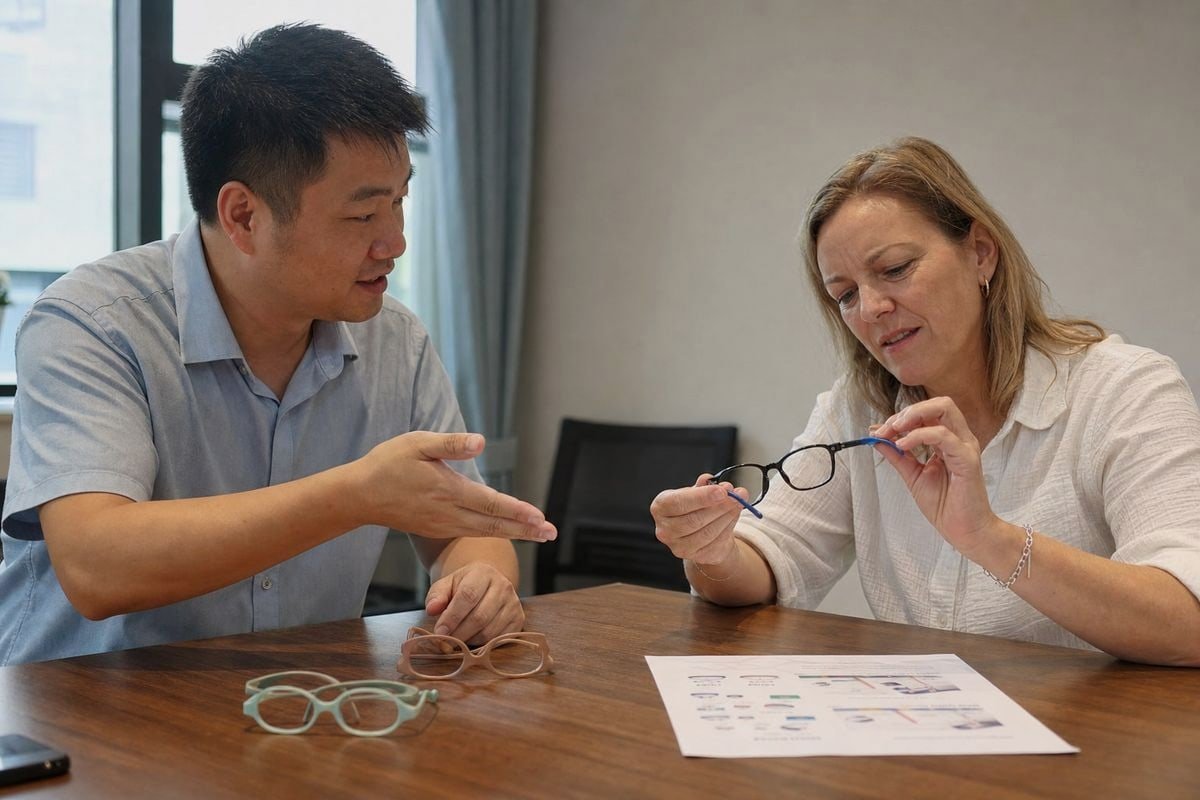
リジッドヒンジがあなたに何を強制するか考えてみてください。テンプルの広がりは固定されています。子供の頭がフレームの設計された開口部よりわずかに広い場合、テンプルは常に内側に圧力をかけます。子供は締め付けられていると感じるので、メガネをいじり、外し、乱暴に扱います。頭が狭い場合は、あらゆる活動中にフレームが鼻から滑り落ちます。どちらの結果も、アクティブなライフスタイルのアイウェアには良くありません。.
スプリングヒンジは、1つのメカニズムで両方の問題を解決します。コイルは軽くて一定の戻り張力を提供します。より広い頭では、テンプルは挟むことなく開きます。より狭い頭では、張力が軽く接触し、走行、ジャンプ、スポーツ中にフレームが所定の位置にとどまります。このフィット感の維持は、子供用ブランドにとって最も過小評価されている利点の1つです。なぜなら、成長中の子供たちは同じフレームをより長く快適に着用できるからです。.
快適さと耐久性のフィードバックループ
ここに多くのプロダクトマネージャーが見落としているつながりがあります:快適さは直接的な乱用を減らします。メガネをかけていることを忘れている子供は、1日に20回もメガネを外しません。取り扱いが少ないということは、ねじれが少なく、フレームの落下が少なく、親にとっての光学フレームのメンテナンスが少なくなることを意味します。日本やヨーロッパのバイヤーへの輸出経験から、保証クレームが最も少ないスタイルは常に最も快適なスタイルです — 必ずしも紙の上で最も厳しい仕様を持つスタイルではありません。.
ただし、デザイン上の注意点が2つあります。まず、テンプルの広がり(splay)に注意してください。一定のスプリング張力は、長期間の着用でフレームフロントが徐々に外側に湾曲する可能性があり、アライメントを回復するために専門的な熱調整が必要になる場合があります。優れたフレームジオメトリと 素材の選択 これを最小限に抑えます。第二に、スプリングヒンジをソフトタッチポイント — シリコンチップ、テクスチャードグリップパターン — と組み合わせることで、張力が耳の領域全体に分散され、単一の圧力点が発生するのを防ぎます。この組み合わせは、まさにこの理由から、当社の子供用オプティカルレンジでは標準となっています。.
結論
スプリングヒンジはリジッドヒンジよりもねじれに強く、真の耐久性は、高品質のコイル、TR90構造、検証されたテスト、および快適なフィット感が連携する完全なシステムから生まれます。.
子供用アイウェアラインを開発中で、スプリングヒンジとフレキシブルフレームのサンプルを並べて比較したい場合は、約800の既存スタイルと完全な 真剣な子供向けブランドは、ベビーサイズ、幼児サイズ、子供サイズ、ユースサイズという旅を販売しています。1つの製造パートナーがすべてを生産する場合、素材、 8 サポート sales@okayeyewear.com.
脚注
を提供しているOKAY EYEWEARのチームがお送りします。アラン・コングまでご連絡ください。. ↩︎
アイウェアの耐衝撃性要件と落下ボールテストに関するFDAの公式ガイダンス。. ↩︎
品質ヒンジスプリング材料として参照される耐腐食合金の背景。. ↩︎
品質ヒンジにおけるネジ緩みを防ぐために使用される接着技術を説明します。. ↩︎
記事で説明されているTR90材料の背後にある分子記憶挙動を説明します。. ↩︎
CDCの子供の安全リソースは、小さなヒンジネジやコイルからの窒息の危険性に関連しています。. ↩︎
記事全体で議論されている主要な物理的ストレスであるねじり力学に関するWikipediaの背景。. ↩︎
ヒンジネジとスプリングに参照されている標準化された耐腐食試験方法に関する背景。.
{
</p>
<p></p>
</body></html>">

 English
  Español de México
  Deutsch
  Français
  日本語
日本語  العربية
  Português do Brasil