子供用光学フレームの素材オプションをサプライヤーから比較する方法
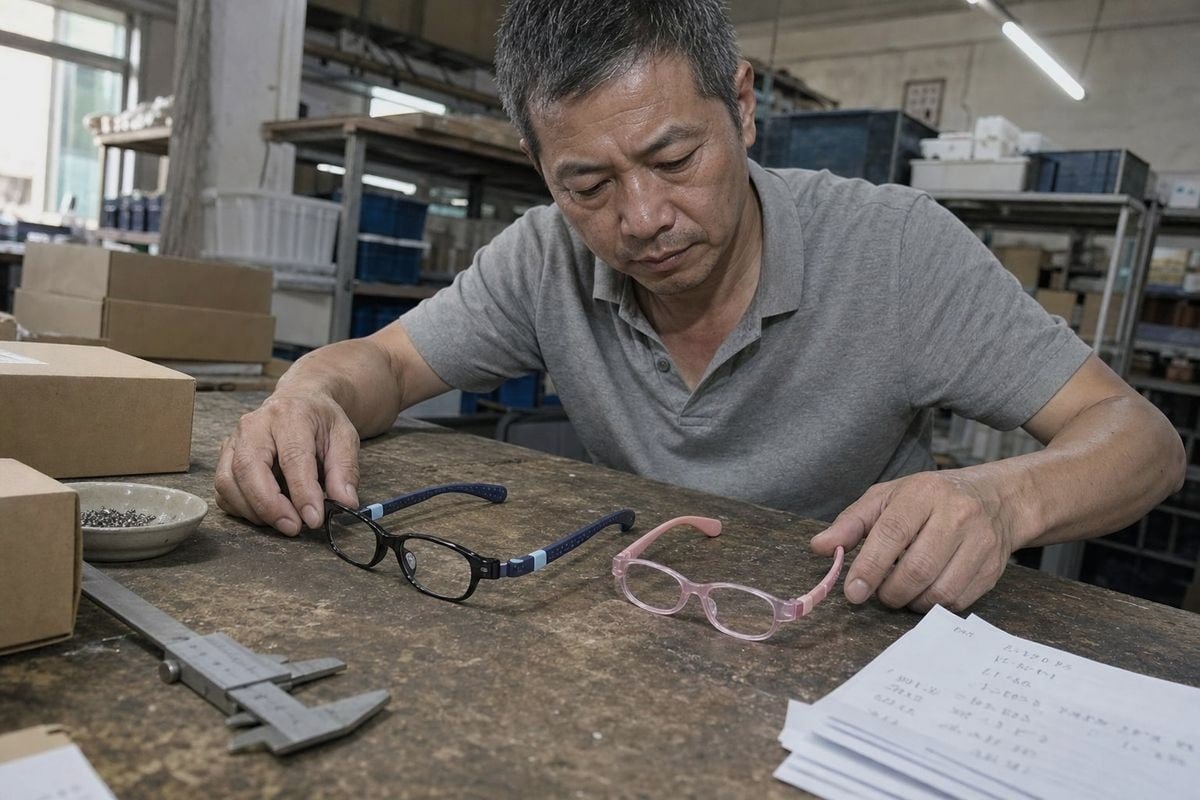
子供用光学フレームの素材オプションをサプライヤーから比較することは、多くのバイヤーを悩ませています。 REACH 1. 。私は、あるブランドがテストでテンプルが1本折れたためにシーズンを失うのを見てきました。私たちの台州の生産ラインでは、それを日常的に解決しています。.
子供用光学フレームの素材オプションをサプライヤーから比較するには、まず素材を子供の年齢に合わせ、次に各サプライヤーの第三者テストレポート、バッチの一貫性、ヒンジの品質、コーティングの安全性を検証します。サプライヤーを単なる単価ではなく、書類と品質管理で評価してください。.
その答えは簡単そうです。難しいのは、正しい順序で行うことです。以下では、素材の安全性、サプライヤーへの質問、実地テスト、そしてこれらすべてがブランドをどのように形成するかを説明します。バイヤーが最もよく尋ねる素材の質問から始めましょう。.
TR90とTPEEのどちらが子供用メガネフレームとしてより安全な選択肢かを知るにはどうすればよいですか?
オーストラリアのバイヤーから、ビデオ通話中にサンプルテンプルを180度曲げるように頼まれたことがあります。私はそれを20回行いました。そのTPEEテンプルは毎回跳ね返り、彼女はその週に最初の注文をしました。.
TR90もTPEEもどちらが普遍的に安全というわけではありません。適切な選択は年齢によります。TPEEはより柔らかく柔軟性があるため、幼児や非常に幼い子供に適しています。TR90メモリープラスチックは構造と柔軟性を兼ね備えており、学齢期の子供にとってより安全で実用的な選択肢となります。.
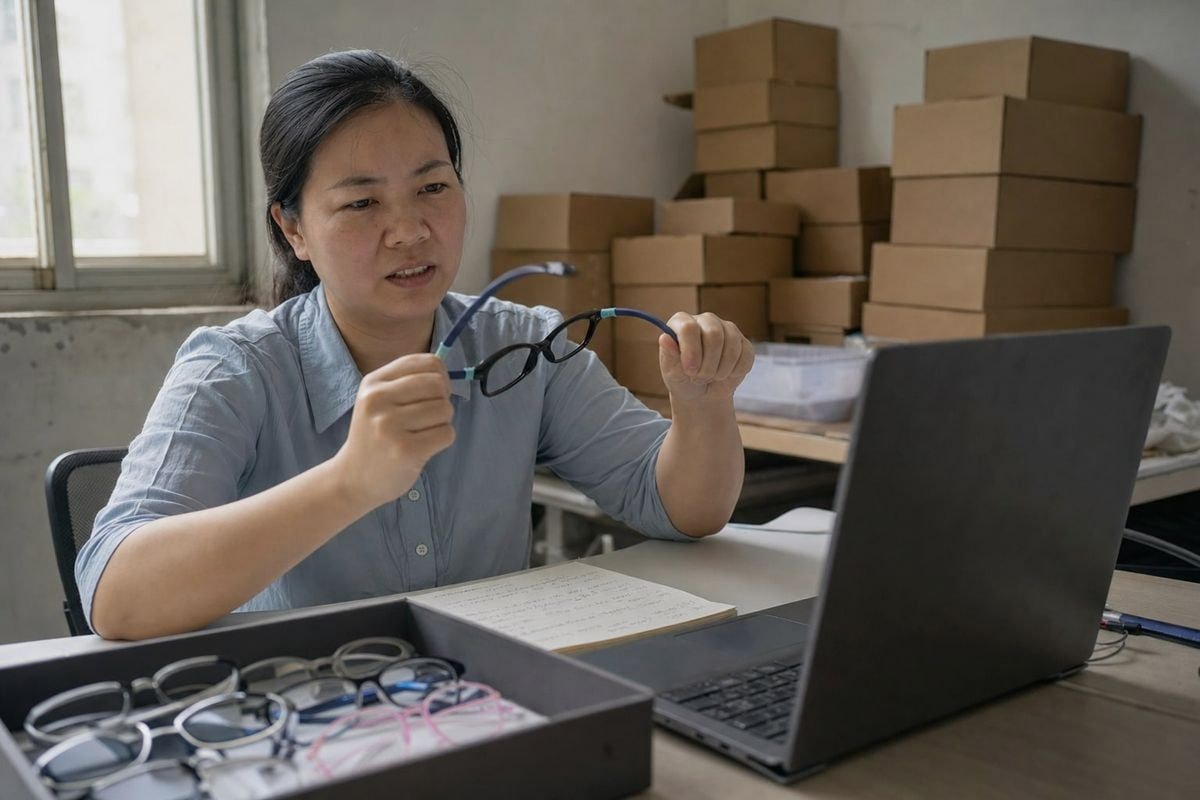
子供用アイウェアの安全性は、実際には2つの破損モードに関するものです。フレームが壊れて鋭利なエッジを作成する可能性があります。または、フレームがきつすぎて若い肌を刺激する可能性があります。TR90とTPEEはそれぞれ異なる方法でこれらのリスクを解決するため、しばしば組み合わせて使用します。.
まず素材を年齢層に合わせる
私たちのエンジニアは多くのハイブリッドスタイルを設計しています。レンズの安定性のためのTR90フロントと、 TPEE製フレキシブルフレーム 2 またはフレームが顔に触れる部分の柔らかさのためのテンプル。人気の子供用光学スタイルの一つは、光沢のあるTR90フロントとゴムのようなツートンカラーのテンプル、シリコン製テンプルチップ、そして遊び中の滑りにくいフィット感のための調節可能なイヤーフックを組み合わせています。その組み合わせは装飾ではありません。それは年齢に基づいたリスクエンジニアリングです。.
バイヤーと共有する比較を以下に示します。
| プロパティ | TR90メモリープラスチック | TPEE |
|---|---|---|
| 一般的なフレーム重量 | 12–15 g | 10–14 g |
| 柔軟性 | 高い; ねじれ後に形状に戻る | 非常に高い; ほぼゴム状 |
| 破損リスク | 非常に低い | ほぼゼロ |
| 何も外れない(EN 71-1ロジック) | 優れています; 保持します ポリカーボネート 3 しっかりと | 良好、構造化されたフロントで最適 |
| 最適な年齢範囲 | 約3〜16歳 | 約0〜6歳、または柔らかいテンプルとして |
| 肌触り | 良好; 滑らかで軽い | 優れています; 肌に柔らかい |
| スタイリングオプション | 幅広い色と仕上げ | より限定的なディテール |
参考までに、シリコンフレームは約8〜12 gで、0〜4歳に適しています。 柔軟なステンレス鋼 4 sits around 14–18 g for ages 7–16. So the practical rule is: soft materials for toddlers, TR90 memory plastic for school-age kids, and structured or metal options only for older children.
バイヤーがしばしば見落とすもう一つの点。どちらの素材も、仕様シートの単なる主張ではなく、低アレルギー性およびBPAフリーの認証をラボレポートで裏付ける必要があります。不注意な工場からの安全なポリマーでも、コーティング、ヒンジ、または着色剤が間違っていれば破損する可能性があります。これはサプライヤーへの質問に直接つながります。.
材料安全認証を検証するためにサプライヤーにどのような質問をすべきですか?
私が最も頻繁に考慮するトレードオフは、スピードと証明です。バイヤーは1週間でサンプルを欲しがが、実際の検証にはすべてのコンポーネントのテストレポートを確認する必要があります。子供用アイウェアを20か国以上に15年間輸出してきた経験から、早期に難しい質問をするバイヤーは常にスムーズな立ち上げをしています。.
サプライヤーに、SGS、Intertek、TÜVなどの認定ラボからの最新の第三者試験レポート、すべてのコンポーネントの材料証明書、CPSIAやREACHなどの市場固有のコンプライアンス証明、および一貫性を確認するための複数の生産バッチからのサンプルを要求してください。.
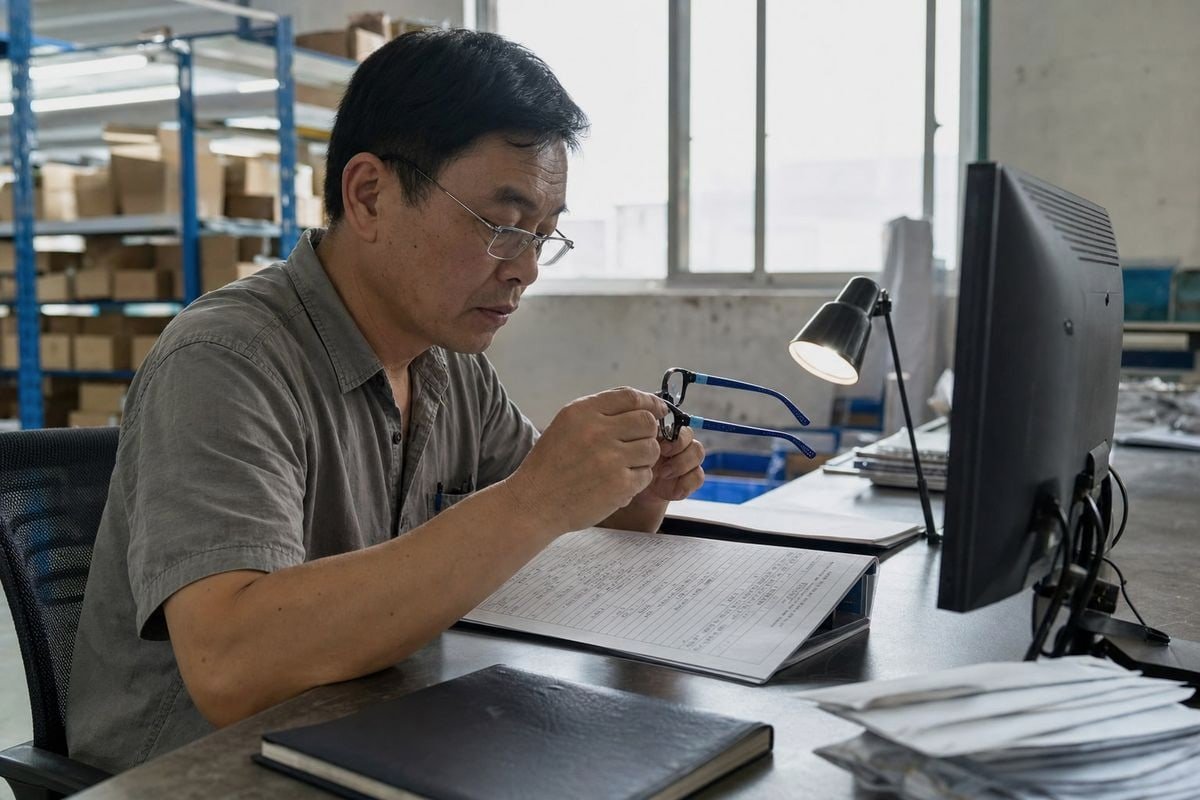
証明書は簡単に主張でき、簡単に偽造できます。あなたの仕事は、書類が目の前の製品と一致しているかどうかをテストすることです。真面目な工場はこれらの質問を期待します。未知の在庫を再販する商社は通常、これにつまずきます。.
サプライヤーに送信する正確な質問
- 過去12か月以内の第三者テストレポートを共有できますか? 古いレポートは、異なる樹脂バッチまたは古い着色剤レシピをカバーしている可能性があります。可能な場合は、ラボにレポート番号を直接確認してください。.
- レポートはすべてのコンポーネントをカバーしていますか? フレーム本体、鼻パッド、シリコン製テンプルチップ、ヒンジ、ネジ、コーティングはすべて子供の肌に触れます。テンプルチップのコーティングに 制限されたフタル酸エステル類 5.
- が含まれている場合、安全なTR90フロントはほとんど意味がありません。 CPSIA 6 レポートはどの市場を対象としていますか?.
- 米国では重要です。REACHおよびEN規格はヨーロッパでは重要です。「無毒」という一般的な主張はコンプライアンスではありません。曖昧な保証ではなく、市場固有の準備状況を求めてください。 使用される正確なカラーマスターバッチのBPAフリー認証および重金属試験結果を示すことができますか?.
- 色材は実行ごとに異なります。バッチトレーサビリティは、サプライヤーの品質管理プロトコルの真のテストです。 当社の5S管理ワークショップでは、原材料のTR90およびTPEEペレットは、生産に入る前にサプライヤー証明書に対してチェックされます。同じプロセスを説明するように任意の工場に依頼してください。曖昧な回答は警告の兆候です。.
- フレームとレンズの組み合わせの耐衝撃性基準の文書を提供していただけますか? 子供用レンズはポリカーボネートまたはトライベックスである必要があり、フレームリムはこれらの厚い安全レンズをしっかりと保持する必要があります。フレームとレンズの安全性は、個別にではなく、一緒に検証する必要があります。.
- 卸売製造のリードタイムはどのくらいですか?また、出荷前の検査を要求した場合、リードタイムは変更されますか? 正直なサプライヤーは、スケジュールに検査時間を組み込んでいます。検査の有無にかかわらず、同様のリードタイムを約束するサプライヤーは何かを伝えています。.
これらの質問が工場を不快にさせるのではないかと心配するバイヤーもいます。私の経験では、逆が起こります。コンプライアンスに投資している工場は、喜んで答えてくれます。回避する工場は、そもそもあなたのブランドを保護するつもりはありませんでした。.
大量注文をする前に、柔軟性と耐久性をどのようにテストできますか?
キャリアの初期に、私は苦い教訓を学びました。サンプルはすべてのデスクチェックをパスしましたが、生産バッチではわずかに異なるヒンジネジが使用されていました。返品が続きました。それ以来、私たちの工場では、サンプル段階のテストを量産のリハーサルとして扱っており、決して形式的なものではありません。.
テンプルを180度ひねり、ブリッジを繰り返し曲げ、ヒンジのサイクルを緩みがないか確認し、少なくとも2つの異なるバッチからのサンプルを比較してサンプルをテストします。サプライヤー自身のねじりおよびヒンジサイクル試験データを要求し、次に自身の現物合わせのチェックで検証します。.
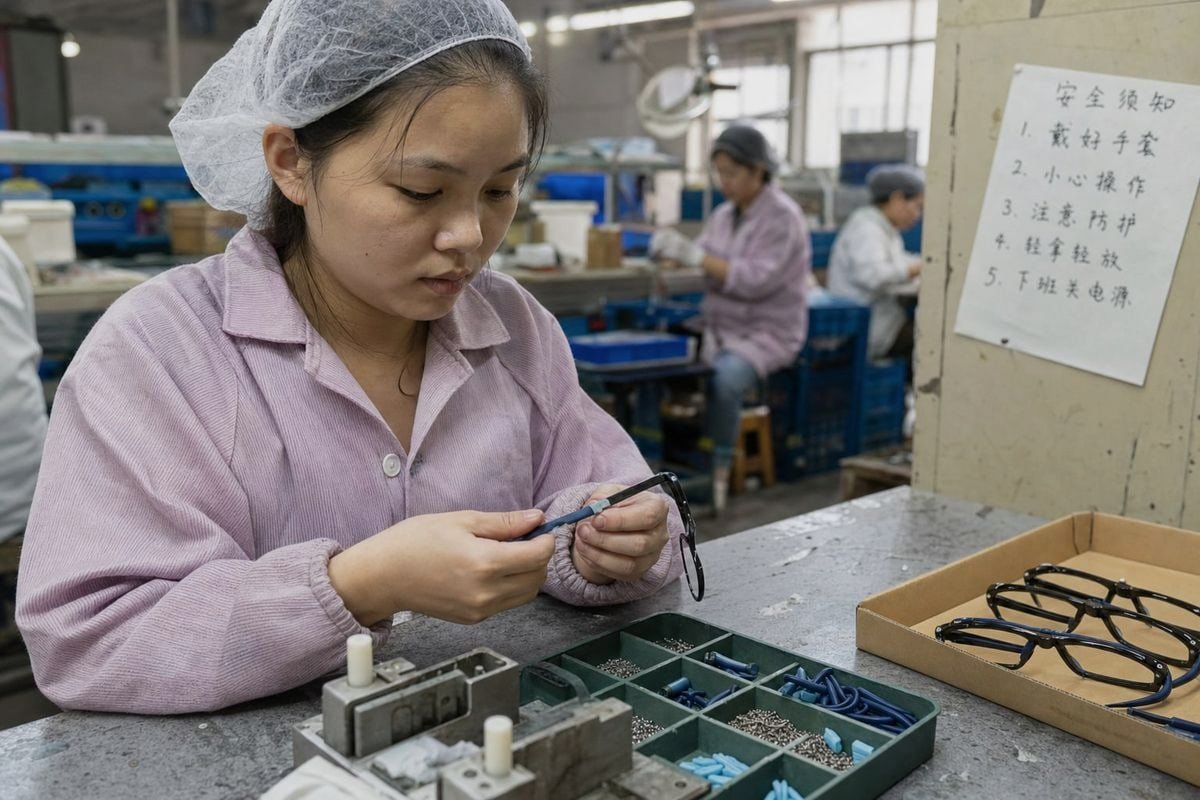
最初のパススクリーニングを実行するためにラボは必要ありません。反復可能なルーチンと複数のバッチからのサンプルが必要です。バッチ間の整合性は、1つの完璧なショールームサンプルよりも、欠陥率をはるかに良く予測します。.
実践的な実践的なテストルーチン
各サンプルで各チェックを実行し、結果を並べて記録します。
| テスト | 方法 | 合格のサイン |
|---|---|---|
| テンプルのひねり | テンプルを180度、20回ひねります。 | 平らに戻り、白化やひび割れはありません。 |
| ブリッジの柔軟性 | テンプルを通常の着用幅よりもはるかに広く広げます。 | フレームは元の形状にスプリングバックします。 |
| ヒンジサイクル | 各テンプルを200回以上開閉します。 | 緩み、きしみ、ぐらつきはありません。 |
| 落下テスト | テーブルの高さから硬い床に5回落下させます。 | ひび割れがなく、レンズは所定の位置に留まります。 |
| 何も外れない(EN 71-1ロジック) | 後ろからレンズをしっかりと押します。 | レンズが外れたりずれたりしません。 |
| コーティングの摩擦 | テンプルの先端を湿った布で50回こすります。 | 色移りや剥がれはありません。 |
| エッジチェック | すべての端とリベットに沿って指を走らせます。 | 丸みを帯びたエッジのみ、鋭利な点はありません。 |
サプライヤー自身のテストデータを要求する
有能な工場は、フレームの耐久性テストを内部で実行しており、その数値を提示できます。要求してください ヒンジサイクル数 7 子供の乱暴な取り扱いに合わせて調整されたねじり応力の結果。大人の着用パターンではありません。子供は大人よりもはるかに頻繁にメガネを調整し、落とし、座ります。スタイルでそれらを使用する場合、スプリングヒンジメカニズムもチェックしてください。180度のスプリングヒンジは、数百回のサイクルを通してスムーズに感じられ、ざらざらした抵抗がないはずです。.
最後に、2つ以上の生産前バッチからのサンプルを要求してください。クライアントのためにカスタムカラーウェイを開発するときは、バッチサンプルを送信して、柔軟性、仕上げ、フィット感が実行ごとに安定していることをバイヤーが確認できるようにします。サプライヤーが複数のバッチサンプルを送信することに抵抗する場合、それを回答と見なしてください。.
素材選びは、なぜ保護者からのブランドの長期的な品質評価に影響を与えるのでしょうか?
かつてヨーロッパのバイヤーが私に、チーム全体に繰り返していることを教えてくれました。親は傷ついたレンズは許しますが、子供を傷つけたフレームは決して許しません。その文は、約800の既存のスタイルすべてに使用する素材の選択方法を形作っています。.
親は、子供用アイウェアブランドを、フレームが実生活(激しい遊び、落下、日常的なねじれ)に耐えられるかどうかで判断します。素材の選択は、破損率、快適さ、返品率を左右するため、適切な素材はリピート購入と紹介につながりますが、間違った素材は静かに信頼を損ないます。.
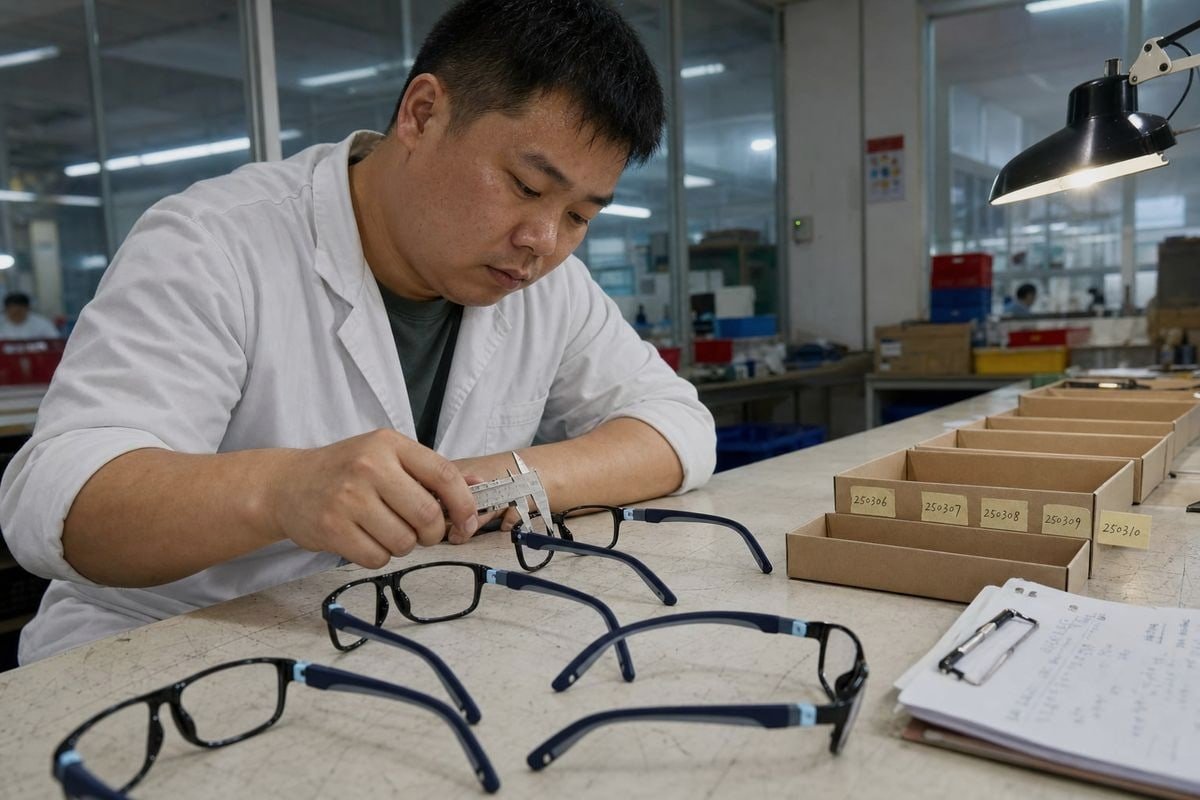
子供用フレームはリピート購入製品です。子供は成長し、処方は変わり、親は1〜2年ごとに戻ってきます。そのリピートサイクルで、素材の決定は評判に積み重なります。.
素材の決定が親の体験にどのように現れるか
原因と結果の連鎖を考えてみましょう。
- 重量は着用コンプライアンスを推進します。. 重いフレームは、未発達の鼻梁で滑り落ちます。子供は一日中それを押し上げ、そして着用を拒否します。軽量人間工学に基づいたデザインは、子供用眼鏡の贅沢品ではありません。それは、メガネが着用されるかどうかを決定します。.
- 柔軟性は破損率を推進します。. ひねりや落下に耐えるフレームは、保証請求、怒りのレビュー、利益を食い尽くす払い戻しが少なくなることを意味します。.
- 肌の快適さは毎日の満足度を推進します。. 真に低アレルギー性の素材と柔らかいシリコンのテンプルチップは、親がフィット感ではなくブランドを非難する原因となる耳の後ろの赤い跡を防ぎます。.
- 修理可能性は知覚価値を高めます。. テンプルやブリッジを個別に交換できるモジュラーパーツを提供するサプライヤーは、保護者がフレームの寿命を延ばし、ブランドを好意的に記憶するのに役立ちます。.
- ポジショニングは素材の階層を決定します。. より年長の子ども向けのプレミアムファッションラインを販売する場合、, セルロースアセテート 8 品質が重要であり、バイオベースでフタル酸エステルを含まないアセテートは、持続可能な素材に対する保護者の需要の高まりに応えます。アクティブな日常使いのフレームを販売する場合は、通常、TPEEテンプルを備えたTR90が、保護者が実際に支払う耐久性を提供します。.
一般的な反論があります。「安価な素材を使えば、より低価格でより多く販売できます。」それは一度だけ有効です。子供向け製品では、失敗に対する許容度は、大人向けファッションフレームよりもはるかに低くなります。2か月目にヒンジが壊れると、家族の次の3回の購入と、彼らがしたであろうすべての紹介を失うことになります。一部のサプライヤーは、遊び場での取り扱いによる細菌の増殖を減らすために抗菌表面処理さえ提供しており、保護者に製品を信頼するもう一つの理由を与えています。最も賢明な選択は、安全性、コンプライアンス、ブランドポジショニングを一致させることであり、最高または最低の価格ポイントではありません。.
結論
まず年齢適合性で素材を比較し、次に認証、バッチの一貫性、テスト規律でサプライヤーを評価します。子供とブランドを一緒に保護する素材とサプライヤーの組み合わせを選択してください。.
脚注
欧州の化学物質安全規制。欧州の眼鏡市場におけるコンプライアンスベンチマークとして引用されています。. ↩︎
TPEEなどの熱可塑性エラストマー素材を眼鏡に使用することについて説明している業界団体のリソース。. ↩︎
耐衝撃性レンズ素材であるポリカーボネートに関する背景情報。子供用眼鏡に推奨されています。. ↩︎
フレーム素材比較表に関連するステンレス鋼の特性に関する背景情報。. ↩︎
EPAのリソース。コーティングの安全性チェックで言及されている化学物質の危険性であるフタル酸エステルの健康リスクについて説明しています。. ↩︎
市場固有のテストのために参照されている子供向け製品の安全コンプライアンスを規制する米国の公式規制。. ↩︎
耐久性とヒンジサイクルテスト方法論に関連する標準化団体であるISOへのリンク。. ↩︎
プレミアムフレームのポジショニングと持続可能性の主張で参照されているアセテート素材について説明しています。. ↩︎

 English
  Español de México
  Deutsch
  Français
  日本語
日本語  العربية
  Português do Brasil