子供用サングラス:一括注文か季節ごとの補充か—コストと品切れリスクのバランスをどう取るか?
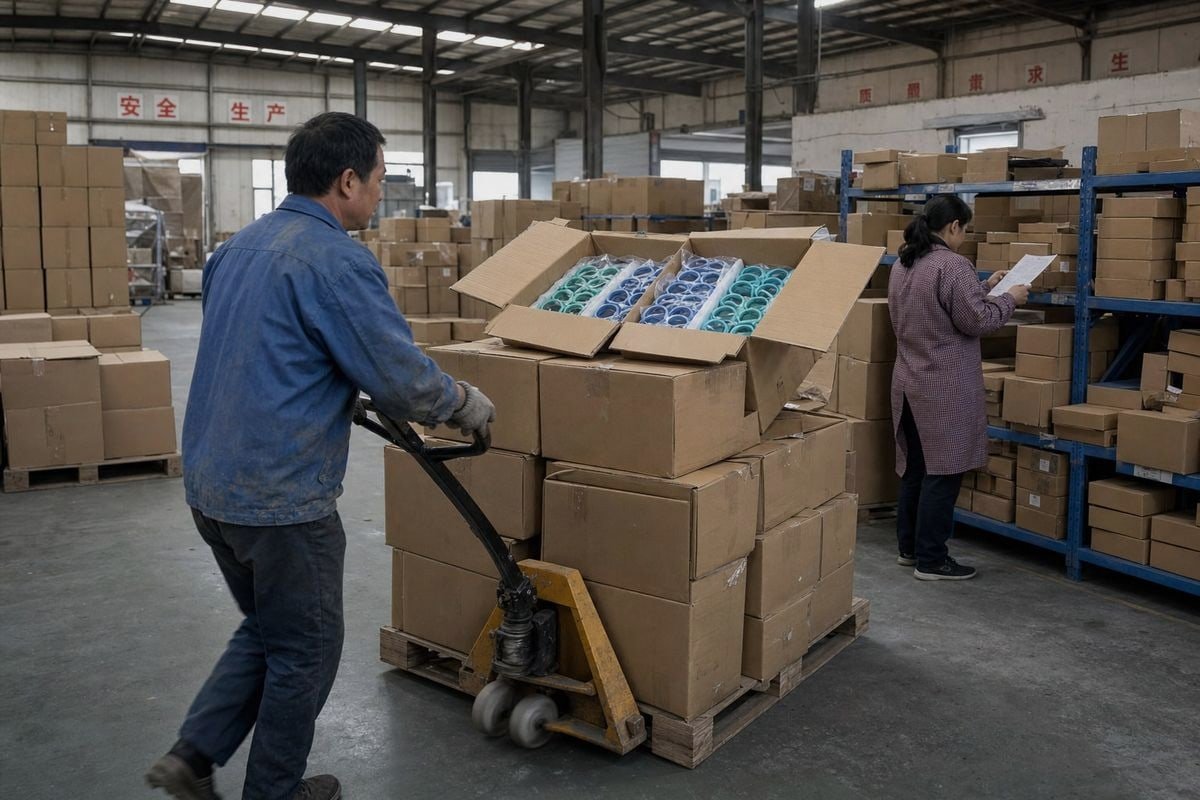
子供用サングラスのバイヤーは、私によくこう尋ねます。大量に安く注文するか、少量で安全に注文するか?台州の生産ラインでは、どちらの選択肢も毎シーズンうまくいかないのを見てきました。.
子供用サングラスの最良の戦略はハイブリッドです。実績のある、常に人気のあるUV400スタイルをまとめて注文して単価を下げ、次にトレンド主導のデザインのために小規模な季節ごとの再入荷を使用します。各SKUを需要予測可能性、サプライヤーのリードタイム、およびキャッシュ制約に合わせます。.
どちらのアプローチも単独では勝てません。以下では、MOQの計算方法、統合注文モデル、現実的なリードタイム、そしてカタログ選択がリスクをどのように削減するかを詳しく説明します。.
初めての大量注文で過剰なコミットメントを避けるために、適切なMOQをどのように計算しますか?
以前、オーストラリアのバイヤーから最初の注文で1つのスタイルを5,000個注文したいと依頼されました。私は混合注文にすることをお勧めしました。彼女は1年後に感謝しました。.
期待される週次売上から逆算します。予測される週次売上を販売シーズンの週数で掛け、2〜4週間の安全在庫を追加し、その数値をサプライヤーの最小発注数量と比較します。MOQが季節予測を下回った場合にのみ、大量注文を確定してください。.
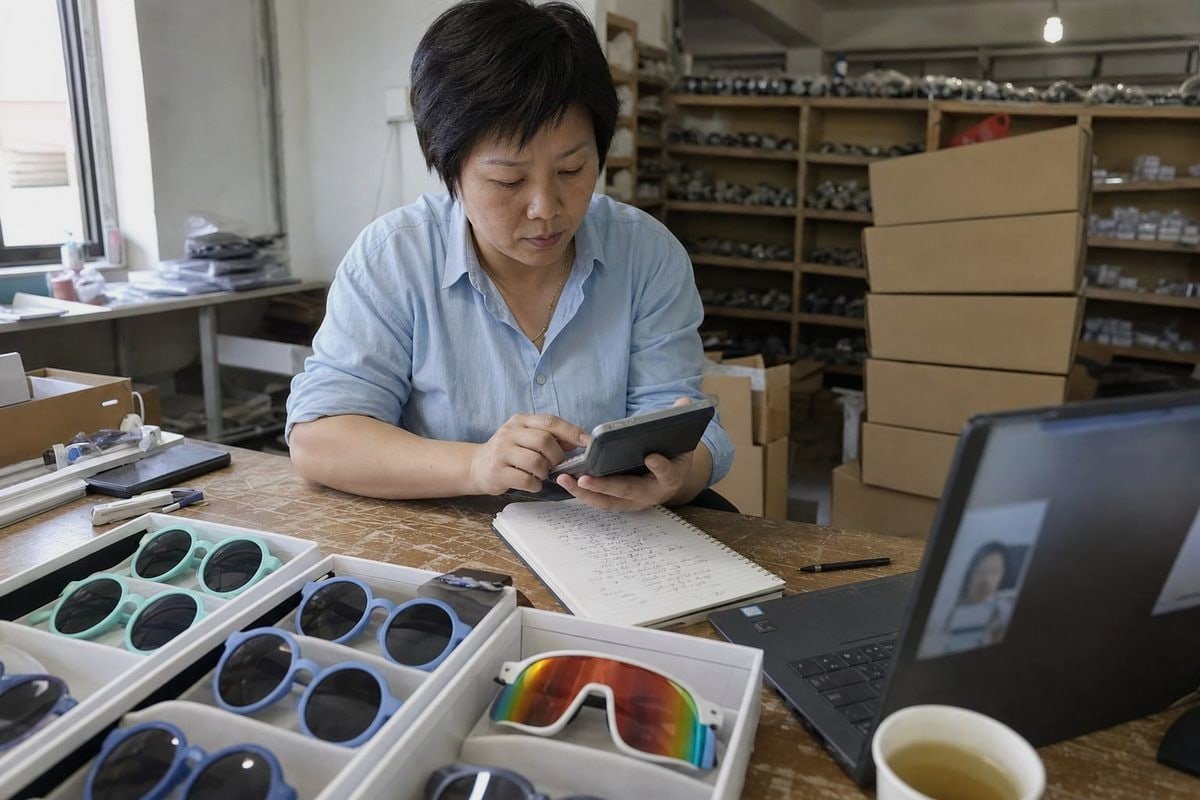
私が目にする最初の注文での最大のミスは、バイヤーが 卸売価格帯 1 に固執しすぎることです。需要ではなく。はい、数量が増えると単価は下がります。しかし、在庫の半分が来年1月に倉庫に眠っていて、保管費や倉庫費がかかるのであれば、割引は意味がありません。.
需要主導の計算から始めましょう
ここでは、新しいバイヤーに説明する簡単な計算方法を示します。
- チャネルのトラフィックや類似製品に基づいて、スタイルごとの週間の推定販売数量を計算します。.
- それを販売シーズンの長さ(夏場の市場では通常16〜20週間)に掛けます。.
- 平均販売量の2〜4週間分の安全在庫バッファーを追加します。.
- その合計をMOQと比較します。MOQが高い場合は、別のスタイルを選択するか、色を混ぜるか、交渉してください。.
コミットする前にMOQの種類を比較してください
MOQは、カスタマイズする内容によって大きく異なります。約800の既存の子供用スタイルからなる当社のカタログでは、バイヤーはしばしば低数量でモデルや色を混ぜることができます。完全なカスタムブランドの生産は、別のコミットメントです。.
| 注文タイプ | 一般的なMOQ範囲 | に最適 |
|---|---|---|
| 在庫スタイル、混合色 | 約20個/色/モデル | 最初の注文、市場テスト |
| あなたのロゴ入り在庫スタイル | モデルあたり数百個 | 確立された販売者のスケールアップ |
| フルカスタムカラー/レンズ/パッケージ | モデルあたり300〜600個 | 実績のあるヒット商品で安定した需要があるもの |
健全な 在庫回転率 2 は、最も安い請求書よりも重要です。ある光学ベンチマークが示唆するように、約2〜3ヶ月の在庫を 在庫販売比率 3 約0.167〜0.25で保持すると、キャッシュフローがスムーズになります。基本的な卸売ペアはしばしば2〜5ドルで、 偏光スタイル 4 は5〜12ドルで、小売価格は卸売価格の3〜6倍になります。それらの小売利益率は、控えめに注文しても十分に稼げる余裕を与えてくれるので、ボリュームディスカウントによって予測を超えないようにしてください。.
大量の事前注文と、同じ工場からのより迅速な季節ごとの再入荷を組み合わせることはできますか?
15年間のアイウェア製造において、最も収益性の高い長期クライアントは、ほぼすべて同じプレイブックを実行しています。1回のコアの一括購入の後、2〜3回の迅速な補充を行います。.
はい、そしてそれは最も強力なモデルです。季節の前に定番スタイルのコアバルク注文を行い、次に同じ工場で売れ筋商品に対して、より速く、より小さな補充を実行を手配します。既存の仕様の生産を繰り返すと、ツーリング、色、QC基準がすでに設定されているため、より速く出荷されます。.
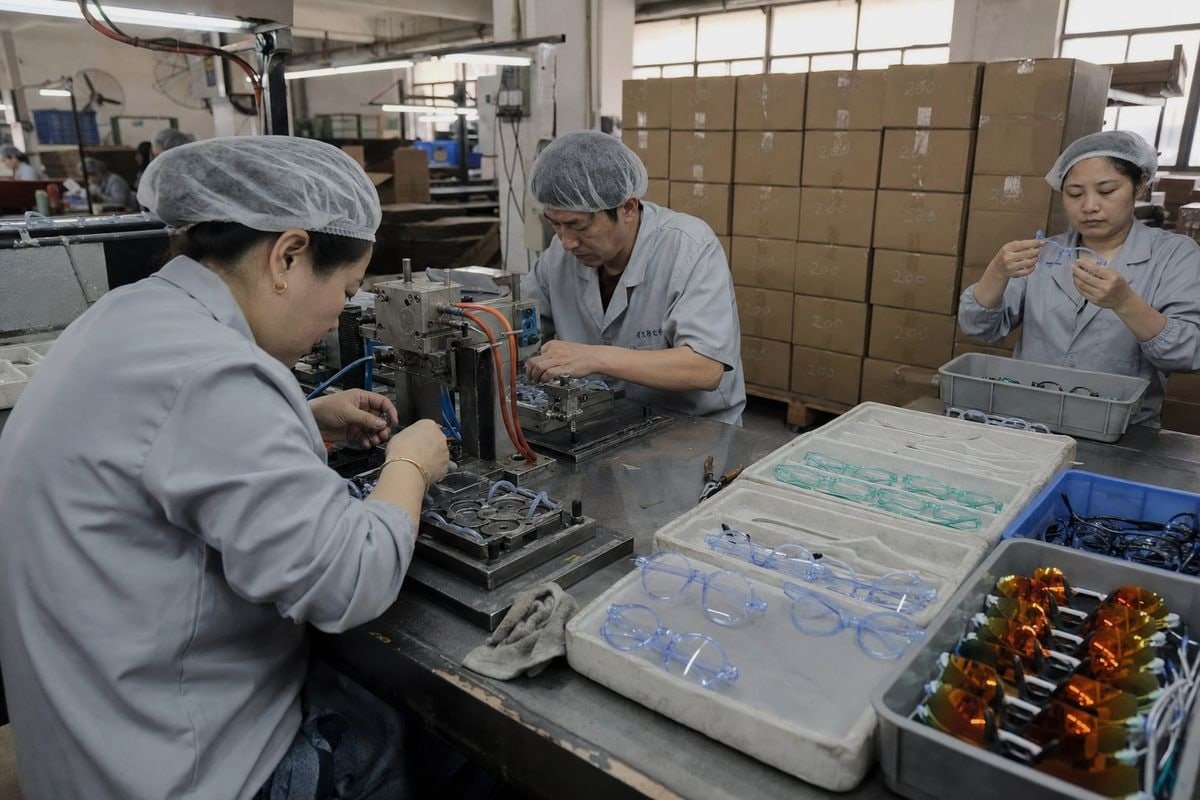
バルクファースト派は、コストを最小限に抑えるために、早期にボリュームを確保すると言います。補充ファースト派は、リーンを維持し、頻繁に再注文すると言います。どちらの側にも一理ありますが、どちらかを極端に押し出すと問題が発生します。すべてバルクで購入するバイヤーは、トレンドを逃した際の不良在庫に直面します。すべて補充で購入するバイヤーは、単価が高くなり、ピークシーズンのロジスティクスを賭けます。ハイブリッドモデル、時にはコア・アンド・ドロップと呼ばれるものは、それぞれの強みを取り入れています。.
ハイブリッド分割の実践的な仕組み
| 在庫ティア | 購入方法 | 例スタイル |
|---|---|---|
| コア(予算の60〜70%) | シーズン前のバルク注文 | クラシックな柔軟な丸型フレーム、実績のあるUV400カラー |
| 速い動き(20〜30%) | トリガーベースの補充 | ベストセラーのスポーツラップアラウンドシールド、トップグラデーションミラーレンズ |
| Testers (5–10%) | Small trial quantities | Trend colors, character-inspired looks, new shapes |
Once a tester sells through fast, it graduates into the restock tier. Once it proves stable across two seasons, it earns a place in next year's bulk buy.
Ask your factory about staged fulfillment
There is a further option many buyers miss. We sometimes produce a full bulk quantity in one run, then ship it in two or three batches. You keep the bulk-run unit price, but you delay part of the storage burden and the cash outlay for later shipments. Some buyers also negotiate flexible terms, such as mixed colors within one MOQ, or priority production slots for in-season restocks. A factory that already holds your color masters, lens specs, and packaging artwork can turn a repeat order around far faster than a new supplier ever could. That relationship is the real hedge against stockouts.
シーズン途中で在庫切れにならないように、どのくらいのリードタイムを計画すればよいですか?
Every March, our workshop schedule fills up fast. Buyers who confirm orders in January get comfortable slots. Buyers who call in May are already fighting for capacity.
標準的な製造には30〜45日、それに加えて配送時間を計画し、工場が予約でいっぱいになるピークシーズンにはバッファを追加してください。季節のピークが始まる4〜6週間前にコアの大量注文を行い、在庫が2〜4週間分ある間に補充をトリガーする再注文ポイントを設定してください。.
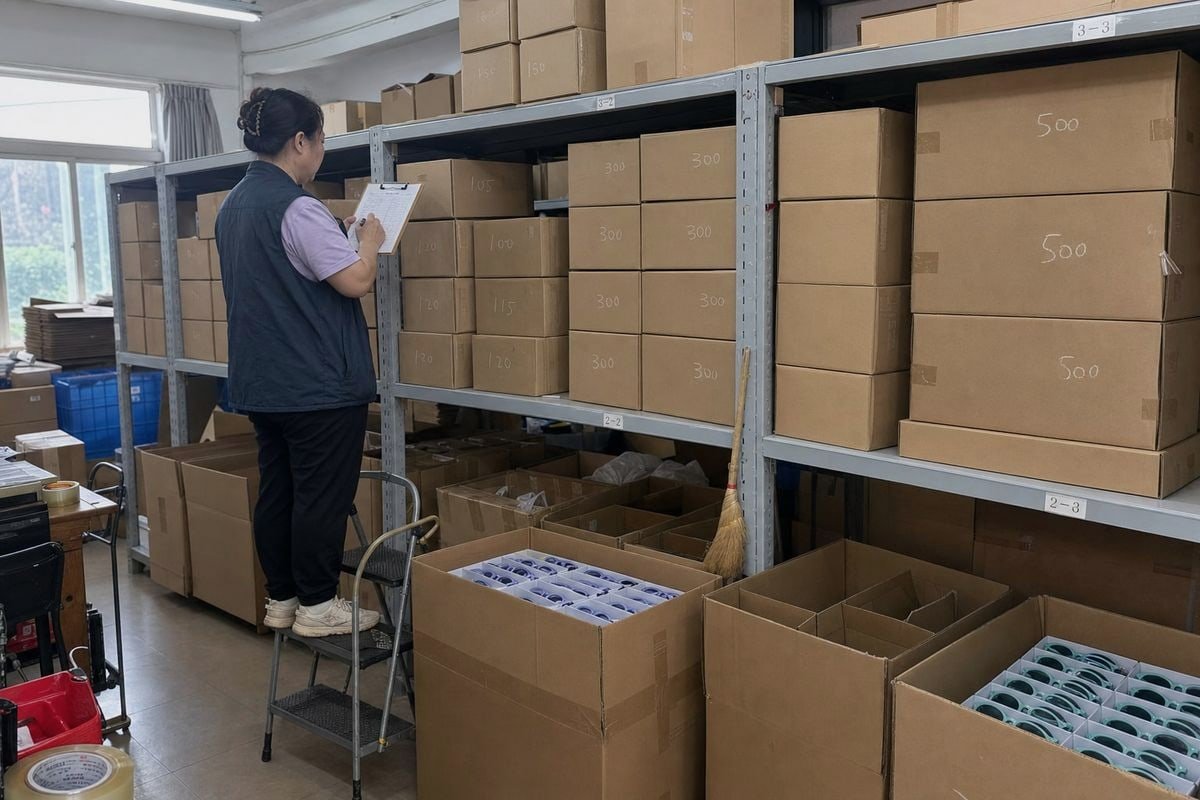
Supply chain lead times are where seasonal restocking strategies quietly fail. A restock model looks lean and safe on a spreadsheet. But if your reorder lands in the middle of peak season logistics congestion, a 35-day production window can stretch, and you miss the exact weeks when children's sunglasses sell hardest.
Build a seasonal ordering calendar
Seasonal demand forecasting for kids eyewear centers on two windows: summer and back-to-school. Vacations, outdoor sports, party favors, and gifting all spike demand around them. Work backward from each window:
| マイルストーン | タイミング | なぜそれが重要なのか |
|---|---|---|
| Confirm core bulk order | 3–4 months before peak | Secures production capacity and pricing |
| Bulk stock arrives | 4–6 weeks before peak | Aligns with guidance to build inventory ahead of seasonal spikes |
| First restock trigger | Early peak, at reorder point | Restock arrives before mid-season sell-out |
| Final restock cutoff | Mid-peak | Later orders risk arriving after demand fades |
Treat safety stock as a dynamic tool
Safety stock levels should flex, not sit fixed. One common rule is 7–10 days of cover for top performers; a stricter framework holds 2–4 weeks of average sales for critical SKUs. The right answer depends on your sales velocity and your supplier's reliability. When lead times extend into peak season, widen the buffer. When your factory has proven fast on repeats, you can run leaner. Some advanced retailers even use regional UV-index data or virtual try-on engagement 5 as early demand signals, triggering micro-restocks before sales data confirms the trend. Before any order, confirm three things in writing: lead time, current production capacity, and payment terms.
既存のカタログからスタイルを選択して、一括注文のリスクを軽減するにはどうすればよいですか?
When a Japanese baby brand first reviewed our catalog, they were tempted to develop a fully custom frame. We suggested testing three existing styles first. Two became their bestsellers.
実績のあるカタログスタイルを選び、最初の大量注文ではカスタム金型を避けてください。柔軟で安全なUV400保護フレームを優先し、予算を定番の形状と1つか2つのトレンドスタイルに分散させ、単一のデザインをスケールアップする前に少量でテストしてください。.
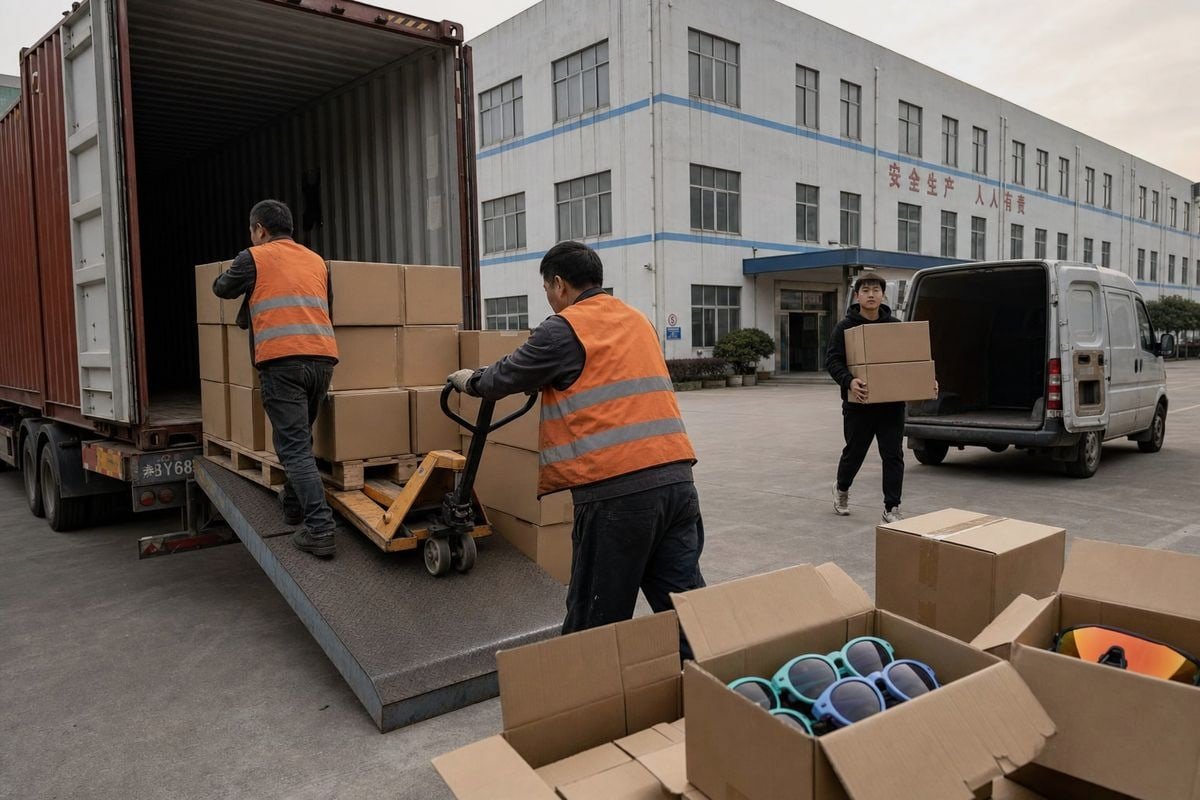
An existing catalog is the cheapest insurance policy in kids sunglasses wholesale. With around 800 ready styles in our range, a new brand can launch without any mold investment 6. That removes the single largest fixed cost from the equation and lets you spread your budget across more SKUs, which directly lowers the odds that one wrong bet sinks the season.
Anchor on function first, fashion second
Kids sunglasses are a functional purchase before they are a fashion one. Parents check protection and safety before color. So your core bulk picks should always meet the functional baseline:
- UV400保護 7 standards on every lens, no exceptions.
- Flexible, impact-resistant materials such as TPEE and TR90, which bend instead of snapping on a child's face.
- Age-appropriate sizing, since a frame that slips off never gets worn.
- Polarized lens technology for premium tiers, which supports higher retail pricing.
Take the two design directions in our own range as an example. A soft two-tone round frame in periwinkle and mint, made of flexible matte material, is a classic evergreen: it sells steadily every summer and belongs in the bulk tier. A sport wraparound shield with an orange-to-yellow gradient mirror lens is bolder and more trend-sensitive: it can spike hard during sports seasons but deserves a tester or restock allocation until it proves itself.
Use test-and-scale as your default motion
Order small mixed quantities across 5–10 styles. Track sell-through for four to six weeks. Then concentrate your bulk budget on the top two or three performers. Because catalog styles need no tooling, scaling a winner is fast, and dropping a loser costs almost nothing. Full OEM/ODM customization, with your colors, logo, and retail-ready packaging, makes sense as the second step, applied only to styles the market has already validated.
結論
Bulk orders cut costs; restocks cut risk. The winning move is matching each SKU to its predictability—bulk your proven core, restock your fast movers, test the rest.
脚注
1. Definition of wholesale commerce and pricing structures for bulk buyers. ↩︎
2. Authoritative Wikipedia entry providing the standard definition and formula for inventory turnover. ↩︎
3. Industry standard definition for measuring inventory levels against sales performance. ↩︎
4. Technical explanation of how polarized lenses function to reduce glare. ↩︎
5. Industry definition of virtual try-on technology in modern retail marketing. ↩︎
6. Technical overview of injection molding processes used in eyewear manufacturing. ↩︎
7. Authoritative medical guidance on UV protection standards for sunglasses. ↩︎



 English
  Español de México
  Deutsch
  Français
  日本語
日本語  العربية
  Português do Brasil