Kids Sunglasses: Bulk Order vs Seasonal Restocks—How to Balance Cost and Stockout Risk?
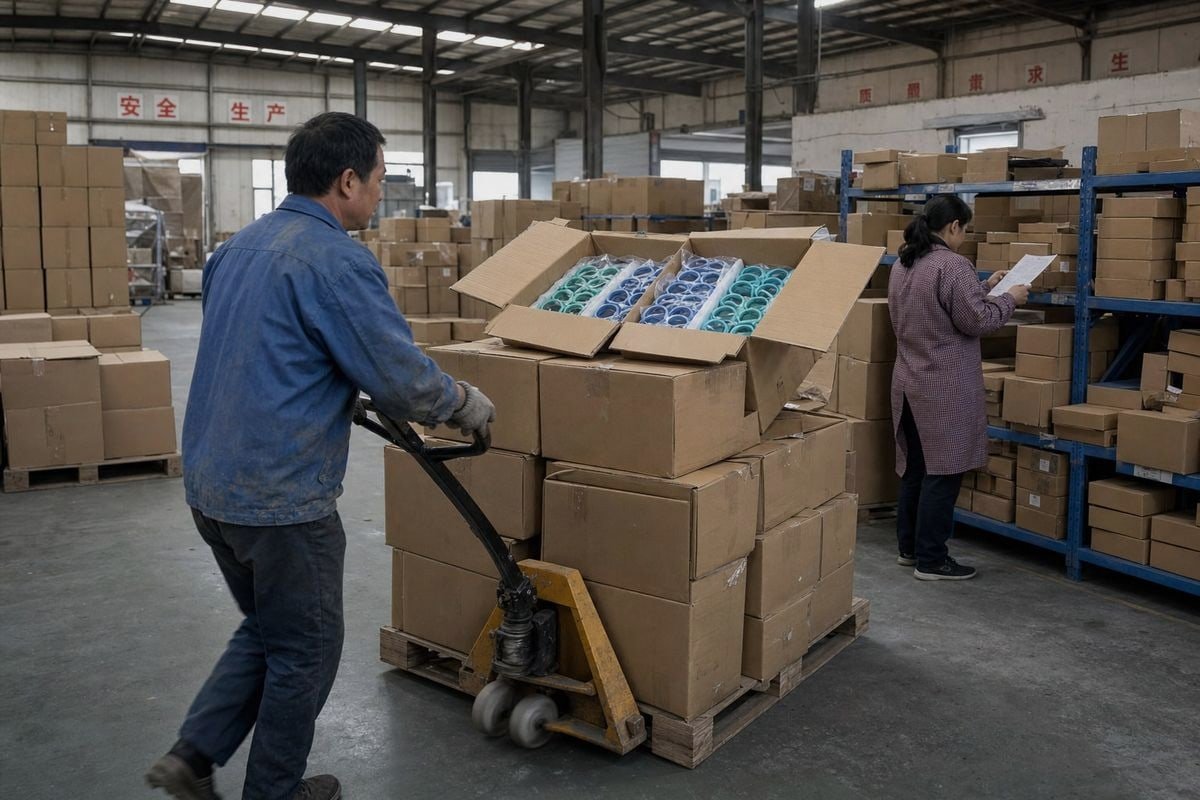
Kids sunglasses buyers ask me this constantly: order big and cheap, or small and safe? On our production line in Taizhou, I see both choices go wrong every season.
The best strategy for kids sunglasses is a hybrid: place a bulk order for proven, evergreen UV400 styles to lock in lower unit costs, then use smaller seasonal restocks for trend-driven designs. Match each SKU to its demand predictability, supplier lead time, and your cash constraints.
Neither approach wins on its own. Below, I break down MOQ math, combined ordering models, realistic lead times, and how catalog selection cuts your risk.
How do I calculate the right MOQ for my first bulk order without overcommitting?
A buyer from Australia once asked us for 5,000 pieces of one style on her first order. I talked her down to a mixed order. She thanked me a year later.
Work backward from expected weekly sales. Multiply your projected weekly sell-through by the weeks in your selling season, add 2–4 weeks of safety stock, and compare that number against the supplier's minimum order quantity. Only commit to bulk volume when the MOQ sits below your seasonal forecast.
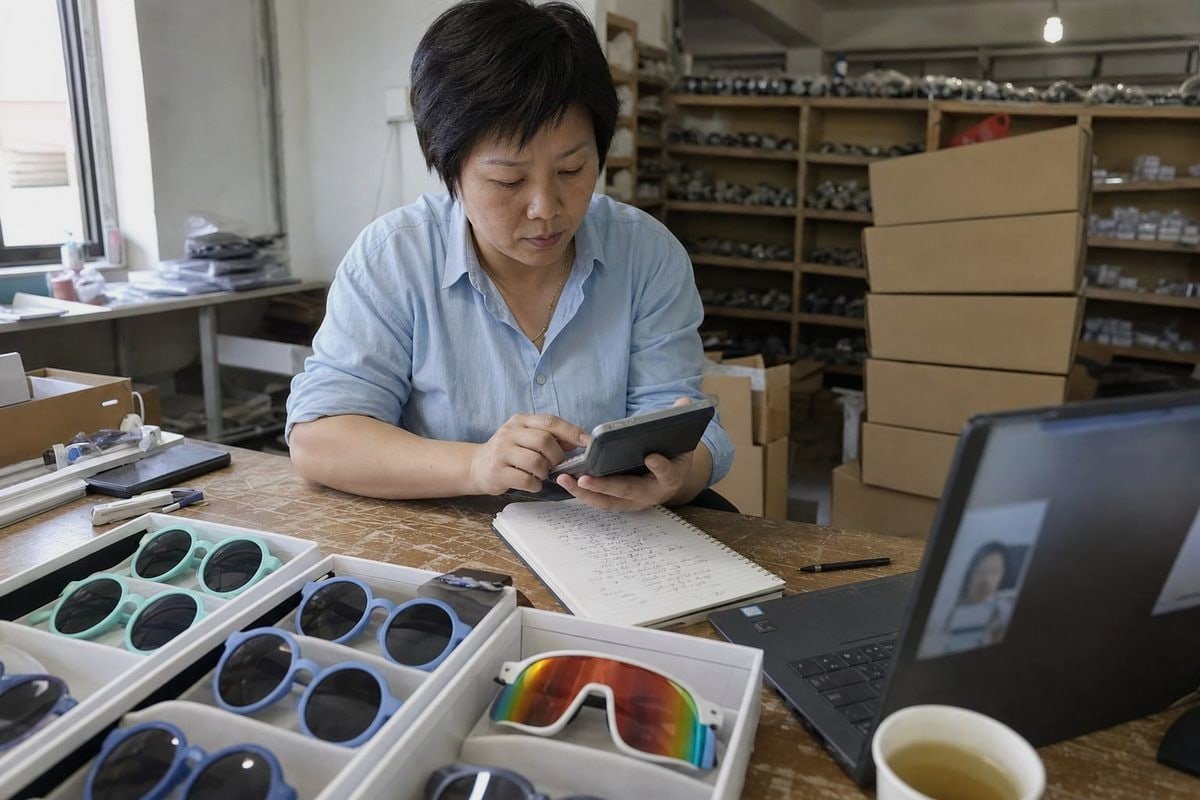
The biggest first-order mistake I see is buyers anchoring on wholesale pricing tiers 1 instead of demand. Yes, unit cost drops as volume rises. But a discount means nothing if half the stock sits in your warehouse next January, eating storage and warehousing costs.
Start with a demand-first calculation
Here is the simple math I walk new buyers through:
- Estimate weekly unit sales per style, based on your channel traffic or comparable products.
- Multiply by your selling season length, typically 16–20 weeks for summer-driven markets.
- Add a safety stock buffer of 2–4 weeks of average sales.
- Compare that total to the MOQ. If the MOQ is higher, choose a different style, mix colors, or negotiate.
Compare MOQ types before committing
MOQs vary enormously depending on what you customize. From our catalog of roughly 800 existing kids styles, buyers can often mix models and colors at low quantities. Full custom-branded production is a different commitment.
| Tipo de pedido | Rango típico de MOQ | Lo mejor para |
|---|---|---|
| Stock styles, mixed colors | ~20 pieces per color/model | First orders, market testing |
| Stock styles with your logo | Low hundreds per model | Established sellers scaling up |
| Full custom color/lens/packaging | 300–600 pieces per model | Proven winners with stable demand |
A healthy ratio de rotación de inventario 2 matters more than the cheapest invoice. As one optical benchmark suggests, holding roughly 2–3 months of inventory with a stock-to-sales ratio 3 around 0.167 to 0.25 keeps cash moving. Basic wholesale pairs often land around $2–$5 and polarized styles 4 $5–$12, with retail at 3x–6x wholesale. Those retail profit margins give you room to order conservatively and still earn well, so do not let a volume discount push you past your forecast.
Can I combine a large upfront order with faster seasonal restocks from the same factory?
In our 15 years of eyewear production, the most profitable long-term clients almost all run the same playbook: one core bulk buy, then two or three quick top-ups.
Yes, and it is the strongest model. Place a core bulk order for evergreen styles before the season, then arrange faster, smaller replenishment runs for fast movers with the same factory. Repeat production of an existing spec ships faster because tooling, colors, and QC standards are already set.
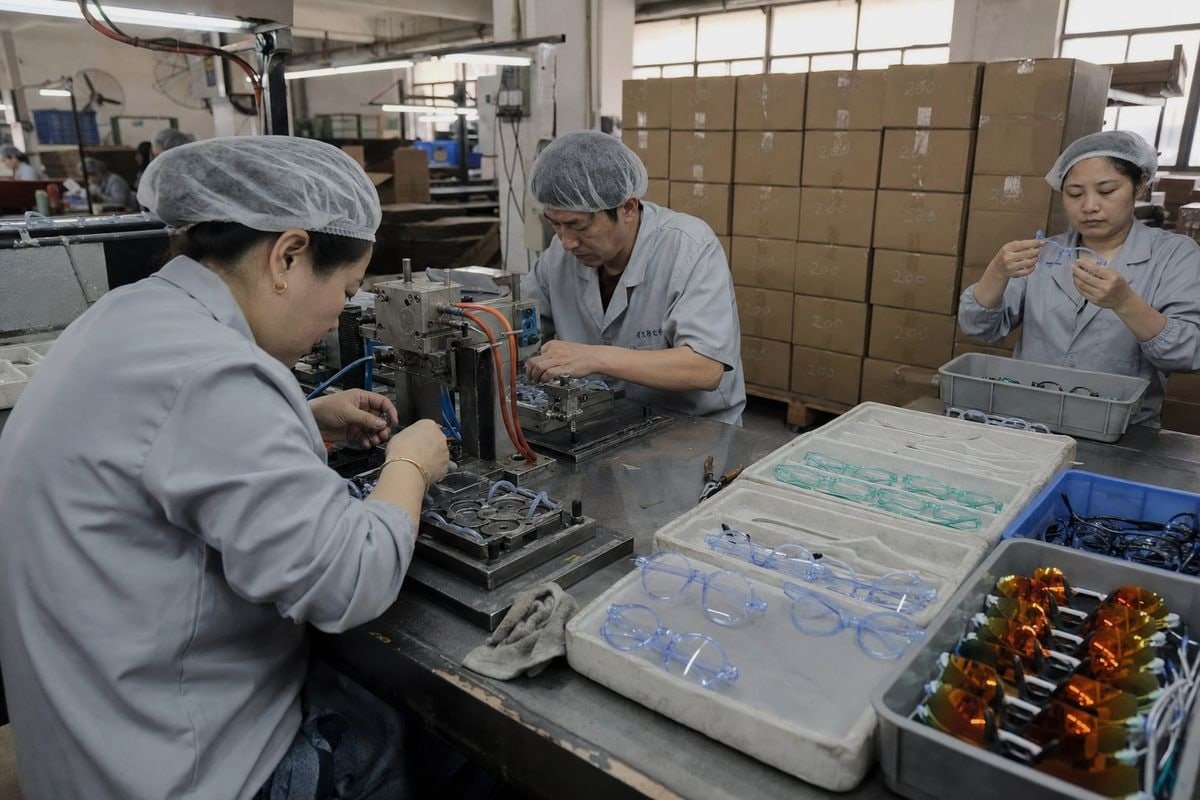
The bulk-first camp says lock in volume early for the lowest cost. The replenishment-first camp says stay lean and reorder often. Both sides have a point, but pushing either to the extreme creates problems. All-bulk buyers face dead stock on trend misses. All-restock buyers pay higher unit prices and gamble on peak season logistics. The hybrid model, sometimes called Core-and-Drop, takes the strength of each.
How the hybrid split works in practice
| Inventory tier | Buying method | Example styles |
|---|---|---|
| Core (60–70% of budget) | Pre-season bulk order | Classic flexible round frames, proven UV400 colors |
| Fast movers (20–30%) | Trigger-based restocks | Best-selling sport wraparound shields, top gradient mirror lenses |
| Testers (5–10%) | Small trial quantities | Trend colors, character-inspired looks, new shapes |
Once a tester sells through fast, it graduates into the restock tier. Once it proves stable across two seasons, it earns a place in next year's bulk buy.
Ask your factory about staged fulfillment
There is a further option many buyers miss. We sometimes produce a full bulk quantity in one run, then ship it in two or three batches. You keep the bulk-run unit price, but you delay part of the storage burden and the cash outlay for later shipments. Some buyers also negotiate flexible terms, such as mixed colors within one MOQ, or priority production slots for in-season restocks. A factory that already holds your color masters, lens specs, and packaging artwork can turn a repeat order around far faster than a new supplier ever could. That relationship is the real hedge against stockouts.
What lead times should I plan for so I don't run out of stock mid-season?
Every March, our workshop schedule fills up fast. Buyers who confirm orders in January get comfortable slots. Buyers who call in May are already fighting for capacity.
Plan 30–45 days for standard production, plus shipping time, and add a buffer during peak season when factories book out. Place core bulk orders 4–6 weeks before your seasonal peak begins, and set reorder points that trigger restocks while you still hold 2–4 weeks of stock.
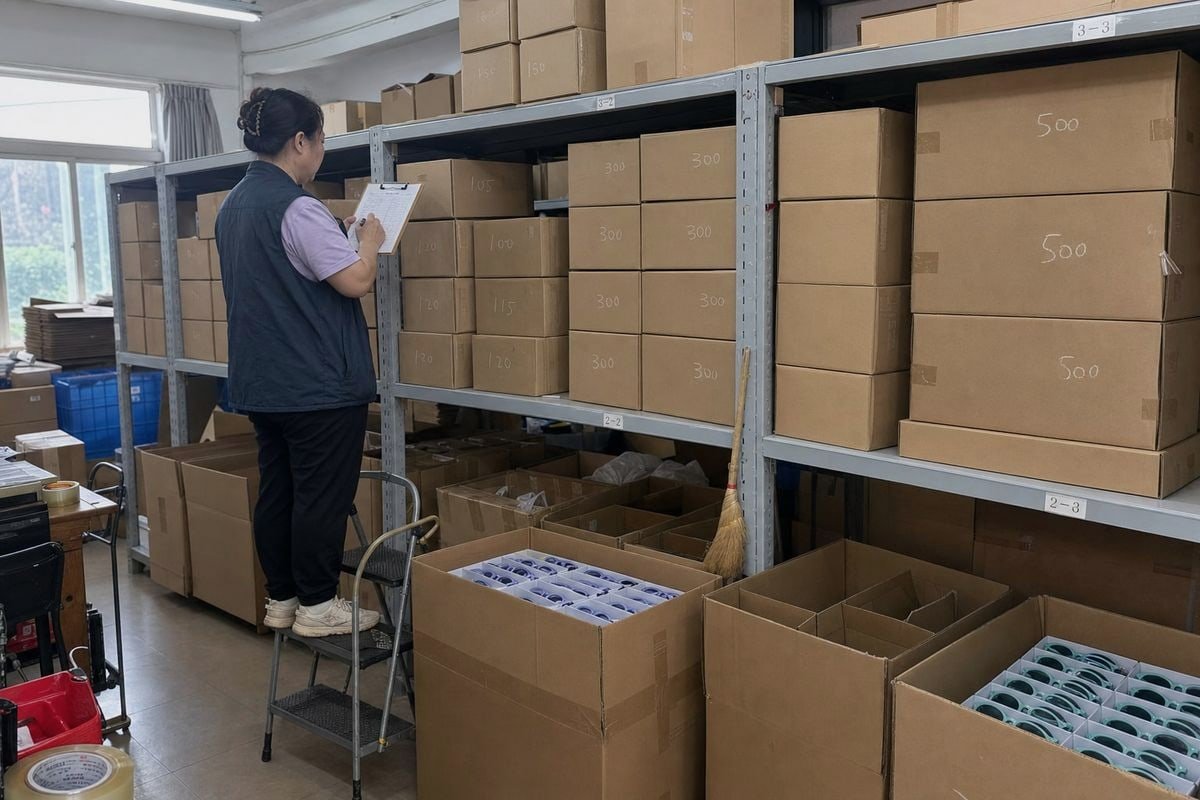
Supply chain lead times are where seasonal restocking strategies quietly fail. A restock model looks lean and safe on a spreadsheet. But if your reorder lands in the middle of peak season logistics congestion, a 35-day production window can stretch, and you miss the exact weeks when children's sunglasses sell hardest.
Build a seasonal ordering calendar
Seasonal demand forecasting for kids eyewear centers on two windows: summer and back-to-school. Vacations, outdoor sports, party favors, and gifting all spike demand around them. Work backward from each window:
| Hito | Momento | Por qué importa |
|---|---|---|
| Confirm core bulk order | 3–4 months before peak | Secures production capacity and pricing |
| Bulk stock arrives | 4–6 weeks before peak | Aligns with guidance to build inventory ahead of seasonal spikes |
| First restock trigger | Early peak, at reorder point | Restock arrives before mid-season sell-out |
| Final restock cutoff | Mid-peak | Later orders risk arriving after demand fades |
Treat safety stock as a dynamic tool
Safety stock levels should flex, not sit fixed. One common rule is 7–10 days of cover for top performers; a stricter framework holds 2–4 weeks of average sales for critical SKUs. The right answer depends on your sales velocity and your supplier's reliability. When lead times extend into peak season, widen the buffer. When your factory has proven fast on repeats, you can run leaner. Some advanced retailers even use regional UV-index data or virtual try-on engagement 5 as early demand signals, triggering micro-restocks before sales data confirms the trend. Before any order, confirm three things in writing: lead time, current production capacity, and payment terms.
How do I choose styles from an existing catalog to reduce my bulk order risk?
When a Japanese baby brand first reviewed our catalog, they were tempted to develop a fully custom frame. We suggested testing three existing styles first. Two became their bestsellers.
Choose proven catalog styles instead of custom molds for your first bulk orders. Prioritize flexible, safe frames with UV400 protection, split your budget across evergreen shapes and one or two trend styles, and test small quantities before scaling any single design.
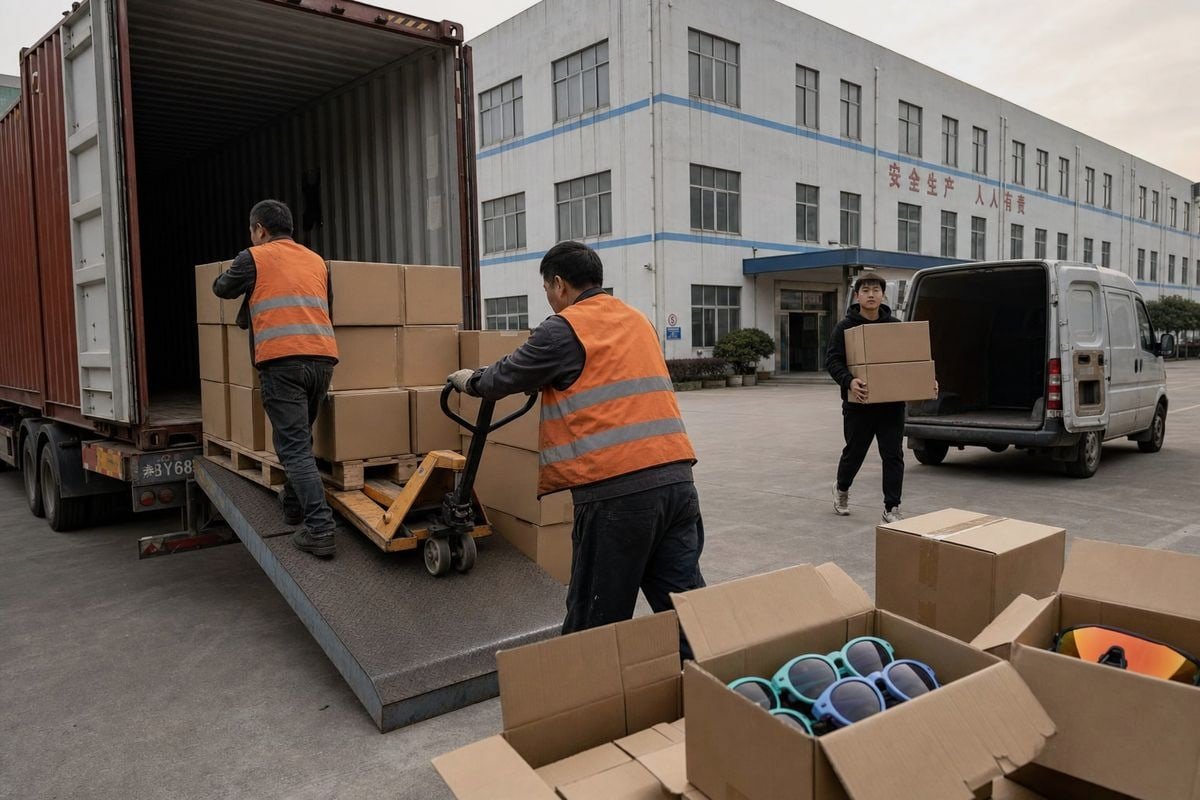
An existing catalog is the cheapest insurance policy in kids sunglasses wholesale. With around 800 ready styles in our range, a new brand can launch without any mold investment 6. That removes the single largest fixed cost from the equation and lets you spread your budget across more SKUs, which directly lowers the odds that one wrong bet sinks the season.
Anchor on function first, fashion second
Kids sunglasses are a functional purchase before they are a fashion one. Parents check protection and safety before color. So your core bulk picks should always meet the functional baseline:
- Protección UV400 7 standards on every lens, no exceptions.
- Flexible, impact-resistant materials such as TPEE and TR90, which bend instead of snapping on a child's face.
- Age-appropriate sizing, since a frame that slips off never gets worn.
- Polarized lens technology for premium tiers, which supports higher retail pricing.
Take the two design directions in our own range as an example. A soft two-tone round frame in periwinkle and mint, made of flexible matte material, is a classic evergreen: it sells steadily every summer and belongs in the bulk tier. A sport wraparound shield with an orange-to-yellow gradient mirror lens is bolder and more trend-sensitive: it can spike hard during sports seasons but deserves a tester or restock allocation until it proves itself.
Use test-and-scale as your default motion
Order small mixed quantities across 5–10 styles. Track sell-through for four to six weeks. Then concentrate your bulk budget on the top two or three performers. Because catalog styles need no tooling, scaling a winner is fast, and dropping a loser costs almost nothing. Full OEM/ODM customization, with your colors, logo, and retail-ready packaging, makes sense as the second step, applied only to styles the market has already validated.
Conclusión
Bulk orders cut costs; restocks cut risk. The winning move is matching each SKU to its predictability—bulk your proven core, restock your fast movers, test the rest.
Notas al pie
1. Definition of wholesale commerce and pricing structures for bulk buyers. ↩︎
2. Authoritative Wikipedia entry providing the standard definition and formula for inventory turnover. ↩︎
3. Industry standard definition for measuring inventory levels against sales performance. ↩︎
4. Technical explanation of how polarized lenses function to reduce glare. ↩︎
5. Industry definition of virtual try-on technology in modern retail marketing. ↩︎
6. Technical overview of injection molding processes used in eyewear manufacturing. ↩︎
7. Authoritative medical guidance on UV protection standards for sunglasses. ↩︎
Más artículos que te podrían gustar

1 de agosto de 2026
¿Debería la fábrica encargarse del embalaje y etiquetado de las gafas de sol para niños, o utilizar un proveedor designado?

1 de agosto de 2026
Almacén propio vs. Cumplimiento directo del proveedor: ¿Qué reduce los costos de devolución para las marcas de gafas de sol para niños?

1 de agosto de 2026
Directo al almacén del puerto o staging en el extranjero: ¿Cuál ahorra más en el envío de gafas de sol para niños?
¿Buscas un socio confiable en gafas para niños?
Explore más de 800 estilos listos y soporte OEM/ODM completo adaptado a su marca.
Ponte en contacto English
  Español de México
  Deutsch
  Français
  日本語
日本語  العربية
  Português do Brasil