How to Balance SKU Width vs. Inventory Depth for Kids’ Sunglasses?
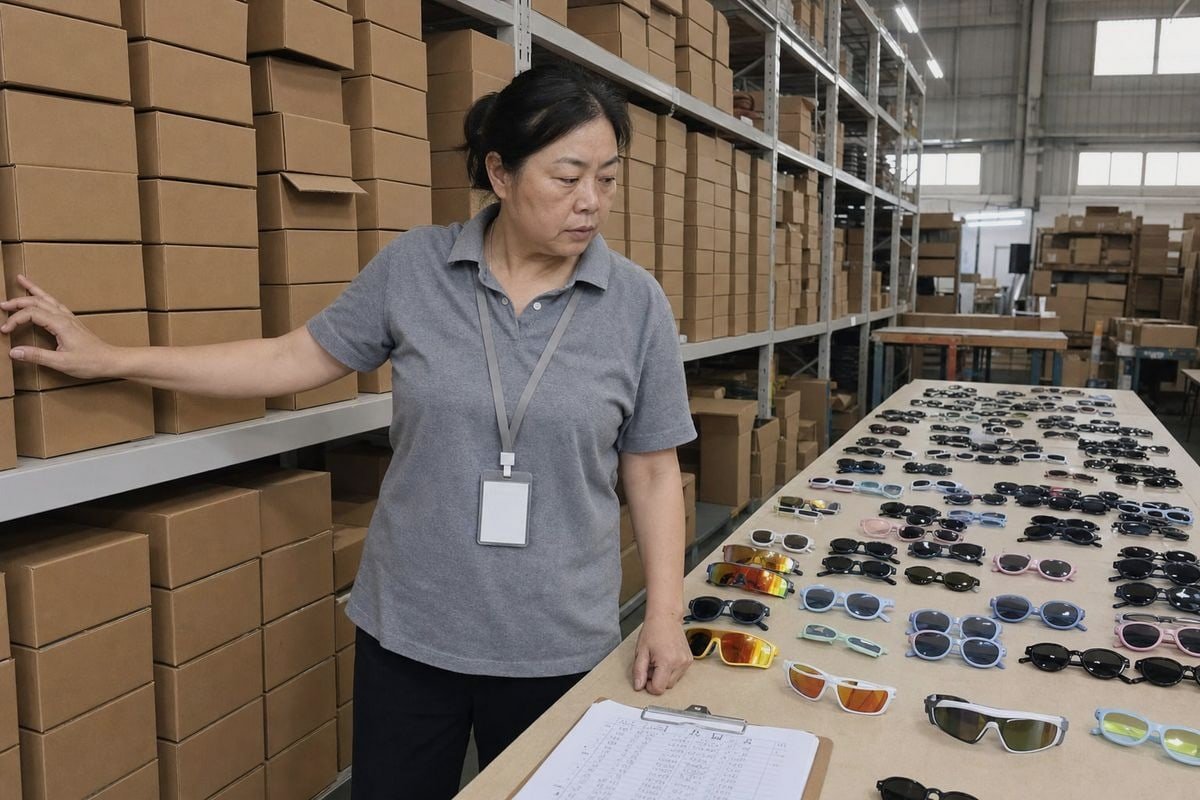
Every season, buyers ask me the same question about SKU width vs. inventory depth for kids’ sunglasses. On our production line, I see both mistakes cost real money.
Balance SKU width vs. inventory depth for kids’ sunglasses by keeping width lean and functional — covering age, fit, and lens needs — while placing 70% of your budget behind proven bestsellers. Use width to discover demand, then use depth to scale confirmed winners profitably.
That is the short answer. The longer answer depends on your channel, your season, and your reorder speed. Let me break it down section by section.
How many kids' sunglasses styles should I stock without overextending my budget?
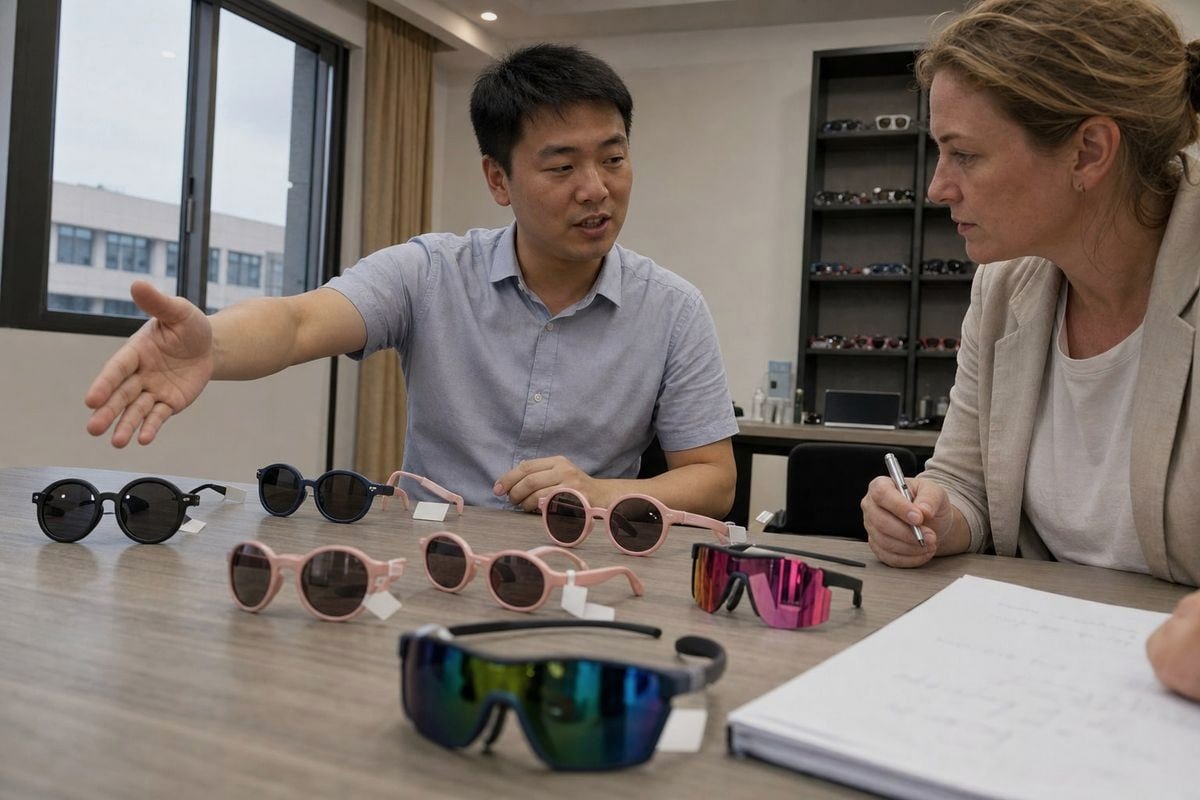
A buyer from Australia once sent me a wish list of 42 styles for her first order. Our team helped her trim it to 12. She sold through faster and reordered twice that summer.
Most new kids' eyewear brands should stock 10–15 styles: 4–6 core everyday shapes in staple colors, 3–4 fit-driven size variants, and 3–5 seasonal or trend test styles. This keeps carrying costs manageable while still covering the main age bands and buying missions.
The right number of styles is not a fixed figure. It is a function of your budget, your shelf space, and your supply chain lead times. Wide assortments look impressive in a catalog. But every extra style splits your cash into thinner slices. When your top five movers sell out in July, that cash is trapped in slow sellers you cannot convert until clearance season.
Start with age bands, not aesthetics
Children's faces change fast. In practice, demand splits across four rough facial-morphology stages: 0–12 months, 1–3 years, 4–8 years, and 9–14 years. Each stage needs a genuinely different frame size and bridge fit. A toddler frame and a tween frame are not the same product in two colors. They are two SKUs solving two problems. Your width should cover these bands first, before you add a single extra color.
A simple budget allocation model
| Assortment tier | Share of budget | 担当 | Example from our range |
|---|---|---|---|
| Core staples | ~60% | Deep stock, always available | Round TPEE frames in black, navy, pink |
| Fit variants | ~25% | Cover age bands and bridge fits | Toddler sizes with 14–16mm universal bridges |
| Trend/test styles | ~15% | Discover new demand, low depth | Mirrored sport shields, two-tone pastels |
We also advise buyers to sanity-check the category's role. In an optical retail context, kids' SKUs typically contribute a modest 5–10% share of total revenue. If your kids' assortment eats 30% of your open-to-buy, your assortment planning is out of balance before the season even starts.
Should I invest in more colors and shapes or deeper stock of proven bestsellers?
One trade-off I weigh constantly when we develop new colorways in our Taizhou workshop: does this variant serve a new child, or does it just look nice next to the existing one?
Invest in depth first. Put deep stock behind bestsellers in staple colors — black, navy, pink — following a roughly 70/30 depth-to-width ratio. Add new colors and shapes only when they solve a real need: a distinct age fit, polarized lenses, sport coverage, or a clear price tier.
There is a fair counterargument here, and I hear it from buyers often. Kids' sunglasses are a style-led, low-commitment purchase. A child picks with their eyes. So surely more colors and character options lift conversion? Sometimes, yes — in a browsing-heavy retail setting, visual variety helps discovery. But here is where that logic breaks: the category is brutally seasonal. A heat wave or a spring-break week can sell a month of stock in days. If your winners run out during that window, no amount of fringe colors will recover the lost sales. Stockout risk on heroes is more expensive than missing a trend shade.
Depth is not just about units — it is about material trust
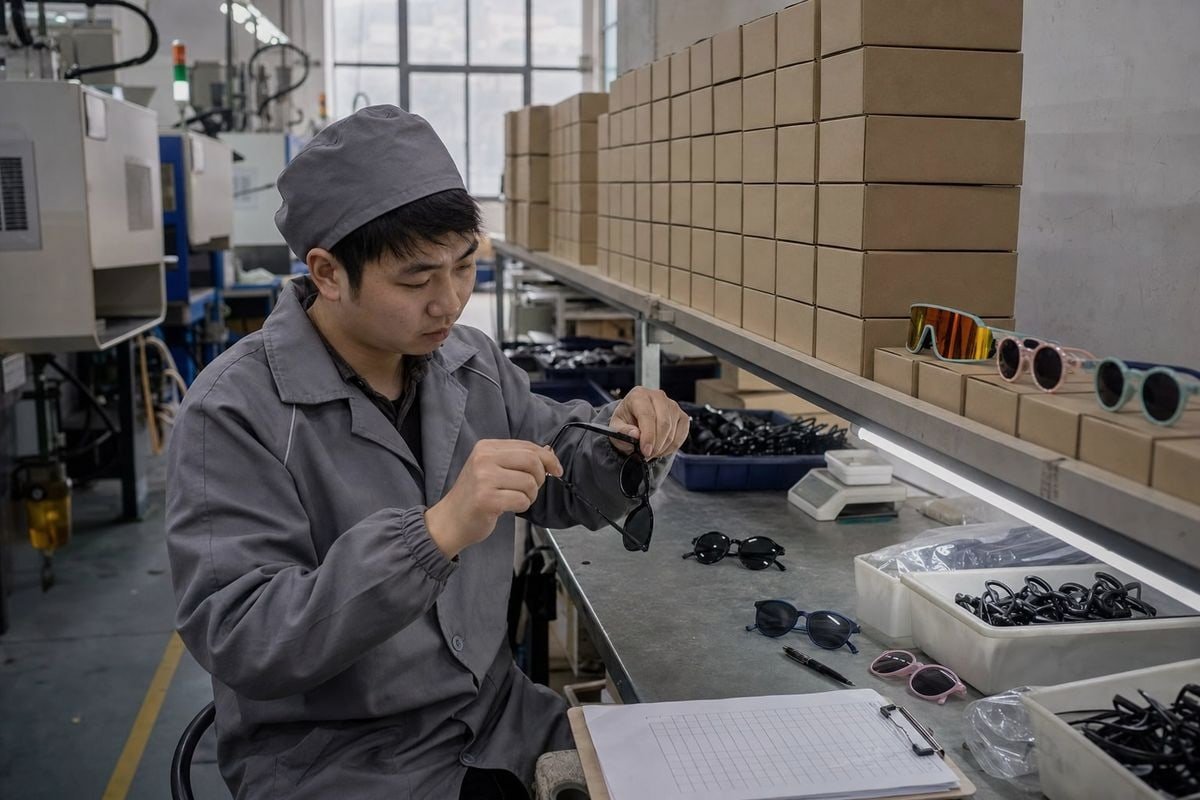
Parents repurchase from brands whose frames survive being sat on, thrown, and bent. That is why we build most of our styles in flexible TPEEとTR90 2. Durability drives repeat purchases, so your deepest stock should sit in the safest, most flexible constructions. A deep position in a fragile frame is just future dead stock management work.
Where width genuinely earns its place
| Keep width when the variant… | Cut width when the variant… |
|---|---|
| Serves a distinct age/fit group | Is a marginal color with weak sell-through |
| Adds polarized vs. standard UV400レンズ 3 | Duplicates an existing style with no clear audience |
| Covers sport (wraparound shield) vs. fashion (round) | Sits in the long tail without improving conversion |
| Opens a real price tier | Complicates buying without lifting revenue |
| Targets sensory-inclusive needs (ultra-light frames, non-slip temples) | Exists only to fill a catalog page |
Take our own range as an example. A glossy black sport shield with a mirrored orange-gradient lens and a soft periwinkle-blue round frame with mint temples serve completely different missions — one is an active-kid performance style, the other a casual everyday style. Both deserve a slot. A third round frame in a slightly different blue probably does not. That discipline is SKU rationalization in action: use sales velocity and sell-through to decide which variants earn expansion and which get discontinued.
How can an existing style library help me test new designs before committing to inventory?
When we developed our current catalog, we invested in the molds so our buyers would not have to. That decision came from watching too many small brands sink their launch budget into tooling for one unproven design.
An existing style library lets you test designs with zero mold investment. You select proven frames from a ready catalog, customize colors and branding at low MOQs, gauge real sell-through in one season, then commit deep inventory only to the styles the market has already validated.
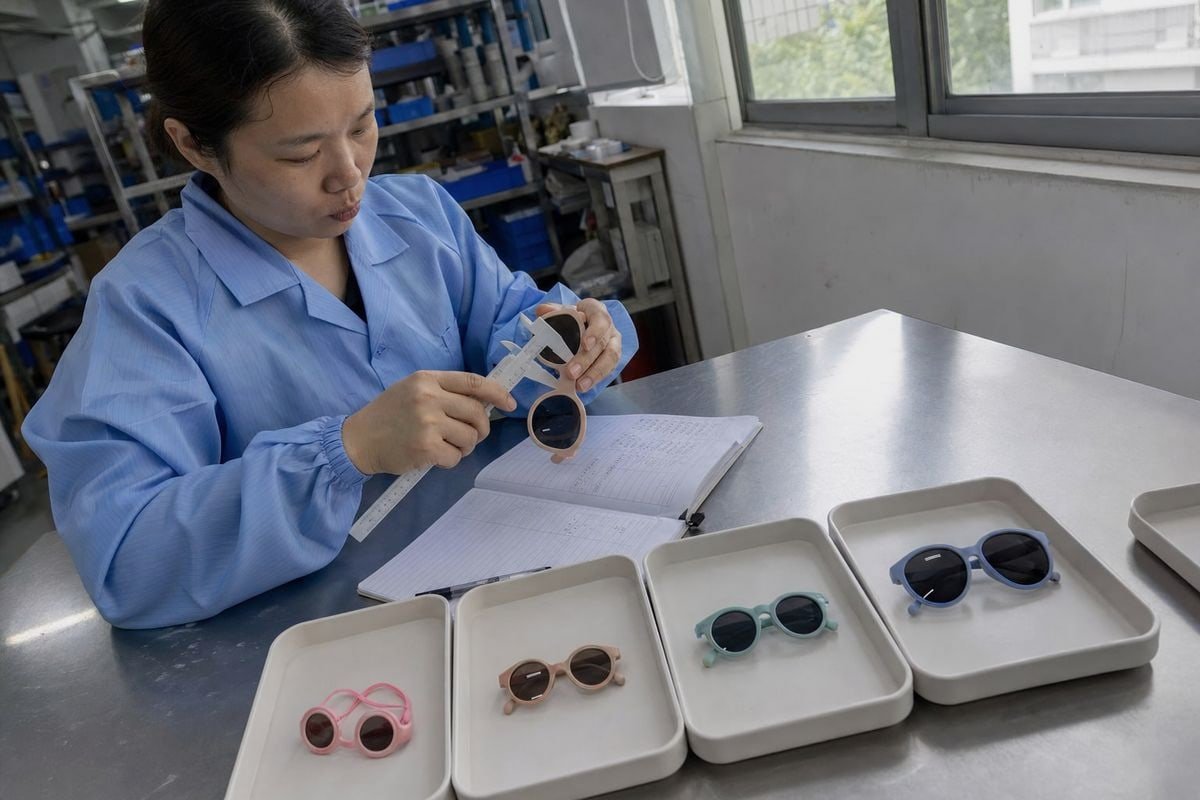
Custom mold development is the biggest hidden risk in kids' eyewear. A new frame mold means tooling cost, weeks of sampling, and a large first production run to justify the spend. If the style flops, you own both the dead stock and the mold. Our library of roughly 800 existing styles exists to remove that gamble. You are choosing from designs that already fit real children's faces and already pass our safety and flexibility standards.
A practical width-first testing process
- Shortlist from the library. Pick 5–8 candidate styles across different shapes — round everyday frames, sport wraparounds, sizes for two or three age bands.
- Customize lightly. Apply your brand colors, logo, and retail-ready packaging. This is standard OEM/ODM work and does not require new tooling.
- Order shallow. Take low-depth test quantities per style. Your total exposure stays small.
- Read the data honestly. After one selling season, compare sell-through, returns, and reorder requests per SKU. Virtual try-on or fit feedback can help you prune low-fit shapes that never sit right on common child facial proportions.
- Scale the winners. Move your validated top styles into deep, pre-season production runs. Retire the rest without regret.
This same width-first logic works for material testing. If you want to trial bio-based or eco-friendly constructions for an eco-conscious audience, run several styles at low depth first, then scale the material only when demand proves out. Testing through a library also supports product lifecycle management 4: styles move from test, to core, to phase-out based on evidence rather than guesswork, and your assortment stays fresh without ever betting the company on a single design.
What MOQ and reorder strategy helps me balance variety with inventory risk?
A distributor in Japan taught me a lesson years ago. He ordered deep in March, light in June, and never once asked us for an emergency air shipment. His secret was simple: he planned around our production lead time, not around his hopes.
Use tiered MOQs: deep pre-season orders on core styles, minimum-quantity test orders on new designs, and one planned mid-season replenishment. Work backward from a roughly 60-day supply chain lead time so peak inventory depth lands before summer and spring-break demand.
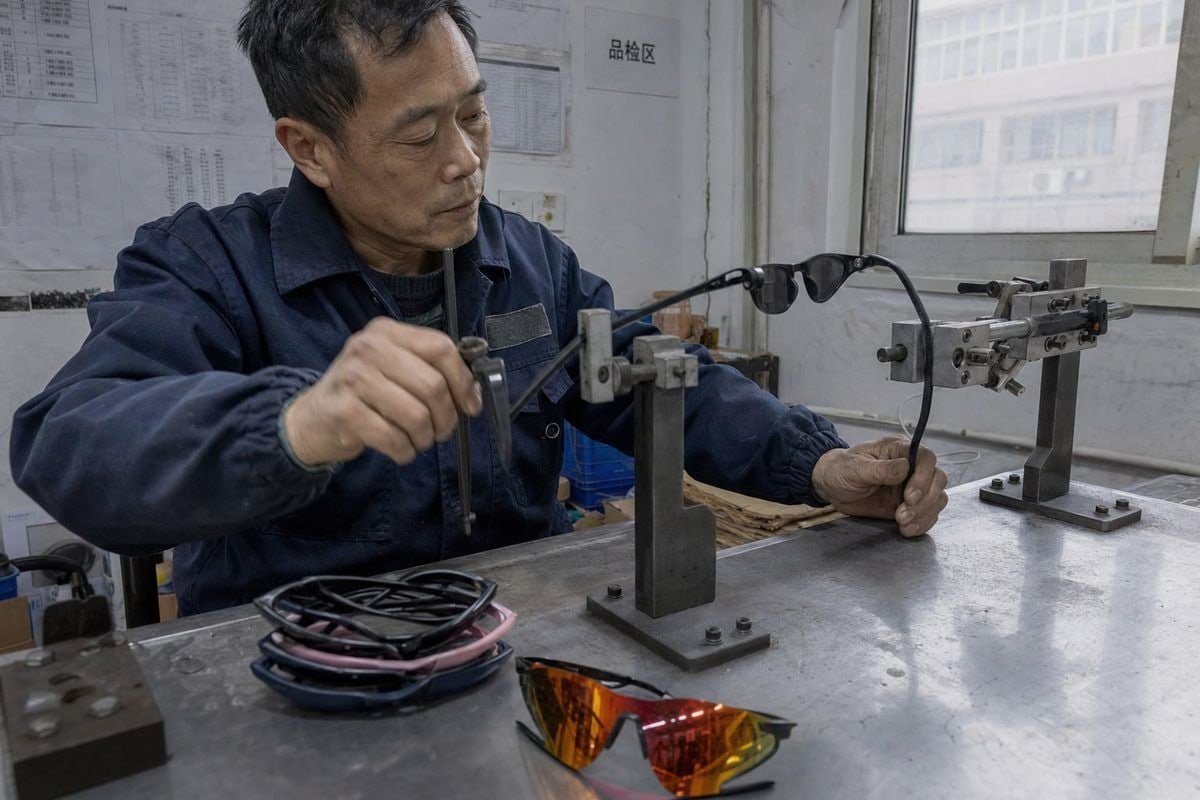
Seasonal demand forecasting 5 for kids' sunglasses should be built on peak weeks, not annual averages. In most of our export markets, a huge share of the year's volume sells in a compressed window. Your reorder strategy has to respect that compression. If production plus shipping takes about 60 days, a reorder placed when you notice a stockout in July arrives after the season is over. The stockout risk is not theoretical — it is the default outcome of reactive ordering in this category.
A tiered ordering calendar
| 注文タイプ | タイミング | Depth level | 目的 |
|---|---|---|---|
| Pre-season core buy | 60–90 days before peak | Deep, plus safety stock levels | Guarantee availability of heroes through peak weeks |
| Test order | Same production slot | MOQ only | Trial new shapes, colors, or materials at low risk |
| Mid-season replenishment | Planned at order one, triggered by early sell-through | 中程度 | Refill winners before the window closes |
| Post-season review | After peak | アクティブな子供のための安全性 | SKU rationalization: promote, keep, or cut each style |
Let your customer data steer depth over time
One underused tactic is growth-predictive replenishment. Your customers' children age in a predictable direction. If your database skews toddler this year, expect junior-size demand to rise next year, and shift depth accordingly. Combine that with your inventory turnover ratio per SKU, and your reorders stop being guesses. In our experience exporting to buyers in 20+ countries, the brands that share their sell-through data with us get the most reliable production slots, because we can reserve capacity for their core styles before the pre-season rush.
結論
Balancing SKU width vs. inventory depth is painful when every dollar counts. Overbuy width and cash dies in slow sellers; underbuy depth and summer sells out. The fix is discipline: lean, fit-driven width, deep stock on proven winners, and a testing path that never requires a mold. Our style library, flexible TPEE and TR90 materials, and full OEM/ODM support 7 exist to make that path low-risk. If you want to plan your next kids' sunglasses assortment together, reach out — we are happy to help you build it.
脚注
1. Defines the inventory metric used to guide reorder and depth decisions in the article. ↩︎
2. Explains the flexible polymer materials referenced for durable kids’ frame construction. ↩︎
3. Official FDA guidance recommending UV400 rated sunglasses for eye protection, specifically for children. ↩︎
4. Background on managing products through test, core, and phase-out stages as described. ↩︎
5. Overview of demand forecasting techniques, including methods for addressing seasonal trends in retail. ↩︎
6. International Trade Centre provides guidance on minimum order quantities for small exporters and brands. ↩︎
7. Alibaba.com is a leading sourcing platform illustrating OEM/ODM manufacturing practices referenced. ↩︎


 English
  Español de México
  Deutsch
  Français
  日本語
日本語  العربية
  Português do Brasil