How to Reserve Safety Stock for Kids Optical Frames During Peak Season?
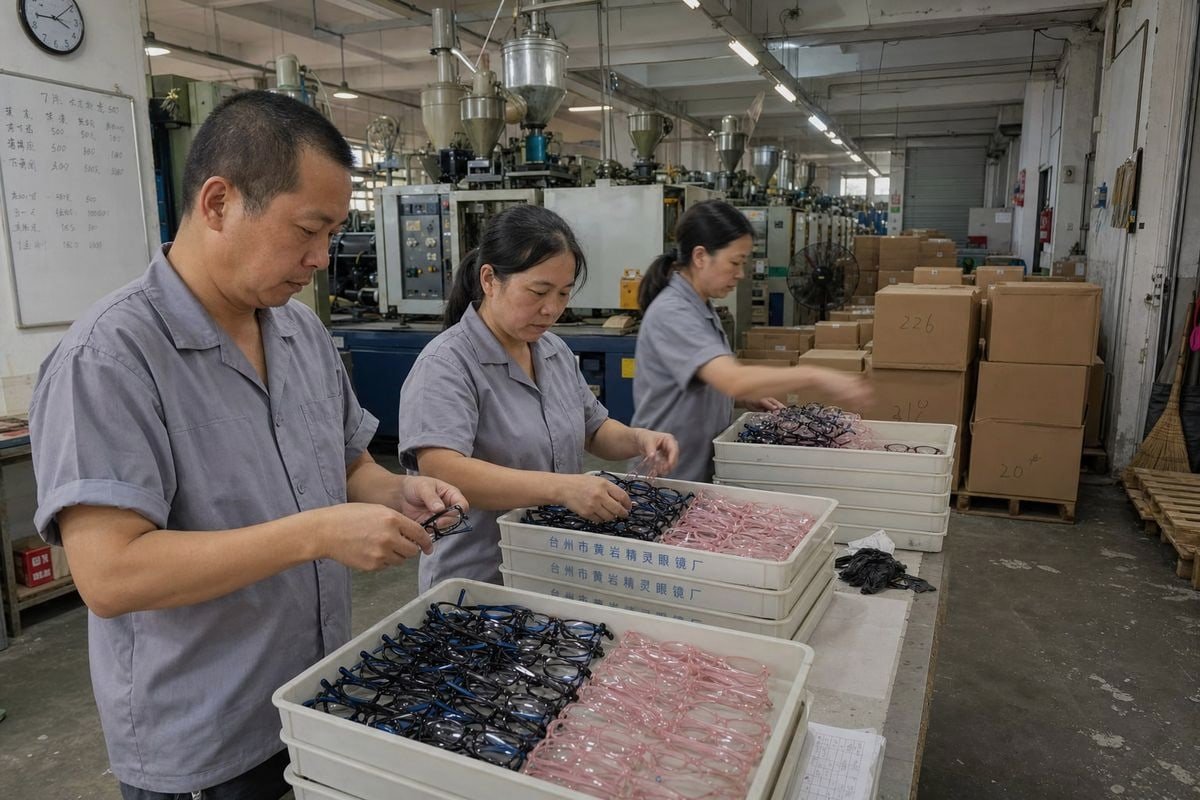
Every July, our Taizhou production line runs at full capacity because buyers who ignored safety stock for kids optical frames are suddenly desperate. Stockouts kill back-to-school sales. Planning early fixes that.
To reserve safety stock for kids optical frames during peak season, build 3–4 weeks of extra coverage on core pediatric SKUs, start production orders 8–12 weeks before the peak, set reorder points based on peak demand, and confirm your supplier’s capacity in writing.
That is the short answer. The longer answer involves demand planning, lead time management 1, and picking the right factory partner. Let me walk you through each piece, step by step.
How much safety stock should I reserve for kids optical frames before peak season hits?
A buyer from Australia once asked me to triple her entire order "just in case." I talked her out of it. Blanket multipliers waste cash. Our order data suggests a smarter, SKU-based approach.
Reserve 3–4 weeks of average sales as safety stock for core kids optical frame SKUs, and 2 weeks for slower styles. Then calculate your buffer using peak-season sales velocity, not annual averages, because back-to-school demand can triple normal daily sell-through.
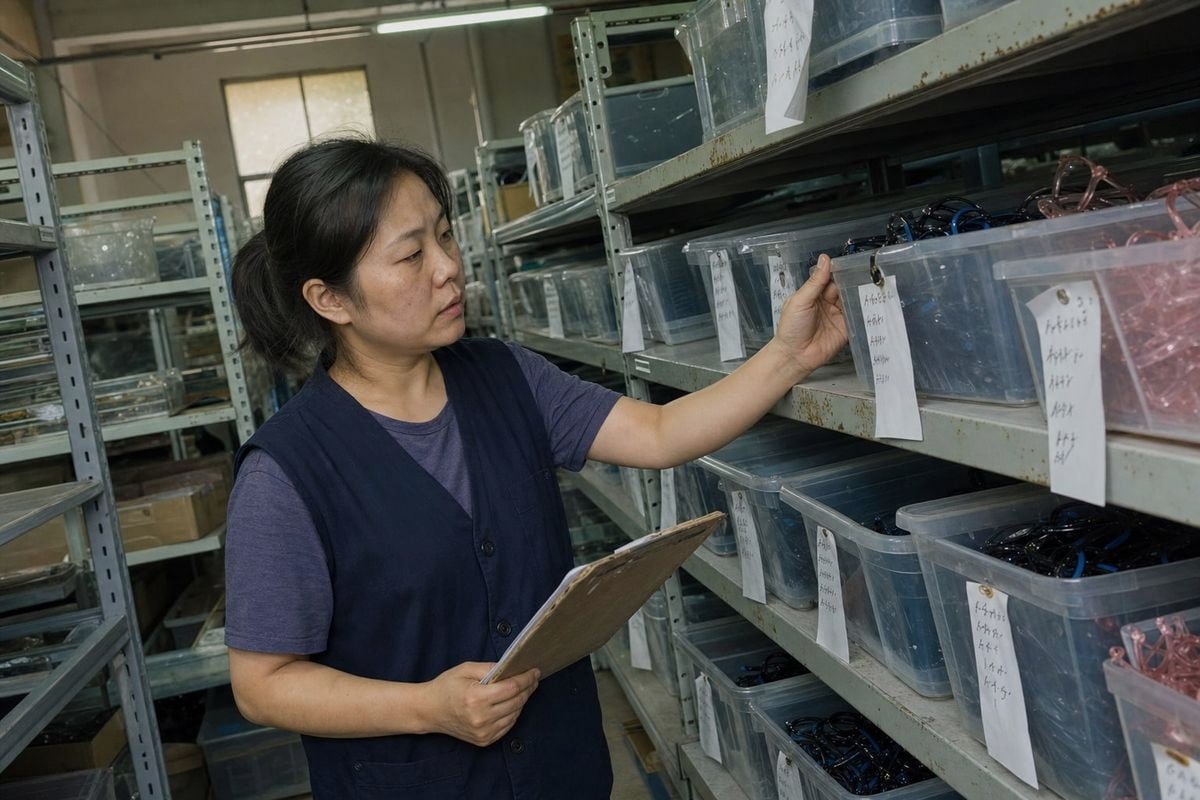
Safety stock is simply the inventory you hold above average demand. It absorbs demand spikes, supplier delays, and forecast error 2. For kids' frames, the biggest mistake I see is treating it as one flat number across the whole assortment.
Segment your SKUs before you calculate anything
Kids' frames behave very differently by category. A durable TR90 3 school-day frame in a common bridge size sells fast and steadily. A fashion-forward color might sit for months. Inventory forecasting works best when you classify SKUs first, using an ABC approach.
| SKU Class | 例 | Suggested Safety Stock |
|---|---|---|
| A: Core pediatric frames | Best-selling shapes in common widths | 3–4 weeks of peak-rate sales |
| B: Steady sellers | Popular colors, secondary sizes | 2–3 weeks of average sales |
| C: Long-tail styles | Niche colors, fashion experiments | 1–2 weeks, or order-on-demand |
Use peak velocity, not annual averages
Here is a simple example. Suppose one kids' frame SKU sells 1 unit per day most of the year, but 3 units per day during back-to-school season 4. If you set your buffer on the annual average, you will run dry in the first two weeks of August. Base your calculation on the peak rate for that specific window.
For buyers who want more precision, the classic retail formula works well: Safety Stock = (Maximum Daily Usage × Maximum Lead Time) − (Average Daily Usage × Average Lead Time). Start with the weeks-based rule if your data is thin, then upgrade to the formula once you have two seasons of history.
One more nuance from our export experience: parents often buy a second "emergency" pair during the school year. Applying a backup-pair multiplier to your top-selling SKUs quietly captures that repeat demand that raw sales data understates.
Which factory partners can guarantee stock availability when demand suddenly spikes?
During one back-to-school rush, a European distributor called us in a panic after his previous supplier missed a shipment by six weeks. We shipped from existing molds in days. That contrast taught me what buyers should really vet.
Choose factory partners with a large existing style library, in-house production control, transparent vendor lead times, and written capacity commitments. Factories with ready molds and dedicated workshops can turn urgent reorders around far faster than traders who subcontract every order.
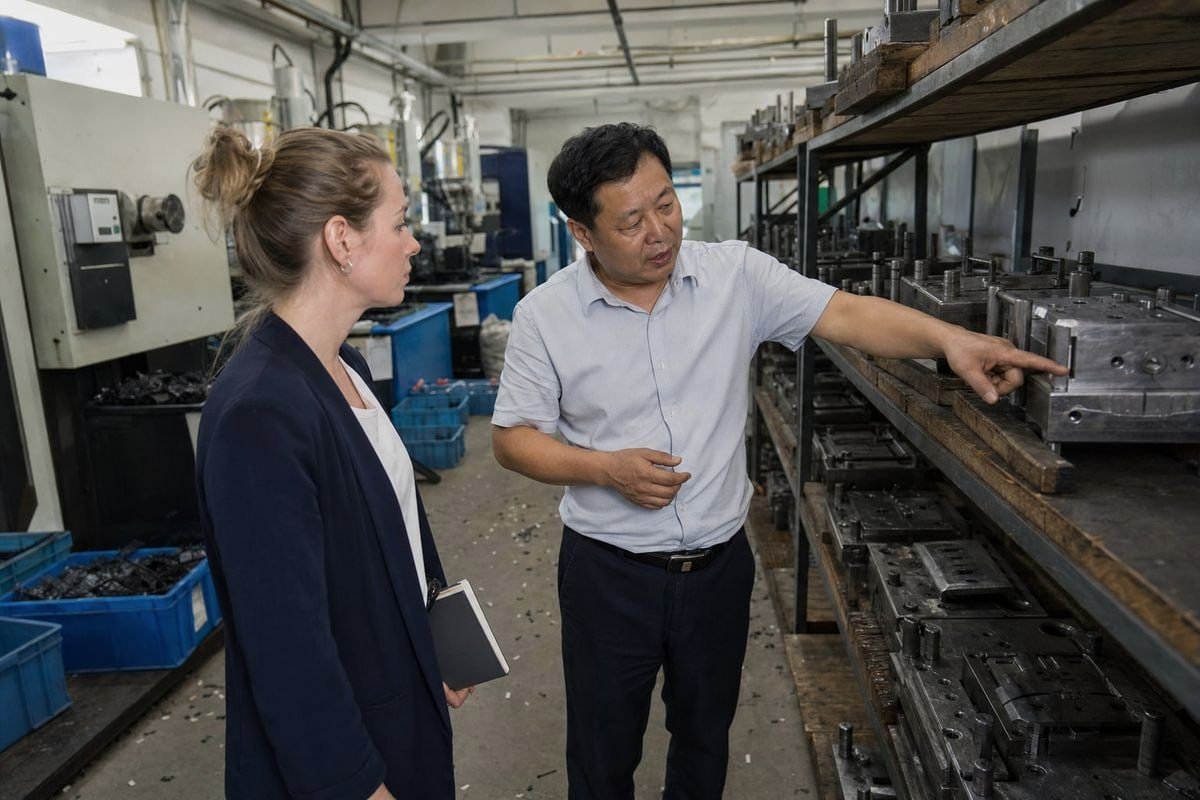
Not every supplier can absorb a demand spike. Some cannot even see one coming. When you audit partners for peak-season reliability, you are really auditing four things: capacity, molds, communication, and control.
The four signals of a spike-ready supplier
First, ask whether the factory owns its production. A trader has no workshop to prioritize your order in. Our facility runs with about 120 workers under 5S管理 5, which means when a rush order lands, we know exactly which line can take it and by when. A supplier who cannot answer that question in a day probably cannot answer it during a crisis either.
Second, check the mold situation. New molds add weeks to any reorder. Existing tooling removes that risk entirely.
Third, evaluate communication speed. Supply chain disruptions 6 during global peak seasons are normal now. What matters is whether your contact flags a raw-material delay two weeks early or two days late.
Fourth, ask for a written capacity reservation. Serious factories will commit to a monthly volume ceiling for named accounts during peak months.
| 確認内容 | Good Sign | 赤信号 |
|---|---|---|
| Production ownership | In-house workshop, named lines | Vague "our partner factory" answers |
| Mold availability | Ready styles, no tooling delay | Every SKU needs new molds |
| Peak communication | Proactive delay alerts | Silence until shipment date |
| Capacity commitment | Written monthly reservation | "We will try our best" |
In our fifteen years supplying children's eyewear brands across 20+ countries, the buyers who avoid stockouts are the ones who treat their factory as a planning partner, sharing forecasts in April rather than sending purchase orders in July.
How do I balance safety stock costs against the risk of stockouts during peak season?
The trade-off I weigh most often with buyers is this: cash tied up in inventory versus revenue lost at the shelf. Neither extreme wins. Our TR90 kids optical frames are durable in a warehouse, but capital is not.
Balance safety stock costs by setting high service levels only on A-class pediatric SKUs, building inventory 8–12 weeks before peak, reviewing stock weekly during the season, and cutting buffers immediately after. This concentrates carrying cost where stockouts would hurt revenue most.
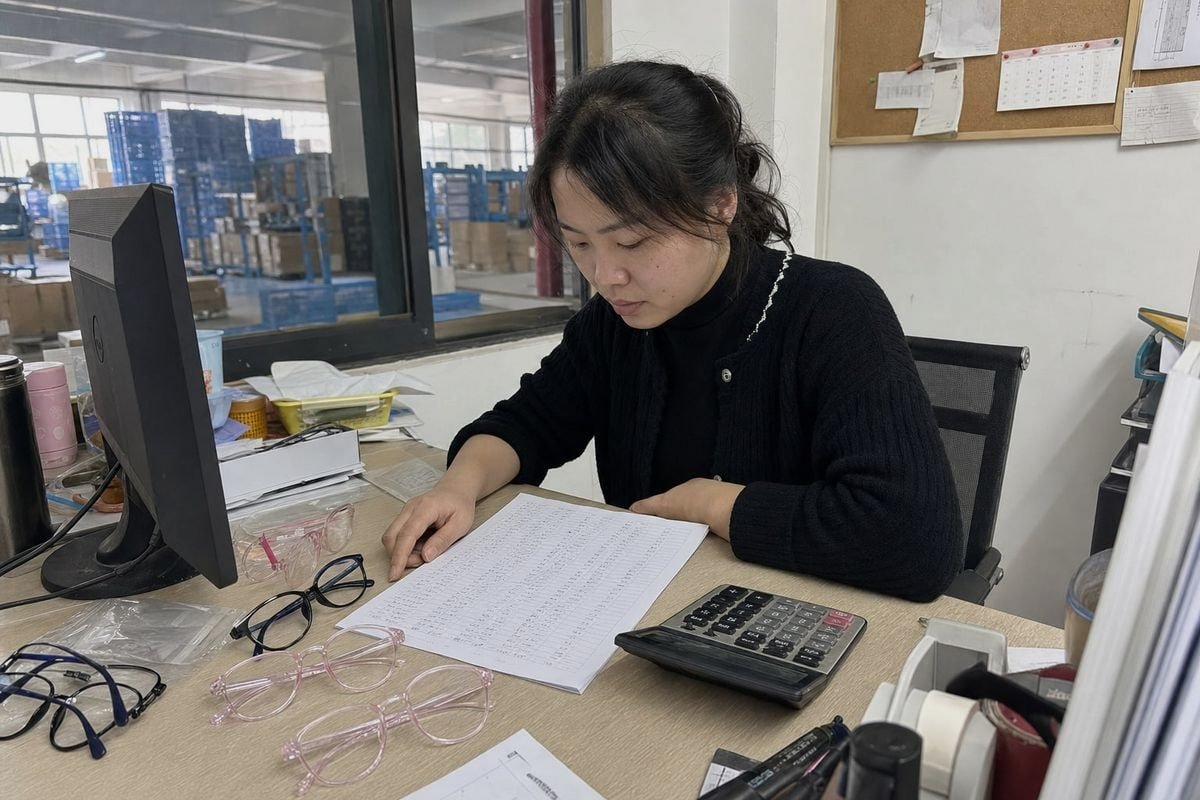
Carrying cost is real. Warehousing, insurance, and tied-up cash all eat margin. But a stockout on a core kids' frame during the back-to-school season costs more, because a parent who needs glasses this week buys them somewhere else this week. Good optical retail management means quantifying both sides instead of guessing.
A practical balancing framework
Here is the process I recommend to our brand customers, and it fits into a single planning meeting:
- Pull historical daily or weekly sales for kids' frames and identify your true peak window.
- Compare peak demand against normal demand for each A-class SKU.
- Measure real lead time from purchase order to goods received, including shipping.
- Set a higher service target for core pediatric SKUs and a lower one for long-tail styles.
- Place stock-build orders 8–12 weeks ahead of the peak, adjusting for your supplier's lead time.
- Review inventory weekly during the season using POS alerts and reorder point calculation.
- Reduce safety stock deliberately after the peak to avoid excess inventory.
Scenario planning beats one forecast
I also encourage buyers to plan three demand cases: conservative, base, and aggressive. Order the base case firmly, and reserve factory capacity for the gap up to the aggressive case. That way you only pay carrying cost on inventory you are confident about, while your upside is protected by capacity rather than by pallets sitting in a warehouse. Some buyers object that high service levels always create dead stock after the season. That is only true when buffers are applied uniformly. Targeted buffers on proven school-day frames sell through reliably; it is the untargeted "buy 2x of everything" approach that leaves you with unsellable colors in October.
Can I rely on my supplier's ~800 existing styles to cover urgent reorders without new mold investment?
A lesson I learned early in exporting: mold lead time, not production time, is what breaks peak-season promises. That is exactly why we built our library to roughly 800 ready styles across TPEE and TR90 designs.
Yes, an existing library of around 800 styles lets you place urgent reorders without any mold investment, because tooling is already made. You skip 4–8 weeks of mold development, order smaller test quantities, and still customize colors, logos, lenses, and packaging.
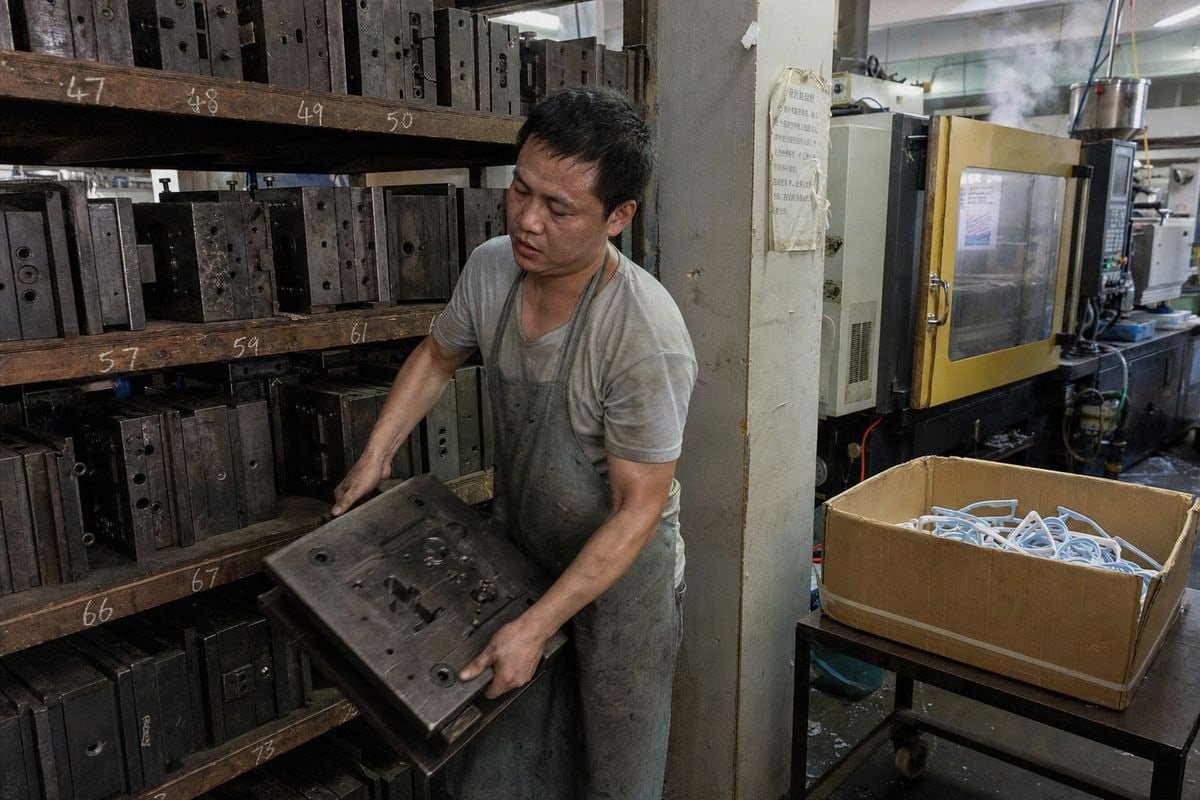
New molds are the slowest link in eyewear manufacturing. Designing, cutting, testing, and adjusting tooling takes weeks before the first sellable frame exists. During a demand spike, that timeline is fatal. Existing styles remove it completely.
How an existing library changes your peak-season math
When a buyer reorders from our ready styles, production starts almost immediately because the tooling is validated and the material specs are locked. Compare the two paths side by side:
| 要因 | New Mold Development | Existing Style Reorder |
|---|---|---|
| Tooling time | 4–8 weeks before production | Zero, molds are ready |
| Minimum quantity | High, to justify mold cost | Lower, test-friendly |
| Upfront investment | Mold fees per style | アクティブな子供のための安全性 |
| Quality risk | New tooling needs validation | Proven in prior runs |
| Peak-season fit | Poor for urgent gaps | Strong for emergency replenishment |
What you can still customize on urgent orders
Relying on existing styles does not mean selling a generic product. On our line, urgent reorders can still carry your custom colors, printed logos, UV400 7 or polarized lens options, and retail-ready branded packaging. The frame geometry stays fixed; the brand identity does not. For buyers tracking children's eyewear trends, this also means you can react to a trending shape or color within one season instead of one year.
One honest caveat: an existing library covers urgent gaps, but it should complement, not replace, demand planning. Use ready styles as your emergency replenishment layer, keep your custom-developed heroes on a planned production calendar, and share your seasonal forecast with your factory early. That combination — planned builds plus a deep ready-style safety net — is the most resilient setup I have seen across our customers in Europe, Japan, and Australia.
結論
Peak season punishes late planners. Segment your SKUs, buffer core kids optical frames 3–4 weeks deep, order 8–12 weeks early, and lean on a factory with ready styles for urgent gaps.
脚注
1. Detailed overview of lead time concepts within supply chain and manufacturing management. ↩︎
2. Explains demand forecasting concepts underlying the safety stock calculation. ↩︎
3. Explains the polyamide-based material class used in durable kids’ eyewear frames. ↩︎
4. Statista data on back-to-school retail demand supports the peak-season claim. ↩︎
5. Background on the workplace organization system referenced for factory floor control. ↩︎
6. WTO resource on trade facilitation addressing global supply chain reliability issues. ↩︎
7. Official FDA guidance on sunglass safety standards and UV400 protection levels for consumers. ↩︎
 English
  Español de México
  Deutsch
  Français
  日本語
日本語  العربية
  Português do Brasil