How to Time Order Placement for Kids’ Optical Frames Before Peak Season?

Timing order placement for kids’ optical frames is where I see buyers stumble most. Every August, our factory receives panicked emails asking for miracles we simply cannot deliver.
Place stock frame orders 8–12 weeks before back-to-school season, and custom or private-label kids’ optical frame orders 3–6 months ahead. Late spring (May–June) is the ideal window for most optical buyers, allowing production, shipping, quality checks, and merchandising before August demand peaks.
The right timeline depends on your frame type, your supplier’s capacity, and your shipping route. Below, I break down each factor so you can build a realistic ordering calendar.
How far in advance should I place my order to avoid peak season delays?
Last July, a distributor in Australia asked our team to rush 5,000 TR90 pediatric frames 1 in three weeks. We had to say no — our production slots were fully booked since May.
Order at least 8–12 weeks before your peak season begins for existing stock styles, and 3–6 months ahead for custom or private-label kids' frames. This buffer covers manufacturing cycles, international shipping, customs clearance, quality inspection, and in-store merchandising before demand spikes.
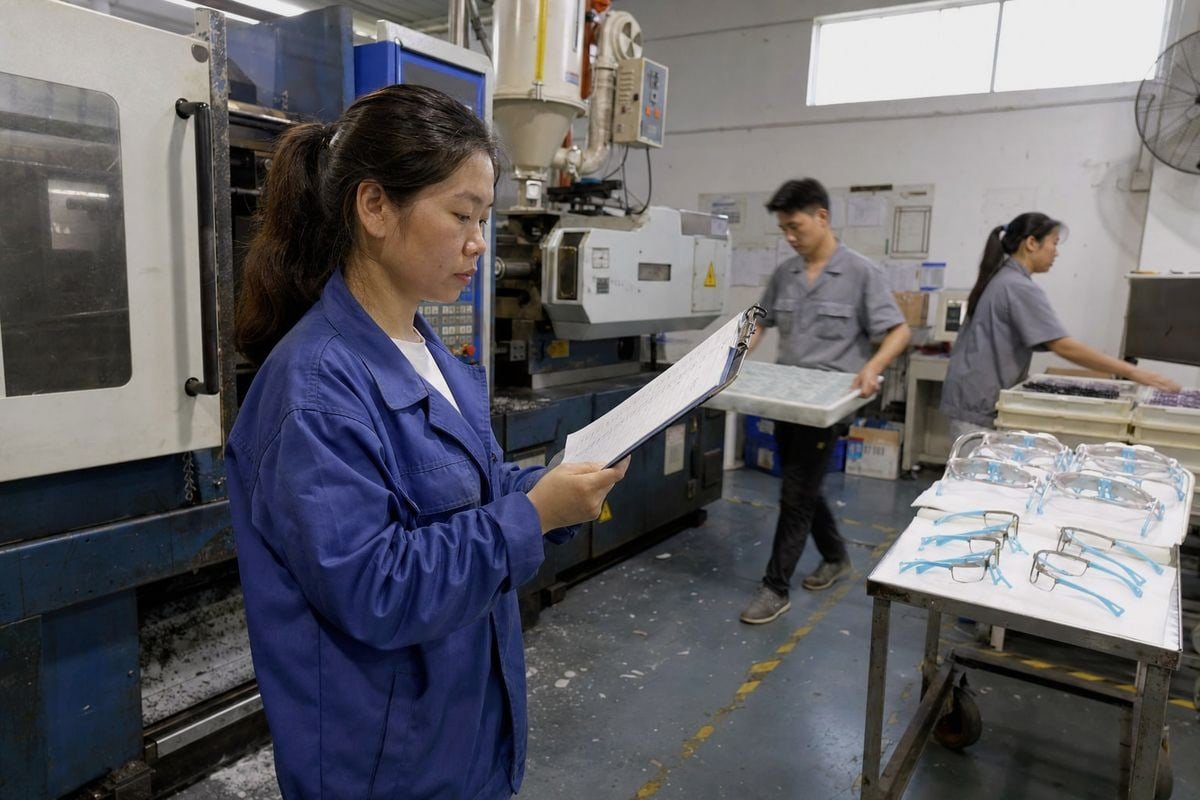
There is a real tension in the advice you will find online. Retail-planning guides often say 4–6 weeks of inventory preparation before peak season is enough. Manufacturing-side guidance says 2–3 months minimum, and sometimes 3–6 months. Both are right — for different situations. The 4–6 week figure applies to in-store work: audits, frame board refreshes, and stock replenishment from a domestic distributor. The longer figure applies to anyone buying directly from a factory overseas, especially with customization involved.
From our side of the supply chain, here is what actually consumes that time. A custom bulk order of TR90 frames with TPEE temples typically needs a full manufacturing cycle of 45–90 days depending on quantity and color complexity. Add 25–35 days for sea freight 2 to Europe or Australia. Add customs, inland transport, and your own receiving and merchandising work. Suddenly, a "three-month" lead time looks tight, not generous. Working through a reverse timeline for sourcing before peak season makes these stacked deadlines much easier to manage.
A working backward timeline
| Time Before Peak | What Should Happen |
|---|---|
| 5–6 months | Forecast demand, review last year's sales, request quotes, secure factory slots |
| 3–4 months | Place custom/private-label orders, confirm colors, logos, packaging |
| 8–12 weeks | Place stock frame orders, lock in supplier capacity |
| 4〜6週間 | Receive goods, audit inventory, refresh displays, train staff |
| 2週間 | Launch marketing, set reorder alerts for fast movers |
Children also outgrow frames faster than adults — very young children may need new frames every 3–6 months. That replacement pressure means your peak-season stock must be deeper than a simple year-over-year comparison suggests.
What lead times can I expect from a kids' optical frame manufacturer during busy periods?
One lesson our 15 years in eyewear has taught us: lead times are not fixed numbers. They stretch when every buyer in 20+ countries wants delivery in the same six-week window.
During busy periods, expect 15–30 days for existing stock styles, 30–60 days for private-label orders with custom colors and logos, and 60–120 days for fully custom molds. Add 25–40 days for sea freight, or budget for costlier air freight on urgent portions.
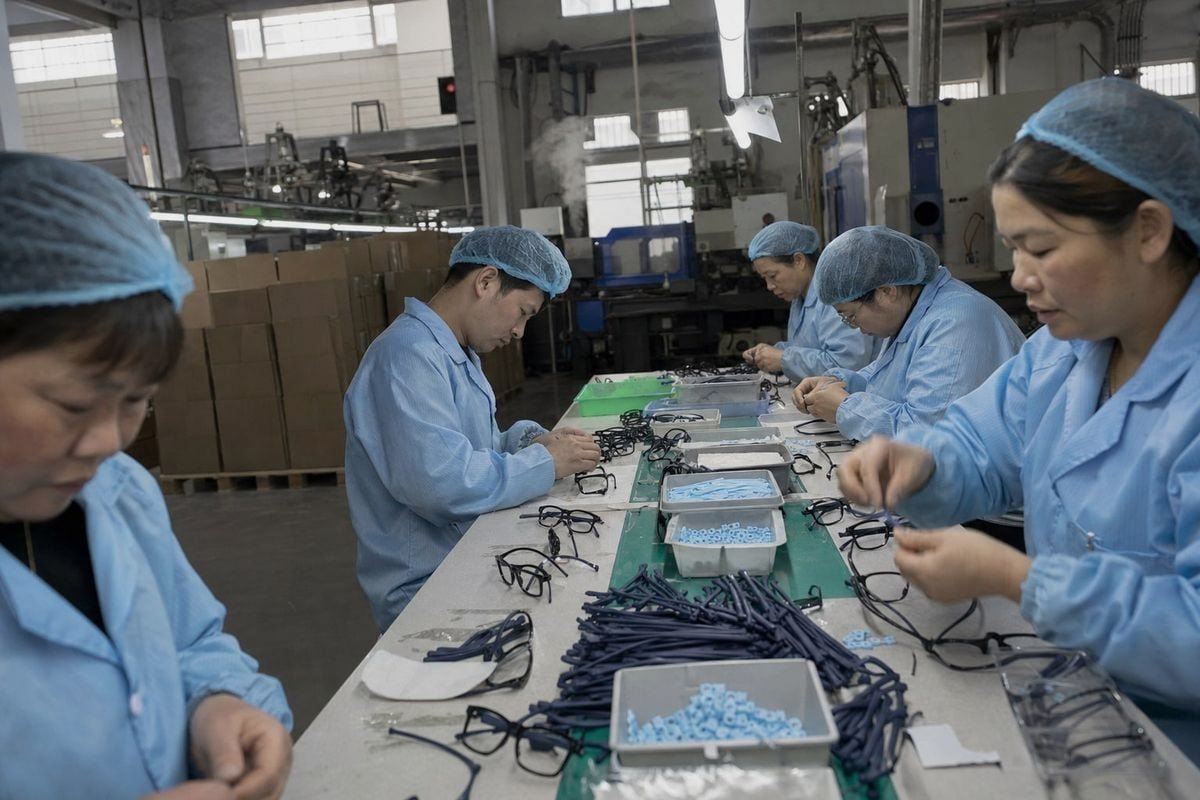
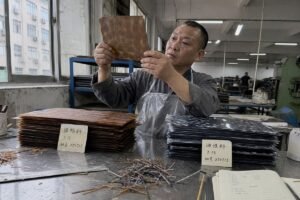
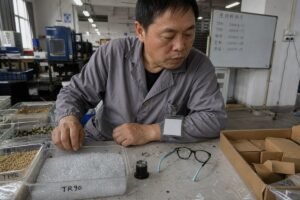
Lead times at any factory follow the same logic: the more customization you request, the longer the manufacturing cycle. In our 5S-managed workshop with about 120 workers, we schedule production in slots. Once the May–July slots fill with back-to-school orders, later orders join a queue. That queue is the hidden cost of ordering late — even a simple order can take twice as long in peak months.
Typical lead times by order type
| 注文タイプ | オフピークリードタイム | Peak-Period Lead Time | 注記 |
|---|---|---|---|
| Existing stock styles | 10–15 days | 15〜30日 | Fastest path; choose from ready molds |
| Private label (custom colors/logo) | 25–40 days | 30–60 days | Logo files and Pantone codes must be final |
| Fully custom (new mold) | 60–90 days | 90–120+ days | Mold development adds 30–45 days upfront |
What slows orders down in busy periods
Three things create most delays, in my experience. First, unconfirmed details — missing logo files, undecided packaging, or last-minute color changes reset the schedule. Second, raw material queues; TR90 and TPEE suppliers also face seasonal sales trends and can back-order specific pigments. Third, shipping capacity; container space tightens in June–July as every category ships for back-to-school season.
A practical move that experienced buyers use is a phased delivery plan. Ship roughly 60% of the order early by sea freight, then reserve 20–30% for air freight closer to launch. It costs more per unit on the air portion, but it protects your launch date and reduces the risk of overstocking a color that underperforms. Many wholesale eyewear suppliers will also honor bulk order discounts across the phased quantities if you commit to the full volume upfront — ask before you split the shipment.
How do I choose the right styles from existing molds to speed up production timing?
Choosing between a new mold and an existing one is the single biggest trade-off I discuss with new buyers. A new mold means uniqueness — and months of extra waiting plus tooling cost.
Select from a manufacturer's existing mold catalog to cut 30–60 days off production timing. Prioritize proven best-sellers in the correct pediatric size range, then customize colors, logos, and packaging on those molds — you get a branded product without new-mold delays or heavy tooling investment.
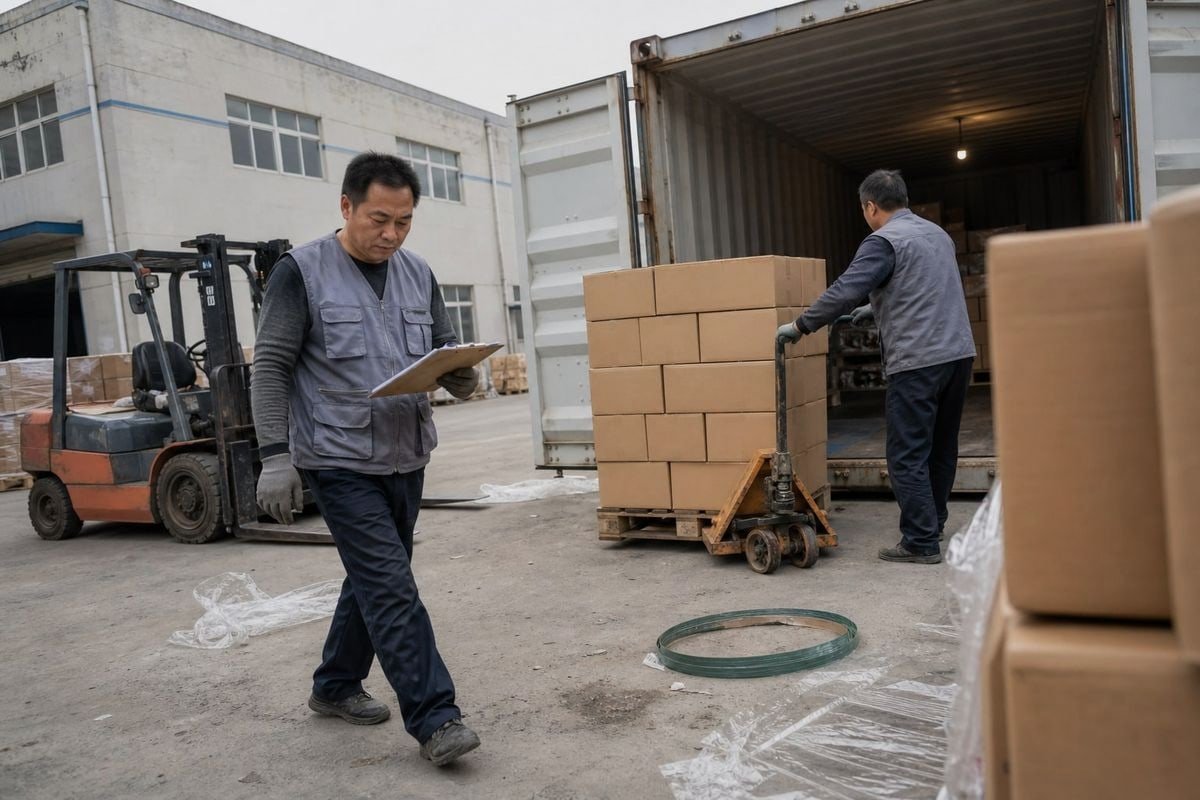
Our catalog holds around 800 existing styles, and this is precisely why we built it. New brands and importers can launch without heavy mold investment and test the market at much lower risk. The frame shape, hinge design, and sizing are already validated. You only decide the colorway, the temple material combination, the lens spec, and the branding. Production can start almost immediately after sample approval.
Here is how I recommend narrowing 800 options down to a workable order:
- Filter by age and size range first. Pediatric frames are unforgiving on fit. A frame sized for a 4-year-old will not work for a 9-year-old. Match lens width and temple length to your target age bands.
- Filter by material and durability. For active kids, flexible TR90 fronts with TPEE temples handle drops and twisting far better than rigid acetate. Think of them as your "playground-proof" core range.
- Balance durable versus fashion styles. Use historical sales velocity and your regional demographics to set the ratio of style variety versus stock depth across rugged sport styles and "geek-chic" fashion shapes. Rounded rectangular fronts with silicone ear hooks sell steadily for younger children; translucent pastel acetate-look frames pull older kids and fashion-conscious parents.
- Order staggered size runs of popular styles. Families with multiple children often buy in one visit; carrying the same style in two or three sizes captures that trip.
- Confirm lens and add-on options early. Blue-light filtering 4 stock is worth timing to arrive when local school districts hand out tablets and laptops.
Existing molds also simplify demand forecasting 5. Since the styles have sales history — ours and other buyers' — your supplier can tell you which shapes, sizes, and colors move fastest, which reduces guesswork in your first bulk order.
What steps can I take now to make sure my shipment arrives before peak season demand hits?
A procurement manager from Japan once told me her rule: "The order is only half the job." She was right — everything after the purchase order determines whether frames sit on your shelves in time.
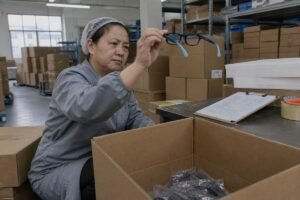
Confirm all specifications now, secure your production slot with a deposit, book freight early, schedule a pre-shipment quality inspection, and build a 30-day buffer into your delivery date. Then prepare displays, staff training, and marketing so goods sell the day they arrive.
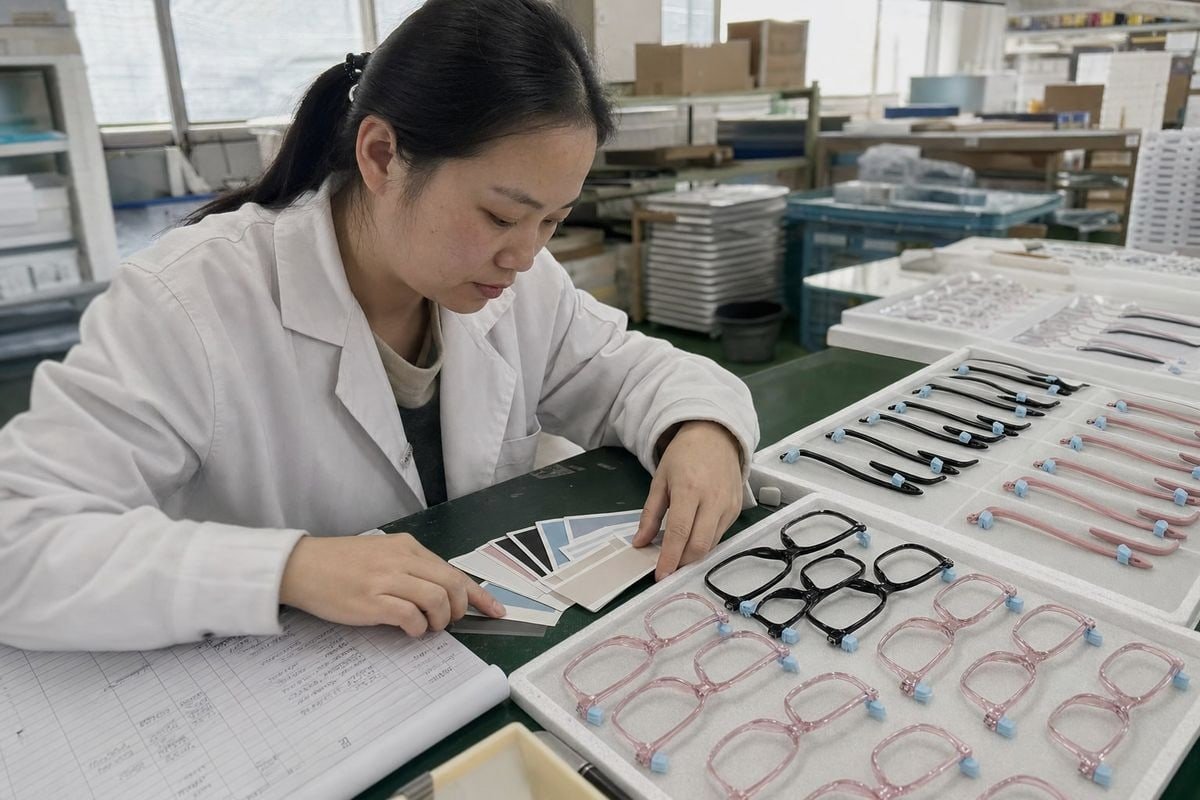
The steps below are the checklist I walk through with buyers who are serious about hitting the back-to-school season without stress. Each one removes a specific failure point I have watched derail deliveries.
Pre-order actions
Finalize every specification before the purchase order: exact Pantone colors 6, logo artwork files, lens type (including UV400 7 or blue-light options), packaging design, and labeling requirements. Every unresolved detail becomes a production delay later. Then pay your deposit promptly — most factories, ours included, only lock a production slot once the deposit lands. In peak months, a three-day payment delay can mean losing your slot to another order.
In-transit and arrival actions
| 子供用アイウェアの5段階QC計画 | タイミング | なぜ重要なのか |
|---|---|---|
| Book sea freight | 4–6 weeks before ex-factory date | Container space vanishes in June–July |
| Pre-shipment QC inspection | 5–7 days before shipping | Fixing defects before shipping beats fixing them after |
| Customs paperwork prep | 2 weeks before arrival | Missing documents can add 1–2 weeks at port |
| Inventory audit and frame board refresh | 4–6 weeks before local school start | Displays and staff must be ready on arrival |
| Marketing launch | 8 weeks before peak | Campaigns should coincide with new inventory arriving |
After the first wave
Plan a "replenishment bridge" order for fast movers and high-wear spare parts — hinges, temple tips, silicone ear hooks — timed to arrive about 30 days after peak begins. Kids are hard on glasses, and the first wave of school-year repairs and replacements arrives fast. Good inventory management means reordering your best-selling sizes and colors while they are still selling, not after they run out. If you gather any pre-season signals — wishlist data, virtual try-on interest, or reservation requests — use them to fine-tune the color distribution of that second order.
結論
Order stock frames 8–12 weeks ahead and custom pediatric frames 3–6 months ahead. Confirm specs early, book freight early, and plan a replenishment order — timing wins peak season.
脚注
1. TR90 is a nylon-based polymer; background helps readers understand this common frame material. ↩︎
2. Background on freight transport clarifies sea freight timelines discussed for shipping frames. ↩︎
3. WTO trade facilitation page explains customs clearance procedures affecting shipment timelines. ↩︎
4. CDC vision health resource supports claims about blue-light filtering lenses for children. ↩︎
5. Explains the forecasting concept referenced for predicting frame sales from historical data. ↩︎
6. Pantone’s official color system is the industry standard referenced for frame color matching. ↩︎
7. WHO explains UV radiation risks, relevant to UV400 lens protection standards mentioned in specs. ↩︎
 English
  Español de México
  Deutsch
  Français
  日本語
日本語  العربية
  Português do Brasil