How to Schedule Rolling Replenishment Shipments for Kids Optical Frames in Peak Season?

Every July, our Taizhou production line fills with rolling replenishment shipments for kids optical frames. One late order can mean empty shelves during the entire back-to-school shopping season.
Schedule rolling replenishment shipments for kids optical frames by starting 8–10 weeks before peak, placing a base order for 60% of forecast demand, then releasing smaller data-driven waves every one to two weeks based on sell-through, supplier lead times, and safety stock triggers.
That sounds simple. In practice, it depends on four things: your forecast, your lead times, your budget across styles, and your quality control. Let me walk through each one.
How can I forecast peak season demand accurately enough to plan rolling replenishment for kids optical frames?
A buyer from Australia once asked me why her TR90 kids frames 1 sold out by mid-August. Her forecast used annual averages. Kids demand does not behave that way, as our order data shows every year.
Forecast peak demand by analyzing last year's weekly sell-through by SKU, size, and color, then layering in school-calendar timing and current growth trends. Refresh the forecast weekly, because back-to-school demand for kids optical frames spikes sharply from late July through Labor Day.

Most demand forecasting models fail for children's frames because they average out the spike. Pediatric demand is compressed. In our experience shipping to 20+ countries, the surge window is short and steep. School eye exams cluster in a few weeks. Parents buy fast, and they buy specific sizes.
So build your forecast from the bottom up. Start with weekly sales data from last year, not monthly. Break it down by frame size, age band 2, color, and price point. Then adjust for this year's growth and any pediatric eyewear trends you see, such as translucent pastel acetates or sporty rubber-temple styles.
Build a rolling forecast, not a one-time forecast
A rolling forecast is refreshed every week during peak. You compare actual sell-through against the plan. Then you shift replenishment quantities up or down before the next wave ships. Retail supply-chain practice supports weekly recalibration, with minimum on-hand levels sized to cover two to three weeks of fluctuation for critical SKUs.
A simple forecasting calendar
| タイミング | Forecasting action |
|---|---|
| 8–10 weeks before peak | Review last year's weekly sales by size, age band, color, and price |
| 6–8 weeks before peak | Identify top pediatric SKUs and flag lead-time risks |
| 4–6 weeks before peak | Lock the base forecast; place initial replenishment orders |
| 2–4 weeks before peak | Tighten reorder points; set automatic stock alerts |
| During peak | Refresh forecast weekly; adjust each replenishment wave |
One more point. Segment your SKUs by velocity. Fast movers get forecast attention first. Slow movers get a fixed small buffer and nothing more. This is basic optical retail management, but it is the step most buyers skip.
What lead times should I expect when scheduling rolling shipments with an OEM/ODM factory during peak season?
Here is a trade-off we discuss with buyers every spring: sea freight is cheap but slow, while air freight is fast but expensive. During peak season, our workshop schedule fills weeks in advance, which changes the math.
Expect 25–45 days production lead time from an OEM/ODM factory during peak season, plus 30–40 days sea freight or 5–10 days air. Reverse-engineer your schedule 8–10 weeks before launch, and add a 20% time buffer for customs and carrier delays.
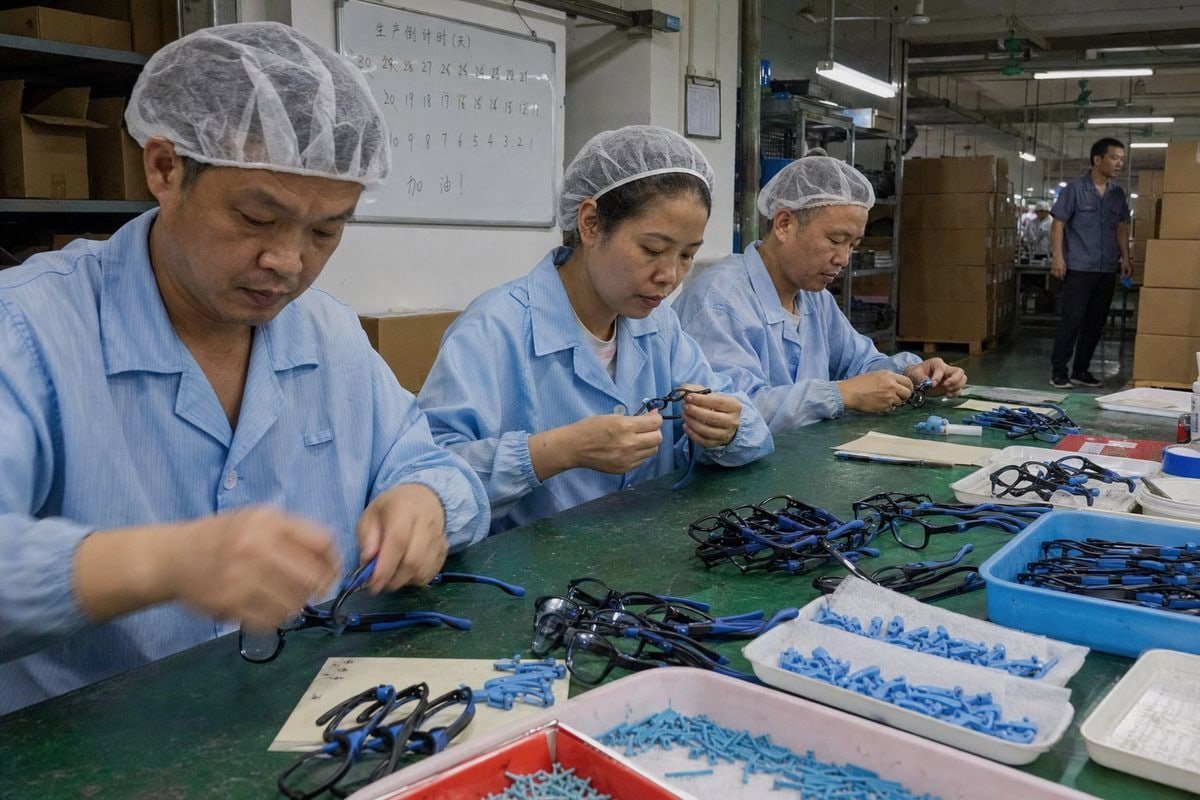
Lead time optimization starts with honesty about the calendar. In our factory, a repeat order of an existing style moves faster than a new custom colorway. Custom logos, custom packaging, or new lens specs add days. During peak months, every factory's queue grows. So the same order that took four weeks in March may take six weeks in July.
The practical answer is a phased shipment strategy. Ship roughly 60% of your forecast stock early by sea. Hold the remaining 40% as flexible capacity, released in smaller waves by air or express based on real-time demand. This keeps your cash exposure lower and your response speed higher.
Typical peak-season lead time components
| ステージ | Typical duration | 注記 |
|---|---|---|
| Order confirmation and materials | 5–10 days | Faster for existing styles from a ready catalog |
| Production | 20–35 days | Longer for custom colors, logos, packaging |
| QC and packing | 2〜5日 | Build this in; do not squeeze it |
| Sea freight | 30–40 days | Add buffer during peak shipping periods |
| 航空貨物 | 5–10 days | Reserve for urgent restock waves |
| Customs and last mile | 3〜10日 | The 20% buffer mostly protects this stage |
Secure capacity early
Confirm firm lead times and reserve production slots 3 at least six weeks before peak begins. When our long-term partners book capacity in May for August delivery, we can hold materials for their repeat styles. Buyers who call in late July compete with everyone else. Supply chain visibility works both ways: tell your factory your peak plan, and ask them to flag any constraint early. Also identify a backup routing option, such as express courier for one or two cartons, so a single delayed container never empties your shelves.
How do I balance MOQs and stock levels across ~800 existing styles without overcommitting my inventory budget?
One lesson we learned building our catalog of roughly 800 existing styles: buyers do not fail because they stock too few styles. They fail because they stock too many styles too deep, and their budget drowns in slow movers.
Balance MOQs and stock by segmenting styles into velocity tiers. Go deep on 15–25 proven fast movers, hold thin safety stock on mid-tier styles, and use low-MOQ existing catalog styles to test new looks without mold investment or heavy inventory commitment.
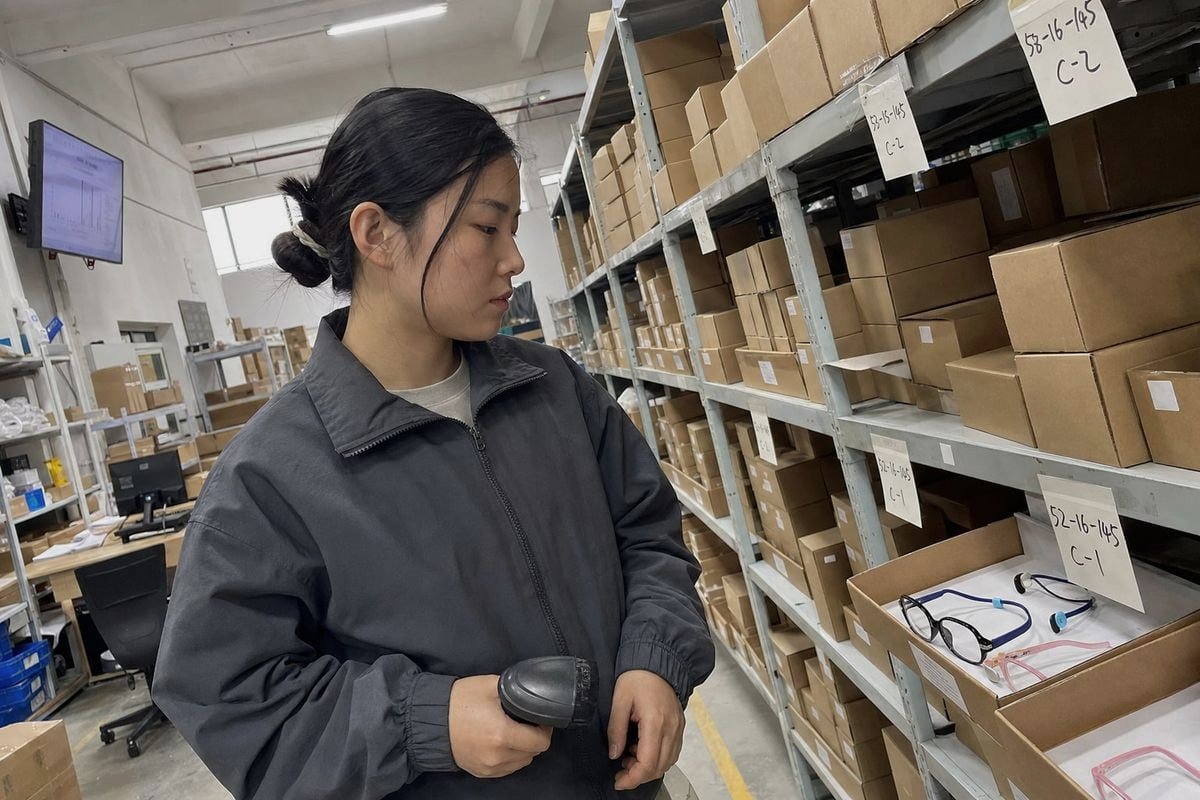
Some buyers argue for one large preseason buy to guarantee stock. I understand the fear of stockouts. But a big single buy ties up cash, raises markdown risk if a style misses, and hurts your 在庫回転率 4 for the whole season. Rolling replenishment in small waves is safer, provided your supplier supports frequent reorders. That is exactly why we keep existing styles in an open catalog: a brand can reorder a proven TR90 frame with TPEE temples in modest quantities instead of gambling on one giant container.
Use a reorder point formula, not gut feeling
The reorder point formula is simple: average weekly demand multiplied by lead time in weeks, plus safety stock. Safety stock levels should cover two to three weeks of demand fluctuation 5 for critical pediatric SKUs. For very slow movers, a practical rule works well: if a SKU sells one unit per month and your replenishment cycle is six weeks, hold roughly 1.5–2 units and reorder when one remains.
Tier your assortment before you spend
| Tier | Share of styles | Stock strategy | Replenishment cadence |
|---|---|---|---|
| A: Fast movers | Top 10–15% | Deep stock plus 2–3 weeks safety stock | Weekly rolling waves |
| B: Steady core | Next 25–30% | Moderate stock, standard reorder points | Biweekly review |
| C: Testers and trend styles | Remainder | Minimum viable quantity from existing catalog | Reorder only on proven sell-through |
Also apply size-tiered thinking within each style. High-velocity bridge and temple sizes sell out first in pediatric demographics, so prioritize those size runs in every rolling restock. And near school start dates, temporarily inflate reorder points for two weeks, then deflate them right after. This dynamic safety stock approach protects the peak without inflating your whole season.
What quality control checkpoints should I build into each replenishment shipment to avoid delays or safety issues?
During one August rush a few years back, our QC team rejected a batch of temple tips for a slight color drift. The buyer never saw it, and that is the point: rushed replenishment is exactly when batch-to-batch variance creeps in.
Build four QC checkpoints into every replenishment shipment: incoming material verification, in-line production checks for dimensions and hinge torque, pre-shipment AQL inspection covering safety and finish, and a batch-consistency comparison against a sealed golden sample from your first order.

Children's frames carry higher stakes than adult frames. A sharp edge 6, a loose hinge screw, or a brittle temple is a safety issue on a child's face, not just a return. So QC cannot be a single final gate. It must run through the whole rolling cycle, and it must be standardized so wave three matches wave one exactly.
In our 5S-managed workshop, we treat every replenishment batch as if it were the first order. The golden sample rule matters most. Fast production runs tempt factories to substitute materials or skip curing time. A sealed reference sample, checked against every batch, is your defense. Stockout prevention means nothing if the frames that arrive fail inspection at your warehouse and stall for two weeks.
The four checkpoints in sequence
- Incoming materials. Verify TR90 and TPEE material certificates 7 and colorant batches before production starts. Environmentally friendly material claims should be documented, not assumed.
- In-line checks. Measure lens groove dimensions, temple flexibility, and hinge torque during production, not after. Catching drift mid-run saves the schedule.
- Pre-shipment AQL inspection. Sample each batch for surface finish, sharp edges, print adhesion on logos, UV400 lens performance, and packaging accuracy. For kids products, tighten the acceptance level on safety-critical defects.
- Batch consistency review. Compare color, gloss, and fit against the golden sample. Photograph and file the results so any dispute is resolved with evidence, not memory.
One practical tip: agree on the QC checklist with your factory before peak season, in writing. Then every rolling wave inspects against the same document. Consistent checkpoints actually shorten lead times, because nothing bounces back for rework at the worst possible moment.
結論
Peak season punishes late planners. Forecast weekly, book capacity 8–10 weeks out, tier your styles by velocity, and lock QC checkpoints into every wave. Small, frequent, data-driven shipments win.
脚注
1. Technical Wikipedia entry for Polyamide 12, the polymer used in TR90 frames. ↩︎
2.



 English
  Español de México
  Deutsch
  Français
  日本語
日本語  العربية
  Português do Brasil