How to Divide Freight Forwarder Responsibilities to Avoid Customs Issues for Kids’ Optical Frames from China?
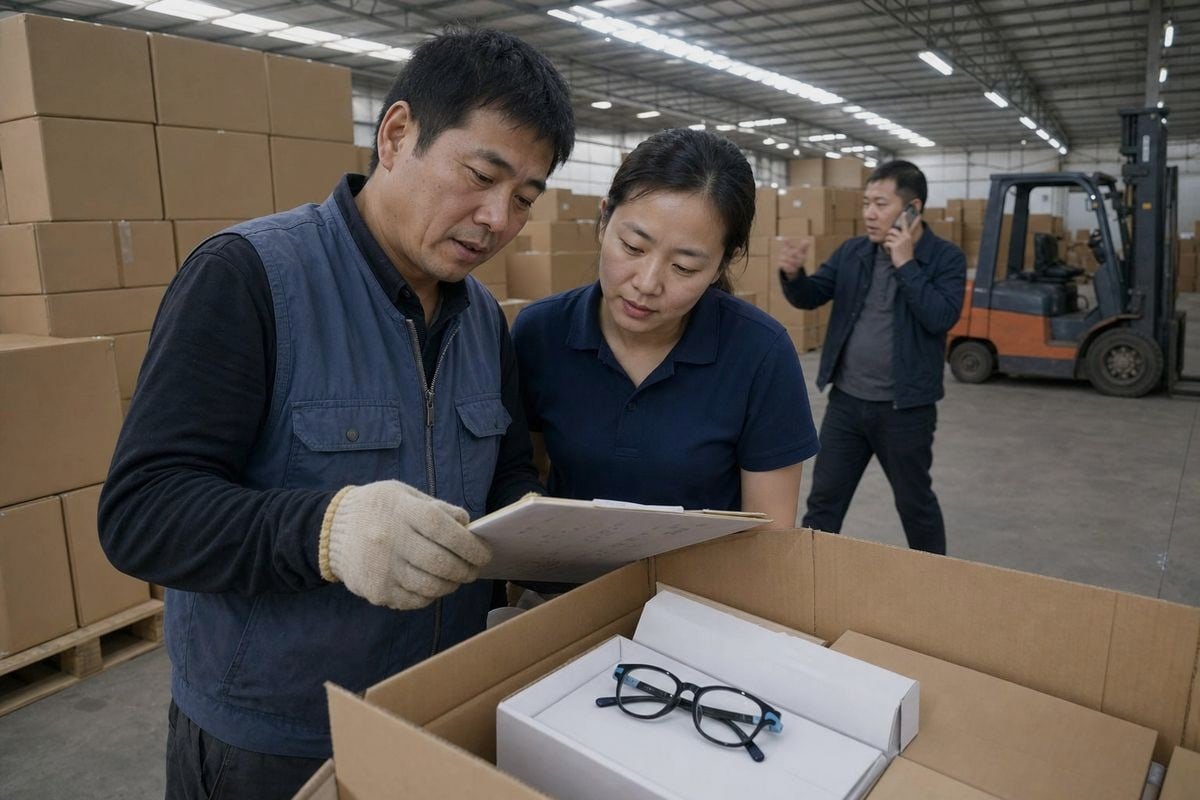
Dividing freight forwarder responsibilities badly is why so many kids’ optical frames from China get stuck at customs. We watch it happen from our Taizhou production line every season.
Divide freight forwarder responsibilities by risk point: the forwarder owns booking, transport documents, and pre-departure audits; a licensed customs broker owns HS classification and entry filing; you, the importer of record, own product compliance, FDA listing, CPSIA data, and duty payment.
That one sentence prevents most customs holds. But the details matter. Below, I break down each handoff, document, and contract clause so your kids’ eyewear shipments clear smoothly every time.
What Customs Documents Should I Require from My Freight Forwarder for Kids' Optical Frames Shipments?
A buyer in Melbourne once forwarded me a customs hold notice. The cause was painful: her forwarder had shipped our TR90 frames described as "plastic accessories." We fixed the paperwork together.
Require a Bill of Lading, commercial invoice, and packing list with matching data; a Certificate of Conformity or CPC referencing third-party lab tests; a certificate of origin; and a pre-alert document audit confirming the product description reads "children's optical frames," not generic plastic goods.
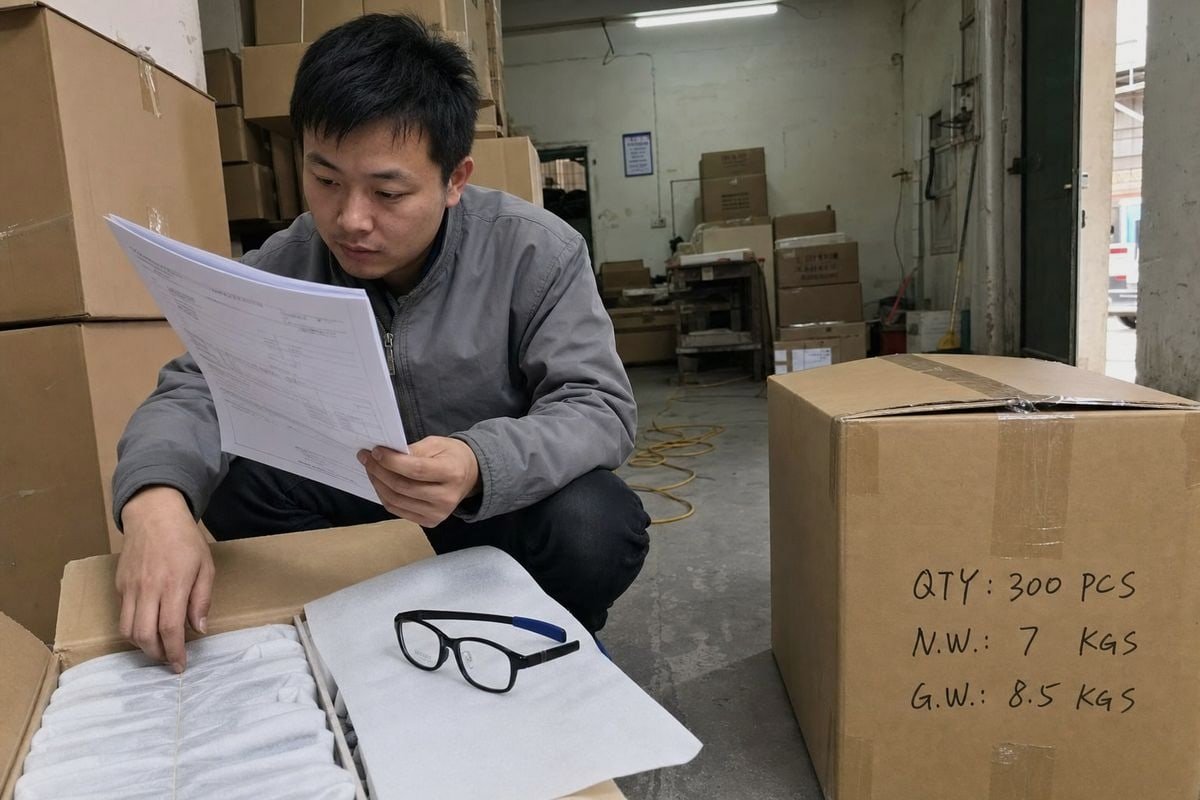
Let me be precise about what "require" means here. Your forwarder does not create most of these documents. The factory and your testing lab create them. But the forwarder is the last set of eyes before the cargo leaves China. So your service agreement should make the forwarder responsible for collecting, checking, and transmitting a complete document set — and for flagging gaps before departure, not after arrival.
The Core Document Set
Here is the document package we prepare for every export shipment of kids' optical frames, and who should verify each piece.
| 文書 | Created By | Verified By | Common Failure Point |
|---|---|---|---|
| Commercial Invoice | 工場 | Forwarder + Importer | Vague description, wrong value |
| Packing List | 工場 | Forwarder | Quantity or weight mismatch |
| 船荷証券 | Forwarder/Carrier | Forwarder | Consignee or notify-party errors |
| Certificate of Origin | Factory/Chamber | Forwarder | Origin conflicts with markings |
| CPC / Certificate of Conformity | Importer (from lab data) | Importer + Broker | Expired or wrong-model test report |
| Drop Ball Test certificate (if demo lenses) | Lens manufacturer | 輸入業者 | Issued by assembler, not lens maker |
Two documents deserve special attention. First, the Children's Product Certificate. CPSIA compliance requires third-party testing 1 for lead and phthalates on eyewear for children 12 and under. Your forwarder cannot create this, but they should confirm it travels with the shipment data. Second, if frames ship with demo or sun lenses, the impact resistance certificate must come from the actual lens manufacturer. We have seen entries flagged because the certificate named only the frame assembler.
Finally, insist on the 72-hour pre-alert audit. Before the vessel departs, the forwarder checks that the "Made in China" marking on the inner temple tip matches the declared country of origin. It takes minutes and prevents weeks of detention.
How Do I Split Responsibilities Between My Freight Forwarder and My China Factory to Prevent Customs Delays?
In our experience exporting kids' frames to more than 20 countries, the worst delays happen in the gap between factory and forwarder — where each side assumes the other handled it.
Assign the factory to product data: specifications, material composition, test reports, origin markings, and accurate invoice details. Assign the forwarder to logistics execution: booking, consolidation, document collection, data-consistency checks, and customs-hold communication. Put every task in writing with one owner and one reviewer.
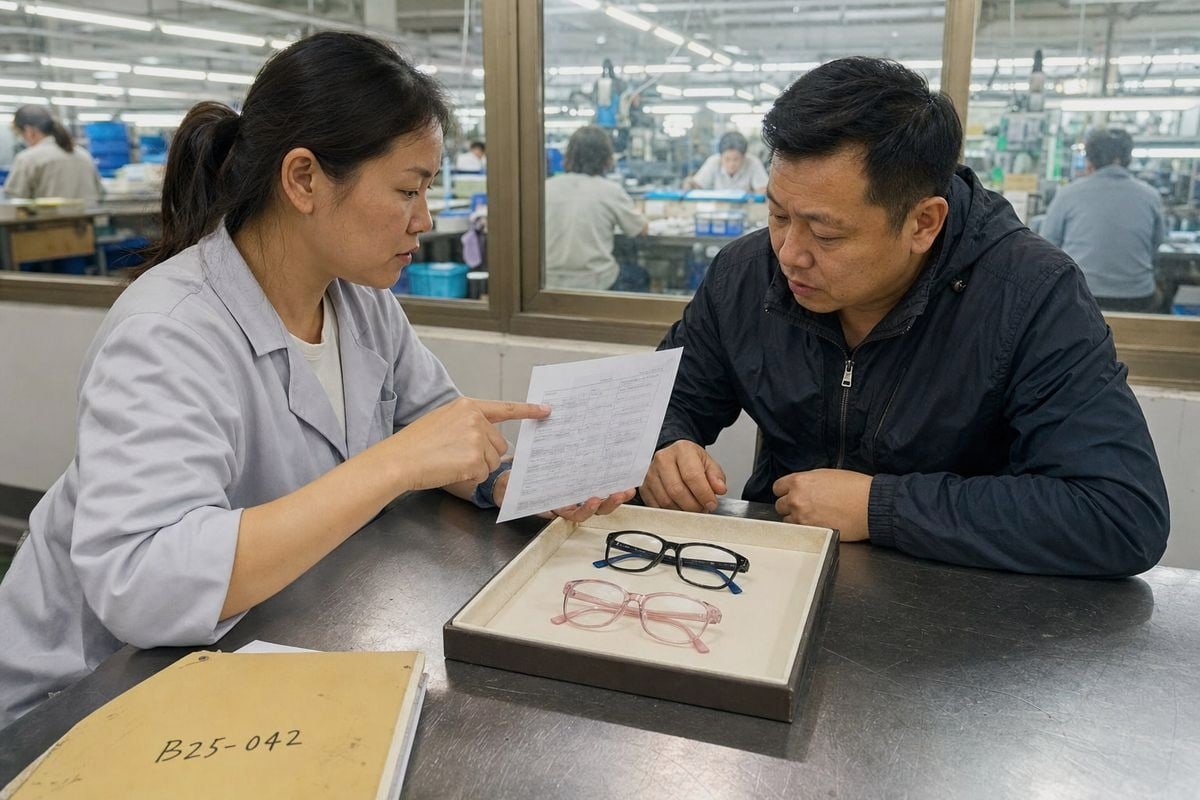
The cleanest way to think about this is not job titles but risk points. A customs delay always traces back to a specific failure: wrong description, mismatched data, missing certificate, unclear 輸入者記録者 2. So map each failure point to one owner. Here is the responsibility matrix we recommend to our B2B buyers.
The Four-Party Responsibility Matrix
| Risk Point | Primary Owner | Backup Reviewer |
|---|---|---|
| Product specs and material composition | 工場 | 輸入業者 |
| Test reports and batch traceability | 工場 | 輸入業者 |
| Commercial invoice accuracy | 工場 | Forwarder |
| Booking, routing, consolidation | Forwarder | 輸入業者 |
| Document consistency check | Forwarder | Broker |
| HS classification and entry filing | Customs Broker | 輸入業者 |
| Duty and tax calculation | Customs Broker | 輸入業者 |
| FDA registration and CPSIA data | 輸入業者 | — never delegate |
| Duty payment and legal liability | 輸入業者 | — never delegate |
Notice the last two rows. Some buyers ask us whether a forwarder offering integrated customs brokerage services 3 can just "handle everything." Honestly, some forwarders do offer that, and it can work. But the responsibilities should still be contractually separated. If one company wears both hats and something goes wrong, you need the contract to say which hat failed. Otherwise you get blame-shifting while your cargo sits in a bonded warehouse.
Batch-Level Traceability
One more factory-side duty matters enormously for children's products. The factory address on safety test reports must match the physical shipping origin. Customs systems cross-reference this data. At our workshop, we tie every production batch to its test report so the paper trail and the physical trail never diverge. Ask your supplier to do the same, and ask your forwarder to verify it during the pre-alert audit.
What Should I Check Before Choosing a Freight Forwarder Experienced in Children's Eyewear Import Compliance?
There is a trade-off I always weigh with buyers: a cheap general forwarder saves money per shipment, while an eyewear-experienced one saves you from the one hold that erases a year of savings.
Check whether the forwarder understands eyewear HS codes, files electronically through ACE with PGA message sets, coordinates with licensed customs brokers, carries clear liability terms, offers cargo insurance coverage, and can name the specific documents children's eyewear requires — including CPC and FDA listing data.

A forwarder is not a customs broker. Industry guidance draws this line sharply now, and for good reason: forwarders coordinate transport, consolidation, warehousing, and shipping documents, while brokers handle classification, origin review 4, and duty management. Yet many forwarders market themselves as "handling customs paperwork." That phrasing is where importers get burned. Some buyers push back and tell me their forwarder "assists with clearance," so why hire a broker? The answer is simple: assisting is not owning. When customs questions your HS code, you need a licensed party whose contract says classification is their job.
A Practical Vetting Checklist
Run every candidate forwarder through these questions:
- Ask them to name the HS code family 5 for optical frames without looking it up. If they cannot get near HS Code 9003.11 for plastic frames, they lack category experience.
- Ask how they handle Children's Product Certificates. Strong forwarders now work with broker-ready digital data sets for electronic filing through CBP's Automated Commercial Environment, not paper copies stapled to the invoice.
- Ask about their broker relationship. Do they partner with a licensed broker, or do they hold a brokerage license themselves? Either is fine — undefined is not.
- Ask about liability terms. Forwarders commonly limit liability through standard trading conditions, but they cannot eliminate it entirely. Read the limits and buy cargo insurance coverage to fill the gap.
- Ask about UFLPA readiness. Supply chain mapping under the Uyghur Forced Labor Prevention Act 6 matters for acetate and metal components sourced in China. A forwarder who has never heard of it is a red flag.
- Ask what happens during a hold. The forwarder should be your active point of contact, coordinating between carrier, broker, and customs — not going silent.
We keep a shortlist of forwarders our repeat buyers trust, because a good forwarder makes our factory look good too.
How Can I Avoid Customs Clearance Issues When Importing TR90 Kids' Optical Frames from China?
TR90 is our home turf. When we developed our TR90 frames with TPEE temples — like our black-and-navy sport style with silicone ear hooks — we learned how material declarations affect clearance.
Declare TR90 frames accurately under HS Code 9003.11 as plastic optical frames, register with the FDA as they are Class I medical devices, secure CPSIA testing and a CPC, align all shipment data, choose FOB terms, and confirm the importer of record before booking.
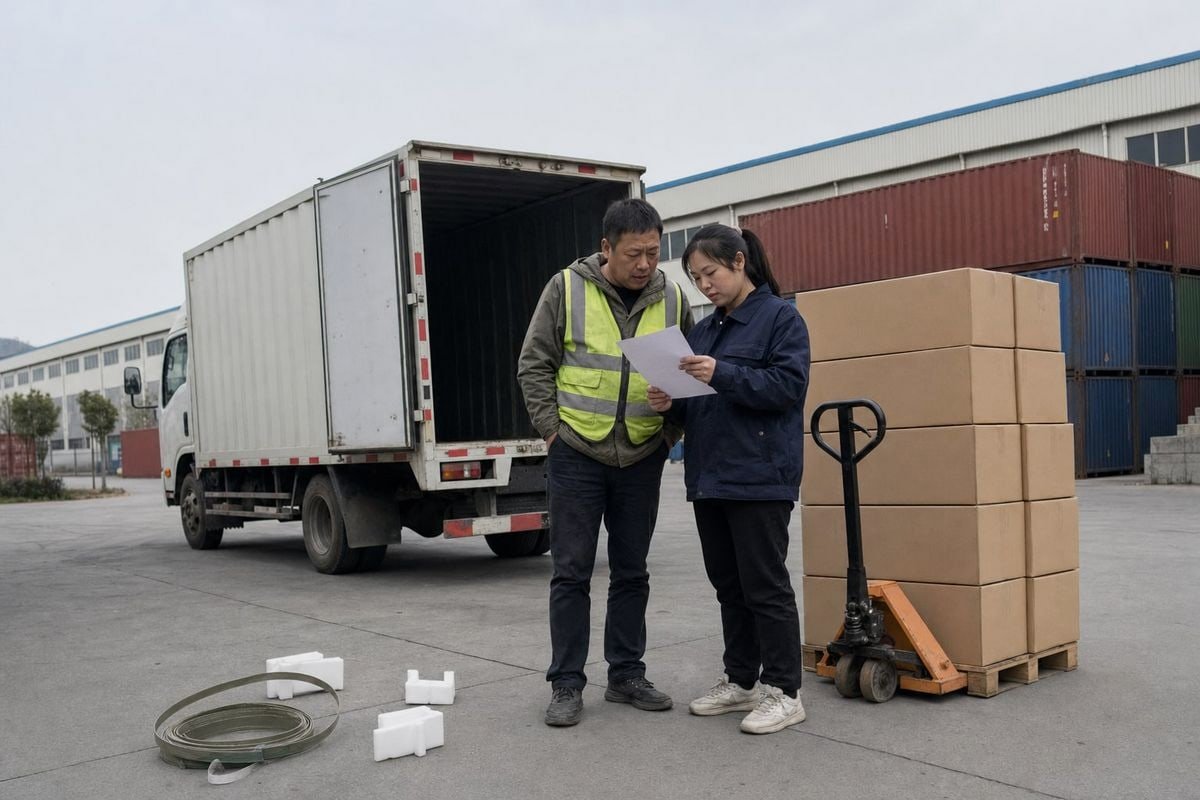
The lesson that changed how I brief new buyers came from a shipment of translucent pink acetate frames a few years back. The buyer's DDP arrangement let the supplier's forwarder choose the broker, and that broker misclassified the goods to shave duty. Customs caught it. The buyer, as importer of record, ate the penalty. Since then, I recommend FOB under Incoterms 2020 to every serious brand. The DDP vs FOB decision is really a control decision: FOB lets you pick the forwarder and broker who answer to you, not to the supplier's shipping margin.
The Pre-Shipment Workflow
Follow this sequence for every TR90 shipment:
| 子供用アイウェアの5段階QC計画 | タイミング | Owner |
|---|---|---|
| Confirm HS code with broker (9003.11 plastic, 9003.19 metal) | Before booking | Broker |
| Verify FDA medical device registration and model listing | Before production ends | 輸入業者 |
| Collect CPSIA lab reports and issue the CPC | Before shipment | 輸入業者 |
| Align invoice, packing list, and B/L data | At booking | Forwarder |
| Pre-alert audit, including origin markings | 72 hours before departure | Forwarder |
| File entry with digital CPC data via ACE | Before arrival | Broker |
Two points trip up new importers most often. First, the FDA angle: kids' optical frames are クラスI医療機器 7 even without prescription lenses, so your business needs establishment registration and each frame model needs listing. FDA medical device registration is not your forwarder's job — it is yours, and it must never be delegated. Second, valuation. Import duty rates apply to declared value, and undervaluing to save duty is the fastest route to a penalty and future inspections on every shipment. Keep records too; several customs regimes require retention for five years.
Get these right, and TR90 frames are actually an easy product to clear. The material is well understood, the classification is clean, and the compliance path is documented.
結論
Blurred responsibilities cause customs holds; clear ownership prevents them. Assign the forwarder logistics, the broker filing, and keep compliance yourself. One shipment, three risk owners, zero surprises.
脚注
1. CPSC guidelines on mandatory third-party testing for children’s products to ensure safety and compliance. ↩︎
2. Definition of the legal party responsible for customs compliance and duty payments during importation. ↩︎
3. Overview of the professional services provided by licensed customs brokers in international trade. ↩︎
4. WTO information on the rules of origin used to determine the economic nationality of goods. ↩︎
5. Official U.S. Harmonized Tariff Schedule providing the classification structure for optical goods and frames. ↩︎
6. CBP’s enforcement page for the UFLPA regarding supply chain transparency and forced labor prevention. ↩︎
7. FDA’s classification system for medical devices, specifically identifying optical frames as Class I. ↩︎
 English
  Español de México
  Deutsch
  Français
  日本語
日本語  العربية
  Português do Brasil