DDP vs. FOB for Kids Sunglasses: How Do Cost Transparency and Liability Differ?
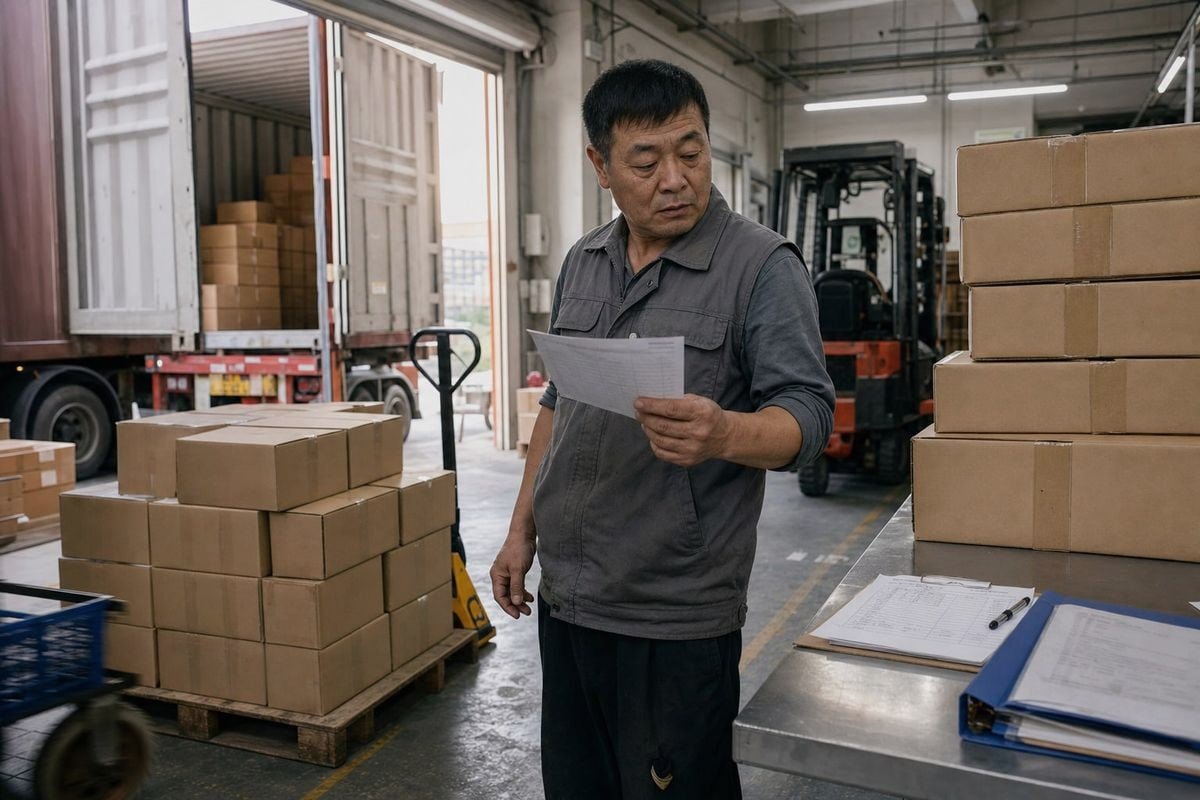
Choosing between DDP vs. FOB for kids sunglasses 1 confuses many buyers we quote at our Taizhou factory. Pick wrong, and hidden fees or customs liability can quietly erase your margin.
DDP gives you one all-in delivered price, with the seller handling freight, customs clearance, and duties until your door. FOB transfers risk to you once goods are loaded on the vessel, but it exposes every cost line item, giving better transparency and control over total landed cost.
Both terms come from Incoterms 2020. Both can work well for children’s eyewear. The real question is who sees the true costs, who controls compliance, and who carries the risk. Let me walk you through each part.
How do I calculate the true landed cost when comparing DDP and FOB quotes from a kids sunglasses factory?
A buyer from Australia once asked me why our FOB quote looked higher than a competitor's DDP price. When we broke down her total landed cost line by line, our offer was actually cheaper.
To compare fairly, convert both quotes to total landed cost per unit. For FOB, add product cost, ocean freight, shipping insurance, customs clearance fees, import duties and taxes, and inland delivery. For DDP, the quoted price already includes these, so check it for embedded markups.
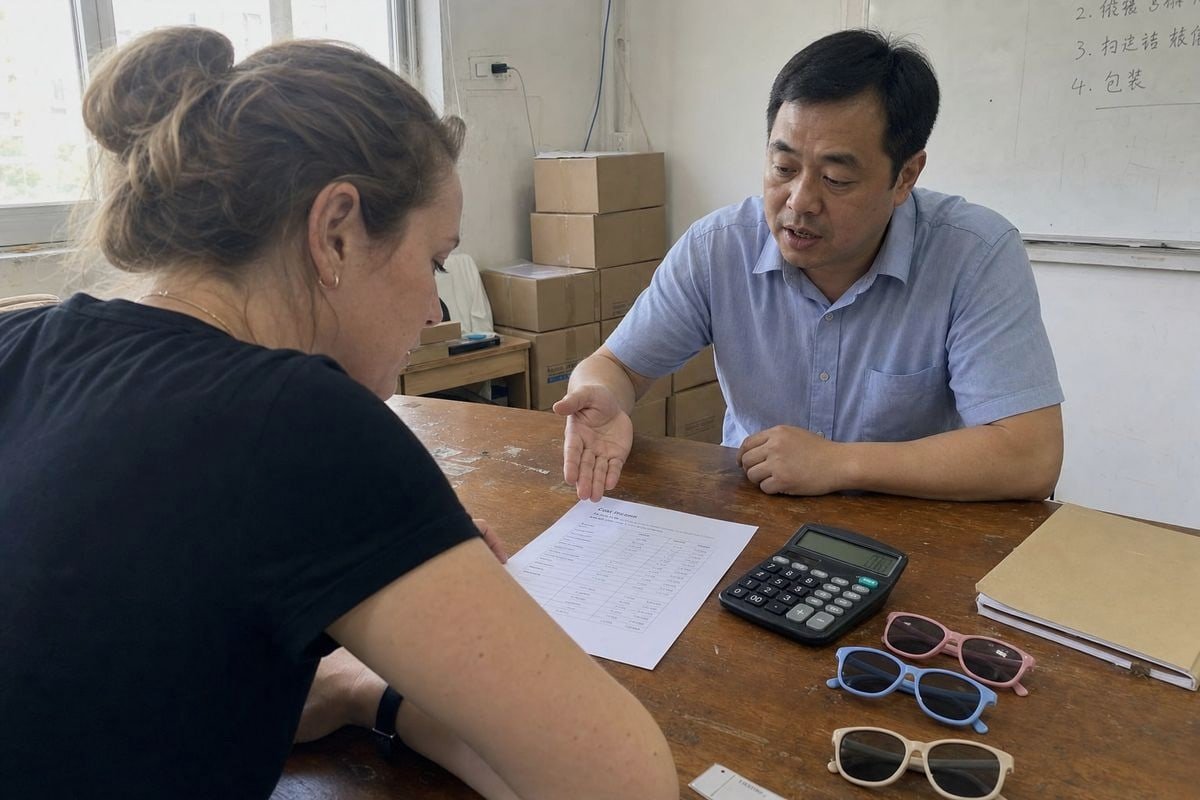
The mistake I see most often is comparing a DDP unit price against an FOB unit price directly. That comparison is meaningless. An FOB price from our production line covers the sunglasses, export packing, and getting the goods loaded on board at the Chinese port. Everything after that is your cost. A DDP price bundles the whole journey, door-to-door shipping included, into one number.
The landed cost formula in plain terms
For an FOB shipment, your true landed cost looks like this:
- FOB unit price from the factory
- Ocean or air freight to your destination port
- Shipping insurance during transit
- Terminal handling and port charges
- Customs brokerage and clearance fees
- Import duties and taxes for your market
- Inland trucking to your warehouse
Add all seven, divide by unit count, and you get your real per-unit cost. For DDP, the seller has already done this math for you — and possibly added a buffer on top.
Why this matters more for kids sunglasses
Children's sunglasses are a low-unit-price, high-volume product. When we quote a flexible TPEE frame with UV400レンズ 2, the freight and duty portion can be a meaningful slice of the final unit cost. On a high-ticket item, a small logistics markup disappears into the price. On a pair of kids sunglasses, it can eat a noticeable share of your margin.
| Cost Component | FOB Quote | DDP Quote |
|---|---|---|
| Product + export packing | Itemized | Bundled |
| Ocean/air freight | You pay, visible | Bundled, often marked up |
| Shipping insurance | You arrange, visible | Bundled or unclear |
| 通関手数料 3 | You pay, visible | Bundled |
| Import duties and taxes | You pay, visible | Bundled, may include buffer |
| Inland delivery | You pay, visible | Bundled |
| Total visibility | 高い | 低 |
My practical advice: ask any supplier offering DDP to break the price down anyway. If they refuse, that tells you something.
Who is responsible for customs duties, taxes, and compliance liability under DDP versus FOB shipping terms?
The trade-off I weigh with every new buyer is convenience versus accountability. In fifteen years of exporting children's eyewear to over twenty countries, I've seen convenience turn expensive when compliance goes wrong.
Under DDP, the seller pays import duties and taxes and manages customs clearance. Under FOB, the buyer handles and pays for all of it after loading. However, in many jurisdictions the buyer remains the legal Importer of Record, so product compliance liability can stay with you even under DDP.
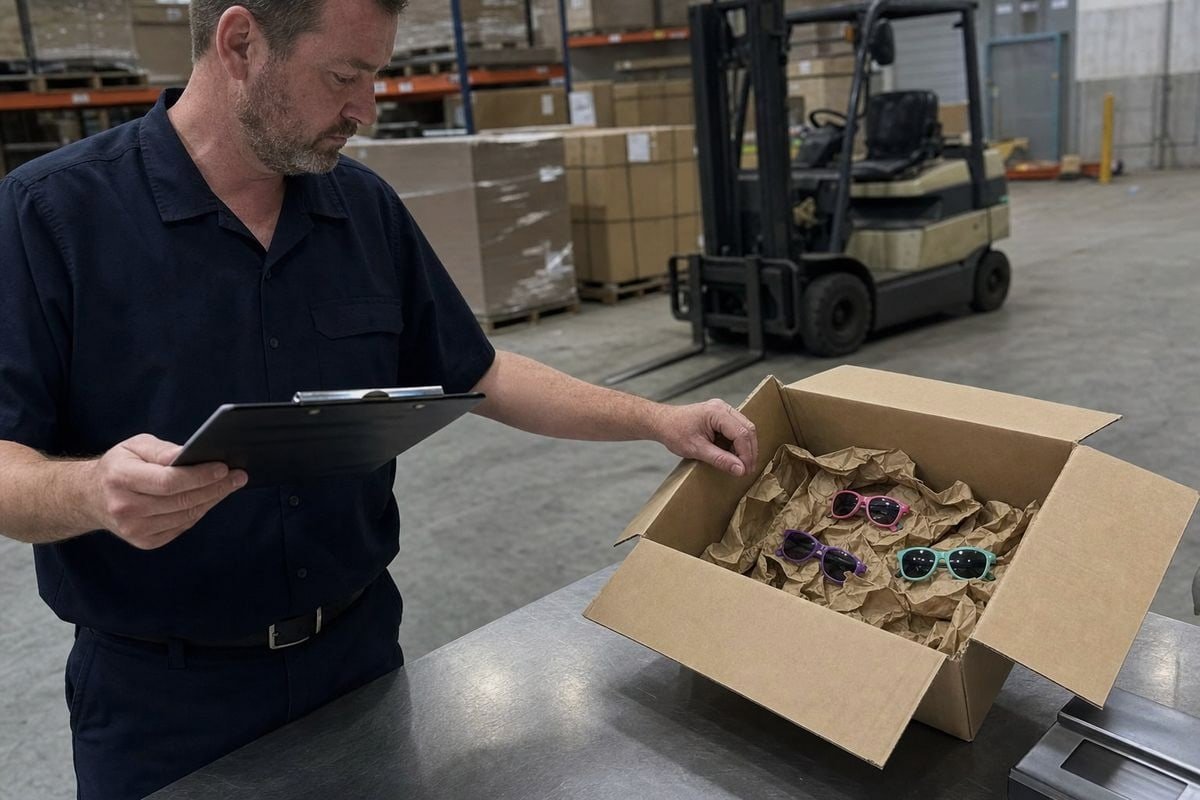
This is where the two Incoterms diverge most sharply, and where kids' products add an extra layer of risk that generic shipping guides rarely mention.
The financial responsibility split
Under FOB, once our team loads your sunglasses onto the vessel, risk of loss transfers to you. You pay freight. You pay duties. You clear customs through your own freight forwarder or broker. If the container is delayed or damaged at sea, your shipping insurance responds, not ours.
Under DDP, the seller carries risk of loss all the way to your named destination. The seller's broker files the entry. The seller pays the duties. On paper, it looks like you are fully protected.
The compliance blind spot for children's products
Here is the catch. Even under DDP, many customs authorities still treat the buyer as the importer of record. That means duty underpayments, misclassified HTS codes 4, and inadequate safety documentation can bounce back to you. Some DDP sellers use generic tariff codes to save time — classifying "protective" lenses as "fashion" accessories, for instance — and the retroactive fines land on the brand, not the shipper.
For kids sunglasses, this matters even more. Markets like the US expect CPSIAコンプライアンス 5, and Europe applies REACH and EN standards. A DDP seller may attach a generic certificate that doesn't match your specific market. We've had buyers come to us after exactly this problem: goods cleared, then flagged later. Our approach is to supply market-specific test reports with every order, whichever Incoterm the buyer chooses, because the paperwork protects the brand long after the container is delivered.
| Responsibility | FOB | DDP |
|---|---|---|
| Export clearance | Seller | Seller |
| Freight payment | Buyer | Seller |
| Risk during transit | Buyer | Seller |
| Import duties and taxes | Buyer | Seller pays |
| HTS classification accuracy | Buyer controls | Seller controls, buyer often liable |
| Product safety compliance | Buyer must verify | Buyer must still verify |
Which shipping term gives me better cost predictability when importing children's eyewear regularly?
One lesson our export team learned early: predictability and transparency are not the same thing. A Japanese distributor who orders from our 800-style catalog every quarter taught us how differently repeat buyers think about this.
DDP gives better short-term budget predictability because you pay one fixed delivered price per order. FOB gives better long-term profit-model accuracy because you see and can negotiate every cost component. Regular importers usually gain more from FOB's transparency over time.

For a first order, DDP feels safe. One invoice, one number, no surprise bills at arrival. But if you import kids sunglasses regularly, that comfort has a cost.
Budget predictability versus margin accuracy
DDP smooths your cash planning. You know exactly what each shipment costs before it leaves China. That's genuinely valuable for a small brand with tight budgets. But you never learn whether the seller's freight rate is competitive, whether duties were calculated correctly, or whether an administrative buffer is padding every unit.
FOB puts you inside your own supply chain logistics. You choose your freight forwarder. You see the actual duty rate 6 for children's eyewear in your market. Over multiple orders, you build benchmarks. When ocean rates drop, you capture the savings immediately. Under DDP, the seller often keeps that difference.
Flexibility during peak seasons
Kids sunglasses are seasonal. Most of our buyers ship heavily before spring and summer. Under FOB, you control routing and can pay for faster transit when a launch date is at risk. You can also choose carriers with lower carbon emissions if sustainability matters to your brand story — something DDP's bundled shipping obscures. Under DDP, you wait on the seller's chosen schedule.
| 要因 | DDP | FOB |
|---|---|---|
| Budget certainty per order | 素晴らしい | Requires calculation |
| Visibility into freight rates | アクティブな子供のための安全性 | Full |
| Ability to capture rate drops | いいえ | はい |
| Carrier and routing control | Seller decides | Buyer decides |
| Duty Drawback eligibility | Difficult to document | Buyer holds direct evidence |
| Best fit | Occasional orders | Regular imports |
One more point for scaling brands: if you ever re-export goods, Duty Drawback programs require direct evidence of duty payment. FOB keeps that paper trail in your hands.
How do I decide whether DDP or FOB is the safer choice for my brand's first bulk order of kids sunglasses?
When a new brand samples our TR90 frames with TPEE temples for the first time, the Incoterm question always comes up before the purchase order does. My answer depends on their situation, not on what's easier for our factory.
Choose DDP for your first bulk order if you lack a freight forwarder, want one predictable delivered price, and your order is small. Choose FOB if you have logistics support, plan to reorder regularly, or need full control over compliance documentation and landed-cost data.
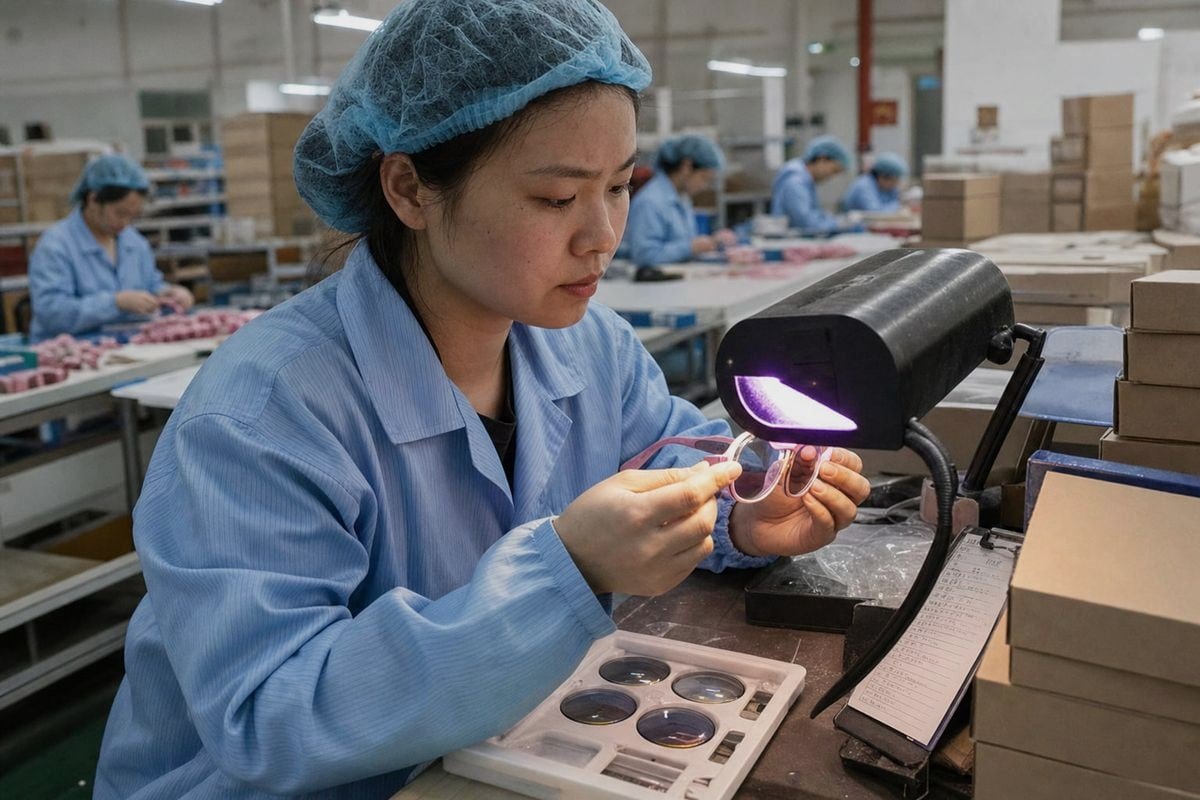
There is no universally safer choice. There is only the choice that matches your team's experience, order size, and growth plan.
A simple decision path
Ask yourself these four questions in order:
- Do you have a freight forwarder or customs broker? If no, DDP removes a burden you're not equipped to carry yet. If yes, FOB puts your existing relationships to work.
- Is this a market test or a committed program? For a small trial order — say, a few hundred pairs from our existing styles to test your market without mold investment 7 — DDP's simplicity outweighs its embedded markup. For a committed seasonal program, FOB pays off fast.
- Do you understand your market's compliance requirements? If you sell in the US or EU, you need CPSIA or EN documentation regardless of Incoterm. Never let a DDP arrangement lull you into skipping verification of test reports.
- How sensitive is your margin? Kids sunglasses carry thin per-unit margins. If a small hidden freight markup would hurt your unit economics, FOB's transparency is worth the extra work.
What I tell first-time buyers
Honestly, many of our first-time customers start with DDP or a door-to-door arrangement, then switch to FOB by their second or third order once they've hired a forwarder and learned their real landed cost. That progression is healthy. What I warn against is staying on DDP for years without ever auditing the numbers, and treating the seller's compliance paperwork as automatically sufficient. Ask for itemized quotes even under DDP. Ask for market-specific safety documentation always. A supplier who resists either request is telling you where the hidden costs live.
結論
DDP buys convenience and one clean price; FOB buys transparency, control, and earlier risk transfer. For kids sunglasses, where margins are thin, know your true landed cost either way — then choose deliberately.
脚注
1. Wikipedia article covering the history and types of sunglasses, including those for children. ↩︎
2. Authoritative Wikipedia section explaining international UV protection standards for sunglasses. ↩︎
3. Official U.S. government guide for understanding import tariffs and customs fees. ↩︎
4. Official USITC search tool for identifying Harmonized Tariff Schedule codes. ↩︎
5. Official government page for the CPSIA, which sets safety standards for children’s products in the US. ↩︎
6. Wikipedia entry explaining how duty rates and tariffs are applied to imported goods. ↩︎
7. Wikipedia page explaining the industrial process of injection molding and the associated costs of mold creation. ↩︎

 English
  Español de México
  Deutsch
  Français
  日本語
日本語  العربية
  Português do Brasil