子供用サングラス契約における売れ残り在庫の責任の定義方法
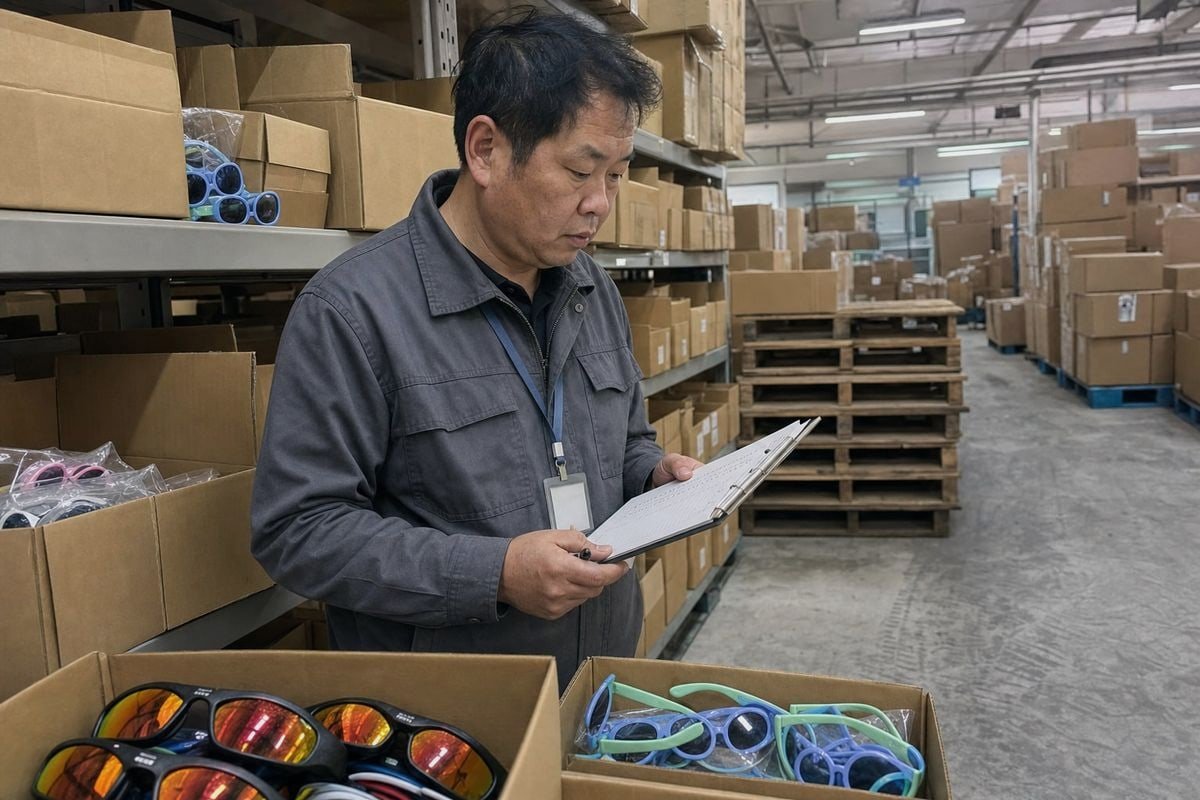
子供用サングラス契約における売れ残り在庫の責任は、当社の台州工場でよく聞かれる質問です リスク配分 1. 。バイヤーは不良在庫を心配しています。不明確な契約は、その恐怖を現実のものとします。.
子供用サングラス契約における売れ残り在庫の責任は、書面で定義する必要があります。各段階で商品の所有権を持つ者を明記し、MOQと再注文条件を設定し、買い戻しまたは値引きの上限条項を追加し、返品期間と状態基準を定め、出荷、保管、廃棄費用を割り当てます。.
以下に、バイヤーから最もよく聞かれる4つの質問に分解します。各セクションでは、次の交渉に持ち込める実用的な条項のアイデアを提供します。.
過剰在庫リスクを回避するために、明確なMOQと再注文条件をどのように設定できますか?
数シーズン前、初めて輸入したバイヤーが「安全のため」と注文を倍増するように依頼してきました。私たちはそれを思いとどまらせました。当社の約800の既存スタイルは、新しいブランドが小さく始められるようにまさに存在しています。.
SKUごとに現実的なMOQを設定し、総量を段階的な納品に分割し、リピート生産のためにリードタイムを短縮した再注文条項を追加します。最初に少ないスタイルでテストし、その後、成功したものを拡大します。予測責任と再注文価格は、メールではなく契約に記載してください。.
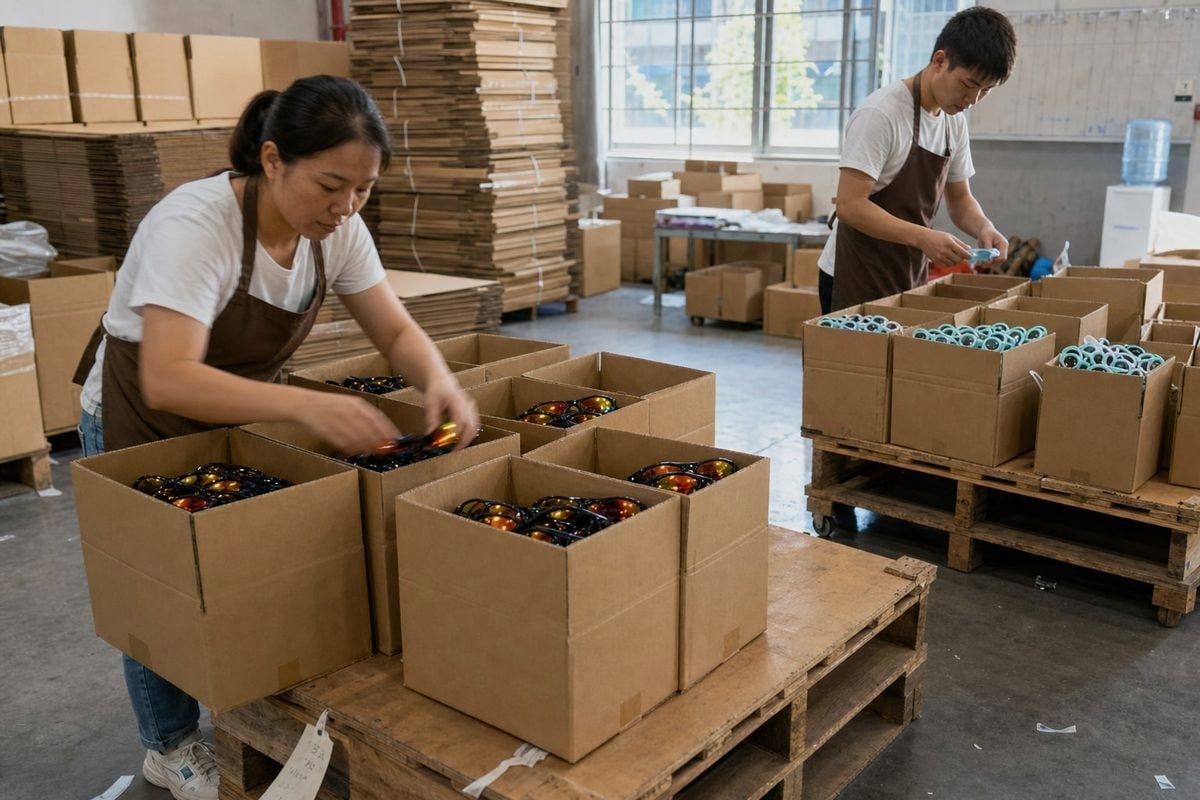
子供用サングラスの売れ残りの最大の原因は、最初の注文が多すぎることです。. 子供用アイウェア 2 は季節的でファッション主導です。幼児、子供、ティーンエイジャーのラインは、それぞれ大人用アイウェアよりも狭い人口統計を持っています。したがって、最初の注文が大きすぎると、すべてのSKUにリスクが倍増します。.
注文をサイズ設定するだけでなく、構造化する
In our experience exporting to buyers in 20+ countries, 紛争を回避する契約 には3つの習慣があります。第一に、コンテナレベルだけでなく、SKUレベルでMOQを設定します。第二に、最初のバッチの売れ行きを確認した後にのみ2番目のバッチが出荷されるように、配送を段階的に行います。第三に、事前に再注文条件を確定するため、夏場のピーク時に好調なスタイルを迅速に補充できます。.
MOQと再注文の文言を構造化する方法を以下に示します。
| 契約要素 | 弱い文言 | 強い文言 |
|---|---|---|
| 最小注文数量 | "「最低注文数 5,000個」" | "「MOQ 300個/SKU、色ごと」" |
| 配送 | "「1回の出荷」" | "「2回の段階的出荷、最初の到着から30日後に確認される2回目の出荷」" |
| 再注文リードタイム | 言及なし | "「既存SKUの繰り返し注文はX週間以内に発送」" |
| 予測義務 | 言及なし | "「バイヤーはローリング90日間の予測を提供します。予測は確定済みPOを超えて拘束力を持ちません」" |
| 季節性 | 言及なし | "「当事者は夏と新学期のピークに合意します。再注文の締め切り日は別紙Aに記載されています」" |
段階的配送が子供向け製品にとって重要な理由
子供用サングラスには、夏の太陽の季節、および新学期とホリデーギフトの2つの需要ピークがあります。段階的な再注文条項により、すべてを3月に賭けるのではなく、新鮮な在庫で両方のピークに乗ることができます。当社は数百の既存のTPEEおよびTR90スタイルの金型を保持しているため、繰り返し生産は新しい開発ランよりも高速です。そのスピードが、最初の注文が商業的に安全である理由です。それを明確に交渉し、再注文価格を確認してください。そうすれば、2回目の生産で予期せぬ増加はありません。.
子供用サングラスのスタイルが売れ残った場合、私を守ってくれる契約条項は何ですか?
当社は、すべてのバイヤーと柔軟性と価格のトレードオフを検討します。返品権のある契約は、ユニットあたりのコストがわずかに高くなります。返品権のない契約は、パステルカラーの丸いフレームが小売店で停滞した場合、はるかにコストがかかります。.
Protect yourself with five clauses: a clear title and risk-of-loss transfer point, a defect-versus-sell-through liability line, a capped supplier repurchase right, a markdown or liquidation fallback, and defined condition standards stating which units qualify as returnable saleable stock.
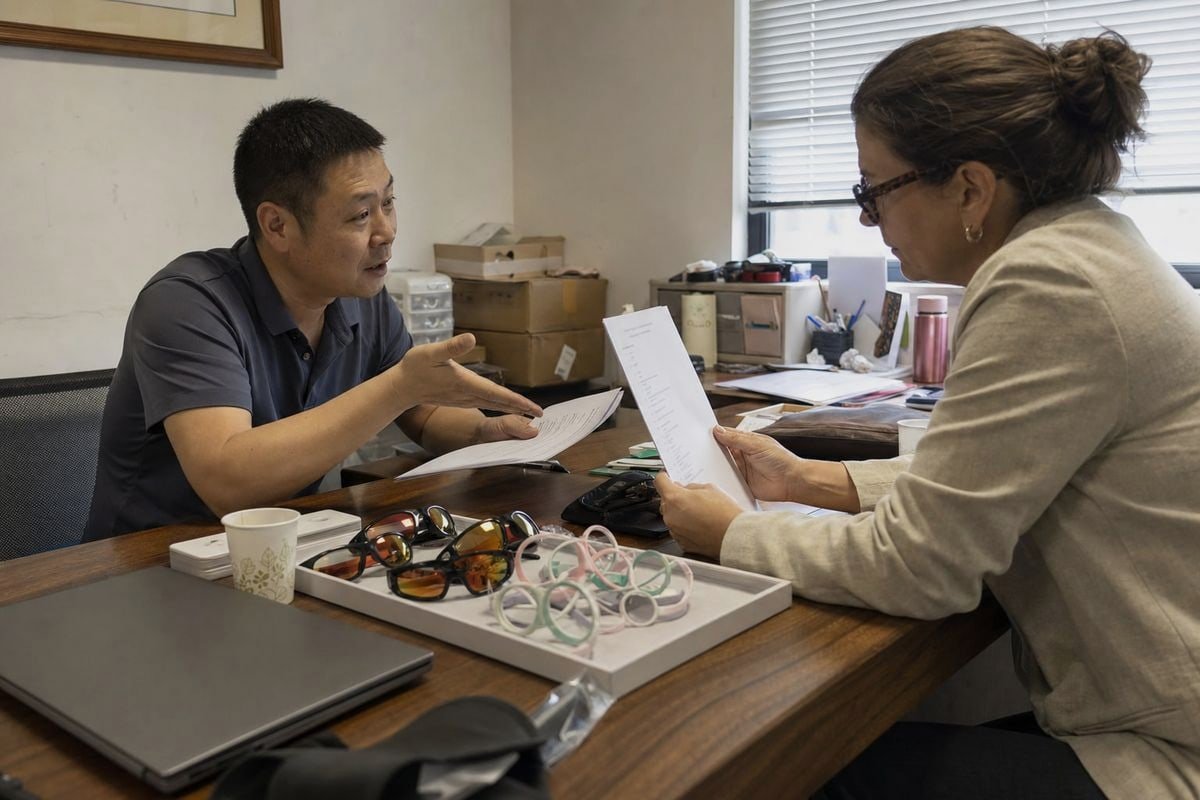
ここでの中心的な法的考え方は リスク配分 3, であり、非難ではありません。工場またはブランドが「常に」残りの在庫を吸収するという普遍的な規則はありません。契約が決定します。契約が沈黙している場合、紛争は所有権の議論に流され、それらはすぐに高価になります。.
The five protective clauses, explained
| 条項 | その機能 | 子供用サングラスの側面 |
|---|---|---|
| 所有権とリスク移転 | 所有権がいつ移転するかを規定します(FOB出発地対仕向地) | 輸送中および到着後の損失を誰が負担するかを決定します |
| 欠陥対売れ行き線 | サプライヤーは欠陥のある商品をカバーします。バイヤーは需要リスクをカバーします | Broken hinges are our problem; slow colorways are yours |
| Capped repurchase | Supplier buys back a fixed percentage or quantity | Common formulas use invoice price less an agreed haircut |
| Markdown/liquidation fallback | Buyer may discount, relabel, donate, or dispose of leftovers | Prevents dead stock if return shipping costs exceed value |
| Condition standards | Only new, unopened, prime-condition units qualify for return | Covers scratched lenses, missing packaging, damaged display cards |
Draw the defect line carefully
At our workshop, we inspect flexibility, hinge strength, lens quality, and labeling before shipment. That matters contractually. If units become unsellable because of a manufacturing defect or a safety labeling problem 4, that liability should default to the manufacturer. If units simply did not sell because the market preferred a different style, that is retail demand risk, and it normally sits with the buyer. A good clause names both scenarios so neither party can reframe one as the other later.
Also address regulatory change. Children's products face evolving safety standards 5 in different markets. Your contract should say who absorbs inventory rendered unsellable by a compliance issue that existed at production, versus a rule that changed after delivery.
アイウェアメーカーと買い戻しまたは値引きの条件を交渉するにはどうすればよいですか?
A distributor in Europe once opened negotiations by asking us for a full, unconditional buyback right. We said no — but we found a middle ground with a cap, a deadline, and a discount. That deal is still running years later.
キャップ付き買い戻し交渉:サプライヤーは、シーズン終了後の一定期間内に、一定の条件(新品同様、割引価格)で、売れ残った商品の一定割合のみを買い戻します。売れ行きの悪い商品に対するマークダウンサポートと、キャップを超える商品に対する清算権を組み合わせてください。.
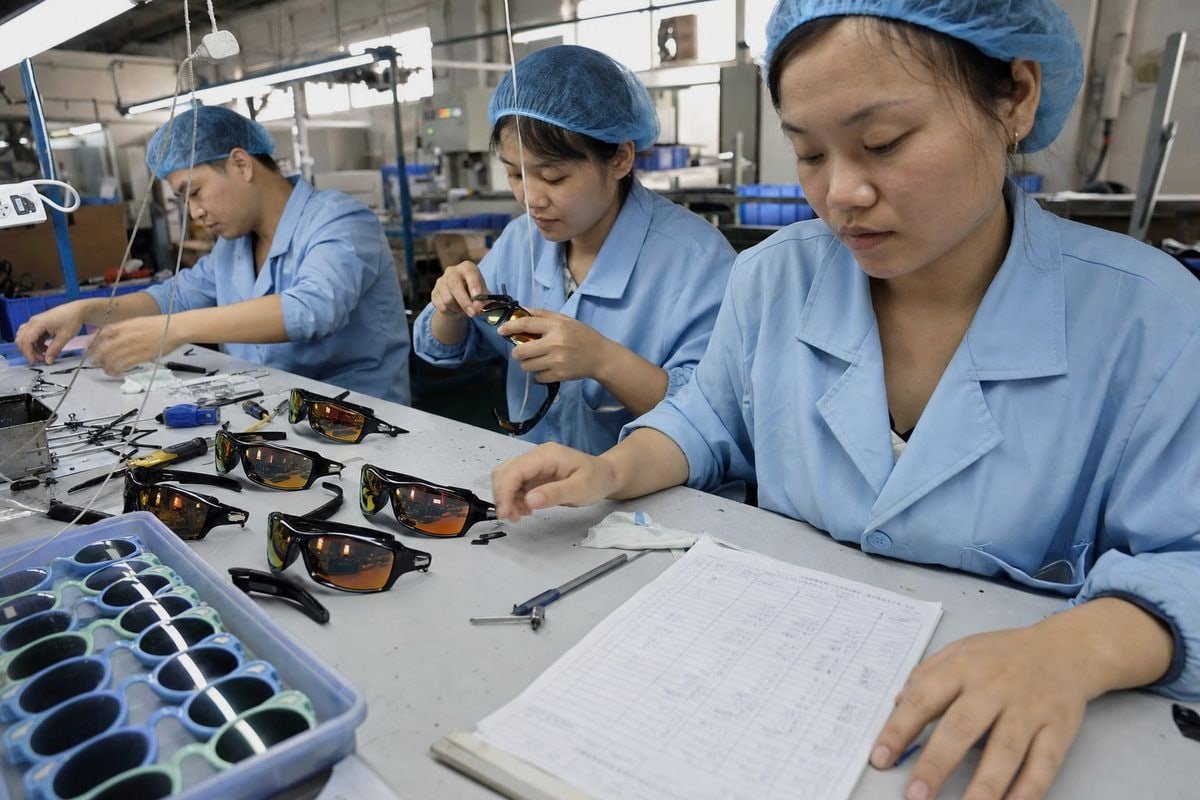
Understand both sides before you sit down. The supplier-favorable view says the buyer chose the quantity, so the buyer owns the overbuying risk. The buyer-favorable view says the supplier controls production, branding, and obsolescence, so the supplier should share leftover losses — especially when exclusivity or licensing restricts resale. The workable answer is almost always the middle ground.
The negotiation levers, in order of realism
- Cap the quantity. A repurchase limited to a defined share of the order, or to a few months of sales volume, is negotiable. Unlimited buyback is not.
- Set the price formula. Sample clauses in practice use ex-works or invoice price minus a negotiated percentage. The haircut compensates the supplier for handling and re-inspection.
- Fix the window. A defined post-season return period — many contracts use around 90 days — keeps the obligation from hanging open forever.
- Prefer credit over cash. We are far more flexible when buyback value applies as credit against the next order. It keeps the partnership moving and lowers our risk.
- Ask for markdown money instead. For some buyers, a supplier contribution toward price reductions on slow movers beats physically shipping goods back to China. On low-value kids' sunglasses, return freight can exceed the goods' worth.
- Secure a liquidation fallback. If the supplier declines repurchase, the contract should let you discount, strip private-label branding, donate, or dispose of the stock without further obligation.
Licensing changes everything
If your sunglasses carry cartoon-character or franchise branding, address license expiration 6 directly. Licensed units can become unsellable overnight when the license lapses. Name the party who absorbs that sunk cost, and state whether de-branding and resale is permitted. For our OEM buyers, we often suggest keeping character graphics on removable packaging rather than molded frames, so leftover units stay sellable after relabeling.
最初の注文を確定する前に、どの在庫責任に関する規約を確認すべきですか?
Before any first order leaves our 5S-managed workshop, I walk new buyers through a short checklist. Fifteen years in eyewear taught me that ten minutes of confirmation prevents ten months of arguing.
初回のご注文の前に、以下の8つの条件をご確認ください:所有権およびリスク移転時点、最低発注数量(MOQ)および再注文ルール、欠陥責任および検査基準、買い戻し上限および価格設定、返品期間、条件の定義、送料および保管費用の配分、および契約終了後の廃棄およびブランド解除権。.
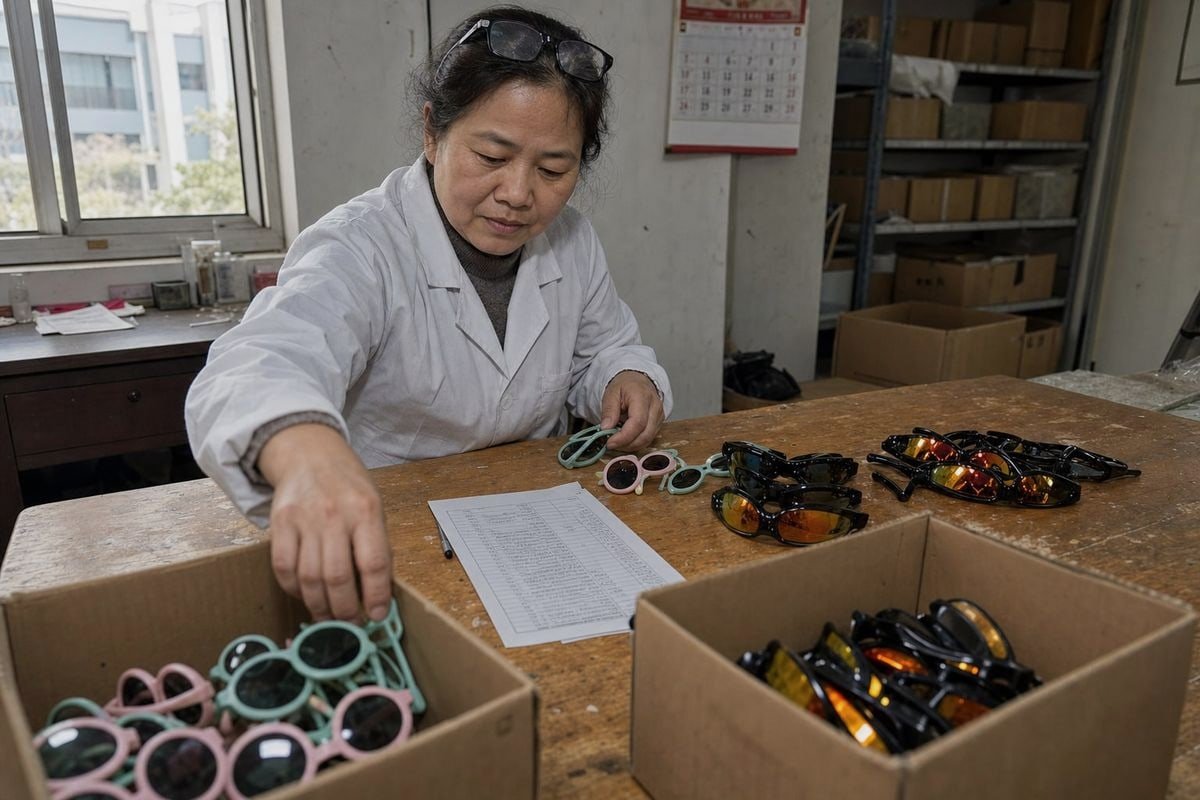
Treat this as a pre-order audit of the whole inventory lifecycle. Every stage — production, transit, shelf, off-season, termination — should have a named owner, a deadline, and a cost bearer. Ambiguity at any stage becomes a dispute later.
The pre-order confirmation checklist
| # | Term to confirm | The question it answers |
|---|---|---|
| 1 | Incoterms / title transfer | Where exactly does risk pass from factory to buyer? |
| 2 | MOQ, staging, reorders | Can I start small and replenish winners quickly? |
| 3 | Defect liability + QC standard | What counts as defective, and who inspects against what spec? |
| 4 | Buyback cap and formula | How much can I return, at what price, credited how? |
| 5 | Return window and notice | By when must I report counts and ship returns post-season? |
| 6 | Condition standards | Do opened, scratched, or repackaged units qualify? |
| 7 | Cost allocation | Who pays return freight, storage, retrieval, and destruction? |
| 8 | Termination cleanup | Can I sell off remaining stock, and must I remove trademarks? |
Add the mechanics, not just the rights
Rights without procedures fail in practice. Require a final inventory report at SKU level, an inspection window for the supplier to verify counts and condition, and a fixed pickup or shipment period. Attach a schedule listing SKU-level repurchase pricing so no one negotiates valuations during a dispute. For kids' sunglasses specifically, insist on SKU-level forecasting language tied to seasonal cutoffs, so "off-season unsold stock" has a precise definition. And because toddler, kids, and tween lines carry different sell-through risk, consider tiered risk-sharing percentages rather than one flat rule for the whole order.
Finally, confirm packaging and safety labeling requirements 7 in writing before production. Retail-ready presentation is part of what makes returned inventory resalable — units missing compliant labeling may not qualify as "saleable" at all.
結論
Unsold inventory becomes a dispute only when contracts stay vague. Define ownership, caps, deadlines, and costs upfront — then start small, reorder winners, and grow with a manufacturing partner you trust.
脚注
1. Background concept for how contracts allocate inventory and demand risk between parties. ↩︎
2. Background reference on sunglasses as a product category relevant to children’s eyewear demand patterns. ↩︎
3. Incoterms rules define the risk-transfer points that underpin contract risk-allocation clauses. ↩︎
4. CPSC guidance clarifies children’s product safety and labeling compliance obligations for manufacturers. ↩︎
5. ISO sets international product safety standards referenced when discussing changing children’s eyewear regulations. ↩︎
6. WIPO explains licensing and intellectual property rights relevant to franchise-branded product expiration. ↩︎
7. FDA regulates sunglasses UV protection and labeling, directly relevant to confirming compliance before production. ↩︎

 English
  Español de México
  Deutsch
  Français
  日本語
日本語  العربية
  Português do Brasil