How to Define Responsibility for Unsold Inventory in a Kids’ Sunglasses Contract?
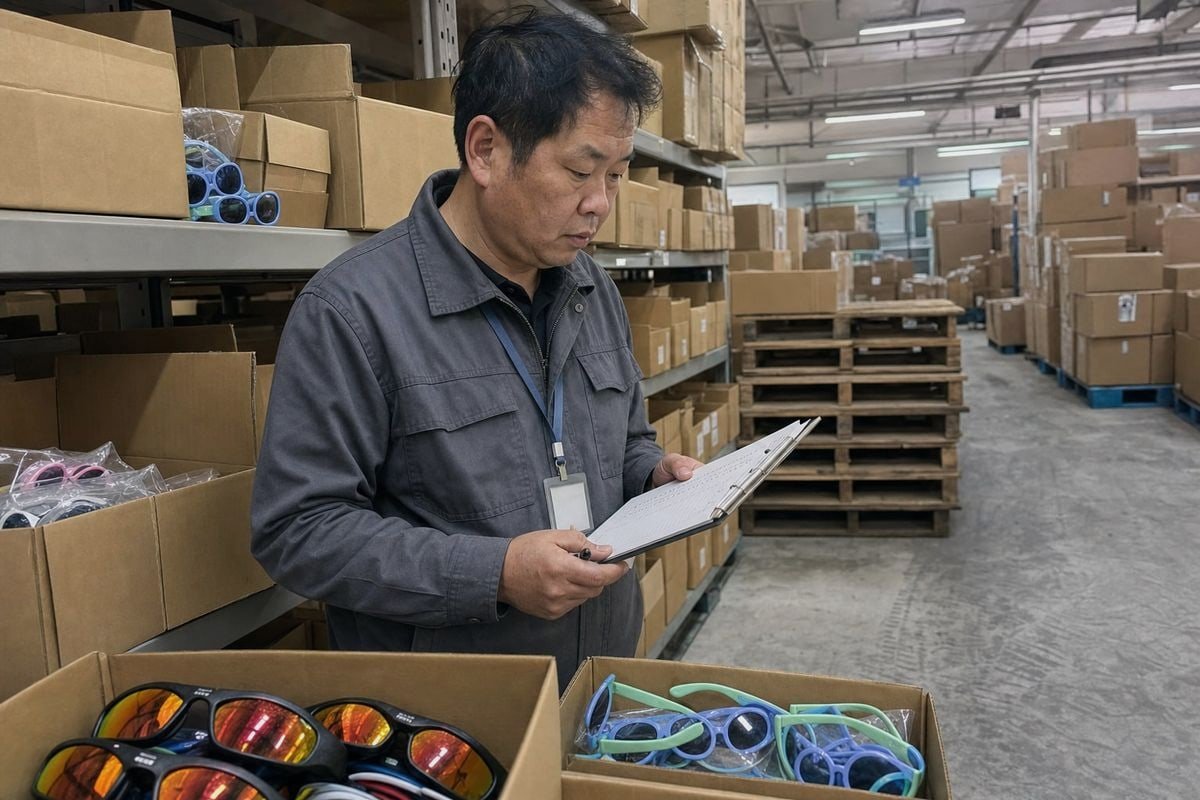
Responsibility for unsold inventory in a kids’ sunglasses contract is a question I hear often at our Taizhou factory risk allocation 1. Buyers worry about dead stock; unclear contracts make that fear real.
Responsibility for unsold inventory in a kids’ sunglasses contract should be defined in writing: state who owns the goods at each stage, set MOQ and reorder terms, add capped buyback or markdown clauses, fix return windows and condition standards, and assign shipping, storage, and disposal costs.
Below, I break this down into the four questions buyers ask me most. Each section gives you practical clause ideas you can bring to your next negotiation.
How can I set clear MOQ and reorder terms to avoid excess inventory risk?
A few seasons ago, a first-time importer asked us to double their opening order "to be safe." We talked them out of it. Our ~800 existing styles exist exactly so new brands can start small.
Set a realistic MOQ per SKU, split total volume across staged deliveries, and add a reorder clause with a shorter lead time for repeat runs. Test with fewer styles first, then scale winners. Put forecast responsibility and reorder pricing in the contract, not in emails.
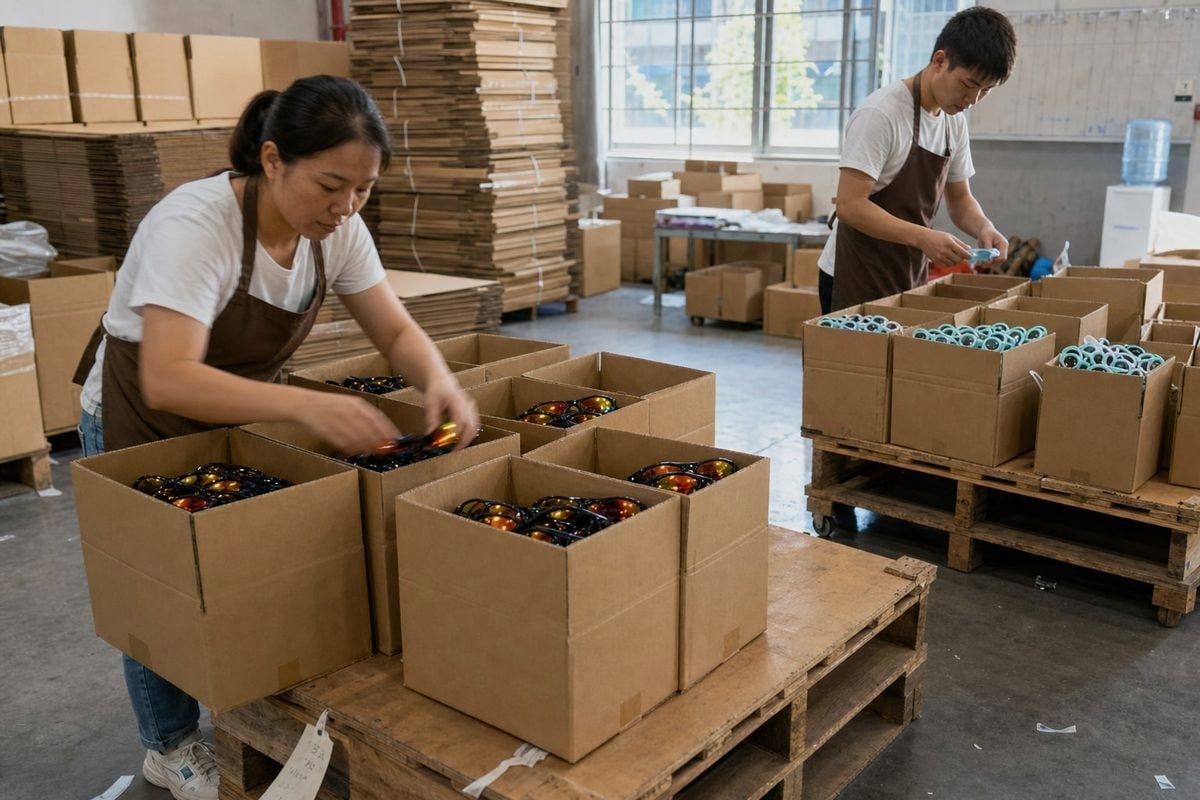
The single biggest cause of unsold kids' sunglasses is over-ordering at the start. Children's eyewear 2 is seasonal and fashion-driven. Toddler, kids, and tween lines each have narrower demographics than adult eyewear. So an oversized first order multiplies your risk across every SKU.
Structure the order, don't just size it
In our experience exporting to buyers in 20+ countries, the contracts that avoid disputes share three habits. First, they set MOQ at the SKU level, not just the container level. Second, they stage deliveries so the second batch ships only after the first batch shows sell-through. Third, they lock in reorder terms in advance, so a winning style can be replenished fast during the summer peak.
Here is how I recommend structuring MOQ and reorder language:
| Contract element | Weak wording | Strong wording |
|---|---|---|
| الحد الأدنى للطلب | "Minimum order 5,000 pcs" | "MOQ 300 pcs per SKU, per colorway" |
| Delivery | "One shipment" | "Two staged shipments, second confirmed 30 days after first arrival" |
| Reorder lead time | Not mentioned | "Repeat orders of existing SKUs ship within X weeks" |
| Forecast duty | Not mentioned | "Buyer provides rolling 90-day forecast; forecasts are non-binding beyond confirmed POs" |
| Seasonality | Not mentioned | "Parties agree summer and back-to-school peaks; reorder cutoff dates listed in Schedule A" |
Why staging matters for kids' products
Kids' sunglasses have dual demand peaks: summer sun season, plus back-to-school and holiday gifting. A staged reorder clause lets you ride both peaks with fresh stock instead of gambling everything in March. Because we hold molds for hundreds of existing TPEE and TR90 styles, repeat production is faster than a new development run. That speed is what makes a small first order commercially safe. Negotiate for it explicitly, and confirm reorder pricing so a second run does not come with a surprise increase.
What contract clauses protect me if kids' sunglasses styles don't sell through?
One trade-off we weigh with every buyer is flexibility versus price. A contract with return rights costs slightly more per unit. A contract without them costs far more when a pastel round frame stalls at retail.
Protect yourself with five clauses: a clear title and risk-of-loss transfer point, a defect-versus-sell-through liability line, a capped supplier repurchase right, a markdown or liquidation fallback, and defined condition standards stating which units qualify as returnable saleable stock.
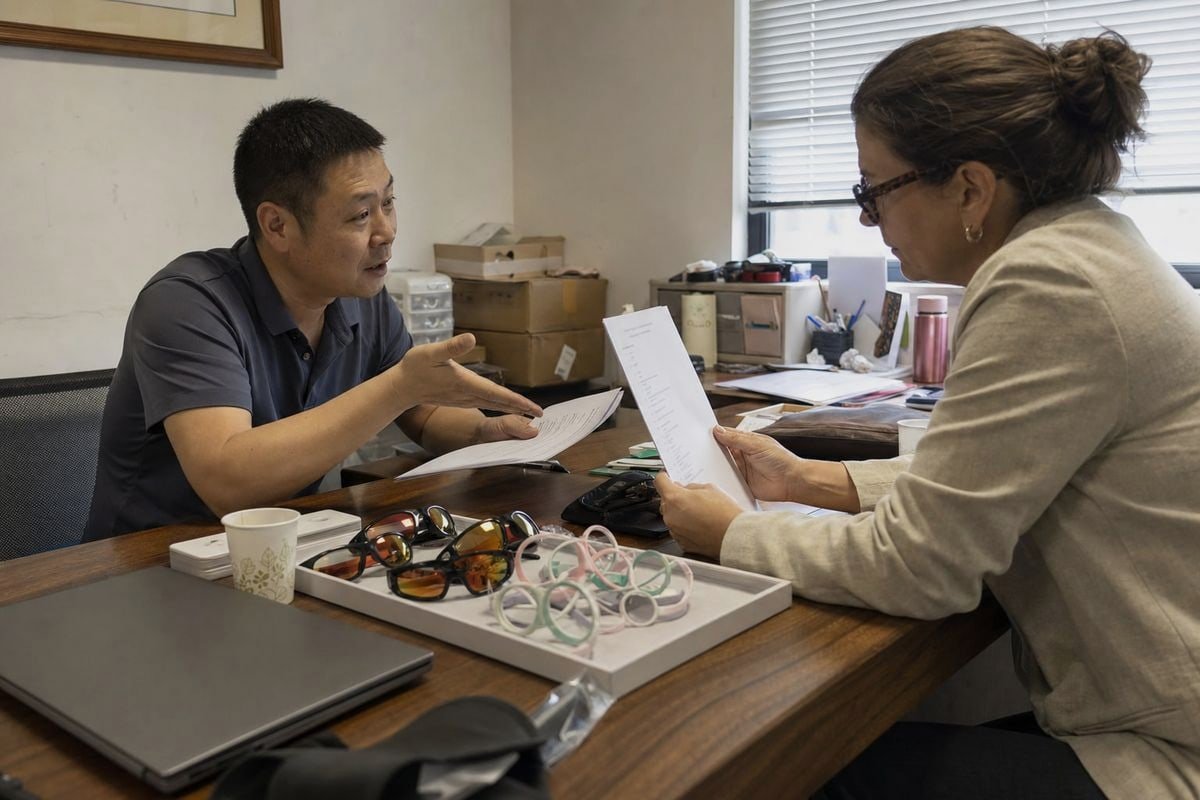
The core legal idea here is risk allocation 3, not blame. No universal rule says the factory or the brand "always" absorbs leftover stock. The contract decides. If the contract is silent, disputes drift toward ownership arguments, and those get expensive fast.
The five protective clauses, explained
| Clause | What it does | Kids' sunglasses angle |
|---|---|---|
| Title and risk transfer | States when ownership passes (FOB origin vs. destination) | Determines who bears loss in transit and after arrival |
| Defect vs. sell-through line | Supplier covers defective goods; buyer covers demand risk | Broken hinges are our problem; slow colorways are yours |
| Capped repurchase | Supplier buys back a fixed percentage or quantity | Common formulas use invoice price less an agreed haircut |
| Markdown/liquidation fallback | Buyer may discount, relabel, donate, or dispose of leftovers | Prevents dead stock if return shipping costs exceed value |
| Condition standards | Only new, unopened, prime-condition units qualify for return | Covers scratched lenses, missing packaging, damaged display cards |
Draw the defect line carefully
At our workshop, we inspect flexibility, hinge strength, lens quality, and labeling before shipment. That matters contractually. If units become unsellable because of a manufacturing defect or a safety labeling problem 4, that liability should default to the manufacturer. If units simply did not sell because the market preferred a different style, that is retail demand risk, and it normally sits with the buyer. A good clause names both scenarios so neither party can reframe one as the other later.
Also address regulatory change. Children's products face evolving safety standards 5 in different markets. Your contract should say who absorbs inventory rendered unsellable by a compliance issue that existed at production, versus a rule that changed after delivery.
How do I negotiate buyback or markdown terms with my eyewear manufacturer?
A distributor in Europe once opened negotiations by asking us for a full, unconditional buyback right. We said no — but we found a middle ground with a cap, a deadline, and a discount. That deal is still running years later.
Negotiate a capped buyback: the supplier repurchases only a fixed share of unsold units, within a set window after season end, in prime condition, at a discounted price. Pair it with markdown support for slow movers and a liquidation right for anything beyond the cap.
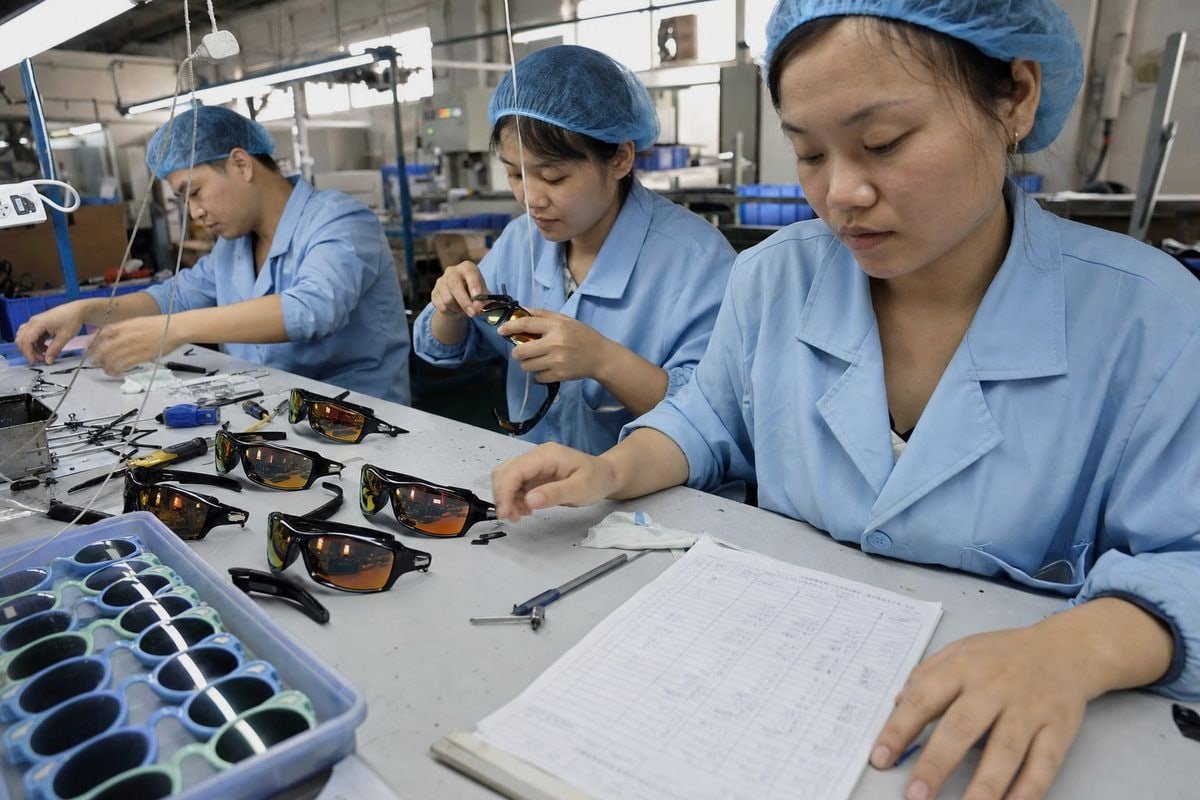
Understand both sides before you sit down. The supplier-favorable view says the buyer chose the quantity, so the buyer owns the overbuying risk. The buyer-favorable view says the supplier controls production, branding, and obsolescence, so the supplier should share leftover losses — especially when exclusivity or licensing restricts resale. The workable answer is almost always the middle ground.
The negotiation levers, in order of realism
- Cap the quantity. A repurchase limited to a defined share of the order, or to a few months of sales volume, is negotiable. Unlimited buyback is not.
- Set the price formula. Sample clauses in practice use ex-works or invoice price minus a negotiated percentage. The haircut compensates the supplier for handling and re-inspection.
- Fix the window. A defined post-season return period — many contracts use around 90 days — keeps the obligation from hanging open forever.
- Prefer credit over cash. We are far more flexible when buyback value applies as credit against the next order. It keeps the partnership moving and lowers our risk.
- Ask for markdown money instead. For some buyers, a supplier contribution toward price reductions on slow movers beats physically shipping goods back to China. On low-value kids' sunglasses, return freight can exceed the goods' worth.
- Secure a liquidation fallback. If the supplier declines repurchase, the contract should let you discount, strip private-label branding, donate, or dispose of the stock without further obligation.
Licensing changes everything
If your sunglasses carry cartoon-character or franchise branding, address license expiration 6 directly. Licensed units can become unsellable overnight when the license lapses. Name the party who absorbs that sunk cost, and state whether de-branding and resale is permitted. For our OEM buyers, we often suggest keeping character graphics on removable packaging rather than molded frames, so leftover units stay sellable after relabeling.
Which inventory responsibility terms should I confirm before placing my first order?
Before any first order leaves our 5S-managed workshop, I walk new buyers through a short checklist. Fifteen years in eyewear taught me that ten minutes of confirmation prevents ten months of arguing.
Before your first order, confirm eight terms: title and risk transfer point, MOQ and reorder rules, defect liability and inspection standards, buyback caps and pricing, return windows, condition definitions, cost allocation for freight and storage, and post-termination disposal and de-branding rights.
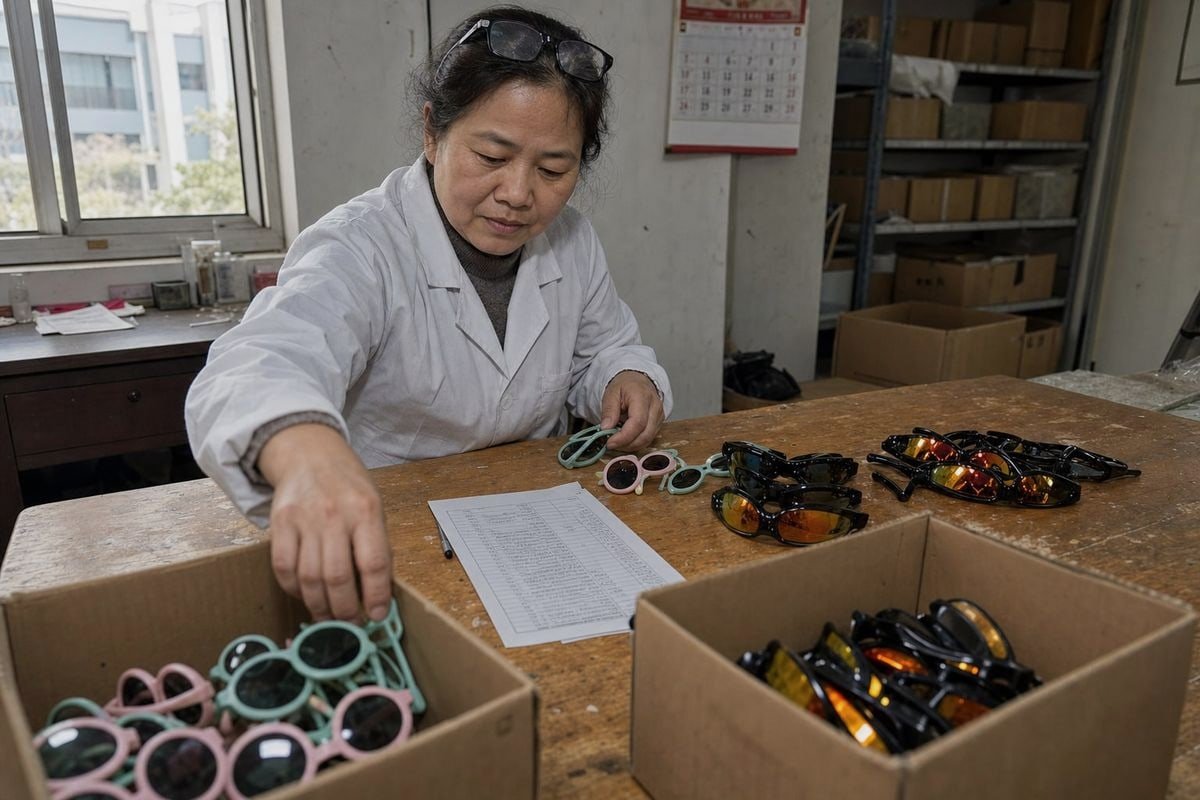
Treat this as a pre-order audit of the whole inventory lifecycle. Every stage — production, transit, shelf, off-season, termination — should have a named owner, a deadline, and a cost bearer. Ambiguity at any stage becomes a dispute later.
The pre-order confirmation checklist
| # | Term to confirm | The question it answers |
|---|---|---|
| 1 | Incoterms / title transfer | Where exactly does risk pass from factory to buyer? |
| 2 | MOQ, staging, reorders | Can I start small and replenish winners quickly? |
| 3 | Defect liability + QC standard | What counts as defective, and who inspects against what spec? |
| 4 | Buyback cap and formula | How much can I return, at what price, credited how? |
| 5 | Return window and notice | By when must I report counts and ship returns post-season? |
| 6 | Condition standards | Do opened, scratched, or repackaged units qualify? |
| 7 | Cost allocation | Who pays return freight, storage, retrieval, and destruction? |
| 8 | Termination cleanup | Can I sell off remaining stock, and must I remove trademarks? |
Add the mechanics, not just the rights
Rights without procedures fail in practice. Require a final inventory report at SKU level, an inspection window for the supplier to verify counts and condition, and a fixed pickup or shipment period. Attach a schedule listing SKU-level repurchase pricing so no one negotiates valuations during a dispute. For kids' sunglasses specifically, insist on SKU-level forecasting language tied to seasonal cutoffs, so "off-season unsold stock" has a precise definition. And because toddler, kids, and tween lines carry different sell-through risk, consider tiered risk-sharing percentages rather than one flat rule for the whole order.
Finally, confirm packaging and safety labeling requirements 7 in writing before production. Retail-ready presentation is part of what makes returned inventory resalable — units missing compliant labeling may not qualify as "saleable" at all.
الخلاصة
Unsold inventory becomes a dispute only when contracts stay vague. Define ownership, caps, deadlines, and costs upfront — then start small, reorder winners, and grow with a manufacturing partner you trust.
ملاحظات ختامية
1. Background concept for how contracts allocate inventory and demand risk between parties. ↩︎
2. Background reference on sunglasses as a product category relevant to children’s eyewear demand patterns. ↩︎
3. Incoterms rules define the risk-transfer points that underpin contract risk-allocation clauses. ↩︎
4. CPSC guidance clarifies children’s product safety and labeling compliance obligations for manufacturers. ↩︎
5. ISO sets international product safety standards referenced when discussing changing children’s eyewear regulations. ↩︎
6. WIPO explains licensing and intellectual property rights relevant to franchise-branded product expiration. ↩︎
7. FDA regulates sunglasses UV protection and labeling, directly relevant to confirming compliance before production. ↩︎
مقالات أخرى قد تعجبك

August 1, 2026
هل يجب على المصنع التعامل مع تغليف ووضع ملصقات نظارات الأطفال الشمسية، أم استخدام مورد مخصص؟
August 1, 2026
مستودع خاص مقابل الوفاء المباشر من المورد: أيهما يقلل تكاليف الإرجاع لعلامات نظارات الأطفال الشمسية؟

August 1, 2026
مباشر إلى ميناء المستودع أو التخزين الخارجي: أيهما يوفر أكثر على شحن نظارات الأطفال الشمسية؟
هل تبحث عن شريك موثوق به للنظارات للأطفال؟
استكشف أكثر من 800 نمط جاهز ودعم OEM/ODM كامل مصمم خصيصًا لعلامتك التجارية.
اتصل بنا English
  Español de México
  Deutsch
  Français
  日本語
日本語  العربية
  Português do Brasil