サプライヤーと子供用サングラスのパッケージフォーマットの選び方

子供用サングラスのパッケージフォーマットを選ぶことは、フレームのデザインを選ぶことよりも多くのバイヤーを悩ませます。私の生産ラインでは、パッケージに関する話し合いが遅すぎたために、素晴らしいフレームが傷ついて届くのを何度も見てきました。.
販売チャネルから始めて、次に保護を重ねることで、子供用サングラスのパッケージフォーマットを選択します。一次パッケージとしてマイクロファイバーポーチまたはハードケース、小売用として印刷された折りたたみカートンまたは硬質ボックス、そして標準化された出荷用カートンを使用します。まずサプライヤーとMOQ、素材、サンプルを確認してください。.
その短い答えには多くの決定事項が隠されています。私が太州の工場を訪れるバイヤーと行うように、一つずつ説明しましょう。.
小売店で販売できる子供用サングラスには、どのようなパッケージフォーマットが最適ですか?
オーストラリアのバイヤーがかつて私に、最初の出荷は棚の上で「蚤の市」のようだったと言いました。フレームは大丈夫でした。パッケージはそうではありませんでした。私たちは彼女のパッケージスタック全体を一緒に再構築しました。.
子供用サングラスに最適な小売向けフォーマットは、インサート付きの印刷折りたたみカートンで、中にマイクロファイバーポーチが付いています。ハードシェルケースは、プレミアムラインやギフトラインに適しており、ハングタグ付きのブリスターフリーカードは、すぐに手に取れるディスプレイに適しています。フォーマットは、棚の種類と価格帯に合わせてください。.
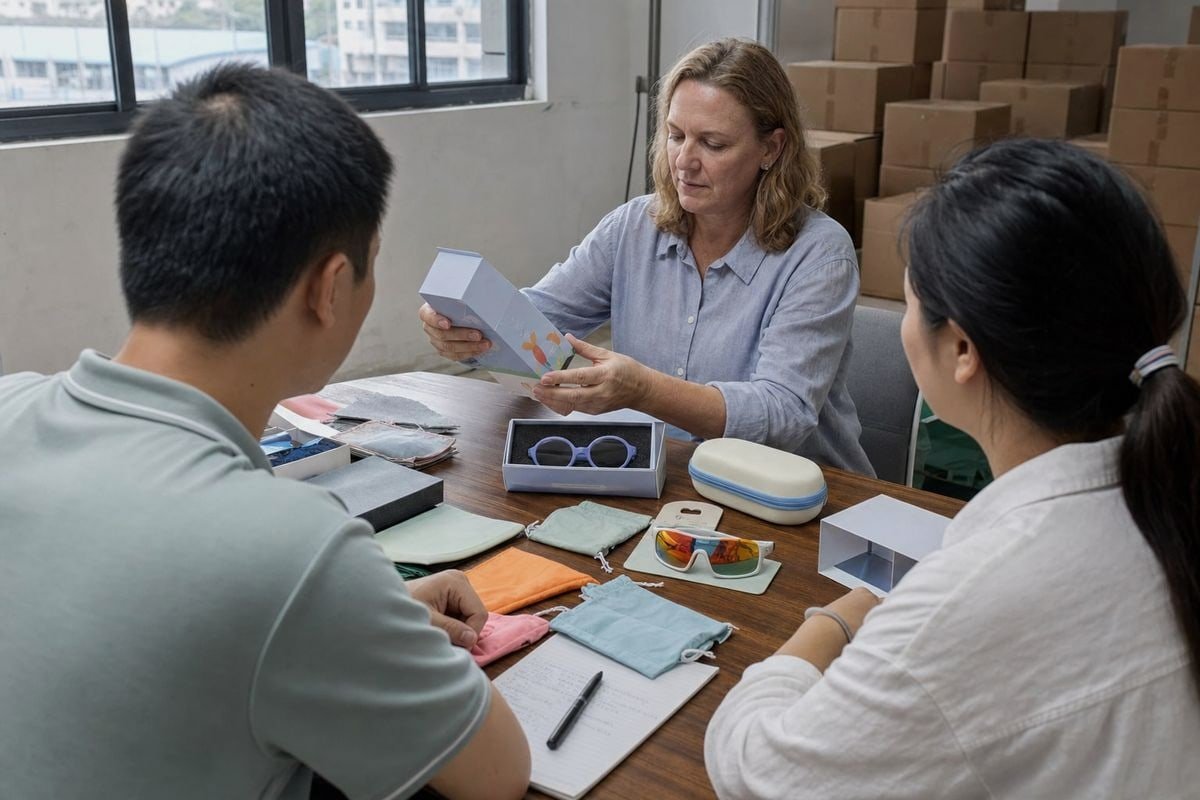
ここに、毎週製造および梱包している主なフォーマットの簡単な比較を示します。
| フォーマット | 保護 | 棚での魅力 | 相対コスト | 最適なチャネル |
|---|---|---|---|---|
| マイクロファイバーポーチのみ | 傷からの保護、低い耐圧性 | 低 | $ | 卸売、プロモーション |
| ポーチ + 折りたたみカートン | 総合的に良好 | 中〜高 | $$ | 小売、Eコマース |
| EVAジッパーケース | 強くて再利用可能 | 中程度 | $$ | アウトドアおよび旅行ライン |
| プラスチックハードケース + スリーブ | 強くてギフト向き | 中〜高 | $$$ | ギフトセット、眼鏡店 |
| 硬質またはマグネットボックス | 非常に良い | プレミアム | $$$$ | プレミアムDTC、ギフト |
子供用サングラスに独自の基準が必要な理由
子供用フレームは大人用フレームよりも小さくて軽いですが、乱暴に扱われます。子供たちは低い棚から箱を掴みます。親は片手でパッケージを開けます。そのため、子供用アイウェアの小売パッケージには、耐圧性、開けやすさ、そして2つのオーディエンスに訴えかけるデザインという3つの要素が同時に必要です。私たちはしばしば、子供向けに外側に遊び心のあるグラフィックを印刷し、 UV400保護ラベル 1 そして親のためにレンズ情報を明確に表示します。そのデュアルオーディエンスアプローチは、どちらか一方のスタイルだけよりもよく売れます。.
小売ディスプレイはユニットボックスと同じくらい重要です
6個または12個のユニットを保持する小売ディスプレイボックスは、サプライヤーとの会話でしばしば忘れられます。小売業者がカウンターディスプレイを使用する場合、私たちはユニットカートンとディスプレイを一緒に設計するため、サイズがきれいに収まります。これにより、 輸送スペースが節約され、 2 カウンター上で意図されたものに見えます。サプライヤーに両方供給できるかどうかを早く尋ねてください。既存のカートンサイズに合わせてディスプレイを後付けすることは、ほとんどの場合うまくいきません。.
成長中のブランドとして、カスタムパッケージのコストと私のMOQのバランスをどのように取ればよいですか?
新しいブランドと私が最も頻繁に話し合うトレードオフは次のとおりです。初日からブランドパッケージを希望しますが、高級ボックスのボリュームコミットメントはできません。賢い中間道があります。.
安価な印刷アイテム(折りたたみカートン、ステッカー、カスタムマイクロファイバーポーチなど)からカスタマイズして、コストと最小注文数量のバランスを取ります。これらは通常、MOQが低いですが、射出成形されたハードケースはより多くの量が必要です。まず印刷された紙ボードとブランドポーチから始め、注文サイズが大きくなるにつれてフォーマットをアップグレードします。.
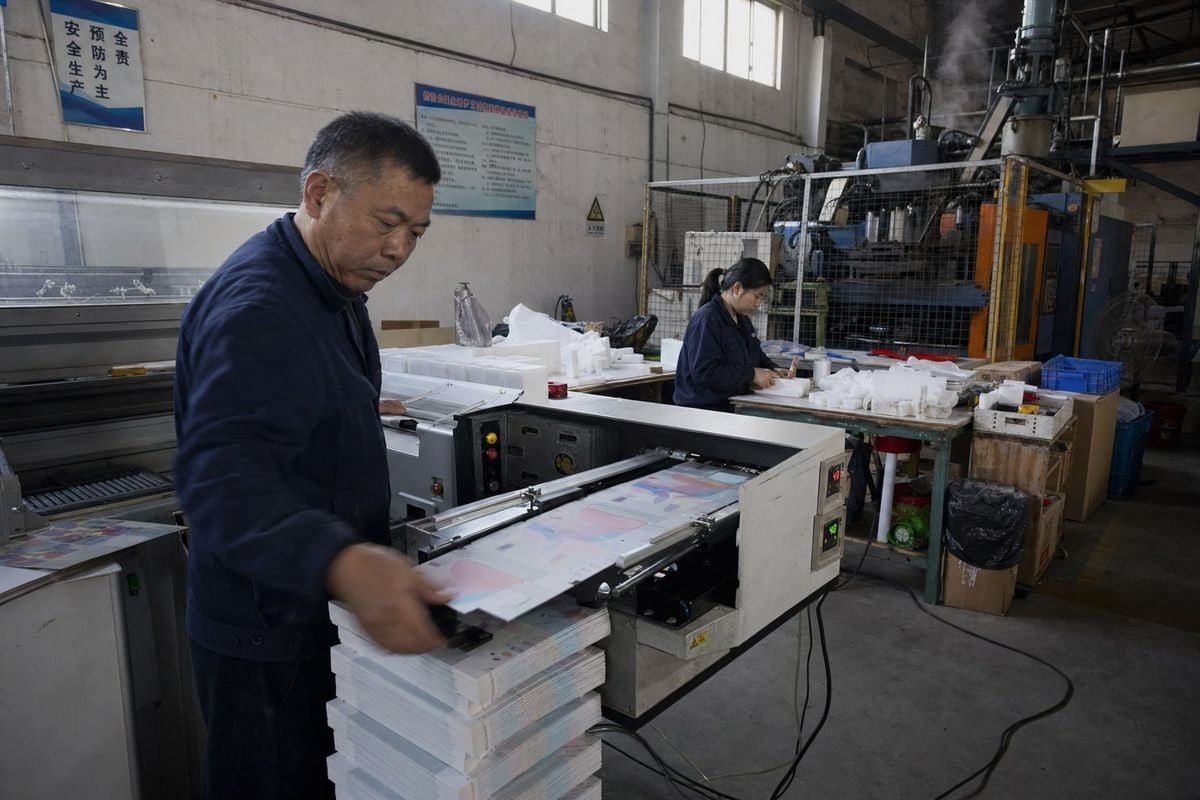
コアの洞察は、MOQは野心ではなく、ツーリングとセットアップによって駆動されるということです。印刷されたカートンには印刷プレートが必要です。 射出成形されたケース 3 は金型が必要です。その違いが以下のすべてを形作ります。.
フォーマットごとの大まかなコストとMOQの期待値
| パッケージアイテム | 通常の単価範囲 | MOQの圧力 | 理由 |
|---|---|---|---|
| 印刷された折りたたみカートン | 約0.30ドル/ユニットから | 低 | デジタルまたはオフセット印刷、ツーリングなし |
| カスタムマイクロファイバーポーチ | 低 | 低〜中 | Screen or heat-transfer printing |
| EVA zipper case with logo | 中程度 | 中程度 | Shaped molding plus debossing |
| Custom plastic hard case | 中〜高 | 高い | Injection mold investment |
| 硬質またはマグネットボックス | Can exceed $3.00/unit at low volume | 中〜高 | Hand assembly, thick board |
A staged approach that works for growing brands
In my experience supporting brands from 20+ countries, the healthiest path looks like this:
- Launch: stock frames from an existing style library, printed carton, branded pouch. This is the low-risk route we built our ~800-style catalog for, so new brands avoid heavy mold investment.
- Traction: add プライベートブランドのブランディング 4 on temples, upgrade to a custom insert and spot-color printing.
- Scale: move to custom hard shell cases or rigid boxes once volumes justify the tooling.
Also, ask your supplier to quote packaging separately from frames. Bundled quotes hide where your money goes. And always confirm whether the packaging MOQ matches the frame MOQ; a mismatch there is one of the most common ordering mistakes I see.
子供たちのアイウェアを配送中や棚の上で安全に保つパッケージ素材は何ですか?
Years ago we shipped a container where one carton style crushed under stacking pressure at the port. Every frame inside survived because of the inner layers. That lesson shaped how we spec materials today.
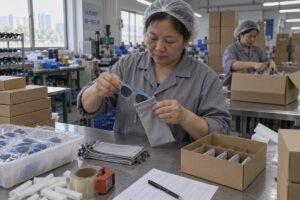
レイヤー素材を使用:レンズにマイクロファイバーポーチまたはポリ袋、その周りに紙製カートンまたはEVAケース、マスターカートン内に仕切りまたはトレイ、そして二重壁の段ボール製シッパー。FSC認証紙ボードやクラフト紙などの環境に優しい素材を選択し、PVCウィンドウやポリスチレンフィラーは避けてください。.
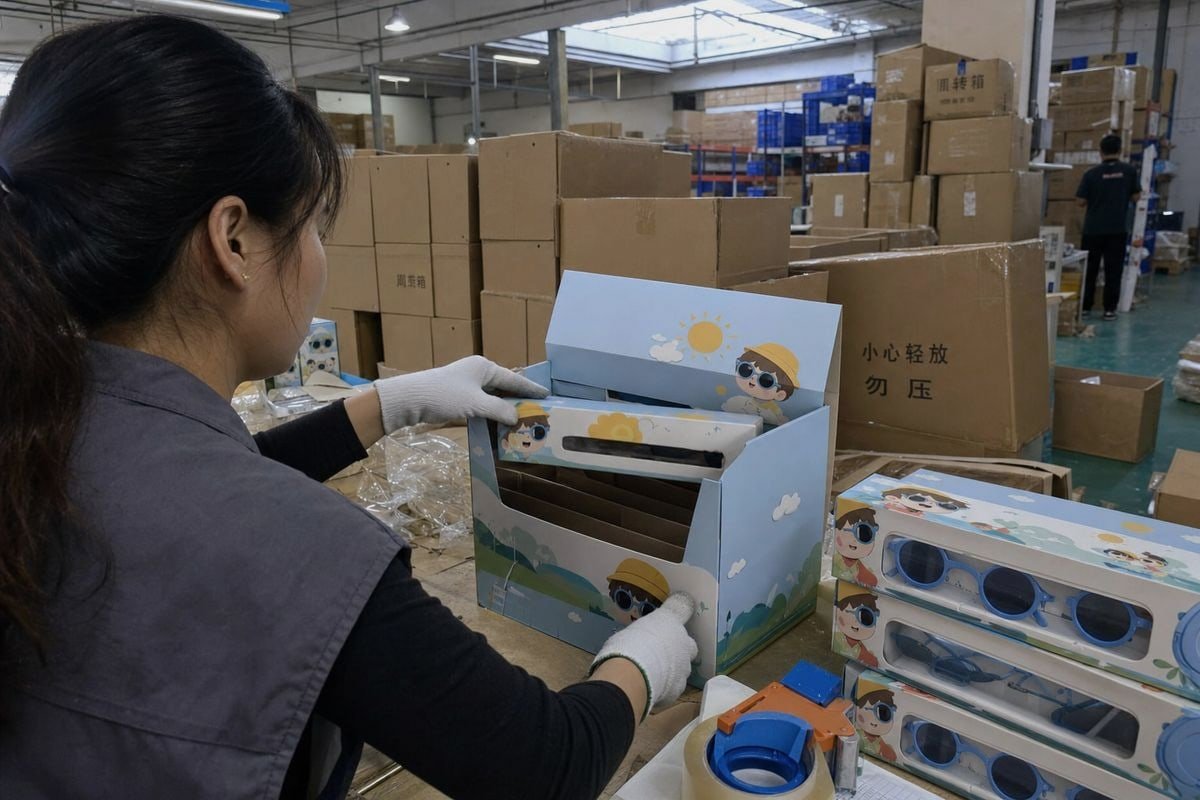
Think of protection as three layers, each with its own job:
| レイヤー | 目的 | Common materials | Kids-specific notes |
|---|---|---|---|
| プライマリ | Stops lens scratches and dust | Microfiber pouch, polybag | Soft-touch, reusable, doubles as a cleaning cloth |
| Secondary | Stops bending and crushing, carries branding | Folding carton, EVA case, rigid box | Rounded edges, easy-open structure, no small loose parts |
| Tertiary | Survives transit and stacking | Corrugated master carton, dividers | Standardized sizes reduce freight waste |
Flexible frames change the equation, but not entirely
Our TPEEおよびTR90フレーム 5 bend and bounce back, which is exactly why we chose these materials for active kids. That flexibility means the frame itself rarely snaps in transit. But lenses still scratch, mirror coatings still abrade, and hinges still take stress under crushing loads. So even flexible eyewear needs the full stack: pouch against the lens, structure around the frame, corrugated protection outside. For sport styles with large shield lenses and mirrored gradient coatings, we add a lens-facing liner because those coatings show every scuff.
Materials that meet parent expectations
Parents buying children's products increasingly check what packaging is made of. Recyclable paperboard 6, kraft, and water-based inks read as responsible. Unnecessary plastic windows read as lazy. Child safety compliance also touches packaging: inks and coatings should be non-toxic, and structures should avoid sharp edges and choking-size loose components. When sustainability matters to your market, ask your supplier for material certifications rather than accepting a verbal promise. We keep documentation ready because European and Japanese buyers ask for it almost every time.
ブランドパッケージを初めて正しく作成するために、サプライヤーとどの程度密接に連携すべきですか?
One of our longest-standing clients still jokes about the sample round where her logo printed two shades too dark on kraft board. We caught it at the prototype stage, not in a 10,000-unit run. That is the whole point of working closely.
各段階でサプライヤーと協力する:ブランドガイドラインを事前に共有し、デジタルプルーフを確認し、物理的な量産前サンプルを承認し、最初の量産ユニットを検査します。カラーコード、ロゴの配置、インサートのフィット感、カートンの寸法を、本格的な生産を承認する前に書面で確認してください。.
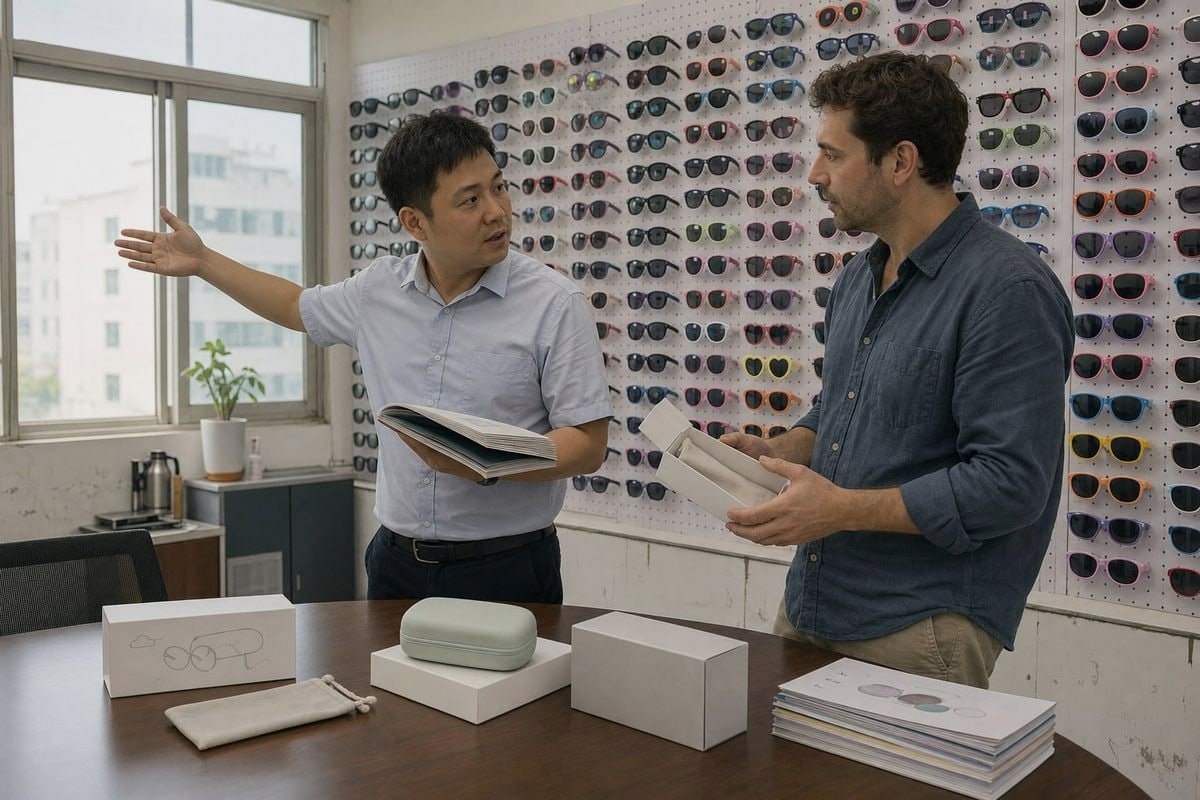
Branded packaging fails for boring reasons: wrong color on a different substrate, an insert that does not grip the frame, a barcode printed where the shrink band covers it. Every one of these is preventable with a structured process.
The five-step collaboration process we use
- Brief. Send your logo files, Pantone codes, channel plan, and target retail price. A good OEM manufacturing partner will push back if the packaging spec does not fit the price point.
- Digital proof. Review dielines and artwork on screen. Check spelling, UV400保護ラベル 7, and regulatory text for your market.
- Physical sample. Ink behaves differently on kraft, coated board, and microfiber. Approve real samples with your actual frames inside, not empty boxes.
- Pre-production confirmation. Sign off on the sample and keep a golden sample on both sides. We keep one in our 5S-managed workshop for every active client.
- First-run inspection. Check the first cartons off the line against the golden sample before the full run continues.
What good communication looks like
Expect your supplier to raise problems early, not hide them. If a folding eyewear case will not fit your chosen carton, or your artwork bleeds past the dieline, you want to hear it in week one. In our fifteen years of eyewear work, the projects that go smoothly are always the ones where the buyer answers questions fast and the factory flags issues honestly. Treat packaging development as a joint project with a timeline, not a line item on a purchase order. Budget two to three sample rounds and roughly three to five weeks for packaging development alongside frame production, and the first mass run will rarely surprise you.
結論
Packaging decides whether great kids' sunglasses arrive scratched or shelf-ready. Choose by channel, layer your protection, respect MOQ realities, and sample everything with your supplier before mass production.
脚注
1. Background on UV400 standards helps buyers understand why lens labeling matters for kids’ eyewear. ↩︎
2. International Trade Centre resource on logistics efficiency supports freight-saving packaging design claims. ↩︎
3. Clarifies the manufacturing process behind higher-MOQ hard case packaging tooling. ↩︎
4. Alibaba.com is a major sourcing platform for private label manufacturing partnerships in trade. ↩︎
5. Explains the flexible plastic materials used in durable kids’ sunglasses frames. ↩︎
6. EPA resource on recycling supports the sustainability claims about paperboard packaging. ↩︎
7. Explains the UV400 lens protection standard referenced on packaging labels for parents. ↩︎
 English
  Español de México
  Deutsch
  Français
  日本語
日本語  العربية
  Português do Brasil