子供用サングラスはどれくらい軽いのが快適か?
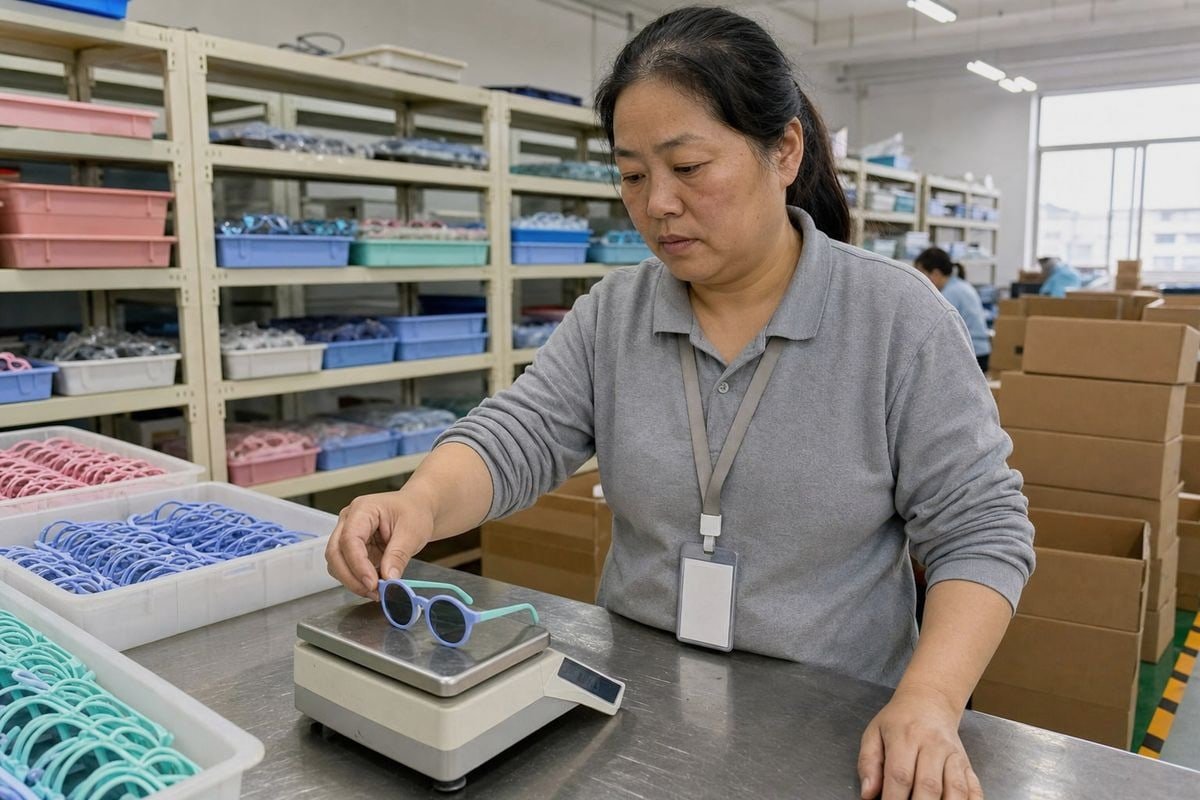
子供用サングラスの重さは、台州の生産ラインで最初にチェックする仕様です。重すぎると、子供たちは数分で外してしまうので、 UV保護 1 それだけでは意味がありません。.
快適な子供用サングラスは、約12〜20グラムであるべきです。幼児は15〜16グラム未満が最適ですが、学齢期の子供は、フレームが柔軟でバランスが取れていれば、16〜20グラムに耐えられます。フレームが軽いほど、鼻や耳への圧力が軽減されるため、子供たちはより長くかけてくれます。.
その数値範囲は出発点であり、すべてではありません。以下では、重量目標、素材、耐久性、そして大量注文を確定する前に快適さをテストする方法について詳しく説明します。.
快適な子供用サングラスを探す際に、どのような重量範囲を考慮すべきですか?
かつてオーストラリアのバイヤーから、以前のサプライヤーの28グラムのフレームが返品されてくる理由を尋ねられたことがあります。答えは簡単でした。子供たちがそれをかけようとしなかったのです。.
子供用サングラスは12〜20グラムの範囲で調達してください。幼児や感覚過敏なお子様には12〜16グラム、就学前および小学生の普段使いには16〜20グラム、グリップ力と安定性を重視したスポーツスタイルには最大22グラムを目指してください。.
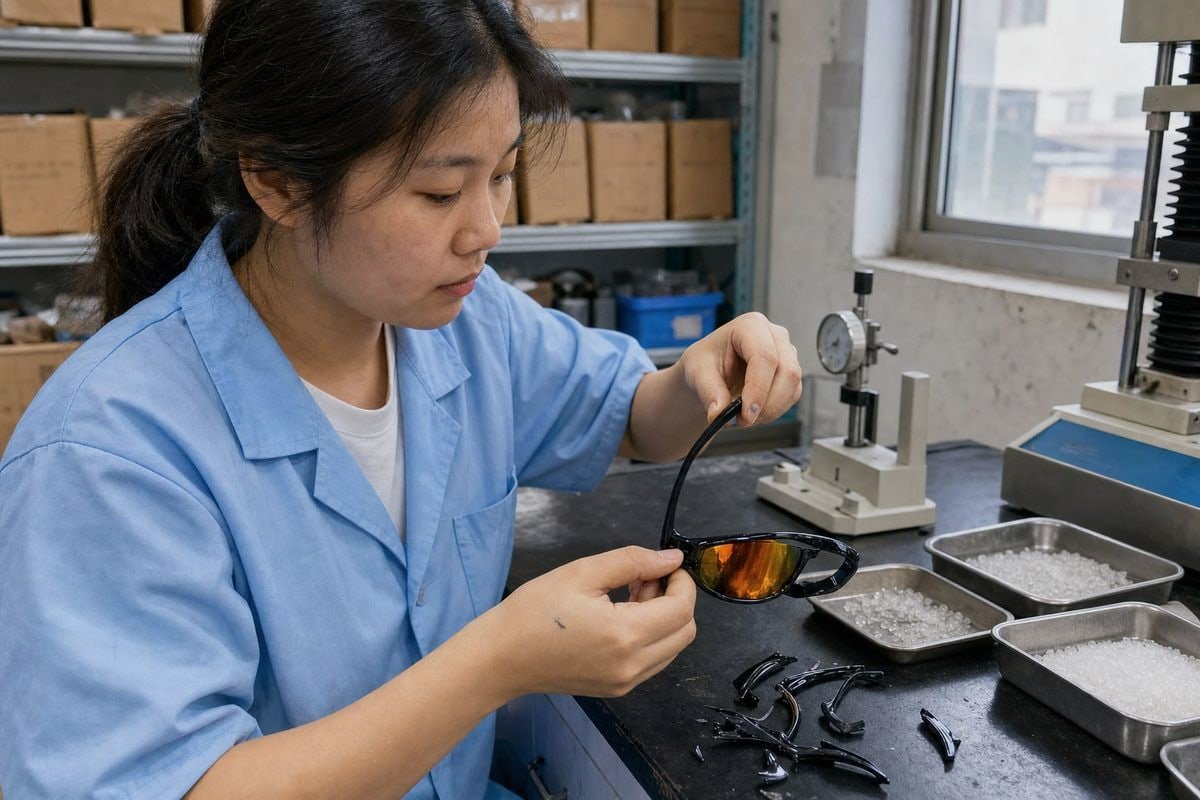
市場はすでにこれに投票しました。当社のカタログにある約800の既存スタイルの中で、最も一貫して再注文されているモデルは、その非常に軽いゾーン内にあります。小売リストで「快適」とマーケティングされているものは、12g、14g、16.4g、19g、20gを中心に集まっています。それは偶然ではありません。子供がフレームに気づかなくなる範囲なのです。.
年齢と使用例別の重量目標
| 年齢 / 使用例 | 目標重量 | 効果 |
|---|---|---|
| 赤ちゃんや幼児(0〜4歳) | 12–16 g | 首や顔の筋肉が弱く、圧力への耐性が低い |
| 未就学児および小学生(4〜8歳) | 16–20 g | この段階では、安定したフィット感がグラム数と同じくらい重要です |
| アクティブな子供 / スポーツ(8歳以上) | 18–22 g | グリップとカバー範囲が向上すれば、わずかな重量増は問題ありません |
| 感覚過敏な子供 | 12–15 g | ソフトタッチ素材、硬い圧力ポイントなし |
グラム数だけで誤解される理由
重量配分は、総重量と同じくらい重要です。バランスの取れたテンプルと幅広で柔らかいブリッジを持つ19グラムのフレームは、鼻にすべてが集中する15グラムのフレームよりも顔の上で軽く感じられることがあります。新しいスタイルを開発する際には、スケールが示すものだけでなく、質量がどこにあるかを確認します。前面が重いフレームは、小さな鼻から滑り落ちます。バランスの取れたテンプルアームを持つフレームは、負荷を耳に分散させ、ほとんど見えないように感じられます。.
したがって、12〜20グラムの範囲を調達フィルターとして使用し、その中でバランス、ブリッジのデザイン、フィット感を判断してください。両方のステップが重要です。.
TPEEとTR90素材は、安全性に妥協することなくフレームの軽量化にどのように役立ちますか?
柔軟なポリマーを15年間扱ってきた経験から、チームは早い段階で一つのことを学びました。デザインが始まる前に、素材の選択が重量の上限を決定します。.
TPEEとTR90は低密度で柔軟なポリマーであり、薄肉でもフレームを強く保つことができます。これにより、重量は12〜20グラムの範囲に抑えられ、素材は折れる代わりに曲がるため、鋭利な破損箇所がなくなり、フレームは子供にとってより軽量で安全になります。.
伝統的な アセテート 2 と金属フレームは、強度を出すためにかさばる必要があります。そのかさばりがグラム数を増やします。. TR90 3, 、熱可塑性形状記憶ポリマーは、その方程式を逆転させます。薄い断面でも形状を維持するため、デザイナーは弱点を作ることなく、フロントフレームとテンプルをスリム化できます。その結果、重量が軽く、より多くのダメージに耐えられるフレームになります。.
TPEEは、安全性においてさらに一歩進んでいます。柔らかいゴムのような エラストマー 4. です。当社のTR90フロント、TPEEテンプルの組み合わせでは、子供が片手でフレームを引っ張って外すときに、テンプルが外側に曲がります。これはすべての子供がやることです。壊れることも、鋭いエッジができることも、肌が挟まれることもありません。どちらの素材も 環境に優しいオプション 5 です。多くの従来のプラスチックと比較して、これは私たちが供給しているヨーロッパや日本のブランドにとって重要です。.
素材比較一覧
| プロパティ | TR90 | TPEE | 標準アセテート |
|---|---|---|---|
| 相対重量 | 非常に軽い | 非常に軽い | より重い |
| 柔軟性 | 高い(形状記憶性) | 非常に高い(ゴム状) | 低 |
| 破損時の挙動 | Bends, resists snapping | Bends, almost unbreakable | Can crack into sharp pieces |
| 肌触り | Smooth, firm | 柔らかく、グリップしやすい | Hard |
| 子供用フレームでの最適な使用 | Front frame, full frames | テンプル、ベビーフレーム | ファッション大人用フレーム |
Why thin walls do not mean fragile frames
The key concept is strength-to-weight ratio 6. TR90 tolerates repeated flexing cycles that would fatigue and crack rigid plastics. So a 16-gram TR90 frame can outlast a 25-gram rigid frame in real child use. We pair this with flexible hinge designs and integrated soft nose areas, so no single point carries all the stress — or all the pressure on the child's face.
軽量フレームはアクティブな子供たちにとって十分に耐久性を保つことができますか?
Durability is the trade-off I weigh on every new mold. Cut too much material in the wrong place, and a frame that scores well on the scale fails in the playground.
はい。軽量フレームは、TR90やTPEEなどの柔軟なポリマーで作られ、ヒンジ部分の強化、ラップアラウンド形状、均一な壁厚を備えているため、耐久性が維持されます。かさばるのではなく、柔軟性こそが、アクティブな子供による落下、ねじれ、片手での取り外しに耐えるのです。.

The instinct to equate weight with toughness comes from adult eyewear, where heavy acetate signals quality. Children's eyewear works on opposite logic. A child will sit on their sunglasses, drop them on concrete, and twist the temples backward. A rigid heavy frame fails those tests by cracking. A flexible light frame absorbs the abuse and springs back.
Where durability actually comes from
Our sport-style wraparound models are a good example. The single-shield lens designs — the kind with a curved, aerodynamic silhouette that hugs the face — gain durability from their geometry, not extra grams. The continuous curve distributes impact across the whole frame front. Thick, sculpted temple arms taper into slim flexible tips, so the stress concentrates where the material can flex, not where it would snap.
Here is what we focus on during development and QC:
- Hinge zone reinforcement. The hinge is the most common failure point. We test repeated open-close cycles and outward temple flex on every new style.
- Even wall thickness. Sudden thick-to-thin transitions create stress risers. Smooth transitions keep a thin frame strong.
- Lens retention. A light frame must still grip the lens firmly through impacts and temperature swings.
- Temperature behavior. Plastics soften slightly in summer heat and stiffen in winter cold. We check fit stability across that range, because a frame sold in July still needs to fit in December.
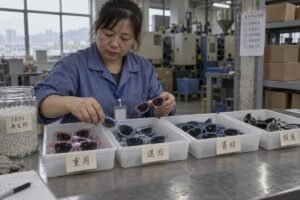
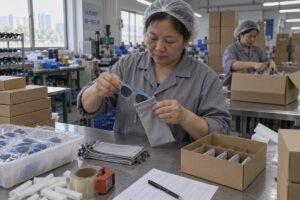
私たちの 5S管理ワークショップ 7, frames go through flex and drop checks before shipment. In our experience exporting to 20-plus countries, the styles with the fewest complaints are consistently the light, flexible ones — not the heavy ones.
メーカーに大量注文する前に、フレームの快適さとフィット感をどのようにテストすればよいですか?
One lesson from years of OEM projects: buyers who test physical samples on real children almost never face returns later. Buyers who approve from photos sometimes do.
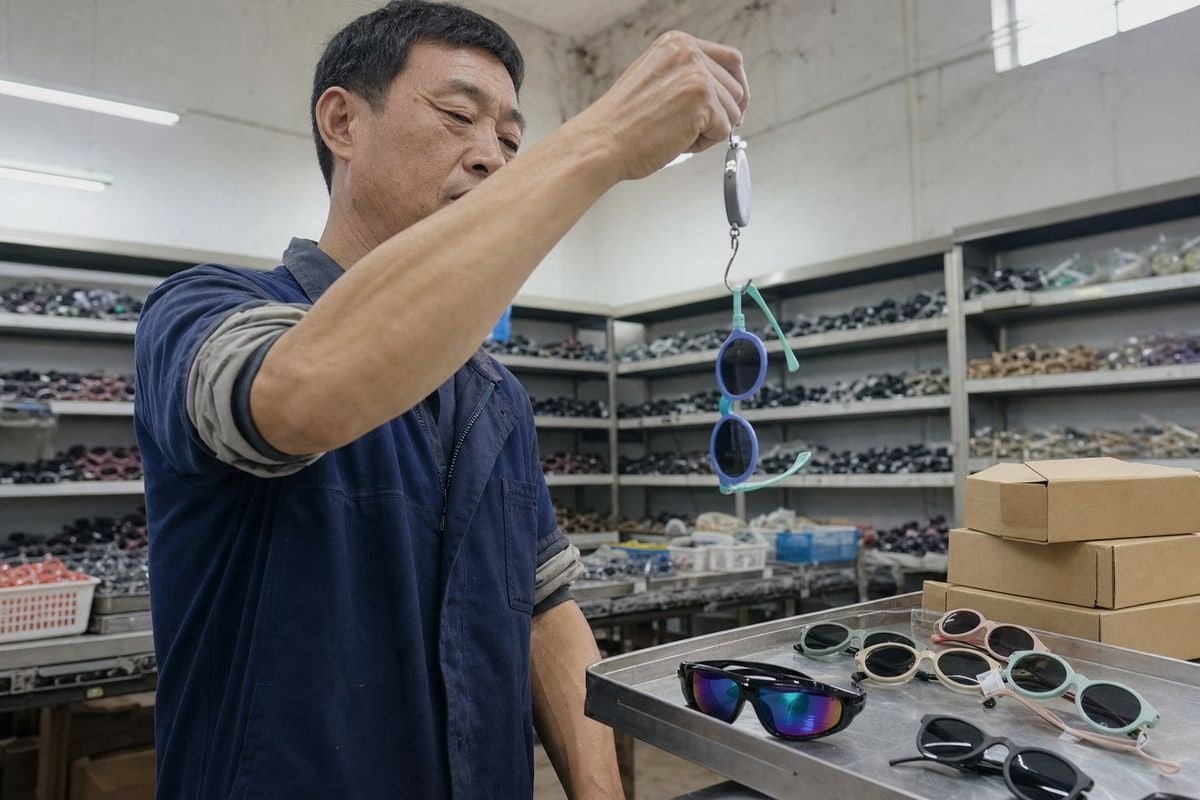
物理的なサンプルをリクエストし、各フレームをグラムスケールで計量し、対象年齢の子供たちに試着させてください。大量生産を承認する前に、30分以上の着用セッション中に、ブリッジの圧力、テンプルのグリップ、耳の快適さ、動き中のずれを確認してください。.
A 仕様シート tells you the weight. It cannot tell you whether a four-year-old will keep the frame on. So before any bulk order, run a structured sample evaluation. When we send pre-production samples to our brand customers, we encourage exactly this process, because catching a fit issue at the sample stage costs days — catching it after production costs a season.
A practical sample evaluation checklist
| テスト | やり方 | 合格基準 |
|---|---|---|
| Weight check | Weigh on a 0.1 g kitchen or jewelry scale | Within 12–20 g for the target age |
| Bridge pressure | Look for red marks on the nose after 30 min of wear | No visible marks or complaints |
| Temple grip | Have the child run, jump, and look down | No slipping, no readjusting |
| フレックステスト | Bend temples outward past 90 degrees | Frame returns to shape, no whitening |
| Edge feel | Run a finger along all inner edges | Smooth, no sharp mold lines |
| Wear tolerance | Ask the child to wear them during normal play | Child forgets the frame is on |
Questions worth asking your supplier
Ask for the exact weight per style, the material of the front frame and temples separately, and how the hinge is constructed. Ask whether the bridge is integrated soft material or a hard molded ridge. And ask what fit feedback the factory has from other markets — small faces vary by region, and a supplier with export history across many countries can flag sizing issues before you discover them. On our side, we share this data openly with samples, because a comfortable fit at the sample stage is what turns a first order into a long-term program.
結論
Kids' sunglasses only protect eyes when children keep them on. Heavy frames get rejected; 12–20 gram flexible TPEE and TR90 frames get worn. Source light, test fit, then order.
脚注
1. Authoritative source explaining UV exposure risks that kids’ sunglasses aim to prevent. ↩︎
2. Background on cellulose acetate, the traditional eyewear material compared against TR90/TPEE. ↩︎
3. Background reference on thermoplastic polymers used to make TR90 frame material. ↩︎
4. Defines the rubber-like polymer class that TPEE belongs to for readers unfamiliar with the term. ↩︎
5. EPA resource on plastics sustainability relevant to claim about eco-friendly frame materials. ↩︎
6. Wikipedia explains this engineering concept referenced when comparing frame materials. ↩︎
7. Explains the 5S manufacturing methodology mentioned regarding quality control workshop practices. ↩︎
 English
  Español de México
  Deutsch
  Français
  日本語
日本語  العربية
  Português do Brasil