子供用サングラスのサイズ表記の見方(レンズ、ブリッジ、テンプル)?
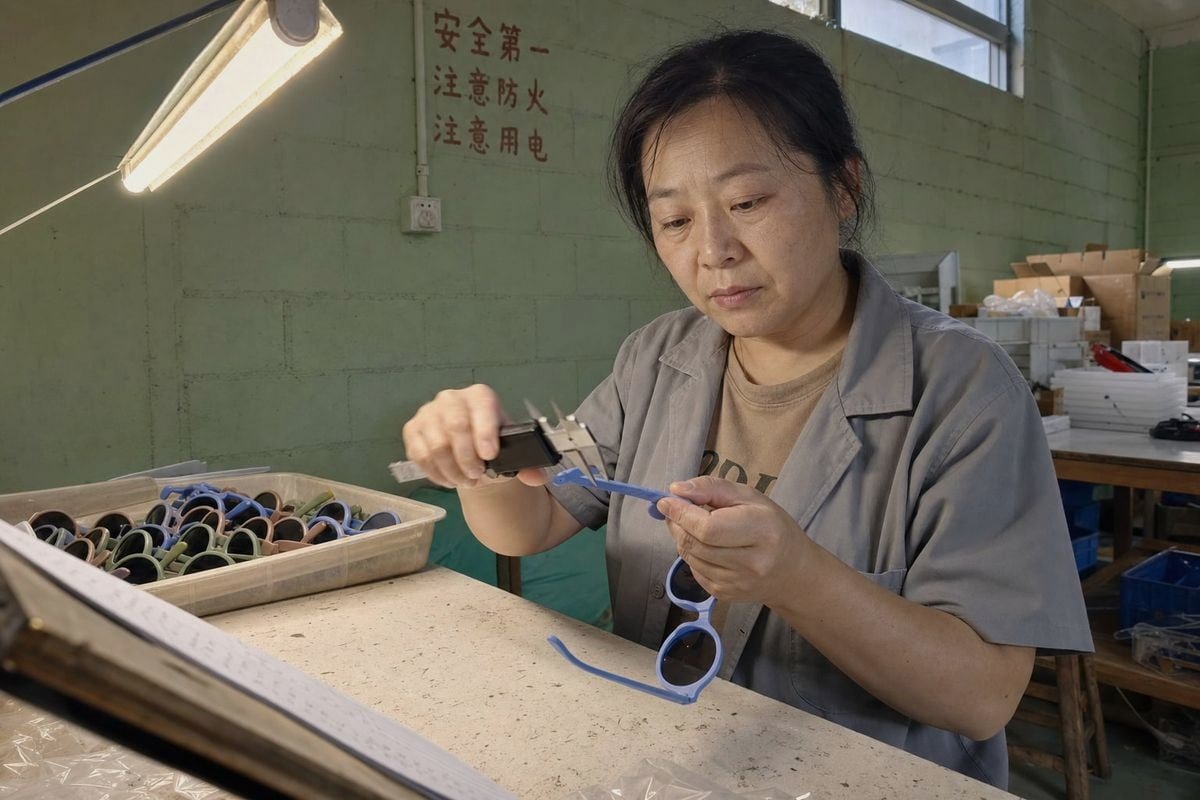
子供用サングラスのサイズ表記は、当社の台州工場にメールを送ってくる多くのバイヤーを混乱させています。彼らは「ジュニア」と表示されたフレームを注文し、その後フィット感が間違っていることに気づきます。返品が山積みになります。レビューでは、ずり落ちるフレームや鼻が挟まることが言及されています。解決策は、ほとんどの人が考えているよりも簡単です。ほとんどすべてのフレームに印刷されている3つの数字の読み方を学ぶだけで、子供用サングラスのどのペアでも自信を持って比較できます。.
子供用サングラスのサイズ表記は、ミリメートル単位の3つの数字を使用します。例えば、46-16-125です。最初の数字はレンズの幅、2番目の数字はブリッジの幅(レンズ間の隙間)、3番目の数字はテンプルの長さです。これらが一体となって、フレームが子供の顔、鼻、耳にどのようにフィットするかを定義します。.
各数字の意味がわかれば、サイズ選びは推測ではなくなります。各測定値、それが何に影響するか、そして調達または購入時にどのように使用するかを説明します。.
子供用サングラスのフレームにある数字の意味とは?
去年の春の品質検査中に、チームメンバーの一人が、テンプルの印刷が46-16-120ではなく48-16-120になっているバッチを発見しました。2ミリメートルは重要です。そのため、出荷前にすべての生産ロットでこれらのマーキングをチェックしています。.
テンプルアームの内側に印刷されている「46-16-125」のような数字は、レンズ幅46mm、ブリッジ幅16mm、テンプル長125mmを意味します。レンズ幅は、レンズの最も広い部分の幅、ブリッジ幅はレンズ間の距離、テンプル長はヒンジから先端までの長さを表します。.
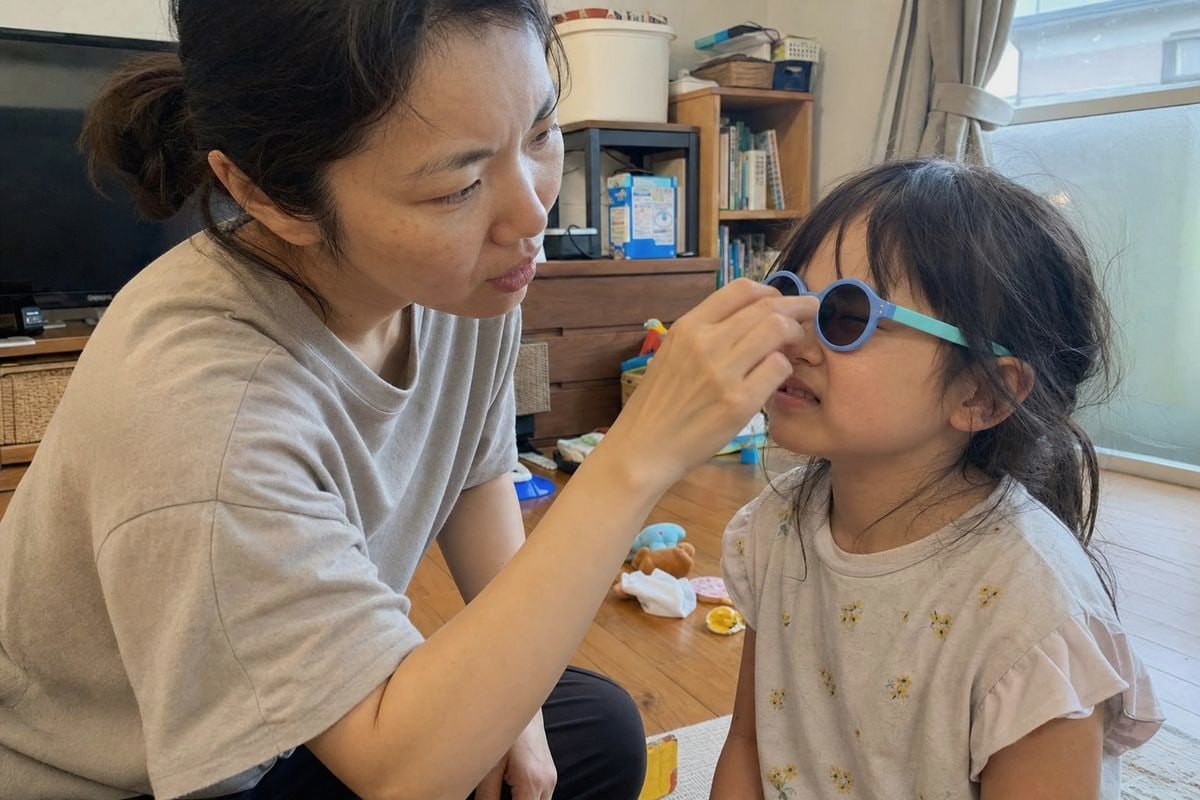
この形式はほぼ普遍的です。左または右のテンプルアームの内側を見てください。通常、ダッシュまたは小さな正方形で区切られた3つの数字が表示されます。すべてミリメートル単位です。それぞれの意味は次のとおりです。
レンズ幅
これは、単一のレンズの水平方向の幅で、最も広いポイントで測定されます。これは最初の数字です。子供の場合、通常は38mmから52mmの範囲です。幼い子供は低い方に収まります。10代前半は大人用の小さいサイズに近づきます。.
ブリッジ幅
DBL、またはレンズ間の距離とも呼ばれます。これは2番目の数字です。フレームが鼻にかかる隙間を表します。子供のブリッジは通常、約12mmから20mmの範囲です。.
テンプル長
3番目の数字は、ヒンジから耳の後ろに巻き付く先端までのアームを測定します。子供のテンプルは一般的に約100mmから145mmの範囲です。.
| 測定 | それは何ですか | 子供の一般的な範囲 |
|---|---|---|
| レンズ幅 | レンズの最も広い水平方向のポイント | 38–52 mm |
| ブリッジ幅(DBL) | レンズ間の隙間 | 12–20 mm |
| テンプル長 | ヒンジから耳の後ろの先端まで | 100–145 mm |
知っておくと便利な追加の用語は フレーム幅 1. です。一部のブランドでは、全体的な左から右への測定値としてリストされています。便利ですが、3つの部分の内訳は実際のフィット感についてより多くを語ります。約800の既存スタイルのカタログでは、国際的なバイヤーはブランド間で仕様を比較するため、常に3つの数字すべてを公開しています。「小さい」や「ジュニア」のようなラベルは、どこでも異なる意味を持ちます。.
簡単な形状に関する注記:光沢のある黒いフレームにオレンジからゴールドのミラーレンズのような、当社のスポーツラップアラウンドシールドスタイルは、単一のレンズを使用します。これらの場合、効果的なレンズ測定値は、各目のシールドのカバレッジを反映し、ラップアラウンドの湾曲により、フラットな丸いフレームよりも顔に近くフィットします。.
子供の顔の形に合うブリッジのサイズを知るにはどうすればよいですか?
日本の販売代理店から、同じフレームが地元の子供たちとヨーロッパのサンプルとでフィット感が異なる理由を尋ねられたことがあります。答えはブリッジにありました。. 鼻梁 2 の形状は子供によって大きく異なり、地域や年齢によっても異なります。.
フレームがどこに引っかかっているかを見て、ブリッジのサイズを合わせます。適切なブリッジは、鼻に平らにフィットし、きつく締め付けたり隙間を開けたりしません。鼻筋が低く柔らかい幼い子供には通常12〜15mmが必要で、年長の子供には16〜20mmが必要です。フレームが下に滑り落ちる場合は、ブリッジが広すぎます。.
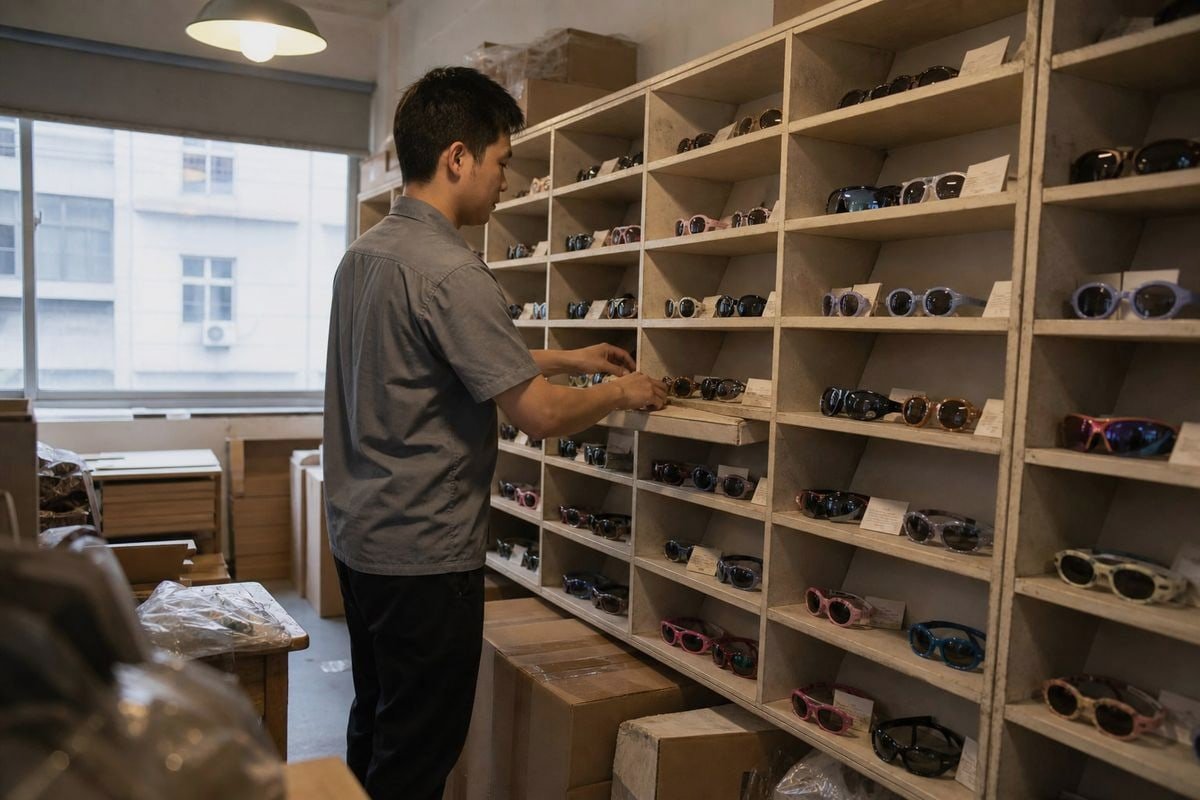
ブリッジは仕様の中で最も小さい数字ですが、フィットに関する苦情の最大の原因となります。理由は次のとおりです。子供の鼻梁はまだ発達中です。幼児はしばしば、ほとんど定義されたブリッジがありません。そのため、フレームは、大人のサングラスのように、それを所定の位置に保持するために、背の高いしっかりした鼻に頼ることができません。.
ブリッジが間違っている兆候
子供の顔にこれらの兆候がないか確認してください:
- 狭すぎる: フレームが鼻に赤い跡をつけたり、サングラスが異常に高く位置したりして、レンズが眉毛の方に押し上げられます。.
- 広すぎる: フレームは数分で滑り落ち、子供はそれを押し戻し続けるか、完全に外します。.
- ちょうど良い: フレームは均等に配置され、目はレンズの中心付近に位置し、着用後に圧力の跡がありません。.
目の中心合わせ 3 は、眼鏡技師が気にする詳細です。各目はレンズの中心の近くに位置する必要があります。理想的には数ミリメートル以上離れていないことです。ブリッジが顔に対してあまりにも広い場合、両方の目がレンズに対して内側にシフトし、奇妙に見え、光学的な快適さが低下します。.
素材がブリッジを許容範囲にする
ここでフレーム素材がその価値を発揮します。当社のエンジニアは、ほとんどの子供用ブリッジを柔軟な素材で設計しています。 TPEE 4 または TR90 5 これらの素材はわずかに曲がり、圧力を分散するためです。わずかに間違ったブリッジを持つ硬いフレームは痛いです。同じ仕様の柔軟なフレームは、多くの場合、快適にフィットします。一部のデザインには、柔らかい シリコンノーズパッド 6, も追加されており、機能的なブリッジフィットを数ミリメートル効果的に調整できるため、1つのフレームでより幅広い鼻の形に対応できます。パープルブルーのフロントとミントティールのテンプルを備えたコンパクトなラウンドスタイルは、まさにこのソフトタッチアプローチを使用しているため、幼児の低いブリッジにも優しくフィットします。.
成長する子供にとって、こめかみの長さはなぜそれほど重要なのでしょうか?
Fifteen years of building children's frames has taught our team one blunt lesson: a child will not tolerate an uncomfortable temple. Adults adjust and endure. Kids simply pull the sunglasses off, and then the UV保護 7 you paid for sits in a bag.
テンプルの長さは、サングラスが動き中にずり落ちないかを決めます。テンプルが短すぎると耳の後ろに圧迫感が生じ痛みを引き起こし、テンプルが長すぎるとフレームが緩んで動き中に外れてしまいます。子供は通常100〜145mmが必要で、年齢とともに長くなります。.
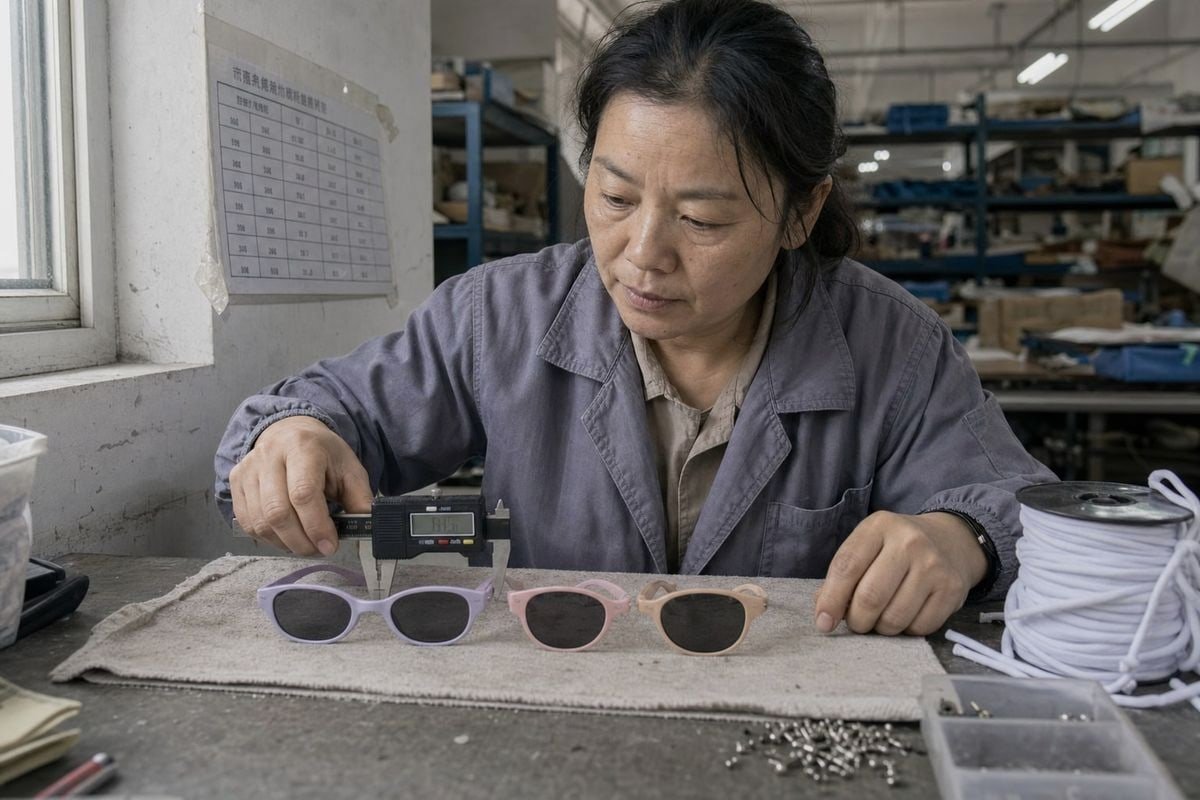
Children do not sit still in sunglasses. They run, jump, hang upside down, and ride bikes. The temple is the anchor that keeps the frame in place through all of it. That makes the third number arguably the most important spec for real-world wear.
How Temple Length Works Mechanically
The temple should extend from the hinge, pass just above the ear, and curve gently down behind it. Consider the failure modes:
- Too short: the tip cannot reach the natural bend point behind the ear. The arm digs into the skull or the top of the ear. The child feels pressure within minutes.
- Too long: the bend sits far behind the ear where it grips nothing. The frame shifts with every head movement and drops off when the child looks down.
- Correct length: the curved tip wraps the back of the ear lightly, so the frame stays put without squeezing.
Growth Changes Everything
Head size grows fast in early childhood, then slows. A frame that fits at age three will likely be tight by age five. We tell our brand customers to plan product lines around this, and we advise parents to re-check fit every six to twelve months rather than assuming one pair lasts for years.
| 年齢グループ | 一般的なテンプルの長さ | 注意すべき点 |
|---|---|---|
| Baby (0–2) | 100–120 mm | Very soft tips; straps often help |
| Child (3–7) | 115~130 mm | Fast growth; recheck fit twice a year |
| Older child (8–11) | 125~140 mm | Active sports demand secure wrap |
| Preteen (12–14) | 135–145 mm | Approaching adult small sizes |
Flexibility matters here too. We pair TR90 fronts with TPEE temples on many styles because TPEE arms bend outward without snapping when a child yanks the frame off with one hand. That flex also forgives small sizing errors during growth spurts, extending how long one pair fits comfortably. On our sport shield styles, the thick sculpted temples taper into slim, flexible tips for exactly this reason.
年齢層別に調達する際に、適切なサイズ範囲をどのように選べますか?
Buyers launching their first children's line often ask us to recommend a single "universal" kids' size. We always push back gently. Covering ages one to fourteen with one spec is like selling one shoe size for all children. It cannot work.
年齢層別にソースを、普遍的な単一サイズではなく。おおよそ38〜42mmのレンズを乳幼児用に、42〜48mmを幼児用に、48〜52mmを10代前半用に計画し、ブリッジとテンプルもそれに合わせてスケールアップします。ブランド間でサイズ表記が異なるため、常にミリメートル仕様を比較してください。.
For B2B buyers, sizing is a range-planning decision. Here is the framework we share with brands sourcing from our catalog. Age bands are a starting point, and specs are the deciding factor.
| Age Band | レンズ幅 | ブリッジ幅 | テンプル長 |
|---|---|---|---|
| Baby (0–2) | 38~42 mm | 12–14 mm | 110~120 mm |
| Toddler (2–4) | 40~44 mm | 13–15 mm | 115~125 mm |
| Child (5–8) | 44~48 mm | 120〜128 mm | 120~130 mm |
| Preteen (9–12) | 48~52 mm | 16–19 mm | 130–140 mm |
| Early teen (12–14) | 50–54 mm | 18–20 mm | 140~150 mm |
Published charts disagree slightly at the edges, and that is normal. Some place preteens at 48–52mm, others stretch to 54mm. Treat the overlaps as flexibility, not error, and let the actual frame design settle the choice.
Practical Sourcing Advice
A few points we repeat to nearly every new customer:
- Cover two or three bands, not one. A baby style, a core child style, and a preteen style cover most of the retail market. Testing from an existing range of styles keeps this affordable, because no new molds are needed.
- Frame style shifts effective fit. Wraparound sport shields, like our mirrored single-lens designs, hug the face and fit slightly snugger than flat round frames with the same printed numbers. Account for curvature when comparing.
- Fit affects protection. A loose, mismatched frame leaves gaps at the lens edges, letting 紫外線 8 leak in from the sides even when the lenses themselves block 100% of UV. Correct sizing is a safety issue, not just comfort.
- Ask your supplier for full specs. We provide lens, bridge, temple, and overall frame width on every style, plus samples, because photos alone cannot confirm fit on a real child's face.
If a brand plans custom colors, logos, or packaging, sizing decisions should come first. Locking the size range early prevents costly changes after retail-ready artwork is done.
結論
Wrong sizes cause returns, complaints, and unworn sunglasses. Reading lens, bridge, and temple specs solves this. Match millimeters to the child's face, recheck as they grow, and source by age band. That is how well-fitting kids' eyewear gets built.
脚注
1. Background reference for standard eyewear measurement terminology including frame width. ↩︎
2. Background on nasal anatomy relevant to discussion of bridge fit on children’s faces. ↩︎
3. National Eye Institute is an authoritative source on vision comfort factors like lens centering. ↩︎
4. Explains elastomer properties that make TPEE temples bend without snapping. ↩︎
5. Background on the flexible thermoplastic materials used in children’s frame construction. ↩︎
6. Ophthalmology guidance on sunglasses fit features like nose pads for children. ↩︎
7. EPA resource on UV exposure risks supporting the importance of proper protective eyewear. ↩︎
8. WHO explains UV radiation health risks relevant to gaps in poorly fitted eyewear. ↩︎



 English
  Español de México
  Deutsch
  Français
  日本語
日本語  العربية
  Português do Brasil