中国製子供用サングラスの原産国表示方法
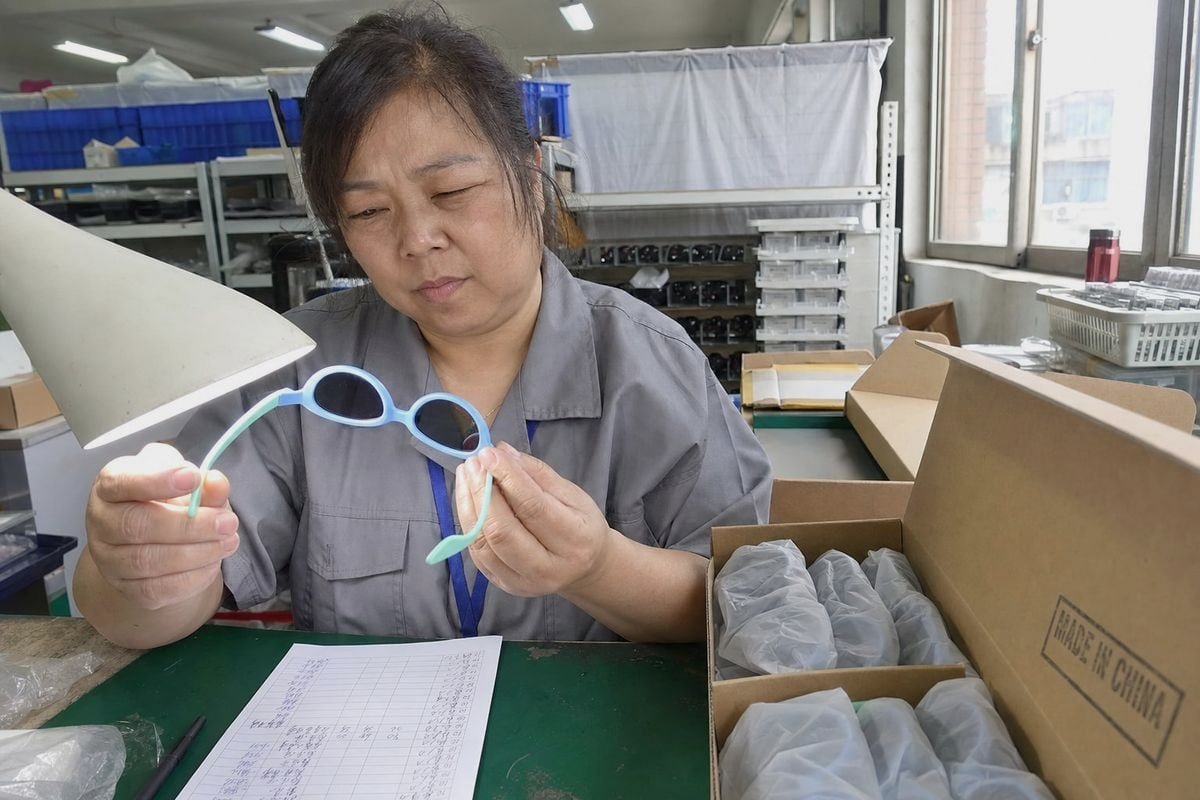
中国製子供用サングラスの原産国表示は、当社の生産ラインで目にする他のどの詳細よりも多くの米国輸入業者を悩ませています。マークがないと、出荷全体が港で差し止められる可能性があります。突然、修正費用、, マーキング関税 1, 、および小売発売の機会を逃すことになります。良いニュースは、15年間、当社の台州工場から子供用眼鏡を発送してきた経験から、CBPが何を期待しているかを正確に把握しており、それは非常に達成可能です。.
中国から輸入された子供用サングラスには、最終購入者が見ることができる目立つ場所に、英語で「Made in China」または「China」と永久に表示する必要があります。通常は内側のテンプルアームです。マークは、19 U.S.C. 1304および19 CFR Part 134に基づき、読みやすく、消えないものでなければならず、外側のカートンにも表示する必要があります。.
それが簡単な答えです。以下では、正確な文言、マーキング方法、誤った場合の罰則、およびパッケージングがどのように関係するかを説明します。.
米国税関は、子供用サングラスの「Made in China」ラベルにどのような正確な文言と配置を要求していますか?
オーストラリアのバイヤーから、かつて「美観のため」にテンプルを完全に空白にするように依頼されたことがあります。米国の再販業者が税関で問題に直面することを知っていたため、私たちは断らなければなりませんでした。.
米国税関は、サングラス自体に、最も一般的には内側のテンプルアームまたはテンプルチップの目立つ場所に、「Made in China」、「China」、または「Frame China」という英語の単語をマークすることを要求しています。文字は読みやすく、消えず、永久的でなければならず、ヒンジ、ステッカー、または装飾によって隠されていてはなりません。.

法的根拠は関税法第304条であり、19 CFR Part 134を通じて実施されています。この規則では、外国原産のすべての品目は、最終購入者、つまり小売でサングラスを購入する人に、その品目がどこで作られたかを伝える必要があります。眼鏡の場合、数十年にわたるCBPの実務により、テンプルが標準的な場所として確立されています。それは製品の全寿命にわたって製品と共にあり、消費者は数秒で見つけることができます。.
許容される文言形式
米国向け注文のために、これらの形式を毎月成形または印刷しています。
| 文言 | 許容されますか? | 注記 |
|---|---|---|
| 中国製 | はい | 最も安全で、最も普遍的な選択肢 |
| 中国 | はい | 目立ち、読みやすい必要があります |
| フレーム中国 | はい | 特に眼鏡フレームに一般的 |
| 中華人民共和国. | リスクが高い | 略語は拒否される可能性があります。英語名を使用してください |
| 中国語のみ | いいえ | マーキングは英語で行う必要があります |
重要な配置規則
目立つ場所へのマーキングとは、合理的な購入者が何も分解せずにマークを見つけられることを意味します。当社の子供用TR90およびTPEEフレームでは、ヒンジネジから離れた左テンプルの内側に、拡大鏡なしで読める十分な大きさの文字でマークを付けています。もう一つ注意すべき落とし穴は、アートワークに「Designed in USA」または米国住所が含まれている場合です。, 19 CFR 134.46 2 は、原産地表示が近接した場所で同等のサイズで表示されることを要求しています。CBPがラベルを誤解を招くものと読まないように、ツールで米国のブランディングを原産地マークから物理的に分離しています。.
製造元は、原産国をフレームまたはレンズに直接永久的に刻印できますか?
永久性は、新しい注文ごとに検討するトレードオフです。成形された文字は小さな金型変更費用がかかりますが、パッド印刷は安価ですが、最初に付着テストに合格する必要があります。.
はい。そして、恒久的なマーキングがCBPの推奨する方法です。許容される恒久的なマーキング方法には、金型彫刻(浮き彫りまたは凹彫り)のレタリング、レーザー彫刻、パッド印刷、およびテンプルへのシルクスクリーン印刷が含まれます。フレームへの粘着ステッカーは、最終購入者の目に触れる前に剥がれる可能性があるため、リスクがあります。.

処方箋なしの子供用サングラスの場合、CBPのガイダンスは、ダイスタンピング、浮き出し文字、シルクスクリーン、および同様の永久的なマーキング方法を長らく受け入れてきました。当社の工場では、約800の既存スタイルの大半で、原産地テキストを射出成形に直接組み込んでいます。これは、マークがこすれたり、洗ったり、剥がれたりすることは決してなく、プラスチック自体の一部であることを意味します。.
主なマーキング方法の比較
| 方法 | 永久性 | コスト | 子供用フレームに最適ですか? |
|---|---|---|---|
| 金型彫刻文字 | 素晴らしい | 一度限りの金型費用 | はい — TR90およびTPEEのデフォルトです |
| レーザー彫刻 3 | 素晴らしい | ユニットあたり低コスト | はい — クリーンでインクフリー |
| パッド印刷/シルクスクリーン | 適切に硬化すれば良好 | 非常に低い | Acceptable with adhesion QC |
| Adhesive sticker on frame | 悪い | Lowest | Not recommended for the frame itself |
Why marking method matters more on children's eyewear
There is a compliance angle specific to kids' products. Children's sunglasses fall under CPSIAコンプライアンス 4, which means the materials — including any printed ink — get tested for lead and phthalates 5, and you need a Children's Product Certificate backed by third-party testing. This is why we prefer laser engraving or molded lettering over solvent-based inks on children's frames: no ink, no added chemical risk. It also pairs naturally with the CPSIA permanent tracking label 6, which must identify the manufacturer, production date, and batch on both product and packaging. On small kids' temples, we consolidate origin and tracking information into one clean, micro-printed layout so the frame stays retail-ready. And because sunglasses are regulated as Class 1 medical devices, importers also handle FDA registration and keep a drop ball test certificate for lens impact resistance — separate obligations, but ones we coordinate in the same artwork approval.
原産国表示が不十分な状態で貨物が到着した場合、どうなりますか?
Early in my export career, a customer's freight forwarder called us in a panic: a container was held at Long Beach over unmarked frames from another supplier. That week taught me how expensive this "small detail" can be.
不適切に表示された貨物はCBPによって没収される可能性があり、輸入者は商品に表示、再輸出、または廃棄しなければなりません。修正されない商品は、通常の関税およびセクション301関税に加えて、保管費用と配送遅延に加えて、10%の従価税の追加表示税に直面します。.
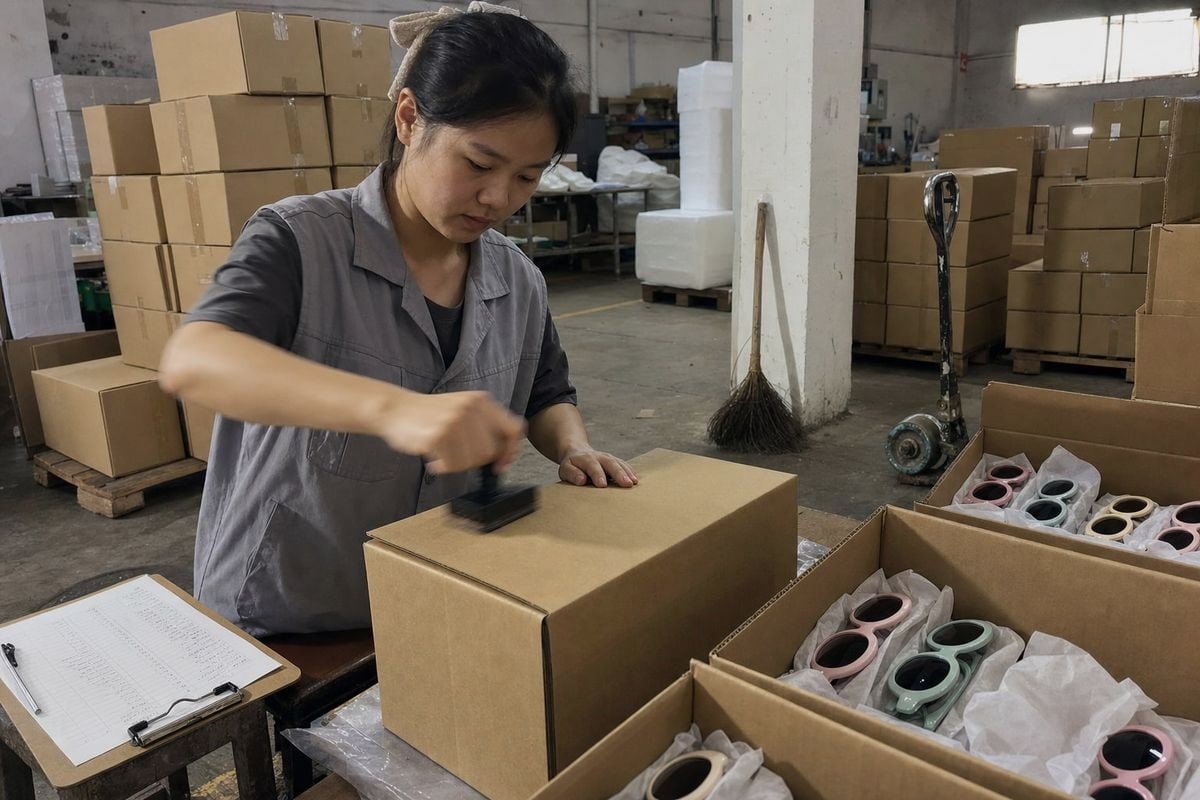
CBP treats origin marking as a foundational entry requirement, so this is one of the first things an inspector checks. Here is how a marking failure typically unfolds:
- Detention. CBP issues a notice to redeliver or mark the merchandise. Your goods sit in a bonded facility, accruing storage fees daily.
- Corrective action. You must mark the goods under CBP supervision, export them, or destroy them. Hand-applying stickers to thousands of kids' sunglasses in a warehouse is slow, ugly, and expensive.
- Marking duty. If unmarked goods are distributed without correction, the 10% ad valorem marking duty applies. Note that this stacks on top of the regular duty for sunglasses under HTS code 9004.10.00 and any applicable Section 301 tariffs on Chinese goods — a painful triple layer.
- Reputation cost. Repeated marking problems can flag your company for closer inspection on future entries, which slows every shipment afterward.
The hidden costs beyond duties
The duty is rarely the worst part. For a kids' brand, a four-week port delay can mean missing the summer selling season entirely. We have seen buyers lose retailer purchase orders because a shipment arrived after the planogram reset date. That is why our export checklist requires photographed proof of origin marks on the frame, the retail packaging, and the outer shipping carton before any U.S. order leaves Taizhou. Prevention costs minutes; correction costs weeks.
小売パッケージと製品本体で、原産地表示を使い分ける必要はありますか?
When we develop retail-ready packaging for private-label clients, the question comes up in almost every artwork review: if the box says Made in China, does the frame still need it?
Yes — mark both. The sunglasses themselves need a permanent origin mark for the ultimate purchaser, and the retail packaging and outer shipping carton must also show "Made in China." Packaging-only marking is allowed only under narrow exceptions that most kids' sunglasses do not qualify for.

Some importers hope the box alone is enough, usually to keep the product looking clean. I understand the aesthetic instinct — but CBP rulings show that packaging-based marking only substitutes for article marking in limited, fact-specific cases, such as sealed containers that always reach the consumer unopened. Kids' sunglasses do not fit that pattern. Children try frames on in stores. Cases, pouches, and boxes get separated from the product. So the frame must carry its own mark even when every layer of packaging is labeled.
What each layer needs
| レイヤー | Origin marking required? | Typical format |
|---|---|---|
| Frame (temple/temple tip) | Yes — permanent | Molded or engraved "Made in China" |
| Case or pouch | Yes, if of Chinese origin | Printed or woven label |
| Retail box / blister / polybag | はい | Printed "Made in China" visible before opening |
| Multi-pack window box | はい | Origin visible through the window or on the panel |
| Outer shipping carton | はい | Clear carton marking for CBP inspection |
Practical rules we follow on every U.S. order
For multi-pack sets — a popular format for our two-tone TPEE kids' styles — we make sure the origin marking is visible through clear polybags or window boxes, so conspicuousness is satisfied before the consumer opens anything. We also train packers never to place price stickers, hang tags, or sleeve wraps over the origin text. Finally, we align the packaging artwork with CPSIA tracking information in one approval round, so the customs marking, the 、またはCPCは、中心となる文書です。米国法では、輸入者または国内製造者が発行する必要がありますが、CPSC認定検査機関からの合格テスト結果に基づいている必要があります。サプライヤーの自己申告に基づいて有効なCPCを発行することはできません。 7 references, and the brand design all lock together before mass production. One artwork file, checked once, shipped correctly — that discipline has kept our clients' U.S. entries clean for years.
結論
Skipping proper origin marks invites detentions, 10% marking duties, and lost seasons. Mark "Made in China" permanently on the temple, packaging, and carton — and verify everything before shipment.
脚注
1. Official eCFR page for 19 CFR 134.2, which defines the 10% additional marking duty penalty. ↩︎
2. Official federal regulation regarding the marking of imported articles when U.S. addresses or names appear. ↩︎
3. Wikipedia overview of laser engraving, a permanent marking method used for industrial product identification. ↩︎
4. Official CPSC page explaining the Consumer Product Safety Improvement Act and its requirements for children’s products. ↩︎
5. CPSC educational resource regarding the restrictions on lead content in consumer products, especially for children. ↩︎
6. CPSC requirements for permanent tracking information on children’s products and their packaging. ↩︎
7. Official CPSC guide on the mandatory certification required for importers and manufacturers of children’s products. ↩︎
 English
  Español de México
  Deutsch
  Français
  日本語
日本語  العربية
  Português do Brasil